
General Liability responds to the core exposures most operations in this category face. A typical policy answers third-party claims and the defense costs that come with them, so a single incident doesn't put the business at risk.
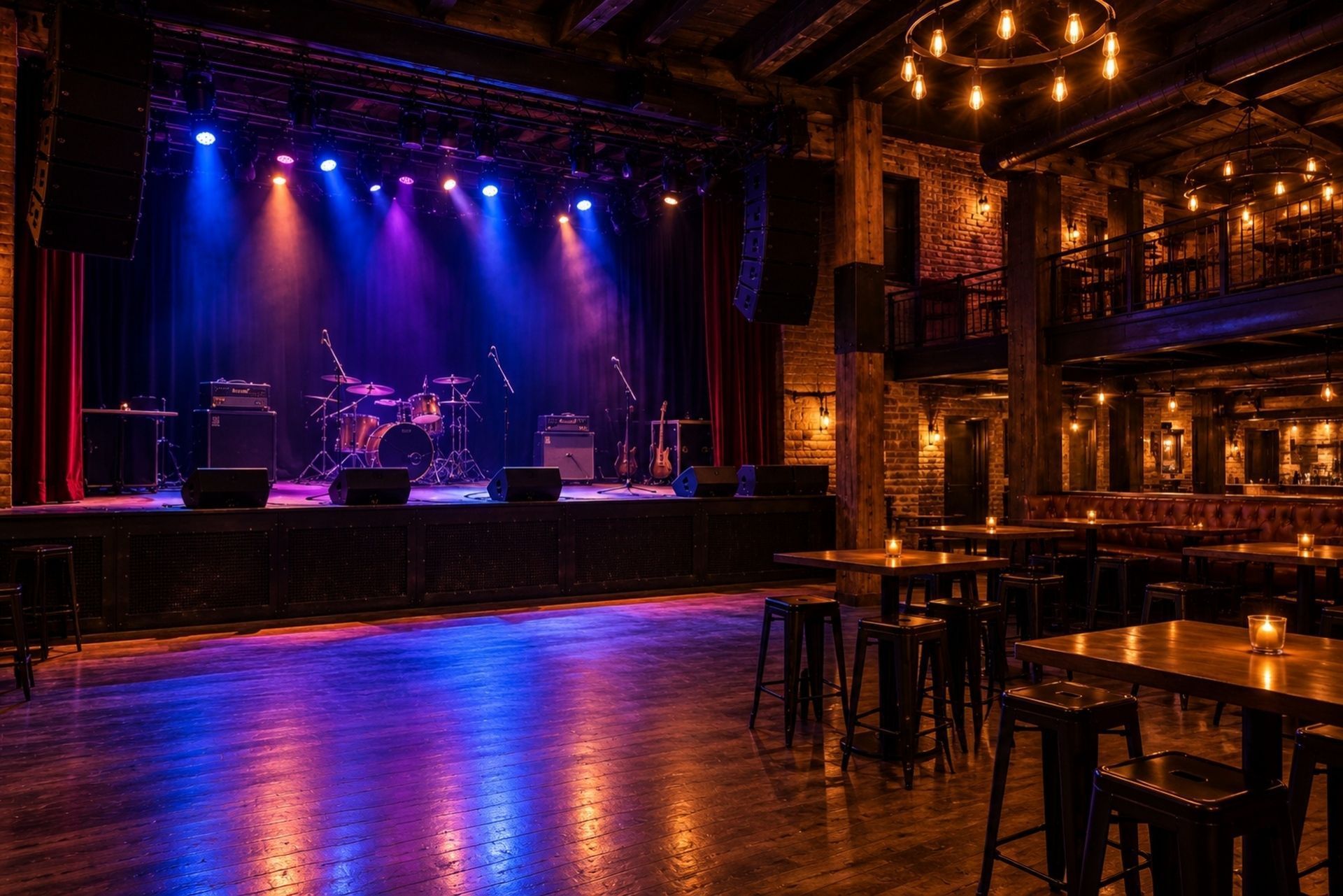
Running a live music venue in Tennessee means juggling sound checks, booking acts, managing staff, and keeping a crowd safe, sometimes all in the same night. What most operators don't think about until it's too late is insurance. A single slip-and-fall, a bar fight, or a piece of equipment falling on a performer can generate a six-figure claim before you even get a call from your attorney. The state has specific rules around alcohol service, security staffing, and workers' compensation that directly affect what coverage you need and how much it costs. Whether you're operating a 200-cap honky-tonk on Broadway or a warehouse venue in Memphis, understanding insurance requirements and compliance obligations is the difference between staying open and shutting down after one bad Saturday night. This guide breaks down what Tennessee venue operators actually need to know about coverage types, cost drivers, and the compliance details that trip people up most often.
Core Insurance Requirements for Tennessee Music Venues
Tennessee doesn't have a single statute that says "music venues must carry X insurance." Instead, the requirements come from multiple directions: your lease, your liquor license, your local permits, and the contracts touring acts send over. The practical result is that most venues need at least three to four distinct policies running simultaneously.
A commercial general liability (CGL) policy is the foundation. Liquor liability is mandatory if you serve alcohol. Workers' compensation kicks in once you hit a certain employee count. And property coverage protects your building, sound system, lighting rigs, and everything else that makes a venue function. Miss any one of these, and you're either violating a contract, breaking a law, or leaving yourself exposed to a claim that could end your business.
General Liability and Property Damage Basics
Your CGL policy covers bodily injury and property damage claims from third parties: think a patron tripping over a cable, a ceiling tile falling during a show, or a fight spilling into the parking lot. Most landlords and municipalities require a minimum of $1 million per occurrence and $2 million aggregate. Some Nashville properties push for $5 million, especially in high-traffic entertainment districts.
Property coverage is separate. It protects your owned assets: the PA system, stage, bar equipment, furniture, and the building itself if you own it. Replacement cost coverage is worth the premium difference over actual cash value, because a five-year-old mixing console depreciates fast on paper but costs just as much to replace. One thing to keep in mind: standard property policies often exclude flood and earthquake damage, so check your exclusions carefully.
Tennessee Liquor Liability and Dram Shop Laws
Tennessee's dram shop laws hold alcohol-serving establishments liable if they serve a visibly intoxicated person who then causes injury to someone else. This isn't theoretical. Dram shop claims in Tennessee regularly produce judgments in the hundreds of thousands.
Venues with on-premises alcohol consumption must ensure security guards complete a specialized 4-hour training curriculum or face a mandatory 30-day liquor license suspension. That's a month of lost revenue, and it's entirely preventable. Liquor liability premiums have been climbing nationally, with rising costs threatening bars, restaurants, and venues across the country. Tennessee operators should budget $3,000 to $8,000 annually for standalone liquor liability, depending on revenue and claims history.
Workers' Compensation Standards in TN
Tennessee requires workers' compensation coverage for any business with five or more employees. For venues, this includes bartenders, door staff, sound engineers, and anyone on payroll. Independent contractor classifications get scrutinized heavily, so don't assume your regular sound tech is exempt just because they invoice you.
The state's workers' comp system uses classification codes to set rates, and live entertainment venues often fall into higher-risk categories. Tennessee's 2026 NCCI loss cost filing reflects updated rate calculations that operators should review with their broker. Failing to carry workers' comp when required doesn't just invite fines: it opens you to personal liability for workplace injuries, which can be financially devastating.
INDEX
GrayStone Insurance Group is fully licensed and permitted to provide specialty commercial insurance solutions for high-risk and hard-to-place businesses across 17 states.
We proudly serve high-risk and hard-to-place businesses from coast to coast. As an independent specialty brokerage, our team works with leading Excess & Surplus and specialty carriers to make sure restaurants, bars, contractors, trucking companies, manufacturers, and other hard-to-place operations receive coverage that fits their real risks in California, Colorado, Florida, Georgia, Illinois, Iowa, Maryland, Michigan, Missouri, Nevada, New York, North Carolina, South Carolina, Tennessee, Texas, Utah, and Washington.
Every policy has boundaries. Knowing them up front is how you avoid an uncovered claim. Common exclusions include:
Every policy has boundaries. Knowing them up front is how you avoid an uncovered claim. Common exclusions include:
Every policy has boundaries. Knowing them up front is how you avoid an uncovered claim. Common exclusions include:
General Liability responds to the core exposures most operations in this category face. A typical policy answers third-party claims and the defense costs that come with them, so a single incident doesn't put the business at risk.
If your firm provides any design, engineering, or consulting services alongside construction, you need both. A GL policy won't cover a claim alleging your design specifications caused a building envelope failure. That's a professional liability exposure, and it's one of the fastest-growing claim categories in construction.
Comparing Coverage: Essential vs. Comprehensive Protection
Most venue operators start with the bare minimum and add coverage as they grow. That's understandable, but it creates gaps. The difference between a basic package and a comprehensive one often comes down to a few thousand dollars a year, and that gap can save you from a claim that basic coverage wouldn't touch.
Table: Coverage Limits and Value Comparison
| Coverage Type | Essential Package | Comprehensive Package |
|---|---|---|
| General Liability | $1M per occurrence / $2M aggregate | $2M per occurrence / $5M aggregate |
| Property | Actual cash value, named perils | Replacement cost, all-risk |
| Liquor Liability | $500K per occurrence | $1M per occurrence |
| Workers' Comp | State minimum | State minimum + employer's liability |
| Umbrella/Excess | None | $2M-$5M excess liability |
| Equipment Breakdown | Not included | Included |
| Hired/Non-Owned Auto | Not included | Included |
| Estimated Annual Cost | $8,000-$15,000 | $18,000-$35,000 |
The umbrella policy is where most venues underinsure. A single serious injury claim can blow past a $1 million CGL limit fast, and without excess coverage, you're paying the difference out of pocket.
Factors Influencing Insurance Costs for Local Operators
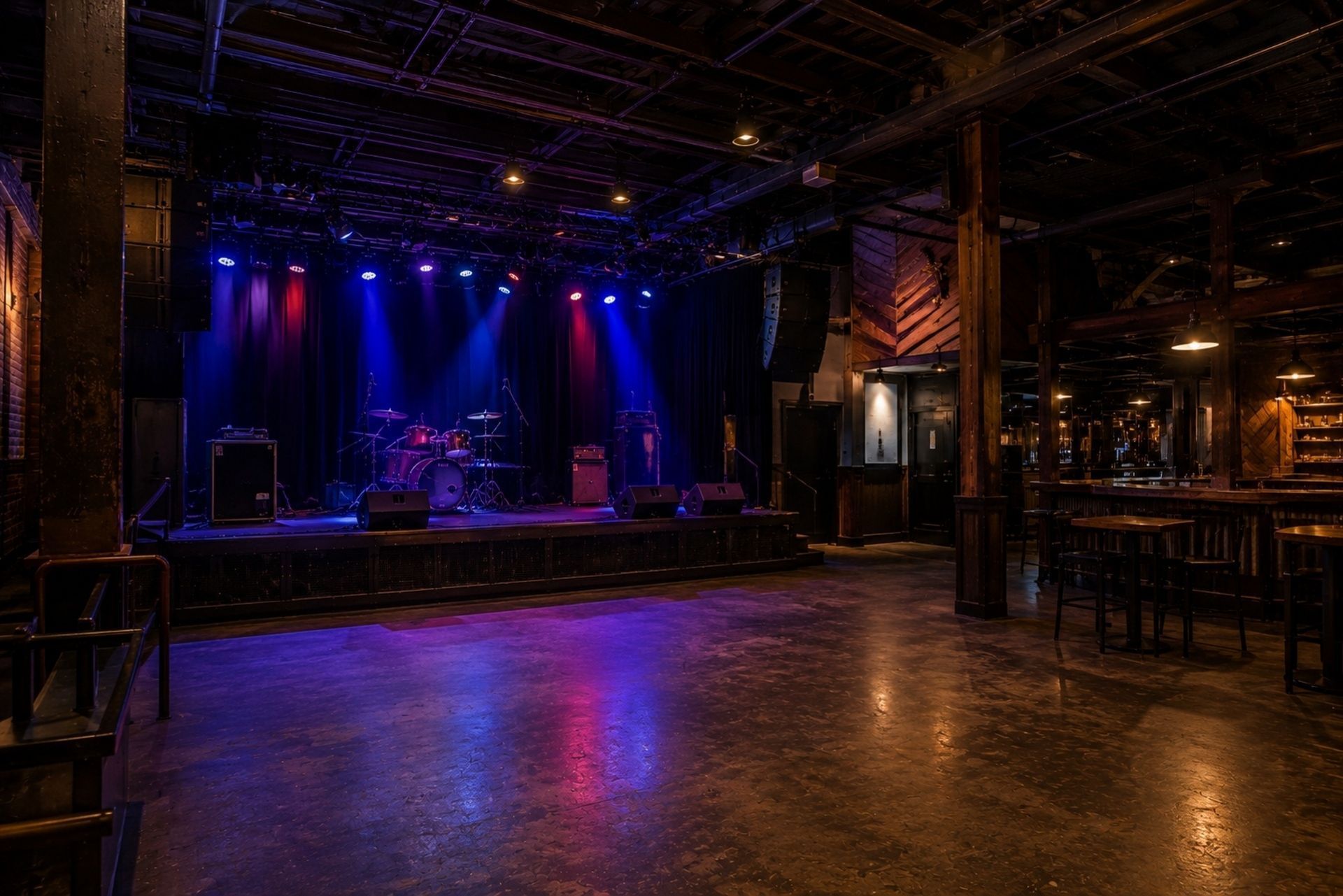
Insurance pricing for Tennessee music venues isn't random. Underwriters look at specific, measurable risk factors, and understanding them gives you real power to control your premiums. Venue operators who can demonstrate lower risk through documentation and policies consistently pay less.
Venue Capacity and Crowd Management Policies
A 100-person listening room and a 2,000-capacity outdoor amphitheater present very different risk profiles. Capacity is the single biggest cost driver for general liability premiums. Larger crowds mean more potential claims, more alcohol consumption, and more complex evacuation scenarios.
Underwriters also look at your crowd management plan. Do you have trained security at a ratio appropriate to your capacity? Are there documented entry and exit procedures? Is there a medical response protocol? Venues that can show written policies and staff training records often qualify for lower rates. GrayStone Insurance Group works with operators in the hospitality and nightlife space to build these documentation packages, which makes a measurable difference at renewal time.
Claims History and Risk Mitigation Strategies
Your loss history follows you. A venue with two assault claims and a slip-and-fall in the past three years will pay significantly more than a clean operation. Some carriers won't touch you at all with recent claims, which is where working with a broker experienced in hard-to-place risks becomes critical.
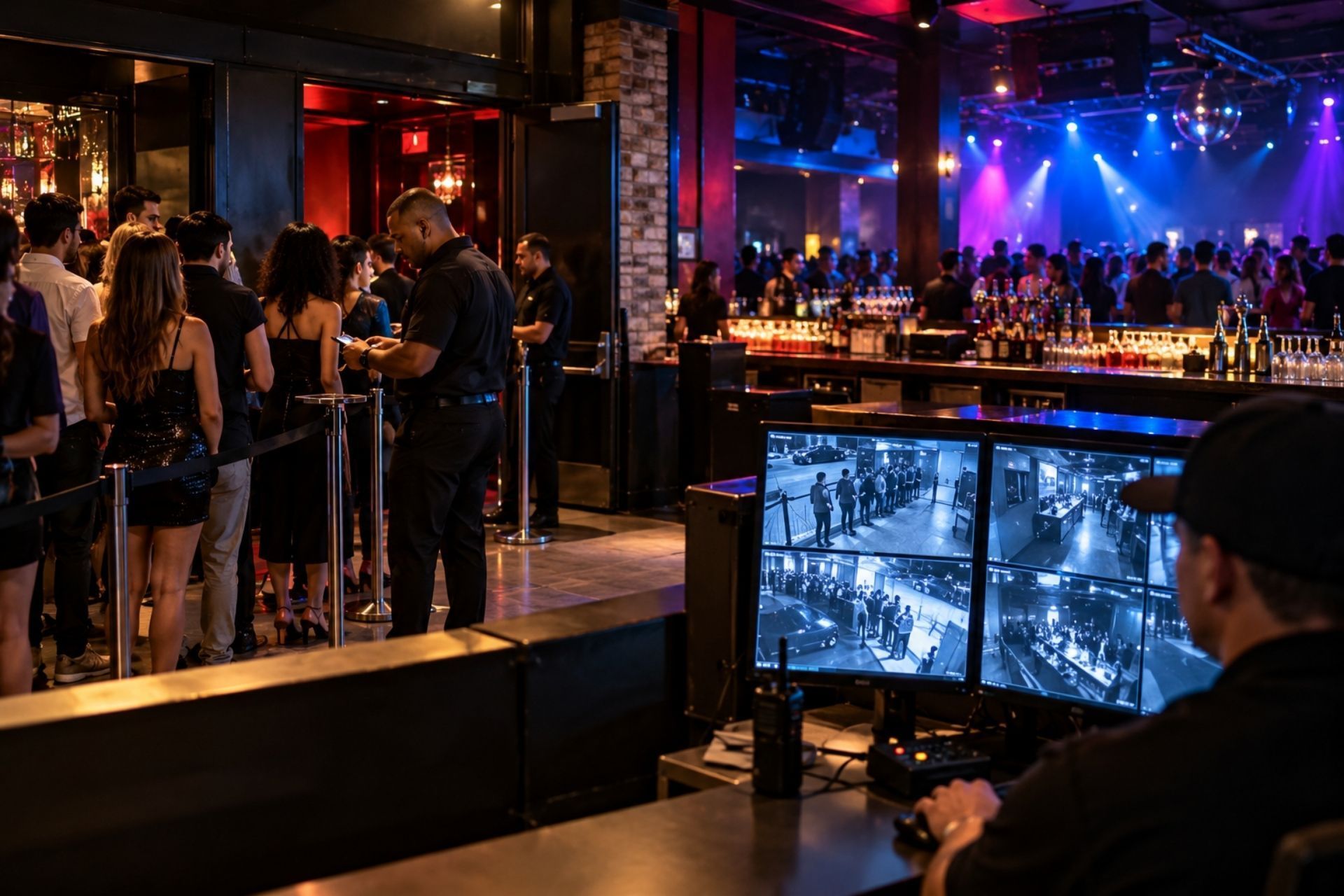
Risk mitigation isn't just about lowering premiums, though that's a nice side effect. Installing security cameras, maintaining incident logs, enforcing cut-off policies for intoxicated patrons, and conducting regular safety inspections all reduce your actual exposure. Carriers want to see that you're actively managing risk, not just buying a policy and hoping for the best.
Every policy has boundaries. Knowing them up front is how you avoid an uncovered claim. Common exclusions include:
Every policy has boundaries. Knowing them up front is how you avoid an uncovered claim. Common exclusions include:
Every policy has boundaries. Knowing them up front is how you avoid an uncovered claim. Common exclusions include:
General Liability responds to the core exposures most operations in this category face. A typical policy answers third-party claims and the defense costs that come with them, so a single incident doesn't put the business at risk.
Navigating Compliance and Permitting in Tennessee
Insurance and compliance aren't separate conversations. Your permits, licenses, and local ordinances dictate minimum coverage levels, and failing to meet them can result in fines, shutdowns, or voided policies. Tennessee operators need to track requirements at both the state and municipal level.
The state legislature has also been active on venue-related issues. A bill aimed at funding independent venues was recently rejected by the Tennessee State House, and a separate live music support act was shut down despite bipartisan support. These legislative setbacks mean operators can't count on state-level financial assistance and need to self-fund their risk management strategies.
Meeting Nashville and Memphis Local Ordinances
Nashville's Metro Code requires entertainment venues to carry specific liability limits, and the requirements vary by zoning district and venue type. Broadway corridor venues face additional scrutiny around noise, crowd control, and security staffing ratios. Memphis has its own set of rules, particularly around Beale Street and the surrounding entertainment zones.
Both cities require proof of insurance as part of the permitting process. If your policy lapses or your coverage drops below required limits, your permit can be pulled. The practical advice here: set up automatic renewal notifications and keep your broker in the loop on any permit changes or new requirements from the city.
Certificates of Insurance for Touring Acts
Every touring act worth booking will send you a rider that includes insurance requirements. They'll want to be listed as an additional insured on your CGL policy, and they'll need a certificate of insurance (COI) before load-in. Some venues, like Nashville's Glasshaus, publish their COI requirements publicly so artists and promoters know what to expect.
Your broker should be able to issue COIs quickly, ideally same-day. If it takes a week to get a certificate, you'll lose bookings. GrayStone's team, with brokers averaging 20 years of experience, handles these turnarounds routinely for venue clients who need fast documentation without chasing paperwork.
Common Questions About Venue Insurance
FAQ: What do I need to know before getting a quote?
How much does venue insurance cost in Tennessee? Most small to mid-size venues pay between $8,000 and $35,000 annually, depending on capacity, alcohol sales, claims history, and coverage limits.
Do I need separate liquor liability coverage? Yes. Standard general liability policies exclude alcohol-related claims. You need a standalone liquor liability policy or an endorsement specifically covering alcohol service.
What happens if a performer gets injured on my stage? If they're an independent contractor, your CGL policy may cover it. If they're on your payroll for the night, workers' comp applies. The classification matters, so get it right before the show.
Can I use my landlord's insurance instead of my own? No. Your landlord's policy covers the building structure, not your operations, equipment, or liability. You need your own policies.
How fast can I get a certificate of insurance for a show? With a responsive broker, same-day COIs are standard. If your current broker can't deliver that, it's time to switch.
Does my insurance cover outdoor events on my property? It depends on your policy. Many standard policies cover your premises as defined in the declarations page. Temporary outdoor stages or festival setups may require an endorsement or separate event policy.
Every policy has boundaries. Knowing them up front is how you avoid an uncovered claim. Common exclusions include:
Every policy has boundaries. Knowing them up front is how you avoid an uncovered claim. Common exclusions include:
Every policy has boundaries. Knowing them up front is how you avoid an uncovered claim. Common exclusions include:
General Liability responds to the core exposures most operations in this category face. A typical policy answers third-party claims and the defense costs that come with them, so a single incident doesn't put the business at risk.
The Bottom Line for Your Venue
Tennessee venue operators face a specific and demanding set of insurance requirements shaped by state liquor laws, local ordinances, and the practical realities of hosting live events. The cost of getting it wrong isn't just a fine or a premium increase: it's a shuttered venue and personal financial exposure.
Get your security staff trained and documented. Carry liquor liability that matches your actual risk. Keep your COI process fast enough to not lose bookings. And work with a broker who understands the entertainment and hospitality space, because a generalist agent writing your policy from a standard template will miss the details that matter most.
If you're operating a venue that traditional carriers have declined or priced out of reach, GrayStone Insurance Group specializes in exactly these placements. Reach out for a coverage review before your next renewal, not after a claim forces the conversation.
ABOUT THE AUTHOR:
CHAD KRAMER
I started GrayStone Insurance Group in 2018 with a simple conviction: the businesses everyone else turns away deserve a broker who won't. What began as a one-person operation has grown into a specialty commercial brokerage with offices across the country — but the mission hasn't changed. We find solutions for high-risk and hard-to-place businesses when other agencies run the other way.
I built this agency on integrity, hard work, and the tenacity to do the hard things well. Through our access to Excess & Surplus and specialty markets, my team and I place coverage standard carriers can't — and I treat every client's business like my own.
If you've been declined, non-renewed, or told your business is too complicated to insure, let's talk.
Coverages & policies
Plain-language coverage, expertly placed.
We lead with commercial lines and round out personal coverage where you need it. Every policy comes with an explanation — not jargon.

Contractors
Third-party bodily injury & property damage — the foundation for any operation.

Liquor Liability
Critical for bars, restaurants and venues serving alcohol — including A&B.

Commercial Property
Buildings, contents and equipment — including distressed and vacant risk.

Workers' Compensation
Statutory coverage for your crew — including high-mod and high-hazard classes.

Commercial Umbrella
Extra liability limits over your primary policies — essential for high-exposure risk.
Products Liability
Manufacturers, CBD and consumer-product exposure — including imports.
What clients say
Brokers who actually place it.
FAQ
Answers for the risks others won't cover
Getting declined, non-renewed, or told your business is "too high-risk" is frustrating — but it doesn't mean you're out of options. Here are answers to the questions we hear most from business owners who need coverage the standard market won't provide.
What kind of insurance does GrayStone specialize in?
We're a specialty commercial brokerage built for high-risk and hard-to-place businesses — the risks standard carriers often turn away. Through our access to Excess & Surplus (E&S) and specialty markets, we place coverage that everyday agencies can't. Hospitality and construction are among our deepest areas of expertise.
My business was declined or non-renewed elsewhere. Can you still help?
That's exactly what we do. A decline, a non-renewal, or a tough claims history doesn't mean you're out of options — it means your risk needs a broker with the right market access. Tell us your situation and we'll get to work finding a fit.
What is Excess & Surplus (E&S) insurance?
E&S is specialty coverage for risks that standard "admitted" carriers won't write — often because a business is higher-risk, unusual, or has a complex history. As an independent broker, we tap into these specialty markets to place coverage where a typical agency hits a dead end.
What industries do you work with?
We cover a wide range of commercial industries — from restaurants, bars, and hospitality to contractors, trucking, manufacturing, cannabis, and more. If your industry is considered high-risk or hard-to-place, there's a good chance we've handled it.
Will you work with businesses that have prior claims or losses?
Yes. Prior claims and losses are part of many of the risks we place every day. Every business is evaluated on its own merits — and a rocky history is often exactly why a specialty broker can help where others won't.
Are you an independent broker?
Yes. We're not tied to a single carrier, so we shop your risk across multiple specialty and E&S markets to find coverage that actually fits — instead of forcing you into a one-size-fits-all policy.
Insights & resources
Know your risk before you buy.