General Liability responds to the core exposures most operations in this category face. A typical policy answers third-party claims and the defense costs that come with them, so a single incident doesn't put the business at risk.
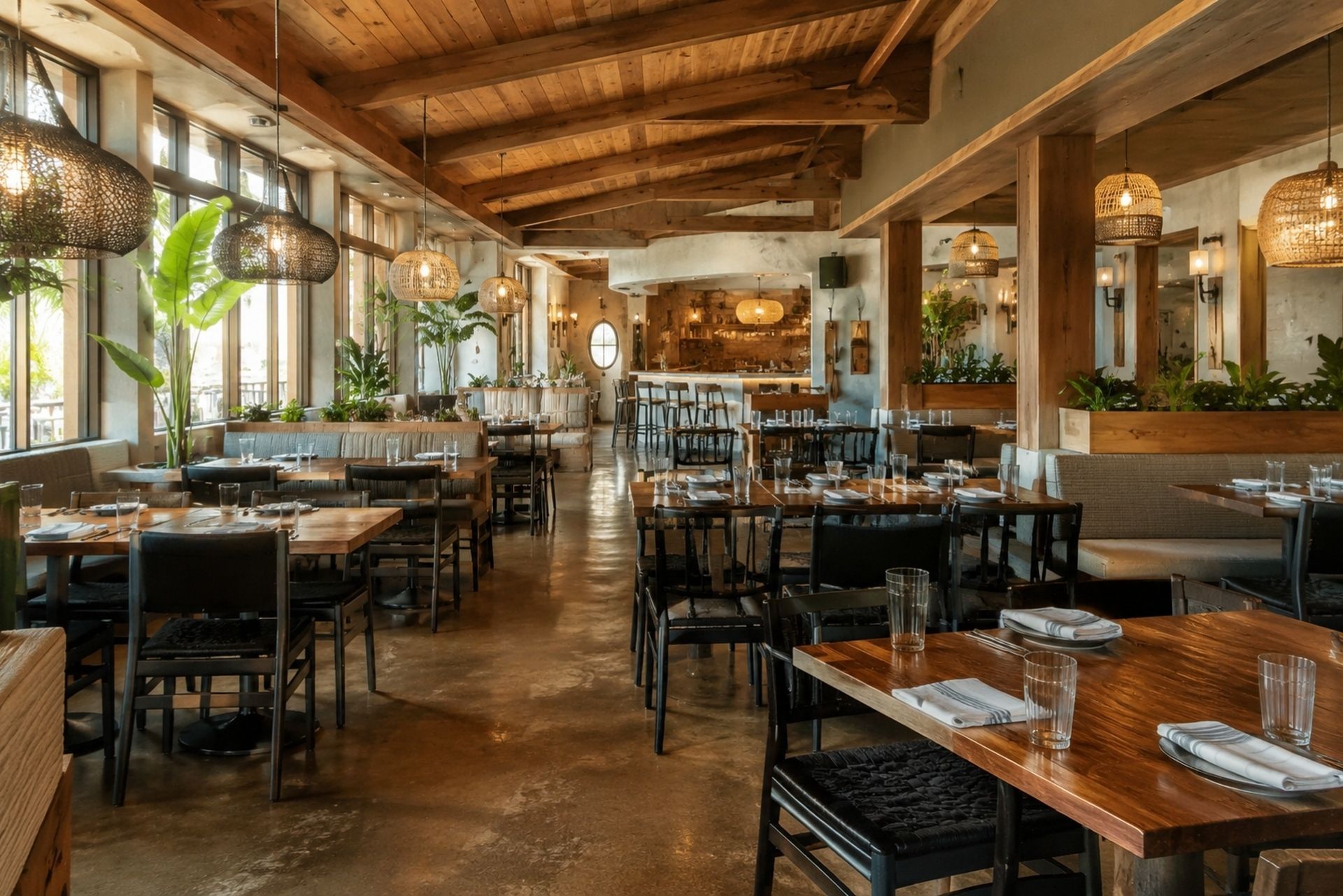
Running a restaurant in Corpus Christi means dealing with risks that inland operators never think about. Between hurricane season, salt-laden Gulf air eating through your equipment, and the unpredictable swings of tourist traffic, your insurance needs look very different from a Dallas or Austin restaurant. The wrong policy - or worse, no policy at all - can turn a single bad storm or slip-and-fall lawsuit into a business-ending event.
I've seen Corpus Christi restaurant owners pay tens of thousands out of pocket for damage they assumed was covered, only to discover their standard commercial property policy excluded wind-driven rain or flooding. Others have been blindsided by liquor liability claims that exceeded their coverage limits after a tourist got injured leaving their waterfront bar. These aren't hypothetical scenarios. They happen every year along the Texas coast.
Getting the right restaurant insurance in Corpus Christi requires understanding both Texas state mandates and the hyper-local risks that come with operating in a coastal city in Nueces County. This means layering coverages that most generic business policies don't include by default, and working with brokers who actually understand how coastal underwriting works. The restaurant industry in Texas continues to be a major economic driver, but that growth comes with proportional exposure. If you're opening a new spot on North Beach or running a longtime family place on South Padre Island Drive, here's what you need to know to protect it properly.
Protecting Your Restaurant in the Sparkling City
Corpus Christi sits in a unique risk zone. The city's position on the Gulf Coast puts it directly in the path of tropical storms and hurricanes, but it also creates year-round challenges that affect everything from your roof to your walk-in cooler. Standard commercial policies written for inland Texas businesses simply don't account for these realities.
The baseline coverage most Texas restaurants carry includes general liability, commercial property, and workers' compensation. But in Corpus Christi, you need to think beyond the basics. Wind and hail deductibles in Nueces County are typically percentage-based rather than flat dollar amounts, meaning a claim on a $500,000 property could come with a $10,000 to $25,000 deductible before you see a dime. Flood insurance is a separate policy entirely, and if your restaurant sits in a FEMA-designated flood zone, your lender probably requires it.
The real gap I see most often is business interruption coverage. A restaurant that closes for three weeks after a tropical storm doesn't just lose the cost of repairs - it loses revenue, has to keep paying rent, and risks losing staff to other employers. A well-structured policy accounts for all of this. GrayStone Insurance Group works with Corpus Christi operators specifically because many traditional carriers won't touch coastal hospitality risks, and their brokers understand the difference between a policy that looks good on paper and one that actually pays when you need it.
INDEX
GrayStone Insurance Group is fully licensed and permitted to provide specialty commercial insurance solutions for high-risk and hard-to-place businesses across 17 states.
We proudly serve high-risk and hard-to-place businesses from coast to coast. As an independent specialty brokerage, our team works with leading Excess & Surplus and specialty carriers to make sure restaurants, bars, contractors, trucking companies, manufacturers, and other hard-to-place operations receive coverage that fits their real risks in California, Colorado, Florida, Georgia, Illinois, Iowa, Maryland, Michigan, Missouri, Nevada, New York, North Carolina, South Carolina, Tennessee, Texas, Utah, and Washington.
Every policy has boundaries. Knowing them up front is how you avoid an uncovered claim. Common exclusions include:
Every policy has boundaries. Knowing them up front is how you avoid an uncovered claim. Common exclusions include:
Every policy has boundaries. Knowing them up front is how you avoid an uncovered claim. Common exclusions include:
General Liability responds to the core exposures most operations in this category face. A typical policy answers third-party claims and the defense costs that come with them, so a single incident doesn't put the business at risk.
If your firm provides any design, engineering, or consulting services alongside construction, you need both. A GL policy won't cover a claim alleging your design specifications caused a building envelope failure. That's a professional liability exposure, and it's one of the fastest-growing claim categories in construction.
Mandatory Texas Coverage vs. Local Coastal Risks
Texas has its own set of insurance requirements for restaurants, and then the coast adds another layer of complexity on top. Understanding both is essential.
Texas Workers' Compensation and Liability Rules
Texas is one of the few states where workers' compensation insurance isn't technically mandatory for private employers. That said, going without it is a terrible idea for restaurants. Kitchen injuries, burns, slips on wet floors - these are daily hazards. Without workers' comp, you lose important legal protections and become personally liable for medical bills and lost wages. Restaurants that carry workers' comp coverage protect themselves from costly injury lawsuits that can easily reach six figures.
General liability insurance, while also not state-mandated, is effectively required by most landlords, lenders, and licensing authorities. A minimum of $1 million per occurrence is standard, though many Corpus Christi property owners require $2 million aggregate before they'll sign a lease.
Windstorm and Flood Risks for Coastal Operators
Here's where Corpus Christi operators face their biggest insurance headache. Standard commercial property policies in the 14 first-tier coastal counties of Texas exclude windstorm and hail damage. You need a separate windstorm policy, typically through the Texas Windstorm Insurance Association (TWIA) if you can't find private market coverage.
TWIA commercial rates for coastal counties like Nueces increased by 10% in 2026 to address growing claim costs. That's a significant hit to your operating budget, but going without windstorm coverage is gambling with your entire investment. Flood insurance adds another $2,000 to $8,000 annually depending on your zone and building elevation. Commercial property insurance in Texas has been shifting significantly due to coastal weather patterns, making it harder and more expensive to find adequate coverage through standard channels.
Liquor Liability Standards in the Lone Star State
If your restaurant serves alcohol - and most in Corpus Christi do - you need liquor liability coverage. Texas follows a "dram shop" law that holds establishments responsible if they serve an obviously intoxicated person who then causes injury or death. The rising cost of liquor liability claims has been squeezing margins for bars and restaurants nationwide, and Texas is no exception.
A single dram shop lawsuit can result in judgments exceeding $1 million. Your general liability policy typically won't cover alcohol-related claims, so a standalone liquor liability policy or endorsement is critical. Expect to pay $2,500 to $7,000 annually depending on your alcohol sales volume and claims history.
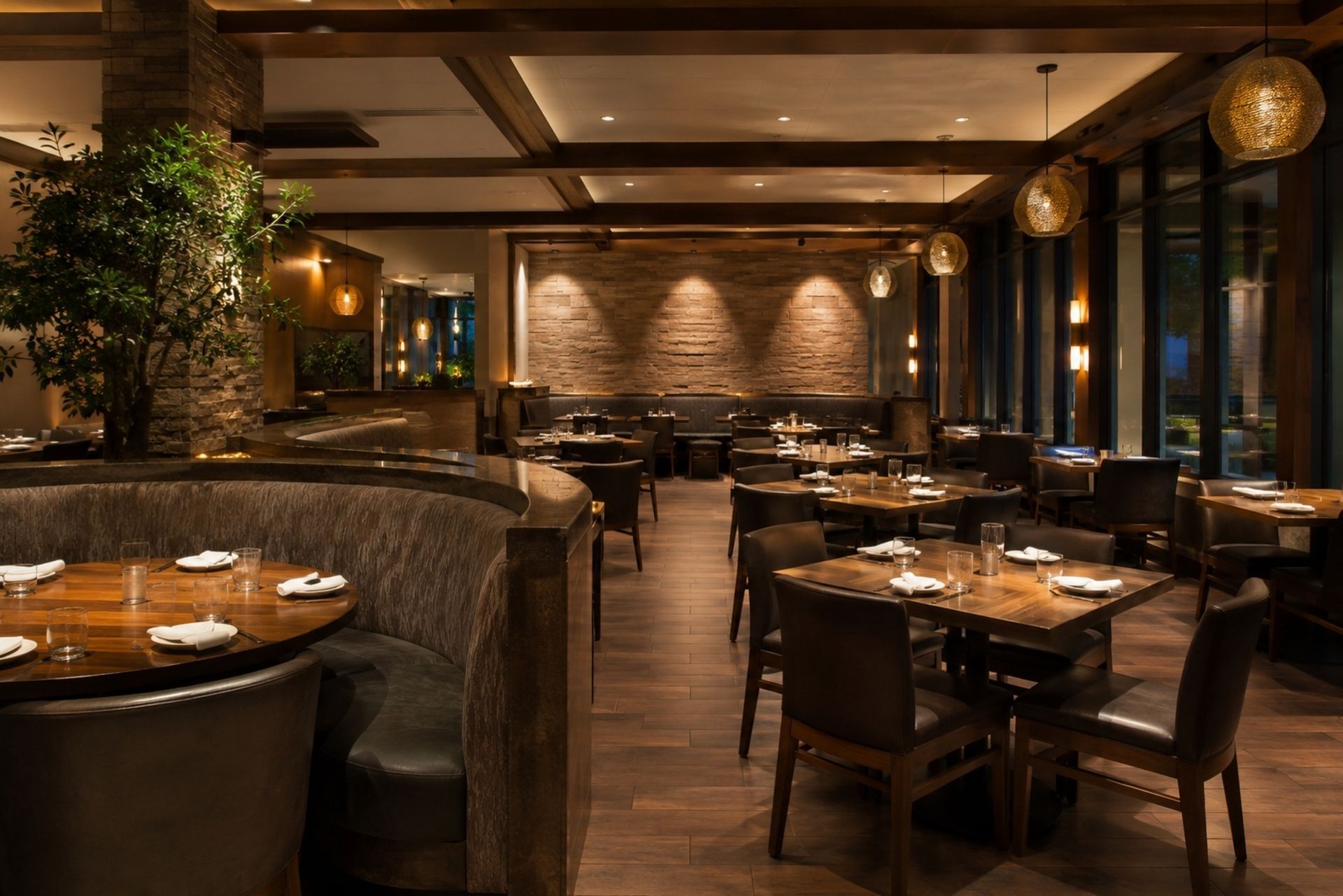
Comparing Essential Coverage for Corpus Christi Eateries
This table breaks down the core coverages and how they differ between basic and comprehensive plans for a typical Corpus Christi restaurant:
| Coverage Type | Basic Plan | Comprehensive Plan |
|---|---|---|
| General Liability | $1M per occurrence / $2M aggregate | $2M per occurrence / $4M aggregate |
| Commercial Property | Building and contents, named perils only | Replacement cost, broad form perils |
| Windstorm (TWIA or Private) | Minimum required limits | Full replacement value with lower deductible |
| Flood Insurance | NFIP standard limits ($500K building) | Private flood with higher limits and BI coverage |
| Workers' Compensation | State minimum benefits | Enhanced with employer's liability endorsement |
| Liquor Liability | $300K per occurrence | $1M+ per occurrence |
| Business Interruption | 30 days coverage | 90-180 days with extended period of indemnity |
| Equipment Breakdown | Not included | Covers HVAC, refrigeration, cooking systems |
| Cyber Liability | Not included | Covers POS breaches and customer data |
Most Corpus Christi restaurants should aim for something closer to the comprehensive column. The cost difference between basic and comprehensive coverage might be $3,000 to $6,000 annually, but a single uncovered claim can dwarf that investment many times over. Restaurant insurance costs in Texas vary widely based on location and risk profile, and coastal operators consistently pay more than their inland counterparts.
Every policy has boundaries. Knowing them up front is how you avoid an uncovered claim. Common exclusions include:
Every policy has boundaries. Knowing them up front is how you avoid an uncovered claim. Common exclusions include:
Every policy has boundaries. Knowing them up front is how you avoid an uncovered claim. Common exclusions include:
General Liability responds to the core exposures most operations in this category face. A typical policy answers third-party claims and the defense costs that come with them, so a single incident doesn't put the business at risk.
Unique Challenges for Corpus Christi Restaurant Owners
Seasonality and Tourist Crowd Liability
Corpus Christi's restaurant scene swells during spring break, summer vacation, and events like Buc Days. That seasonal surge means more foot traffic, more alcohol served, and more potential liability incidents. A restaurant that serves 200 covers on a slow Tuesday might push 600 on a July Saturday, and your insurance needs to reflect peak capacity, not average capacity.
Slip-and-fall claims spike during busy tourist months. So do food poisoning allegations and alcohol-related incidents. If your policy was written based on your January revenue numbers, you might be underinsured during the months when you're most exposed. Review your coverage limits against your busiest periods, not your slowest ones.
One thing to keep in mind: umbrella policies become especially valuable for waterfront restaurants and bars that see heavy tourist traffic. A $1 million umbrella policy typically costs $1,200 to $2,500 annually and provides a critical buffer above your primary liability limits.
Salt Air Corrosion and Equipment Breakdown
This is a Corpus Christi-specific problem that catches a lot of restaurant owners off guard. Salt air corrodes HVAC systems, refrigeration units, and even electrical components far faster than in inland cities. A commercial HVAC unit that lasts 15 years in San Antonio might need replacement in 8 to 10 years in Corpus Christi.
Equipment breakdown coverage - sometimes called mechanical breakdown insurance - covers the cost of repairing or replacing essential restaurant equipment when it fails. Standard property policies usually exclude mechanical failure, so this is an add-on you need to specifically request. Given that a single commercial refrigeration unit can cost $5,000 to $15,000 to replace, and an HVAC system runs $10,000 to $30,000, this coverage pays for itself quickly in a salt air environment.
GrayStone Insurance Group's brokers, who average 20 years of experience in commercial insurance, understand these coastal-specific equipment risks and can structure policies that account for accelerated depreciation and corrosion-related failures.
What is bobtail insurance and do I need it?
Bobtail coverage protects you when driving your truck without a trailer attached, typically after dropping a load. It's often required by motor carriers for independent contractors operating under their authority. If you're an owner-operator leased to a carrier, check your lease agreement: most require it.
Common Questions About Local Restaurant Policies
Does my commercial property policy cover hurricane damage? Not entirely. Standard policies exclude wind damage in coastal Texas counties. You'll need a separate windstorm policy through TWIA or a private carrier, plus flood insurance if you're in a flood zone.
How much does restaurant insurance cost in Corpus Christi? A typical full-service restaurant pays between $8,000 and $20,000 annually for a comprehensive package. Waterfront locations with liquor service and high revenue will land on the higher end. Factors like claims history, building age, and square footage all affect pricing.
Can I skip workers' comp since Texas doesn't require it? You can, but you probably shouldn't. Without it, you lose your protection from employee injury lawsuits and become personally liable for medical costs. Most restaurant industry experts strongly recommend carrying it regardless of the legal requirement.
What happens if I'm underinsured and a hurricane hits? You'll receive a payout up to your policy limits, minus your deductible, and you're responsible for the rest. Percentage-based wind deductibles in coastal areas mean you could owe $25,000 or more before coverage kicks in on a $500,000 property.
Do I need cyber liability insurance for my restaurant? If you process credit cards - and you do - yes. POS system breaches expose customer payment data, and the resulting fines and notification costs can reach $50,000 or more even for a small restaurant.
Is business interruption coverage included in my property policy? Sometimes as a basic endorsement, but coastal restaurants need to verify that wind and flood events trigger their business interruption coverage. Many policies exclude these perils from BI unless specifically added.
Every policy has boundaries. Knowing them up front is how you avoid an uncovered claim. Common exclusions include:
Every policy has boundaries. Knowing them up front is how you avoid an uncovered claim. Common exclusions include:
Every policy has boundaries. Knowing them up front is how you avoid an uncovered claim. Common exclusions include:
General Liability responds to the core exposures most operations in this category face. A typical policy answers third-party claims and the defense costs that come with them, so a single incident doesn't put the business at risk.
Your Next Steps for Securing Your Business
Restaurant insurance in Corpus Christi isn't something you can set up once and forget. The Texas insurance market continues to shift, especially for coastal commercial properties, and your coverage needs to keep pace with both market changes and your own business growth.
Start by auditing your current policies against the coverage types outlined above. Pay special attention to windstorm and flood exclusions, liquor liability limits, and whether your business interruption coverage actually triggers for the events most likely to shut you down. If you're finding gaps - or if your current agent doesn't specialize in coastal restaurant risks - that's a sign you need a different approach.
GrayStone Insurance Group specializes in placing coverage for high-risk and hard-to-place businesses, including coastal restaurants that traditional carriers often decline. Their team can run a detailed risk assessment and identify where your current coverage falls short before the next storm season arrives. Don't wait until you're filing a claim to find out what your policy actually covers. Reach out now and get a proper review done while you still have time to fix the gaps.
ABOUT THE AUTHOR:
CHAD KRAMER
I started GrayStone Insurance Group in 2018 with a simple conviction: the businesses everyone else turns away deserve a broker who won't. What began as a one-person operation has grown into a specialty commercial brokerage with offices across the country — but the mission hasn't changed. We find solutions for high-risk and hard-to-place businesses when other agencies run the other way.
I built this agency on integrity, hard work, and the tenacity to do the hard things well. Through our access to Excess & Surplus and specialty markets, my team and I place coverage standard carriers can't — and I treat every client's business like my own.
If you've been declined, non-renewed, or told your business is too complicated to insure, let's talk.
Coverages & policies
Plain-language coverage, expertly placed.
We lead with commercial lines and round out personal coverage where you need it. Every policy comes with an explanation — not jargon.

Contractors
Third-party bodily injury & property damage — the foundation for any operation.

Liquor Liability
Critical for bars, restaurants and venues serving alcohol — including A&B.

Commercial Property
Buildings, contents and equipment — including distressed and vacant risk.

Workers' Compensation
Statutory coverage for your crew — including high-mod and high-hazard classes.

Commercial Umbrella
Extra liability limits over your primary policies — essential for high-exposure risk.
Products Liability
Manufacturers, CBD and consumer-product exposure — including imports.
What clients say
Brokers who actually place it.
FAQ
Answers for the risks others won't cover
Getting declined, non-renewed, or told your business is "too high-risk" is frustrating — but it doesn't mean you're out of options. Here are answers to the questions we hear most from business owners who need coverage the standard market won't provide.
What kind of insurance does GrayStone specialize in?
We're a specialty commercial brokerage built for high-risk and hard-to-place businesses — the risks standard carriers often turn away. Through our access to Excess & Surplus (E&S) and specialty markets, we place coverage that everyday agencies can't. Hospitality and construction are among our deepest areas of expertise.
My business was declined or non-renewed elsewhere. Can you still help?
That's exactly what we do. A decline, a non-renewal, or a tough claims history doesn't mean you're out of options — it means your risk needs a broker with the right market access. Tell us your situation and we'll get to work finding a fit.
What is Excess & Surplus (E&S) insurance?
E&S is specialty coverage for risks that standard "admitted" carriers won't write — often because a business is higher-risk, unusual, or has a complex history. As an independent broker, we tap into these specialty markets to place coverage where a typical agency hits a dead end.
What industries do you work with?
We cover a wide range of commercial industries — from restaurants, bars, and hospitality to contractors, trucking, manufacturing, cannabis, and more. If your industry is considered high-risk or hard-to-place, there's a good chance we've handled it.
Will you work with businesses that have prior claims or losses?
Yes. Prior claims and losses are part of many of the risks we place every day. Every business is evaluated on its own merits — and a rocky history is often exactly why a specialty broker can help where others won't.
Are you an independent broker?
Yes. We're not tied to a single carrier, so we shop your risk across multiple specialty and E&S markets to find coverage that actually fits — instead of forcing you into a one-size-fits-all policy.
Insights & resources
Know your risk before you buy.