
General Liability responds to the core exposures most operations in this category face. A typical policy answers third-party claims and the defense costs that come with them, so a single incident doesn't put the business at risk.
Hemp insurance has become one of the most misunderstood and underserved corners of the commercial insurance market. A farmer growing 200 acres of industrial hemp faces fundamentally different risks than a CBD manufacturer selling tinctures online, yet both struggle to find carriers willing to write their policies. The 2026 Agricultural Act's shift to a "Total THC" standard has reclassified significant portions of what was previously legal hemp, throwing compliance plans and insurance placements into disarray overnight. If you're an operator who's already been turned down by one or two agencies, you're not alone: this is one of the hardest industries to insure properly, and the stakes of getting it wrong are enormous. The good news is that coverage exists, even for the most complex operations. You just need to know where to look and what to ask for.
Understanding Hemp Insurance Essentials
Hemp businesses need insurance just like any other commercial operation, but the product categories, regulatory volatility, and stigma attached to the plant create a uniquely difficult placement environment. Most standard commercial carriers still exclude hemp entirely from their appetite, which means operators often end up with patchwork coverage that leaves critical gaps. Understanding the core policy types is the first step toward building a program that actually protects your business.
Core General Liability vs. Product Liability
General liability (GL) covers third-party bodily injury and property damage that occurs on your premises or as a result of your operations. If a visitor slips on a wet floor in your processing facility, that's a GL claim. Product liability, on the other hand, kicks in when something you manufacture, distribute, or sell causes harm to a consumer. A customer who has an allergic reaction to your CBD topical and sues for medical expenses is a product liability scenario.
The distinction matters enormously because many hemp operators assume their GL policy covers product-related claims. It typically does not. A standard GL policy with a $1M per occurrence / $2M aggregate limit might run $1,200 to $4,000 annually for a hemp business, but product liability coverage often needs to be added separately or through a specialty program. If you're selling any finished consumer product, whether edibles, oils, or cosmetics, product liability isn't optional. It's the policy that will save you from a six-figure lawsuit.
Crop and Inventory Protection for Farmers
Hemp farmers face a set of risks that look nothing like those of a retail CBD brand. Weather events, pest infestations, and equipment failures can wipe out an entire season's investment. USDA's Risk Management Agency has expanded crop insurance options for hemp producers in 2026, which is a welcome development for growers who previously had almost no federal backstop.
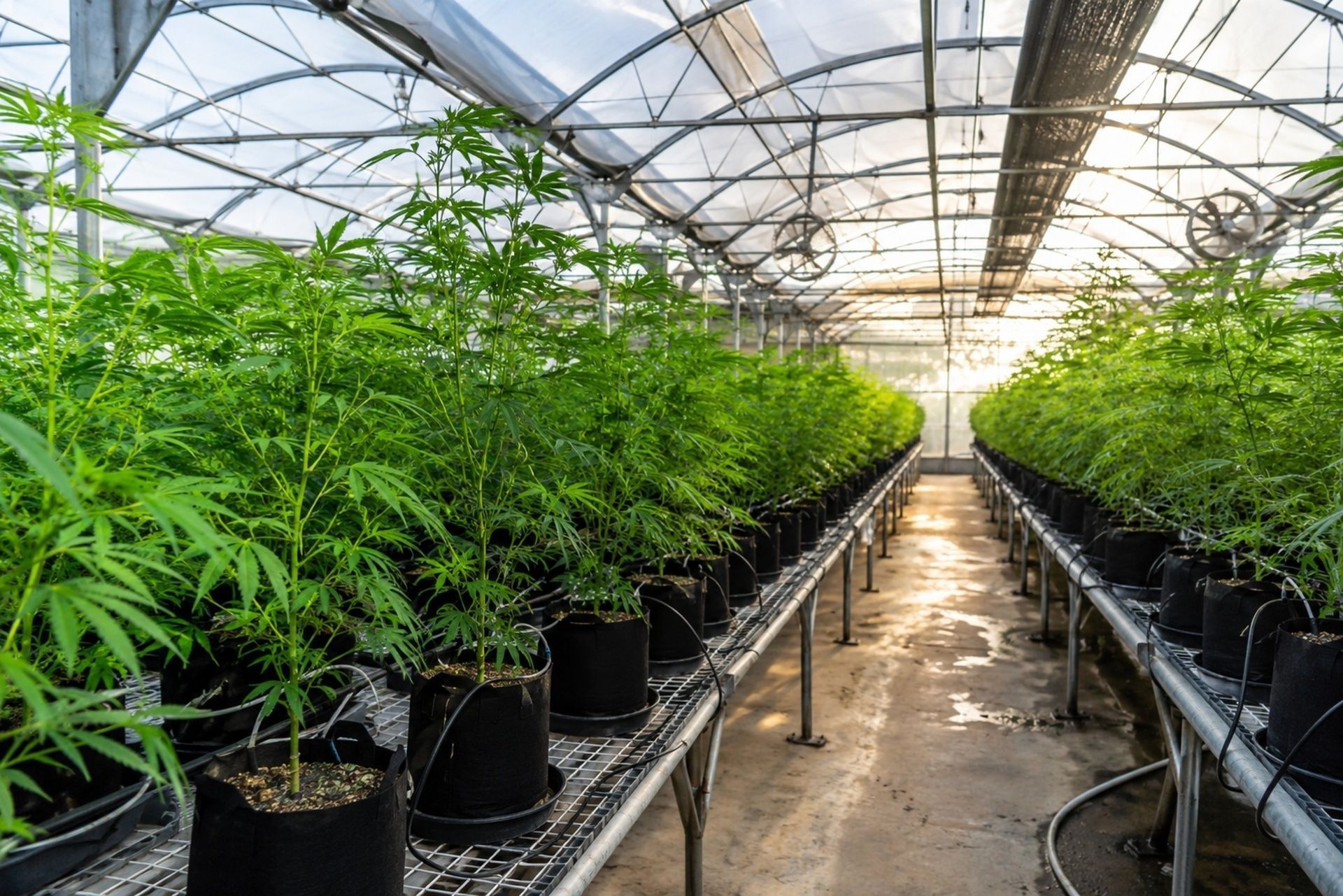
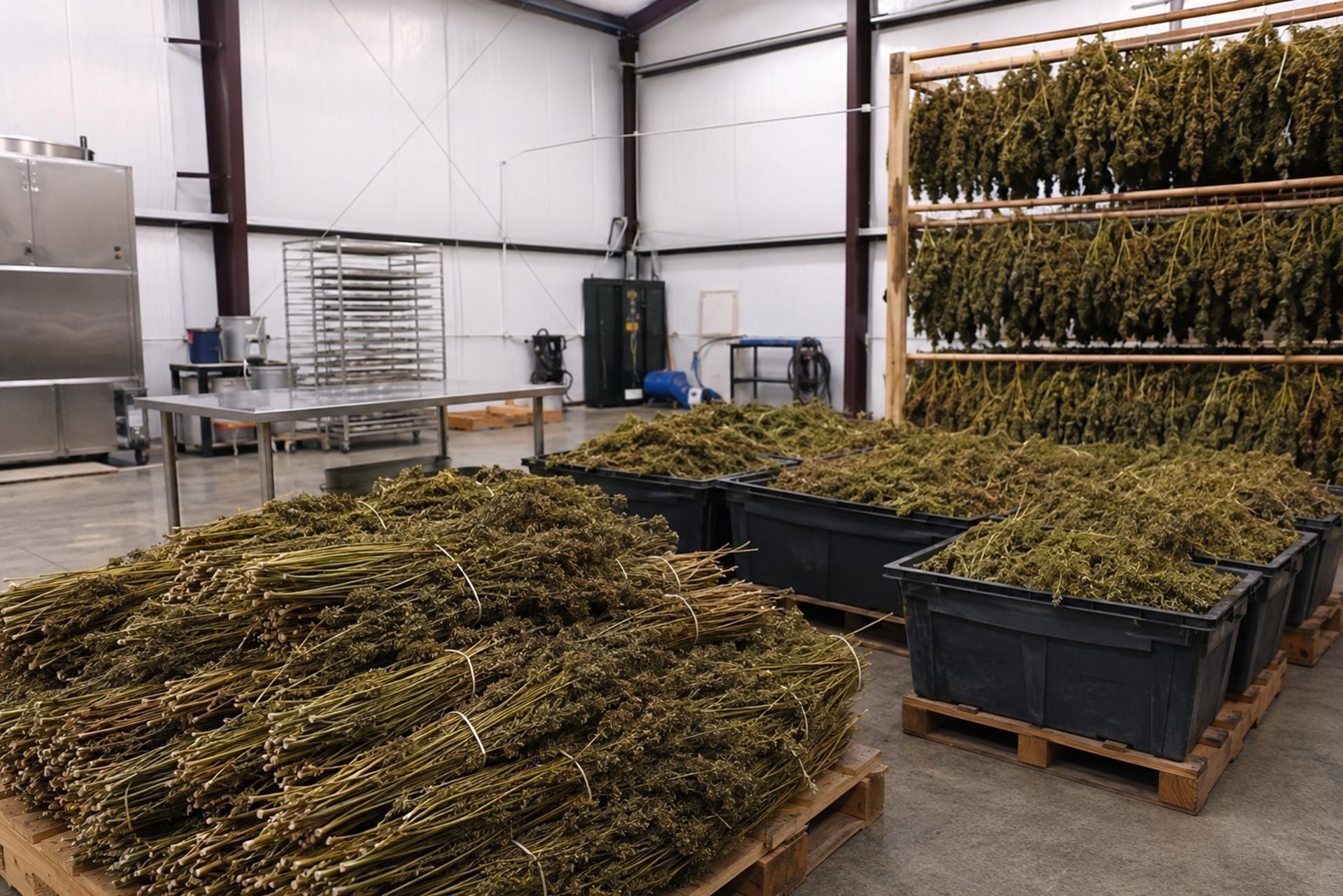
That said, crop insurance alone doesn't cover everything. Harvested hemp sitting in a drying barn or warehouse needs inland marine or stock throughput coverage. A fire or flood that destroys $300,000 worth of dried biomass waiting for extraction is not a crop loss: it's an inventory loss, and it requires a different policy entirely. Farmers who also process or sell their own product need to layer multiple coverages together, which is where experienced brokers earn their keep.
INDEX
GrayStone Insurance Group is fully licensed and permitted to provide specialty commercial insurance solutions for high-risk and hard-to-place businesses across 17 states.
We proudly serve high-risk and hard-to-place businesses from coast to coast. As an independent specialty brokerage, our team works with leading Excess & Surplus and specialty carriers to make sure restaurants, bars, contractors, trucking companies, manufacturers, and other hard-to-place operations receive coverage that fits their real risks in California, Colorado, Florida, Georgia, Illinois, Iowa, Maryland, Michigan, Missouri, Nevada, New York, North Carolina, South Carolina, Tennessee, Texas, Utah, and Washington.
Every policy has boundaries. Knowing them up front is how you avoid an uncovered claim. Common exclusions include:
Every policy has boundaries. Knowing them up front is how you avoid an uncovered claim. Common exclusions include:
Every policy has boundaries. Knowing them up front is how you avoid an uncovered claim. Common exclusions include:
General Liability responds to the core exposures most operations in this category face. A typical policy answers third-party claims and the defense costs that come with them, so a single incident doesn't put the business at risk.
If your firm provides any design, engineering, or consulting services alongside construction, you need both. A GL policy won't cover a claim alleging your design specifications caused a building envelope failure. That's a professional liability exposure, and it's one of the fastest-growing claim categories in construction.
Comparing Key Coverage Types
Not all hemp insurance programs are created equal. Some policies offer bare-minimum protection at a low premium, while comprehensive programs address the full spectrum of risks an operator faces. The difference between basic and comprehensive coverage can mean the difference between surviving a major claim and closing your doors.
Coverage Comparison Table: Basic vs. Comprehensive
| Coverage Feature | Basic Program | Comprehensive Program |
|---|---|---|
| General Liability | $1M/$2M limits | $1M/$2M with higher sublimits |
| Product Liability | Often excluded or sublimited | Included with $1M+ limits |
| Crop Insurance | USDA Multi-Peril only | Multi-Peril + private hail/named peril |
| Inventory/Stock | Not included | Inland marine up to $500K+ |
| Product Recall | Not included | $250K-$1M recall expense |
| Business Interruption | Rarely included | 12-month actual loss sustained |
| Annual Premium Range | $1,500-$4,000 | $5,000-$15,000+ |
| Typical Carrier Type | Admitted (limited appetite) | Surplus lines / specialty |
The right program depends on where you sit in the supply chain. A small-acreage farmer selling biomass wholesale may do fine with a basic program. A vertically integrated operation that grows, extracts, manufactures, and sells direct-to-consumer needs the comprehensive approach, period.
| Coverage Area | Basic BOP | Comprehensive Program |
|---|---|---|
| General Liability | $1M per occurrence | $1M-$2M with umbrella option |
| Property | Building and contents, ACV | Replacement cost, including signs |
| Liquor Liability | Excluded or limited | Full coverage, higher limits |
| Business Interruption | 30-60 days | Up to 12 months |
| Equipment Breakdown | Not included | Included with spoilage |
| EPLI | Not included | Included or available |
| Cyber Liability | Not included | Included (POS system breaches) |
| Hired/Non-Owned Auto | Not included | Included (delivery drivers) |
Common Claims in the Hemp Industry
Understanding what actually goes wrong in hemp operations helps you evaluate whether your current coverage is adequate. The claims patterns in this industry are distinct from traditional agriculture or manufacturing, and they're evolving as regulations tighten.
Crop Failure and THC Spikes
Crop failure from weather, disease, or pests is the most straightforward claim type, and it's also the most common for farmers. But the claim that keeps hemp growers up at night is the THC spike: when a crop tests above the legal threshold and must be destroyed. Under the FY2026 Agricultural Act's new Total THC standard, which includes THCA in the calculation, crops that would have tested compliant under the old delta-9-only rule now fail. This has been a major disruption across the hemp supply chain, and many growers have seen entire harvests ordered destroyed.
Standard crop insurance may or may not cover a mandated destruction due to THC non-compliance, depending on the specific policy language. Some programs treat it as a covered peril; others exclude regulatory destruction entirely. Read the exclusions section of your policy carefully, or better yet, have your broker walk you through it line by line.
Product Recalls and Mislabeling Issues
On the manufacturing and retail side, product recalls are the claim type with the highest potential severity. A CBD oil that tests positive for heavy metals, pesticides, or undisclosed THC levels can trigger a recall affecting thousands of units across multiple states. The direct costs of a recall, including notification, retrieval, disposal, and testing, can easily exceed $100,000. The underwriting requirements for recall coverage have become significantly more stringent in 2026, with carriers now demanding third-party COAs, batch tracking systems, and documented SOPs before they'll even quote.
Mislabeling claims are a close cousin. If your product label claims 1,000mg of CBD per bottle but independent testing shows 400mg, you're exposed to consumer fraud lawsuits, FTC enforcement actions, and class-action litigation. Product liability coverage typically responds to these claims, but only if the policy doesn't contain a "regulatory action" exclusion that carves out government-initiated proceedings.
Every policy has boundaries. Knowing them up front is how you avoid an uncovered claim. Common exclusions include:
Every policy has boundaries. Knowing them up front is how you avoid an uncovered claim. Common exclusions include:
Every policy has boundaries. Knowing them up front is how you avoid an uncovered claim. Common exclusions include:
General Liability responds to the core exposures most operations in this category face. A typical policy answers third-party claims and the defense costs that come with them, so a single incident doesn't put the business at risk.
Solutions for Hard-to-Place Hemp Operators
If you've been declined by multiple carriers or told your operation is "too complex" to insure, you're dealing with a hard-to-place risk. This doesn't mean coverage is impossible: it means you need a different approach.
Why Certain Businesses Face Higher Risks
Several factors push a hemp business into hard-to-place territory. Vertically integrated operations that span farming, extraction, manufacturing, and retail present compounded risk that most carriers won't touch. Businesses operating in states with restrictive or rapidly changing hemp regulations face higher underwriting scrutiny. Companies with prior claims, especially product liability or recall claims, often find their renewal options shrinking dramatically.
New businesses without an operational track record also struggle. A startup launching a hemp-infused beverage line has no loss history for underwriters to evaluate, which means the carrier is pricing blind. Annual premiums for hard-to-place hemp operations can range significantly based on revenue, product type, and claims history, with some complex risks seeing quotes of $15,000 to $30,000 or more for a full program.
Navigating Surplus Lines and Specialty Markets
When admitted carriers say no, surplus lines markets become your primary option. Surplus lines carriers aren't bound by the same rate and form regulations as admitted carriers, which gives them flexibility to write risks that standard markets won't consider. The trade-off is that surplus lines policies don't come with state guaranty fund protection, so you're relying entirely on the financial strength of the carrier.
This is where working with a brokerage that specializes in hard-to-place risks makes a real difference. GrayStone Insurance Group, for example, works with surplus lines markets daily and uses AI-powered risk modeling to match complex hemp operations with carriers whose appetite aligns with the specific risk profile. Their brokers average 20 years of experience, which matters when you're trying to explain to an underwriter why your extraction process doesn't present the same fire risk as a competitor's. The difference between a skilled placement and a bad one can be tens of thousands of dollars in premium and the difference between adequate coverage and dangerous gaps.
Hemp Business Insurance FAQ
Common Questions from New Business Owners
How much does hemp insurance cost per year? For a small farming operation, expect $1,500 to $5,000 annually for basic coverage. Manufacturers and retailers typically pay $5,000 to $15,000+, depending on revenue, product types, and risk factors. Pricing varies widely based on your specific operation.
Does my hemp business need product liability insurance? Yes, if you sell any finished product to consumers. Even if you're a wholesaler selling bulk biomass, your buyer's carrier may require you to carry product liability as a condition of the contract.
Will my policy cover a crop that tests hot for THC? It depends on the policy. Some crop insurance programs cover mandated destruction as a named peril; others exclude it. Ask your broker specifically about THC non-compliance coverage before you bind.
Can I get coverage if I've been declined by other carriers? Absolutely. Surplus lines and specialty markets exist specifically for risks that admitted carriers won't write. A broker experienced in cannabis and hemp business insurance can often find options within 30 to 60 days.
Does general liability cover my employees' injuries? No. Employee injuries are covered by workers' compensation insurance, which is a separate and typically mandatory policy in most states. GL only covers third-party claims.
What happens if my state changes its hemp regulations mid-policy? Your existing policy remains in force for its term, but regulatory changes can affect your compliance status and potentially trigger exclusions. Review your policy with your broker immediately after any regulatory shift.
Every policy has boundaries. Knowing them up front is how you avoid an uncovered claim. Common exclusions include:
Every policy has boundaries. Knowing them up front is how you avoid an uncovered claim. Common exclusions include:
Every policy has boundaries. Knowing them up front is how you avoid an uncovered claim. Common exclusions include:
General Liability responds to the core exposures most operations in this category face. A typical policy answers third-party claims and the defense costs that come with them, so a single incident doesn't put the business at risk.
The Bottom Line for Your Hemp Operation
Hemp insurance is not a commodity you can shop on price alone. The regulatory environment is shifting under your feet, the claims patterns are unlike any other agricultural or manufacturing sector, and the carrier market remains thin and cautious. Getting the right coverage means understanding exactly where your risks live: in the field, in the lab, on the label, or on the shelf.
If your operation has been turned down or you're paying a premium that feels disconnected from your actual risk, it's worth getting a second opinion from a brokerage that handles hard-to-place risks daily. GrayStone Insurance Group maintains a 94% client retention rate for a reason: they build programs that actually respond when claims happen, not just policies that look good on paper. Reach out for a coverage review before your next renewal, and make sure the program protecting your business is as strong as the operation you've built.
ABOUT THE AUTHOR:
CHAD KRAMER
I started GrayStone Insurance Group in 2018 with a simple conviction: the businesses everyone else turns away deserve a broker who won't. What began as a one-person operation has grown into a specialty commercial brokerage with offices across the country — but the mission hasn't changed. We find solutions for high-risk and hard-to-place businesses when other agencies run the other way.
I built this agency on integrity, hard work, and the tenacity to do the hard things well. Through our access to Excess & Surplus and specialty markets, my team and I place coverage standard carriers can't — and I treat every client's business like my own.
If you've been declined, non-renewed, or told your business is too complicated to insure, let's talk.
Coverages & policies
Plain-language coverage, expertly placed.
We lead with commercial lines and round out personal coverage where you need it. Every policy comes with an explanation — not jargon.

Contractors
Third-party bodily injury & property damage — the foundation for any operation.

Liquor Liability
Critical for bars, restaurants and venues serving alcohol — including A&B.

Commercial Property
Buildings, contents and equipment — including distressed and vacant risk.

Workers' Compensation
Statutory coverage for your crew — including high-mod and high-hazard classes.

Commercial Umbrella
Extra liability limits over your primary policies — essential for high-exposure risk.
Products Liability
Manufacturers, CBD and consumer-product exposure — including imports.
What clients say
Brokers who actually place it.
FAQ
Answers for the risks others won't cover
Getting declined, non-renewed, or told your business is "too high-risk" is frustrating — but it doesn't mean you're out of options. Here are answers to the questions we hear most from business owners who need coverage the standard market won't provide.
What kind of insurance does GrayStone specialize in?
We're a specialty commercial brokerage built for high-risk and hard-to-place businesses — the risks standard carriers often turn away. Through our access to Excess & Surplus (E&S) and specialty markets, we place coverage that everyday agencies can't. Hospitality and construction are among our deepest areas of expertise.
My business was declined or non-renewed elsewhere. Can you still help?
That's exactly what we do. A decline, a non-renewal, or a tough claims history doesn't mean you're out of options — it means your risk needs a broker with the right market access. Tell us your situation and we'll get to work finding a fit.
What is Excess & Surplus (E&S) insurance?
E&S is specialty coverage for risks that standard "admitted" carriers won't write — often because a business is higher-risk, unusual, or has a complex history. As an independent broker, we tap into these specialty markets to place coverage where a typical agency hits a dead end.
What industries do you work with?
We cover a wide range of commercial industries — from restaurants, bars, and hospitality to contractors, trucking, manufacturing, cannabis, and more. If your industry is considered high-risk or hard-to-place, there's a good chance we've handled it.
Will you work with businesses that have prior claims or losses?
Yes. Prior claims and losses are part of many of the risks we place every day. Every business is evaluated on its own merits — and a rocky history is often exactly why a specialty broker can help where others won't.
Are you an independent broker?
Yes. We're not tied to a single carrier, so we shop your risk across multiple specialty and E&S markets to find coverage that actually fits — instead of forcing you into a one-size-fits-all policy.
Insights & resources
Know your risk before you buy.