
General Liability responds to the core exposures most operations in this category face. A typical policy answers third-party claims and the defense costs that come with them, so a single incident doesn't put the business at risk.
Running a live music venue in Washington means juggling sound ordinances, liquor regulations, crowd safety, and a dozen other things before the first band even plugs in. What most operators underestimate is how quickly a single uninsured incident - a slip on a wet floor, a speaker stack toppling onto a patron, a last-minute headliner cancellation - can threaten the entire business. Insurance for live music venues in Washington isn't just a box to check; it's the financial backstop that keeps your doors open when things go sideways. The state has specific requirements that differ from neighboring Oregon or Idaho, and individual cities like Seattle, Tacoma, and Spokane layer on their own mandates. Whether you run a 100-cap dive bar with weekend acts or a 2,000-seat concert hall, the coverage you carry directly shapes your exposure. This guide breaks down what WA operators actually need, what it costs, and where most venue owners get tripped up. If you've been quoted a confusing premium or told your venue is "too risky" for standard carriers, keep reading - there are real solutions for that, too.
Core Insurance Requirements for Washington Music Venues
Washington State treats live entertainment venues as higher-risk commercial operations, and the insurance expectations reflect that. The state's Department of Labor & Industries, the Liquor and Cannabis Board, and local fire marshals all have a say in what coverage you must carry before you can legally host a show.
At minimum, most WA venues need commercial general liability (CGL), liquor liability (if alcohol is served), workers' compensation, and property coverage. Some municipalities require proof of insurance before issuing or renewing an entertainment permit. Miss one of these, and you could face fines, permit suspension, or - worst case - personal liability exposure if someone gets hurt.
The specifics vary by city and venue type, but the baseline is consistent: Washington regulators expect venue operators to carry enough coverage to protect both patrons and the surrounding community.
General Liability and Liquor Liability Standards
A standard CGL policy for a Washington music venue typically starts at $1 million per occurrence and $2 million aggregate. That covers bodily injury, property damage, and personal injury claims arising from your operations. If a concertgoer trips over a cable run and breaks a wrist, this is the policy that responds.
Liquor liability is a separate animal. Washington venues with liquor licenses must maintain a minimum of $1 million per occurrence and $2 million aggregate in liquor liability coverage, or they risk automatic suspension of their license. This covers claims related to over-service - think DUI accidents caused by a patron you kept serving. Standard CGL policies almost never include liquor liability, so you need a standalone policy or a specific endorsement.
One mistake I see regularly: operators assume their general liability policy covers alcohol-related incidents. It doesn't. If you serve drinks, you need both policies, period.
Washington State Workers' Compensation Rules
Washington is one of a handful of states that operates its own workers' compensation fund through the Department of Labor & Industries. Unlike most states where you buy workers' comp from a private insurer, WA requires employers to purchase coverage through the state fund or qualify as a self-insurer (which requires significant financial reserves most venues don't have).
Every employee - from your bartenders and sound engineers to your door staff - must be covered. Independent contractor classifications get scrutinized heavily in Washington, and misclassifying a regular employee as a contractor to avoid workers' comp premiums can result in back-assessed premiums, penalties, and even criminal charges.
Rates depend on your risk classification. Live entertainment venues typically fall under higher-risk categories, meaning your per-hour rate will be steeper than, say, an office-based business.
City-Specific Permitting and Insurance Mandates
Seattle requires a special events permit for many live music operations, and proof of insurance is part of that application. The city often requires a certificate of insurance naming the City of Seattle as an additional insured, with minimum limits that sometimes exceed the state baseline.
Tacoma, Spokane, and Bellingham have their own entertainment licensing requirements. Tacoma's entertainment license application, for example, specifically asks for documentation of both general liability and liquor liability. Bellingham's noise ordinance enforcement can also trigger additional compliance requirements that affect your policy.
The takeaway: check with your specific city's licensing office before assuming state minimums are enough. A broker familiar with WA entertainment venues - like the team at GrayStone Insurance Group, which specializes in hard-to-place hospitality risks - can help you identify exactly which municipal requirements apply to your location.
INDEX
GrayStone Insurance Group is fully licensed and permitted to provide specialty commercial insurance solutions for high-risk and hard-to-place businesses across 17 states.
We proudly serve high-risk and hard-to-place businesses from coast to coast. As an independent specialty brokerage, our team works with leading Excess & Surplus and specialty carriers to make sure restaurants, bars, contractors, trucking companies, manufacturers, and other hard-to-place operations receive coverage that fits their real risks in California, Colorado, Florida, Georgia, Illinois, Iowa, Maryland, Michigan, Missouri, Nevada, New York, North Carolina, South Carolina, Tennessee, Texas, Utah, and Washington.
Every policy has boundaries. Knowing them up front is how you avoid an uncovered claim. Common exclusions include:
Every policy has boundaries. Knowing them up front is how you avoid an uncovered claim. Common exclusions include:
Every policy has boundaries. Knowing them up front is how you avoid an uncovered claim. Common exclusions include:
General Liability responds to the core exposures most operations in this category face. A typical policy answers third-party claims and the defense costs that come with them, so a single incident doesn't put the business at risk.
If your firm provides any design, engineering, or consulting services alongside construction, you need both. A GL policy won't cover a claim alleging your design specifications caused a building envelope failure. That's a professional liability exposure, and it's one of the fastest-growing claim categories in construction.
Comparing Essential Coverage Options
Not all venue insurance policies are created equal. A basic package might satisfy minimum legal requirements but leave you exposed to the risks that actually shut venues down: equipment theft, event cancellations, or lawsuits from injured performers.
Comparison Table: Basic vs. Comprehensive Protection
| Coverage Type | Basic Package | Comprehensive Package |
|---|---|---|
| General Liability | $1M/$2M limits | $2M/$5M limits |
| Liquor Liability | $1M/$2M (if applicable) | $2M/$5M with assault & battery |
| Property Coverage | Building and contents only | Building, contents, and business income |
| Workers' Comp | State fund minimum | State fund with employer's liability |
| Inland Marine | Not included | Covers sound/lighting equipment |
| Event Cancellation | Not included | Covers lost revenue and deposits |
| Umbrella/Excess | Not included | $1M-$5M excess liability |
| Cyber Liability | Not included | Covers ticketing data breaches |
Most venues operating three or more nights a week with capacities over 200 should seriously consider the comprehensive tier. The cost difference is often less dramatic than people expect, and the gap in protection is enormous.
| Coverage Type | Basic Package | Comprehensive Package |
|---|---|---|
| General Liability | $1M per occurrence | $2M+ per occurrence |
| Property Coverage | Building contents only | Contents + equipment floaters |
| Liquor Liability | $500K limit | $1M-$2M limit |
| Workers' Comp | State minimum | State minimum + employer's liability |
| Event Cancellation | Not included | Per-event or annual policy |
| Cyber Liability | Not included | Covers ticketing data breaches |
| Umbrella/Excess | Not included | $1M-$5M excess layer |
| Hired/Non-Owned Auto | $8,000-$15,000 | $25,000-$60,000+ |
Factors Influencing Insurance Costs in WA
Premiums for Washington music venues typically range from $5,000 to $30,000+ per year, depending on a handful of key variables. Understanding what drives your quote helps you make smarter decisions about where to invest in risk reduction.
Venue Capacity and Ticket Sales Volume
A 150-person bar with acoustic acts on weekends is a fundamentally different risk than a 1,500-cap venue hosting touring metal bands. Insurers price accordingly. Capacity is the single biggest factor in your premium because it directly correlates with the number of people who could potentially be injured or file a claim.
Ticket sales volume matters too, because it indicates frequency. A venue running 300 shows a year has more exposure than one running 50. Some carriers also look at your average ticket price as a proxy for crowd demographics and event intensity.
Security Protocols and Safety Measures
Here's where you have real control over your costs. Venues that can demonstrate professional security staffing, documented crowd management plans, and up-to-code fire suppression systems often qualify for lower premiums. Carriers want to see that you're actively managing risk, not just buying insurance to cover it.
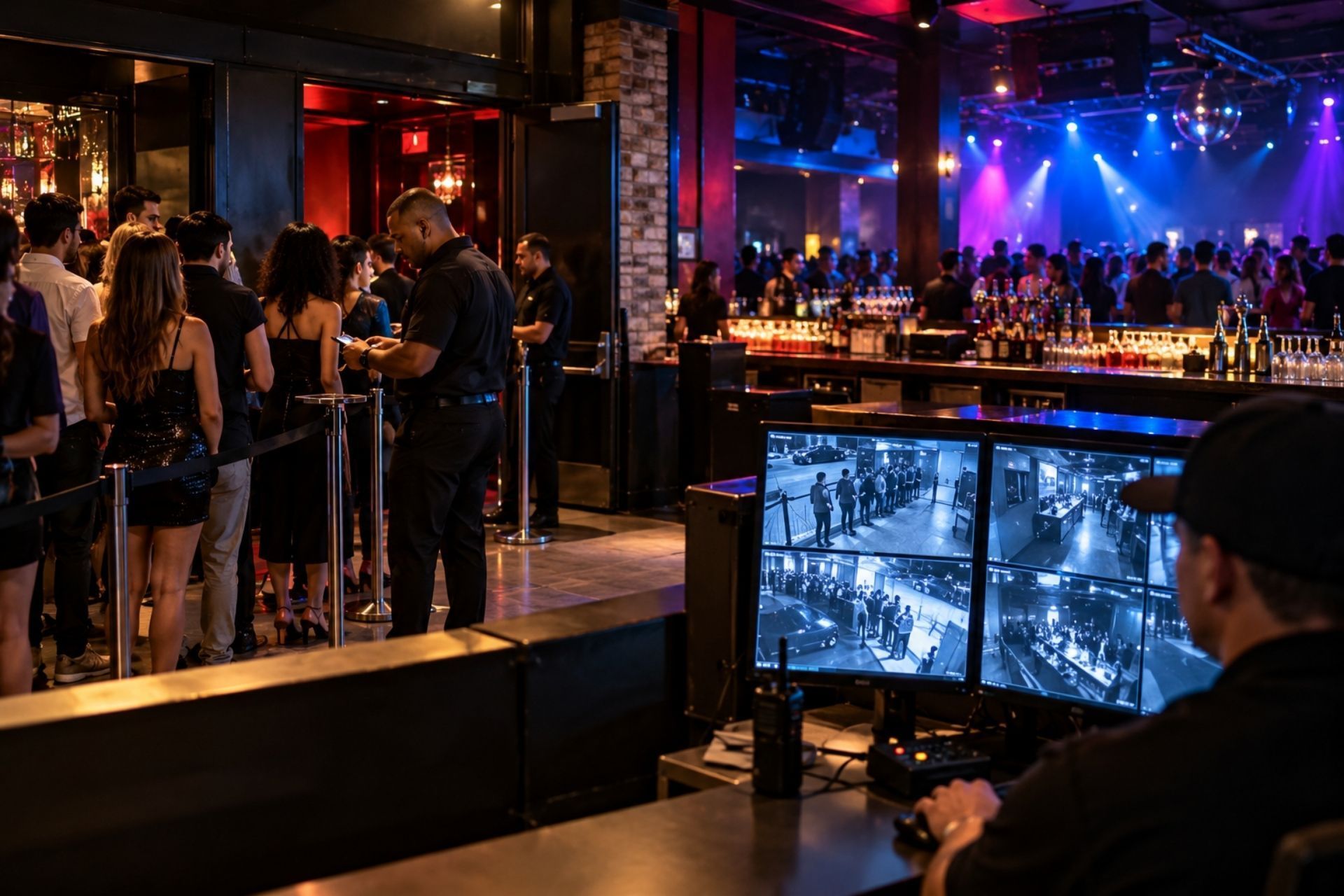
Specific things that can reduce your quote: trained security at a ratio of at least 1 per 75 attendees, visible surveillance cameras, ADA-compliant exits, and a written incident response plan. If you've invested in these measures, make sure your broker communicates them to underwriters. GrayStone Insurance Group uses data-driven risk modeling to match these operational details with carriers who reward proactive safety measures, which often results in better pricing for well-run venues.
Every policy has boundaries. Knowing them up front is how you avoid an uncovered claim. Common exclusions include:
Every policy has boundaries. Knowing them up front is how you avoid an uncovered claim. Common exclusions include:
Every policy has boundaries. Knowing them up front is how you avoid an uncovered claim. Common exclusions include:
General Liability responds to the core exposures most operations in this category face. A typical policy answers third-party claims and the defense costs that come with them, so a single incident doesn't put the business at risk.
Managing Risks Unique to Live Performances
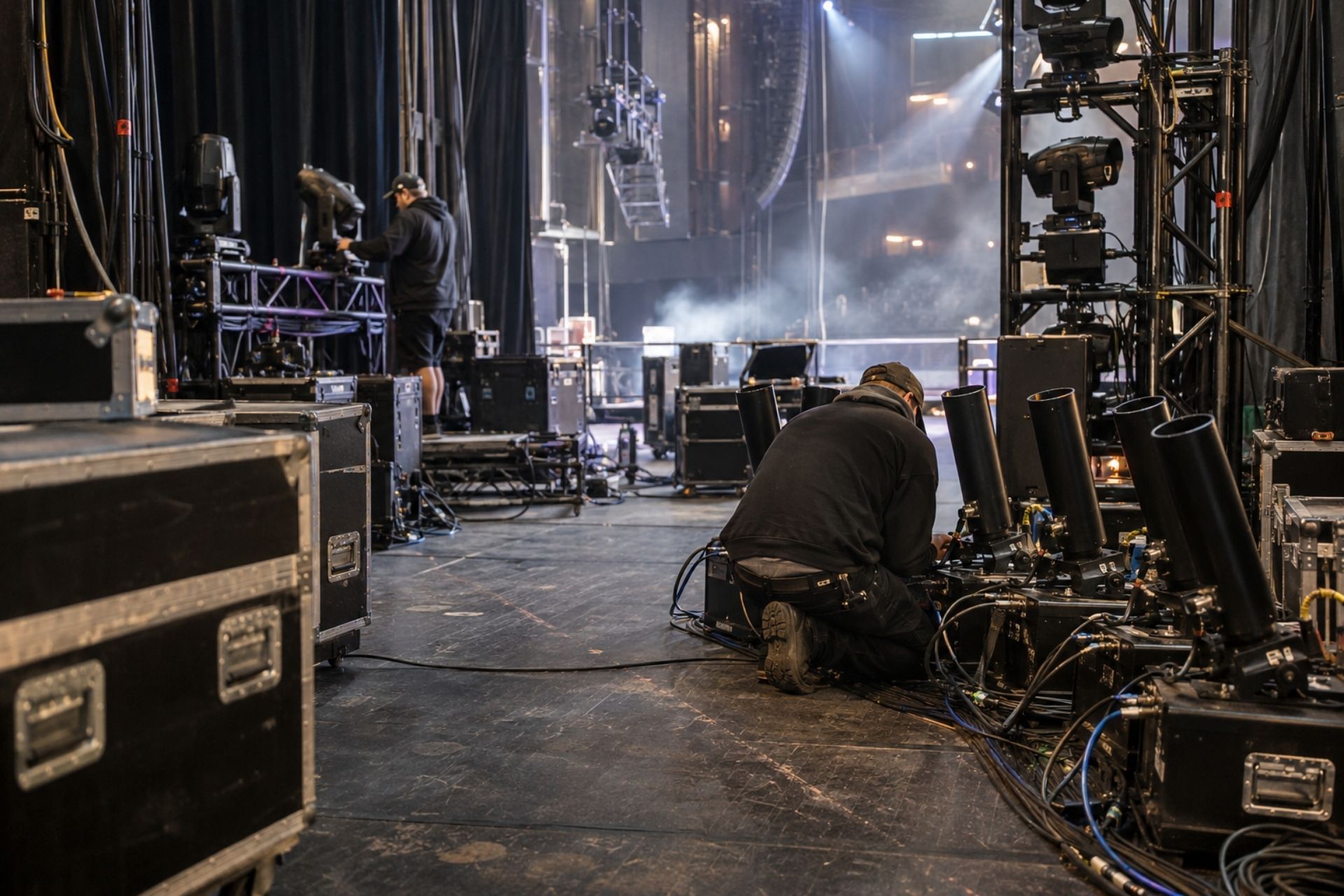
Live music creates risks that a typical restaurant or bar simply doesn't face. Heavy equipment, high-voltage electrical setups, pyrotechnics, mosh pits, and the unpredictability of large crowds all require specialized coverage.
Inland Marine Coverage for Audio and Lighting Gear
Your sound system, lighting rig, and backline gear represent a significant capital investment - often $50,000 to $500,000 or more. Standard property insurance covers these items while they're inside your venue, but inland marine coverage extends protection to equipment in transit, at off-site events, or temporarily stored elsewhere.
This coverage also protects against perils that property policies sometimes exclude, like electrical surge damage or accidental breakage during load-in. If a roadie drops a $15,000 mixing console during setup, inland marine responds. Your property policy likely won't.
Event Cancellation and Artist Non-Appearance
A sold-out show that gets cancelled due to a performer's illness, severe weather, or a power outage can cost a venue tens of thousands in lost ticket revenue, refunded deposits, and wasted marketing spend. Event cancellation insurance reimburses these losses.
Artist non-appearance coverage is a subset worth understanding. If a headliner no-shows and you have to cancel or significantly downgrade the event, this coverage kicks in. Some policies also cover government-ordered cancellations and venue damage that prevents a show from happening. For venues booking national touring acts with guarantees of $10,000 or more, this coverage pays for itself after a single incident.
Common Questions for Venue Operators
FAQ: Do I need insurance if the bands have their own?
Yes. A band's policy covers their own liability and equipment, not yours. If a fan gets hurt at your venue, the claim comes to you regardless of who was on stage. Always carry your own CGL and require performers to provide certificates of insurance as an added layer of protection.
FAQ: How much does a typical policy cost per year?
For a small to mid-size WA venue (capacity under 500, serving alcohol, running 100-200 shows annually), expect to pay between $8,000 and $18,000 per year for a solid package including general liability, liquor liability, and property coverage. Larger venues or those with higher-risk programming can see premiums north of $25,000.
FAQ: Does insurance cover damage to my sound system?
Standard property insurance covers your sound system against named perils like fire and theft while it's in your building. For broader protection - including accidental damage, electrical surge, and coverage while equipment is off-site - you need an inland marine policy. The cost is typically 1-3% of the equipment's total value annually.
FAQ: What happens if a show is cancelled due to weather?
Only if you carry event cancellation insurance. Without it, you absorb the full financial hit: refunds, lost bar revenue, wasted promotion costs. Event cancellation policies can be purchased on a per-event or annual basis, with annual policies making more sense for venues with frequent bookings.
Every policy has boundaries. Knowing them up front is how you avoid an uncovered claim. Common exclusions include:
Every policy has boundaries. Knowing them up front is how you avoid an uncovered claim. Common exclusions include:
Every policy has boundaries. Knowing them up front is how you avoid an uncovered claim. Common exclusions include:
General Liability responds to the core exposures most operations in this category face. A typical policy answers third-party claims and the defense costs that come with them, so a single incident doesn't put the business at risk.
The Bottom Line for Your Venue
Washington's insurance requirements for live music venues aren't optional, and the penalties for non-compliance range from fines to forced closure. But beyond meeting minimums, the right insurance program protects the business you've built from the risks that are genuinely unique to live entertainment.
The operators who get this right treat insurance as part of their business strategy, not an afterthought. They work with brokers who understand entertainment risk, they invest in safety measures that lower premiums, and they carry coverage that matches their actual exposure rather than just the legal minimum.
If your venue has been declined by standard carriers or you're paying more than you think you should, reach out to a specialist. GrayStone Insurance Group works with WA venue operators who've been told their business is too risky to insure - their brokers average 20 years of experience and maintain a 94% client retention rate for a reason. Getting the right coverage in place means you can focus on what you actually care about: putting on great shows.
ABOUT THE AUTHOR:
CHAD KRAMER
I started GrayStone Insurance Group in 2018 with a simple conviction: the businesses everyone else turns away deserve a broker who won't. What began as a one-person operation has grown into a specialty commercial brokerage with offices across the country — but the mission hasn't changed. We find solutions for high-risk and hard-to-place businesses when other agencies run the other way.
I built this agency on integrity, hard work, and the tenacity to do the hard things well. Through our access to Excess & Surplus and specialty markets, my team and I place coverage standard carriers can't — and I treat every client's business like my own.
If you've been declined, non-renewed, or told your business is too complicated to insure, let's talk.
Coverages & policies
Plain-language coverage, expertly placed.
We lead with commercial lines and round out personal coverage where you need it. Every policy comes with an explanation — not jargon.

Contractors
Third-party bodily injury & property damage — the foundation for any operation.

Liquor Liability
Critical for bars, restaurants and venues serving alcohol — including A&B.

Commercial Property
Buildings, contents and equipment — including distressed and vacant risk.

Workers' Compensation
Statutory coverage for your crew — including high-mod and high-hazard classes.

Commercial Umbrella
Extra liability limits over your primary policies — essential for high-exposure risk.
Products Liability
Manufacturers, CBD and consumer-product exposure — including imports.
What clients say
Brokers who actually place it.
FAQ
Answers for the risks others won't cover
Getting declined, non-renewed, or told your business is "too high-risk" is frustrating — but it doesn't mean you're out of options. Here are answers to the questions we hear most from business owners who need coverage the standard market won't provide.
What kind of insurance does GrayStone specialize in?
We're a specialty commercial brokerage built for high-risk and hard-to-place businesses — the risks standard carriers often turn away. Through our access to Excess & Surplus (E&S) and specialty markets, we place coverage that everyday agencies can't. Hospitality and construction are among our deepest areas of expertise.
My business was declined or non-renewed elsewhere. Can you still help?
That's exactly what we do. A decline, a non-renewal, or a tough claims history doesn't mean you're out of options — it means your risk needs a broker with the right market access. Tell us your situation and we'll get to work finding a fit.
What is Excess & Surplus (E&S) insurance?
E&S is specialty coverage for risks that standard "admitted" carriers won't write — often because a business is higher-risk, unusual, or has a complex history. As an independent broker, we tap into these specialty markets to place coverage where a typical agency hits a dead end.
What industries do you work with?
We cover a wide range of commercial industries — from restaurants, bars, and hospitality to contractors, trucking, manufacturing, cannabis, and more. If your industry is considered high-risk or hard-to-place, there's a good chance we've handled it.
Will you work with businesses that have prior claims or losses?
Yes. Prior claims and losses are part of many of the risks we place every day. Every business is evaluated on its own merits — and a rocky history is often exactly why a specialty broker can help where others won't.
Are you an independent broker?
Yes. We're not tied to a single carrier, so we shop your risk across multiple specialty and E&S markets to find coverage that actually fits — instead of forcing you into a one-size-fits-all policy.
Insights & resources
Know your risk before you buy.