General Liability responds to the core exposures most operations in this category face. A typical policy answers third-party claims and the defense costs that come with them, so a single incident doesn't put the business at risk.
Running a restaurant in Texas means dealing with risks that most business owners never see coming: a grease fire that shuts down your kitchen for three months, a slip-and-fall lawsuit from a customer, or a hurricane that destroys your walk-in cooler full of inventory. Texas restaurants are feeling increasing financial strain as costs continue to rise, and the wrong insurance setup can be the difference between rebuilding and closing permanently. Whether you're opening your first taco shop in San Antonio or running a fine dining spot in Dallas, understanding insurance requirements and costs for Texas restaurant operators is not optional: it's survival. The state has specific rules about what coverage you need, and gaps in your policy can leave you exposed to six-figure losses. This guide breaks down exactly what you need, what it costs, and where operators commonly get burned.
Texas Restaurant Insurance Essentials and Legal Requirements
Texas law mandates certain types of insurance for businesses, and restaurants have additional exposure points that make proper coverage critical. Every restaurant operating in the state needs commercial general liability insurance at minimum. Most landlords and licensing bodies require proof of it before you can even open your doors.
The Texas Department of Insurance oversees regulations, but the specifics of what you need depend on your operation: whether you serve alcohol, how many employees you have, and what kind of food you prepare. Getting this wrong isn't just risky, it can result in fines, lease violations, or losing your ability to operate entirely.
One thing I've seen repeatedly: new owners buy the cheapest policy they can find and skip reading the exclusions. Then a grease fire happens, and they discover their policy excludes kitchen equipment over a certain age. Don't be that operator.
General Liability: Protection Against Third-Party Claims
General liability is your baseline. It covers bodily injury and property damage claims from customers and third parties. Think: a customer slips on a wet floor, breaks a wrist, and sues for medical bills and pain and suffering. Texas restaurant insurance requirements typically start with $1 million per occurrence and $2 million aggregate limits for general liability.
This policy also covers advertising injury claims and damage you cause to rented premises. If your restaurant catches fire and damages the landlord's building, your general liability policy's "damage to rented premises" provision kicks in. Most Texas leases require at least $100,000 to $300,000 in this coverage.
The cost for general liability alone typically runs between $2,000 and $7,500 annually for a mid-size Texas restaurant, though high-volume establishments in metro areas pay more. Your claims history, square footage, and annual revenue all factor in.
Texas Workers' Compensation Rules for Private Employers
Here's something that surprises many new restaurant owners: Texas is the only state where private employers are not required to carry workers' compensation insurance. You can legally operate without it. But "legal" and "smart" are two different things.
Without workers' comp, you lose the exclusive remedy protection that prevents employees from suing you directly for workplace injuries. In a restaurant kitchen where burns, cuts, and slips happen regularly, that's a massive exposure. One serious injury lawsuit can easily exceed $500,000.
The good news: the Texas Department of Insurance approved a 3.8% decrease in advisory loss costs for workers' compensation policies effective July 1, 2026, which should bring premiums down slightly for restaurant operators. For a restaurant with $400,000 in annual payroll, workers' comp typically costs between $4,000 and $12,000 per year depending on your experience modifier and job classifications.
Liquor Liability and TABC Compliance
If you serve alcohol, you need liquor liability coverage: period. The Texas Alcoholic Beverage Commission (TABC) doesn't technically require it, but Texas dram shop laws make you liable if an intoxicated customer causes injury or death after being served at your establishment.
A single dram shop claim can reach seven figures. Liquor liability policies typically cost between $2,500 and $10,000 annually, depending on what percentage of your revenue comes from alcohol sales. A bar-forward restaurant where 40% of revenue is alcohol will pay significantly more than a family restaurant with a small beer and wine list.
The Texas Restaurant Association has highlighted new laws and opportunities affecting the foodservice industry, including updates to alcohol service regulations that every operator should review.
INDEX
GrayStone Insurance Group is fully licensed and permitted to provide specialty commercial insurance solutions for high-risk and hard-to-place businesses across 17 states.
We proudly serve high-risk and hard-to-place businesses from coast to coast. As an independent specialty brokerage, our team works with leading Excess & Surplus and specialty carriers to make sure restaurants, bars, contractors, trucking companies, manufacturers, and other hard-to-place operations receive coverage that fits their real risks in California, Colorado, Florida, Georgia, Illinois, Iowa, Maryland, Michigan, Missouri, Nevada, New York, North Carolina, South Carolina, Tennessee, Texas, Utah, and Washington.
Every policy has boundaries. Knowing them up front is how you avoid an uncovered claim. Common exclusions include:
Every policy has boundaries. Knowing them up front is how you avoid an uncovered claim. Common exclusions include:
Every policy has boundaries. Knowing them up front is how you avoid an uncovered claim. Common exclusions include:
General Liability responds to the core exposures most operations in this category face. A typical policy answers third-party claims and the defense costs that come with them, so a single incident doesn't put the business at risk.
If your firm provides any design, engineering, or consulting services alongside construction, you need both. A GL policy won't cover a claim alleging your design specifications caused a building envelope failure. That's a professional liability exposure, and it's one of the fastest-growing claim categories in construction.
Factors Influencing Insurance Costs for Texas Operators
Comparing Essential vs. Optional Coverages
Not every coverage type is legally required, but some optional policies fill gaps that could otherwise bankrupt you. Understanding the difference helps you build a policy that actually protects your operation without overspending.
Comparison Table: Basic vs. Comprehensive Protection
| Coverage Type | Required? | Basic Policy | Comprehensive Policy |
|---|---|---|---|
| General Liability | Effectively yes | $1M/$2M limits | $1M/$2M + umbrella |
| Workers' Compensation | No (but strongly recommended) | State minimum | Enhanced with employer's liability |
| Commercial Property | No (but landlord may require) | Building/contents only | Includes equipment breakdown |
| Liquor Liability | No (but essential if serving) | Not included | $1M+ limits |
| Business Interruption | No | Not included | Covers lost income during closure |
| Cyber Liability | No | Not included | Covers POS breaches, data theft |
| Food Contamination | No | Not included | Covers recall, spoilage, liability |
| Employment Practices | No | Not included | Covers wrongful termination, harassment claims |
The gap between basic and comprehensive coverage is where most claims fall through. A basic policy keeps you legal. A comprehensive one keeps you open after a disaster. Employment practices liability insurance alone can cost $800 to $3,000 annually for small to mid-size restaurants, but a single wrongful termination suit can cost ten times that.
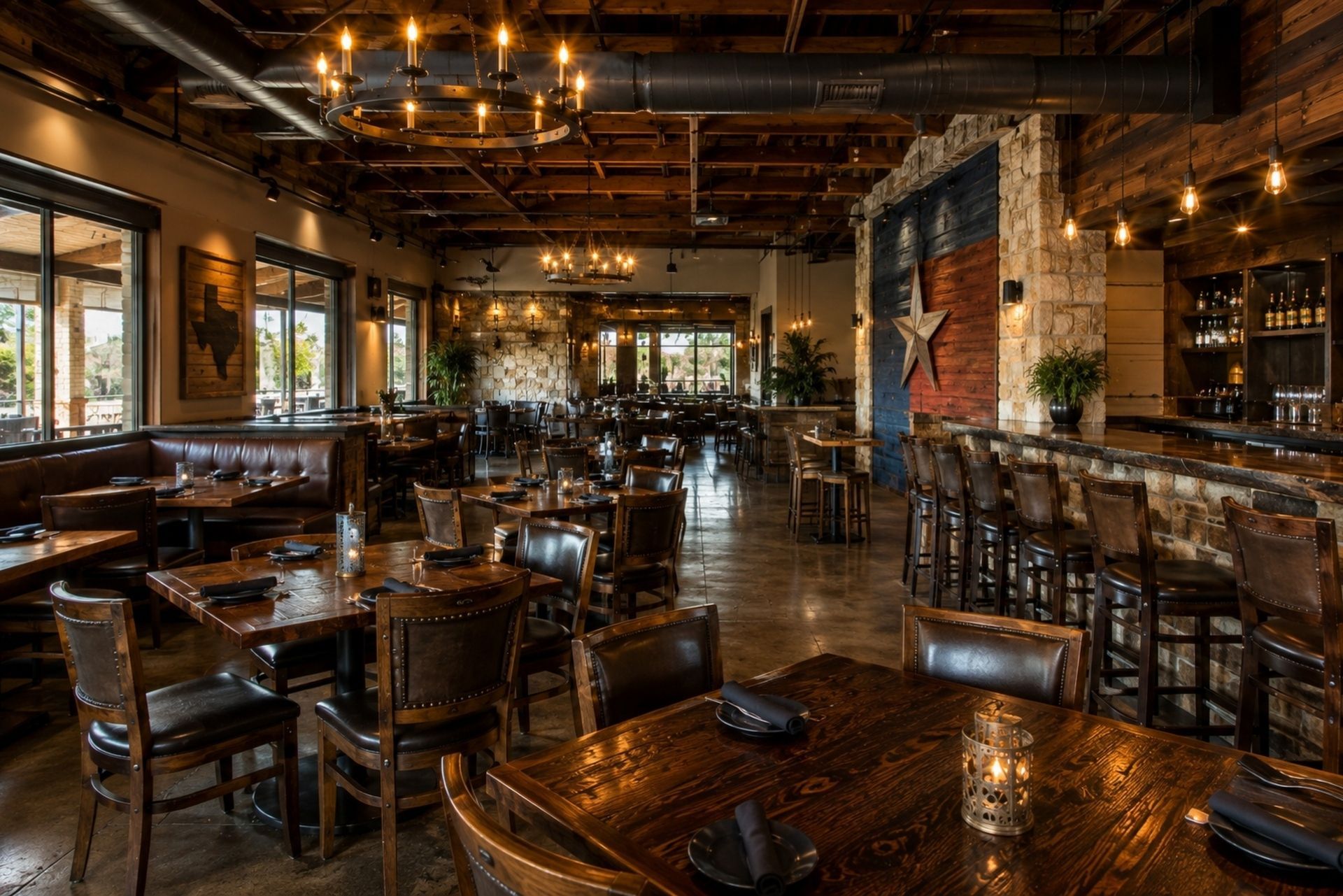
Your building (if you own it), kitchen equipment, furniture, signage, and inventory represent a massive investment. Commercial property insurance covers damage or loss from fire, storms, vandalism, and certain other perils.
South Carolina's hurricane exposure makes this particularly important. Coastal restaurants from Hilton Head to North Myrtle Beach face wind and flood risks that inland operators don't. Standard property policies typically exclude flood damage, so you'll need a separate flood policy if you're in a FEMA-designated flood zone.
Equipment breakdown coverage is a smart add-on. A walk-in cooler failure on a July weekend can destroy thousands of dollars in perishable inventory. That coverage pays for both the repair and the spoiled food.
Protecting Assets with Commercial Property Insurance
Factors Influencing Insurance Costs for Texas Operators
Texas restaurant insurance costs vary wildly: a small breakfast cafe in Lubbock might pay $8,000 per year total, while a large Houston steakhouse with a full bar could easily spend $35,000 or more. Understanding what drives these numbers helps you control them.
Location Risks: From Gulf Coast Storms to Urban Theft
Geography matters enormously. Restaurants along the Gulf Coast from Corpus Christi to Beaumont face hurricane and flood exposure that can double property insurance premiums compared to inland locations. Standard commercial property policies exclude flood damage, so you'll need a separate flood policy if you're in a FEMA-designated flood zone.
Urban restaurants in Houston, Dallas, and San Antonio face higher crime rates, which increases property and general liability premiums. A restaurant in a high-crime ZIP code might pay 20-30% more for the same coverage as an identical operation in a suburban area. Your building's age, construction type, and fire suppression systems also affect rates significantly.
Texas also has some of the highest hail damage claims in the country. If your building has a flat commercial roof, expect your insurer to ask about its age and condition.
Revenue, Staff Size, and Dining Style Impact
Insurers price restaurant policies based on several operational factors. Annual revenue is the biggest driver for general liability: more customers mean more exposure. A restaurant doing $2 million annually will pay roughly twice what a $1 million operation pays for the same liability limits.
Staff size directly affects workers' comp costs, and the type of work matters. Back-of-house kitchen staff carry higher classification rates than front-of-house servers because of the injury risk. Fine dining restaurants with tableside cooking or flambé service face additional premiums. Insurance costs for Texas restaurants can range from $5,000 to over $30,000 annually depending on these variables.
Fast-casual concepts with limited menus and no alcohol service tend to get the most favorable rates. Full-service restaurants with bars, live entertainment, or late-night hours sit at the opposite end of the spectrum.
Protecting Physical Assets and Business Continuity
Your physical assets: kitchen equipment, furniture, signage, inventory: represent a massive investment. A single commercial oven can cost $15,000 to replace. Protecting these assets and ensuring you can survive a temporary closure is where many operators underinsure.
Commercial Property and Kitchen Equipment Breakdown
Standard commercial property insurance covers damage from fire, theft, vandalism, and certain weather events. But here's the catch: it typically doesn't cover mechanical or electrical breakdown of equipment. A compressor failure in your walk-in cooler, an electrical short in your commercial dishwasher: these aren't covered under basic property policies.
Equipment breakdown coverage (sometimes called boiler and machinery insurance) fills this gap. For a restaurant with $200,000 in kitchen equipment, this endorsement usually adds $500 to $1,500 annually. Given that a single commercial HVAC replacement can run $10,000 or more, it's one of the best values in restaurant insurance.
Agencies like GrayStone Insurance Group, which specializes in hard-to-place commercial risks, often bundle equipment breakdown with property coverage to simplify the process for operators running complex kitchen operations.
Food Spoilage and Contamination Coverage
A power outage during a Texas summer can destroy thousands of dollars in perishable inventory within hours. Food spoilage coverage reimburses you for inventory lost due to equipment failure or power interruption, typically with limits between $10,000 and $50,000.
Contamination coverage goes further: it covers the cost of disposing of contaminated food, cleaning and sanitizing your facility, and even lost business income during a health department-ordered closure. If a norovirus outbreak traces back to your kitchen, this coverage pays for the response. Without it, you're covering decontamination costs, lost revenue, and potential lawsuits out of pocket.
Cyber risks are worth mentioning here too. Restaurants process thousands of credit card transactions, and a POS system breach can trigger notification requirements and fines. Cyber insurance for hospitality businesses is becoming a near-essential coverage as digital payment processing expands.
Every policy has boundaries. Knowing them up front is how you avoid an uncovered claim. Common exclusions include:
Every policy has boundaries. Knowing them up front is how you avoid an uncovered claim. Common exclusions include:
Every policy has boundaries. Knowing them up front is how you avoid an uncovered claim. Common exclusions include:
General Liability responds to the core exposures most operations in this category face. A typical policy answers third-party claims and the defense costs that come with them, so a single incident doesn't put the business at risk.
Common Questions About Texas Restaurant Coverage
FAQ: Quick Answers for New Owners
Do I legally need workers' comp insurance for my Texas restaurant? No. Texas is the only state that doesn't mandate it for private employers. But without it, employees can sue you directly for workplace injuries, and restaurant kitchens are high-injury environments. Most experienced brokers strongly recommend it.
How much does a typical restaurant insurance package cost in Texas? Total annual premiums for a mid-size restaurant usually fall between $10,000 and $25,000, covering general liability, property, workers' comp, and liquor liability. Your actual cost depends on revenue, location, staff size, and claims history.
Does my general liability policy cover food poisoning claims? Yes, most general liability policies cover bodily injury from foodborne illness under "products-completed operations" coverage. But contamination cleanup and business interruption costs require separate endorsements.
Can I get insurance if my restaurant has been declined by other carriers? Yes. Firms like GrayStone Insurance Group specialize in placing coverage for restaurants that traditional carriers won't touch, whether due to claims history, location risk, or serving as a late-night venue. Their brokers average 20 years of experience finding solutions for complex risks.
Do I need separate flood insurance? Yes. Standard commercial property policies exclude flood damage. If you're anywhere near the Gulf Coast or in a flood-prone area, a separate flood policy through the National Flood Insurance Program or a private carrier is essential.
Is cyber liability insurance really necessary for a restaurant? If you accept credit cards (and you do), yes. A data breach affecting customer payment information can trigger state-mandated notification requirements and significant fines. Policies typically cost $1,000 to $3,000 annually for restaurants.
Your Next Steps for Securing a Policy
Getting restaurant insurance right in Texas requires more than picking the cheapest quote from an online aggregator. Start by listing every risk specific to your operation: alcohol service, delivery drivers, outdoor seating, live music, late-night hours. Each one changes your coverage needs.
Get quotes from at least three agents or brokers who specialize in restaurant and hospitality insurance. A generalist agent who primarily writes auto and home policies won't understand the nuances of kitchen equipment endorsements or dram shop exposure. Ask each broker about their experience with restaurant claims specifically.
Review your policy annually, not just at renewal. Menu changes, renovations, new revenue streams, and staffing shifts all affect your coverage needs. A restaurant that added a food truck or catering operation mid-year may have gaps that won't surface until a claim hits.
The smartest Texas restaurant operators treat insurance as a strategic business expense, not an annoying line item. The right coverage, structured by someone who understands the risks unique to your operation, is what keeps you serving customers instead of fighting lawsuits. Get it right from the start, and you'll sleep better knowing your business can survive whatever Texas throws at it.
ABOUT THE AUTHOR:
CHAD KRAMER
I started GrayStone Insurance Group in 2018 with a simple conviction: the businesses everyone else turns away deserve a broker who won't. What began as a one-person operation has grown into a specialty commercial brokerage with offices across the country — but the mission hasn't changed. We find solutions for high-risk and hard-to-place businesses when other agencies run the other way.
I built this agency on integrity, hard work, and the tenacity to do the hard things well. Through our access to Excess & Surplus and specialty markets, my team and I place coverage standard carriers can't — and I treat every client's business like my own.
If you've been declined, non-renewed, or told your business is too complicated to insure, let's talk.
Coverages & policies
Plain-language coverage, expertly placed.
We lead with commercial lines and round out personal coverage where you need it. Every policy comes with an explanation — not jargon.

Contractors
Third-party bodily injury & property damage — the foundation for any operation.

Liquor Liability
Critical for bars, restaurants and venues serving alcohol — including A&B.

Commercial Property
Buildings, contents and equipment — including distressed and vacant risk.

Workers' Compensation
Statutory coverage for your crew — including high-mod and high-hazard classes.

Commercial Umbrella
Extra liability limits over your primary policies — essential for high-exposure risk.
Products Liability
Manufacturers, CBD and consumer-product exposure — including imports.
What clients say
Brokers who actually place it.
FAQ
Answers for the risks others won't cover
Getting declined, non-renewed, or told your business is "too high-risk" is frustrating — but it doesn't mean you're out of options. Here are answers to the questions we hear most from business owners who need coverage the standard market won't provide.
What kind of insurance does GrayStone specialize in?
We're a specialty commercial brokerage built for high-risk and hard-to-place businesses — the risks standard carriers often turn away. Through our access to Excess & Surplus (E&S) and specialty markets, we place coverage that everyday agencies can't. Hospitality and construction are among our deepest areas of expertise.
My business was declined or non-renewed elsewhere. Can you still help?
That's exactly what we do. A decline, a non-renewal, or a tough claims history doesn't mean you're out of options — it means your risk needs a broker with the right market access. Tell us your situation and we'll get to work finding a fit.
What is Excess & Surplus (E&S) insurance?
E&S is specialty coverage for risks that standard "admitted" carriers won't write — often because a business is higher-risk, unusual, or has a complex history. As an independent broker, we tap into these specialty markets to place coverage where a typical agency hits a dead end.
What industries do you work with?
We cover a wide range of commercial industries — from restaurants, bars, and hospitality to contractors, trucking, manufacturing, cannabis, and more. If your industry is considered high-risk or hard-to-place, there's a good chance we've handled it.
Will you work with businesses that have prior claims or losses?
Yes. Prior claims and losses are part of many of the risks we place every day. Every business is evaluated on its own merits — and a rocky history is often exactly why a specialty broker can help where others won't.
Are you an independent broker?
Yes. We're not tied to a single carrier, so we shop your risk across multiple specialty and E&S markets to find coverage that actually fits — instead of forcing you into a one-size-fits-all policy.
Insights & resources
Know your risk before you buy.