
General Liability responds to the core exposures most operations in this category face. A typical policy answers third-party claims and the defense costs that come with them, so a single incident doesn't put the business at risk.
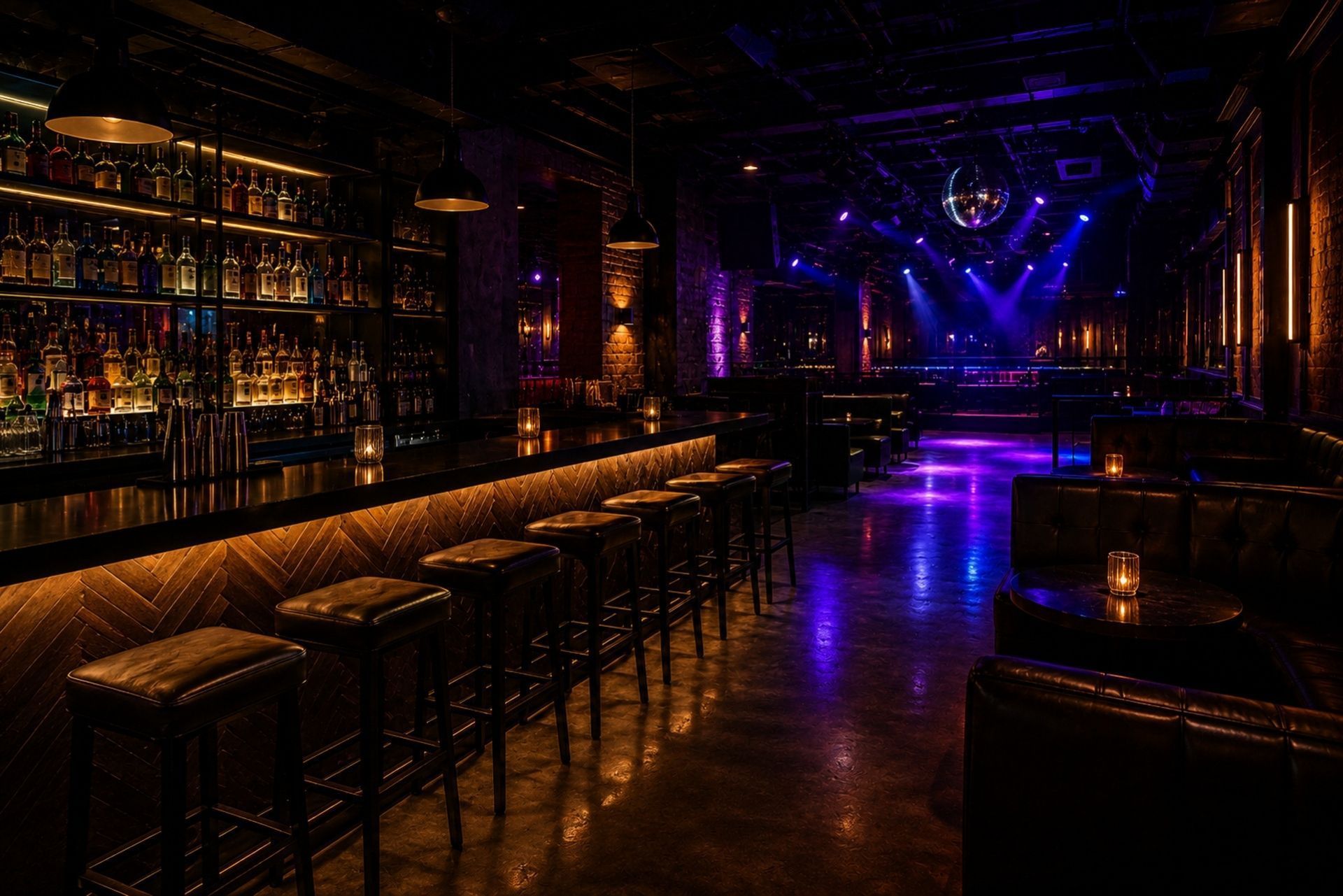
Running a bar or nightclub in Dallas means operating in one of the most exciting, and most litigious, hospitality markets in the country. Between the packed weekend crowds on Lower Greenville, the late-night energy of Deep Ellum, and the upscale cocktail scene in Uptown, Dallas nightlife generates serious revenue and serious risk. A single incident involving an intoxicated patron can spiral into a lawsuit that threatens everything you've built. Texas courts have become notorious for outsized jury awards, and bar owners sit squarely in the crosshairs. Getting the right insurance coverage isn't just smart business planning: it's survival. This guide breaks down what Dallas bar and nightclub operators actually need to know about local coverage requirements, Texas-specific legal exposure, and the real challenges that keep venue owners up at night. If you've been quoted absurd premiums or told your venue is "too risky to insure," you're not alone, and there are real solutions worth understanding.
Navigating the Tampa Restaurant Landscape
Dallas ranks among the top nightlife markets in the South, with hundreds of bars, lounges, and clubs competing for attention across a sprawling metro. That density creates a competitive environment where operators push boundaries on capacity, entertainment, and hours of operation. Insurance carriers notice all of it.
The combination of Texas's plaintiff-friendly court system and Dallas's high concentration of nightlife venues makes this one of the toughest markets in the country for bar insurance. Carriers that write policies in smaller Texas cities often decline Dallas venues outright, especially those with late-night hours, live entertainment, or a history of incidents.
Why Dallas Establishments Face Unique Risk Profiles
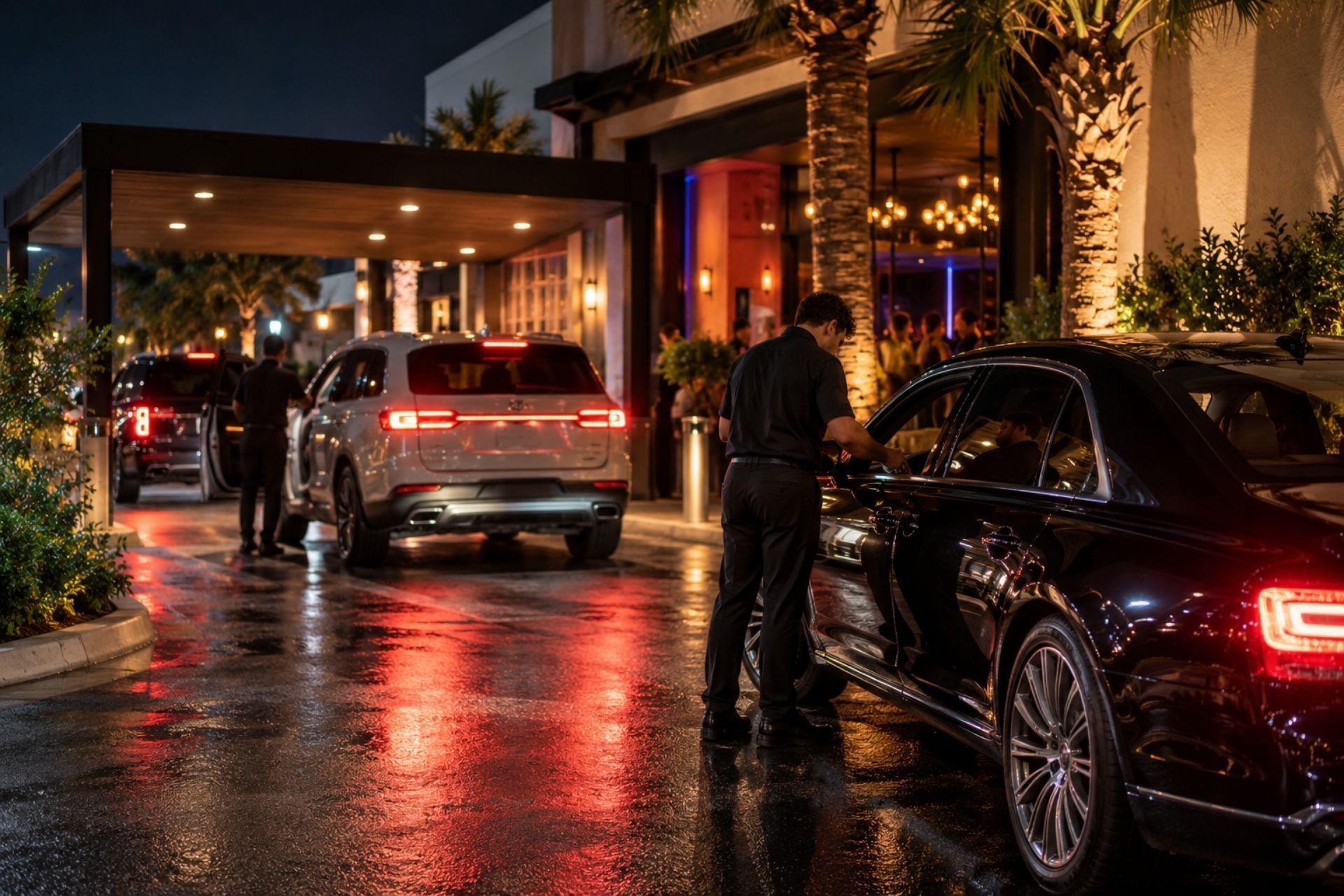
Dallas operators deal with risk factors that don't exist in most other cities. The metro's sheer size means patrons drive to and from venues, increasing DUI-related liability. Texas's concealed carry laws add another layer of concern for establishments that serve alcohol. And the city's entertainment districts pack thousands of people into tight geographic areas on any given Friday night.
Underwriters look at all of this when pricing a policy. A venue in Deep Ellum with a 2 AM closing time, a dance floor, and no dedicated parking will get a very different quote than a wine bar in the Bishop Arts District that closes at midnight. Your risk profile is a combination of location, hours, crowd demographics, entertainment type, and claims history.
The Impact of High-Traffic Districts: Deep Ellum to Uptown
Deep Ellum has long been Dallas's most vibrant, and most volatile, entertainment district. A safety plan implemented in recent years reflects the city's effort to address crime and crowd management in the area, but insurers still view Deep Ellum addresses with caution. Premiums for venues in this district often run 15-30% higher than comparable establishments in less concentrated areas.
Uptown presents a different set of challenges. The crowd skews wealthier, which means higher potential damages in lawsuits. Knox-Henderson and Lower Greenville fall somewhere in between. Each district carries its own risk signature, and your insurer should understand those differences rather than applying a one-size-fits-all rate.
INDEX
Navigating the Dallas Nightlife Insurance Landscape
Texas Legal Requirements and Liquor Liability
Essential Coverage Types for Bar Owners
Comparing Policy Tiers and Coverage Limits
How Dallas Insurance Rates Are Trending in 2026
Common Challenges for Dallas Nightclub Operators
Frequently Asked Questions About Dallas Bar Insurance
What Coverage Gaps Catch Dallas Bar Owners Off Guard
Why Specialized Brokers Matter for High-Risk Venues
Steps to Lower Your Insurance Costs Without Sacrificing Protection
How to Get a Quote for Your Dallas Bar or Nightclub
GrayStone Insurance Group is fully licensed and permitted to provide specialty commercial insurance solutions for high-risk and hard-to-place businesses across 17 states.
We proudly serve high-risk and hard-to-place businesses from coast to coast. As an independent specialty brokerage, our team works with leading Excess & Surplus and specialty carriers to make sure restaurants, bars, contractors, trucking companies, manufacturers, and other hard-to-place operations receive coverage that fits their real risks in California, Colorado, Florida, Georgia, Illinois, Iowa, Maryland, Michigan, Missouri, Nevada, New York, North Carolina, South Carolina, Tennessee, Texas, Utah, and Washington.
Every policy has boundaries. Knowing them up front is how you avoid an uncovered claim. Common exclusions include:
Every policy has boundaries. Knowing them up front is how you avoid an uncovered claim. Common exclusions include:
Every policy has boundaries. Knowing them up front is how you avoid an uncovered claim. Common exclusions include:
General Liability responds to the core exposures most operations in this category face. A typical policy answers third-party claims and the defense costs that come with them, so a single incident doesn't put the business at risk.
If your firm provides any design, engineering, or consulting services alongside construction, you need both. A GL policy won't cover a claim alleging your design specifications caused a building envelope failure. That's a professional liability exposure, and it's one of the fastest-growing claim categories in construction.
Texas Legal Requirements and Liquor Liability
Texas doesn't mandate liquor liability insurance for all alcohol-serving establishments, but operating without it is reckless. The state's legal framework creates enormous exposure for anyone selling drinks, and a single claim can easily exceed seven figures.
TABC Compliance and Safe Harbor Protections
The Texas Alcoholic Beverage Commission requires specific training and licensing for alcohol service, and your compliance status directly affects your insurance options. TABC-certified seller/server training programs provide what's known as "safe harbor" protection: a legal defense that can reduce your liability if an employee served an intoxicated patron who later caused harm.
Carriers want to see that every bartender and server on your staff holds current TABC certification. Letting certifications lapse doesn't just create legal exposure; it can void certain policy provisions. Smart operators build TABC renewal tracking into their HR processes and keep documentation readily accessible.
Understanding Texas Dram Shop Laws
Texas Dram Shop law holds bars and restaurants liable when they serve alcohol to a visibly intoxicated person who then causes injury to a third party. The financial consequences can be staggering. A landmark 2025 case resulted in an $831 million verdict against a Texas bar under the Dram Shop Act, sending shockwaves through the hospitality industry.
These so-called "nuclear verdicts" are devastating small businesses across the state. Even if your venue has never had an incident, one bad night with one over-served patron can produce a judgment that wipes out years of profit. This is precisely why liquor liability coverage with adequate limits isn't optional for Dallas bar owners: it's the cost of doing business.
Essential Coverage Types for Bar Owners
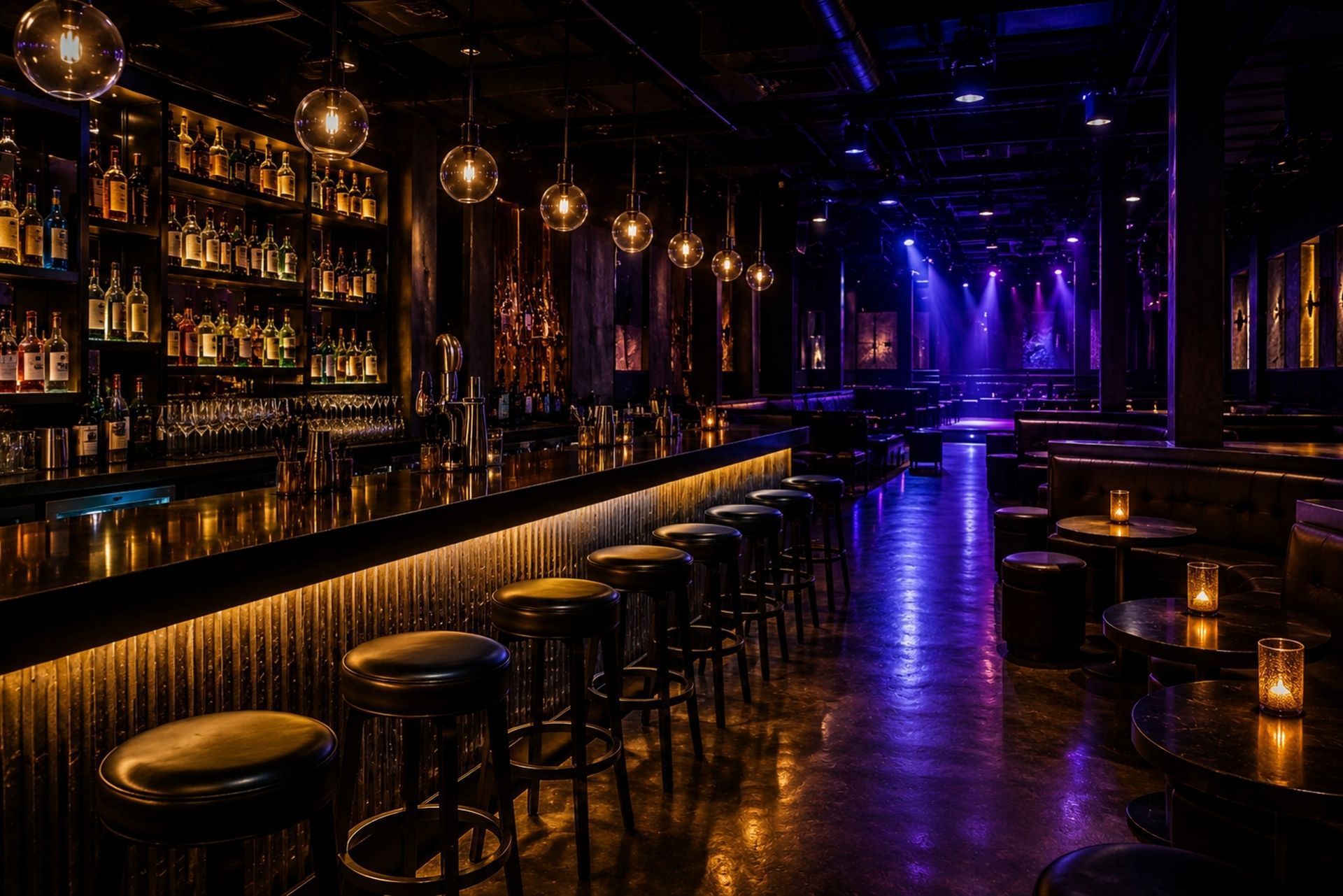
No single policy covers everything a Dallas nightclub or bar needs. Your insurance program should be built in layers, each addressing a different category of risk.
Comparison: General Liability vs. Liquor Liability
These two policies often get confused, but they cover very different things.
| Coverage Type | What It Covers | Typical Limits | Who Needs It |
|---|---|---|---|
| General Liability | Slip-and-fall injuries, property damage, advertising injury | $1M per occurrence / $2M aggregate | Every business |
| Liquor Liability | Claims arising from serving alcohol to intoxicated patrons | $500K to $2M+ per occurrence | Any venue serving alcohol |
General liability won't pay out on a Dram Shop claim. If a patron leaves your bar drunk, crashes their car, and the victim sues your establishment, your GL policy will likely deny the claim. You need both policies, and they need adequate limits for the Dallas market.
Assault and Battery Coverage for Nightclubs
Standard GL policies almost always exclude assault and battery claims. For nightclubs with bouncers, dance floors, and late-night crowds, this exclusion is a massive gap. A fight between patrons, an overly aggressive bouncer, or an altercation in the parking lot can generate lawsuits that your general liability policy won't touch.
Assault and battery coverage is typically added as an endorsement or purchased as a standalone policy. GrayStone Insurance Group regularly places this coverage for Dallas nightlife venues that other agencies have declined, often because those agencies didn't understand the specialized markets that write this type of risk.
Workers' Compensation in the Lone Star State
Texas is one of the few states where workers' comp isn't mandatory for most private employers. That doesn't mean you should skip it. Without workers' comp, injured employees can sue you directly, and those lawsuits aren't capped the way workers' comp benefits are.
Bartenders, servers, bouncers, and barbacks work in environments where injuries happen regularly: wet floors, broken glass, physical altercations. A single back injury to a bouncer can cost $50,000 or more in medical bills. Workers' comp coverage protects both your employees and your bottom line.
Every policy has boundaries. Knowing them up front is how you avoid an uncovered claim. Common exclusions include:
Every policy has boundaries. Knowing them up front is how you avoid an uncovered claim. Common exclusions include:
Every policy has boundaries. Knowing them up front is how you avoid an uncovered claim. Common exclusions include:
General Liability responds to the core exposures most operations in this category face. A typical policy answers third-party claims and the defense costs that come with them, so a single incident doesn't put the business at risk.
Comparing Policy Tiers and Coverage Limits
Most carriers offer tiered policy structures for hospitality businesses. Here's a general comparison of what you can expect:
| Tier | GL Limits | Liquor Liability | Assault & Battery | Property | Approximate Annual Premium |
|---|---|---|---|---|---|
| Basic | $1M/$2M | $500K | Not included | $250K | $8,000 - $15,000 |
| Standard | $1M/$2M | $1M | $100K sub-limit | $500K | $15,000 - $30,000 |
| Premium | $2M/$4M | $2M | $500K+ | $1M+ | $30,000 - $60,000+ |
These numbers vary widely based on your venue's size, revenue, claims history, and location within Dallas. A high-volume nightclub in Deep Ellum will land on the higher end; a neighborhood pub in Lakewood will likely fall lower.
What is bobtail insurance and do I need it?
Bobtail coverage protects you when driving your truck without a trailer attached, typically after dropping a load. It's often required by motor carriers for independent contractors operating under their authority. If you're an owner-operator leased to a carrier, check your lease agreement: most require it.
How Dallas Insurance Rates Are Trending in 2026
The Texas commercial insurance market has been tightening for several years, and 2026 is no exception. Industry forecasts show continued upward pressure on premiums across most commercial lines, with hospitality and nightlife seeing some of the steepest increases.
Rising reinsurance costs, nuclear verdicts, and increased weather-related property claims across Texas are all contributing factors. Dallas bar owners should budget for 8-15% annual premium increases and explore ways to offset those costs through risk management improvements.
Every policy has boundaries. Knowing them up front is how you avoid an uncovered claim. Common exclusions include:
Every policy has boundaries. Knowing them up front is how you avoid an uncovered claim. Common exclusions include:
Every policy has boundaries. Knowing them up front is how you avoid an uncovered claim. Common exclusions include:
General Liability responds to the core exposures most operations in this category face. A typical policy answers third-party claims and the defense costs that come with them, so a single incident doesn't put the business at risk.
Common Challenges for Dallas Nightclub Operators
Running a nightclub in Dallas means dealing with challenges that go beyond mixing drinks and booking DJs. The insurance side of the business requires constant attention.
Managing Security and Bouncer Liability
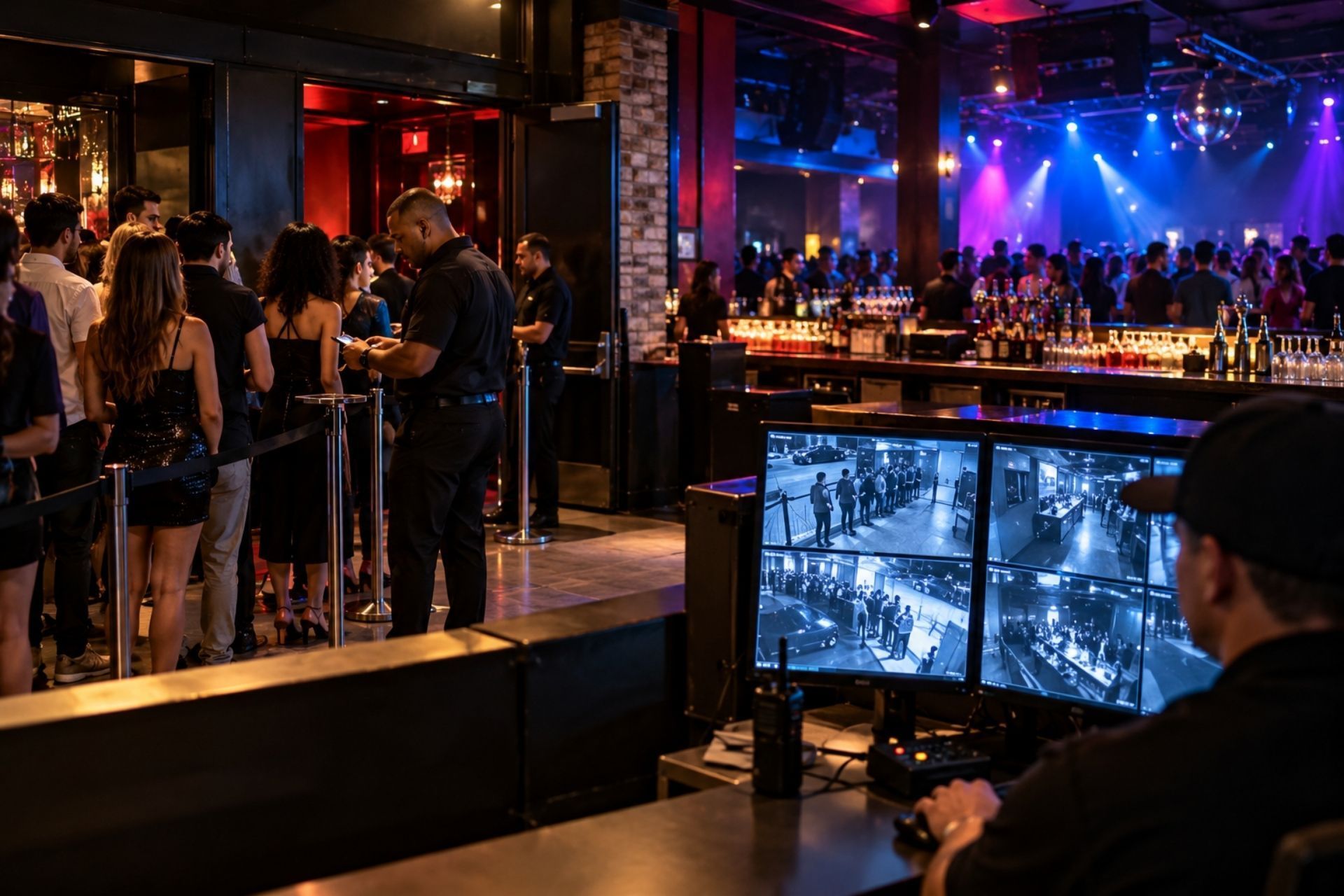
Your security team is both your first line of defense and a significant liability. Bouncers who use excessive force create assault and battery claims. Bouncers who fail to intervene create negligent security claims. Either way, you're exposed.
Proper training, documented use-of-force policies, and body cameras for security staff can all help reduce claims and demonstrate to insurers that you take risk management seriously. Some carriers offer premium discounts for venues with formal security protocols.
Rising Premiums in Urban Texas Hubs
Dallas, Houston, Austin, and San Antonio have all seen dramatic premium increases for hospitality businesses. The Texas insurance market in 2026 reflects broader trends of carrier consolidation and tighter underwriting standards.
The operators who fare best in this environment are the ones who can demonstrate clean claims histories, strong risk management practices, and willingness to carry reasonable deductibles. Working with a broker who specializes in high-risk hospitality, like GrayStone Insurance Group's team of brokers averaging 20 years of experience, makes a measurable difference in both placement success and pricing.
What is bobtail insurance and do I need it?
Bobtail coverage protects you when driving your truck without a trailer attached, typically after dropping a load. It's often required by motor carriers for independent contractors operating under their authority. If you're an owner-operator leased to a carrier, check your lease agreement: most require it.
Frequently Asked Questions About Dallas Bar Insurance
Do I legally need liquor liability insurance to get a TABC license? No, Texas doesn't require liquor liability insurance for TABC licensing. But operating without it exposes you to personal financial ruin if a Dram Shop claim is filed against your establishment.
How much does nightclub insurance cost in Dallas? Most Dallas nightclubs pay between $15,000 and $60,000 annually depending on size, revenue, location, and coverage limits. High-volume venues with late hours and entertainment will pay more.
Does my general liability policy cover fights in my bar? Almost certainly not. Most GL policies exclude assault and battery. You need a separate endorsement or standalone policy for that exposure.
Can I reduce my premiums without cutting coverage? Yes. Installing security cameras, implementing TABC training for all staff, maintaining incident logs, and increasing your deductible can all help lower your annual cost.
What happens if my carrier drops me mid-policy? Texas law requires carriers to provide written notice before cancellation. You'll have a window to find replacement coverage. A specialty broker can often place you with a surplus lines carrier quickly.
Every policy has boundaries. Knowing them up front is how you avoid an uncovered claim. Common exclusions include:
Every policy has boundaries. Knowing them up front is how you avoid an uncovered claim. Common exclusions include:
Every policy has boundaries. Knowing them up front is how you avoid an uncovered claim. Common exclusions include:
General Liability responds to the core exposures most operations in this category face. A typical policy answers third-party claims and the defense costs that come with them, so a single incident doesn't put the business at risk.
What Coverage Gaps Catch Dallas Bar Owners Off Guard
The most common gap is assuming a business owner's policy covers liquor-related claims. It doesn't. Another frequent surprise: property policies that exclude damage from patron vandalism or that don't cover lost income during a forced closure after an incident. Review your policies line by line, or have your broker do it.
What is bobtail insurance and do I need it?
Bobtail coverage protects you when driving your truck without a trailer attached, typically after dropping a load. It's often required by motor carriers for independent contractors operating under their authority. If you're an owner-operator leased to a carrier, check your lease agreement: most require it.
Why Specialized Brokers Matter for High-Risk Venues
Standard insurance agencies often lack access to the surplus lines markets where nightclub coverage actually gets written. A broker who specializes in high-risk hospitality knows which carriers are actively writing Dallas nightlife, what underwriters want to see in a submission, and how to present your venue in the best possible light. GrayStone Insurance Group maintains a 94% client retention rate precisely because their team understands these placements inside and out.
Every policy has boundaries. Knowing them up front is how you avoid an uncovered claim. Common exclusions include:
Every policy has boundaries. Knowing them up front is how you avoid an uncovered claim. Common exclusions include:
Every policy has boundaries. Knowing them up front is how you avoid an uncovered claim. Common exclusions include:
General Liability responds to the core exposures most operations in this category face. A typical policy answers third-party claims and the defense costs that come with them, so a single incident doesn't put the business at risk.
Steps to Lower Your Insurance Costs Without Sacrificing Protection
Start with risk management. Install HD security cameras covering all entrances, exits, and the bar area. Require TABC certification for every employee who touches alcohol. Create written incident reporting procedures and actually use them. Maintain a relationship with local law enforcement. Each of these steps signals to underwriters that your venue is well-managed, and that translates directly into better pricing.
What is bobtail insurance and do I need it?
Bobtail coverage protects you when driving your truck without a trailer attached, typically after dropping a load. It's often required by motor carriers for independent contractors operating under their authority. If you're an owner-operator leased to a carrier, check your lease agreement: most require it.
How to Get a Quote for Your Dallas Bar or Nightclub
Gather your current policy declarations pages, three years of loss runs, your TABC license, and a description of your security protocols. A specialty broker will need all of this to approach the right markets. Expect the quoting process to take 2-4 weeks for nightclub placements, as surplus lines carriers often require additional documentation.
Every policy has boundaries. Knowing them up front is how you avoid an uncovered claim. Common exclusions include:
Every policy has boundaries. Knowing them up front is how you avoid an uncovered claim. Common exclusions include:
Every policy has boundaries. Knowing them up front is how you avoid an uncovered claim. Common exclusions include:
General Liability responds to the core exposures most operations in this category face. A typical policy answers third-party claims and the defense costs that come with them, so a single incident doesn't put the business at risk.
What Texas Bar Insurance Requirements Look Like in Practice
Texas requires specific coverages depending on your business structure and lease agreements. Most commercial landlords in Dallas require tenants to carry at least $1 million in general liability with the landlord named as an additional insured. Liquor liability, while not state-mandated, is effectively required by any responsible lease agreement and lender.
What is bobtail insurance and do I need it?
Bobtail coverage protects you when driving your truck without a trailer attached, typically after dropping a load. It's often required by motor carriers for independent contractors operating under their authority. If you're an owner-operator leased to a carrier, check your lease agreement: most require it.
Protecting Your Dallas Venue for the Long Term
The Dallas nightlife scene rewards operators who think beyond next weekend. Building a comprehensive insurance program isn't a one-time task: it's something you revisit annually as your business evolves, your revenue changes, and the legal environment shifts.
Start by getting an honest assessment of your current coverage gaps. Talk to a broker who actually understands nightlife risk, not a generalist who writes auto policies by day and tries to figure out your nightclub by night. The difference between a $500,000 liquor liability limit and a $2 million limit might be a few thousand dollars a year, but it could be the difference between surviving a lawsuit and closing your doors.
If your venue has been declined by other agencies or you're facing premium increases that don't make sense, reach out to GrayStone Insurance Group for a coverage review. The right broker won't just find you a policy: they'll help you build a risk management strategy that keeps your doors open and your dance floor packed for years to come.
ABOUT THE AUTHOR:
CHAD KRAMER
I started GrayStone Insurance Group in 2018 with a simple conviction: the businesses everyone else turns away deserve a broker who won't. What began as a one-person operation has grown into a specialty commercial brokerage with offices across the country — but the mission hasn't changed. We find solutions for high-risk and hard-to-place businesses when other agencies run the other way.
I built this agency on integrity, hard work, and the tenacity to do the hard things well. Through our access to Excess & Surplus and specialty markets, my team and I place coverage standard carriers can't — and I treat every client's business like my own.
If you've been declined, non-renewed, or told your business is too complicated to insure, let's talk.
Coverages & policies
Plain-language coverage, expertly placed.
We lead with commercial lines and round out personal coverage where you need it. Every policy comes with an explanation — not jargon.

Contractors
Third-party bodily injury & property damage — the foundation for any operation.

Liquor Liability
Critical for bars, restaurants and venues serving alcohol — including A&B.

Commercial Property
Buildings, contents and equipment — including distressed and vacant risk.

Workers' Compensation
Statutory coverage for your crew — including high-mod and high-hazard classes.

Commercial Umbrella
Extra liability limits over your primary policies — essential for high-exposure risk.
Products Liability
Manufacturers, CBD and consumer-product exposure — including imports.
What clients say
Brokers who actually place it.
FAQ
Answers for the risks others won't cover
Getting declined, non-renewed, or told your business is "too high-risk" is frustrating — but it doesn't mean you're out of options. Here are answers to the questions we hear most from business owners who need coverage the standard market won't provide.
What kind of insurance does GrayStone specialize in?
We're a specialty commercial brokerage built for high-risk and hard-to-place businesses — the risks standard carriers often turn away. Through our access to Excess & Surplus (E&S) and specialty markets, we place coverage that everyday agencies can't. Hospitality and construction are among our deepest areas of expertise.
My business was declined or non-renewed elsewhere. Can you still help?
That's exactly what we do. A decline, a non-renewal, or a tough claims history doesn't mean you're out of options — it means your risk needs a broker with the right market access. Tell us your situation and we'll get to work finding a fit.
What is Excess & Surplus (E&S) insurance?
E&S is specialty coverage for risks that standard "admitted" carriers won't write — often because a business is higher-risk, unusual, or has a complex history. As an independent broker, we tap into these specialty markets to place coverage where a typical agency hits a dead end.
What industries do you work with?
We cover a wide range of commercial industries — from restaurants, bars, and hospitality to contractors, trucking, manufacturing, cannabis, and more. If your industry is considered high-risk or hard-to-place, there's a good chance we've handled it.
Will you work with businesses that have prior claims or losses?
Yes. Prior claims and losses are part of many of the risks we place every day. Every business is evaluated on its own merits — and a rocky history is often exactly why a specialty broker can help where others won't.
Are you an independent broker?
Yes. We're not tied to a single carrier, so we shop your risk across multiple specialty and E&S markets to find coverage that actually fits — instead of forcing you into a one-size-fits-all policy.
Insights & resources
Know your risk before you buy.