
General Liability responds to the core exposures most operations in this category face. A typical policy answers third-party claims and the defense costs that come with them, so a single incident doesn't put the business at risk.
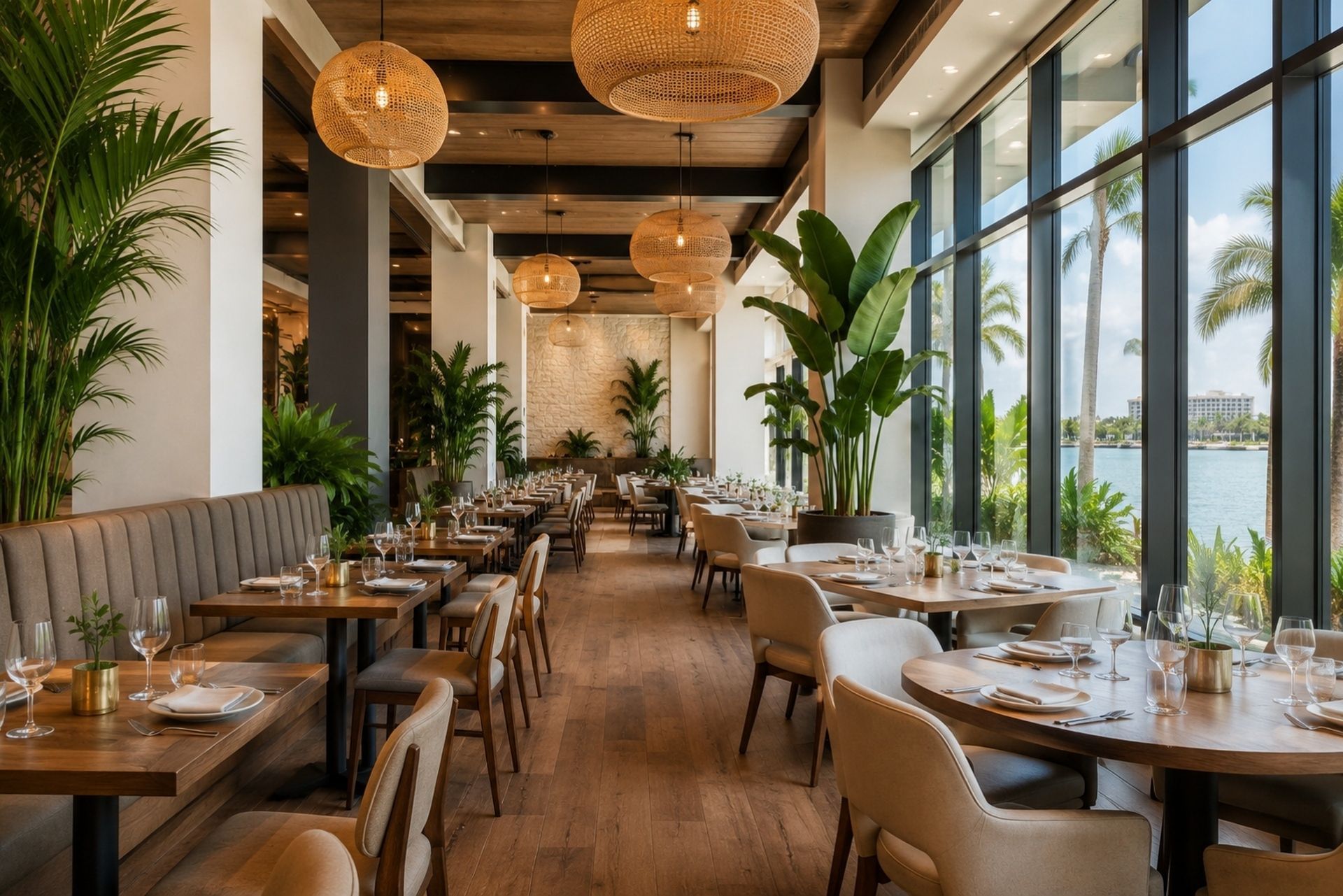
Running a restaurant in Tampa means dealing with a unique mix of challenges that most inland operators never think about. Between hurricane season, high foot traffic in tourist-heavy districts like Ybor City and SoHo, and Florida's specific liquor liability laws, the insurance picture here looks different than it does in most American cities. If you're opening a new spot or reassessing your current policies, understanding what restaurant insurance in Tampa actually requires - and what it should cover beyond the bare minimum - can save you tens of thousands of dollars when something goes wrong. And in this city, something eventually does. Here's what Tampa restaurant operators genuinely need to know about local coverage requirements, Florida mandates, and the risks that keep showing up in claims year after year.
Navigating the Tampa Restaurant Landscape
Tampa's restaurant scene has exploded over the past decade, and 2026 shows no signs of slowing down. New concepts are popping up along the Riverwalk, in Seminole Heights, and throughout the Water Street district. But rapid growth comes with growing pains, especially for operators trying to figure out what kind of insurance they actually need versus what an agent is trying to sell them.
The city itself imposes specific insurance requirements for certain permits. Tampa sidewalk café permits, for example, require Commercial General Liability insurance with minimum limits of $1 million per occurrence and $2 million aggregate. That's not optional - it's a condition of your permit. If you're planning outdoor dining or any kind of right-of-way use for your restaurant, you need to have these policies squared away before you even apply.
Unique Risks for Hillsborough County Operators
Hillsborough County has its own flavor of risk that doesn't always show up in generic insurance guides. Slip-and-fall claims spike during summer rainstorms when customers track water into dining rooms. Food trucks and pop-up vendors competing for Tampa vendor permits create liability crossover issues at shared events. And the sheer volume of tourists in areas like Channelside means higher exposure to claims from out-of-state visitors, who tend to file lawsuits at higher rates than locals.
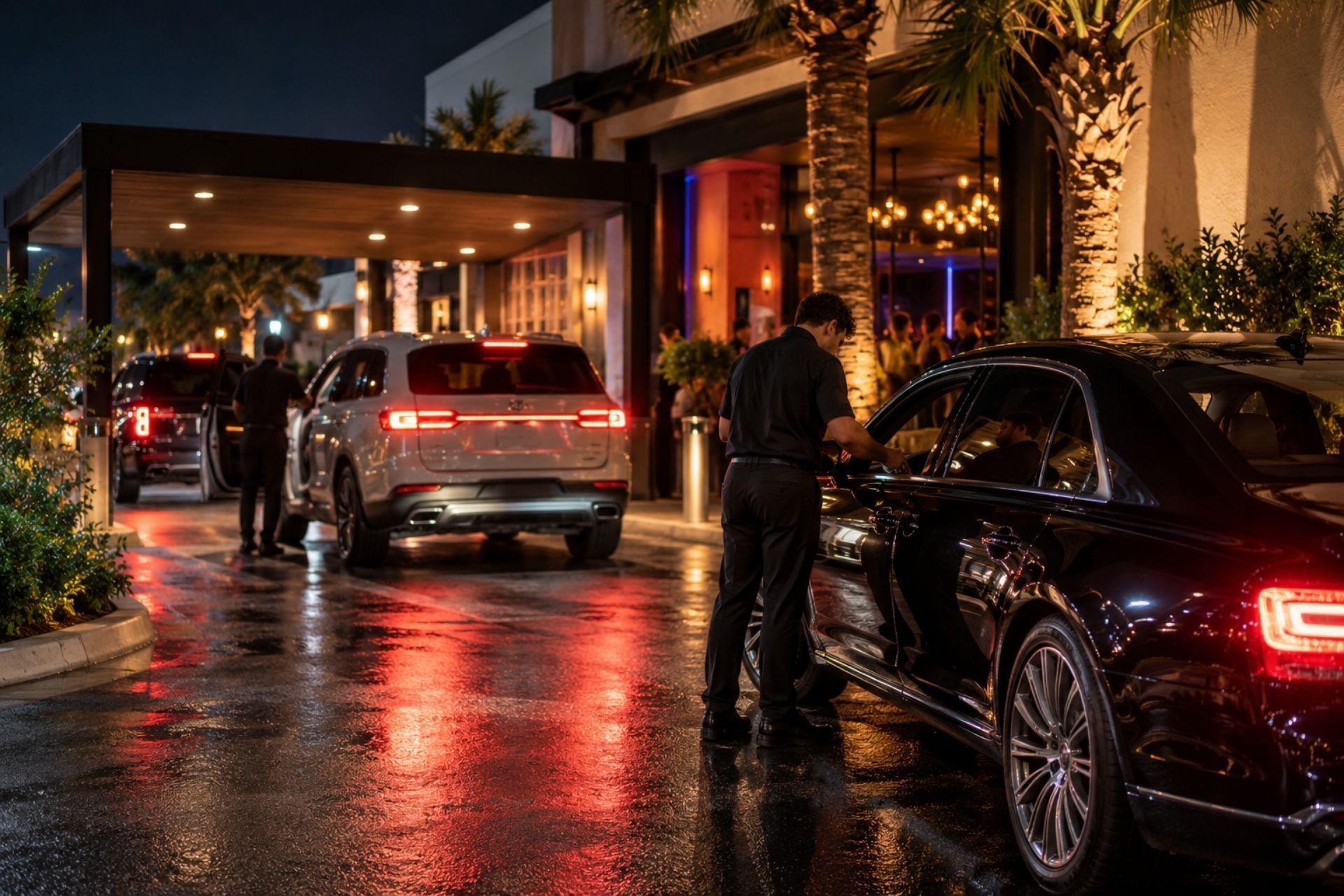
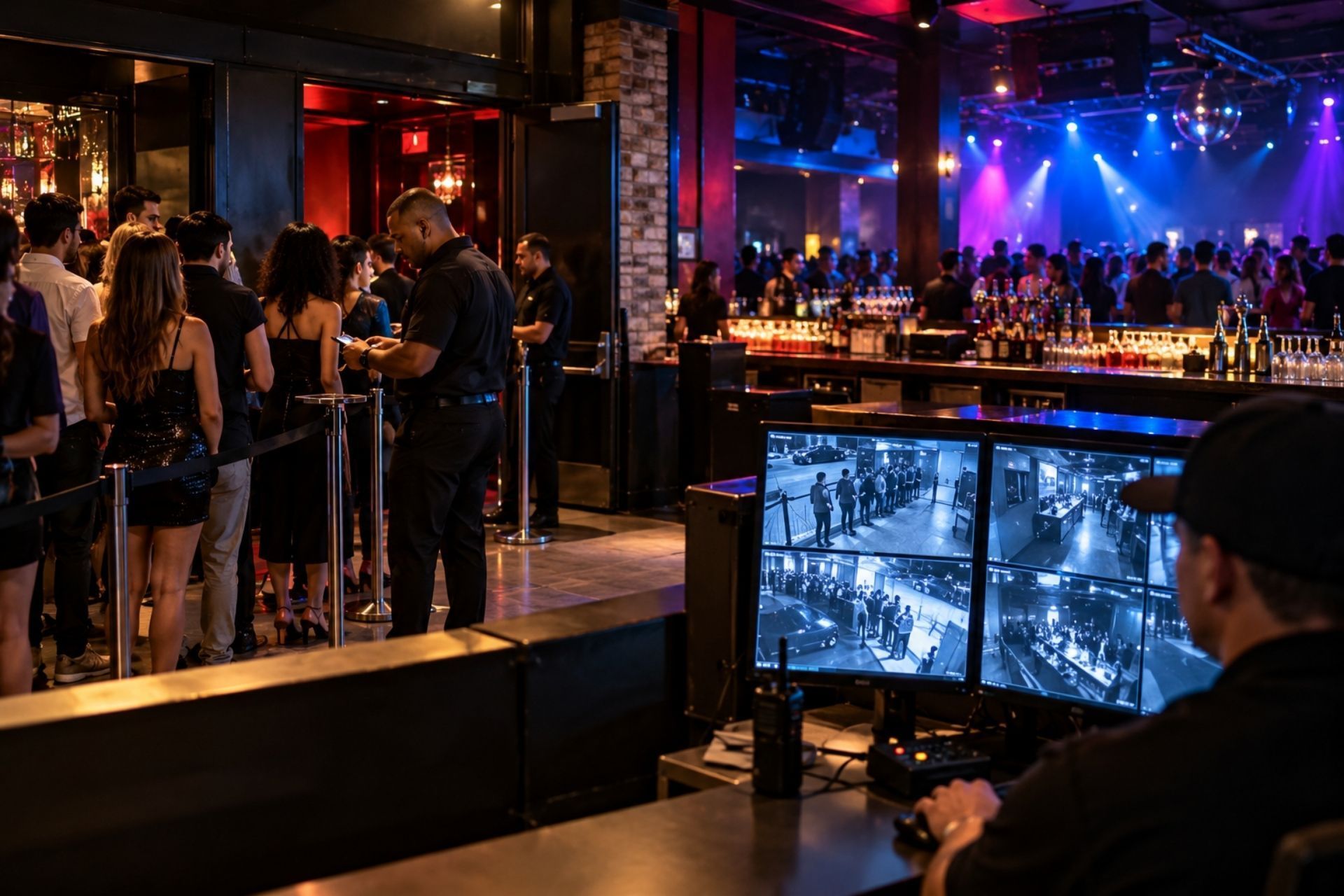
Assault and battery claims are another concern, particularly for restaurants with late-night bar service in Ybor City or along South Howard Avenue. Florida's premises liability standards hold operators responsible for foreseeable criminal acts on their property. If your venue has had incidents before - or if similar venues in your area have - an insurer may consider you higher risk.
The Impact of Florida Coastal Weather on Premiums
Tampa sits in one of the most hurricane-vulnerable metro areas in the country. Even though the city has been relatively lucky compared to Fort Myers or the Panhandle in recent storm seasons, insurers price based on probability, not recent history. That means your windstorm and named-storm deductibles can be substantial, often 2% to 5% of your property's insured value.
Flood risk adds another layer. Many Tampa restaurants sit in FEMA-designated flood zones, and standard commercial property policies explicitly exclude flood damage. Commercial flood insurance in Tampa is a separate purchase, and the cost varies dramatically based on your zone designation and elevation. A restaurant on Bayshore Boulevard faces a very different premium than one on a hill in Carrollwood.
INDEX
GrayStone Insurance Group is fully licensed and permitted to provide specialty commercial insurance solutions for high-risk and hard-to-place businesses across 17 states.
We proudly serve high-risk and hard-to-place businesses from coast to coast. As an independent specialty brokerage, our team works with leading Excess & Surplus and specialty carriers to make sure restaurants, bars, contractors, trucking companies, manufacturers, and other hard-to-place operations receive coverage that fits their real risks in California, Colorado, Florida, Georgia, Illinois, Iowa, Maryland, Michigan, Missouri, Nevada, New York, North Carolina, South Carolina, Tennessee, Texas, Utah, and Washington.
Every policy has boundaries. Knowing them up front is how you avoid an uncovered claim. Common exclusions include:
Every policy has boundaries. Knowing them up front is how you avoid an uncovered claim. Common exclusions include:
Every policy has boundaries. Knowing them up front is how you avoid an uncovered claim. Common exclusions include:
General Liability responds to the core exposures most operations in this category face. A typical policy answers third-party claims and the defense costs that come with them, so a single incident doesn't put the business at risk.
If your firm provides any design, engineering, or consulting services alongside construction, you need both. A GL policy won't cover a claim alleging your design specifications caused a building envelope failure. That's a professional liability exposure, and it's one of the fastest-growing claim categories in construction.
Florida State Requirements and Essential Mandates
Florida doesn't require every business to carry general liability insurance, but the state does impose specific mandates that restaurant operators can't ignore. Getting these wrong can result in fines, license suspension, or personal liability exposure for owners.
Workers' Compensation Laws for FL Food Service
Florida law requires workers' compensation coverage for any restaurant with four or more employees. That threshold is lower than many other states, and it catches a lot of small operators off guard. If you run a family-owned spot with a couple of line cooks and a server or two, you're already at the threshold.
The penalties for non-compliance are harsh: the state can issue stop-work orders and impose fines of twice the premium you should have been paying. Workers' comp in Florida covers medical expenses and lost wages for on-the-job injuries, which are common in restaurant kitchens. Burns, cuts, and repetitive strain injuries generate claims constantly.
Florida Liquor Liability and Dram Shop Standards
Florida's dram shop law (Florida Statute 768.125) is narrower than what you'll find in most states. Bars and restaurants are generally not liable for injuries caused by intoxicated patrons - unless they served someone who was underage or someone known to be habitually addicted to alcohol. That sounds like a shield, but it's a thin one. Proving you didn't know a patron was underage or habitually addicted is an expensive legal fight, even if you win.
Liquor liability coverage fills this gap. Most Tampa restaurant operators serving alcohol should carry at least $1 million in liquor liability coverage. GrayStone Insurance Group works with operators in exactly these situations, particularly venues that other agencies consider too risky due to late-night service hours or high alcohol-to-food revenue ratios.
Every policy has boundaries. Knowing them up front is how you avoid an uncovered claim. Common exclusions include:
Every policy has boundaries. Knowing them up front is how you avoid an uncovered claim. Common exclusions include:
Every policy has boundaries. Knowing them up front is how you avoid an uncovered claim. Common exclusions include:
General Liability responds to the core exposures most operations in this category face. A typical policy answers third-party claims and the defense costs that come with them, so a single incident doesn't put the business at risk.
Core Coverage vs. Specialized Add-ons
Every restaurant needs a foundation of core coverage, but the add-ons are where most operators either overspend on things they don't need or dangerously underspend on things they do.
Comparison: General Liability vs. Professional Liability
These two policies cover fundamentally different risks:
| Feature | General Liability (GL) | Professional Liability (PL) |
|---|---|---|
| What it covers | Bodily injury, property damage, advertising injury | Errors in professional advice or service |
| Common restaurant claims | Slip-and-fall, foodborne illness, property damage to neighbors | Catering contract disputes, dietary misinformation |
| Required by Tampa for permits? | Yes, for most permits | No |
| Typical limits | $1M per occurrence / $2M aggregate | $500K to $1M |
| Who needs it most? | Every restaurant | Caterers, consultants, meal prep services |
Most sit-down restaurants need GL but can skip PL. Catering operations and meal delivery services, on the other hand, face professional liability exposure that GL won't touch.
Protecting Against Spoilage and Equipment Breakdown
A walk-in cooler failure on a Friday night can destroy $5,000 to $15,000 in inventory in hours. Standard property policies often cap spoilage coverage at absurdly low limits - sometimes just $1,000 - unless you specifically add a spoilage endorsement.
Equipment breakdown coverage is separate from your property policy and covers mechanical or electrical failure of kitchen equipment. A commercial oven, a walk-in freezer compressor, or an HVAC unit going down mid-service isn't just an inconvenience - it's lost revenue. These endorsements typically cost $200 to $500 annually and pay for themselves the first time something breaks.
What is bobtail insurance and do I need it?
Bobtail coverage protects you when driving your truck without a trailer attached, typically after dropping a load. It's often required by motor carriers for independent contractors operating under their authority. If you're an owner-operator leased to a carrier, check your lease agreement: most require it.
Comparison: Basic vs. Extended Coverage Tiers
Here's a practical breakdown of what a basic Business Owner's Policy (BOP) covers versus an extended package for Tampa restaurants:
| Coverage Element | Basic BOP | Extended Package |
|---|---|---|
| General Liability | $1M / $2M | $1M / $2M (or higher) |
| Property Coverage | Building + contents | Building + contents + outdoor signage |
| Business Interruption | 30-60 days | Up to 12 months |
| Spoilage | $1,000 cap | $25,000+ |
| Equipment Breakdown | Not included | Included |
| Liquor Liability | Not included | Included |
| Flood | Not included | Available as endorsement |
| Hired/Non-Owned Auto | Not included | Included |
| Cyber Liability | Not included | Included |
The basic BOP works for a small café with no alcohol service and limited equipment. Any full-service restaurant in Tampa should be looking at extended coverage, especially if you're opening a restaurant in South Tampa where property values and customer expectations are both high.
Every policy has boundaries. Knowing them up front is how you avoid an uncovered claim. Common exclusions include:
Every policy has boundaries. Knowing them up front is how you avoid an uncovered claim. Common exclusions include:
Every policy has boundaries. Knowing them up front is how you avoid an uncovered claim. Common exclusions include:
General Liability responds to the core exposures most operations in this category face. A typical policy answers third-party claims and the defense costs that come with them, so a single incident doesn't put the business at risk.
Common Questions from Tampa Business Owners
How much does restaurant insurance cost in Tampa?
Most Tampa restaurants pay between $3,000 and $12,000 annually for a comprehensive package, depending on size, revenue, number of employees, and whether they serve alcohol. Late-night establishments with high liquor sales can see premiums climb to $15,000 or more. Agencies like GrayStone Insurance Group that specialize in hard-to-place risks can often find competitive pricing where generalist agents hit dead ends.
Do I need flood insurance if I'm not on the water?
Yes, potentially. FEMA flood maps don't follow common sense - commercial flood policies in Tampa are recommended even for properties outside high-risk zones because roughly 25% of flood claims come from moderate-to-low risk areas. A single tropical storm dumping 10 inches of rain can flood a restaurant miles from the coast.
Does my policy cover delivery drivers using their own cars?
Almost certainly not under your standard policy. If employees use personal vehicles for deliveries, you need hired and non-owned auto coverage. Without it, an accident during a delivery could expose your business to a lawsuit that your GL policy won't touch. This is one of the most common coverage gaps in Tampa restaurants that have added delivery since 2020.
What happens if a power outage ruins my inventory?
It depends on whether you have a spoilage endorsement and what caused the outage. If a hurricane knocks out power, your spoilage endorsement covers the lost food, but only up to your policy limit. If the outage is caused by equipment failure on your end, equipment breakdown coverage kicks in instead. Without either endorsement, you're absorbing the loss yourself.
Is assault and battery coverage included by default?
No, and this catches a lot of Tampa bar-restaurants off guard. Most GL policies exclude assault and battery, or they sub-limit it to $25,000 or less. If you serve alcohol past 10 PM or operate in nightlife-heavy areas, you need a separate assault and battery endorsement with meaningful limits - $100,000 at minimum, and ideally $250,000 or more.
What is bobtail insurance and do I need it?
Bobtail coverage protects you when driving your truck without a trailer attached, typically after dropping a load. It's often required by motor carriers for independent contractors operating under their authority. If you're an owner-operator leased to a carrier, check your lease agreement: most require it.
Making the Right Choice for Your Venue
Choosing the right insurance package for a Tampa restaurant isn't about buying the cheapest policy or the most expensive one. It's about matching your actual risk profile to the right combination of coverages. A breakfast-only café in Westchase has a completely different exposure than a rooftop bar in Channelside, and their policies should reflect that.
Start by getting honest about your risks. Do you serve alcohol? Do you have outdoor seating on city property? Are you in a flood zone? Do employees drive for deliveries? Each "yes" adds a coverage requirement that a basic BOP won't satisfy.
GrayStone Insurance Group's brokers, who average 20 years of experience, work specifically with operators that traditional carriers often decline. If you've been told your restaurant is too risky to insure - because of your location, your hours, or your claims history - that's exactly the kind of placement where specialized expertise matters most. Getting restaurant insurance right in Tampa means working with someone who understands both the Florida regulatory environment and the specific risks your neighborhood throws at you. Don't wait for a hurricane or a lawsuit to find out what your policy actually covers.
ABOUT THE AUTHOR:
CHAD KRAMER
I started GrayStone Insurance Group in 2018 with a simple conviction: the businesses everyone else turns away deserve a broker who won't. What began as a one-person operation has grown into a specialty commercial brokerage with offices across the country — but the mission hasn't changed. We find solutions for high-risk and hard-to-place businesses when other agencies run the other way.
I built this agency on integrity, hard work, and the tenacity to do the hard things well. Through our access to Excess & Surplus and specialty markets, my team and I place coverage standard carriers can't — and I treat every client's business like my own.
If you've been declined, non-renewed, or told your business is too complicated to insure, let's talk.
Coverages & policies
Plain-language coverage, expertly placed.
We lead with commercial lines and round out personal coverage where you need it. Every policy comes with an explanation — not jargon.

Contractors
Third-party bodily injury & property damage — the foundation for any operation.

Liquor Liability
Critical for bars, restaurants and venues serving alcohol — including A&B.

Commercial Property
Buildings, contents and equipment — including distressed and vacant risk.

Workers' Compensation
Statutory coverage for your crew — including high-mod and high-hazard classes.

Commercial Umbrella
Extra liability limits over your primary policies — essential for high-exposure risk.
Products Liability
Manufacturers, CBD and consumer-product exposure — including imports.
What clients say
Brokers who actually place it.
FAQ
Answers for the risks others won't cover
Getting declined, non-renewed, or told your business is "too high-risk" is frustrating — but it doesn't mean you're out of options. Here are answers to the questions we hear most from business owners who need coverage the standard market won't provide.
What kind of insurance does GrayStone specialize in?
We're a specialty commercial brokerage built for high-risk and hard-to-place businesses — the risks standard carriers often turn away. Through our access to Excess & Surplus (E&S) and specialty markets, we place coverage that everyday agencies can't. Hospitality and construction are among our deepest areas of expertise.
My business was declined or non-renewed elsewhere. Can you still help?
That's exactly what we do. A decline, a non-renewal, or a tough claims history doesn't mean you're out of options — it means your risk needs a broker with the right market access. Tell us your situation and we'll get to work finding a fit.
What is Excess & Surplus (E&S) insurance?
E&S is specialty coverage for risks that standard "admitted" carriers won't write — often because a business is higher-risk, unusual, or has a complex history. As an independent broker, we tap into these specialty markets to place coverage where a typical agency hits a dead end.
What industries do you work with?
We cover a wide range of commercial industries — from restaurants, bars, and hospitality to contractors, trucking, manufacturing, cannabis, and more. If your industry is considered high-risk or hard-to-place, there's a good chance we've handled it.
Will you work with businesses that have prior claims or losses?
Yes. Prior claims and losses are part of many of the risks we place every day. Every business is evaluated on its own merits — and a rocky history is often exactly why a specialty broker can help where others won't.
Are you an independent broker?
Yes. We're not tied to a single carrier, so we shop your risk across multiple specialty and E&S markets to find coverage that actually fits — instead of forcing you into a one-size-fits-all policy.
Insights & resources
Know your risk before you buy.