
General Liability responds to the core exposures most operations in this category face. A typical policy answers third-party claims and the defense costs that come with them, so a single incident doesn't put the business at risk.
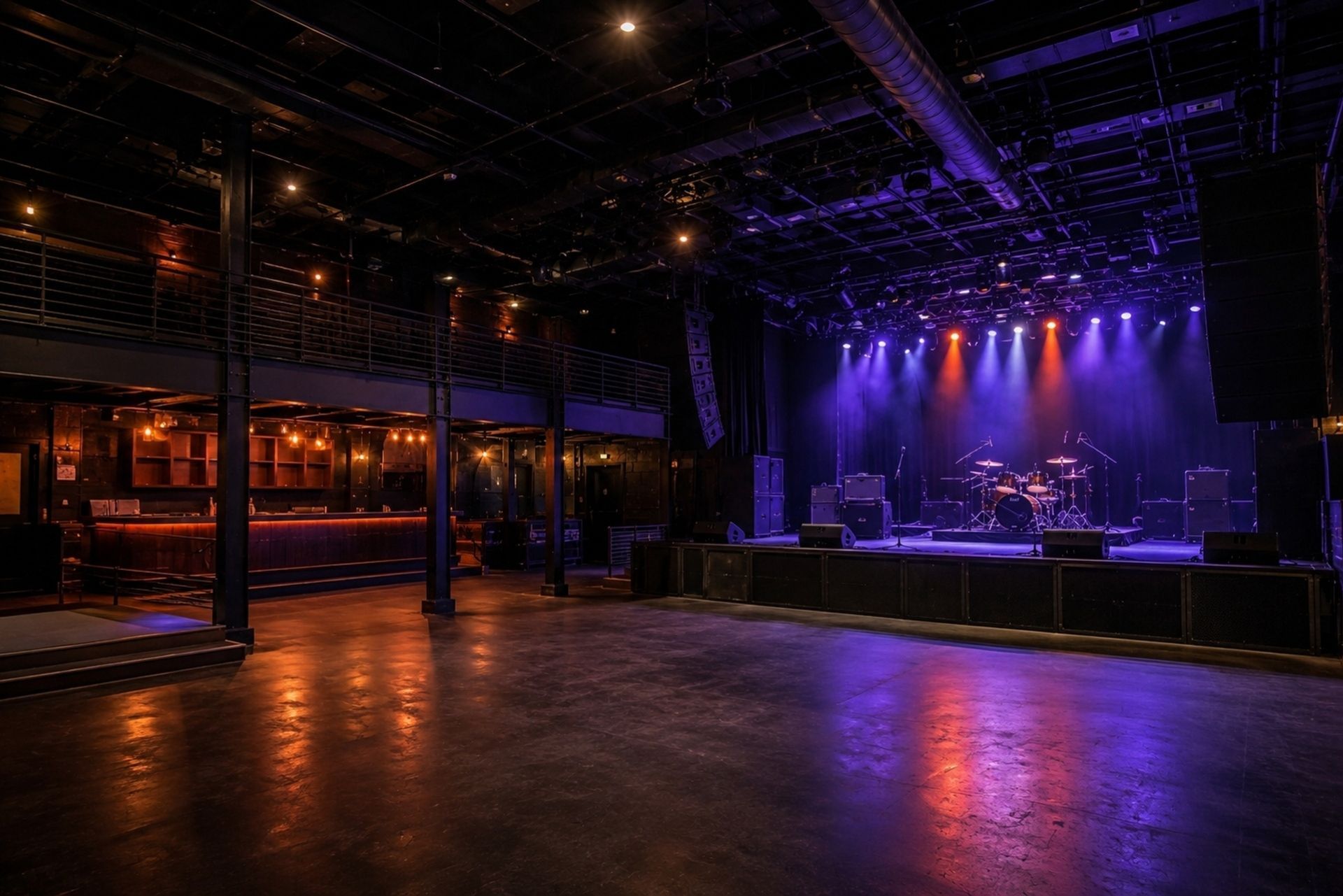
Houston's live music scene is thriving, but the operators behind the stages, sound systems, and bar tops know a truth that audiences rarely consider: running a venue in this city is a high-risk endeavor. Between unpredictable Gulf Coast weather, Texas liquor laws, and the inherent chaos of hosting hundreds of people in a confined space, insurance isn't just a checkbox - it's the thing that keeps your doors open after something goes wrong. Houston commercial property insurance premiums have surged by 10% to 40% in 2026 due to the collision of weather extremes and booming local development, and venue operators are feeling that squeeze harder than most. If you're opening a new venue, expanding an existing one, or just trying to understand what your current policy actually covers, this is the breakdown you need. The live music industry is projected to see continued growth through 2026, which means more operators entering a market that demands specialized coverage most general agents can't properly place.
Navigating the Houston Live Music Landscape
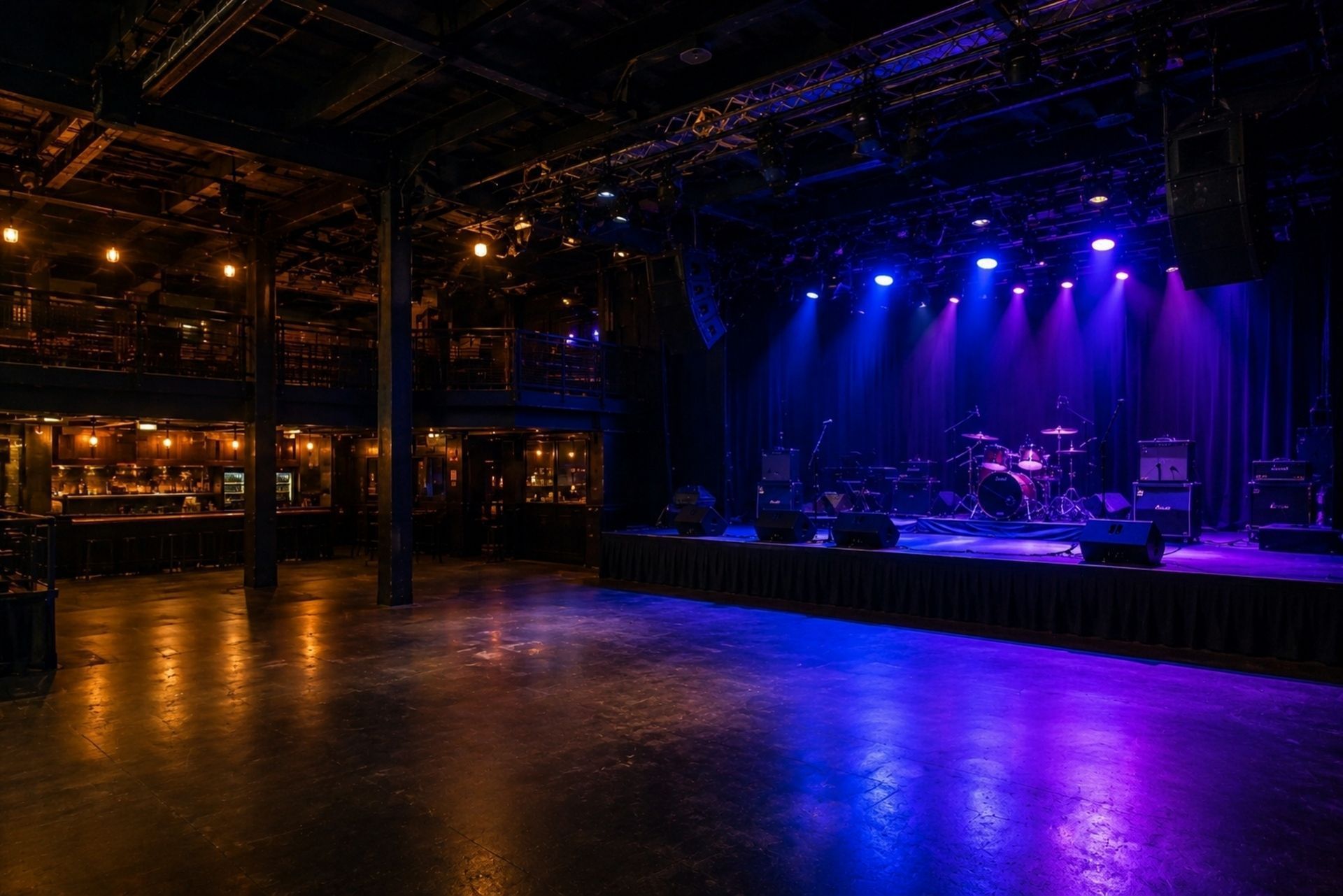
Houston isn't Austin. The music scene here doesn't get the same national press, but the city's sheer size and diversity mean venues range from 100-capacity dive bars in Montrose to 3,000-seat concert halls in Midtown. That variety creates a wide spectrum of risk profiles, and a one-size-fits-all insurance approach fails almost every time.
What makes Houston particularly tricky is the combination of factors no other Texas city shares. You've got flood-prone geography, a massive population driving up liability exposure, and a regulatory environment that's evolved rapidly in recent years. New TICO reporting rules are changing how Texas insurers handle data and compliance, which affects how policies are structured and priced. Operators who treat insurance as an afterthought tend to discover the gaps in their coverage at the worst possible moment: during a claim.
Unique Risks for Venues in the Bayou City
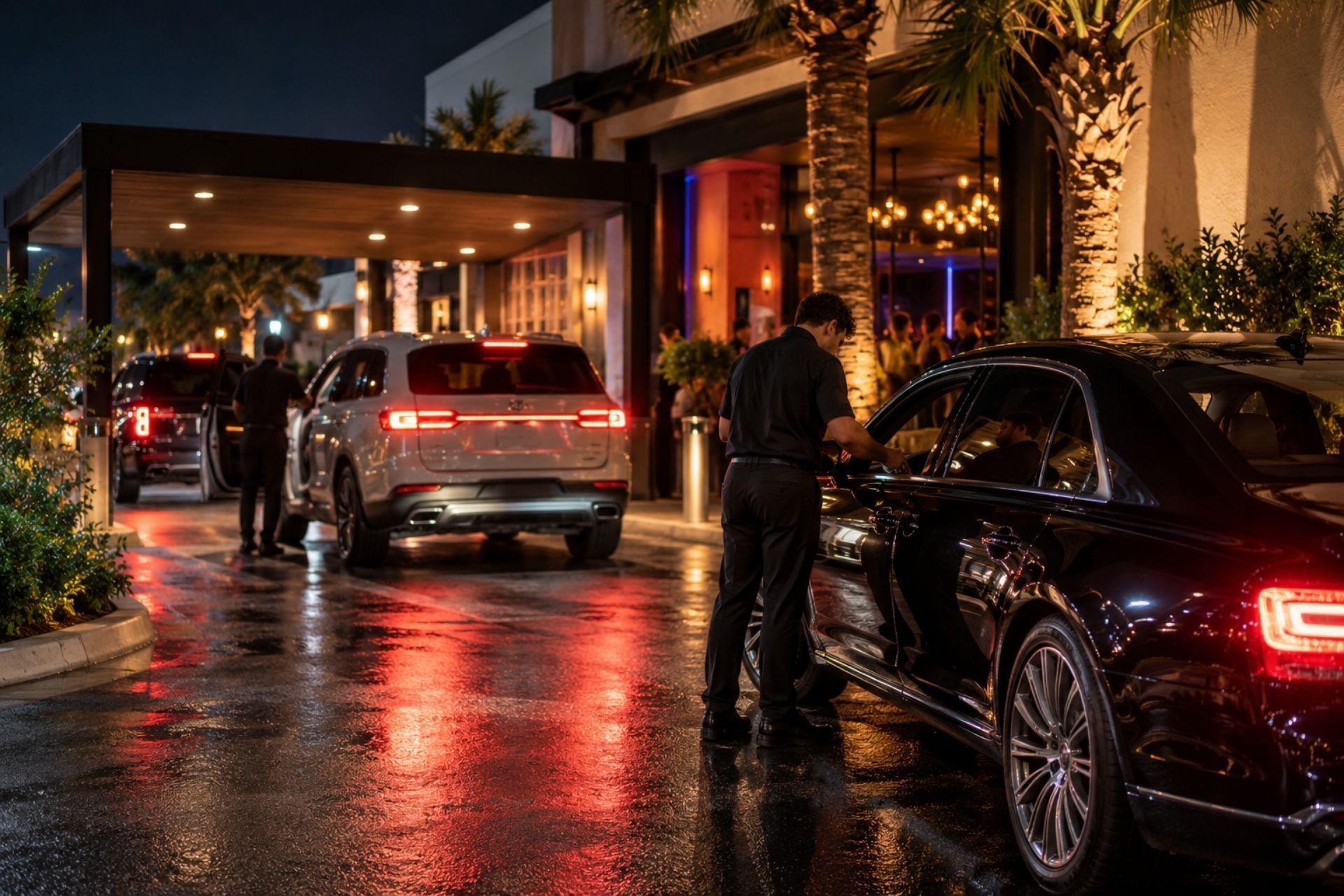
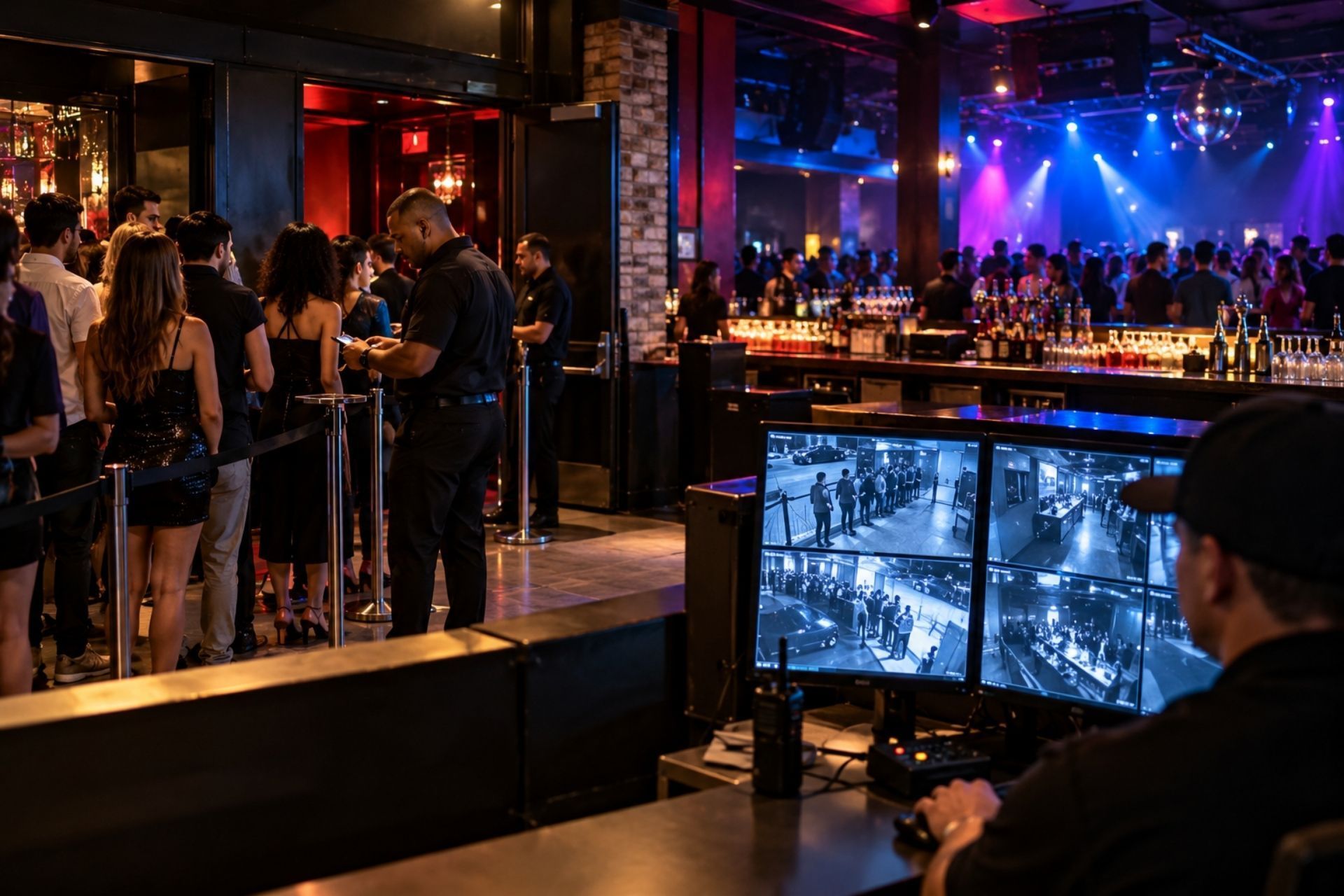
A packed Friday night at a Houston venue involves alcohol service, live electrical equipment, crowd density, potential noise complaints, and parking lot liability - all happening simultaneously. Each of those elements carries its own risk category, and they compound when combined.
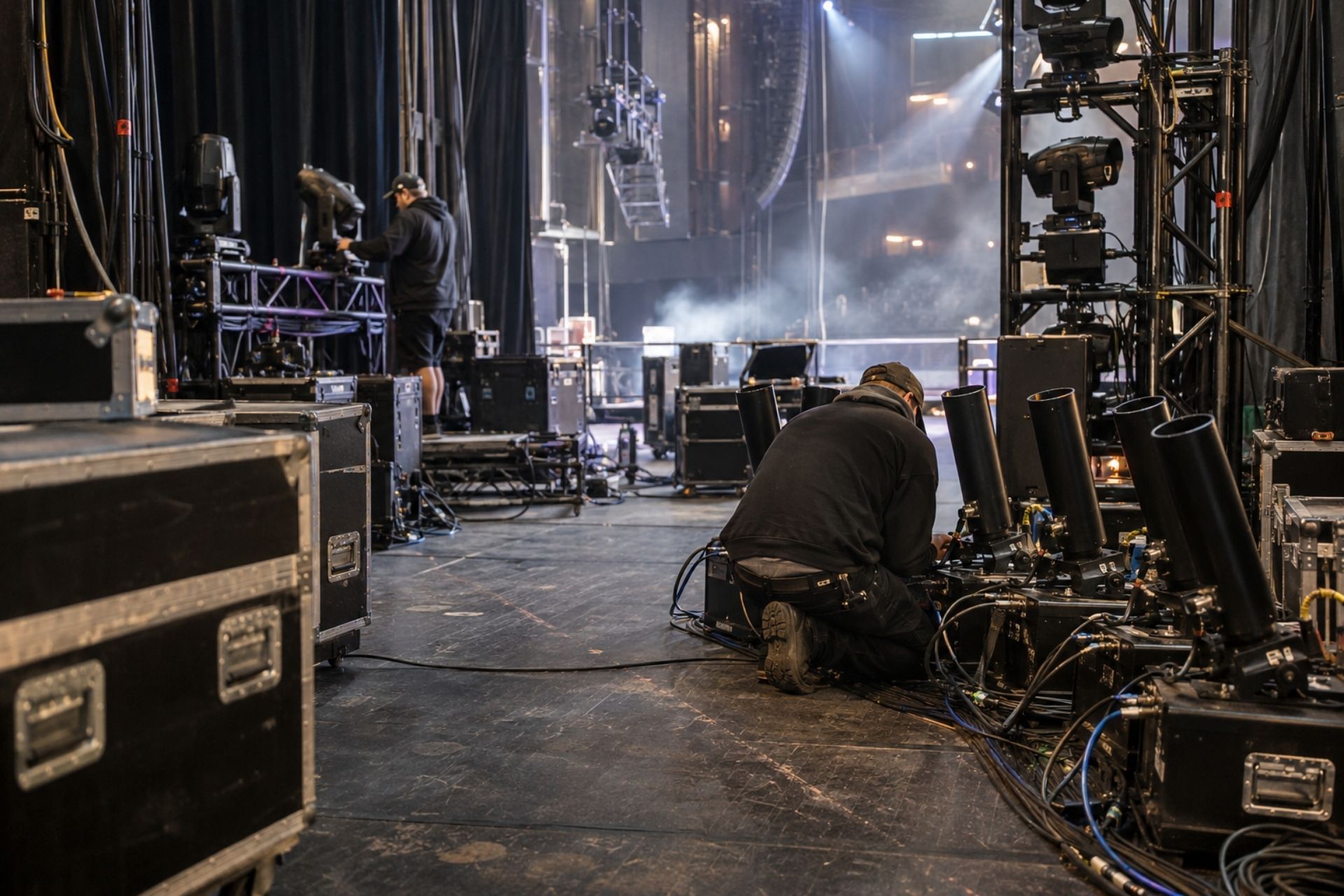
Slip-and-fall claims are the most common, but they're far from the most expensive. Assault and battery claims, which many standard policies exclude, can run six figures easily. Sound equipment damage from humidity (Houston's average humidity hovers around 75%) is another issue that surprises new operators. And then there's the risk that's unique to live performance spaces: performer injury. If a musician falls off a poorly maintained stage, the venue is typically liable.
One thing to keep in mind is that Houston's venue density in neighborhoods like Washington Avenue and EaDo means your insurance rates are partly determined by what's happening at the bar next door. Underwriters look at the surrounding area's claim history, not just yours.
The Intersection of Local Culture and Liability
Houston's cultural diversity is one of its greatest strengths for live music, but it also means venues host a wider variety of events than typical bars. A Montrose venue might host a punk show on Thursday, a cumbia night on Friday, and a spoken word event on Saturday. Each event type carries different crowd behavior patterns and risk profiles.
Venues that host events attracting younger demographics with heavy alcohol consumption will see higher premiums than those booking acoustic singer-songwriters. Your booking calendar is essentially part of your underwriting profile. Experienced brokers - like the team at GrayStone Insurance Group, whose brokers average 20 years in the market - will actually review your event mix when structuring a policy, because the difference between a jazz lounge and a hip-hop venue can mean thousands of dollars in annual premium variation.
INDEX
GrayStone Insurance Group is fully licensed and permitted to provide specialty commercial insurance solutions for high-risk and hard-to-place businesses across 17 states.
We proudly serve high-risk and hard-to-place businesses from coast to coast. As an independent specialty brokerage, our team works with leading Excess & Surplus and specialty carriers to make sure restaurants, bars, contractors, trucking companies, manufacturers, and other hard-to-place operations receive coverage that fits their real risks in California, Colorado, Florida, Georgia, Illinois, Iowa, Maryland, Michigan, Missouri, Nevada, New York, North Carolina, South Carolina, Tennessee, Texas, Utah, and Washington.
Every policy has boundaries. Knowing them up front is how you avoid an uncovered claim. Common exclusions include:
Every policy has boundaries. Knowing them up front is how you avoid an uncovered claim. Common exclusions include:
Every policy has boundaries. Knowing them up front is how you avoid an uncovered claim. Common exclusions include:
General Liability responds to the core exposures most operations in this category face. A typical policy answers third-party claims and the defense costs that come with them, so a single incident doesn't put the business at risk.
If your firm provides any design, engineering, or consulting services alongside construction, you need both. A GL policy won't cover a claim alleging your design specifications caused a building envelope failure. That's a professional liability exposure, and it's one of the fastest-growing claim categories in construction.
Mandatory and Essential Coverage Types
Texas doesn't have a single "venue license" that bundles all required insurance, which confuses a lot of first-time operators. Instead, you're dealing with multiple coverage types, some mandated by state law and others required by landlords, booking agents, or common sense.
Texas State Requirements and Liquor Liability
If you serve alcohol - and nearly every live music venue does - Texas requires you to carry liquor liability insurance. This is separate from your general liability policy. Liquor liability covers claims arising from over-service, such as when a patron leaves your venue intoxicated and causes an accident. Texas dram shop laws hold establishments directly responsible for damages caused by visibly intoxicated patrons they continued to serve.
The minimum coverage amounts vary by insurer, but most landlords and TABC compliance standards push venues toward at least $500,000 in liquor liability coverage. Many Houston venues carry $1 million. Workers' compensation is also required if you have employees, and Texas is one of the few states where it's technically optional for private employers - but going without it is a gamble that rarely pays off.
General Liability vs. Professional Liability Comparison
These two coverage types confuse people constantly. Here's the quick distinction: general liability covers bodily injury and property damage that happen at your venue. Professional liability (sometimes called errors and omissions) covers claims arising from your professional services or advice. For most venue operators, general liability is the priority, but if you also provide event planning, sound engineering, or artist management services, professional liability becomes relevant.
| Feature | General Liability | Professional Liability |
|---|---|---|
| Covers | Bodily injury, property damage | Errors in professional services |
| Common Claims | Slip-and-fall, equipment damage | Breach of contract, negligent booking |
| Typical Limit | $1M per occurrence / $2M aggregate | $500K to $1M per claim |
| Required by TX Law? | Not mandated, but effectively required | No, but often contractually required |
| Who Needs It | Every venue | Venues offering ancillary services |
Comparison of Standard vs. Enhanced Venue Coverage
Most operators start with a basic commercial general liability policy and quickly realize it doesn't cover half of what actually goes wrong at a music venue. The gap between standard and enhanced coverage is where most claims fall through.
Coverage Limits and Value Differences Table
| Coverage Area | Standard Policy | Enhanced Venue Policy |
|---|---|---|
| General Liability | $1M / $2M aggregate | $2M / $5M aggregate |
| Liquor Liability | Often excluded or sublimited | $1M+ dedicated limit |
| Assault & Battery | Typically excluded | Included with $250K-$500K sublimit |
| Sound/AV Equipment | Limited to $10K-$25K | Scheduled coverage up to replacement cost |
| Event Cancellation | Not included | Included for named perils |
| Hired Performer Injury | Excluded | Medical payments + liability coverage |
| Annual Premium Range | $3,500-$8,000 | $8,000-$20,000+ |
The premium difference looks steep until you consider that a single assault and battery claim can exceed $100,000. Venues handling bar and nightclub insurance in Texas need to pay close attention to what's excluded, not just what's covered. GrayStone Insurance Group specializes in placing these harder-to-insure venues where standard carriers decline coverage, using data-driven risk modeling to find pricing that actually reflects your specific operation rather than broad industry averages.
Every policy has boundaries. Knowing them up front is how you avoid an uncovered claim. Common exclusions include:
Every policy has boundaries. Knowing them up front is how you avoid an uncovered claim. Common exclusions include:
Every policy has boundaries. Knowing them up front is how you avoid an uncovered claim. Common exclusions include:
General Liability responds to the core exposures most operations in this category face. A typical policy answers third-party claims and the defense costs that come with them, so a single incident doesn't put the business at risk.
Environmental and Weather Challenges for Houston Operators
Houston's geography creates insurance challenges that venues in Dallas, San Antonio, or even Austin simply don't face. The city sits roughly 50 feet above sea level, and large portions of the entertainment districts are in flood-prone zones.
Flood and Hurricane Considerations
Standard commercial property policies exclude flood damage. Full stop. You need a separate flood policy, typically through the National Flood Insurance Program or a private flood insurer. If your venue is in a FEMA-designated Special Flood Hazard Area, your lender will require it. If you're outside those zones, you still need it - Harvey proved that.
Hurricane season runs June through November, which overlaps with some of the busiest months for live music. Wind damage is covered under most commercial property policies, but there's usually a separate wind/hail deductible that's a percentage of the insured value rather than a flat dollar amount. For a venue insured at $2 million, a 2% wind deductible means you're paying the first $40,000 out of pocket. Preparing for hurricane season requires advance planning that most business owners underestimate until they've lived through one.
Business Interruption for Seasonal Events
A flood or hurricane doesn't just damage your building - it kills your revenue for weeks or months. Business interruption insurance replaces lost income during the period your venue can't operate due to a covered loss. The key phrase is "covered loss." If your property policy excludes flood, your business interruption policy won't cover income lost due to flooding either.
This is where operators get burned most often. They assume business interruption is a catch-all, but it mirrors your property policy's covered perils. For seasonal events like Houston's rodeo season or festival lineups, losing even two weeks of operation can mean $50,000 or more in lost revenue. Make sure your business interruption limit reflects your actual peak-season income, not your annual average divided by twelve.
What is bobtail insurance and do I need it?
Bobtail coverage protects you when driving your truck without a trailer attached, typically after dropping a load. It's often required by motor carriers for independent contractors operating under their authority. If you're an owner-operator leased to a carrier, check your lease agreement: most require it.
Common Questions About Venue Insurance
FAQ: What New Operators Need to Know
Do I need insurance before I open, or can I get it after? You need it before. Your landlord will require a certificate of insurance before handing over keys, and your TABC permit application process will require proof of liquor liability coverage.
How much does venue insurance typically cost in Houston? Expect $5,000 to $20,000 annually for a small to mid-size venue, depending on capacity, alcohol sales percentage, and event types. Texas commercial property insurance costs vary significantly by location and risk profile, and Houston tends to run higher than the state average.
Does my policy cover the bands and performers? Usually not. Most general liability policies exclude performer injuries. You'll need hired entertainer coverage or require performers to carry their own insurance and name your venue as an additional insured.
What about security-related incidents? Assault and battery coverage is excluded from most standard policies. If you hire security, make sure they carry their own liability policy, and add assault and battery coverage to yours. Insurance costs rank among the biggest challenges music venues face nationally, and security-related claims are a major driver.
Can I bundle all my coverage into one policy? Yes, through a Business Owner's Policy (BOP) or a custom package. Bundling typically saves 10-15% compared to purchasing each coverage separately, and it simplifies renewals and claims.
What happens if I host an event outside my normal operations? Special events outside your standard booking profile may not be covered. A one-off outdoor festival, for example, typically requires a separate special event policy.
Every policy has boundaries. Knowing them up front is how you avoid an uncovered claim. Common exclusions include:
Every policy has boundaries. Knowing them up front is how you avoid an uncovered claim. Common exclusions include:
Every policy has boundaries. Knowing them up front is how you avoid an uncovered claim. Common exclusions include:
General Liability responds to the core exposures most operations in this category face. A typical policy answers third-party claims and the defense costs that come with them, so a single incident doesn't put the business at risk.
Making the Right Choice for Your Stage
Running a live music venue in Houston means accepting a level of risk that most businesses don't face. The combination of alcohol, crowds, expensive equipment, and Gulf Coast weather creates a profile that standard insurance carriers often don't want to touch. That's exactly why specialized coverage matters.
The operators who survive long-term are the ones who treat insurance as a strategic decision, not just a cost to minimize. Get your policies reviewed annually, especially before hurricane season. Make sure your coverage limits reflect your actual revenue and asset values, not the minimums your landlord requires. And work with a broker who understands the specific pressures Houston venue operators face - GrayStone Insurance Group maintains a 94% client retention rate precisely because they build policies around real operational risks rather than generic templates.
Your stage is your business. Protect it like one.
ABOUT THE AUTHOR:
CHAD KRAMER
I started GrayStone Insurance Group in 2018 with a simple conviction: the businesses everyone else turns away deserve a broker who won't. What began as a one-person operation has grown into a specialty commercial brokerage with offices across the country — but the mission hasn't changed. We find solutions for high-risk and hard-to-place businesses when other agencies run the other way.
I built this agency on integrity, hard work, and the tenacity to do the hard things well. Through our access to Excess & Surplus and specialty markets, my team and I place coverage standard carriers can't — and I treat every client's business like my own.
If you've been declined, non-renewed, or told your business is too complicated to insure, let's talk.
Coverages & policies
Plain-language coverage, expertly placed.
We lead with commercial lines and round out personal coverage where you need it. Every policy comes with an explanation — not jargon.

Contractors
Third-party bodily injury & property damage — the foundation for any operation.

Liquor Liability
Critical for bars, restaurants and venues serving alcohol — including A&B.

Commercial Property
Buildings, contents and equipment — including distressed and vacant risk.

Workers' Compensation
Statutory coverage for your crew — including high-mod and high-hazard classes.

Commercial Umbrella
Extra liability limits over your primary policies — essential for high-exposure risk.
Products Liability
Manufacturers, CBD and consumer-product exposure — including imports.
What clients say
Brokers who actually place it.
FAQ
Answers for the risks others won't cover
Getting declined, non-renewed, or told your business is "too high-risk" is frustrating — but it doesn't mean you're out of options. Here are answers to the questions we hear most from business owners who need coverage the standard market won't provide.
What kind of insurance does GrayStone specialize in?
We're a specialty commercial brokerage built for high-risk and hard-to-place businesses — the risks standard carriers often turn away. Through our access to Excess & Surplus (E&S) and specialty markets, we place coverage that everyday agencies can't. Hospitality and construction are among our deepest areas of expertise.
My business was declined or non-renewed elsewhere. Can you still help?
That's exactly what we do. A decline, a non-renewal, or a tough claims history doesn't mean you're out of options — it means your risk needs a broker with the right market access. Tell us your situation and we'll get to work finding a fit.
What is Excess & Surplus (E&S) insurance?
E&S is specialty coverage for risks that standard "admitted" carriers won't write — often because a business is higher-risk, unusual, or has a complex history. As an independent broker, we tap into these specialty markets to place coverage where a typical agency hits a dead end.
What industries do you work with?
We cover a wide range of commercial industries — from restaurants, bars, and hospitality to contractors, trucking, manufacturing, cannabis, and more. If your industry is considered high-risk or hard-to-place, there's a good chance we've handled it.
Will you work with businesses that have prior claims or losses?
Yes. Prior claims and losses are part of many of the risks we place every day. Every business is evaluated on its own merits — and a rocky history is often exactly why a specialty broker can help where others won't.
Are you an independent broker?
Yes. We're not tied to a single carrier, so we shop your risk across multiple specialty and E&S markets to find coverage that actually fits — instead of forcing you into a one-size-fits-all policy.
Insights & resources
Know your risk before you buy.