
General Liability responds to the core exposures most operations in this category face. A typical policy answers third-party claims and the defense costs that come with them, so a single incident doesn't put the business at risk.
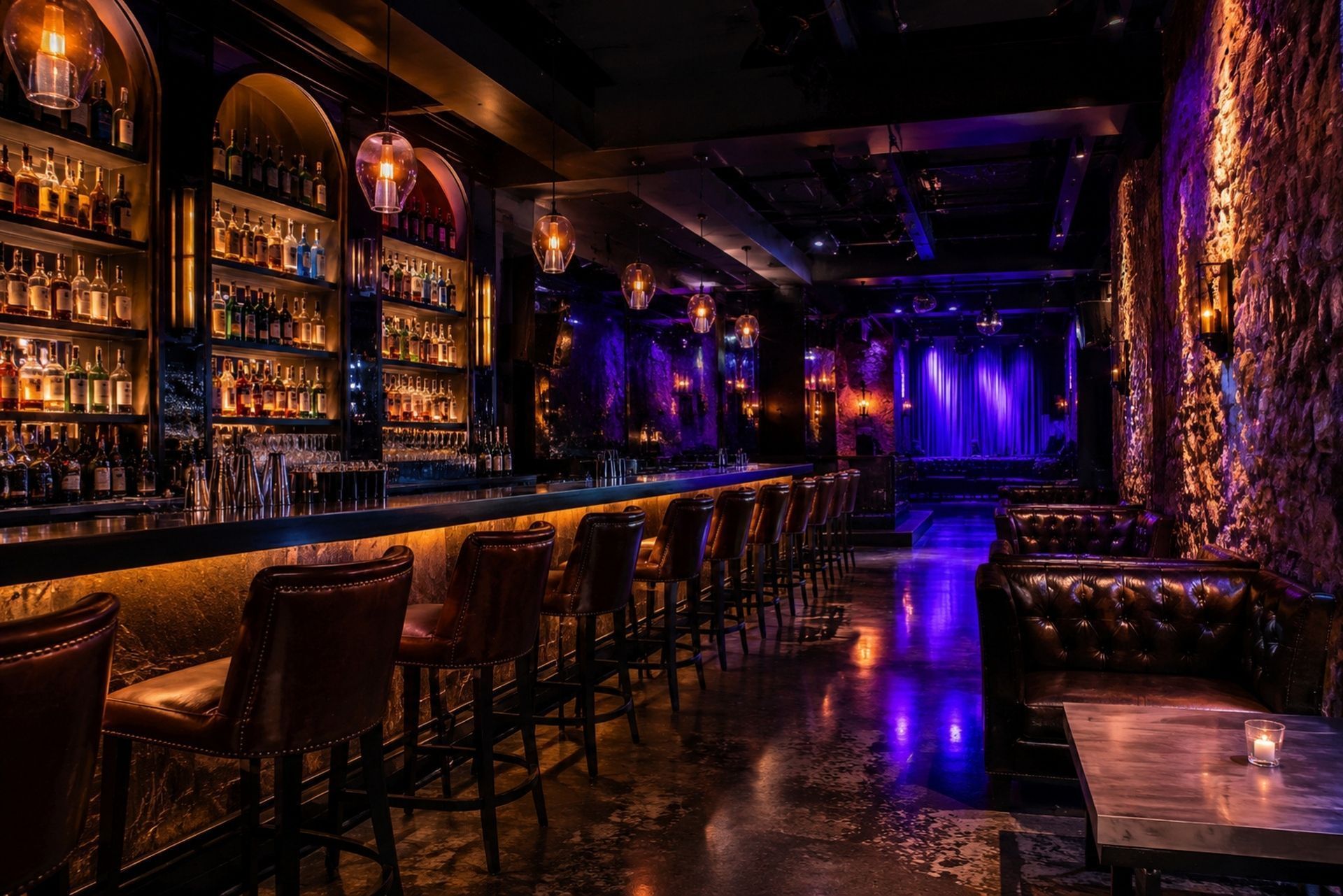
Running a bar or nightclub in El Paso means operating in one of the most vibrant, complicated, and underinsured entertainment markets in Texas. The Sun City sits on an international border, draws crowds from two countries, and has a nightlife district that keeps police busy year-round. A single assault claim, a liquor liability lawsuit, or monsoon-season property damage can shut down a venue that took years to build. If you own or manage a bar, cantina, or nightclub here, your insurance isn't just a checkbox: it's the thing standing between you and financial ruin. The coverage challenges El Paso operators face are distinct from those in Dallas, Houston, or Austin, and cookie-cutter policies from generalist agents rarely account for what actually goes wrong in this market. Between Texas Alcoholic Beverage Commission requirements, border-region liability exposure, and aging downtown buildings, there's a lot to get right. This guide breaks down the specific coverage types you need, what Texas law demands, and the local risks that make insuring an El Paso venue different from anywhere else in the state. Whether you're opening your first spot on Cincinnati Avenue or renewing a policy for a long-standing Kern Place lounge, the details here should save you money, stress, and potentially your business.
Navigating the El Paso Nightlife Insurance Landscape
El Paso's entertainment scene has grown significantly over the past decade, with the Cincinnati Entertainment District becoming the city's primary nightlife hub. That growth has brought real scrutiny. In a recent 10-month period, the Cincinnati District alone generated over 2,800 officer dispatch calls, including incidents involving assaults, intoxication, and disturbances. That kind of call volume puts venue owners squarely in the crosshairs of liability exposure.
Insurance carriers see those numbers. Many standard commercial insurers won't touch nightlife accounts in high-incident districts, which is exactly why firms like GrayStone Insurance Group exist: they specialize in placing coverage for high-risk hospitality businesses that mainstream carriers decline. For El Paso operators, finding a broker who understands the local risk profile isn't optional; it's survival.
Unique Risks for Sun City Operators
El Paso's geography and demographics create a risk profile unlike any other Texas city. The border location means venues regularly serve patrons crossing from Ciudad Juárez, which introduces cross-jurisdictional liability questions that most insurance agents never think about. A patron injured at your venue who files suit in Mexico creates complications most policies don't address.
The desert climate brings its own problems: extreme heat damages HVAC systems and roofing, while monsoon season can flood properties with little warning. El Paso also has a younger demographic skew than most Texas metros, and younger crowds correlate with higher incident rates at nightlife venues. Your underwriter will factor all of this into your premium.
Texas State Requirements for Liquor Licenses
Every bar and nightclub in Texas must hold a valid permit from the Texas Alcoholic Beverage Commission, commonly known as TABC. TABC doesn't technically require you to carry insurance, but it does require compliance with state dram shop laws, and those laws create massive financial exposure if you serve someone who later causes injury or death.
Texas dram shop liability means you can be held responsible if you serve an obviously intoxicated person who then harms a third party. The damages in these cases routinely exceed $1 million. TABC has also ramped up enforcement, and operators should be aware that 2026 compliance reporting requirements have tightened. Falling out of compliance can trigger policy cancellations, making it even harder to find replacement coverage.
INDEX
GrayStone Insurance Group is fully licensed and permitted to provide specialty commercial insurance solutions for high-risk and hard-to-place businesses across 17 states.
We proudly serve high-risk and hard-to-place businesses from coast to coast. As an independent specialty brokerage, our team works with leading Excess & Surplus and specialty carriers to make sure restaurants, bars, contractors, trucking companies, manufacturers, and other hard-to-place operations receive coverage that fits their real risks in California, Colorado, Florida, Georgia, Illinois, Iowa, Maryland, Michigan, Missouri, Nevada, New York, North Carolina, South Carolina, Tennessee, Texas, Utah, and Washington.
Every policy has boundaries. Knowing them up front is how you avoid an uncovered claim. Common exclusions include:
Every policy has boundaries. Knowing them up front is how you avoid an uncovered claim. Common exclusions include:
Every policy has boundaries. Knowing them up front is how you avoid an uncovered claim. Common exclusions include:
General Liability responds to the core exposures most operations in this category face. A typical policy answers third-party claims and the defense costs that come with them, so a single incident doesn't put the business at risk.
If your firm provides any design, engineering, or consulting services alongside construction, you need both. A GL policy won't cover a claim alleging your design specifications caused a building envelope failure. That's a professional liability exposure, and it's one of the fastest-growing claim categories in construction.
Essential Coverage Types for Bars and Nightclubs
Not all policies are built the same, and the gap between what a basic commercial package covers and what a nightlife venue actually needs is enormous. Here's what matters most for El Paso operators.
General Liability vs. Liquor Liability
General liability covers the basics: slip-and-fall injuries, property damage to third parties, and advertising claims. Every business needs it. But for any establishment that serves alcohol, general liability alone is dangerously insufficient.
Liquor liability is a separate policy (or endorsement) that specifically covers claims arising from the sale or service of alcohol. If a patron leaves your bar drunk, drives into another vehicle, and kills someone, the victim's family will sue you under Texas dram shop law. General liability won't pay that claim. Liquor liability will. In El Paso, where late-night crowds often walk between venues or drive across the border, this exposure is constant. Expect to pay between $5,000 and $15,000 annually for liquor liability, depending on your revenue, hours of operation, and claims history.
Assault and Battery Endorsements
Here's a coverage gap that catches a lot of nightclub owners off guard: most general liability policies specifically exclude assault and battery claims. Read that again. The most common type of incident at a nightclub, a fight between patrons, is often excluded from your standard policy.
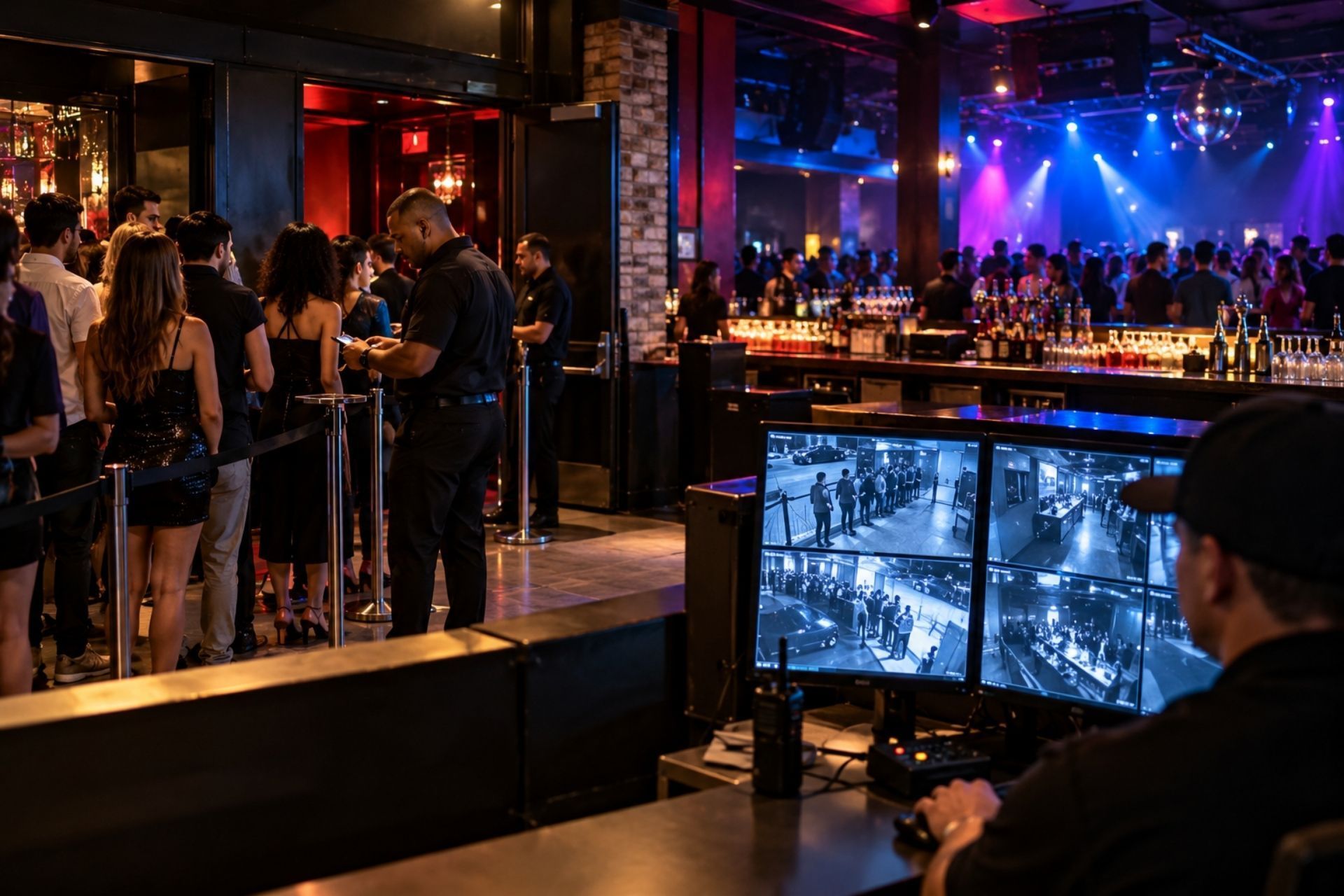
You need a separate assault and battery endorsement, and in El Paso's high-incident entertainment districts, carriers will scrutinize your security protocols before offering one. They'll want to know how many bouncers you employ, whether you use ID scanners, and if you have camera systems. The endorsement typically costs $2,000 to $8,000 per year, and skipping it is one of the most expensive mistakes a nightclub owner can make.
Property Insurance for Downtown and Historic Buildings
Many of El Paso's best nightlife venues occupy older buildings in the downtown core and surrounding historic districts. These buildings have character, but they also have aging electrical systems, outdated plumbing, and construction materials that are expensive to replace or repair to modern code.
Standard property insurance may not cover the cost of rebuilding to current code requirements, which is why you need an ordinance or law endorsement on your property policy. Commercial property insurance premiums across Texas have been trending upward through 2026, driven by weather-related losses and rising construction costs. For El Paso's older structures, expect premiums 15-30% higher than comparable newer buildings.
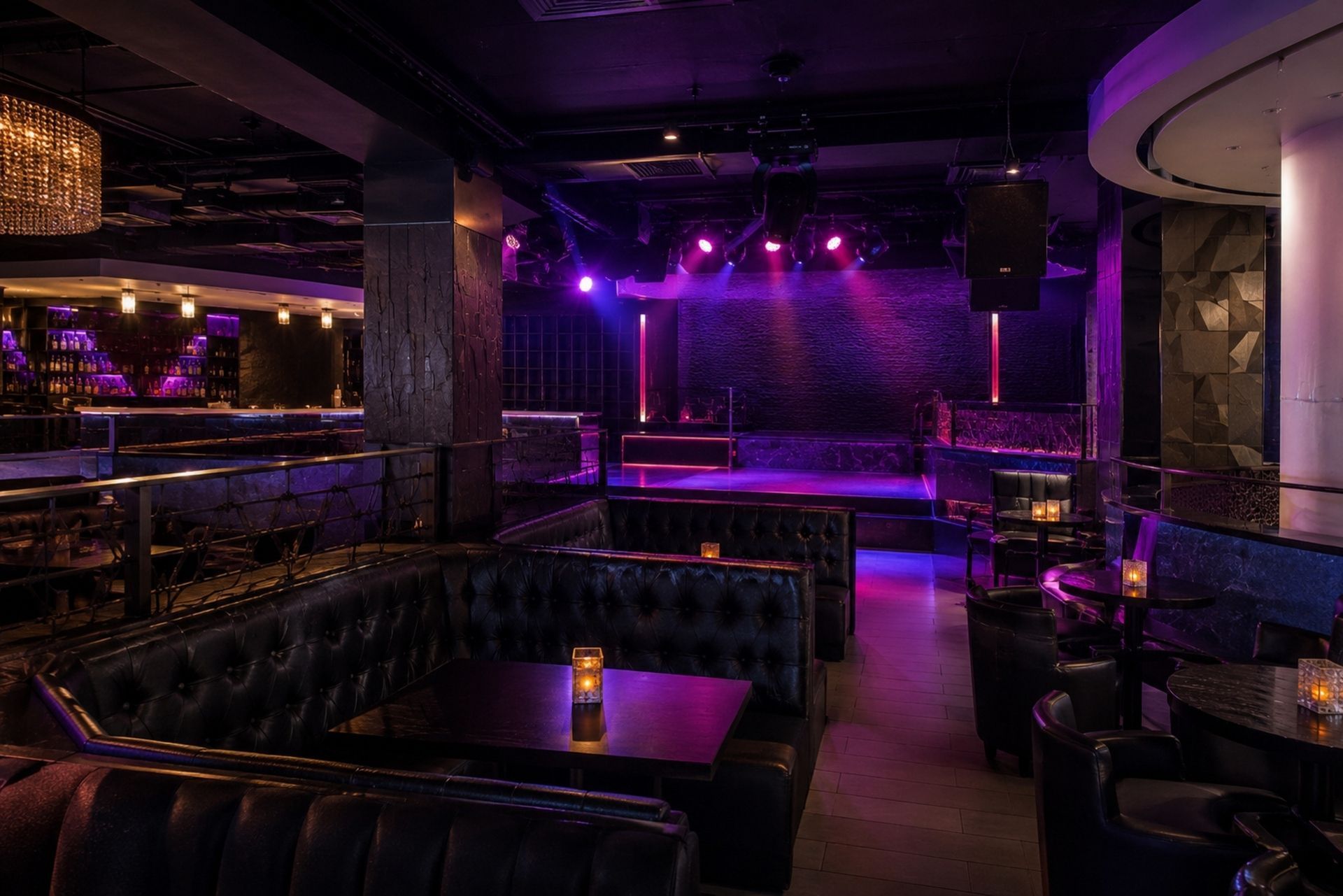
Comparison: Basic Protection vs. Comprehensive Coverage
The difference between a bare-minimum policy and proper coverage for a nightlife venue is stark. Too many operators buy the cheapest package available and discover the gaps only after a claim gets denied.
Comparison Chart: Coverage Tiers and Value
| Coverage Element | Basic Package | Comprehensive Package |
|---|---|---|
| General Liability | $1M per occurrence | $2M per occurrence |
| Liquor Liability | Not included | $1M per occurrence |
| Assault & Battery | Excluded | $500K-$1M sub-limit |
| Property Coverage | Actual cash value | Replacement cost + ordinance/law |
| Business Interruption | Not included | 12 months lost income |
| Hired/Non-Owned Auto | Not included | Included |
| Cyber Liability | Not included | $250K (POS system breaches) |
| Estimated Annual Cost | $4,000-$7,000 | $15,000-$35,000 |
The price difference is real, but consider what a single uninsured liquor liability lawsuit costs. One dram shop claim can result in a $2-5 million judgment. The comprehensive package pays for itself the moment something goes wrong.
Every policy has boundaries. Knowing them up front is how you avoid an uncovered claim. Common exclusions include:
Every policy has boundaries. Knowing them up front is how you avoid an uncovered claim. Common exclusions include:
Every policy has boundaries. Knowing them up front is how you avoid an uncovered claim. Common exclusions include:
General Liability responds to the core exposures most operations in this category face. A typical policy answers third-party claims and the defense costs that come with them, so a single incident doesn't put the business at risk.
Local Challenges Facing El Paso Venue Owners
El Paso operators deal with a set of challenges that don't show up in generic insurance guides written for Austin or San Antonio bars.
Managing Border-Town Liability Risks
The international border creates unique exposure. Patrons frequently cross between El Paso and Juárez in a single evening, and incidents that begin at your venue can have consequences on either side. If a patron is over-served at your bar and causes an accident after crossing into Mexico, the legal questions get complicated fast.
Your insurance policy is governed by Texas law, but claims can originate from incidents with international dimensions. Working with a broker who understands border-market risks, someone like the team at GrayStone Insurance Group with brokers averaging 20 years of experience, makes a measurable difference in how well your policy holds up when these situations arise. The Texas insurance market overall is shifting toward more specialized underwriting in 2026, and border-region venues need agents who can keep pace.
Weather-Related Risks: Monsoons and Wind Damage
El Paso's monsoon season runs roughly from June through September, and it hits hard. Flash flooding can inundate ground-floor venues in minutes, damaging flooring, furniture, sound systems, and inventory. Wind events during storm season can tear off signage, damage roofing, and break windows.
Standard property policies often have separate wind and hail deductibles in Texas, sometimes as high as 2-5% of the insured value. That means on a building insured for $500,000, your wind deductible could be $10,000-$25,000 out of pocket before insurance kicks in. Make sure you understand your deductible structure before storm season, not after. Flood insurance is a separate policy entirely through the National Flood Insurance Program, and if your venue sits in a low-lying area near the Rio Grande, you need it.
What is bobtail insurance and do I need it?
Bobtail coverage protects you when driving your truck without a trailer attached, typically after dropping a load. It's often required by motor carriers for independent contractors operating under their authority. If you're an owner-operator leased to a carrier, check your lease agreement: most require it.
Frequently Asked Questions About El Paso Bar Insurance
Does TABC require me to carry insurance to get a liquor license? No, TABC doesn't mandate insurance as a licensing condition. But Texas dram shop laws expose you to massive liability without it, and most landlords and lenders will require proof of coverage anyway.
How much does nightclub insurance cost in El Paso? A comprehensive package for a mid-sized venue typically runs $15,000-$35,000 annually. Costs vary based on revenue, capacity, hours, location, entertainment type (live music vs. DJ), and claims history.
Can I get coverage if I've been denied by other carriers? Yes. Specialty brokers like GrayStone Insurance Group focus specifically on hard-to-place risks. Nightlife venues are one of their core specialties, and they work with surplus lines carriers that standard agents don't access.
Do I need separate coverage for live entertainment or DJ nights? Often, yes. Live entertainment increases your liability exposure, and some carriers require an entertainment endorsement or higher limits on nights with live acts. Disclose your full entertainment schedule to your broker.
What happens if my bouncer injures a patron? Assault and battery by employees is a common claim type. Without an assault and battery endorsement, your general liability policy will likely deny the claim entirely. This is one of the most frequent coverage gaps in nightlife insurance.
Are my liquor inventory and equipment covered under a basic policy? Basic policies may cover inventory at actual cash value, which accounts for depreciation. For expensive sound systems, lighting rigs, and POS equipment, you want replacement cost coverage specified on your policy.
Every policy has boundaries. Knowing them up front is how you avoid an uncovered claim. Common exclusions include:
Every policy has boundaries. Knowing them up front is how you avoid an uncovered claim. Common exclusions include:
Every policy has boundaries. Knowing them up front is how you avoid an uncovered claim. Common exclusions include:
General Liability responds to the core exposures most operations in this category face. A typical policy answers third-party claims and the defense costs that come with them, so a single incident doesn't put the business at risk.
Making the Right Choice for Your Venue
El Paso's nightlife scene is thriving, but the risks that come with running a bar or nightclub here are real and specific. Between dram shop exposure, border-region complications, aging buildings, and monsoon-season weather, the insurance needs of an El Paso venue go well beyond what a standard commercial policy provides.
The operators who protect themselves best are the ones who work with brokers who know this market: people who understand TABC compliance, can place assault and battery endorsements with surplus lines carriers, and won't leave you holding a policy full of exclusions you didn't know about. Don't wait for a denied claim to find out your coverage has gaps.
If you're opening a new venue or your renewal is coming up, get a coverage review from a specialist. Reach out to GrayStone Insurance Group for a consultation tailored to El Paso's unique risk environment. A 30-minute conversation now can prevent a six-figure problem later.
ABOUT THE AUTHOR:
CHAD KRAMER
I started GrayStone Insurance Group in 2018 with a simple conviction: the businesses everyone else turns away deserve a broker who won't. What began as a one-person operation has grown into a specialty commercial brokerage with offices across the country — but the mission hasn't changed. We find solutions for high-risk and hard-to-place businesses when other agencies run the other way.
I built this agency on integrity, hard work, and the tenacity to do the hard things well. Through our access to Excess & Surplus and specialty markets, my team and I place coverage standard carriers can't — and I treat every client's business like my own.
If you've been declined, non-renewed, or told your business is too complicated to insure, let's talk.
Coverages & policies
Plain-language coverage, expertly placed.
We lead with commercial lines and round out personal coverage where you need it. Every policy comes with an explanation — not jargon.

Contractors
Third-party bodily injury & property damage — the foundation for any operation.

Liquor Liability
Critical for bars, restaurants and venues serving alcohol — including A&B.

Commercial Property
Buildings, contents and equipment — including distressed and vacant risk.

Workers' Compensation
Statutory coverage for your crew — including high-mod and high-hazard classes.

Commercial Umbrella
Extra liability limits over your primary policies — essential for high-exposure risk.
Products Liability
Manufacturers, CBD and consumer-product exposure — including imports.
What clients say
Brokers who actually place it.
FAQ
Answers for the risks others won't cover
Getting declined, non-renewed, or told your business is "too high-risk" is frustrating — but it doesn't mean you're out of options. Here are answers to the questions we hear most from business owners who need coverage the standard market won't provide.
What kind of insurance does GrayStone specialize in?
We're a specialty commercial brokerage built for high-risk and hard-to-place businesses — the risks standard carriers often turn away. Through our access to Excess & Surplus (E&S) and specialty markets, we place coverage that everyday agencies can't. Hospitality and construction are among our deepest areas of expertise.
My business was declined or non-renewed elsewhere. Can you still help?
That's exactly what we do. A decline, a non-renewal, or a tough claims history doesn't mean you're out of options — it means your risk needs a broker with the right market access. Tell us your situation and we'll get to work finding a fit.
What is Excess & Surplus (E&S) insurance?
E&S is specialty coverage for risks that standard "admitted" carriers won't write — often because a business is higher-risk, unusual, or has a complex history. As an independent broker, we tap into these specialty markets to place coverage where a typical agency hits a dead end.
What industries do you work with?
We cover a wide range of commercial industries — from restaurants, bars, and hospitality to contractors, trucking, manufacturing, cannabis, and more. If your industry is considered high-risk or hard-to-place, there's a good chance we've handled it.
Will you work with businesses that have prior claims or losses?
Yes. Prior claims and losses are part of many of the risks we place every day. Every business is evaluated on its own merits — and a rocky history is often exactly why a specialty broker can help where others won't.
Are you an independent broker?
Yes. We're not tied to a single carrier, so we shop your risk across multiple specialty and E&S markets to find coverage that actually fits — instead of forcing you into a one-size-fits-all policy.
Insights & resources
Know your risk before you buy.