
New York City, NY Contractor Insurance

Most contractors don't realize their general liability policy excludes coverage for their own tools, equipment, and materials in transit or stored at job sites. That's where inland marine insurance fills the gap. It covers items like generators, scaffolding, laser levels, and specialty tools whether they're on a truck, at a staging area, or locked in a job-site trailer.


Theft from construction sites remains a persistent problem. A single theft event involving a skid steer or a set of commercial-grade power tools can easily exceed $50,000. Inland marine policies are relatively affordable compared to the replacement cost of losing uninsured equipment mid-project. If you're hauling anything of value between locations, this coverage is non-negotiable.

General Liability responds to the core exposures most operations in this category face. A typical policy answers third-party claims and the defense costs that come with them, so a single incident doesn't put the business at risk.

GeSouth Carolina contractors with four or more employees are legally required to carry workers' compensation insurance, and non-compliance penalties can reach up to $1,000 per day of violation. That adds up fast. Even if you have fewer than four employees, many general contractors and project owners will require proof of workers' comp before letting you on a jobsite.


Sole proprietors and partners can exempt themselves from coverage, but doing so creates personal liability exposure that most experienced contractors regret. If a subcontractor you hire doesn't carry workers' comp, you could be held responsible for their injuries under SC law. This is one of the most common and expensive mistakes small contractors make.

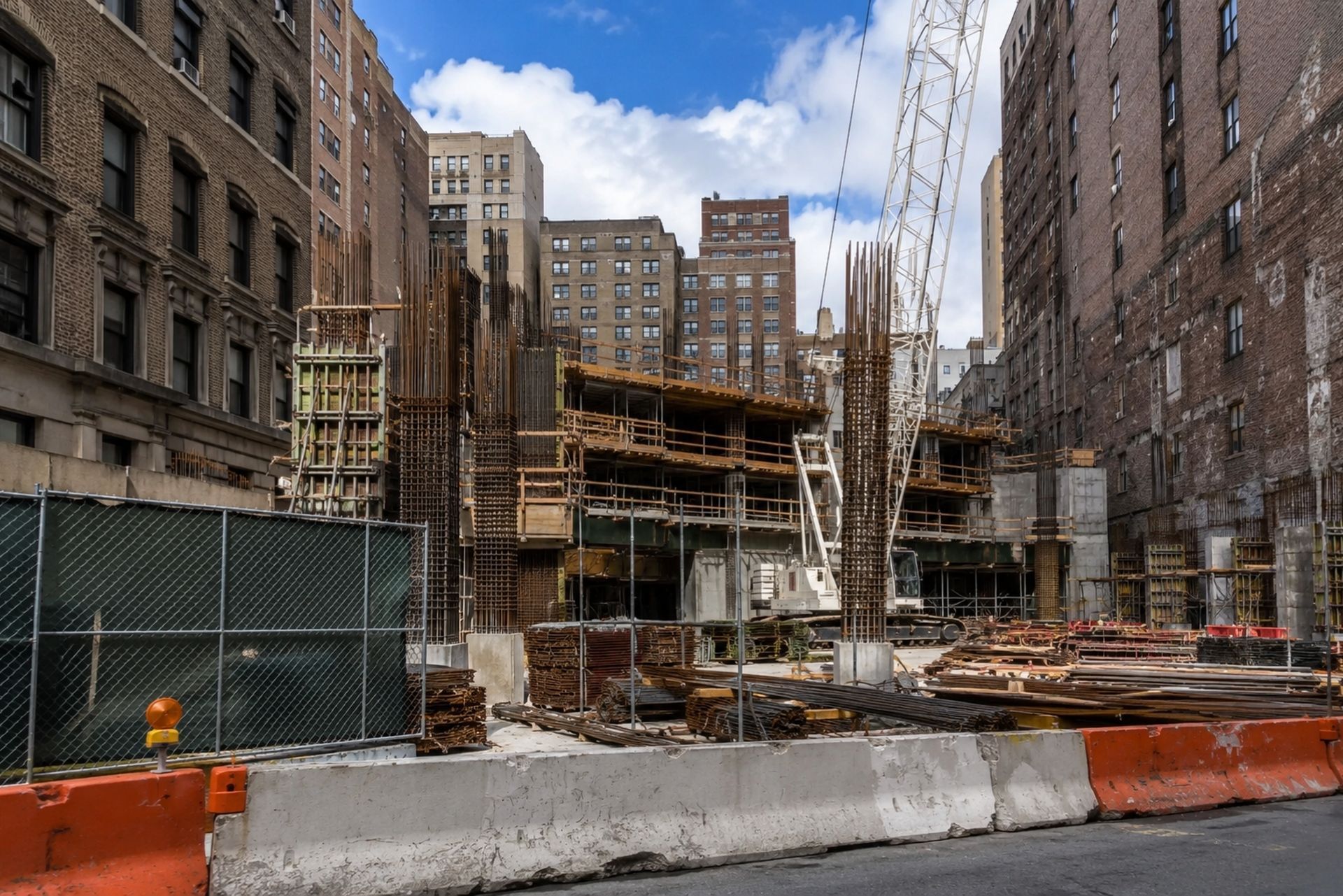
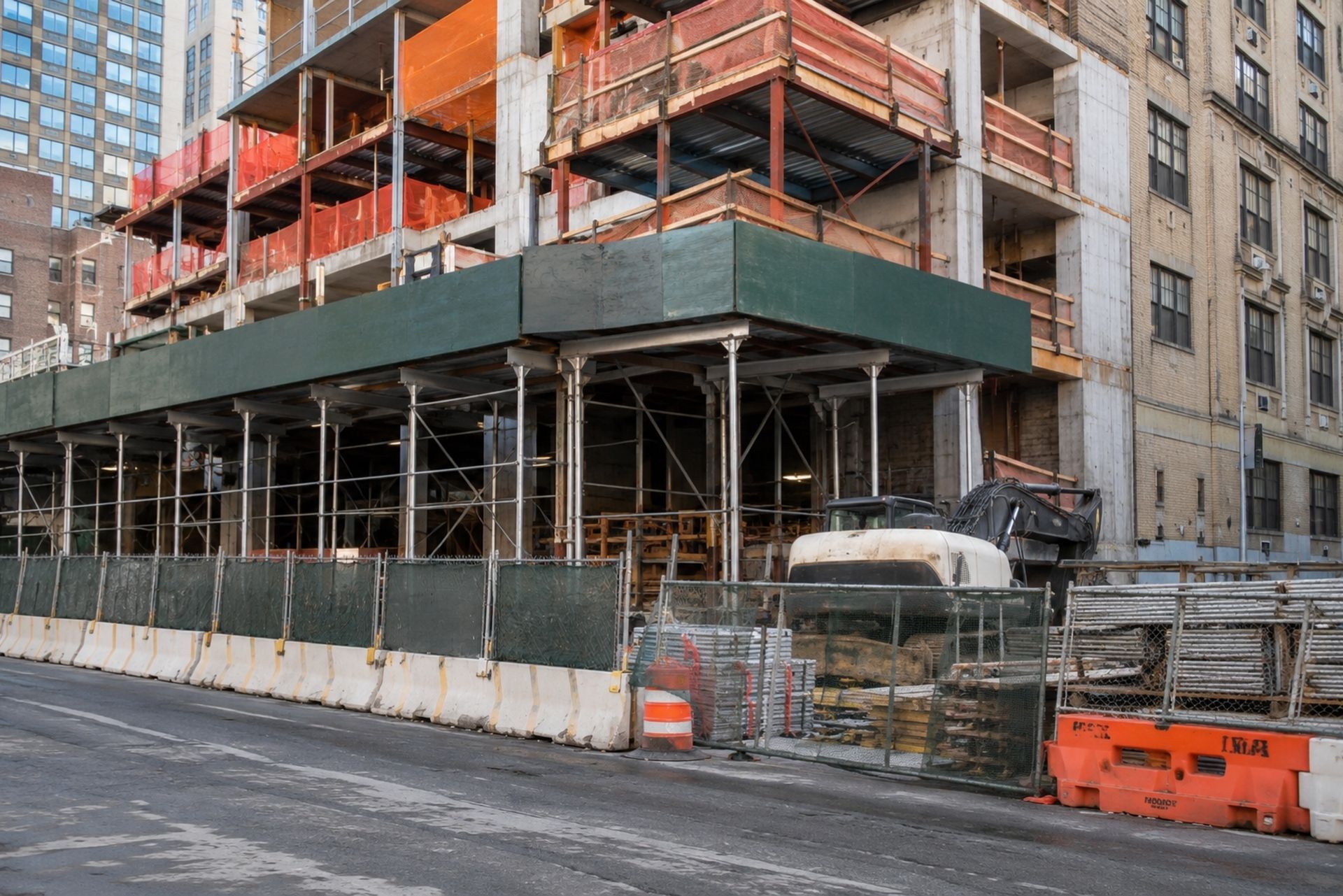
Running a construction business in New York City is unlike operating anywhere else in the country. The regulatory environment is dense, the liability exposure is enormous, and the insurance requirements go far beyond what most states demand. A general contractor working on a brownstone renovation in Brooklyn faces a completely different risk profile than one doing similar work in Dallas or Phoenix, and the insurance pricing reflects that reality. General liability premiums in New York can run significantly higher than the national average, and that's before you factor in the specialized endorsements that NYC projects require. Understanding the local coverage landscape, state requirements, and the specific challenges that New York City operators face isn't optional: it's the difference between staying in business and getting shut down by a single claim or DOB violation.

New York City's insurance environment is shaped by a combination of aggressive state-level liability laws and city-specific regulations that don't exist anywhere else. The result is a market where many standard carriers simply refuse to write policies for NYC contractors, particularly those doing demolition, scaffolding, or high-rise work. This is exactly the kind of hard-to-place risk that agencies like GrayStone Insurance Group specialize in, using their 20-plus years of market experience to find coverage where others can't.


The cost of doing business here reflects the risk. NYC contractors routinely pay two to three times the national average for general liability coverage, and workers' compensation rates are among the highest in the country. These aren't arbitrary numbers: they're driven by the legal framework that governs construction liability in New York State and the additional layer of municipal regulation that the city imposes.

The Impact of New York Labor Law 240 (The Scaffold Law)

New York Labor Law Section 240, commonly called the Scaffold Law, is the single biggest driver of insurance costs for NYC contractors. It imposes absolute liability on property owners and general contractors for gravity-related injuries on construction sites. That means if a worker falls from a scaffold, ladder, or elevated surface, the owner and GC are liable regardless of whether the worker was negligent, intoxicated, or ignoring safety protocols.


This law has no equivalent in any other state. It eliminates comparative fault, which means a jury can't reduce damages even if the injured worker was 90% at fault. The practical effect is that scaffold-related claims in New York produce some of the largest verdicts in the country, and insurers price their policies accordingly.


One recent development worth watching: the AVOID Act, effective April 18, 2026, changes the timeline for contract-based indemnity claims against subcontractors. This law creates new urgency around how general contractors structure their subcontractor agreements and insurance requirements. If you're a GC in NYC, your attorney and your insurance broker should already be reviewing your contracts in light of this change.

Local Law 196 and Safety Training Requirements

Local Law 196 requires that all workers on NYC construction sites hold SST (Site Safety Training) cards. Since March 2021, workers need a minimum of 40 hours of training, and supervisors need 62 hours. This isn't just a regulatory checkbox: it directly affects your insurance.


Carriers look at your safety training compliance when underwriting your policy. A contractor with documented SST compliance across their entire workforce will typically get better rates than one with spotty records. Some insurers won't even quote a policy without proof of compliance. If you're managing subcontractors, you're responsible for verifying their workers' training cards as well, which adds an administrative burden that many small contractors underestimate.

Chad Kramer
CEO · Licensed Author

GrayStone Insurance Group is fully licensed and permitted to provide specialty commercial insurance solutions for high-risk and hard-to-place businesses across 17 states.

We proudly serve high-risk and hard-to-place businesses from coast to coast. As an independent specialty brokerage, our team works with leading Excess & Surplus and specialty carriers to make sure restaurants, bars, contractors, trucking companies, manufacturers, and other hard-to-place operations receive coverage that fits their real risks in California, Colorado, Florida, Georgia, Illinois, Iowa, Maryland, Michigan, Missouri, Nevada, New York, North Carolina, South Carolina, Tennessee, Texas, Utah, and Washington.

Every policy has boundaries. Knowing them up front is how you avoid an uncovered claim. Common exclusions include:

Every policy has boundaries. Knowing them up front is how you avoid an uncovered claim. Common exclusions include:

Every policy has boundaries. Knowing them up front is how you avoid an uncovered claim. Common exclusions include:

General Liability responds to the core exposures most operations in this category face. A typical policy answers third-party claims and the defense costs that come with them, so a single incident doesn't put the business at risk.

Here's the uncomfortable truth: most commercial general liability (CGL) policies contain explicit assault and battery exclusions. Insurers added these exclusions because assault-related claims tend to be expensive and unpredictable. A single incident at a nightclub can generate $200,000 or more in legal defense and settlement costs.


CGL policies are built around the concept of "accidental" or "unintentional" harm. A fistfight is, by definition, intentional. Even if your business didn't cause the fight, the underlying act was deliberate, and that's enough for most standard carriers to deny the claim. This is exactly why a separate assault and battery policy or endorsement exists: to cover the gap your CGL policy was never designed to fill.

Why General Liability Often Excludes These Claims

Physical damage is only half the financial hit. If a windstorm forces your restaurant, hotel, or manufacturing facility to close for repairs, lost revenue can exceed the property damage itself. Business interruption coverage replaces lost income during the restoration period, while extra expense coverage pays for temporary relocation costs or expedited repairs.


Not every commercial property policy includes business interruption for wind events automatically. Some policies apply a waiting period (often 72 hours) before business interruption kicks in. Others sublimit wind-related interruption claims. If your business can't afford to close for even a few days, verify these terms explicitly with your broker.

Business Interruption and Extra Expense Coverage

General liability covers someone slipping on your warehouse floor. Product liability covers a consumer who claims your CBD gummy caused an allergic reaction. If you're selling any product to end consumers, you need both. Period. Firms like GrayStone Insurance Group, which specialize in hard-to-place risks, can often bundle these coverages more efficiently than piecing them together from separate carriers.

Essential Insurance Policies for NYC Contractors

The insurance stack for a New York City contractor is thicker than what you'd carry in most markets. A bare-minimum setup won't survive the first DOB audit or the first serious claim.

General Liability and Action Over Coverage

General liability is your foundation, but in NYC, you need to pay close attention to what's actually covered. Standard GL policies often exclude certain construction activities or include sublimits that are far too low for NYC exposure levels. Most project owners and GCs require minimum limits of $1 million per occurrence and $2 million aggregate, but many larger projects demand $5 million or more in umbrella coverage.


Action-over coverage is a critical endorsement that many contractors overlook. Here's the scenario: a worker gets injured, collects workers' comp, then sues the property owner. The property owner turns around and sues your company, claiming your negligence caused the injury. Without action-over coverage, your GL policy may not respond to that claim. In New York, where Labor Law 240 makes these "action-over" suits extremely common, this gap can be catastrophic.

Workers' Compensation and Disability Benefits

New York requires workers' compensation for virtually every employee, with very few exceptions. The state's weekly workers' compensation benefit rates increase periodically, and the 2026 rates reflect continued upward pressure. Classification codes for construction trades in NYC carry some of the highest rates in the country, particularly for roofing, demolition, and structural steel work.


You also need New York State Disability Benefits (DBL) insurance, which covers off-the-job injuries and illnesses. The 2026 disability benefits premium rates are set by the state, and every employer must carry this coverage. Paid Family Leave (PFL) is bundled with DBL through most carriers. Missing either one can result in penalties from the Workers' Compensation Board and an immediate stop-work order from the DOB.

Feature General Liability (GL) Professional Liability (PL
What it covers Bodily injury, property damage, advertising injury Errors, omissions, negligent advice
Who needs it Nearly every business Service-based and consulting firms
Common claims Slip-and-fall at your location, damage to client property Missed deadline causing financial loss, design error
Typical annual cost (UT) $400 - $1,500 for low-risk $600 - $3,000+ depending on revenue
Required by law? Not mandated, but often required by contracts/landlords Not mandated, but required by some licensing boards
Coverage trigger Occurrence-based (usually) Claims-made (usually)
Feature General Liability (GL) Professional Liability (PL
What it covers Bodily injury, property damage, advertising injury Errors, omissions, negligent advice
Who needs it Nearly every business Service-based and consulting firms
Common claims Slip-and-fall at your location, damage to client property Missed deadline causing financial loss, design error
Typical annual cost (UT) $400 - $1,500 for low-risk $600 - $3,000+ depending on revenue
Required by law? Not mandated, but often required by contracts/landlords Not mandated, but required by some licensing boards
Coverage trigger Occurrence-based (usually) Claims-made (usually)

One thing to keep in mind: a general liability policy will not cover you if a client sues because your work product was defective or your advice caused them financial harm. That's squarely in professional liability territory. Many businesses need both, and bundling them into a Business Owner's Policy (BOP) can save 15-20% compared to purchasing them separately.

Workers' Compensation Laws for TN Hemp Staff

Tennessee requires workers' compensation coverage for businesses with five or more employees, and hemp operations are no exception. This applies to farm workers, processing facility staff, retail employees, and delivery drivers. The classification codes for hemp workers can vary: agricultural workers are rated differently than manufacturing or retail employees.


One common mistake is assuming that seasonal harvest workers don't count toward the employee threshold. They do. If you bring on temporary staff during harvest season and your total headcount hits five, you need workers' comp in place before they start. Penalties for non-compliance include fines and potential criminal charges.

General liability covers third-party bodily injury and property damage on your premises. If a patron trips over a cable run and breaks an ankle, that's a GL claim. Professional liability, sometimes called errors and omissions, covers mistakes in the services you provide. For a venue, this might include booking disputes, failure to deliver contracted sound quality, or misrepresentation of an event.


Most Denver venues need strong general liability but can get by with modest professional liability limits. The exception is if you're also acting as a promoter or event producer, in which case your E&O exposure increases substantially. Core business insurance for small Colorado venues ranges from $1,200 to $12,500 annually, with most live music operations landing in the upper half of that range due to their risk classification.

Texas takes a relatively hands-off approach compared to states like California or New York, but that doesn't mean you can skip coverage and hope for the best. The state sets clear expectations around liability, workers' comp, and vehicle insurance that every Austin contractor should understand before signing a contract.

Cargo insurance protects the freight you're hauling if it's damaged, destroyed, or stolen during transit. Inland marine coverage extends protection to equipment and goods that move between locations, which is relevant if you're hauling specialized construction materials or high-value electronics through Denver's distribution network.


One common mistake: assuming your cargo policy covers all commodity types. Many policies exclude certain goods like electronics, pharmaceuticals, or alcohol unless specifically endorsed. Read your commodity schedule carefully, and if you haul mixed loads, make sure your policy reflects that reality.

Motor Truck Cargo and Inland Marine Insurance

Comparison: Standard vs. NYC-Specific Coverage Needs

The gap between what a typical contractor carries and what NYC actually demands is significant. Here's a side-by-side look:

Coverage Area Standard (Most States) NYC-Specific Requirement
General Liability Minimum $500K-$1M per occurrence $1M-$2M per occurrence (often higher for larger projects)
Workers' Comp Required in most states Required with no exceptions; higher classification rates
Disability Benefits (DBL) Not required in most states Mandatory for all employers
Scaffold Law Exposure Comparative fault applies Absolute liability under Labor Law 240
Action-Over Coverage Rarely needed Essential for any contractor working under a GC
Safety Training Documentation Varies by state 40-hour SST card required (Local Law 196)
DOB Insurance Filing Not applicable Must file proof of insurance directly with DOB

This table makes clear why NYC contractor insurance costs run substantially higher than national averages. The requirements aren't suggestions: they're enforced through stop-work orders, fines, and license revocations.

Every policy has boundaries. Knowing them up front is how you avoid an uncovered claim. Common exclusions include:

Every policy has boundaries. Knowing them up front is how you avoid an uncovered claim. Common exclusions include:

Every policy has boundaries. Knowing them up front is how you avoid an uncovered claim. Common exclusions include:

General Liability responds to the core exposures most operations in this category face. A typical policy answers third-party claims and the defense costs that come with them, so a single incident doesn't put the business at risk.

Here's the uncomfortable truth: most commercial general liability (CGL) policies contain explicit assault and battery exclusions. Insurers added these exclusions because assault-related claims tend to be expensive and unpredictable. A single incident at a nightclub can generate $200,000 or more in legal defense and settlement costs.


CGL policies are built around the concept of "accidental" or "unintentional" harm. A fistfight is, by definition, intentional. Even if your business didn't cause the fight, the underlying act was deliberate, and that's enough for most standard carriers to deny the claim. This is exactly why a separate assault and battery policy or endorsement exists: to cover the gap your CGL policy was never designed to fill.

Why General Liability Often Excludes These Claims

Physical damage is only half the financial hit. If a windstorm forces your restaurant, hotel, or manufacturing facility to close for repairs, lost revenue can exceed the property damage itself. Business interruption coverage replaces lost income during the restoration period, while extra expense coverage pays for temporary relocation costs or expedited repairs.


Not every commercial property policy includes business interruption for wind events automatically. Some policies apply a waiting period (often 72 hours) before business interruption kicks in. Others sublimit wind-related interruption claims. If your business can't afford to close for even a few days, verify these terms explicitly with your broker.

Business Interruption and Extra Expense Coverage

Regulatory Compliance and Licensing Requirements

NYC's regulatory framework for contractors involves multiple city agencies, each with their own insurance requirements. Missing one filing can halt your project.

Department of Buildings (DOB) Insurance Filings

The DOB requires contractors to file proof of insurance before pulling permits or performing work. This includes general liability, workers' compensation, and disability benefits documentation. The filing must name the City of New York as an additional insured on certain project types.


Your insurance broker needs to understand DOB filing procedures, because rejected filings delay projects and cost money. GrayStone Insurance Group's brokers handle these filings regularly and know the specific formatting and endorsement language the DOB requires, which eliminates the back-and-forth that less experienced agencies deal with. The DOB also cross-references your insurance status with the Workers' Compensation Board, so any lapse in coverage triggers automatic flags.

Consumer Affairs Requirements for Home Improvement

If you do residential work in NYC, you need a Home Improvement Contractor (HIC) license from the Department of Consumer and Worker Protection (DCWP). This license requires proof of general liability insurance with minimum limits, and the insurance requirements are specific to residential contractors.


The HIC license must be renewed, and any lapse in insurance coverage can result in license suspension. Residential contractors also need to provide customers with a written contract for any job over $500, and that contract must include your license number and insurance information. Violations carry fines that start at $250 and escalate quickly for repeat offenders.

Can I add this to my existing policy as a rider?

Often, yes. Many carriers offer assault and battery as an endorsement to an existing general liability policy. This is usually cheaper than buying a standalone policy. That said, standalone policies sometimes offer higher limits and broader coverage terms. GrayStone's brokers can help determine which structure makes more sense based on your specific risk profile and claims history.

Security Personnel and Training Protocols

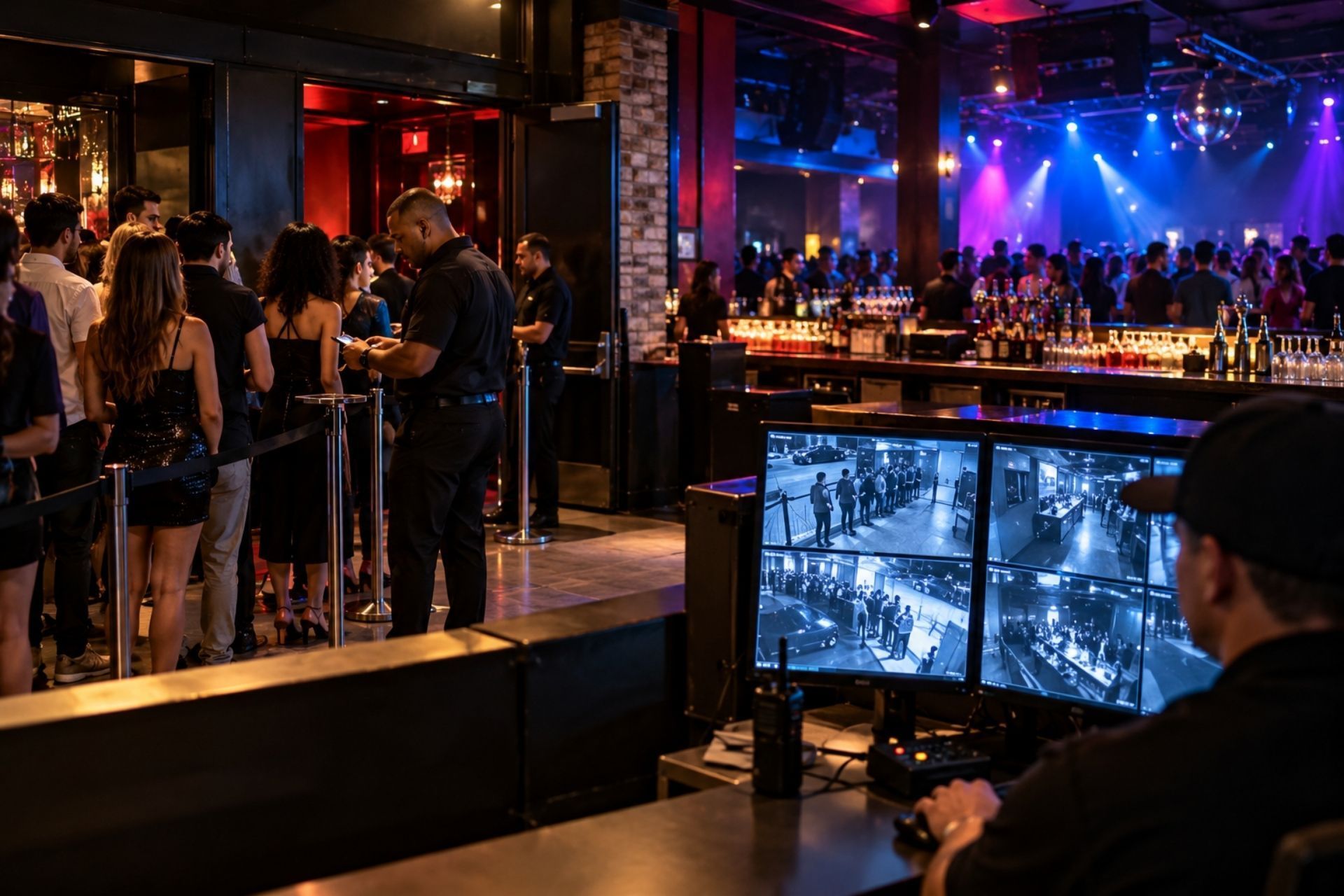
Carriers reward venues that invest in risk mitigation. Documented security protocols, trained and licensed door staff, functioning camera systems, and incident reporting procedures all contribute to lower premiums. Some carriers require a minimum security-to-patron ratio for late-night venues before they'll offer coverage.


Staff training in de-escalation techniques and responsible service practices creates measurable loss reduction. Venues that implement certified training programs and can document completion records often qualify for 5% to 15% premium credits. On the flip side, venues with prior assault claims or liquor violation histories face surcharges or outright declinations from standard carriers - which is exactly where specialty brokers with access to surplus lines markets become essential.

Factors Influencing Insurance Costs for Nightclubs

How much does commercial truck insurance cost in San Antonio? Most owner-operators pay between $12,000 and $18,000 annually for a standard liability and physical damage package. Fleets with clean safety records and newer equipment can sometimes get below that range, while hazmat or high-mileage operations often pay significantly more.


Do I need separate insurance for each truck in my fleet? Each power unit needs its own policy or needs to be listed on a fleet policy. Fleet policies typically offer better per-unit rates once you have three or more trucks.


Can I get coverage with a bad driving record or new authority? Yes, but your options narrow considerably. This is exactly where agencies like GrayStone Insurance Group specialize: placing high-risk and hard-to-insure operators with carriers that standard agencies won't approach. Their brokers average 20 years of experience and maintain relationships with surplus lines carriers who write these risks.


Does my policy cover me if I cross into Mexico? No. Standard U.S. commercial auto policies terminate at the border. You need a separate Mexican liability policy, even for short cross-border runs into Nuevo Laredo.


What's the difference between filed and non-filed insurance? Filed insurance means your carrier has submitted proof of coverage (Form E) to the TXDMV. Non-filed policies don't satisfy state operating authority requirements, even if they provide actual coverage.

Almost never. Standard commercial policies contain broad drug-related exclusions. Even if your products are federally legal hemp-derived CBD, a standard insurer may deny a claim if THC is mentioned anywhere in the complaint. You need a policy specifically written for cannabis-adjacent businesses.

FAQ: Does standard business insurance cover THC-related claims?

Requirements vary by license type. CRA-regulated marijuana businesses must carry specific minimum coverage amounts as a condition of licensure. Hemp operators licensed through MDARD don't face the same mandated minimums, but landlords, lenders, and business partners often require proof of adequate coverage before they'll work with you.

FAQ: How much coverage does the state of Michigan require?

CBD products are compact, valuable, and easy to resell, which makes them a target for theft. Fort Worth has seen incidents of both internal theft by employees and external break-ins at hemp retail locations and warehouses.


Standard crime coverage may not extend to hemp inventory. You need a policy that specifically values your CBD and hemp products as covered property. This is one area where working with a specialized agency like GrayStone pays off: their data-driven underwriting approach can accurately price the theft risk for your specific location and inventory levels, rather than applying a blanket exclusion.

Protecting Against Theft and High-Value Inventory Loss

Common Questions About NYC Contractor Coverage

How much does general liability insurance cost for NYC contractors? Costs vary widely by trade and project type, but most NYC contractors pay between $3,000 and $15,000 annually for basic GL coverage. High-risk trades like demolition and structural work pay significantly more.


Can I use my out-of-state insurance policy for NYC projects? Generally no. NYC requires policies that comply with New York State regulations and include specific endorsements. Your out-of-state policy likely won't meet DOB filing requirements.


Do I need insurance if I'm a sole proprietor with no employees? You still need general liability insurance for most NYC projects. Workers' comp may not be required if you have zero employees, but many GCs and property owners will require it contractually before letting you on site.


What happens if my insurance lapses while I have active permits? The DOB will issue a stop-work order, and you may face fines. Your permits can be revoked, and reinstatement requires new insurance filings and potentially new permit applications.


Is an umbrella policy necessary in NYC? For most contractors, yes. Given the exposure under Labor Law 240 and the size of verdicts in New York courts, a $1 million GL policy alone is often insufficient. Umbrella policies of $2 million to $5 million are standard for mid-size contractors.


What's the AVOID Act, and should I care about it? Yes. The AVOID Act, effective April 2026, changes how contract-based indemnity claims work in construction. If you're a GC who relies on subcontractor indemnification agreements, this law affects your timeline for bringing claims..

Every policy has boundaries. Knowing them up front is how you avoid an uncovered claim. Common exclusions include:

Every policy has boundaries. Knowing them up front is how you avoid an uncovered claim. Common exclusions include:

Every policy has boundaries. Knowing them up front is how you avoid an uncovered claim. Common exclusions include:

General Liability responds to the core exposures most operations in this category face. A typical policy answers third-party claims and the defense costs that come with them, so a single incident doesn't put the business at risk.

Here's the uncomfortable truth: most commercial general liability (CGL) policies contain explicit assault and battery exclusions. Insurers added these exclusions because assault-related claims tend to be expensive and unpredictable. A single incident at a nightclub can generate $200,000 or more in legal defense and settlement costs.


CGL policies are built around the concept of "accidental" or "unintentional" harm. A fistfight is, by definition, intentional. Even if your business didn't cause the fight, the underlying act was deliberate, and that's enough for most standard carriers to deny the claim. This is exactly why a separate assault and battery policy or endorsement exists: to cover the gap your CGL policy was never designed to fill.

Why General Liability Often Excludes These Claims

Running a live music venue in Denver means accepting a level of risk that most businesses never deal with. The combination of Colorado's specific legal requirements, Denver's evolving regulatory environment, and the inherent unpredictability of live entertainment creates an insurance puzzle that generic policies can't solve.


The most important thing you can do is work with a broker who actually understands entertainment risk. GrayStone Insurance Group's 94% client retention rate exists because they build coverage around the specific realities of each venue, not around a template. Get your policies reviewed annually, update your coverage whenever you add a patio, change your booking model, or hire new staff, and never assume your current policy covers something without confirming it in writing.


Your venue is more than a business: it's a piece of Denver's cultural identity. Protect it like one. Reach out to a specialized broker, get a coverage audit, and make sure the next surprise you deal with is a sold-out show, not an uncovered claim.

Carriers reward venues that invest in risk mitigation. Documented security protocols, trained and licensed door staff, functioning camera systems, and incident reporting procedures all contribute to lower premiums. Some carriers require a minimum security-to-patron ratio for late-night venues before they'll offer coverage.


Staff training in de-escalation techniques and responsible service practices creates measurable loss reduction. Venues that implement certified training programs and can document completion records often qualify for 5% to 15% premium credits. On the flip side, venues with prior assault claims or liquor violation histories face surcharges or outright declinations from standard carriers - which is exactly where specialty brokers with access to surplus lines markets become essential.

LSecurity Personnel and Training Protocols

Physical damage is only half the financial hit. If a windstorm forces your restaurant, hotel, or manufacturing facility to close for repairs, lost revenue can exceed the property damage itself. Business interruption coverage replaces lost income during the restoration period, while extra expense coverage pays for temporary relocation costs or expedited repairs.


Not every commercial property policy includes business interruption for wind events automatically. Some policies apply a waiting period (often 72 hours) before business interruption kicks in. Others sublimit wind-related interruption claims. If your business can't afford to close for even a few days, verify these terms explicitly with your broker.

Business Interruption and Extra Expense Coverage

Yes, even topicals carry risks of skin reactions or labeling errors that general liability may not cover. A specialized policy ensures you are protected from product-related lawsuits.

Do I need insurance if I only sell CBD topicals in Fort Worth?

Standard policies won't, but specific "Hemp Endorsements" can provide limited coverage for the destruction of "hot" crops or products. Always check your policy exclusions for THC levels.

Will my policy cover me if my hemp tests over the 0.3% THC limit?

How much does a basic CBD retail policy cost in Tarrant County?

Making the Right Choice for Your NYC Business

Getting contractor insurance right in New York City isn't about finding the cheapest quote. It's about building a coverage program that actually protects you against the specific risks this market creates: Labor Law 240 exposure, DOB compliance requirements, action-over claims, and the sheer cost of litigation in New York courts.


The contractors who get burned are usually the ones who bought a generic policy from a carrier that doesn't understand NYC's requirements. They find out the hard way that their coverage has gaps when a claim hits or a DOB audit reveals a filing deficiency.


Work with a broker who knows this market. GrayStone Insurance Group maintains a 94% client retention rate specifically because their team understands the complexity of high-risk placements and the NYC regulatory environment. Whether you're a demolition contractor struggling to find any carrier willing to write your policy or a GC who needs help structuring subcontractor insurance requirements under the new AVOID Act, the right broker makes the difference between adequate protection and an expensive lesson. Reach out for a coverage review before your next project, not after something goes wrong.iew before your next project, not after something goes wrong.

ABOUT THE AUTHOR:

CHAD KRAMER

I started GrayStone Insurance Group in 2018 with a simple conviction: the businesses everyone else turns away deserve a broker who won't. What began as a one-person operation has grown into a specialty commercial brokerage with offices across the country — but the mission hasn't changed. We find solutions for high-risk and hard-to-place businesses when other agencies run the other way.


I built this agency on integrity, hard work, and the tenacity to do the hard things well. Through our access to Excess & Surplus and specialty markets, my team and I place coverage standard carriers can't — and I treat every client's business like my own.

If you've been declined, non-renewed, or told your business is too complicated to insure, let's talk.

 Coverages & policies

Plain-language coverage, expertly placed.

We lead with commercial lines and round out personal coverage where you need it. Every policy comes with an explanation — not jargon.

Contractors

Third-party bodily injury & property damage — the foundation for any operation.

Liquor Liability

Critical for bars, restaurants and venues serving alcohol — including A&B.

Commercial Property

Buildings, contents and equipment — including distressed and vacant risk.

Workers' Compensation

Statutory coverage for your crew — including high-mod and high-hazard classes.

Commercial Umbrella

Extra liability limits over your primary policies — essential for high-exposure risk.

Products Liability

Manufacturers, CBD and consumer-product exposure — including imports.

 What clients say

Brokers who actually place it.

 FAQ

Answers for the risks others won't cover

Getting declined, non-renewed, or told your business is "too high-risk" is frustrating — but it doesn't mean you're out of options. Here are answers to the questions we hear most from business owners who need coverage the standard market won't provide.

  • What kind of insurance does GrayStone specialize in?

    We're a specialty commercial brokerage built for high-risk and hard-to-place businesses — the risks standard carriers often turn away. Through our access to Excess & Surplus (E&S) and specialty markets, we place coverage that everyday agencies can't. Hospitality and construction are among our deepest areas of expertise.

  • My business was declined or non-renewed elsewhere. Can you still help?

    That's exactly what we do. A decline, a non-renewal, or a tough claims history doesn't mean you're out of options — it means your risk needs a broker with the right market access. Tell us your situation and we'll get to work finding a fit.

  • What is Excess & Surplus (E&S) insurance?

    E&S is specialty coverage for risks that standard "admitted" carriers won't write — often because a business is higher-risk, unusual, or has a complex history. As an independent broker, we tap into these specialty markets to place coverage where a typical agency hits a dead end.

  • What industries do you work with?

    We cover a wide range of commercial industries — from restaurants, bars, and hospitality to contractors, trucking, manufacturing, cannabis, and more. If your industry is considered high-risk or hard-to-place, there's a good chance we've handled it.


    Explore our industries →

  • Will you work with businesses that have prior claims or losses?

    Yes. Prior claims and losses are part of many of the risks we place every day. Every business is evaluated on its own merits — and a rocky history is often exactly why a specialty broker can help where others won't.

  • Are you an independent broker?

    Yes. We're not tied to a single carrier, so we shop your risk across multiple specialty and E&S markets to find coverage that actually fits — instead of forcing you into a one-size-fits-all policy.

 Insights & resources

Know your risk before you buy.

Switching Agents Mid-Term and the Broker of Record Letter
19 July 2026
Switch insurance agents mid-term with a Broker of Record letter. Learn the BOR process, timelines, benefits, and how to change brokers without losing coverage.
What to Do After a Large Commercial Claim
19 July 2026
Learn what to do after a large commercial insurance claim, from documenting damage and filing claims to maximizing recovery and rebuilding your business.
Umbrella Limits: How Much Excess Liability Is Enough
19 July 2026
Learn how much umbrella insurance you need to protect your assets. Compare coverage limits, costs, and excess liability options for businesses.

Coverage that fits

Let's place the risk others won't.