
General Liability responds to the core exposures most operations in this category face. A typical policy answers third-party claims and the defense costs that come with them, so a single incident doesn't put the business at risk.
Nevada's commercial insurance market has a personality all its own. Between the 24/7 hospitality operations on the Strip, massive construction projects reshaping Las Vegas and Reno, and a growing cannabis sector that most standard carriers still won't touch, business owners here face coverage challenges that don't exist in most other states. If you run a high-risk operation in Nevada, the difference between the right policy and a coverage gap can mean the difference between surviving a claim and closing your doors. This guide breaks down Nevada's state requirements, where carriers are placing their bets in 2026, and what businesses with complex risk profiles actually need to know to get properly insured.
Nevada Commercial Insurance Mandates
Nevada takes its insurance mandates seriously, and the penalties for non-compliance can hit harder than you'd expect. Every business operating in the state needs to understand three core areas: workers' compensation, commercial auto, and industry-specific bonding requirements. Getting any of these wrong doesn't just expose you to lawsuits; it can result in fines, license revocations, and even criminal charges.
The Nevada Division of Insurance regularly updates bulletins and regulatory notices that affect commercial policyholders, so staying current matters. What follows are the specific mandates every NV business owner should have on their radar in 2026.
Workers' Compensation Laws
Nevada is a mandatory workers' compensation state. If you have one or more employees, you need coverage, period. There's no exception for small businesses, and sole proprietors who hire even a single part-time worker are on the hook.
Here's a significant change for 2026: Nevada's annual payroll cap for workers' compensation premiums is jumping from $36,000 to $98,400. That's a massive increase that will hit payroll-heavy industries like construction, hospitality, and manufacturing especially hard. If you haven't recalculated your premium exposure yet, now is the time.
Nevada uses the NCCI classification system, and rates vary dramatically by industry. A roofing contractor will pay a vastly different rate than an office-based consulting firm. Misclassifying employees, whether intentionally or by accident, is one of the fastest ways to trigger an audit surcharge.
Commercial Auto Insurance Minimums
Any vehicle used for business purposes in Nevada needs commercial auto insurance. The state minimums are $25,000 per person and $50,000 per accident for bodily injury, plus $20,000 for property damage. These are bare minimums, and for most commercial operations, they're dangerously low.
A single serious accident involving a company truck can easily generate claims exceeding $500,000. Trucking companies, delivery services, and construction firms with vehicle fleets should carry limits well above the state floor. Umbrella policies or excess liability coverage can fill that gap without breaking the budget.
One thing to keep in mind: Nevada's uninsured/underinsured motorist rates remain stubbornly high. Carrying UM/UIM coverage protects your drivers and your business when the other party has no insurance.
Industry-Specific State Bonds
Nevada requires surety bonds for a wide range of licensed businesses. Contractors need a contractor's license bond (amounts vary by classification), while cannabis operators face their own bonding requirements tied to licensing. Motor vehicle dealers, collection agencies, and even some healthcare providers also need state-mandated bonds.
The bond amounts aren't trivial. A general engineering contractor might need a $100,000 bond, while cannabis dispensaries in Nevada face bonding requirements that tie directly to their licensing tier. Missing a bond renewal can trigger an automatic license suspension, which effectively shuts your business down overnight.
INDEX
GrayStone Insurance Group is fully licensed and permitted to provide specialty commercial insurance solutions for high-risk and hard-to-place businesses across 17 states.
We proudly serve high-risk and hard-to-place businesses from coast to coast. As an independent specialty brokerage, our team works with leading Excess & Surplus and specialty carriers to make sure restaurants, bars, contractors, trucking companies, manufacturers, and other hard-to-place operations receive coverage that fits their real risks in California, Colorado, Florida, Georgia, Illinois, Iowa, Maryland, Michigan, Missouri, Nevada, New York, North Carolina, South Carolina, Tennessee, Texas, Utah, and Washington.
Every policy has boundaries. Knowing them up front is how you avoid an uncovered claim. Common exclusions include:
Every policy has boundaries. Knowing them up front is how you avoid an uncovered claim. Common exclusions include:
Every policy has boundaries. Knowing them up front is how you avoid an uncovered claim. Common exclusions include:
General Liability responds to the core exposures most operations in this category face. A typical policy answers third-party claims and the defense costs that come with them, so a single incident doesn't put the business at risk.
If your firm provides any design, engineering, or consulting services alongside construction, you need both. A GL policy won't cover a claim alleging your design specifications caused a building envelope failure. That's a professional liability exposure, and it's one of the fastest-growing claim categories in construction.
| Coverage Area | Standard Garage Policy | Motorsports-Specific Package |
|---|---|---|
| Test Ride Liability | Often excluded or limited | Included with defined protocols |
| Open Lot Coverage | Minimal or excluded | Full inventory protection |
| Off-Road Vehicle Liability | Typically excluded | Covered for ATVs, UTVs, dirt bikes |
| Seasonal Inventory Fluctuation | Fixed limits year-round | Adjustable limits by season |
| Demo/Loaner Coverage | Rarely included | Available as standard endorsement |
| Parts & Accessories Inventory | Low sublimits | Higher limits reflecting actual value |
The gap between standard and extended coverage is significant. For high-value or complex projects, the extended version is almost always worth the additional premium.
| Coverage Feature | Standard Policy | Extended Policy |
|---|---|---|
| Fire, lightning, wind | Included | Included |
| Theft and vandalism | Included | Included |
| Flood | Excluded | Available as add-on |
| Earthquake | Excluded | Available as add-on |
| Soft costs / delay | Excluded | Included or add-on |
| Existing structures | Excluded | Often included |
| Landscaping | Excluded | Sometimes included |
| Testing and commissioning | Excluded | Included |
| Debris removal | Limited sublimit | Higher sublimit |
Nevada Market Appetite and Carrier Trends
The Nevada insurance market in 2026 reflects broader national trends, but with some distinctly local twists. Carriers are being selective, and the industries they're willing to write are shifting. Understanding where the market appetite sits helps you know whether you'll get competitive quotes from standard carriers or need to look at surplus lines.
Preferred Industries for Standard Carriers
Standard carriers in Nevada are most comfortable writing professional services, retail, light manufacturing, and tech companies. These are the "easy yes" accounts that generate competitive quotes from multiple insurers.
The story changes fast once you move into hospitality, nightlife, cannabis, or heavy construction. Standard markets have been tightening capacity in these sectors, and 2026 business insurance trends show carriers becoming more cautious about accounts with significant liability exposure. Nuclear verdicts, where juries award damages far exceeding what the facts seem to support, are driving insurers to reassess their risk tolerance across the board.
If your business falls into a preferred category, you'll likely find competitive pricing. If not, the surplus lines market is where the real action happens, and having a broker who knows that space makes all the difference.
Regional Risk Factors: Fire, Heat, and Tourism
Nevada's geography creates risk factors that directly affect premiums. Wildfire exposure in the western and northern parts of the state has increased property insurance costs significantly. Extreme heat, with Las Vegas regularly hitting 115°F in summer, creates equipment breakdown risks and workers' compensation claims related to heat illness.
Then there's tourism. Nevada welcomed over 40 million visitors in 2025, and that foot traffic creates enormous liability exposure for hospitality businesses. Slip-and-fall claims, alcohol-related incidents, and crowd management issues are daily realities for businesses operating near the Strip or in downtown Reno.
These regional factors mean Nevada businesses often pay more for property and liability coverage than comparable businesses in less extreme climates. Smart risk management, like heat illness prevention programs and documented safety protocols, can help offset some of that premium pressure.
Why does my insurance keep going up even though I haven't had any claims? Claims in the broader construction industry drive rate increases across the board. Even with a clean loss history, you're affected by market-wide trends like nuclear verdicts and increased material costs that inflate claim values.
Can I save money by classifying workers as subcontractors instead of employees? This is one of the most common and dangerous mistakes contractors make. Misclassification can result in audit penalties, uncovered workers' comp claims, and state fines. If a worker is functionally an employee, treat them as one.
What limits should I carry for general liability? Most commercial contracts require $1M per occurrence and $2M aggregate at minimum, with an umbrella policy bringing total limits to $5M or more. Your specific needs depend on project size and contract requirements.
Do I need a separate policy for each project? Not usually. A practice policy covers all your operations, though large projects may require project-specific coverage or wrap-ups. Your broker should review each contract to determine what's needed.
What happens if my subcontractor's insurance lapses mid-project? You're exposed. Your policy may respond, but you'll likely face a deductible and potential premium increase. Continuous certificate tracking is essential, and many contractors now use automated verification platforms.
How long does completed operations coverage last? Typically tied to your policy period, but statutes of repose vary by state: some allow construction defect claims up to 10 years after completion. Make sure your coverage extends long enough to match your state's statute.
When admitted carriers decline your application, the surplus lines market becomes your path to coverage. Surplus lines insurers aren't bound by the same rate and form regulations as admitted carriers, giving them flexibility to write policies for unusual or high-hazard risks. The U.S. surplus lines market has grown substantially as more businesses find themselves unable to secure standard market coverage.
Working with a broker who has established surplus lines relationships is critical. GrayStone Insurance Group, for example, specializes in placing coverage for hard-to-place contractors through its surplus lines partnerships, using data-driven risk modeling to match operators with the right carrier. Not every surplus lines broker understands construction, so look for one with specific trade experience.
Navigating the Surplus Lines Market
Impact of Claims History on Future Premiums
Your loss history follows you. A single large claim can increase premiums for three to five years, and multiple claims within a short window can make you virtually uninsurable in the standard market. Your experience modification rate (EMR) in workers comp directly reflects your claims history relative to peers in your classification.
The good news: you can improve your EMR over time by reducing claim frequency and severity. Implement return-to-work programs, contest questionable claims, and invest in loss control. Brokers with deep industry knowledge, like those averaging 20+ years of experience at firms such as GrayStone, can help you build a narrative around your risk improvement efforts that resonates with underwriters.
Start with your safety program. Documented training, proper PPE protocols, and a clean claims history are the fastest path to lower premiums. Beyond that, working with a broker who understands risk assessment for specialty construction trades can help you avoid overpaying for coverage you don't need while making sure you're not exposed on the coverages you do.
Bundling your GL, inland marine, and commercial auto with a single carrier or program often yields better pricing than buying each separately. Raising your deductible from $1,000 to $2,500 can also reduce premiums by 10-15% on general liability.
FAQ: How can I lower my insurance costs without losing coverage?
What This Means for Your Business
Concrete finishing is a skilled trade that deserves insurance coverage designed for its actual risks, not a generic contractor policy with half the important coverages stripped out. The difficulty in placing this insurance isn't a reflection of your business: it's a reflection of a market that doesn't understand your trade well enough to price it fairly.
If you're paying too much, carrying policies with critical exclusions, or getting declined altogether, the problem is almost certainly your current broker's market access, not your operation. GrayStone Insurance Group specializes in exactly these hard-to-place risks, connecting concrete contractors with carriers who actually want to write this business.
The right policy protects your equipment, your completed work, your crew, and your reputation. Don't settle for less just because a few carriers said no. Reach out to GrayStone and get a quote built around what your concrete business actually does.
How much does GL insurance cost for a real estate developer? Expect to pay between $15,000 and $75,000 annually for a standard GL policy, depending on project size, location, and construction type. Mixed-use and residential projects in litigation-heavy states will land at the higher end.
How long does it take to place coverage for a new development? Simple projects with experienced developers can be placed in 2-4 weeks. Complex or distressed risks may take 6-8 weeks, especially if surplus lines markets need to be accessed.
What's the most common coverage gap developers miss? Completed operations coverage that extends beyond project completion. Many developers let this lapse after the certificate of occupancy, leaving them exposed to defect claims that surface years later.
Do I need separate pollution coverage? Almost always, yes. Standard GL policies exclude pollution, and brownfield or infill sites carry environmental risk even with clean Phase II reports. A site-specific pollution legal liability policy typically runs $5,000-$15,000 annually.
Can I add my lender as an additional insured? Yes, and your lender will require it. Make sure the additional insured endorsement matches the exact entity name on the loan documents, or you'll face delays at closing.
What happens if my carrier non-renews mid-project? You'll need to find replacement coverage quickly, usually within 30-60 days. This is where having a broker with deep market relationships pays off - a cold submission to unfamiliar carriers during a non-renewal is a tough position.
FAQ: Cost, Timelines, and Coverage Gaps
Do I need separate insurance for each type of vehicle I sell? Not necessarily. A well-structured dealer policy can cover multiple vehicle types under one program, but the policy language needs to specifically include each category: motorcycles, ATVs, UTVs, PWCs, etc. Don't assume a generic "motorsports" label covers everything.
What liability limits should a motorsports dealership carry? Most dealers should carry a minimum of $1 million per occurrence and $2 million aggregate for general liability. If you offer test rides on high-performance vehicles, higher limits or an umbrella policy are worth the investment.
Does my policy cover vehicles in transit? Standard dealer policies often exclude vehicles being transported between locations or from auctions. You'll need inland marine or motor truck cargo coverage to fill this gap, especially if you're moving inventory between multiple locations.
Are demo rides covered under my garage liability? It depends entirely on your policy language. Many standard policies exclude or severely limit demo ride coverage. Make sure your policy explicitly addresses customer test rides and staff demonstrations.
What happens if a customer is injured during a test ride? Your garage liability policy should respond, but only if test ride liability is included. If the customer was riding without a helmet or outside an approved area, coverage disputes can arise. Written test ride agreements help protect your position.
Can I get coverage if I've been non-renewed? Yes, but you'll likely need to work with a surplus lines broker who has access to specialty markets. A non-renewal isn't the end of the road, though it will require more effort and potentially higher premiums initially.
FAQ: Coverage Limits and Requirements
Workers' Compensation for High-Climbing Crews
Workers' comp for tree climbers is one of the most difficult placements in the industry. GrayStone's data-driven underwriting approach uses AI-powered risk modeling to match operations with carriers that specialize in high-hazard classifications. This means faster quotes and more competitive pricing than you'd typically find shopping the market on your own. The 94% client retention rate speaks to the fact that these placements stick: contractors aren't getting non-renewed every year.
A commercial wood chipper costs $30,000 to $80,000. A bucket truck runs $80,000 to $150,000. Inland marine coverage protects this equipment whether it's on a job site, in transit, or stored at your yard. Standard auto policies don't cover mounted equipment, and many contractors don't realize this gap exists until they file a claim. GrayStone structures inland marine policies that cover the full replacement value of your fleet, including rented or leased equipment.
Equipment Coverage for Chippers and Aerial Lifts
Premium rates generally decrease as contract values increase, since surety bond costs follow a sliding scale structure. Here's a rough breakdown for 2026:
Comparing Primary Coverage Types
Choosing between general liability and professional liability confuses a lot of business owners, partly because the names sound similar. They cover very different things, and many Nevada businesses need both.
Comparison Table: General Liability vs. Professional Liability
| Feature | General Liability (GL) | Professional Liability (PL) |
|---|---|---|
| What it covers | Bodily injury, property damage, personal injury to third parties | Errors, omissions, negligence in professional services |
| Who needs it | Nearly every business | Service-based businesses, consultants, licensed professionals |
| Common claims | Slip-and-fall, product damage, advertising injury | Missed deadlines, bad advice, design errors |
| Typical limits | $1M per occurrence / $2M aggregate | $1M per claim / $1M aggregate |
| Required by law? | Not mandated, but often required by contracts and leases | Required for some licensed professions in NV |
| Cost range (small business) | $400-$1,500/year | $500-$3,000/year |
Many business owners assume their GL policy covers professional mistakes. It doesn't. If a client sues because your work product caused them financial harm, that's a professional liability claim, and your GL policy will deny it. Contractors, IT firms, consultants, and healthcare providers in Nevada should carry both.
Every policy has boundaries. Knowing them up front is how you avoid an uncovered claim. Common exclusions include:
Every policy has boundaries. Knowing them up front is how you avoid an uncovered claim. Common exclusions include:
Every policy has boundaries. Knowing them up front is how you avoid an uncovered claim. Common exclusions include:
General Liability responds to the core exposures most operations in this category face. A typical policy answers third-party claims and the defense costs that come with them, so a single incident doesn't put the business at risk.
How GrayStone Specialized Programs Bridge the Gap
GrayStone Insurance Group has built specific programs for contractors that standard carriers won't write. With brokers averaging 20 years of experience in hard-to-place commercial lines, the approach is different from what you'll get at a generalist agency. Rather than trying to fit tree care into a standard contractor program, GrayStone works with surplus lines carriers and specialty markets that actually understand arborist operations.
Losses Involving Owners or Partners
Most crime policies exclude losses caused by business owners, partners, or majority shareholders. The logic is straightforward: insurers don't want to cover self-inflicted losses. If you're a sole proprietor, this exclusion effectively means the policy only covers crimes committed by your employees or third parties, not by you.
In partnerships, this can get complicated. If one partner embezzles from the business, the other partners may not be able to recover under the crime policy. It's a coverage gap worth discussing with your broker before you're in the middle of a dispute.
What is Typically Covered
D&O claims come from multiple directions. Here are the most common scenarios that trigger a policy response:
- A shareholder sues the board for approving a merger at an unfavorable price
- An employee files a wrongful termination lawsuit naming the CEO personally
- A regulatory body investigates the company's financial disclosures and the CFO faces personal liability
- A competitor alleges that officers engaged in unfair business practices
- A nonprofit donor sues the board for mismanagement of funds
In 2026, geopolitical instability and AI-related risks rank among the top concerns for directors and officers globally. Companies deploying AI tools face a new wave of potential claims, and AI-related securities litigation is an emerging trend that boards need to watch closely. If your company uses AI in hiring, underwriting, or customer-facing decisions, your directors could face allegations tied to algorithmic bias or misrepresentation.
Navigating High-Risk Business Insurance in NV
High-risk businesses in Nevada face a frustrating reality: the carriers most people know by name often won't write their policies. That doesn't mean coverage isn't available. It means you need to know where to look and who to work with.
Excess and Surplus Lines for Specialized Risks
The excess and surplus (E&S) lines market exists specifically for risks that standard carriers decline. In Nevada, this includes cannabis operations, nightclubs, adult entertainment venues, certain construction classes, and businesses with significant claims history.
E&S carriers operate with more pricing flexibility and fewer regulatory constraints on policy forms. That flexibility means they can write coverage that admitted carriers simply can't offer. The trade-off is that E&S policies aren't backed by the Nevada Insurance Guaranty Association, so choosing a financially stable carrier matters.
GrayStone Insurance Group places a significant volume of business through E&S markets, and their brokers, averaging 20 years of industry experience, know which surplus lines carriers have appetite for specific Nevada risk classes. That kind of market knowledge shaves weeks off the placement process and often results in better terms.
Coverage for Hospitality, Gaming, and Construction
These three industries represent Nevada's economic backbone, and each comes with distinct coverage needs.
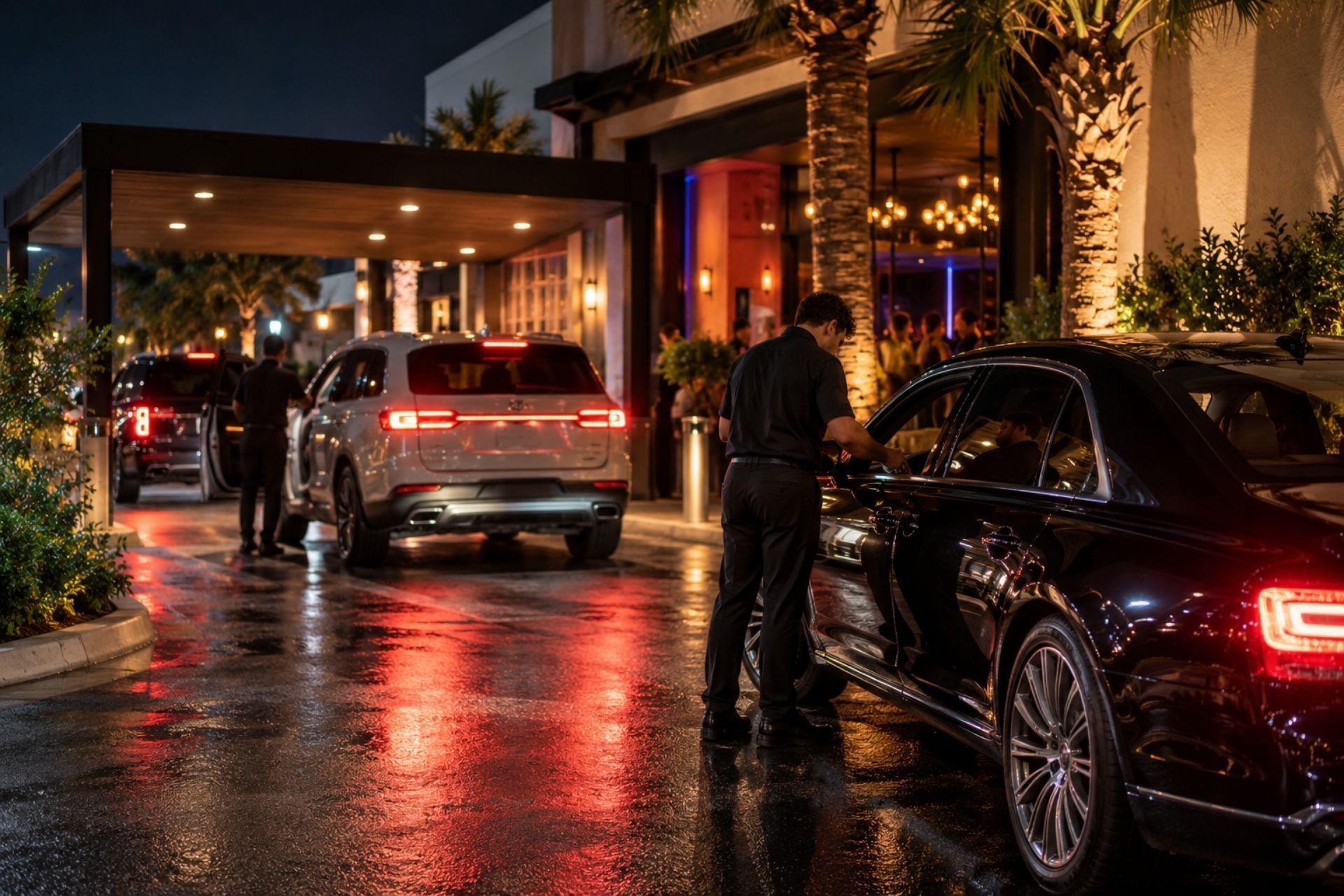
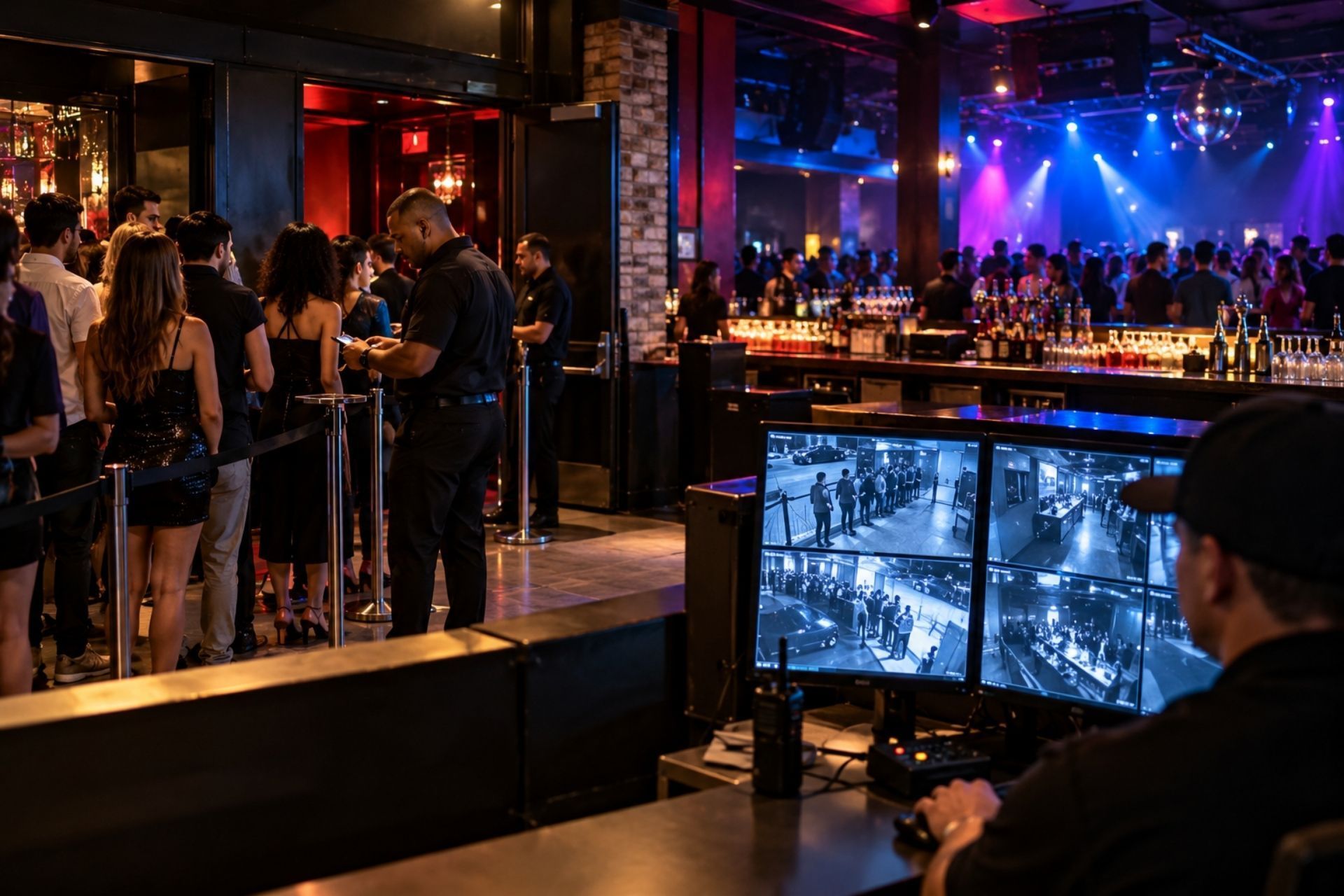
Hospitality operations need liquor liability, assault and battery coverage, and employment practices liability. The Q1 2026 hospitality market shows carriers tightening terms for nightlife venues, making early renewals and loss control documentation critical.
Construction firms face rising premiums driven by material costs and labor shortages that increase project completion risks. Wrap-up programs (OCIPs and CCIPs) remain popular for large Nevada projects, but smaller contractors often struggle to find affordable standalone coverage.
Cannabis businesses operate in a particularly challenging space. Nevada's legal cannabis market continues to grow, but premiums in the cannabis sector keep climbing as carriers reassess their loss experience. Product liability, crop coverage, and regulatory compliance insurance are all essential, and very few carriers write all three.
Why does my insurance keep going up even though I haven't had any claims? Claims in the broader construction industry drive rate increases across the board. Even with a clean loss history, you're affected by market-wide trends like nuclear verdicts and increased material costs that inflate claim values.
Can I save money by classifying workers as subcontractors instead of employees? This is one of the most common and dangerous mistakes contractors make. Misclassification can result in audit penalties, uncovered workers' comp claims, and state fines. If a worker is functionally an employee, treat them as one.
What limits should I carry for general liability? Most commercial contracts require $1M per occurrence and $2M aggregate at minimum, with an umbrella policy bringing total limits to $5M or more. Your specific needs depend on project size and contract requirements.
Do I need a separate policy for each project? Not usually. A practice policy covers all your operations, though large projects may require project-specific coverage or wrap-ups. Your broker should review each contract to determine what's needed.
What happens if my subcontractor's insurance lapses mid-project? You're exposed. Your policy may respond, but you'll likely face a deductible and potential premium increase. Continuous certificate tracking is essential, and many contractors now use automated verification platforms.
How long does completed operations coverage last? Typically tied to your policy period, but statutes of repose vary by state: some allow construction defect claims up to 10 years after completion. Make sure your coverage extends long enough to match your state's statute.
When admitted carriers decline your application, the surplus lines market becomes your path to coverage. Surplus lines insurers aren't bound by the same rate and form regulations as admitted carriers, giving them flexibility to write policies for unusual or high-hazard risks. The U.S. surplus lines market has grown substantially as more businesses find themselves unable to secure standard market coverage.
Working with a broker who has established surplus lines relationships is critical. GrayStone Insurance Group, for example, specializes in placing coverage for hard-to-place contractors through its surplus lines partnerships, using data-driven risk modeling to match operators with the right carrier. Not every surplus lines broker understands construction, so look for one with specific trade experience.
Navigating the Surplus Lines Market
Impact of Claims History on Future Premiums
Your loss history follows you. A single large claim can increase premiums for three to five years, and multiple claims within a short window can make you virtually uninsurable in the standard market. Your experience modification rate (EMR) in workers comp directly reflects your claims history relative to peers in your classification.
The good news: you can improve your EMR over time by reducing claim frequency and severity. Implement return-to-work programs, contest questionable claims, and invest in loss control. Brokers with deep industry knowledge, like those averaging 20+ years of experience at firms such as GrayStone, can help you build a narrative around your risk improvement efforts that resonates with underwriters.
Start with your safety program. Documented training, proper PPE protocols, and a clean claims history are the fastest path to lower premiums. Beyond that, working with a broker who understands risk assessment for specialty construction trades can help you avoid overpaying for coverage you don't need while making sure you're not exposed on the coverages you do.
Bundling your GL, inland marine, and commercial auto with a single carrier or program often yields better pricing than buying each separately. Raising your deductible from $1,000 to $2,500 can also reduce premiums by 10-15% on general liability.
FAQ: How can I lower my insurance costs without losing coverage?
What This Means for Your Business
Concrete finishing is a skilled trade that deserves insurance coverage designed for its actual risks, not a generic contractor policy with half the important coverages stripped out. The difficulty in placing this insurance isn't a reflection of your business: it's a reflection of a market that doesn't understand your trade well enough to price it fairly.
If you're paying too much, carrying policies with critical exclusions, or getting declined altogether, the problem is almost certainly your current broker's market access, not your operation. GrayStone Insurance Group specializes in exactly these hard-to-place risks, connecting concrete contractors with carriers who actually want to write this business.
The right policy protects your equipment, your completed work, your crew, and your reputation. Don't settle for less just because a few carriers said no. Reach out to GrayStone and get a quote built around what your concrete business actually does.
How much does GL insurance cost for a real estate developer? Expect to pay between $15,000 and $75,000 annually for a standard GL policy, depending on project size, location, and construction type. Mixed-use and residential projects in litigation-heavy states will land at the higher end.
How long does it take to place coverage for a new development? Simple projects with experienced developers can be placed in 2-4 weeks. Complex or distressed risks may take 6-8 weeks, especially if surplus lines markets need to be accessed.
What's the most common coverage gap developers miss? Completed operations coverage that extends beyond project completion. Many developers let this lapse after the certificate of occupancy, leaving them exposed to defect claims that surface years later.
Do I need separate pollution coverage? Almost always, yes. Standard GL policies exclude pollution, and brownfield or infill sites carry environmental risk even with clean Phase II reports. A site-specific pollution legal liability policy typically runs $5,000-$15,000 annually.
Can I add my lender as an additional insured? Yes, and your lender will require it. Make sure the additional insured endorsement matches the exact entity name on the loan documents, or you'll face delays at closing.
What happens if my carrier non-renews mid-project? You'll need to find replacement coverage quickly, usually within 30-60 days. This is where having a broker with deep market relationships pays off - a cold submission to unfamiliar carriers during a non-renewal is a tough position.
FAQ: Cost, Timelines, and Coverage Gaps
Do I need separate insurance for each type of vehicle I sell? Not necessarily. A well-structured dealer policy can cover multiple vehicle types under one program, but the policy language needs to specifically include each category: motorcycles, ATVs, UTVs, PWCs, etc. Don't assume a generic "motorsports" label covers everything.
What liability limits should a motorsports dealership carry? Most dealers should carry a minimum of $1 million per occurrence and $2 million aggregate for general liability. If you offer test rides on high-performance vehicles, higher limits or an umbrella policy are worth the investment.
Does my policy cover vehicles in transit? Standard dealer policies often exclude vehicles being transported between locations or from auctions. You'll need inland marine or motor truck cargo coverage to fill this gap, especially if you're moving inventory between multiple locations.
Are demo rides covered under my garage liability? It depends entirely on your policy language. Many standard policies exclude or severely limit demo ride coverage. Make sure your policy explicitly addresses customer test rides and staff demonstrations.
What happens if a customer is injured during a test ride? Your garage liability policy should respond, but only if test ride liability is included. If the customer was riding without a helmet or outside an approved area, coverage disputes can arise. Written test ride agreements help protect your position.
Can I get coverage if I've been non-renewed? Yes, but you'll likely need to work with a surplus lines broker who has access to specialty markets. A non-renewal isn't the end of the road, though it will require more effort and potentially higher premiums initially.
FAQ: Coverage Limits and Requirements
Workers' Compensation for High-Climbing Crews
Workers' comp for tree climbers is one of the most difficult placements in the industry. GrayStone's data-driven underwriting approach uses AI-powered risk modeling to match operations with carriers that specialize in high-hazard classifications. This means faster quotes and more competitive pricing than you'd typically find shopping the market on your own. The 94% client retention rate speaks to the fact that these placements stick: contractors aren't getting non-renewed every year.
A commercial wood chipper costs $30,000 to $80,000. A bucket truck runs $80,000 to $150,000. Inland marine coverage protects this equipment whether it's on a job site, in transit, or stored at your yard. Standard auto policies don't cover mounted equipment, and many contractors don't realize this gap exists until they file a claim. GrayStone structures inland marine policies that cover the full replacement value of your fleet, including rented or leased equipment.
Equipment Coverage for Chippers and Aerial Lifts
Does this cover my tools if they are stolen from my truck?
How much does an equipment floater cost per year?
Costs vary based on the total value of equipment, your industry, claims history, and location. Most small contractors and service businesses pay between $500 and $2,000 annually for coverage. Higher-value equipment schedules or riskier industries will push premiums higher. GrayStone Insurance Group's brokers, who average 20 years of industry experience, can often find competitive rates even for hard-to-place businesses.
It depends on the policy structure. Some floaters use a scheduled format where each item is individually listed with its value. Others use a blanket format that covers all equipment up to a total limit. Blanket policies are more convenient but may have lower per-item limits. Scheduled policies ensure each piece of equipment is covered for its full value. A contractors equipment floater can often be customized to blend both approaches.
Do I need to list every single tool on my policy?
Yes. Liquor bonds are annual obligations that must remain active for the duration of your license. If your bond lapses, your liquor license can be suspended or revoked. Most surety companies send renewal notices 30 to 60 days before expiration, but set your own reminder too. A lapsed bond can shut down your operation overnight.
Do I have to renew my bond every year?
Common Questions About Nevada Business Insurance
Do I need commercial insurance if I'm a sole proprietor with no employees? You're not required to carry workers' comp without employees, but general liability is still smart. A single lawsuit from a client or vendor could wipe out your personal assets without it.
Can I buy cannabis business insurance from a standard carrier in Nevada? Almost never. Most cannabis coverage comes through surplus lines carriers. A broker with cannabis market experience will save you time and likely get you better terms.
How much does commercial insurance cost for a small Nevada business? It varies enormously. A low-risk consulting firm might pay $1,200 a year total, while a small construction company could easily spend $15,000 or more. Industry, payroll, revenue, and claims history all factor in.
What happens if I operate without workers' comp in Nevada? You face fines up to $15,000, potential criminal prosecution, and personal liability for any workplace injuries. Nevada doesn't mess around with this.
Is an umbrella policy worth it for a small business? Yes, especially in Nevada's litigious environment. A $1M umbrella policy often costs just $300-$500 per year and provides critical protection above your primary policy limits.
Do I need cyber liability insurance? If you store customer data, process payments, or rely on digital systems, yes. Data breach costs average over $150 per compromised record, and Nevada's data privacy laws create real exposure.
Every policy has boundaries. Knowing them up front is how you avoid an uncovered claim. Common exclusions include:
Every policy has boundaries. Knowing them up front is how you avoid an uncovered claim. Common exclusions include:
Every policy has boundaries. Knowing them up front is how you avoid an uncovered claim. Common exclusions include:
General Liability responds to the core exposures most operations in this category face. A typical policy answers third-party claims and the defense costs that come with them, so a single incident doesn't put the business at risk.
How GrayStone Specialized Programs Bridge the Gap
GrayStone Insurance Group has built specific programs for contractors that standard carriers won't write. With brokers averaging 20 years of experience in hard-to-place commercial lines, the approach is different from what you'll get at a generalist agency. Rather than trying to fit tree care into a standard contractor program, GrayStone works with surplus lines carriers and specialty markets that actually understand arborist operations.
Risk Mitigation and Safety Training Programs
Insurance isn't just about transferring risk: it's about reducing it. GrayStone works with franchisees to implement safety protocols that directly affect premium pricing. Documented training programs for new hires, slip-and-fall prevention checklists, and food safety audit records all give underwriters confidence that the operation is well-managed.
A franchisee who can demonstrate a 12-month track record of daily temperature logs, incident reporting procedures, and quarterly safety meetings will get materially better pricing than one who can't. GrayStone helps clients build that documentation trail so it's ready when renewal time comes.
Can I get a bond if I have bad credit?
Yes, but expect to pay more. Sureties view credit score as a primary indicator of risk. A score below 600 might push your premium to 10-15% of the bond amount instead of 1-3%. Some surety companies specialize in "bad credit" bonds, though the terms are less favorable.
Do I need D&O if I have a small business? If your business has a board, officers, or any formal management structure, the answer is likely yes. Even a two-person LLC where both partners serve as managing members can face personal lawsuits from employees, vendors, or regulators.
Can I be sued personally for business mistakes? Absolutely. An LLC or corporation limits your liability for company debts, but it doesn't prevent someone from suing you individually for decisions you made as a manager or officer. Breach of fiduciary duty, employment claims, and regulatory actions can all target individuals.
How much does a typical policy cost? For private companies, D&O premiums typically range from $2,500 to $25,000 annually, depending on revenue, industry, claims history, and coverage limits. High-risk industries like cannabis and construction tend to land on the higher end. GrayStone Insurance Group uses AI-powered risk modeling to find competitive pricing even for hard-to-place businesses that other agencies decline.
Does D&O cover criminal acts? D&O policies cover defense costs for criminal proceedings until a final adjudication of criminal conduct. If a director is ultimately convicted, the policy won't pay any judgment or fine. But the defense cost coverage alone can be worth hundreds of thousands of dollars.
Garage liability insurance isn't a nice-to-have: it's the foundation of your risk management as an auto-related business. Without it, a single accident involving a customer's vehicle can generate claims that dwarf your annual revenue.
The right policy starts with understanding your specific operations, your state's requirements, and the gaps between what you think you're covered for and what your policy actually says. Too many business owners discover those gaps after a claim, when it's too late to fix them.
If your business has been declined by traditional carriers due to claims history, high-risk operations, or an unusual business model, that doesn't mean you can't get covered. GrayStone Insurance Group specializes in placing coverage for exactly these situations, with a 94% client retention rate that reflects how well those placements hold up over time. Get your policy reviewed by someone who understands garage operations before your next renewal, not after your next claim.
Is this coverage required by law?
No state requires HNOA by name. But many contracts do. If you bid on government projects, work as a subcontractor, or lease commercial space, the other party's contract may require you to carry hired and non-owned auto coverage with specific minimum limits. Losing a contract because you skipped a $300 endorsement is a painful lesson.
What happens if an employee has an accident in a rental?
Your HNOA policy covers liability claims from the other party: their medical bills, vehicle repairs, and legal costs. The rental car's physical damage is not covered by HNOA. You'd need to purchase the rental company's collision damage waiver or carry a separate inland marine policy to cover that exposure.
Making the Right Choice for Your Nevada Business
Getting commercial insurance right in Nevada requires understanding both the state's specific mandates and the realities of a market that's becoming pickier about which risks it wants to write. The businesses that fare best are the ones that start their insurance search early, document their risk management practices, and work with brokers who genuinely understand high-risk placements.
If your business falls into a hard-to-place category, whether that's cannabis, construction, hospitality, or anything with a complicated claims history, don't waste months chasing standard carriers who will ultimately decline you. GrayStone Insurance Group's 94% client retention rate exists because they specialize in exactly these situations, using data-driven underwriting intelligence to match complex risks with the right carriers quickly.
Start by reviewing your current coverage against the mandates and market conditions outlined here. If gaps exist, or if your renewal is coming up and you're expecting a rate increase, get ahead of it now. The Nevada market rewards preparation and punishes procrastination.
ABOUT THE AUTHOR:
CHAD KRAMER
I started GrayStone Insurance Group in 2018 with a simple conviction: the businesses everyone else turns away deserve a broker who won't. What began as a one-person operation has grown into a specialty commercial brokerage with offices across the country — but the mission hasn't changed. We find solutions for high-risk and hard-to-place businesses when other agencies run the other way.
I built this agency on integrity, hard work, and the tenacity to do the hard things well. Through our access to Excess & Surplus and specialty markets, my team and I place coverage standard carriers can't — and I treat every client's business like my own.
If you've been declined, non-renewed, or told your business is too complicated to insure, let's talk.
Coverages & policies
Plain-language coverage, expertly placed.
We lead with commercial lines and round out personal coverage where you need it. Every policy comes with an explanation — not jargon.

Contractors
Third-party bodily injury & property damage — the foundation for any operation.

Liquor Liability
Critical for bars, restaurants and venues serving alcohol — including A&B.

Commercial Property
Buildings, contents and equipment — including distressed and vacant risk.

Workers' Compensation
Statutory coverage for your crew — including high-mod and high-hazard classes.

Commercial Umbrella
Extra liability limits over your primary policies — essential for high-exposure risk.
Products Liability
Manufacturers, CBD and consumer-product exposure — including imports.
What clients say
Brokers who actually place it.
FAQ
Answers for the risks others won't cover
Getting declined, non-renewed, or told your business is "too high-risk" is frustrating — but it doesn't mean you're out of options. Here are answers to the questions we hear most from business owners who need coverage the standard market won't provide.
What kind of insurance does GrayStone specialize in?
We're a specialty commercial brokerage built for high-risk and hard-to-place businesses — the risks standard carriers often turn away. Through our access to Excess & Surplus (E&S) and specialty markets, we place coverage that everyday agencies can't. Hospitality and construction are among our deepest areas of expertise.
My business was declined or non-renewed elsewhere. Can you still help?
That's exactly what we do. A decline, a non-renewal, or a tough claims history doesn't mean you're out of options — it means your risk needs a broker with the right market access. Tell us your situation and we'll get to work finding a fit.
What is Excess & Surplus (E&S) insurance?
E&S is specialty coverage for risks that standard "admitted" carriers won't write — often because a business is higher-risk, unusual, or has a complex history. As an independent broker, we tap into these specialty markets to place coverage where a typical agency hits a dead end.
What industries do you work with?
We cover a wide range of commercial industries — from restaurants, bars, and hospitality to contractors, trucking, manufacturing, cannabis, and more. If your industry is considered high-risk or hard-to-place, there's a good chance we've handled it.
Will you work with businesses that have prior claims or losses?
Yes. Prior claims and losses are part of many of the risks we place every day. Every business is evaluated on its own merits — and a rocky history is often exactly why a specialty broker can help where others won't.
Are you an independent broker?
Yes. We're not tied to a single carrier, so we shop your risk across multiple specialty and E&S markets to find coverage that actually fits — instead of forcing you into a one-size-fits-all policy.
Insights & resources
Know your risk before you buy.