
General Liability responds to the core exposures most operations in this category face. A typical policy answers third-party claims and the defense costs that come with them, so a single incident doesn't put the business at risk.
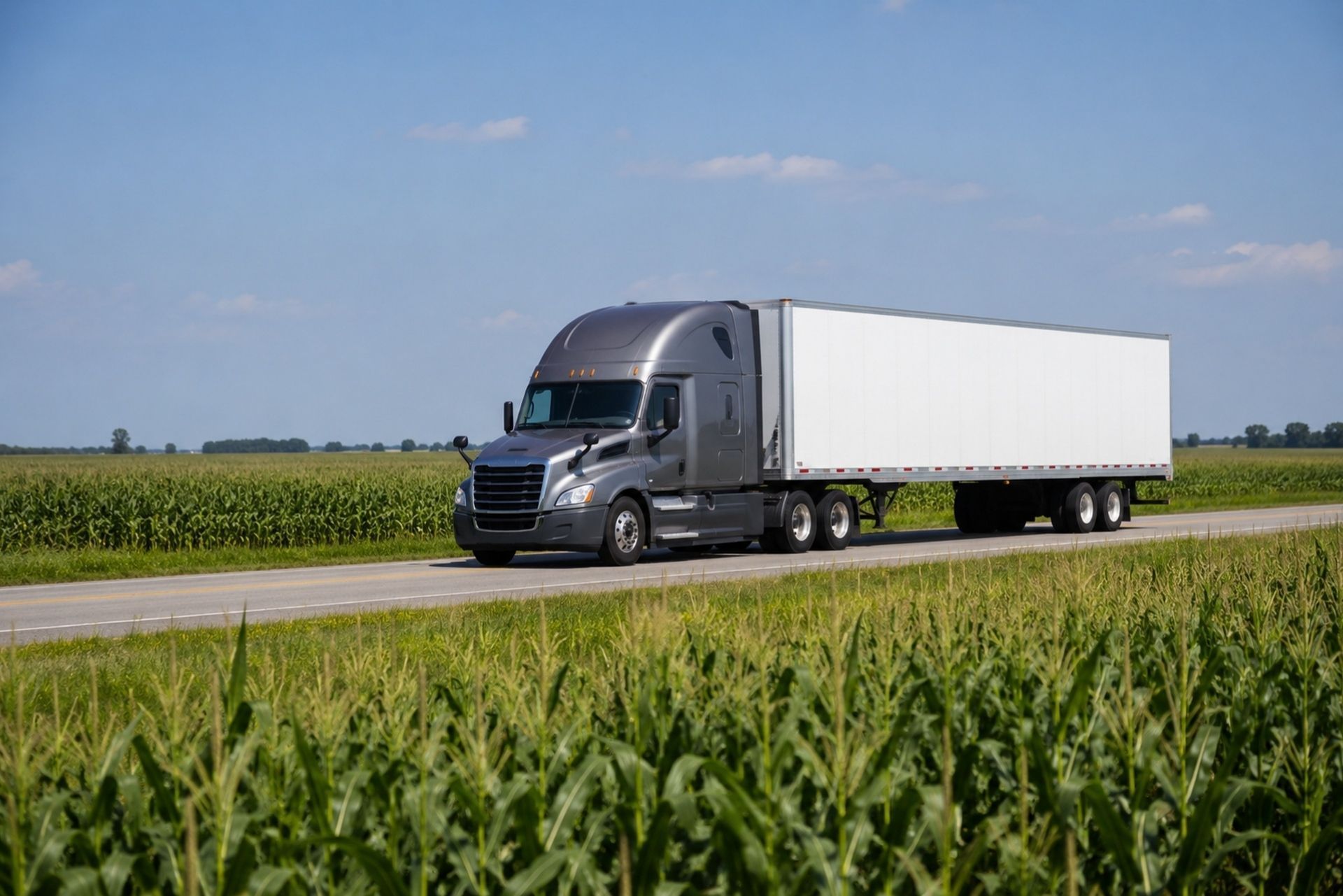
Iowa's trucking industry moves a staggering volume of agricultural goods, manufactured products, and retail freight across the state and beyond its borders every single day. If you're an owner-operator or fleet manager running trucks through Des Moines, Cedar Rapids, or along I-80, your insurance setup isn't just a regulatory checkbox: it's the financial backbone of your operation. Getting commercial trucking insurance right in Iowa means understanding what the state and federal government actually require, what coverage gaps could bankrupt you after a single bad accident, and how to keep costs reasonable without cutting corners. Here's what you need to know heading into 2026, with real numbers and practical guidance that goes beyond the basics.
Iowa DOT and Federal Insurance Requirements
Iowa's insurance requirements depend on whether your trucks stay within state lines or cross into neighboring states. The Iowa Department of Transportation enforces its own set of rules for intrastate carriers, while the Federal Motor Carrier Safety Administration (FMCSA) governs interstate operations. Both require proof of financial responsibility before you can legally haul freight, and the penalties for non-compliance range from fines to having your authority revoked entirely. The state has been tightening enforcement in recent years, so operating without proper filings is a risk that simply isn't worth taking.
Intrastate vs. Interstate Authority (Form E)
If your trucks only operate within Iowa, you'll need to file proof of insurance with the Iowa DOT. Interstate carriers must file a Form E (also called BMC-91) with the FMCSA, which proves your insurer will cover liability claims up to the required minimums. The Iowa DOT's motor carrier regulations outline specific filing requirements that differ based on the type of cargo you're hauling. Hazmat carriers face the strictest requirements, with filings that must be updated whenever your policy changes or renews. Missing a filing deadline can result in your operating authority being suspended, sometimes within days.
Minimum Liability Limits for IA Operators
For general freight carriers operating interstate, the FMCSA mandates a minimum of $750,000 in primary liability coverage. Carriers hauling hazardous materials need $1 million to $5 million depending on the specific materials. Iowa's intrastate minimums for non-hazmat carriers are lower, but most experienced operators carry at least $1 million regardless. Iowa's commercial auto insurance requirements mirror federal standards for most carrier types, though passenger carriers face separate thresholds. The real-world advice? Carry more than the minimum. A single serious accident involving a semi can generate claims well above $750,000, and nuclear verdicts have been pushing settlements into multi-million dollar territory across the country. Iowa has taken steps toward tort reform to cap certain damages, but relying on legislative protection alone is a gamble.
INDEX
GrayStone Insurance Group is fully licensed and permitted to provide specialty commercial insurance solutions for high-risk and hard-to-place businesses across 17 states.
We proudly serve high-risk and hard-to-place businesses from coast to coast. As an independent specialty brokerage, our team works with leading Excess & Surplus and specialty carriers to make sure restaurants, bars, contractors, trucking companies, manufacturers, and other hard-to-place operations receive coverage that fits their real risks in California, Colorado, Florida, Georgia, Illinois, Iowa, Maryland, Michigan, Missouri, Nevada, New York, North Carolina, South Carolina, Tennessee, Texas, Utah, and Washington.
Every policy has boundaries. Knowing them up front is how you avoid an uncovered claim. Common exclusions include:
Every policy has boundaries. Knowing them up front is how you avoid an uncovered claim. Common exclusions include:
Every policy has boundaries. Knowing them up front is how you avoid an uncovered claim. Common exclusions include:
General Liability responds to the core exposures most operations in this category face. A typical policy answers third-party claims and the defense costs that come with them, so a single incident doesn't put the business at risk.
If your firm provides any design, engineering, or consulting services alongside construction, you need both. A GL policy won't cover a claim alleging your design specifications caused a building envelope failure. That's a professional liability exposure, and it's one of the fastest-growing claim categories in construction.
Key Coverage Types for Iowa Trucking Businesses
Liability coverage gets you legal, but it doesn't protect your equipment, your cargo, or your drivers. A complete insurance program for an Iowa trucking operation includes several distinct coverage types, each addressing a different financial exposure.
Comparison of Essential Coverages
| Coverage Type | What It Protects | Required? | Typical Annual Cost |
|---|---|---|---|
| Primary Liability | Third-party bodily injury and property damage | Yes (federal/state) | $5,000 - $9,000 |
| Physical Damage | Your truck and trailer (collision, theft, fire) | Only if financed/leased | $1,500 - $4,000 |
| Motor Truck Cargo | Freight you're hauling | Yes for most carriers | $800 - $2,500 |
| Non-Trucking Liability | Personal use when not under dispatch | No, but highly recommended | $400 - $900 |
| Occupational Accident | Driver injury/death (owner-operators) | No, but fills workers' comp gap | $1,200 - $3,000 |
| General Liability | Slip-and-fall at your terminal, advertising injury | No, but often required by contracts | $500 - $1,500 |
This breakdown reflects 2026 pricing for Iowa-based operators with clean records. Your actual costs will vary based on factors covered in the next section.
Physical Damage and Cargo Insurance
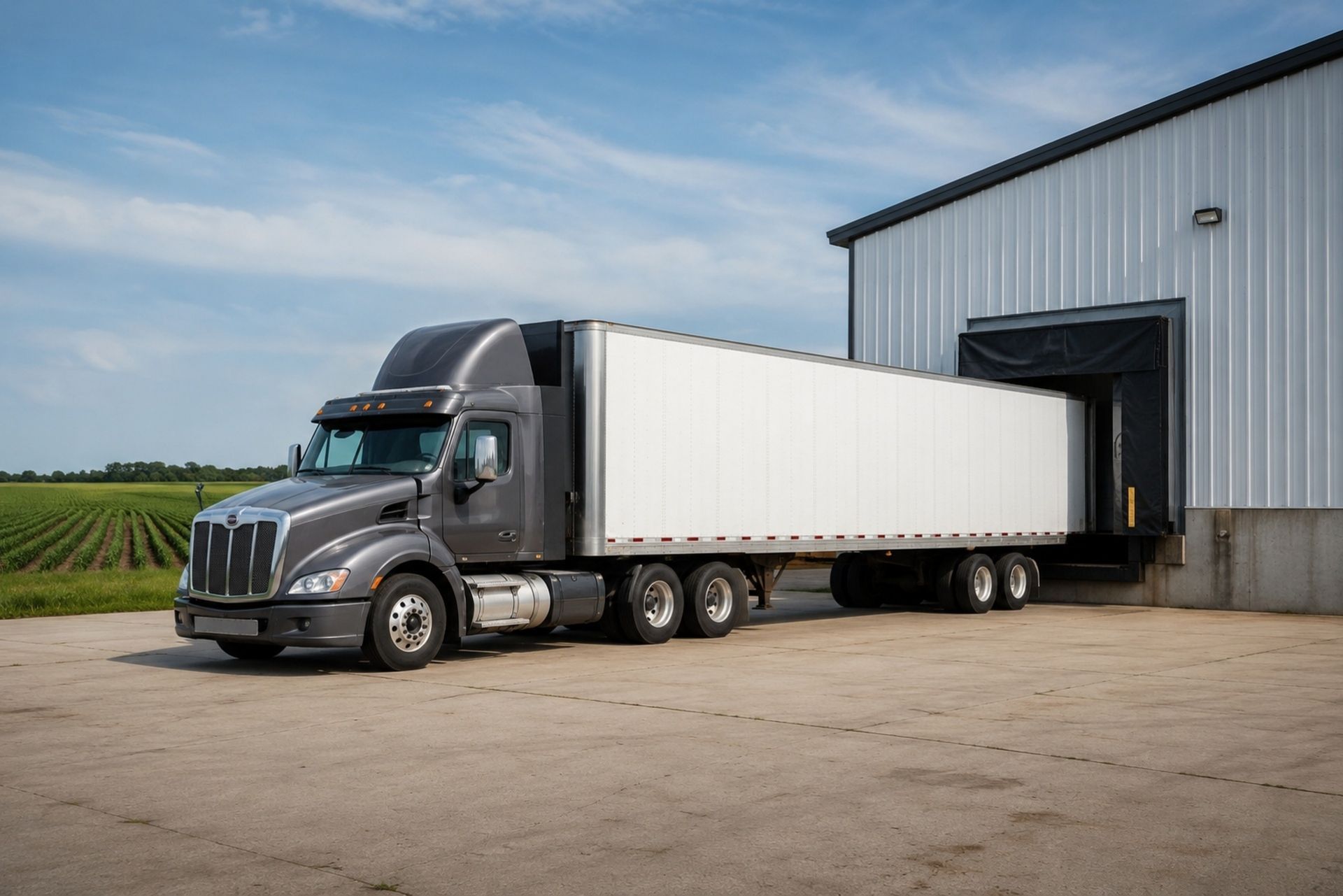
Physical damage coverage is technically optional if you own your truck outright, but skipping it is a decision most operators regret after their first major breakdown or accident. A used Class 8 truck still costs $60,000 to $120,000 to replace, and collision damage from an Iowa winter pileup can total a rig in seconds. Cargo insurance protects the goods you're hauling, and most shippers and brokers won't work with you unless you carry at least $100,000 in cargo coverage. Refrigerated or high-value loads often require $250,000 or more. If you're an owner-operator leased to a carrier, check whether the carrier's policy covers your physical damage or if you need your own.
Factors Influencing Trucking Insurance Costs in Iowa
Iowa remains one of the more affordable states for trucking insurance. Average annual premiums for semi-truck insurance
range between $7,500 and $13,500 for a single power unit, which is well below the national average. That said, your specific rate depends on a combination of factors that underwriters weigh carefully.
Safety Ratings and MVR Impact
Your CSA (Compliance, Safety, Accountability) scores and motor vehicle records are the single biggest factor in what you'll pay. A driver with a clean MVR and no DOT violations can expect rates at the lower end of the spectrum. One at-fault accident or a pattern of moving violations can push premiums up 30% to 50% overnight. Underwriters also look at your ISS (Inspection Selection System) score, which determines how often your trucks get pulled into weigh stations. High inspection rates signal higher risk. GrayStone Insurance Group works with carriers that traditional agencies often turn away due to safety concerns, using data-driven risk modeling to find coverage even when your record isn't perfect.
Regional Routes vs. Long-Haul Operations
Where your trucks actually drive matters enormously. An Iowa-based carrier running regional routes through the Midwest will generally pay less than one hauling coast-to-coast. The logic is straightforward: fewer miles mean fewer exposure hours, and Midwest highways tend to have lower accident frequency than congested urban corridors on the coasts. Carriers running through Chicago, for example, see higher premiums than those sticking to I-35 between Des Moines and Kansas City. Your radius of operation, the states you travel through, and even the specific commodities you haul all feed into the underwriting formula. The cheapest trucking insurance rates in Iowa tend to go to regional flatbed or dry van operators with three or more years of experience and no claims history.
Every policy has boundaries. Knowing them up front is how you avoid an uncovered claim. Common exclusions include:
Every policy has boundaries. Knowing them up front is how you avoid an uncovered claim. Common exclusions include:
Every policy has boundaries. Knowing them up front is how you avoid an uncovered claim. Common exclusions include:
General Liability responds to the core exposures most operations in this category face. A typical policy answers third-party claims and the defense costs that come with them, so a single incident doesn't put the business at risk.
Maintaining Compliance and Avoiding Penalties
Staying compliant isn't a one-time task. It's an ongoing responsibility that requires attention to policy renewals, filing deadlines, and regulatory changes. In 2026, the FMCSA has been rolling out updated insurance regulations that affect minimum coverage thresholds and filing procedures for certain carrier classes. Iowa operators need to stay current on both state and federal changes.
Your insurance company is required to notify the FMCSA if your policy lapses or is canceled, which triggers a countdown to authority revocation. Operating without valid insurance filings can result in fines up to $16,000 per violation, and if you're caught hauling freight without coverage, your trucks can be placed out of service on the spot. Set calendar reminders for renewal dates, keep your agent's contact information handy, and never let a policy lapse even for a single day. The consequences aren't theoretical: they happen regularly to operators who get careless with paperwork.
What happens if a show gets canceled last minute?
Standard policies don't cover event cancellation. If a headliner cancels, severe weather shuts you down, or a power outage kills the show, you're absorbing the full financial loss unless you have a dedicated event cancellation policy. These policies typically cover lost ticket revenue, non-refundable deposits, and marketing expenses. For venues that rely on ticket sales as a primary revenue stream, this coverage pays for itself the first time you need it.
Common Questions for Iowa Truckers
Do I need a separate policy for my trailer?
If you own your trailer, you'll need physical damage coverage on it separately from your power unit. Liability coverage typically follows the truck, not the trailer. Leased trailers are usually covered under the lessor's policy, but confirm this in writing before assuming you're protected.
How does Iowa's weather affect my premiums?
Iowa's harsh winters, hail storms, and flooding do factor into physical damage and comprehensive rates. Carriers operating year-round in northern Iowa corridors tend to see slightly higher comprehensive premiums than those in southern parts of the state. Winter accident frequency also plays a role in liability pricing.
What is the MCS-90 endorsement?
The MCS-90 is a federal endorsement attached to your liability policy that guarantees the insurer will pay claims even if the policy would otherwise deny them. It protects the public, not you. If your insurer pays a claim under the MCS-90 that your policy doesn't actually cover, they can come after you for reimbursement.
Can I get insurance with a new DOT number?
Yes, but expect to pay more. New authorities are considered high-risk because there's no operating history for underwriters to evaluate. Many standard carriers won't write new ventures at all. This is exactly the type of placement where GrayStone Insurance Group's experience with hard-to-place risks becomes valuable: their brokers average 20 years in the market and know which carriers will write new authorities at competitive rates.
Is Bobtail insurance the same as Non-Trucking Liability?
They're often used interchangeably, but there's a technical difference. Non-trucking liability covers you when you're using your truck for personal reasons and not under dispatch. Bobtail insurance specifically covers driving without a trailer. Some policies combine both, but read the fine print carefully because gaps between the two can leave you exposed during specific driving scenarios.
Every policy has boundaries. Knowing them up front is how you avoid an uncovered claim. Common exclusions include:
Every policy has boundaries. Knowing them up front is how you avoid an uncovered claim. Common exclusions include:
Every policy has boundaries. Knowing them up front is how you avoid an uncovered claim. Common exclusions include:
General Liability responds to the core exposures most operations in this category face. A typical policy answers third-party claims and the defense costs that come with them, so a single incident doesn't put the business at risk.
Making the Right Choice for Your Fleet
Getting trucking insurance right in Iowa comes down to three things: meeting the legal minimums, protecting your actual financial exposure, and keeping costs manageable without dangerous gaps in coverage. Iowa operators have the advantage of working in a state where commercial auto insurance costs trend below the national average, but that advantage disappears fast if you're underinsured when a claim hits.
Don't just shop on price. A $500 savings on your annual premium means nothing if your policy excludes the exact scenario that puts your truck in a ditch outside Davenport in January. Work with an agency that understands trucking specifically, not a generalist who also writes homeowners policies. Ask about their claims handling process, their carrier relationships, and whether they can place coverage if your risk profile changes mid-year.
If you're running trucks in Iowa and struggling to find coverage, or if you've been told your operation is too risky for standard markets, reach out to GrayStone Insurance Group. Their 94% client retention rate exists because they solve problems other agencies won't touch, and they do it with pricing that reflects your actual risk rather than a worst-case assumption. Your trucks keep Iowa's economy moving: make sure they're protected while they do it.
ABOUT THE AUTHOR:
CHAD KRAMER
I started GrayStone Insurance Group in 2018 with a simple conviction: the businesses everyone else turns away deserve a broker who won't. What began as a one-person operation has grown into a specialty commercial brokerage with offices across the country — but the mission hasn't changed. We find solutions for high-risk and hard-to-place businesses when other agencies run the other way.
I built this agency on integrity, hard work, and the tenacity to do the hard things well. Through our access to Excess & Surplus and specialty markets, my team and I place coverage standard carriers can't — and I treat every client's business like my own.
If you've been declined, non-renewed, or told your business is too complicated to insure, let's talk.
Coverages & policies
Plain-language coverage, expertly placed.
We lead with commercial lines and round out personal coverage where you need it. Every policy comes with an explanation — not jargon.

Contractors
Third-party bodily injury & property damage — the foundation for any operation.

Liquor Liability
Critical for bars, restaurants and venues serving alcohol — including A&B.

Commercial Property
Buildings, contents and equipment — including distressed and vacant risk.

Workers' Compensation
Statutory coverage for your crew — including high-mod and high-hazard classes.

Commercial Umbrella
Extra liability limits over your primary policies — essential for high-exposure risk.
Products Liability
Manufacturers, CBD and consumer-product exposure — including imports.
What clients say
Brokers who actually place it.
FAQ
Answers for the risks others won't cover
Getting declined, non-renewed, or told your business is "too high-risk" is frustrating — but it doesn't mean you're out of options. Here are answers to the questions we hear most from business owners who need coverage the standard market won't provide.
What kind of insurance does GrayStone specialize in?
We're a specialty commercial brokerage built for high-risk and hard-to-place businesses — the risks standard carriers often turn away. Through our access to Excess & Surplus (E&S) and specialty markets, we place coverage that everyday agencies can't. Hospitality and construction are among our deepest areas of expertise.
My business was declined or non-renewed elsewhere. Can you still help?
That's exactly what we do. A decline, a non-renewal, or a tough claims history doesn't mean you're out of options — it means your risk needs a broker with the right market access. Tell us your situation and we'll get to work finding a fit.
What is Excess & Surplus (E&S) insurance?
E&S is specialty coverage for risks that standard "admitted" carriers won't write — often because a business is higher-risk, unusual, or has a complex history. As an independent broker, we tap into these specialty markets to place coverage where a typical agency hits a dead end.
What industries do you work with?
We cover a wide range of commercial industries — from restaurants, bars, and hospitality to contractors, trucking, manufacturing, cannabis, and more. If your industry is considered high-risk or hard-to-place, there's a good chance we've handled it.
Will you work with businesses that have prior claims or losses?
Yes. Prior claims and losses are part of many of the risks we place every day. Every business is evaluated on its own merits — and a rocky history is often exactly why a specialty broker can help where others won't.
Are you an independent broker?
Yes. We're not tied to a single carrier, so we shop your risk across multiple specialty and E&S markets to find coverage that actually fits — instead of forcing you into a one-size-fits-all policy.
Insights & resources
Know your risk before you buy.