
General Liability responds to the core exposures most operations in this category face. A typical policy answers third-party claims and the defense costs that come with them, so a single incident doesn't put the business at risk.
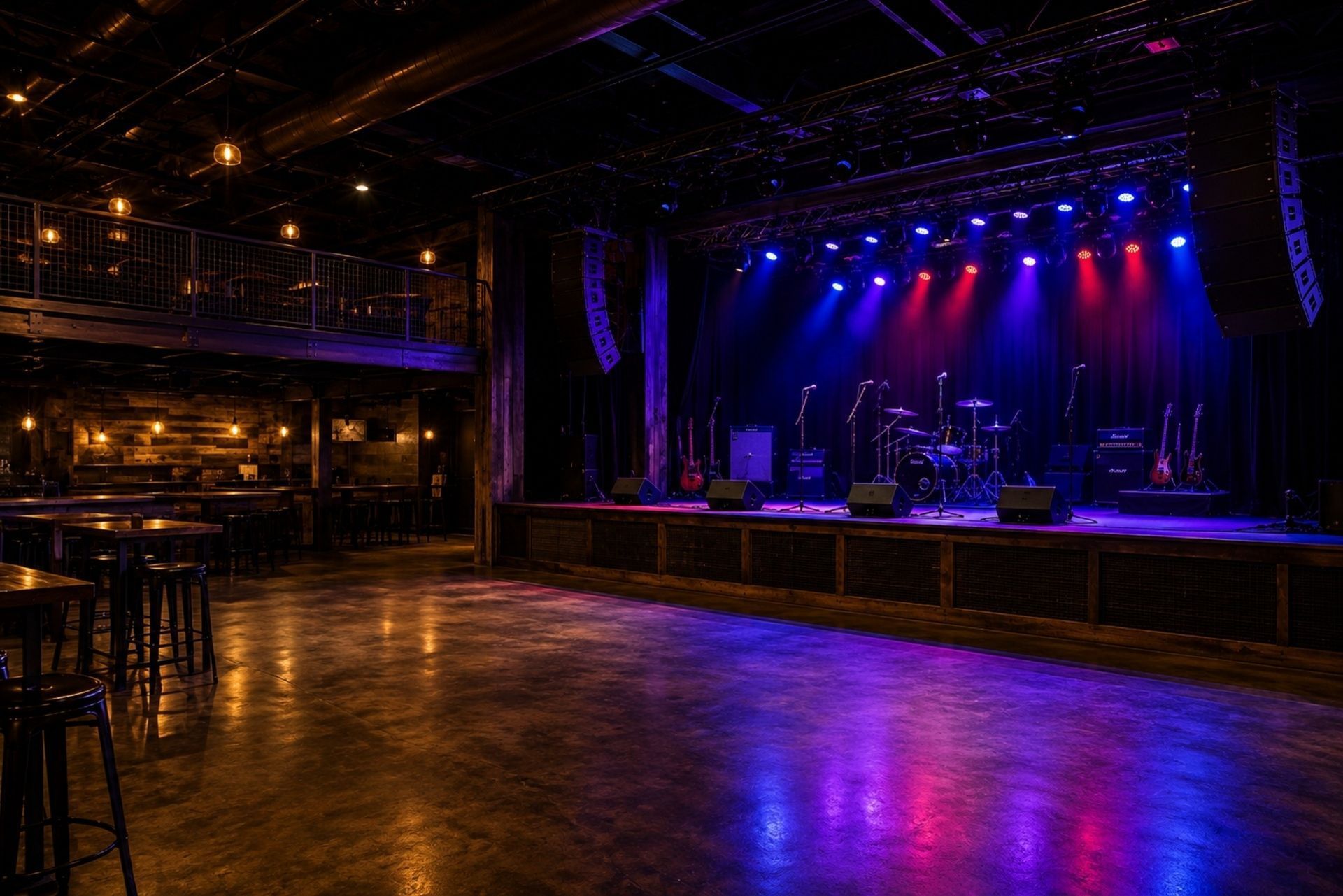
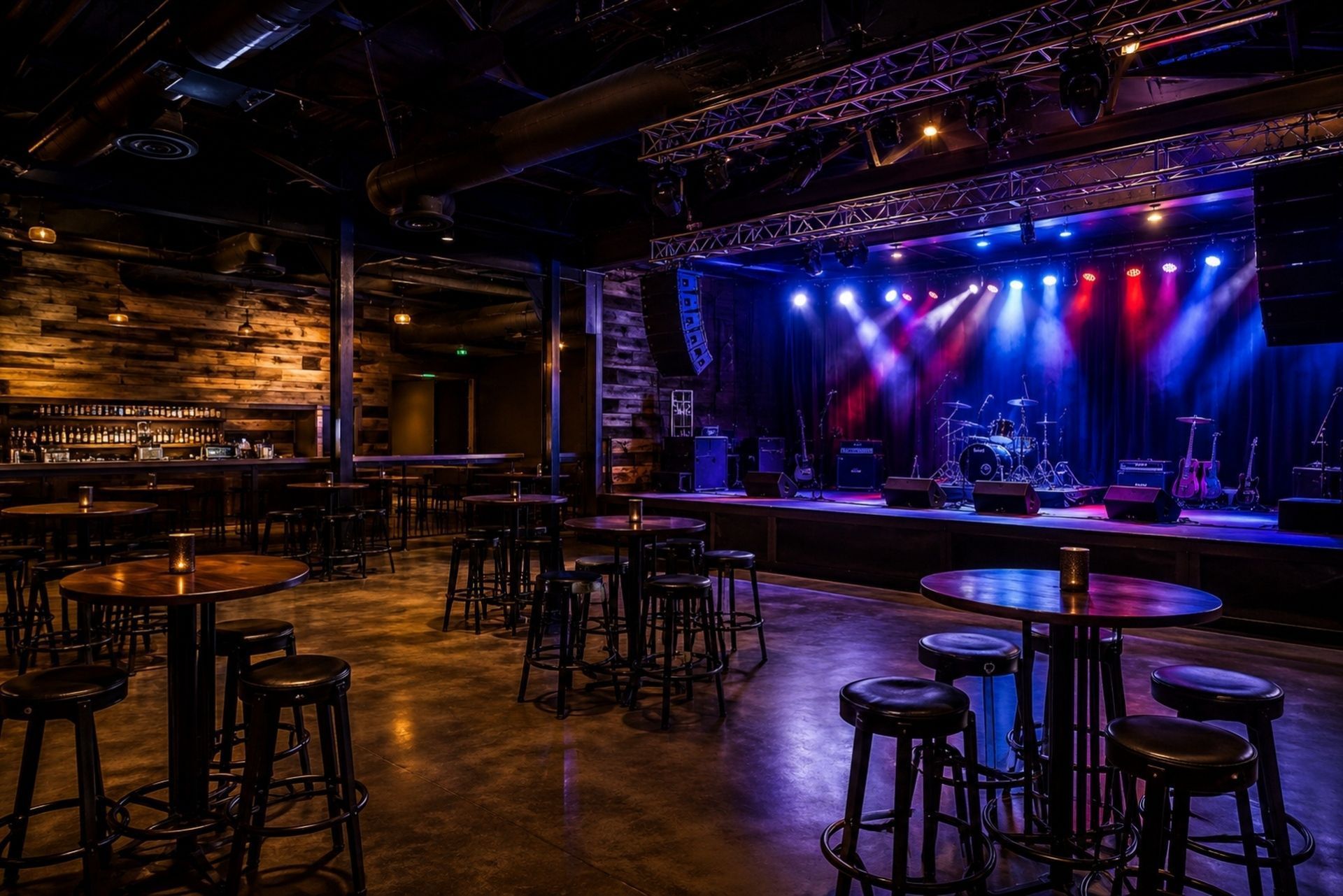
Texas has more live music venues per capita than almost any other state, and that density creates a unique insurance problem. Between the TABC's bonding requirements, local fire marshal rules that vary by city, and the sheer unpredictability of a packed room full of people, getting the right coverage is genuinely complicated. Most venue operators I've talked to either carry too little insurance (and don't know it) or are overpaying for policies that don't match their actual risk profile. If you run a live music venue in Texas, the insurance requirements, costs, and compliance obligations facing TX operators deserve more than a quick skim. This stuff can make or break your business after a single bad night. The stakes are real: a slip-and-fall lawsuit from a concertgoer, a drunk driving fatality traced back to your bar, or a stolen mixing console can each generate five- or six-figure losses. And Texas law has some quirks that catch out-of-state operators off guard. Here's a practical breakdown of what you actually need, what it costs, and where operators commonly trip up.
Navigating Texas Insurance Laws for Music Venues
Texas insurance law treats live entertainment venues differently than standard retail businesses. The state's regulatory framework touches everything from liquor service to employee injuries, and local municipalities often pile on their own requirements. Understanding the state-level rules first gives you a foundation before you deal with city-specific permits.
The biggest mistake operators make is assuming a standard commercial general liability policy covers everything. It doesn't. Texas has specific statutes around alcohol liability, and the state's unusual approach to workers' compensation creates decisions most other states don't force you to make.
Texas Liquor Liability and Dram Shop Acts
Texas is a dram shop state, meaning your venue can be held liable if you serve alcohol to a visibly intoxicated person who then causes injury or death. This isn't theoretical: Texas courts have awarded millions in dram shop cases. Every venue serving alcohol needs a dedicated liquor liability policy, separate from general liability.
There's also a bonding requirement that catches new operators off guard. Texas retailers without a Food and Beverage Certificate must maintain a $5,000 TABC Conduct Surety Bond, and that amount doubles to $10,000 for retailers with certain violation histories. This bond isn't insurance for you: it protects the state if your license gets revoked.
One protection worth knowing about is Texas's Safe Harbor provision. If your staff completes TABC-approved seller training and you follow proper service protocols, you may gain a legal defense against certain dram shop claims. That training isn't optional if you want your insurer to actually pay out on a claim.
Mandatory Workers' Compensation vs. Non-Subscriber Status
Texas is the only state that doesn't require private employers to carry workers' compensation insurance. That sounds like a cost savings, but it's a trap for the unwary. If you opt out as a "non-subscriber," you lose several common-law defenses against employee injury lawsuits, including contributory negligence.
For a venue with bartenders hauling kegs, stagehands rigging lighting, and security staff breaking up fights, the injury risk is real. Most insurance brokers with experience in this space, including teams like GrayStone Insurance Group, will tell you the math usually favors carrying workers' comp even though Texas doesn't mandate it. The premium costs less than a single serious injury lawsuit where you can't argue the employee was partly at fault.
City-Specific Requirements for Austin, Dallas, and Houston
Austin's entertainment district regulations require specific noise ordinance compliance and may demand proof of insurance before issuing a sound permit. Dallas has its own amusement and entertainment license requirements with insurance minimums that exceed state floors. Houston's fire code enforcement has gotten stricter since 2023, with venues over 300 capacity facing more frequent inspections.
Each city's permitting office can add insurance requirements beyond what the state asks for. Call your local permitting authority before you buy a policy, not after. Getting this wrong means delays, fines, or both.
INDEX
GrayStone Insurance Group is fully licensed and permitted to provide specialty commercial insurance solutions for high-risk and hard-to-place businesses across 17 states.
We proudly serve high-risk and hard-to-place businesses from coast to coast. As an independent specialty brokerage, our team works with leading Excess & Surplus and specialty carriers to make sure restaurants, bars, contractors, trucking companies, manufacturers, and other hard-to-place operations receive coverage that fits their real risks in California, Colorado, Florida, Georgia, Illinois, Iowa, Maryland, Michigan, Missouri, Nevada, New York, North Carolina, South Carolina, Tennessee, Texas, Utah, and Washington.
Every policy has boundaries. Knowing them up front is how you avoid an uncovered claim. Common exclusions include:
Every policy has boundaries. Knowing them up front is how you avoid an uncovered claim. Common exclusions include:
Every policy has boundaries. Knowing them up front is how you avoid an uncovered claim. Common exclusions include:
General Liability responds to the core exposures most operations in this category face. A typical policy answers third-party claims and the defense costs that come with them, so a single incident doesn't put the business at risk.
If your firm provides any design, engineering, or consulting services alongside construction, you need both. A GL policy won't cover a claim alleging your design specifications caused a building envelope failure. That's a professional liability exposure, and it's one of the fastest-growing claim categories in construction.
The jump in price between basic and comprehensive isn't small, but neither is the gap in protection. A single uninsured assault claim can easily exceed $100,000 in legal fees alone.
Core Coverage Types for Live Music Operations
A complete insurance program for a Texas music venue typically involves four to six distinct policy types. No single policy covers everything, and the gaps between policies are exactly where expensive claims hide.
General Liability and Spectator Safety
General liability is your baseline. It covers bodily injury and property damage claims from third parties: think a concertgoer who trips over a cable or gets hit by a falling speaker. Most Texas venues need a minimum of $1 million per occurrence and $2 million aggregate, though landlords and booking agents increasingly demand higher limits.
Crowd crush incidents and moshing injuries fall under general liability, but your insurer may exclude them if you don't disclose the types of events you host. A venue booking metal and punk shows has a different risk profile than one hosting jazz trios. Be honest on your application. A denied claim because you failed to disclose your event types is worse than a slightly higher premium. Standard bar and nightclub policies in Texas typically start around $2,500 to $5,000 annually for smaller venues, but live music operations usually pay more.
Inland Marine Insurance for High-End Audio Gear
Your property policy covers the building. It probably doesn't cover the $80,000 sound system, the vintage backline amps artists leave on stage, or the lighting rig your production company installed. That's where inland marine insurance comes in: it covers movable equipment and high-value gear whether it's at your venue, in transit, or temporarily stored elsewhere.
If you own your PA system, monitor rigs, or stage equipment, get them scheduled on an inland marine policy with agreed-value coverage. Actual cash value policies depreciate your gear, and a five-year-old d&b audiotechnik line array is still worth serious money even if an insurer's depreciation table says otherwise.
Assault and Battery Endorsements
Here's a coverage gap that burns venue operators constantly: most general liability policies exclude assault and battery. Read that again. If a fight breaks out and someone gets hurt, your GL policy may deny the claim entirely.
You need a specific assault and battery endorsement, and many Texas bar and nightclub insurance programs include this as an add-on. Limits typically range from $25,000 to $100,000 per occurrence. Given that security incidents are among the most common claims for live music venues, skipping this endorsement is a gamble that rarely pays off.
The 2026 market has seen property catastrophe rates drop 14.7% in early renewals, which is good news for builders risk. But excess liability premiums have moved sharply in the other direction, with hikes ranging from 7% to well above that depending on the risk profile. Getting the right stack of coverage at the right price requires more than just calling your local agent.
Comparison of Coverage Levels for TX Venues
| Coverage Type | Basic (Small Venue, <200 cap) | Standard (Mid-Size, 200-800 cap) | Premium (Large, 800+ cap) |
|---|---|---|---|
| General Liability | $1M / $2M aggregate | $2M / $4M aggregate | $5M+ / $10M aggregate |
| Liquor Liability | $300K per occurrence | $1M per occurrence | $2M+ per occurrence |
| Assault & Battery | $25K sub-limit | $50K-$100K sub-limit | $250K+ sub-limit |
| Inland Marine | Up to $50K equipment | Up to $250K equipment | $500K+ equipment |
| Workers' Comp | Optional (but recommended) | Strongly recommended | Effectively required |
| Estimated Annual Cost | $4,000-$8,000 | $12,000-$25,000 | $30,000-$75,000+ |
These ranges reflect 2026 Texas market rates for venues with clean claims histories. Your actual premiums depend heavily on the factors below.
Every policy has boundaries. Knowing them up front is how you avoid an uncovered claim. Common exclusions include:
Every policy has boundaries. Knowing them up front is how you avoid an uncovered claim. Common exclusions include:
Every policy has boundaries. Knowing them up front is how you avoid an uncovered claim. Common exclusions include:
General Liability responds to the core exposures most operations in this category face. A typical policy answers third-party claims and the defense costs that come with them, so a single incident doesn't put the business at risk.
How GrayStone Specialized Programs Bridge the Gap
GrayStone Insurance Group has built specific programs for contractors that standard carriers won't write. With brokers averaging 20 years of experience in hard-to-place commercial lines, the approach is different from what you'll get at a generalist agency. Rather than trying to fit tree care into a standard contractor program, GrayStone works with surplus lines carriers and specialty markets that actually understand arborist operations.
Factors Influencing Your Monthly Premiums
Insurance pricing for live music venues isn't arbitrary, but it can feel that way if you don't understand what underwriters are looking at. Three factors dominate the calculation.
Venue Capacity and Ticket Sales Volume
Capacity is the single biggest premium driver. A 150-person listening room and a 2,000-capacity concert hall are fundamentally different risks. Underwriters also look at your annual ticket sales and gross revenue from alcohol, since higher volume means more exposure.
If your venue hosts festivals or special events that temporarily exceed normal capacity, those events may need separate event insurance or a rider on your existing policy. Don't assume your annual policy covers a one-off 5,000-person outdoor show.
Safety Protocols and Fire Marshal Compliance
Venues with documented safety protocols, including crowd management plans, regular fire marshal inspections, ADA compliance, and staff training records, consistently get better rates. Underwriters at firms like GrayStone Insurance Group use data-driven risk modeling to price policies, and documented safety measures are one of the clearest signals that a venue takes risk seriously.
Sprinkler systems, clearly marked exits, security camera coverage, and professional crowd management staff all reduce your premium. If you've invested in these things, make sure your broker knows and can present that information to underwriters.
Claims History and Risk Mitigation Efforts
A clean claims history over three to five years can reduce your premiums by 15-30%. Conversely, a single large claim can make you nearly uninsurable through standard carriers. This is where specialized brokers earn their fee: they know which surplus lines carriers will write a venue with a messy history and at what price.
Document everything. Incident reports, security logs, maintenance records, and training certifications all build a case that your venue is well-managed. That paper trail matters when renewal time comes.
Why does my insurance keep going up even though I haven't had any claims? Claims in the broader construction industry drive rate increases across the board. Even with a clean loss history, you're affected by market-wide trends like nuclear verdicts and increased material costs that inflate claim values.
Can I save money by classifying workers as subcontractors instead of employees? This is one of the most common and dangerous mistakes contractors make. Misclassification can result in audit penalties, uncovered workers' comp claims, and state fines. If a worker is functionally an employee, treat them as one.
What limits should I carry for general liability? Most commercial contracts require $1M per occurrence and $2M aggregate at minimum, with an umbrella policy bringing total limits to $5M or more. Your specific needs depend on project size and contract requirements.
Do I need a separate policy for each project? Not usually. A practice policy covers all your operations, though large projects may require project-specific coverage or wrap-ups. Your broker should review each contract to determine what's needed.
What happens if my subcontractor's insurance lapses mid-project? You're exposed. Your policy may respond, but you'll likely face a deductible and potential premium increase. Continuous certificate tracking is essential, and many contractors now use automated verification platforms.
How long does completed operations coverage last? Typically tied to your policy period, but statutes of repose vary by state: some allow construction defect claims up to 10 years after completion. Make sure your coverage extends long enough to match your state's statute.
When admitted carriers decline your application, the surplus lines market becomes your path to coverage. Surplus lines insurers aren't bound by the same rate and form regulations as admitted carriers, giving them flexibility to write policies for unusual or high-hazard risks. The U.S. surplus lines market has grown substantially as more businesses find themselves unable to secure standard market coverage.
Working with a broker who has established surplus lines relationships is critical. GrayStone Insurance Group, for example, specializes in placing coverage for hard-to-place contractors through its surplus lines partnerships, using data-driven risk modeling to match operators with the right carrier. Not every surplus lines broker understands construction, so look for one with specific trade experience.
Navigating the Surplus Lines Market
Impact of Claims History on Future Premiums
Your loss history follows you. A single large claim can increase premiums for three to five years, and multiple claims within a short window can make you virtually uninsurable in the standard market. Your experience modification rate (EMR) in workers comp directly reflects your claims history relative to peers in your classification.
The good news: you can improve your EMR over time by reducing claim frequency and severity. Implement return-to-work programs, contest questionable claims, and invest in loss control. Brokers with deep industry knowledge, like those averaging 20+ years of experience at firms such as GrayStone, can help you build a narrative around your risk improvement efforts that resonates with underwriters.
Start with your safety program. Documented training, proper PPE protocols, and a clean claims history are the fastest path to lower premiums. Beyond that, working with a broker who understands risk assessment for specialty construction trades can help you avoid overpaying for coverage you don't need while making sure you're not exposed on the coverages you do.
Bundling your GL, inland marine, and commercial auto with a single carrier or program often yields better pricing than buying each separately. Raising your deductible from $1,000 to $2,500 can also reduce premiums by 10-15% on general liability.
FAQ: How can I lower my insurance costs without losing coverage?
What This Means for Your Business
Concrete finishing is a skilled trade that deserves insurance coverage designed for its actual risks, not a generic contractor policy with half the important coverages stripped out. The difficulty in placing this insurance isn't a reflection of your business: it's a reflection of a market that doesn't understand your trade well enough to price it fairly.
If you're paying too much, carrying policies with critical exclusions, or getting declined altogether, the problem is almost certainly your current broker's market access, not your operation. GrayStone Insurance Group specializes in exactly these hard-to-place risks, connecting concrete contractors with carriers who actually want to write this business.
The right policy protects your equipment, your completed work, your crew, and your reputation. Don't settle for less just because a few carriers said no. Reach out to GrayStone and get a quote built around what your concrete business actually does.
How much does GL insurance cost for a real estate developer? Expect to pay between $15,000 and $75,000 annually for a standard GL policy, depending on project size, location, and construction type. Mixed-use and residential projects in litigation-heavy states will land at the higher end.
How long does it take to place coverage for a new development? Simple projects with experienced developers can be placed in 2-4 weeks. Complex or distressed risks may take 6-8 weeks, especially if surplus lines markets need to be accessed.
What's the most common coverage gap developers miss? Completed operations coverage that extends beyond project completion. Many developers let this lapse after the certificate of occupancy, leaving them exposed to defect claims that surface years later.
Do I need separate pollution coverage? Almost always, yes. Standard GL policies exclude pollution, and brownfield or infill sites carry environmental risk even with clean Phase II reports. A site-specific pollution legal liability policy typically runs $5,000-$15,000 annually.
Can I add my lender as an additional insured? Yes, and your lender will require it. Make sure the additional insured endorsement matches the exact entity name on the loan documents, or you'll face delays at closing.
What happens if my carrier non-renews mid-project? You'll need to find replacement coverage quickly, usually within 30-60 days. This is where having a broker with deep market relationships pays off - a cold submission to unfamiliar carriers during a non-renewal is a tough position.
FAQ: Cost, Timelines, and Coverage Gaps
Workers' Compensation for High-Climbing Crews
Workers' comp for tree climbers is one of the most difficult placements in the industry. GrayStone's data-driven underwriting approach uses AI-powered risk modeling to match operations with carriers that specialize in high-hazard classifications. This means faster quotes and more competitive pricing than you'd typically find shopping the market on your own. The 94% client retention rate speaks to the fact that these placements stick: contractors aren't getting non-renewed every year.
A commercial wood chipper costs $30,000 to $80,000. A bucket truck runs $80,000 to $150,000. Inland marine coverage protects this equipment whether it's on a job site, in transit, or stored at your yard. Standard auto policies don't cover mounted equipment, and many contractors don't realize this gap exists until they file a claim. GrayStone structures inland marine policies that cover the full replacement value of your fleet, including rented or leased equipment.
Equipment Coverage for Chippers and Aerial Lifts
Common Questions About Venue Insurance
Do I need separate insurance for each event, or does my annual policy cover everything? Your annual policy covers regular operations within your stated capacity and event types. One-off events, festivals, or shows that exceed your normal parameters usually need a separate event policy or endorsement.
Can I be personally sued if my venue is an LLC? Yes. Texas courts can pierce the corporate veil if you commingle funds or fail to maintain proper corporate formalities. Personal umbrella coverage is worth considering for venue owners.
What happens if a touring band's equipment gets stolen from my venue? The band's own equipment is typically their responsibility under their touring insurance. But if negligence on your part contributed, like a broken lock or no security, you could face a claim. Your general liability or inland marine policy may respond depending on circumstances.
How quickly can I get a policy in place for a new venue? Specialized brokers can often bind coverage within 48-72 hours for straightforward risks. Complex venues with liquor service, high capacity, or prior claims may take two to three weeks for proper placement.
Does my insurance cover noise complaints or nuisance lawsuits? Most general liability policies exclude nuisance claims. You may need a specific endorsement or legal defense coverage add-on if noise complaints are a recurring issue for your location.
Every policy has boundaries. Knowing them up front is how you avoid an uncovered claim. Common exclusions include:
Every policy has boundaries. Knowing them up front is how you avoid an uncovered claim. Common exclusions include:
Every policy has boundaries. Knowing them up front is how you avoid an uncovered claim. Common exclusions include:
General Liability responds to the core exposures most operations in this category face. A typical policy answers third-party claims and the defense costs that come with them, so a single incident doesn't put the business at risk.
How GrayStone Specialized Programs Bridge the Gap
GrayStone Insurance Group has built specific programs for contractors that standard carriers won't write. With brokers averaging 20 years of experience in hard-to-place commercial lines, the approach is different from what you'll get at a generalist agency. Rather than trying to fit tree care into a standard contractor program, GrayStone works with surplus lines carriers and specialty markets that actually understand arborist operations.
Making the Right Choice for Your Venue
Getting insurance right for a Texas live music venue means understanding that no two venues carry identical risk. A 100-seat blues bar in San Antonio and a 1,500-capacity rock club in Dallas need fundamentally different programs, and cookie-cutter policies leave gaps that show up at the worst possible moment.
Start by getting your TABC bonding and liquor liability squared away, since those are non-negotiable. Then build outward: general liability with assault and battery coverage, inland marine for your gear, and a serious conversation about workers' comp. Work with a broker who actually understands entertainment venues and high-risk placements. GrayStone Insurance Group's team, with brokers averaging 20 years of market experience, specializes in exactly these kinds of hard-to-place risks.
The cost of proper coverage is real, but it's a fraction of what a single uninsured claim will cost you. Get it right before the doors open.
ABOUT THE AUTHOR:
CHAD KRAMER
I started GrayStone Insurance Group in 2018 with a simple conviction: the businesses everyone else turns away deserve a broker who won't. What began as a one-person operation has grown into a specialty commercial brokerage with offices across the country — but the mission hasn't changed. We find solutions for high-risk and hard-to-place businesses when other agencies run the other way.
I built this agency on integrity, hard work, and the tenacity to do the hard things well. Through our access to Excess & Surplus and specialty markets, my team and I place coverage standard carriers can't — and I treat every client's business like my own.
If you've been declined, non-renewed, or told your business is too complicated to insure, let's talk.
Coverages & policies
Plain-language coverage, expertly placed.
We lead with commercial lines and round out personal coverage where you need it. Every policy comes with an explanation — not jargon.

Contractors
Third-party bodily injury & property damage — the foundation for any operation.

Liquor Liability
Critical for bars, restaurants and venues serving alcohol — including A&B.

Commercial Property
Buildings, contents and equipment — including distressed and vacant risk.

Workers' Compensation
Statutory coverage for your crew — including high-mod and high-hazard classes.

Commercial Umbrella
Extra liability limits over your primary policies — essential for high-exposure risk.
Products Liability
Manufacturers, CBD and consumer-product exposure — including imports.
What clients say
Brokers who actually place it.
FAQ
Answers for the risks others won't cover
Getting declined, non-renewed, or told your business is "too high-risk" is frustrating — but it doesn't mean you're out of options. Here are answers to the questions we hear most from business owners who need coverage the standard market won't provide.
What kind of insurance does GrayStone specialize in?
We're a specialty commercial brokerage built for high-risk and hard-to-place businesses — the risks standard carriers often turn away. Through our access to Excess & Surplus (E&S) and specialty markets, we place coverage that everyday agencies can't. Hospitality and construction are among our deepest areas of expertise.
My business was declined or non-renewed elsewhere. Can you still help?
That's exactly what we do. A decline, a non-renewal, or a tough claims history doesn't mean you're out of options — it means your risk needs a broker with the right market access. Tell us your situation and we'll get to work finding a fit.
What is Excess & Surplus (E&S) insurance?
E&S is specialty coverage for risks that standard "admitted" carriers won't write — often because a business is higher-risk, unusual, or has a complex history. As an independent broker, we tap into these specialty markets to place coverage where a typical agency hits a dead end.
What industries do you work with?
We cover a wide range of commercial industries — from restaurants, bars, and hospitality to contractors, trucking, manufacturing, cannabis, and more. If your industry is considered high-risk or hard-to-place, there's a good chance we've handled it.
Will you work with businesses that have prior claims or losses?
Yes. Prior claims and losses are part of many of the risks we place every day. Every business is evaluated on its own merits — and a rocky history is often exactly why a specialty broker can help where others won't.
Are you an independent broker?
Yes. We're not tied to a single carrier, so we shop your risk across multiple specialty and E&S markets to find coverage that actually fits — instead of forcing you into a one-size-fits-all policy.
Insights & resources
Know your risk before you buy.