General Liability responds to the core exposures most operations in this category face. A typical policy answers third-party claims and the defense costs that come with them, so a single incident doesn't put the business at risk.
A building with a yoga studio on the ground floor, six apartments above it, and a shared parking garage underneath doesn't fit neatly into any single insurance category. That's the reality for thousands of mixed-use property operators across the country, and it's exactly why getting the right coverage is so frustrating. Standard policies were designed for properties that do one thing: house people or run a business. When your building does both, the gaps in coverage can be enormous, and the claims that slip through those gaps can be financially devastating.
Mixed-use property insurance is a specialized area that most standard carriers either misunderstand or avoid entirely. For operators running buildings with complex tenant mixes, especially those involving higher-risk commercial tenants like bars, cannabis dispensaries, or construction firms, finding adequate coverage often means entering the hard-to-place market. The good news: coverage exists, and it can be structured to protect every layer of your operation. The bad news: most operators don't know what they're missing until a claim gets denied. This piece breaks down the coverage components, common claims, and real strategies for operators who've been turned down or underinsured.
Understanding Mixed-Use Property Insurance Basics
Mixed-use properties are inherently more complex to insure because they combine risk profiles that insurers typically evaluate separately. A single building might generate liability from commercial foot traffic, residential tenant disputes, and shared infrastructure failures all at once. Understanding how insurers view these properties is the first step toward getting coverage that actually holds up when you need it.
Defining Mixed-Use: Residential vs. Commercial Balance
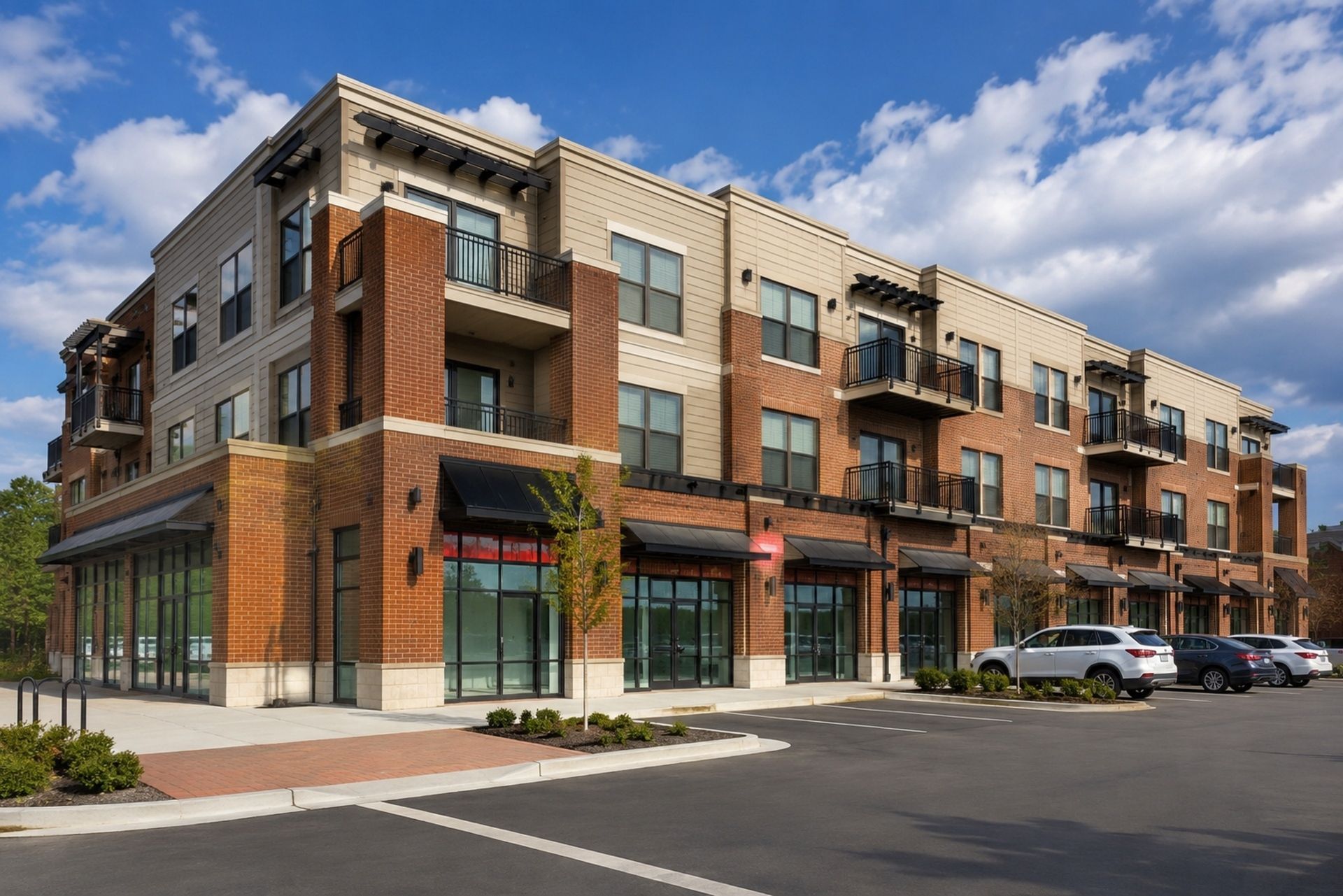
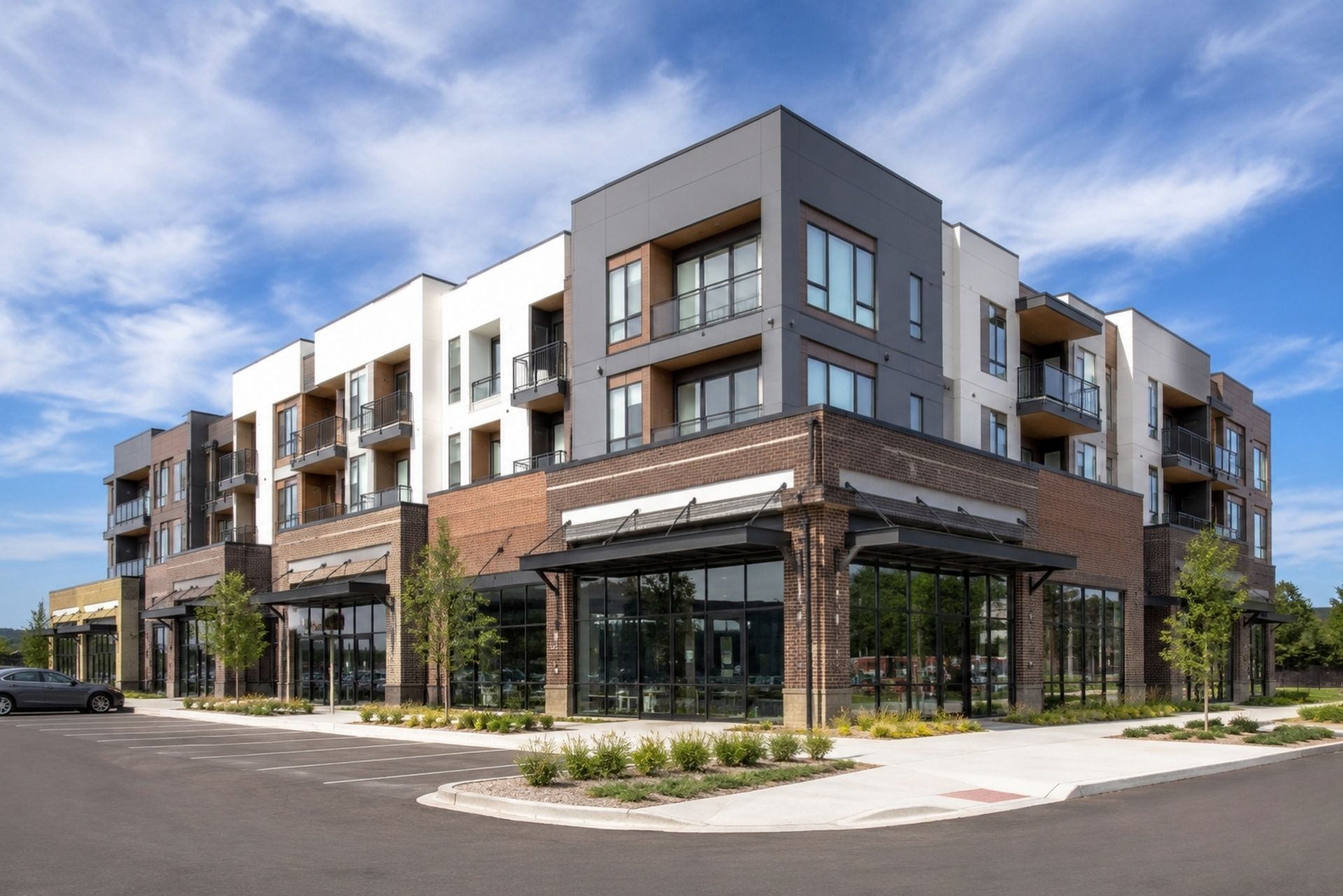
A mixed-use property is any building that combines two or more occupancy types under one roof. The most common configuration is retail or commercial space on the ground floor with residential units above, but the category also includes live-work lofts, buildings with medical offices and apartments, and properties mixing hospitality with housing.
The ratio of commercial to residential space matters enormously for insurance purposes. A building that's 80% residential with a small coffee shop on the first floor presents a very different risk profile than a property split evenly between a nightclub and condos. Insurers weigh this balance heavily when deciding whether to offer coverage and at what price. Properties where commercial vacancy creates additional exposure often face even higher scrutiny, since empty storefronts attract vandalism and reduce the overall stability of the building's income.
Why Standard Homeowners or Commercial Policies Often Fall Short
A standard commercial property policy assumes the entire building serves a business purpose. A homeowners or habitational policy assumes purely residential use. Mixed-use properties fall into neither camp, and trying to force them into one creates dangerous coverage gaps.
Here's a common scenario: a property owner carries a commercial policy that covers the restaurant on the first floor but excludes habitational liability for the apartments upstairs. A tenant's guest slips on a wet hallway floor on the third floor, and the claim gets denied because the policy wasn't designed for residential exposure. The reverse happens too: a habitational policy that doesn't account for the increased foot traffic, grease fire risk, or liquor liability from a ground-floor bar. A comprehensive mixed-use condo or building policy needs to address both sides of the equation simultaneously..
INDEX
Understanding Mixed-Use Property Insurance Basics
Core Coverage Components for Multi-Purpose Buildings
Comparison: Standard vs. Specialized Mixed-Use Coverage
Common Claims and Risk Factors in Mixed-Use Environments
Navigating the Hard-to-Place Insurance Market
GrayStone Insurance Group is fully licensed and permitted to provide specialty commercial insurance solutions for high-risk and hard-to-place businesses across 17 states.
We proudly serve high-risk and hard-to-place businesses from coast to coast. As an independent specialty brokerage, our team works with leading Excess & Surplus and specialty carriers to make sure restaurants, bars, contractors, trucking companies, manufacturers, and other hard-to-place operations receive coverage that fits their real risks in California, Colorado, Florida, Georgia, Illinois, Iowa, Maryland, Michigan, Missouri, Nevada, New York, North Carolina, South Carolina, Tennessee, Texas, Utah, and Washington.
Every policy has boundaries. Knowing them up front is how you avoid an uncovered claim. Common exclusions include:
Every policy has boundaries. Knowing them up front is how you avoid an uncovered claim. Common exclusions include:
Every policy has boundaries. Knowing them up front is how you avoid an uncovered claim. Common exclusions include:
General Liability responds to the core exposures most operations in this category face. A typical policy answers third-party claims and the defense costs that come with them, so a single incident doesn't put the business at risk.
If your firm provides any design, engineering, or consulting services alongside construction, you need both. A GL policy won't cover a claim alleging your design specifications caused a building envelope failure. That's a professional liability exposure, and it's one of the fastest-growing claim categories in construction.
Core Coverage Components for Multi-Purpose Buildings
Getting the right policy means assembling multiple coverage components that work together. No single off-the-shelf product covers everything a mixed-use operator needs.
Commercial General Liability and Habitational Liability
Commercial general liability (CGL) covers third-party bodily injury and property damage claims arising from your business operations. For a mixed-use building, this might include a customer injured in a retail tenant's space, a delivery driver who trips on a loading dock, or damage caused by a burst pipe that floods a neighboring property.
Habitational liability covers claims specific to the residential portion: tenant injuries in common areas, security failures, and premises liability for residential guests. Most mixed-use operators need both, and they need them structured so there's no gap between where one policy ends and the other begins. Standard CGL limits of $1M per occurrence and $2M aggregate are typical starting points, but buildings with high-traffic commercial tenants or more than 20 residential units often need higher limits or an umbrella policy layered on top.
Property Damage and Business Interruption Insurance
Property coverage protects the physical structure, including both commercial and residential portions, against fire, weather, theft, and other covered perils. The critical decision here is whether to carry replacement cost or actual cash value coverage. Replacement cost pays to rebuild at current prices; actual cash value deducts depreciation. For a mixed-use building with aging infrastructure, the difference between these two can be hundreds of thousands of dollars after a major loss.
Business interruption insurance covers lost rental income and ongoing expenses when a covered event makes part or all of the building unusable. This is especially important for mixed-use properties because a fire in the commercial space can displace residential tenants and shut down business operations simultaneously. Premiums for combined property and business interruption coverage on mixed-use buildings typically range from $3,500 to $15,000 annually, depending on location, construction type, and tenant mix.
| Coverage Area | Basic BOP | Comprehensive Program |
|---|---|---|
| General Liability | $1M per occurrence | $1M-$2M with umbrella option |
| Property | Building and contents, ACV | Replacement cost, including signs |
| Liquor Liability | Excluded or limited | Full coverage, higher limits |
| Business Interruption | 30-60 days | Up to 12 months |
| Equipment Breakdown | Not included | Included with spoilage |
| EPLI | Not included | Included or available |
| Cyber Liability | Not included | Included (POS system breaches) |
| Hired/Non-Owned Auto | Not included | Included (delivery drivers) |
Comparison: Standard vs. Specialized Mixed-Use Coverage
The differences between a generic commercial policy and a specialized mixed-use program are significant. Here's a side-by-side comparison:
| Coverage Feature | Standard Commercial Policy | Specialized Mixed-Use Policy |
|---|---|---|
| Habitational Liability | Excluded or limited | Included with residential endorsements |
| Tenant Mix Flexibility | Single-use tenants only | Accommodates restaurants, retail, offices, residential |
| Business Interruption | Commercial income only | Covers both commercial and residential lost rents |
| Equipment Breakdown | Often excluded | Available as endorsement for HVAC, elevators, boilers |
| Liquor Liability | Separate policy required | Can be bundled for bar/restaurant tenants |
| Vacancy Provisions | Strict: often 60-day limit | More flexible for transitional tenant turnover |
| Premium Range (mid-size building) | $2,000 - $6,000/year | $5,000 - $18,000/year |
The higher premium for specialized coverage reflects the broader protection. Operators who try to save money with a standard policy often pay far more when a claim falls outside their coverage.
Every policy has boundaries. Knowing them up front is how you avoid an uncovered claim. Common exclusions include:
Every policy has boundaries. Knowing them up front is how you avoid an uncovered claim. Common exclusions include:
Every policy has boundaries. Knowing them up front is how you avoid an uncovered claim. Common exclusions include:
General Liability responds to the core exposures most operations in this category face. A typical policy answers third-party claims and the defense costs that come with them, so a single incident doesn't put the business at risk.
Common Claims and Risk Factors in Mixed-Use Environments
Mixed-use buildings generate claims that single-use properties rarely see. The combination of commercial and residential activity creates friction points that insurers know well.
Liability Risks from Shared Public and Private Spaces
Shared lobbies, elevators, stairwells, parking structures, and outdoor areas are where most liability claims originate. Slip-and-fall claims are the most frequent, and settlement amounts for these incidents can range from $15,000 to well over $100,000 depending on injury severity and jurisdiction. A restaurant patron who slips on a wet lobby floor shared with residential tenants creates a coverage question: whose policy responds?
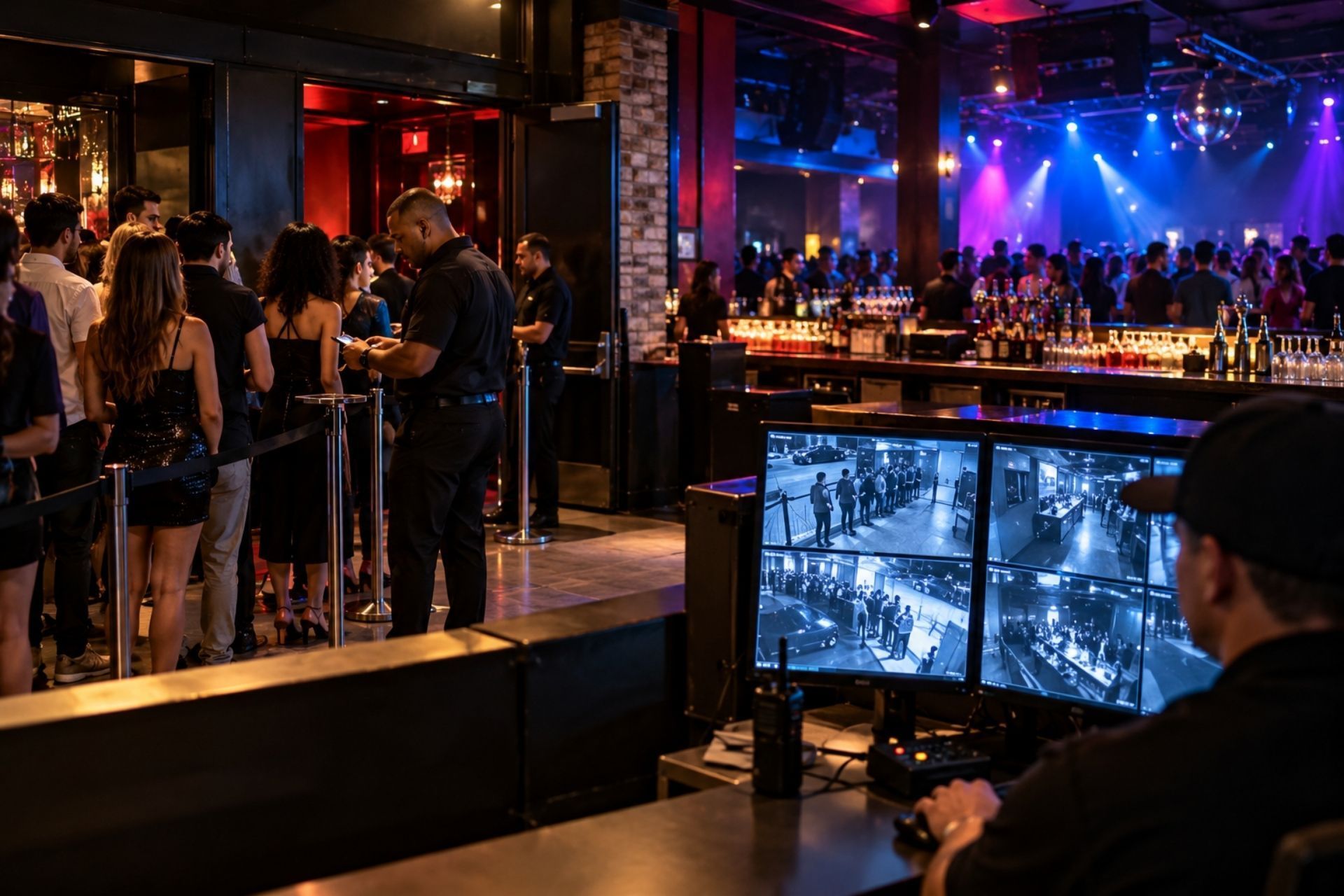
Security-related claims are another major exposure. If a residential tenant is assaulted in a shared parking garage that lacks adequate lighting or surveillance, the property owner faces a premises liability claim that can easily reach six figures. Properties with nightlife tenants face amplified risk here, as late-night commercial activity increases the likelihood of incidents in shared spaces.
Tenant-Related Damage and Equipment Breakdown
Commercial tenants, particularly restaurants and bars, create property damage risks that residential tenants typically don't. Grease fires, water damage from commercial kitchen equipment, and structural stress from heavy machinery are all common. Rising insurance costs for bar and restaurant operations reflect this elevated risk profile, and those costs often flow back to the building owner through higher property insurance premiums.
Equipment breakdown coverage is essential for mixed-use buildings because they rely on shared mechanical systems: elevators, boilers, HVAC units, and electrical panels that serve both commercial and residential spaces. A boiler failure in January doesn't just inconvenience a retail tenant; it displaces families. These claims often involve both property damage and loss of income, making them among the most expensive a mixed-use operator will face.
Navigating the Hard-to-Place Insurance Market
Some mixed-use properties simply can't get coverage through standard carriers. That doesn't mean coverage is unavailable; it means you need a different approach.
Why High-Risk Tenants or Aging Infrastructure Create Hurdles
Carriers evaluate mixed-use properties based on their worst risk, not their average risk. A building that's 90% professional offices and residential units but has one cannabis dispensary on the ground floor will be rated based on that dispensary. Cannabis business insurance remains one of the most challenging placements in the industry, and its presence in a mixed-use building can make the entire property hard to place.
Aging infrastructure compounds the problem. Buildings with knob-and-tube wiring, galvanized plumbing, or roofs past their expected lifespan trigger automatic declinations from most admitted carriers. The combination of a challenging tenant mix and deferred maintenance is the most common reason mixed-use operators end up in the surplus lines market, where premiums can be 40-60% higher than admitted market rates.
Strategies for Securing Coverage with a Troubled Claims History
A history of frequent claims, even small ones, can make your property nearly uninsurable through standard channels. Here's what actually works to improve your position:
- Get a professional risk assessment done and document every improvement you've made: upgraded fire suppression, security cameras, new roofing, electrical panel replacements.
- Require commercial tenants to carry their own CGL and name you as an additional insured. This shifts first-dollar liability away from your master policy.
- Consider higher deductibles ($5,000 to $25,000) to reduce premium costs and signal to underwriters that you're willing to absorb small losses.
- Work with a brokerage that specializes in hard-to-place risks. GrayStone Insurance Group, for example, uses AI-powered risk modeling to present your property's data in a way that gives underwriters confidence, which often results in faster placements and better pricing than traditional submissions.
The broader market is also shifting in operators' favor. Global commercial property premiums fell by 5.5% in Q1 2026, the first negative rate movement in seven years. This softening market means carriers are competing more aggressively for business, including accounts they might have declined twelve months ago.
Every policy has boundaries. Knowing them up front is how you avoid an uncovered claim. Common exclusions include:
Every policy has boundaries. Knowing them up front is how you avoid an uncovered claim. Common exclusions include:
Every policy has boundaries. Knowing them up front is how you avoid an uncovered claim. Common exclusions include:
General Liability responds to the core exposures most operations in this category face. A typical policy answers third-party claims and the defense costs that come with them, so a single incident doesn't put the business at risk.
Frequently Asked Questions About Mixed-Use Insurance
How much does mixed-use property insurance typically cost? Premiums vary widely based on building size, location, tenant mix, and claims history. A mid-size building with standard commercial tenants might pay $5,000 to $12,000 annually, while properties with high-risk tenants or poor loss history can see premiums of $18,000 or more.
Can I add a cannabis tenant without losing my current policy? Most admitted carriers will non-renew your policy if you add a cannabis tenant. You'll likely need to move to a surplus lines carrier or work with a specialist broker who can place the entire building in a market that accepts cannabis exposure.
Do I need separate policies for the commercial and residential portions? Not necessarily. A well-structured mixed-use policy can cover both under one program, though some operators prefer separate policies for cleaner claims handling. The key is ensuring there's no gap between the two coverages.
What happens if a commercial tenant's operations damage residential units? Your property policy should respond to the physical damage, while the tenant's CGL policy should cover their liability. If the tenant doesn't carry insurance, you're absorbing the full loss, which is why requiring tenant insurance certificates is non-negotiable.
Is flood coverage included in a standard mixed-use policy? No. Flood coverage requires a separate policy, typically through the NFIP or a private flood insurer. Mixed-use buildings in flood zones should carry this coverage on both the commercial and residential portions.
Will my premium go down if I install risk mitigation improvements? Yes, in most cases. Class 4 impact-resistant roofing, monitored fire alarm systems, and security upgrades can reduce premiums by 5-15%. Document everything and present it to your broker before renewal.
Every policy has boundaries. Knowing them up front is how you avoid an uncovered claim. Common exclusions include:
Every policy has boundaries. Knowing them up front is how you avoid an uncovered claim. Common exclusions include:
Every policy has boundaries. Knowing them up front is how you avoid an uncovered claim. Common exclusions include:
General Liability responds to the core exposures most operations in this category face. A typical policy answers third-party claims and the defense costs that come with them, so a single incident doesn't put the business at risk.
Making the Right Choice for Your Property Portfolio
Mixed-use property insurance isn't something you can set and forget. Your coverage needs to evolve as tenants change, buildings age, and market conditions shift. The operators who fare best are those who treat insurance as an active part of their property management strategy rather than a line item they review once a year.
If your property has been declined or you're paying surplus lines rates that feel excessive, the current softening market creates a real opportunity to shop your account. Brokerages like GrayStone Insurance Group, with their 94% client retention rate and deep experience in hard-to-place risks, can often find coverage options that operators miss when working with generalist agents.
The single most important thing you can do right now: pull out your current policy, read the exclusions section, and compare it against your actual tenant mix and building operations. If there's a mismatch, and there almost always is, that's the gap that will cost you when a claim hits. Fix it before it matters.
ABOUT THE AUTHOR:
CHAD KRAMER
I started GrayStone Insurance Group in 2018 with a simple conviction: the businesses everyone else turns away deserve a broker who won't. What began as a one-person operation has grown into a specialty commercial brokerage with offices across the country — but the mission hasn't changed. We find solutions for high-risk and hard-to-place businesses when other agencies run the other way.
I built this agency on integrity, hard work, and the tenacity to do the hard things well. Through our access to Excess & Surplus and specialty markets, my team and I place coverage standard carriers can't — and I treat every client's business like my own.
If you've been declined, non-renewed, or told your business is too complicated to insure, let's talk.
Coverages & policies
Plain-language coverage, expertly placed.
We lead with commercial lines and round out personal coverage where you need it. Every policy comes with an explanation — not jargon.

Contractors
Third-party bodily injury & property damage — the foundation for any operation.

Liquor Liability
Critical for bars, restaurants and venues serving alcohol — including A&B.

Commercial Property
Buildings, contents and equipment — including distressed and vacant risk.

Workers' Compensation
Statutory coverage for your crew — including high-mod and high-hazard classes.

Commercial Umbrella
Extra liability limits over your primary policies — essential for high-exposure risk.
Products Liability
Manufacturers, CBD and consumer-product exposure — including imports.
What clients say
Brokers who actually place it.
FAQ
Answers for the risks others won't cover
Getting declined, non-renewed, or told your business is "too high-risk" is frustrating — but it doesn't mean you're out of options. Here are answers to the questions we hear most from business owners who need coverage the standard market won't provide.
What kind of insurance does GrayStone specialize in?
We're a specialty commercial brokerage built for high-risk and hard-to-place businesses — the risks standard carriers often turn away. Through our access to Excess & Surplus (E&S) and specialty markets, we place coverage that everyday agencies can't. Hospitality and construction are among our deepest areas of expertise.
My business was declined or non-renewed elsewhere. Can you still help?
That's exactly what we do. A decline, a non-renewal, or a tough claims history doesn't mean you're out of options — it means your risk needs a broker with the right market access. Tell us your situation and we'll get to work finding a fit.
What is Excess & Surplus (E&S) insurance?
E&S is specialty coverage for risks that standard "admitted" carriers won't write — often because a business is higher-risk, unusual, or has a complex history. As an independent broker, we tap into these specialty markets to place coverage where a typical agency hits a dead end.
What industries do you work with?
We cover a wide range of commercial industries — from restaurants, bars, and hospitality to contractors, trucking, manufacturing, cannabis, and more. If your industry is considered high-risk or hard-to-place, there's a good chance we've handled it.
Will you work with businesses that have prior claims or losses?
Yes. Prior claims and losses are part of many of the risks we place every day. Every business is evaluated on its own merits — and a rocky history is often exactly why a specialty broker can help where others won't.
Are you an independent broker?
Yes. We're not tied to a single carrier, so we shop your risk across multiple specialty and E&S markets to find coverage that actually fits — instead of forcing you into a one-size-fits-all policy.
Insights & resources
Know your risk before you buy.