General Liability responds to the core exposures most operations in this category face. A typical policy answers third-party claims and the defense costs that come with them, so a single incident doesn't put the business at risk.
A single lawsuit from a slip-and-fall on a job site can cost a contracting firm six figures before attorneys even finish their opening statements. A stolen trailer full of specialty tools can set a project back weeks and drain tens of thousands from your bottom line. And if you're operating in a high-risk trade like demolition or roofing, finding an insurer willing to write your policy at all can feel like its own full-time job.
Strong insurance isn't just a financial safety net; it's a strategic asset. Having the right coverage can mean the difference between weathering a claim and failing under it. Yet most contractors either carry too little coverage, the wrong types, or pay inflated premiums because they haven't found a broker who understands their risk profile. This is especially true for hard-to-place operators: the roofers, high-rise specialists, and demolition crews that standard carriers routinely decline.
This piece breaks down the essential coverage types contractors need, the claims that hit hardest, and what to do when traditional insurance markets won't touch your business. Whether you're a GC running a $10 million annual operation or a specialty sub trying to meet contract requirements, the information here applies directly to your bottom line.
Essential Insurance Coverages for Modern Contractors
The right contractor insurance program isn't a single policy. It's a layered system where each coverage addresses a specific category of risk. Miss one layer and you've got an exposure that could wipe out years of profit. The three foundational coverages below form the backbone of any contracting operation's risk management strategy, regardless of trade or project size.
General Liability and Property Damage
General liability (GL) is the policy most contractors think of first, and for good reason. It covers third-party bodily injury, property damage you cause to someone else's property, and personal/advertising injury claims. If your crew accidentally damages a client's existing structure during a renovation, GL responds. If a pedestrian trips over your materials on a sidewalk, GL responds.
What catches many contractors off guard is the completed operations component. Your GL policy doesn't just cover incidents during construction: it extends to damage arising from your finished work, sometimes for years after project completion. A plumbing contractor who installs a fitting that fails two years later, flooding a commercial tenant's space, needs that completed operations coverage to be intact. Pay close attention to your policy's aggregate limits and per-occurrence caps, because construction insurance premiums have continued to climb, making it critical to buy the right amount rather than the cheapest option.
Workers Compensation and Employer Liability
Every state except Texas mandates workers compensation coverage for contractors with employees, and even in Texas, most general contractors require it from their subs. Workers comp pays for medical treatment, lost wages, and rehabilitation when an employee is injured on the job. The employer liability portion kicks in when an injured worker sues beyond the standard workers comp benefits.
Here's what trips people up: classification codes. Your workers comp premium is calculated based on your payroll and the class codes assigned to your employees' job duties. A framing carpenter carries a different rate than a project manager. Misclassifying employees, whether intentionally or through sloppy bookkeeping, can trigger audits, back-premiums, and penalties that dwarf the original savings. Get your classifications right from day one.
Inland Marine: Protecting Tools and Equipment
Most contractors don't realize their general liability policy excludes coverage for their own tools, equipment, and materials in transit or stored at job sites. That's where inland marine insurance fills the gap. It covers items like generators, scaffolding, laser levels, and specialty tools whether they're on a truck, at a staging area, or locked in a job-site trailer.
Theft from construction sites remains a persistent problem. A single theft event involving a skid steer or a set of commercial-grade power tools can easily exceed $50,000. Inland marine policies are relatively affordable compared to the replacement cost of losing uninsured equipment mid-project. If you're hauling anything of value between locations, this coverage is non-negotiable.
INDEX
Essential Insurance Coverages for Modern Contractors
Comparison: General Liability vs. Professional Liability
Why Contractor Insurance Costs Are Rising in 2026
Common Claims and How to Avoid Them
Challenges for Hard-to-Place Operators
Frequently Asked Questions About Contractor Insurance
How Safety Programs Lower Your Premiums
State-by-State Requirements Worth Knowing
What Hard-to-Place Contractors Should Look for in a Broker
GrayStone Insurance Group is fully licensed and permitted to provide specialty commercial insurance solutions for high-risk and hard-to-place businesses across 17 states.
We proudly serve high-risk and hard-to-place businesses from coast to coast. As an independent specialty brokerage, our team works with leading Excess & Surplus and specialty carriers to make sure restaurants, bars, contractors, trucking companies, manufacturers, and other hard-to-place operations receive coverage that fits their real risks in California, Colorado, Florida, Georgia, Illinois, Iowa, Maryland, Michigan, Missouri, Nevada, New York, North Carolina, South Carolina, Tennessee, Texas, Utah, and Washington.
Every policy has boundaries. Knowing them up front is how you avoid an uncovered claim. Common exclusions include:
Every policy has boundaries. Knowing them up front is how you avoid an uncovered claim. Common exclusions include:
Every policy has boundaries. Knowing them up front is how you avoid an uncovered claim. Common exclusions include:
General Liability responds to the core exposures most operations in this category face. A typical policy answers third-party claims and the defense costs that come with them, so a single incident doesn't put the business at risk.
Comparison: General Liability vs. Professional Liability
Contractors often confuse general liability with professional liability, but they cover fundamentally different risks. Here's a quick breakdown:
| Feature | General Liability | Professional Liability (E&O) |
|---|---|---|
| What it covers | Bodily injury, property damage, personal injury | Errors in design, plans, specifications, or advice |
| Who needs it | All contractors | Design-build firms, engineers, consultants |
| Trigger | Physical harm or damage | Financial loss from professional mistakes |
| Example claim | Worker drops tool on passerby | Architect's faulty spec causes structural failure |
| Typical limits | $1M/$2M | $1M/$3M |
| Required by law? | Often yes (by contract or license) | Rarely mandated, but often contract-required |
If your firm provides any design, engineering, or consulting services alongside construction, you need both. A GL policy won't cover a claim alleging your design specifications caused a building envelope failure. That's a professional liability exposure, and it's one of the fastest-growing claim categories in construction.
Why Contractor Insurance Costs Are Rising in 2026
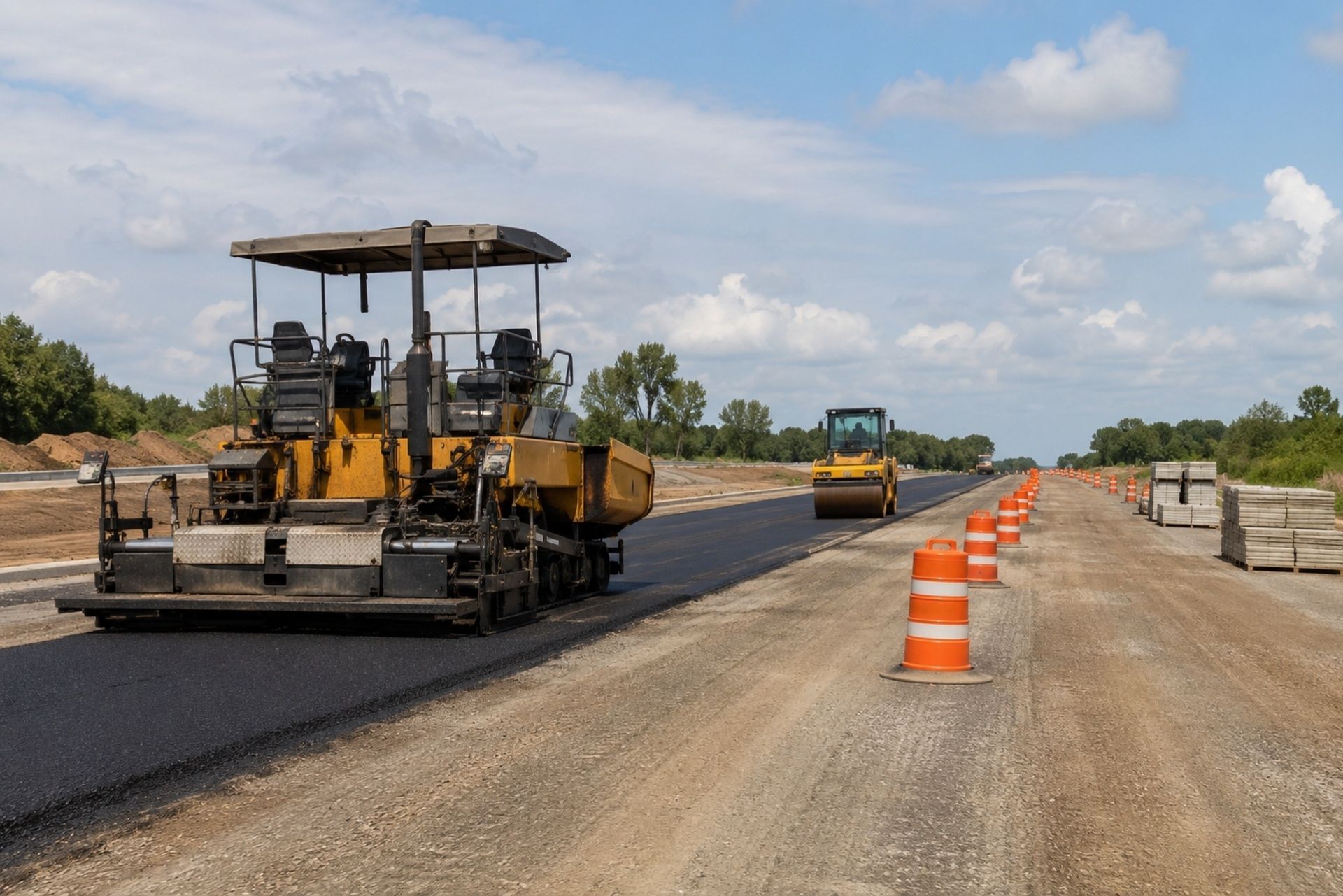
Premiums aren't climbing because insurers are greedy. Several converging factors are driving costs up across the board. The 2024-2025 construction insurance market saw significant rate increases that have carried into 2026, and the pressure hasn't eased.
Nuclear verdicts are a major driver. Jury awards in construction injury cases have grown dramatically, with corporate lawsuit awards surging 116% to $31.3 billion in recent years. Insurers are repricing risk to account for these outsized judgments. Social inflation, litigation funding, and plaintiff-friendly jurisdictions compound the problem.
Material costs and labor shortages also play a role. When it costs more to repair or rebuild damaged property, claim payouts increase, and premiums follow. Contractors operating in catastrophe-prone regions face additional surcharges for wind, hail, and wildfire exposure. The bottom line: budgeting for insurance as a fixed percentage of revenue no longer works. You need to actively manage your risk profile to control costs.
Every policy has boundaries. Knowing them up front is how you avoid an uncovered claim. Common exclusions include:
Every policy has boundaries. Knowing them up front is how you avoid an uncovered claim. Common exclusions include:
Every policy has boundaries. Knowing them up front is how you avoid an uncovered claim. Common exclusions include:
General Liability responds to the core exposures most operations in this category face. A typical policy answers third-party claims and the defense costs that come with them, so a single incident doesn't put the business at risk.
Common Claims and How to Avoid Them
Understanding where claims originate helps you prevent them. Two categories account for the majority of contractor insurance losses.
Construction Defects and Completed Operations
Defect claims typically surface months or years after a project wraps. Water intrusion from improper flashing, foundation cracks from inadequate soil prep, and HVAC systems that don't perform to spec are classic examples. These claims are expensive because they often involve not just repair costs but also business interruption losses for the building owner, temporary relocation expenses, and legal fees.
Prevention starts with documentation. Photograph every phase of construction. Keep detailed daily logs. Require sign-offs from inspectors at each milestone. When a defect claim lands on your desk three years later, your defense lives or dies on the records you kept during construction.
Third-Party Bodily Injury on Job Sites
A delivery driver steps into an unmarked excavation. A neighbor's child wanders onto an unsecured site. A subcontractor's employee falls through an unprotected floor opening. These scenarios generate some of the largest claim payouts in the industry.
Site safety programs aren't optional: they're your first line of defense against bodily injury claims. Daily safety briefings, proper barricading, fall protection compliance, and visitor protocols all reduce frequency. Firms that invest in formal safety programs often see lower experience modification rates, which directly reduces workers comp premiums.
Challenges for Hard-to-Place Operators
Some contractors can't get coverage through standard insurance carriers no matter how clean their operations are. The nature of their work puts them in a category that most insurers simply won't write.
Risk Factors: High-Rise, Roofing, and Demolition
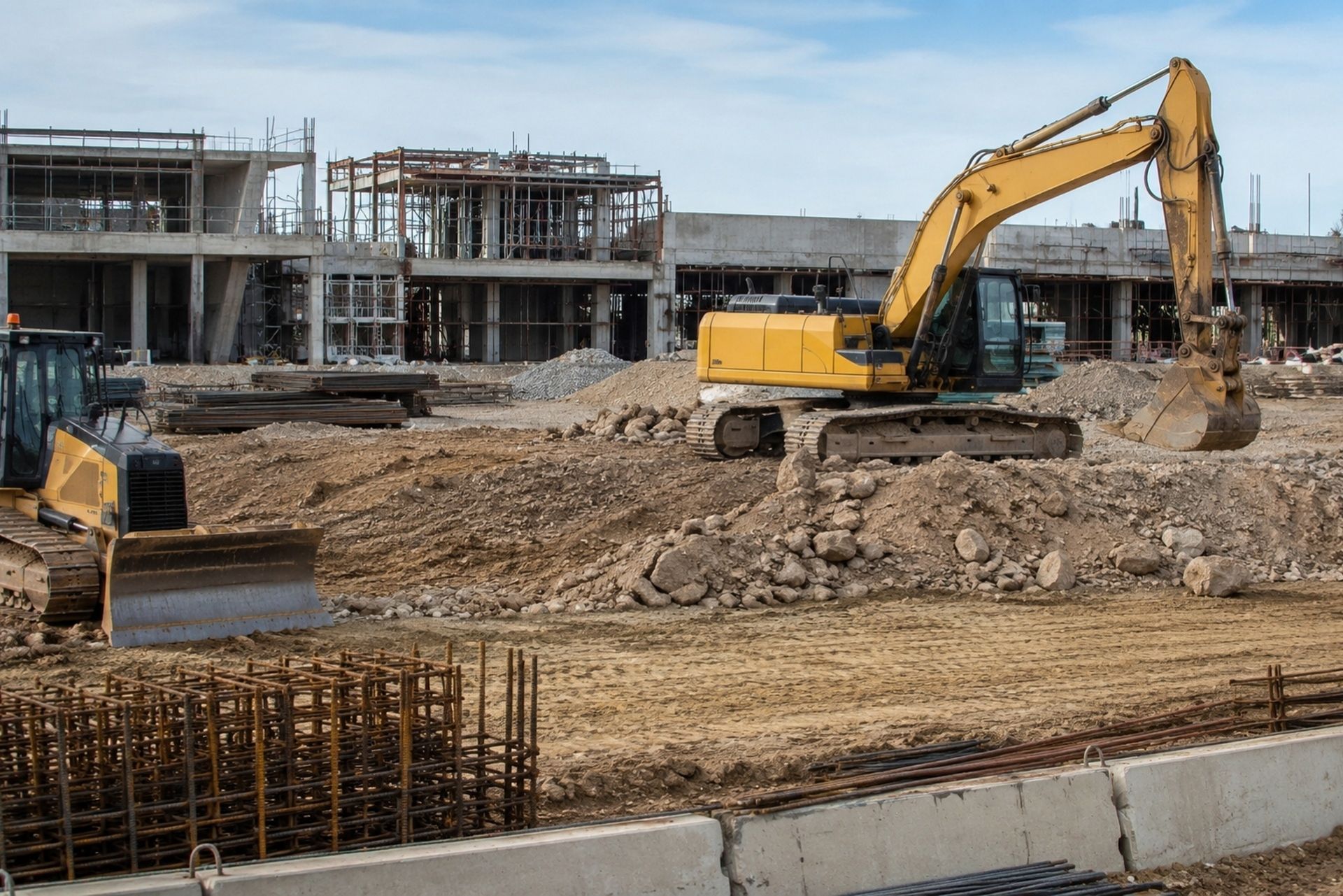
Roofing contractors face the highest workers comp rates of almost any trade. High-rise work introduces fall exposure that makes underwriters nervous. Demolition carries environmental liability, structural collapse risk, and third-party property damage potential that standard carriers aren't equipped to price. Construction market pressures have pushed many of these trades into specialty markets.
If you operate in one of these niches, you're not a bad risk by default. You're a specialized risk that requires an underwriter with specific expertise. That distinction matters when you're shopping for coverage.
Navigating the Surplus Lines Market
When admitted carriers decline your application, the surplus lines market becomes your path to coverage. Surplus lines insurers aren't bound by the same rate and form regulations as admitted carriers, giving them flexibility to write policies for unusual or high-hazard risks. The U.S. surplus lines market has grown substantially as more businesses find themselves unable to secure standard market coverage.
Working with a broker who has established surplus lines relationships is critical. GrayStone Insurance Group, for example, specializes in placing coverage for hard-to-place contractors through its surplus lines partnerships, using data-driven risk modeling to match operators with the right carrier. Not every surplus lines broker understands construction, so look for one with specific trade experience.
Impact of Claims History on Future Premiums
Your loss history follows you. A single large claim can increase premiums for three to five years, and multiple claims within a short window can make you virtually uninsurable in the standard market. Your experience modification rate (EMR) in workers comp directly reflects your claims history relative to peers in your classification.
The good news: you can improve your EMR over time by reducing claim frequency and severity. Implement return-to-work programs, contest questionable claims, and invest in loss control. Brokers with deep industry knowledge, like those averaging 20+ years of experience at firms such as GrayStone, can help you build a narrative around your risk improvement efforts that resonates with underwriters.
Every policy has boundaries. Knowing them up front is how you avoid an uncovered claim. Common exclusions include:
Every policy has boundaries. Knowing them up front is how you avoid an uncovered claim. Common exclusions include:
Every policy has boundaries. Knowing them up front is how you avoid an uncovered claim. Common exclusions include:
General Liability responds to the core exposures most operations in this category face. A typical policy answers third-party claims and the defense costs that come with them, so a single incident doesn't put the business at risk.
Frequently Asked Questions About Contractor Insurance
How much does contractor insurance typically cost? Costs vary widely by trade, location, payroll size, and claims history. A small painting contractor might pay $2,000-$4,000 annually for GL, while a mid-size roofing company could pay $30,000 or more. Get quotes specific to your operation rather than relying on industry averages.
Do I need insurance if I'm a sole proprietor with no employees? Yes. Most states require general liability for licensed contractors, and virtually every GC or property owner will require proof of insurance before you step on a job site. Skipping coverage to save money is a bet you'll eventually lose.
What's an additional insured endorsement? It extends your GL coverage to another party, typically a GC or property owner, for liability arising from your work. It's standard in construction contracts and usually costs a small fee per certificate.
Can I bundle multiple coverages into one policy? Yes. A Business Owner's Policy (BOP) combines GL and property coverage. Contractor-specific packages often add inland marine and commercial auto. Bundling usually saves 10-15% versus purchasing policies separately.
What happens if my claim is denied? Review the denial letter carefully for the specific exclusion or reason cited. You can appeal through the carrier, file a complaint with your state's department of insurance, or consult an insurance coverage attorney if the denial seems improper.
When admitted carriers decline your application, the surplus lines market becomes your path to coverage. Surplus lines insurers aren't bound by the same rate and form regulations as admitted carriers, giving them flexibility to write policies for unusual or high-hazard risks. The U.S. surplus lines market has grown substantially as more businesses find themselves unable to secure standard market coverage.
Working with a broker who has established surplus lines relationships is critical. GrayStone Insurance Group, for example, specializes in placing coverage for hard-to-place contractors through its surplus lines partnerships, using data-driven risk modeling to match operators with the right carrier. Not every surplus lines broker understands construction, so look for one with specific trade experience.
Navigating the Surplus Lines Market
How Safety Programs Lower Your Premiums
Insurers reward contractors who demonstrate proactive risk management. A formal, documented safety program can reduce your workers comp premiums by 5-15% through scheduled credits. Some carriers offer additional discounts for OSHA 30-hour certification, drug-free workplace programs, and telematics-based fleet monitoring.
The return on investment is straightforward: every dollar spent on prevention saves three to five dollars in claims costs. That math gets even better when you factor in reduced downtime, lower EMR, and improved bid competitiveness.
Every policy has boundaries. Knowing them up front is how you avoid an uncovered claim. Common exclusions include:
Every policy has boundaries. Knowing them up front is how you avoid an uncovered claim. Common exclusions include:
Every policy has boundaries. Knowing them up front is how you avoid an uncovered claim. Common exclusions include:
General Liability responds to the core exposures most operations in this category face. A typical policy answers third-party claims and the defense costs that come with them, so a single incident doesn't put the business at risk.
State-by-State Requirements Worth Knowing
Insurance requirements for contractors vary significantly by state. California requires workers comp for any contractor with even one employee and mandates minimum GL limits for licensed contractors. Florida requires workers comp for construction firms with one or more employees, with no exemptions for corporate officers in construction. New York has some of the strictest requirements in the country, including mandatory disability benefits coverage.
Check your state contractor licensing board's website for current minimums, but remember: meeting the legal minimum and carrying adequate coverage are two very different things.
When admitted carriers decline your application, the surplus lines market becomes your path to coverage. Surplus lines insurers aren't bound by the same rate and form regulations as admitted carriers, giving them flexibility to write policies for unusual or high-hazard risks. The U.S. surplus lines market has grown substantially as more businesses find themselves unable to secure standard market coverage.
Working with a broker who has established surplus lines relationships is critical. GrayStone Insurance Group, for example, specializes in placing coverage for hard-to-place contractors through its surplus lines partnerships, using data-driven risk modeling to match operators with the right carrier. Not every surplus lines broker understands construction, so look for one with specific trade experience.
Navigating the Surplus Lines Market
What Hard-to-Place Contractors Should Look for in a Broker
The right broker doesn't just find you a policy. They understand your trade, know which carriers have appetite for your risk class, and can present your operation in the most favorable light to underwriters. Look for a broker who asks detailed questions about your safety protocols, subcontractor management, and project types before quoting.
Avoid brokers who simply run your application through a rating system and hand you whatever comes back. Contractors in high-risk trades need an advocate who will negotiate terms, push back on unreasonable exclusions, and help you build a long-term relationship with a carrier.
Every policy has boundaries. Knowing them up front is how you avoid an uncovered claim. Common exclusions include:
Every policy has boundaries. Knowing them up front is how you avoid an uncovered claim. Common exclusions include:
Every policy has boundaries. Knowing them up front is how you avoid an uncovered claim. Common exclusions include:
General Liability responds to the core exposures most operations in this category face. A typical policy answers third-party claims and the defense costs that come with them, so a single incident doesn't put the business at risk.
Emerging Trends Shaping Contractor Coverage in 2026
Parametric insurance products are gaining traction for weather-related construction delays. Drone-based site inspections are helping underwriters assess risk more accurately, sometimes resulting in better pricing. And construction insurance trends heading into 2025 and 2026 point toward increased use of AI in claims processing and underwriting, which should speed up policy placements for well-documented risks.
Contractors who embrace technology in their operations, from project management software to wearable safety devices, are positioning themselves as better risks. Carriers notice.
When admitted carriers decline your application, the surplus lines market becomes your path to coverage. Surplus lines insurers aren't bound by the same rate and form regulations as admitted carriers, giving them flexibility to write policies for unusual or high-hazard risks. The U.S. surplus lines market has grown substantially as more businesses find themselves unable to secure standard market coverage.
Working with a broker who has established surplus lines relationships is critical. GrayStone Insurance Group, for example, specializes in placing coverage for hard-to-place contractors through its surplus lines partnerships, using data-driven risk modeling to match operators with the right carrier. Not every surplus lines broker understands construction, so look for one with specific trade experience.
Navigating the Surplus Lines Market
Making the Right Choice for Your Business
Getting contractor insurance right requires more than checking boxes on a coverage checklist. It means understanding how your specific trade, project types, and claims history interact to shape your risk profile, and then finding a broker and carrier combination that prices that risk fairly.
If you're operating in a high-risk trade and struggling to find coverage, don't settle for the first policy that comes back. Work with a specialist who knows construction insurance inside and out. GrayStone Insurance Group's team of experienced brokers works specifically with hard-to-place contractors, using precise risk modeling to find coverage that standard agencies can't. Their 94% client retention rate reflects the kind of advocacy that contractors in tough markets genuinely need.
The right policy protects more than your balance sheet. It protects your ability to bid on projects, hire employees, and grow your business without one bad claim pulling everything apart. Take the time to get it right.
ABOUT THE AUTHOR:
CHAD KRAMER
I started GrayStone Insurance Group in 2018 with a simple conviction: the businesses everyone else turns away deserve a broker who won't. What began as a one-person operation has grown into a specialty commercial brokerage with offices across the country — but the mission hasn't changed. We find solutions for high-risk and hard-to-place businesses when other agencies run the other way.
I built this agency on integrity, hard work, and the tenacity to do the hard things well. Through our access to Excess & Surplus and specialty markets, my team and I place coverage standard carriers can't — and I treat every client's business like my own.
If you've been declined, non-renewed, or told your business is too complicated to insure, let's talk.
Coverages & policies
Plain-language coverage, expertly placed.
We lead with commercial lines and round out personal coverage where you need it. Every policy comes with an explanation — not jargon.

Contractors
Third-party bodily injury & property damage — the foundation for any operation.

Liquor Liability
Critical for bars, restaurants and venues serving alcohol — including A&B.

Commercial Property
Buildings, contents and equipment — including distressed and vacant risk.

Workers' Compensation
Statutory coverage for your crew — including high-mod and high-hazard classes.

Commercial Umbrella
Extra liability limits over your primary policies — essential for high-exposure risk.
Products Liability
Manufacturers, CBD and consumer-product exposure — including imports.
What clients say
Brokers who actually place it.
FAQ
Answers for the risks others won't cover
Getting declined, non-renewed, or told your business is "too high-risk" is frustrating — but it doesn't mean you're out of options. Here are answers to the questions we hear most from business owners who need coverage the standard market won't provide.
What kind of insurance does GrayStone specialize in?
We're a specialty commercial brokerage built for high-risk and hard-to-place businesses — the risks standard carriers often turn away. Through our access to Excess & Surplus (E&S) and specialty markets, we place coverage that everyday agencies can't. Hospitality and construction are among our deepest areas of expertise.
My business was declined or non-renewed elsewhere. Can you still help?
That's exactly what we do. A decline, a non-renewal, or a tough claims history doesn't mean you're out of options — it means your risk needs a broker with the right market access. Tell us your situation and we'll get to work finding a fit.
What is Excess & Surplus (E&S) insurance?
E&S is specialty coverage for risks that standard "admitted" carriers won't write — often because a business is higher-risk, unusual, or has a complex history. As an independent broker, we tap into these specialty markets to place coverage where a typical agency hits a dead end.
What industries do you work with?
We cover a wide range of commercial industries — from restaurants, bars, and hospitality to contractors, trucking, manufacturing, cannabis, and more. If your industry is considered high-risk or hard-to-place, there's a good chance we've handled it.
Will you work with businesses that have prior claims or losses?
Yes. Prior claims and losses are part of many of the risks we place every day. Every business is evaluated on its own merits — and a rocky history is often exactly why a specialty broker can help where others won't.
Are you an independent broker?
Yes. We're not tied to a single carrier, so we shop your risk across multiple specialty and E&S markets to find coverage that actually fits — instead of forcing you into a one-size-fits-all policy.
Insights & resources
Know your risk before you buy.