
General Liability responds to the core exposures most operations in this category face. A typical policy answers third-party claims and the defense costs that come with them, so a single incident doesn't put the business at risk.
Running a contracting business in Tampa means dealing with a unique mix of regulatory demands, weather-related threats, and liability exposures that most inland operators never think about. Between Hillsborough County's licensing structure, Florida's shifting workers' comp rules, and the constant threat of named storms rolling through the Gulf, getting your insurance wrong here can cost you your entire business in a single season. This isn't a topic you can afford to figure out later. Tampa contractors face real, specific risks that require coverage tailored to the local market, not a generic policy pulled off a shelf. The construction boom across the Tampa Bay metro shows no signs of slowing, and with that growth comes increased scrutiny from regulators, general contractors demanding proof of coverage, and property owners expecting protection from every angle. Whether you're a roofer working residential jobs in South Tampa, a specialty sub running commercial projects near the port, or a GC managing crews across Hillsborough and Pinellas counties, your insurance portfolio needs to reflect the actual hazards you encounter. Getting this right starts with understanding what Florida requires, what Tampa's geography demands, and where the coverage gaps tend to hide. Here's what you actually need to know about contractor insurance in Tampa, FL, from local requirements to the risks that catch operators off guard.
The Landscape for Tampa Contractors
Tampa's construction market has been on a tear for years, and 2026 is no exception. The metro area continues to attract both residential and commercial development, which means more contractors competing for work and more regulatory attention on who's properly licensed and insured. If you're bidding on jobs without the right coverage in place, you're not just risking a fine: you're risking being shut out of projects entirely.
General contractors in Tampa increasingly require subs to carry specific coverage limits before they'll even consider a bid. A $1 million per-occurrence general liability policy used to be standard, but many GCs now want $2 million aggregate minimums and additional insured endorsements. The market is tightening, and contractors who can't produce proper certificates of insurance are losing work to those who can.
Navigating Hillsborough County Licensing Requirements
Hillsborough County requires contractors to hold either a state-certified or county-registered license depending on the trade. Electrical, plumbing, mechanical, and general contractors all fall under different licensing categories, each with its own insurance requirements. You can't pull a permit without showing proof of coverage, and recent changes under Florida HB 803 have reshaped how building permits work across the state.
One thing that trips up newer contractors: the county cross-references your insurance status when you apply for or renew your license. If your policy lapses, even briefly, your license can be suspended. That means no permits, no legal work, and no revenue until you fix it. Keeping your coverage current isn't just good practice: it's a licensing requirement that directly affects your ability to operate.
Weathering the Storm: Hurricane and Flood Risks
Tampa sits in one of the most hurricane-vulnerable metro areas in the country, and yet many contractors underestimate their exposure. Standard general liability policies don't cover flood damage to your own equipment or materials on a job site. Wind-driven rain, storm surge, and flooding require separate coverage, and the premiums reflect Tampa's coastal risk profile.
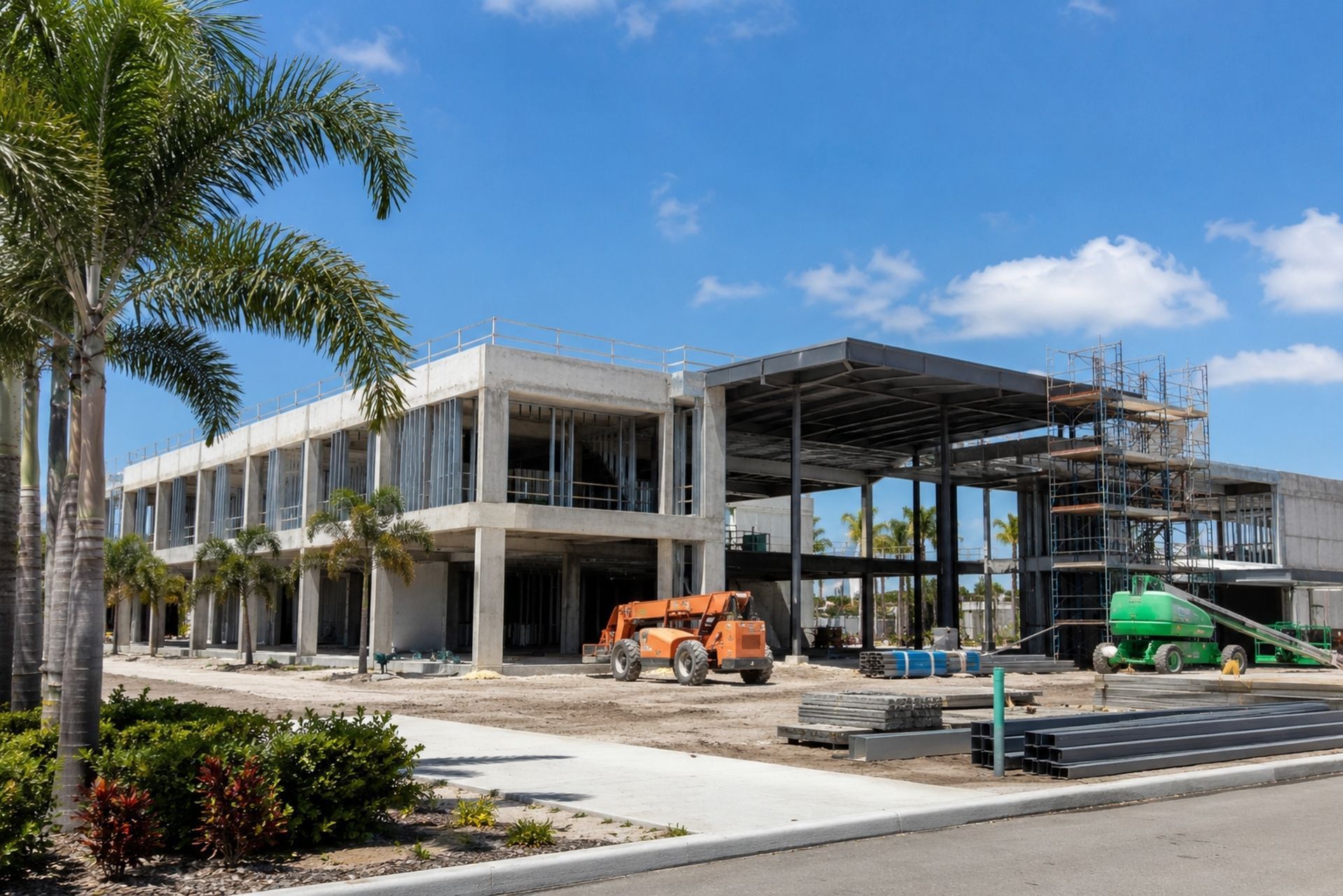
If you've got materials stored at a job site when a named storm hits, your losses can stack up fast. Builders risk policies with wind and flood endorsements are essential for any project lasting more than a few weeks. The 2024 and 2025 hurricane seasons reminded Tampa contractors just how quickly a project timeline and budget can be destroyed by a single storm event.
INDEX
GrayStone Insurance Group is fully licensed and permitted to provide specialty commercial insurance solutions for high-risk and hard-to-place businesses across 17 states.
We proudly serve high-risk and hard-to-place businesses from coast to coast. As an independent specialty brokerage, our team works with leading Excess & Surplus and specialty carriers to make sure restaurants, bars, contractors, trucking companies, manufacturers, and other hard-to-place operations receive coverage that fits their real risks in California, Colorado, Florida, Georgia, Illinois, Iowa, Maryland, Michigan, Missouri, Nevada, New York, North Carolina, South Carolina, Tennessee, Texas, Utah, and Washington.
Every policy has boundaries. Knowing them up front is how you avoid an uncovered claim. Common exclusions include:
Every policy has boundaries. Knowing them up front is how you avoid an uncovered claim. Common exclusions include:
Every policy has boundaries. Knowing them up front is how you avoid an uncovered claim. Common exclusions include:
General Liability responds to the core exposures most operations in this category face. A typical policy answers third-party claims and the defense costs that come with them, so a single incident doesn't put the business at risk.
If your firm provides any design, engineering, or consulting services alongside construction, you need both. A GL policy won't cover a claim alleging your design specifications caused a building envelope failure. That's a professional liability exposure, and it's one of the fastest-growing claim categories in construction.
Florida State Mandates vs. Optional Coverage
Florida law sets the floor for contractor insurance, but the floor isn't always enough. Understanding what's legally required versus what's practically necessary can save you from expensive surprises when a claim hits.
Workers' Compensation Rules for FL Construction
Florida requires workers' compensation coverage for construction businesses with one or more employees, including the business owner in most cases. This is stricter than many other states, where the threshold is often three or more employees. Sole proprietors in construction can exempt themselves, but doing so limits your ability to work as a sub on many projects.
The good news: Florida workers' comp rates have been decreasing for the ninth consecutive year, with an average 6.9% reduction for policies effective January 1, 2026. That's meaningful savings, especially for contractors with larger crews. The maximum compensation rate for 2026 has been updated as well, so it's worth reviewing your policy to make sure you're not overpaying based on outdated classification codes.
General Liability and Property Damage Standards
Florida doesn't technically mandate general liability insurance for all contractors at the state level, but Hillsborough County does for licensed contractors, and virtually every GC and property owner requires it contractually. In practice, you can't operate without it.
Standard GL policies cover third-party bodily injury and property damage claims arising from your work. The typical setup is $1 million per occurrence with a $2 million aggregate, though high-rise and commercial projects often demand higher limits. Completed operations coverage, which protects you after a job is finished, is a frequently overlooked component that matters enormously for contractors whose work could cause issues months or years later.
Comparing Essential Policy Types
Not all policies serve the same purpose, and confusing them is one of the most common mistakes contractors make. Here's a clear breakdown of two policies that sound similar but cover very different things.
Comparison Chart: General Liability vs. Professional Liability
| Feature | General Liability (GL) | Professional Liability (PL) |
|---|---|---|
| What it covers | Bodily injury, property damage, personal injury | Errors, omissions, design flaws, bad advice |
| Who needs it | Every contractor | Design-build firms, engineers, consultants |
| Typical limit | $1M/$2M | $1M/$1M or $2M/$2M |
| Trigger | Physical harm or damage from your work | Financial loss from professional mistakes |
| Claims-made vs. occurrence | Usually occurrence-based | Usually claims-made |
| Required by FL law? | Not at state level, but required locally | No, but often contractually required |
The key distinction: GL covers what your hands do on a job site, while PL covers what your brain recommends. If you're a design-build contractor or you provide any kind of professional consultation as part of your scope, you likely need both.
Every policy has boundaries. Knowing them up front is how you avoid an uncovered claim. Common exclusions include:
Every policy has boundaries. Knowing them up front is how you avoid an uncovered claim. Common exclusions include:
Every policy has boundaries. Knowing them up front is how you avoid an uncovered claim. Common exclusions include:
General Liability responds to the core exposures most operations in this category face. A typical policy answers third-party claims and the defense costs that come with them, so a single incident doesn't put the business at risk.
Specific Risks for Tampa Bay Operators
Tampa's geography and climate create a risk profile that's distinct from even other Florida markets. Contractors here face exposures that require specific policy endorsements and coverage strategies.
Managing Coastal Construction Liability
Working near Tampa Bay's coastline means dealing with environmental regulations, tidal considerations, and heightened wind exposure. Projects within coastal high-hazard areas (CHHA zones) often carry stricter building codes and, by extension, stricter insurance requirements. If your work fails to meet these standards and a storm causes damage, you could face liability claims that a basic GL policy won't fully cover.
Pollution liability is another concern for coastal projects. Disturbing contaminated soil, dealing with stormwater runoff, or accidentally releasing materials into waterways can trigger environmental claims. A contractor pollution liability policy is a smart addition for anyone working near the bay, especially on demolition or renovation projects where unknown contaminants might be present.
Inland Marine Insurance for Mobile Equipment
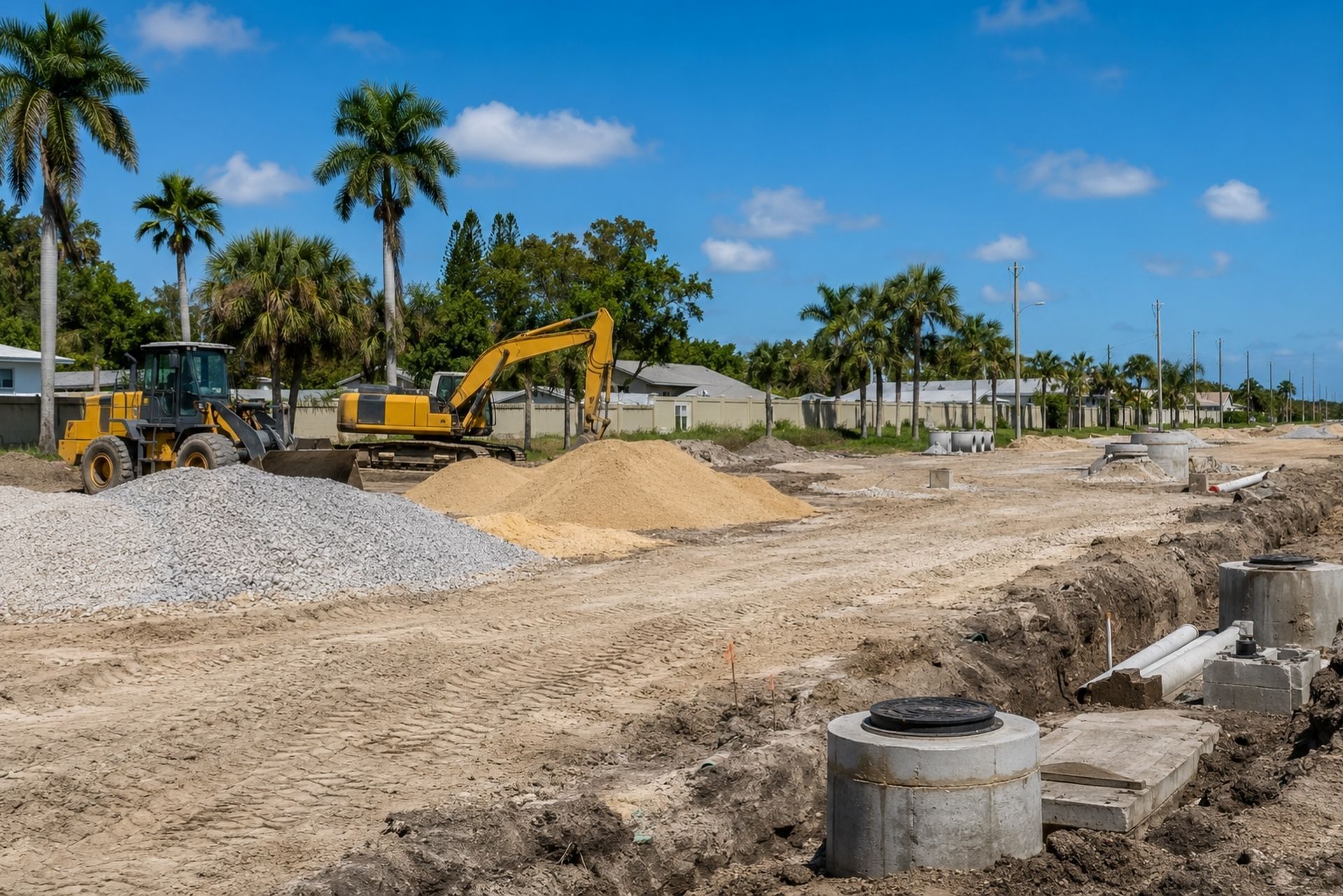
Despite the name, inland marine insurance has nothing to do with boats. It covers tools, equipment, and materials in transit or stored at temporary locations, which is essentially how every contractor operates. Your commercial property policy typically only covers items at your listed business address, leaving a massive gap for anything on a job site or in a work truck.
Tampa contractors regularly move expensive equipment between sites across a sprawling metro area. A single theft from an unlocked trailer or damage from a flash flood at a staging area can mean tens of thousands in losses. Inland marine policies are relatively affordable compared to the exposure they cover, and GrayStone Insurance Group has helped Tampa-area contractors find inland marine coverage even when their loss history made other agencies hesitant to write the policy.
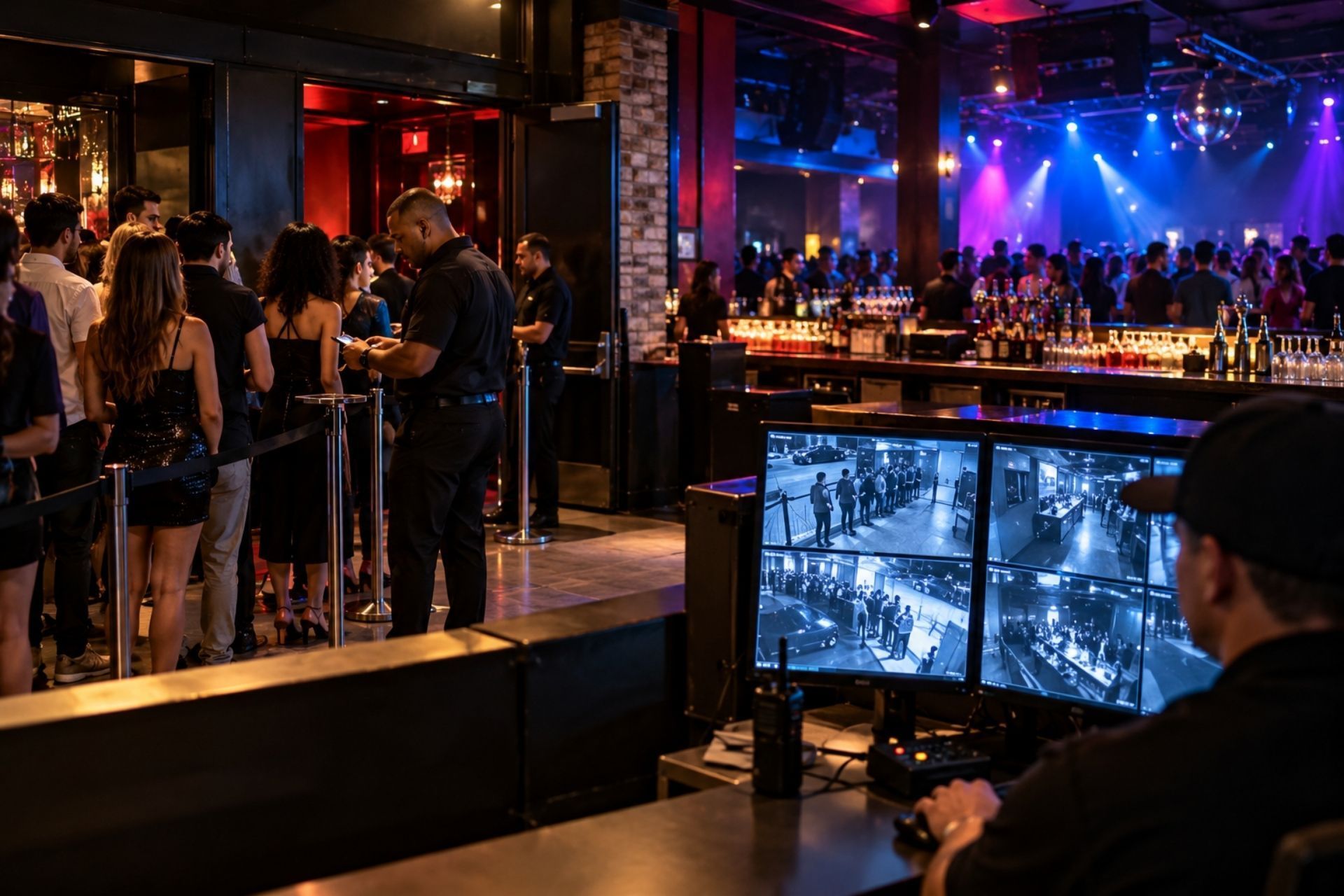
What happens if a show gets canceled last minute?
Standard policies don't cover event cancellation. If a headliner cancels, severe weather shuts you down, or a power outage kills the show, you're absorbing the full financial loss unless you have a dedicated event cancellation policy. These policies typically cover lost ticket revenue, non-refundable deposits, and marketing expenses. For venues that rely on ticket sales as a primary revenue stream, this coverage pays for itself the first time you need it.
Common Questions from Tampa Contractors
FAQ: What new operators need to know
Do I need insurance before I get my Hillsborough County contractor's license? Yes. You'll need to show proof of general liability and, if you have employees, workers' compensation coverage before the county will issue or renew your license.
Can I exempt myself from workers' comp as a sole proprietor? Construction sole proprietors can file for an exemption, but many GCs won't hire you as a sub without workers' comp in place regardless of your exemption status.
How much does general liability cost for a Tampa contractor? Premiums vary widely based on trade, revenue, and claims history. A small residential painter might pay $1,200 to $2,000 annually, while a roofing contractor could pay $8,000 or more due to higher risk classifications.
Does my GL policy cover hurricane damage to a client's property during construction? It depends on the policy language. Wind and storm exclusions are common, and you may need a builders risk policy with wind coverage to fill that gap.
What happens if my insurance lapses? Your contractor's license can be suspended, you'll be unable to pull permits, and you could face fines. Any work performed during a lapse is uninsured, meaning you're personally liable for any claims.
Are there key legal changes in 2026 that affect my coverage needs? Yes. Several construction law updates in 2026 affect permitting, liability standards, and insurance requirements. Review your policies with your broker to ensure compliance.
Every policy has boundaries. Knowing them up front is how you avoid an uncovered claim. Common exclusions include:
Every policy has boundaries. Knowing them up front is how you avoid an uncovered claim. Common exclusions include:
Every policy has boundaries. Knowing them up front is how you avoid an uncovered claim. Common exclusions include:
General Liability responds to the core exposures most operations in this category face. A typical policy answers third-party claims and the defense costs that come with them, so a single incident doesn't put the business at risk.
Making the Right Choice for Your Business
Getting contractor insurance right in Tampa isn't about buying the cheapest policy: it's about matching your coverage to the actual risks you face every day. A roofer in Riverview has different exposures than an electrician working high-rises in Channelside, and their policies should reflect that.
Start by auditing your current coverage against your actual operations. Are you working in flood zones without flood coverage on your builders risk? Do you have inland marine protection for the $40,000 worth of tools in your trailer? Is your workers' comp classification code accurate, or are you overpaying because it was set up incorrectly three years ago?
If your business has been declined by other agencies due to claims history, a newer operation without much track record, or a high-risk trade classification, that's exactly where a firm like GrayStone Insurance Group earns its reputation. Their brokers average 20 years of experience and specialize in placing coverage for contractors that other agencies turn away, backed by a 94% client retention rate that speaks to how well they serve this market.
Don't wait for a claim or a licensing audit to find out you're exposed. Review your coverage now, talk to a broker who understands Tampa's specific risks, and build an insurance portfolio that actually protects what you've worked to build.
ABOUT THE AUTHOR:
CHAD KRAMER
I started GrayStone Insurance Group in 2018 with a simple conviction: the businesses everyone else turns away deserve a broker who won't. What began as a one-person operation has grown into a specialty commercial brokerage with offices across the country — but the mission hasn't changed. We find solutions for high-risk and hard-to-place businesses when other agencies run the other way.
I built this agency on integrity, hard work, and the tenacity to do the hard things well. Through our access to Excess & Surplus and specialty markets, my team and I place coverage standard carriers can't — and I treat every client's business like my own.
If you've been declined, non-renewed, or told your business is too complicated to insure, let's talk.
Coverages & policies
Plain-language coverage, expertly placed.
We lead with commercial lines and round out personal coverage where you need it. Every policy comes with an explanation — not jargon.

Contractors
Third-party bodily injury & property damage — the foundation for any operation.

Liquor Liability
Critical for bars, restaurants and venues serving alcohol — including A&B.

Commercial Property
Buildings, contents and equipment — including distressed and vacant risk.

Workers' Compensation
Statutory coverage for your crew — including high-mod and high-hazard classes.

Commercial Umbrella
Extra liability limits over your primary policies — essential for high-exposure risk.
Products Liability
Manufacturers, CBD and consumer-product exposure — including imports.
What clients say
Brokers who actually place it.
FAQ
Answers for the risks others won't cover
Getting declined, non-renewed, or told your business is "too high-risk" is frustrating — but it doesn't mean you're out of options. Here are answers to the questions we hear most from business owners who need coverage the standard market won't provide.
What kind of insurance does GrayStone specialize in?
We're a specialty commercial brokerage built for high-risk and hard-to-place businesses — the risks standard carriers often turn away. Through our access to Excess & Surplus (E&S) and specialty markets, we place coverage that everyday agencies can't. Hospitality and construction are among our deepest areas of expertise.
My business was declined or non-renewed elsewhere. Can you still help?
That's exactly what we do. A decline, a non-renewal, or a tough claims history doesn't mean you're out of options — it means your risk needs a broker with the right market access. Tell us your situation and we'll get to work finding a fit.
What is Excess & Surplus (E&S) insurance?
E&S is specialty coverage for risks that standard "admitted" carriers won't write — often because a business is higher-risk, unusual, or has a complex history. As an independent broker, we tap into these specialty markets to place coverage where a typical agency hits a dead end.
What industries do you work with?
We cover a wide range of commercial industries — from restaurants, bars, and hospitality to contractors, trucking, manufacturing, cannabis, and more. If your industry is considered high-risk or hard-to-place, there's a good chance we've handled it.
Will you work with businesses that have prior claims or losses?
Yes. Prior claims and losses are part of many of the risks we place every day. Every business is evaluated on its own merits — and a rocky history is often exactly why a specialty broker can help where others won't.
Are you an independent broker?
Yes. We're not tied to a single carrier, so we shop your risk across multiple specialty and E&S markets to find coverage that actually fits — instead of forcing you into a one-size-fits-all policy.
Insights & resources
Know your risk before you buy.