
General Liability responds to the core exposures most operations in this category face. A typical policy answers third-party claims and the defense costs that come with them, so a single incident doesn't put the business at risk.
Running a live music venue in Georgia means dealing with risks that most business owners never think about until something goes wrong: a speaker stack falls on a patron, a bartender over-serves someone who then causes an accident, or a headliner cancels three hours before doors open. Insurance for Georgia music venues isn't just a box to check - it's the difference between surviving a bad night and closing your doors permanently. Whether you operate a 100-capacity dive bar in Athens or a 2,000-seat concert hall in Atlanta, the insurance requirements, costs, and compliance obligations are specific, sometimes confusing, and absolutely non-negotiable. This guide breaks down exactly what GA venue operators need to know about coverage types, legal mandates, cost factors, and how to avoid the mistakes that sink otherwise solid businesses. If you've been quoted premiums that made your eyes water, or if you've been declined coverage entirely, there's a reason venues fall into the "hard-to-place" category - and there are solutions designed specifically for operators like you.
Essential Insurance Coverages for Georgia Music Venues
Every venue needs a foundation of coverage before it books a single act. The core policies aren't optional extras; they're the minimum barrier between your business and financial ruin. Georgia doesn't have a single statute that says "music venues must carry X policy," but a combination of state laws, landlord requirements, municipal permits, and contract riders from booking agents effectively mandate several types of coverage. Skip any one of them, and you'll find out the hard way - usually when a claim hits and you're holding the bill personally.
The three non-negotiable categories are liability coverage, property and equipment protection, and workers' compensation. Each has Georgia-specific wrinkles that matter.
General Liability and Liquor Liability Basics
General liability (GL) is your first line of defense. It covers bodily injury, property damage, and personal injury claims from third parties - think a concertgoer who trips on a cable, slips on a wet floor, or gets hit by a crowd surfer. Most landlords and municipalities require a minimum of $1 million per occurrence and $2 million aggregate.
Liquor liability is a separate policy (or endorsement) that covers claims arising from alcohol service. If your venue serves drinks - and most do - this isn't optional in practice. Georgia's dram shop statutes create real exposure here, and a standard GL policy explicitly excludes alcohol-related claims. Expect liquor liability to run 25-40% of your GL premium, depending on your revenue mix and claims history.
Protecting Instruments and Sound Equipment
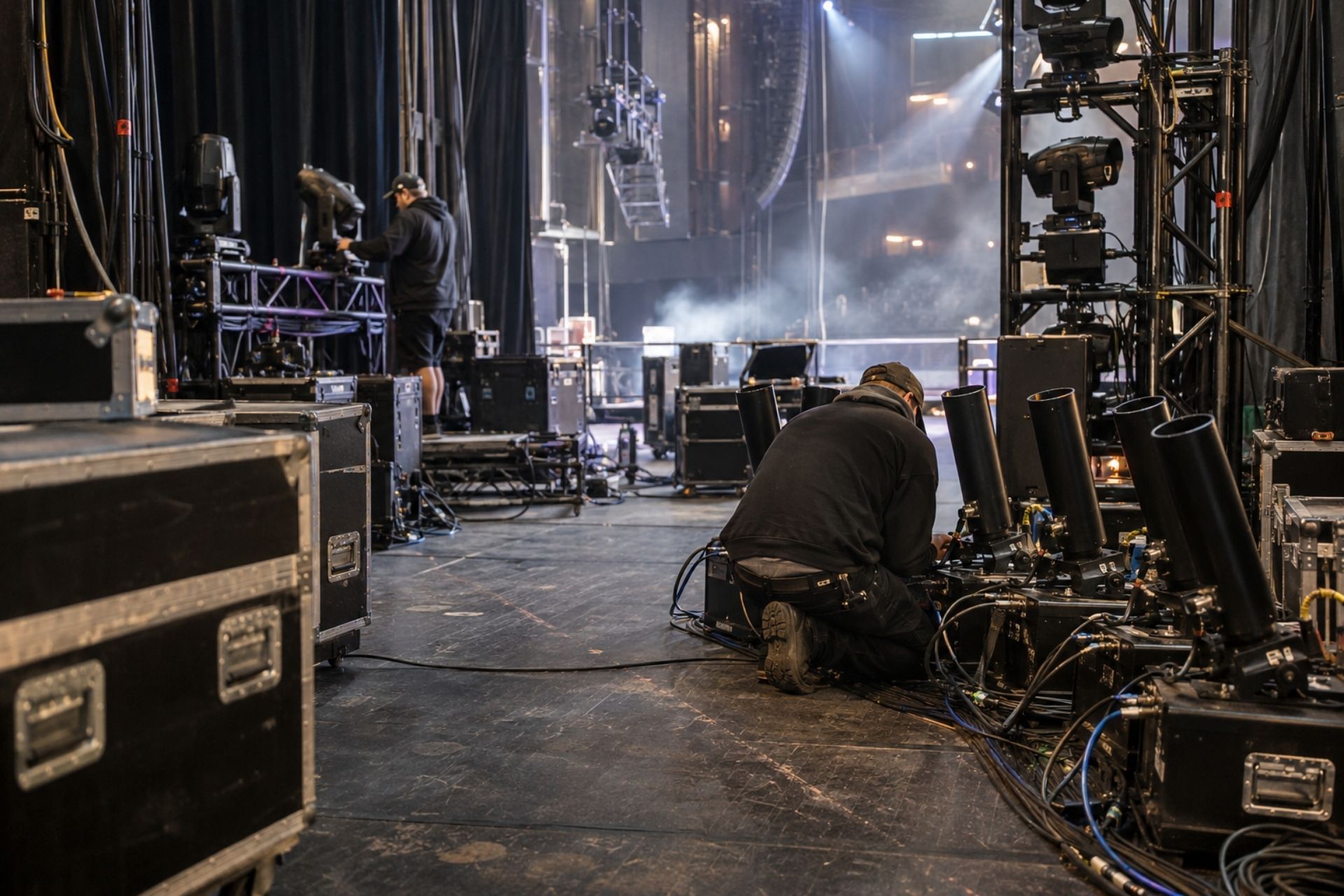
Your house sound system, lighting rig, and backline gear represent a serious capital investment. A standard commercial property policy may cover the building itself, but it often caps equipment coverage or excludes items used in entertainment settings. You need an inland marine policy or a specific equipment floater that covers your gear against theft, damage, and transit losses.
One common mistake: assuming the touring band's gear is their problem. It usually is, contractually. But if a piece of your house equipment damages their gear - say a faulty power supply fries a $30,000 guitar amp - you're liable. A well-structured property policy accounts for this. GrayStone Insurance Group works with venue operators to identify these gaps, since their brokers have seen enough blown-amp claims to know where standard policies fall short.
Workers' Compensation Laws in Georgia
Georgia requires workers' compensation for any business with three or more employees. That threshold is lower than many states, and it catches a lot of small venue operators off guard. Your door staff, bartenders, sound engineers, and even regular part-time stagehands count toward that number.
The penalties for non-compliance are steep: fines up to $10,000 and potential criminal misdemeanor charges. Georgia's State Board of Workers' Compensation actively investigates complaints, and injured employees who discover you lack coverage can sue you directly - without the protections that workers' comp provides to employers. Don't gamble on this one.
INDEX
GrayStone Insurance Group is fully licensed and permitted to provide specialty commercial insurance solutions for high-risk and hard-to-place businesses across 17 states.
We proudly serve high-risk and hard-to-place businesses from coast to coast. As an independent specialty brokerage, our team works with leading Excess & Surplus and specialty carriers to make sure restaurants, bars, contractors, trucking companies, manufacturers, and other hard-to-place operations receive coverage that fits their real risks in California, Colorado, Florida, Georgia, Illinois, Iowa, Maryland, Michigan, Missouri, Nevada, New York, North Carolina, South Carolina, Tennessee, Texas, Utah, and Washington.
Every policy has boundaries. Knowing them up front is how you avoid an uncovered claim. Common exclusions include:
Every policy has boundaries. Knowing them up front is how you avoid an uncovered claim. Common exclusions include:
Every policy has boundaries. Knowing them up front is how you avoid an uncovered claim. Common exclusions include:
General Liability responds to the core exposures most operations in this category face. A typical policy answers third-party claims and the defense costs that come with them, so a single incident doesn't put the business at risk.
If your firm provides any design, engineering, or consulting services alongside construction, you need both. A GL policy won't cover a claim alleging your design specifications caused a building envelope failure. That's a professional liability exposure, and it's one of the fastest-growing claim categories in construction.
Comparing Coverage: Basic vs. Comprehensive Protection
Not every venue needs the same level of coverage, but most operators underestimate what they actually need. Here's a side-by-side look at basic versus comprehensive protection:
| Coverage Area | Basic Package | Comprehensive Package |
|---|---|---|
| General Liability | $1M per occurrence / $2M aggregate | $2M per occurrence / $5M aggregate |
| Liquor Liability | Included as endorsement, $500K limit | Standalone policy, $1M+ limit |
| Property/Equipment | Building only, $250K cap | Building + equipment floater, $1M+ |
| Workers' Comp | State minimum as required | Enhanced with employer's liability |
| Event Cancellation | Not included | Covered (weather, artist no-show) |
| Umbrella/Excess | Not included | $1M-$5M umbrella |
| Cyber Liability | Not included | Included (ticketing data breach) |
A basic package might cost 40-50% less, but it leaves gaps that are expensive to discover after a claim. The comprehensive approach is what most venues operating three or more nights per week actually need.
| Coverage Type | Basic Package | Comprehensive Package |
|---|---|---|
| General Liability | $1M per occurrence | $2M+ per occurrence |
| Property Coverage | Building contents only | Contents + equipment floaters |
| Liquor Liability | $500K limit | $1M-$2M limit |
| Workers' Comp | State minimum | State minimum + employer's liability |
| Event Cancellation | Not included | Per-event or annual policy |
| Cyber Liability | Not included | Covers ticketing data breaches |
| Umbrella/Excess | Not included | $1M-$5M excess layer |
| Hired/Non-Owned Auto | $8,000-$15,000 | $25,000-$60,000+ |
Georgia Compliance and Legal Requirements
Georgia has specific legal frameworks that directly affect how you structure your insurance. Ignoring them doesn't just create coverage gaps - it creates personal liability for owners and managers.
Dram Shop Laws and Liability Risks
Georgia's dram shop laws hold alcohol-serving establishments liable when they serve a visibly intoxicated person or a minor who then causes injury to a third party. Recent legislative activity around liability standards has kept this area in flux, making it critical for venue operators to stay current.
The practical impact: if your bartender serves someone who's clearly drunk, and that person injures someone after leaving your venue, you're on the hook. Claims under dram shop laws frequently involve significant settlements and can easily exceed $500,000. Your liquor liability policy is the only thing standing between that claim and your personal assets. Training staff in responsible alcohol service isn't just good practice - it's a documented risk mitigation step that insurers want to see.
Fire Safety and Capacity Regulation Compliance
Georgia's fire safety codes are enforced at the state level through the Insurance Commissioner's office, and local fire marshals conduct inspections that can shut you down on the spot. Venues must comply with fire marshal regulations covering occupancy limits, exit signage, sprinkler systems, and pyrotechnic restrictions.
Fire incidents must be reported through Georgia's fire incident reporting system, and failure to maintain compliance can void your property insurance entirely. If your venue uses any stage effects involving flame, fog, or haze machines, your insurer needs to know. Undisclosed hazards are the fastest way to have a claim denied.
Every policy has boundaries. Knowing them up front is how you avoid an uncovered claim. Common exclusions include:
Every policy has boundaries. Knowing them up front is how you avoid an uncovered claim. Common exclusions include:
Every policy has boundaries. Knowing them up front is how you avoid an uncovered claim. Common exclusions include:
General Liability responds to the core exposures most operations in this category face. A typical policy answers third-party claims and the defense costs that come with them, so a single incident doesn't put the business at risk.
Estimating Costs and Premium Influencers
Insurance costs for Georgia music venues vary wildly based on a handful of key factors. A 150-capacity bar with a small stage pays a fraction of what a 1,500-seat dedicated concert venue pays, but both might be surprised by what drives their premiums up or down.
How Venue Size and Location Impact Rates
Daily insurance costs for small indoor concerts hosting up to 300 guests range from $188 to $280, while larger-scale events can run significantly higher. Annual policies for full-time venues typically range from $8,000 to $35,000 for a comprehensive package, depending on capacity, location, and revenue.
Atlanta venues pay more than those in Macon or Savannah, partly because of higher property values and partly because urban locations see more claims. Venues in historic buildings face surcharges for older electrical systems and limited egress options. If your building was constructed before 1980, expect your property premium to reflect that reality.
The Role of Safety Protocols in Lowering Premiums
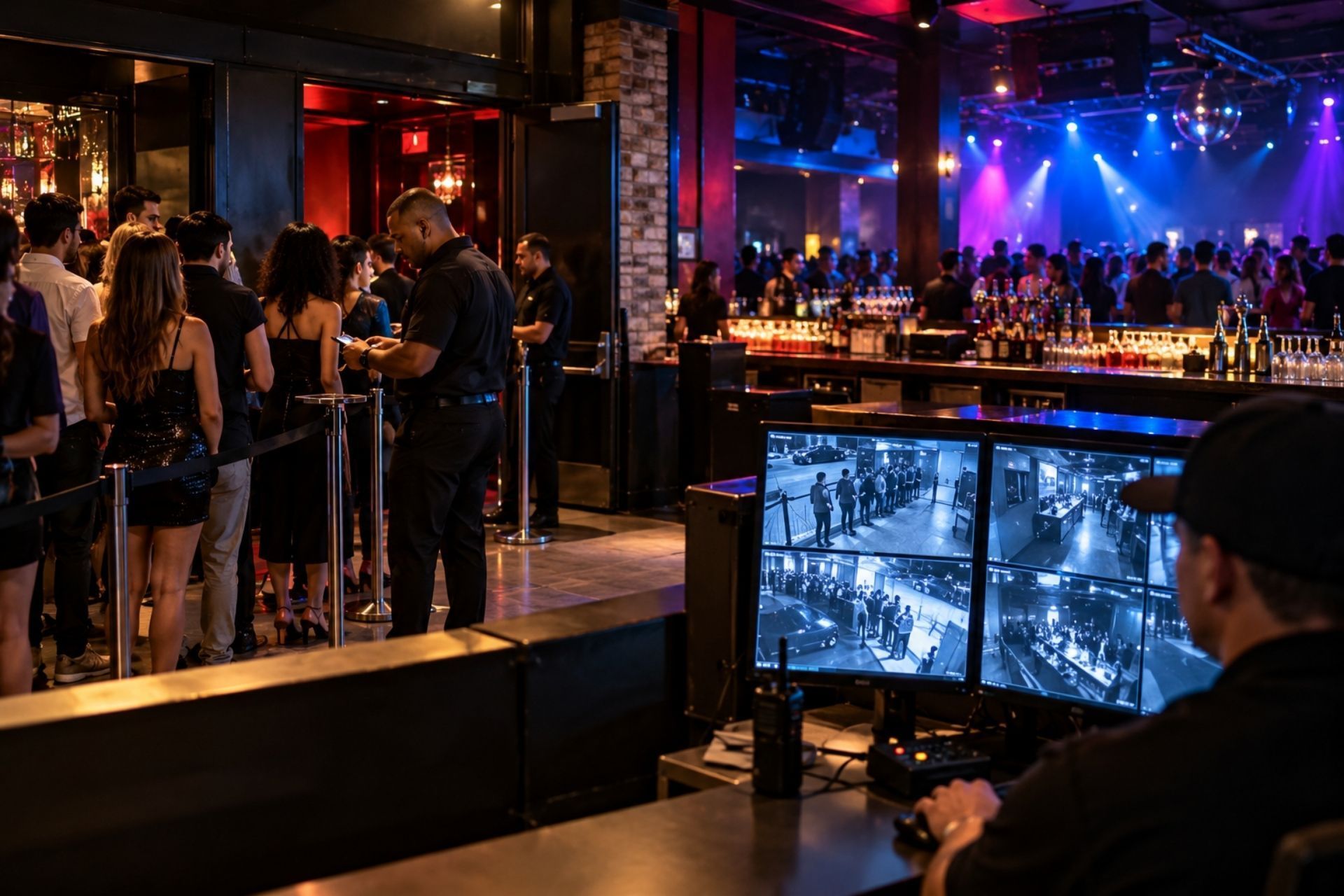
Insurers reward venues that take risk management seriously. Documented safety protocols can reduce your premiums by 10-20%. The most impactful steps include installing and maintaining security cameras at all entry and exit points, implementing TIPS-certified alcohol training for all bar staff, conducting quarterly fire safety drills and maintaining inspection records, and hiring licensed security personnel rather than relying on volunteer staff.
GrayStone Insurance Group uses data-driven risk modeling to help venue operators identify which safety investments deliver the biggest premium reductions. Their team has found that venues with documented security protocols and camera systems see measurably fewer liability claims - and insurers price that difference into your policy.
Common Questions About Venue Insurance
How much does insurance usually cost for a small club?
A small club (under 300 capacity) in Georgia typically pays between $8,000 and $15,000 annually for a package including general liability, liquor liability, and property coverage. Workers' comp adds another $2,000-$6,000 depending on payroll size. Per-event coverage for one-off shows runs $188-$280 per day.
Do I need special coverage if bands bring their own gear?
Generally, the band's gear is covered under their own policy or their management's coverage. However, you should require a certificate of insurance from touring acts and ensure your contract includes a mutual indemnification clause. If your venue's equipment or negligence damages their gear, your property or GL policy would respond - not theirs.
Is liquor liability mandatory for Georgia venues?
There's no Georgia statute that explicitly mandates liquor liability insurance for all alcohol-serving establishments. But your liquor license application, landlord lease, and booking contracts almost certainly require it. And given Georgia's dram shop exposure, operating without it is a risk no reasonable operator should take. Event insurance policies in Georgia often require proof of liquor liability as a condition of coverage.
What happens if a show gets canceled due to weather?
Standard GL and property policies don't cover event cancellation. You need a separate event cancellation policy or endorsement, which typically covers weather, artist illness or no-show, and venue damage that prevents the event. These policies usually cost 1-3% of your projected event revenue and have specific claim windows - you can't buy coverage the day before a hurricane arrives.
Every policy has boundaries. Knowing them up front is how you avoid an uncovered claim. Common exclusions include:
Every policy has boundaries. Knowing them up front is how you avoid an uncovered claim. Common exclusions include:
Every policy has boundaries. Knowing them up front is how you avoid an uncovered claim. Common exclusions include:
General Liability responds to the core exposures most operations in this category face. A typical policy answers third-party claims and the defense costs that come with them, so a single incident doesn't put the business at risk.
Next Steps for Securing Your Venue
Getting the right insurance for a Georgia music venue isn't something you solve with a quick online quote. Venues are classified as high-risk by most carriers, which means standard commercial insurance agents often can't place your coverage at all - or they'll offer bare-minimum policies with exclusions that gut your protection exactly when you need it.
Start by auditing your current coverage against the categories outlined above. Check for gaps in liquor liability limits, equipment coverage, and event cancellation. Review your workers' comp compliance if you have three or more employees. Pull your lease and liquor license to confirm what minimums you're contractually obligated to carry.
Then talk to a broker who actually understands entertainment risk. GrayStone Insurance Group specializes in hard-to-place businesses like music venues, with brokers averaging 20 years of industry experience and a 94% client retention rate that speaks to how they handle claims when things go sideways. They can model your specific risk profile and find carriers willing to write comprehensive coverage at competitive rates.
The worst time to discover a coverage gap is after someone gets hurt, gear gets stolen, or a fire marshal shuts you down mid-show. Get your insurance right before you book your next act.
ABOUT THE AUTHOR:
CHAD KRAMER
I started GrayStone Insurance Group in 2018 with a simple conviction: the businesses everyone else turns away deserve a broker who won't. What began as a one-person operation has grown into a specialty commercial brokerage with offices across the country — but the mission hasn't changed. We find solutions for high-risk and hard-to-place businesses when other agencies run the other way.
I built this agency on integrity, hard work, and the tenacity to do the hard things well. Through our access to Excess & Surplus and specialty markets, my team and I place coverage standard carriers can't — and I treat every client's business like my own.
If you've been declined, non-renewed, or told your business is too complicated to insure, let's talk.
Coverages & policies
Plain-language coverage, expertly placed.
We lead with commercial lines and round out personal coverage where you need it. Every policy comes with an explanation — not jargon.

Contractors
Third-party bodily injury & property damage — the foundation for any operation.

Liquor Liability
Critical for bars, restaurants and venues serving alcohol — including A&B.

Commercial Property
Buildings, contents and equipment — including distressed and vacant risk.

Workers' Compensation
Statutory coverage for your crew — including high-mod and high-hazard classes.

Commercial Umbrella
Extra liability limits over your primary policies — essential for high-exposure risk.
Products Liability
Manufacturers, CBD and consumer-product exposure — including imports.
What clients say
Brokers who actually place it.
FAQ
Answers for the risks others won't cover
Getting declined, non-renewed, or told your business is "too high-risk" is frustrating — but it doesn't mean you're out of options. Here are answers to the questions we hear most from business owners who need coverage the standard market won't provide.
What kind of insurance does GrayStone specialize in?
We're a specialty commercial brokerage built for high-risk and hard-to-place businesses — the risks standard carriers often turn away. Through our access to Excess & Surplus (E&S) and specialty markets, we place coverage that everyday agencies can't. Hospitality and construction are among our deepest areas of expertise.
My business was declined or non-renewed elsewhere. Can you still help?
That's exactly what we do. A decline, a non-renewal, or a tough claims history doesn't mean you're out of options — it means your risk needs a broker with the right market access. Tell us your situation and we'll get to work finding a fit.
What is Excess & Surplus (E&S) insurance?
E&S is specialty coverage for risks that standard "admitted" carriers won't write — often because a business is higher-risk, unusual, or has a complex history. As an independent broker, we tap into these specialty markets to place coverage where a typical agency hits a dead end.
What industries do you work with?
We cover a wide range of commercial industries — from restaurants, bars, and hospitality to contractors, trucking, manufacturing, cannabis, and more. If your industry is considered high-risk or hard-to-place, there's a good chance we've handled it.
Will you work with businesses that have prior claims or losses?
Yes. Prior claims and losses are part of many of the risks we place every day. Every business is evaluated on its own merits — and a rocky history is often exactly why a specialty broker can help where others won't.
Are you an independent broker?
Yes. We're not tied to a single carrier, so we shop your risk across multiple specialty and E&S markets to find coverage that actually fits — instead of forcing you into a one-size-fits-all policy.
Insights & resources
Know your risk before you buy.