
General Liability responds to the core exposures most operations in this category face. A typical policy answers third-party claims and the defense costs that come with them, so a single incident doesn't put the business at risk.
Fort Worth sits at one of the busiest freight crossroads in the country. With two major interstates converging, a booming population, and industrial corridors stretching across Tarrant County, trucks here don't just pass through: they work. Owner-operators and fleet managers running rigs out of Fort Worth face a unique mix of congestion, weather risk, and regulatory pressure that generic insurance policies weren't built to handle. Getting the right commercial trucking insurance as a Fort Worth operator means understanding what Texas requires, what your specific routes demand, and where the real coverage gaps hide. Most carriers don't find out about those gaps until a claim gets denied. This piece breaks down local coverage requirements, state mandates, and the specific challenges Fort Worth trucking operations deal with every day, so you can make informed decisions before something goes wrong. If you've been shopping for a policy based on price alone, you're likely exposed in ways you haven't considered.
Navigating the Fort Worth Commercial Trucking Landscape
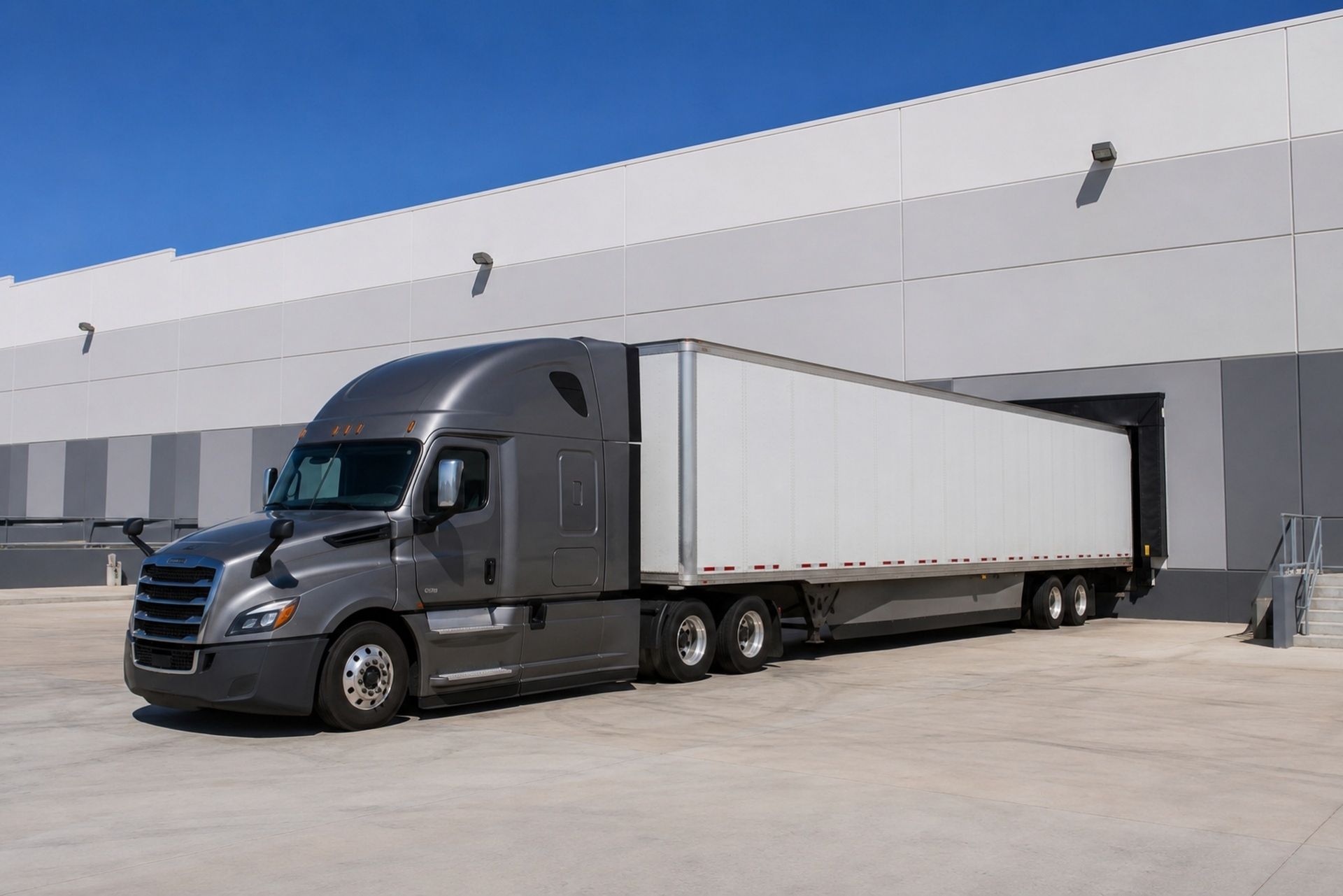
Fort Worth's position as a freight hub creates both opportunity and risk. The city handles a massive volume of commercial vehicle traffic daily, with the Alliance Texas corridor alone generating thousands of truck movements tied to distribution, manufacturing, and intermodal logistics. That density of activity means more exposure to accidents, cargo damage, and liability claims. Carriers operating here need policies that reflect the actual conditions on the ground, not a one-size-fits-all template designed for rural long-haul routes.
The Impact of I-35 and Local Traffic Congestion
I-35W runs directly through Fort Worth, and anyone who's driven it during rush hour knows it's a bottleneck. The interchange where I-35W meets I-30 is consistently ranked among the most congested freight corridors in Texas. Heavy truck traffic mixed with commuter vehicles creates a higher-than-average accident rate, and those accidents tend to involve larger claims because of the vehicle sizes involved. Congestion also increases the time trucks spend on the road, which raises exposure windows for incidents. Your insurer should understand that a Fort Worth-based fleet faces different risk math than one operating out of a smaller Texas city.
Why Local Knowledge Matters for Fort Worth Carriers
A broker who knows Fort Worth understands the difference between running loads out of the Alliance corridor versus hauling equipment to job sites in south Tarrant County. Route-specific risks, local construction zones, and even the condition of particular stretches of highway all factor into accurate underwriting. Agencies like GrayStone Insurance Group, where brokers average 20 years of industry experience, can match coverage to actual operational patterns rather than relying on zip-code-level assumptions. That kind of specificity often saves money on premiums while providing better protection where it counts.
INDEX
Navigating the Fort Worth Commercial Trucking Landscape
Texas State Insurance Requirements for Commercial Vehicles
Comparing Primary Liability and General Liability Coverage
How Fort Worth Trucking Insurance Costs Compare Across Texas
Unique Risks Facing Tarrant County Trucking Operations
Common Questions About Trucking Insurance in Fort Worth
What Owner-Operators Get Wrong About Coverage
How to Lower Your Fort Worth Trucking Insurance Premiums
Understanding Trucking Insurance for Fort Worth's Growing Last-Mile Sector
Why Specialized Brokers Outperform Direct Carriers for Fort Worth Trucking
GrayStone Insurance Group is fully licensed and permitted to provide specialty commercial insurance solutions for high-risk and hard-to-place businesses across 17 states.
We proudly serve high-risk and hard-to-place businesses from coast to coast. As an independent specialty brokerage, our team works with leading Excess & Surplus and specialty carriers to make sure restaurants, bars, contractors, trucking companies, manufacturers, and other hard-to-place operations receive coverage that fits their real risks in California, Colorado, Florida, Georgia, Illinois, Iowa, Maryland, Michigan, Missouri, Nevada, New York, North Carolina, South Carolina, Tennessee, Texas, Utah, and Washington.
Every policy has boundaries. Knowing them up front is how you avoid an uncovered claim. Common exclusions include:
Every policy has boundaries. Knowing them up front is how you avoid an uncovered claim. Common exclusions include:
Every policy has boundaries. Knowing them up front is how you avoid an uncovered claim. Common exclusions include:
General Liability responds to the core exposures most operations in this category face. A typical policy answers third-party claims and the defense costs that come with them, so a single incident doesn't put the business at risk.
If your firm provides any design, engineering, or consulting services alongside construction, you need both. A GL policy won't cover a claim alleging your design specifications caused a building envelope failure. That's a professional liability exposure, and it's one of the fastest-growing claim categories in construction.
Texas State Insurance Requirements for Commercial Vehicles
Texas doesn't mess around with commercial vehicle insurance requirements. The state sets clear minimums, and falling below them can result in fines, registration suspensions, or loss of operating authority. Understanding these requirements is the baseline: not the ceiling.
Minimum Liability Limits and TXDMV Filings
Texas requires commercial motor vehicles to carry liability insurance, with minimums depending on the type of operation. For-hire carriers transporting general freight need at least $750,000 in liability coverage. Household goods movers need $300,000 to $5,000,000 depending on vehicle size. The Texas Department of Motor Vehicles requires proof of insurance through Form E or Form H filings, and lapses in coverage trigger automatic suspension of your registration. If you're operating under federal authority (FMCSA), the requirements can be even higher, with $1,000,000 being the standard for most interstate carriers.
Cargo Insurance and Physical Damage Protection
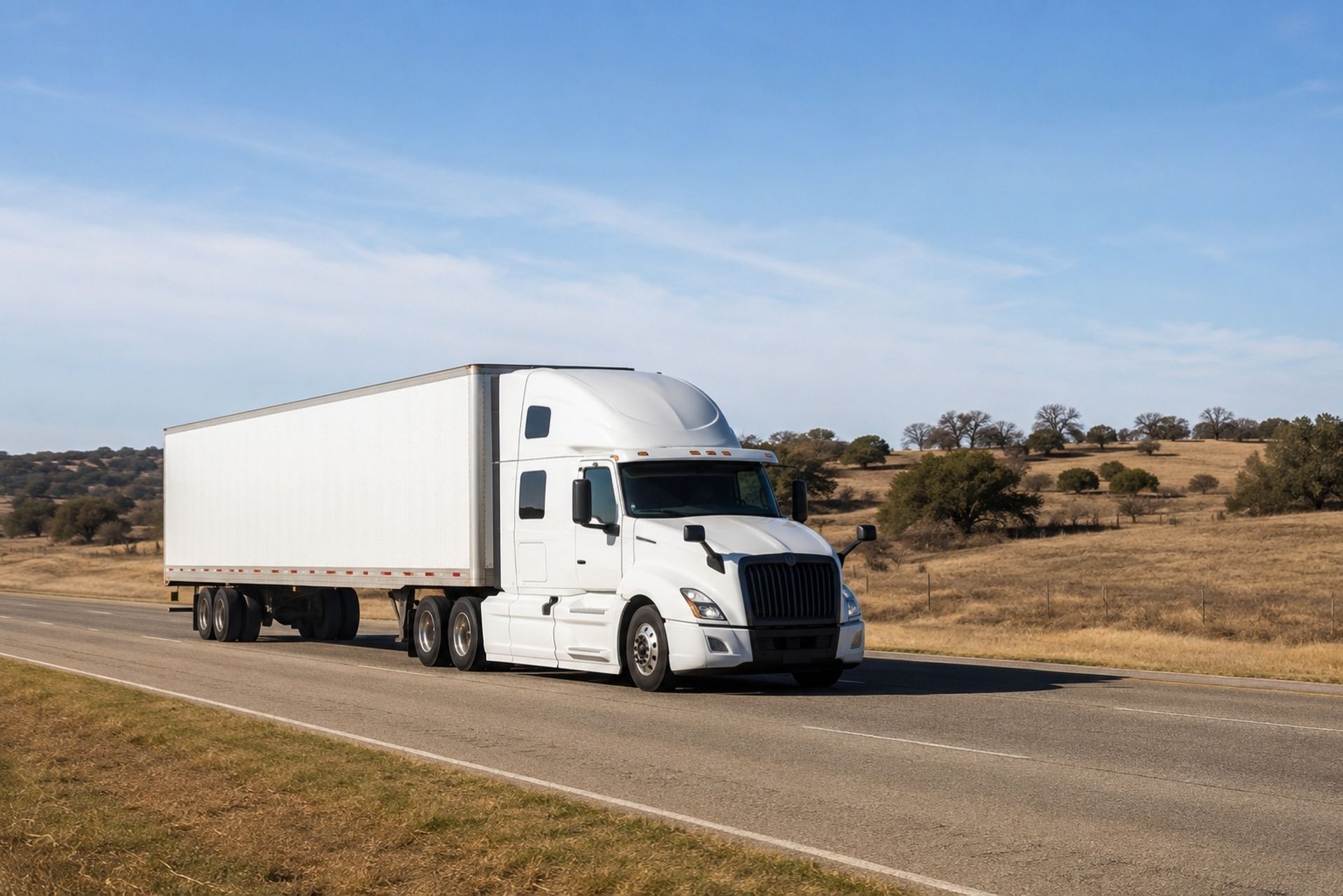
Cargo insurance isn't technically mandated by Texas state law for all carriers, but most shippers and brokers require it before they'll tender a load. Standard cargo policies cover loss or damage to freight while in transit, and typical coverage ranges from $100,000 to $250,000 per occurrence. Physical damage coverage for your trucks themselves is separate and covers collision, fire, theft, and weather damage. Given the cost of a new Class 8 tractor exceeding $180,000 in 2026, skipping physical damage coverage is a gamble most operators can't afford.
Comparing Primary Liability and General Liability Coverage
These two types of coverage sound similar but protect against very different things. Confusing them is one of the most common mistakes trucking operators make.
| Feature | Primary Auto Liability | General Liability |
|---|---|---|
| What it covers | Bodily injury and property damage from truck accidents | Injuries or damage at your business premises or from non-driving operations |
| Required by law? | Yes, for all commercial vehicles | Not state-mandated, but often contractually required |
| Typical limits | $750,000 to $1,000,000+ | $1,000,000 per occurrence / $2,000,000 aggregate |
| Example claim | Your driver rear-ends a car on I-30 | A visitor slips on ice at your truck yard |
| Who needs it | Every trucking operation | Any operation with a physical location or customer-facing staff |
Most brokers and shippers require both. If you only carry primary auto liability, you're unprotected against a whole category of claims that happen off the road.
Every policy has boundaries. Knowing them up front is how you avoid an uncovered claim. Common exclusions include:
Every policy has boundaries. Knowing them up front is how you avoid an uncovered claim. Common exclusions include:
Every policy has boundaries. Knowing them up front is how you avoid an uncovered claim. Common exclusions include:
General Liability responds to the core exposures most operations in this category face. A typical policy answers third-party claims and the defense costs that come with them, so a single incident doesn't put the business at risk.
How Fort Worth Trucking Insurance Costs Compare Across Texas
Fort Worth premiums tend to run higher than the state average, and there are concrete reasons for that. Urban density, high traffic volume, and the frequency of severe weather events all push rates up. A single-truck owner-operator in Fort Worth might pay $12,000 to $18,000 annually for a basic liability policy, while the same operator in a smaller Texas city like Abilene might pay $8,000 to $12,000. Fleet operators with five or more trucks can sometimes negotiate better per-unit rates, but the base cost still reflects Fort Worth's risk profile. Shopping multiple carriers matters here, and working with a broker who specializes in hard-to-place commercial risks can make a real difference in both price and coverage quality.
What happens if a show gets canceled last minute?
Standard policies don't cover event cancellation. If a headliner cancels, severe weather shuts you down, or a power outage kills the show, you're absorbing the full financial loss unless you have a dedicated event cancellation policy. These policies typically cover lost ticket revenue, non-refundable deposits, and marketing expenses. For venues that rely on ticket sales as a primary revenue stream, this coverage pays for itself the first time you need it.
Unique Risks Facing Tarrant County Trucking Operations
Tarrant County has its own set of hazards that directly affect insurance claims and premiums. Two stand out above the rest.
Severe Weather and Hail Damage Considerations
North Texas is part of "Hail Alley," and Fort Worth regularly gets hit with storms that can total a truck's cab, damage trailers, and destroy cargo. The spring storm season from March through June is particularly brutal. A single hailstorm can generate millions in claims across a fleet. Comprehensive physical damage coverage with low deductibles is worth the premium increase if your trucks are parked outdoors. Some operators invest in covered parking just to reduce their exposure, and insurers will sometimes offer discounts for that kind of risk mitigation.
Theft and Vandalism Trends in North Texas
Cargo theft in the Dallas-Fort Worth area is a growing problem. Cargo theft incidents in the DFW "red zone" rose by 22% in the first half of 2026 compared to the same period last year, making it one of the highest-risk metro areas in the country for freight crime. Thieves target truck stops, unsecured lots, and even loads sitting at shipper facilities. Standard cargo policies cover theft, but many have exclusions for unattended vehicles or require specific security measures like GPS tracking and sealed trailers. Read your policy language carefully, because a denied theft claim on a $200,000 load of electronics will hurt far more than the premium savings you thought you were getting.
Every policy has boundaries. Knowing them up front is how you avoid an uncovered claim. Common exclusions include:
Every policy has boundaries. Knowing them up front is how you avoid an uncovered claim. Common exclusions include:
Every policy has boundaries. Knowing them up front is how you avoid an uncovered claim. Common exclusions include:
General Liability responds to the core exposures most operations in this category face. A typical policy answers third-party claims and the defense costs that come with them, so a single incident doesn't put the business at risk.
Common Questions About Trucking Insurance in Fort Worth
How much does commercial trucking insurance cost in Fort Worth? Expect $12,000 to $18,000 per year for a single truck with basic liability. Costs increase with additional coverage types, higher limits, and driver history issues.
Do I need cargo insurance if I'm an owner-operator? Texas doesn't mandate it for all carriers, but nearly every broker and shipper requires it. Going without it limits your available freight and exposes you to massive out-of-pocket losses.
Can I get insured with a new MC number? Yes, but options are limited and premiums are higher. Agencies experienced with new ventures, like GrayStone Insurance Group, specialize in placing coverage for operators that standard carriers often decline.
Does my policy cover hail damage? Only if you carry comprehensive physical damage coverage. Basic liability won't pay for weather damage to your truck.
What happens if my insurance lapses? TXDMV will suspend your registration, and you'll face fines. Reinstating coverage after a lapse also typically results in higher premiums.
Are there discounts for safety technology? Many insurers offer premium reductions for dash cams, ELD compliance, collision avoidance systems, and driver training programs.
What happens if a show gets canceled last minute?
Standard policies don't cover event cancellation. If a headliner cancels, severe weather shuts you down, or a power outage kills the show, you're absorbing the full financial loss unless you have a dedicated event cancellation policy. These policies typically cover lost ticket revenue, non-refundable deposits, and marketing expenses. For venues that rely on ticket sales as a primary revenue stream, this coverage pays for itself the first time you need it.
What Owner-Operators Get Wrong About Coverage
The biggest mistake is buying the cheapest policy available and assuming it covers everything. Minimum liability limits satisfy the state, but they won't cover a serious accident involving injuries. A single multi-vehicle crash on I-35 can generate claims exceeding $1 million, and if your policy caps at $750,000, you're personally liable for the rest. Another common error is ignoring bobtail or non-trucking liability coverage. If you're driving your truck without a trailer, your primary auto liability policy may not apply. That gap has caught more than a few operators off guard.
Every policy has boundaries. Knowing them up front is how you avoid an uncovered claim. Common exclusions include:
Every policy has boundaries. Knowing them up front is how you avoid an uncovered claim. Common exclusions include:
Every policy has boundaries. Knowing them up front is how you avoid an uncovered claim. Common exclusions include:
General Liability responds to the core exposures most operations in this category face. A typical policy answers third-party claims and the defense costs that come with them, so a single incident doesn't put the business at risk.
How to Lower Your Fort Worth Trucking Insurance Premiums
You don't have to accept the first quote you get. Here are practical ways to bring costs down:
- Maintain a clean CSA score and address any violations immediately
- Install forward-facing dash cameras on every truck in your fleet
- Bundle multiple coverage types (liability, cargo, physical damage) with one carrier
- Increase deductibles on physical damage if you have cash reserves to self-insure smaller losses
- Hire experienced drivers with clean MVRs: driver history is the single biggest rating factor
These aren't theoretical suggestions. Operators who implement three or more of these strategies routinely see 10-20% premium reductions.
What happens if a show gets canceled last minute?
Standard policies don't cover event cancellation. If a headliner cancels, severe weather shuts you down, or a power outage kills the show, you're absorbing the full financial loss unless you have a dedicated event cancellation policy. These policies typically cover lost ticket revenue, non-refundable deposits, and marketing expenses. For venues that rely on ticket sales as a primary revenue stream, this coverage pays for itself the first time you need it.
Understanding Trucking Insurance for Fort Worth's Growing Last-Mile Sector
The explosion of e-commerce has created a boom in last-mile delivery operations across the DFW metroplex. These smaller trucks and vans face different risks than long-haul rigs: more frequent stops, residential neighborhood driving, and higher interaction with pedestrians. Insurance for last-mile fleets typically costs less per vehicle but requires specific endorsements for delivery operations. If you're running box trucks or sprinter vans for delivery contracts, make sure your policy explicitly covers the type of cargo and delivery model you're using. A policy written for a standard trucking operation may not respond to a claim involving residential delivery.
Every policy has boundaries. Knowing them up front is how you avoid an uncovered claim. Common exclusions include:
Every policy has boundaries. Knowing them up front is how you avoid an uncovered claim. Common exclusions include:
Every policy has boundaries. Knowing them up front is how you avoid an uncovered claim. Common exclusions include:
General Liability responds to the core exposures most operations in this category face. A typical policy answers third-party claims and the defense costs that come with them, so a single incident doesn't put the business at risk.
Why Specialized Brokers Outperform Direct Carriers for Fort Worth Trucking
Direct carriers offer one set of products at one price. A specialized broker shops your risk across multiple markets, including surplus lines carriers that handle higher-risk operations. For Fort Worth operators with less-than-perfect safety records, new authority, or unusual cargo types, the difference between a direct carrier quote and what a specialized broker can find is often thousands of dollars. GrayStone Insurance Group uses data-driven risk modeling to match operations with the right carriers, which explains their 94% client retention rate. When your business is hard to place, working with someone who knows the market inside and out isn't optional: it's the difference between getting covered and getting declined.
What happens if a show gets canceled last minute?
Standard policies don't cover event cancellation. If a headliner cancels, severe weather shuts you down, or a power outage kills the show, you're absorbing the full financial loss unless you have a dedicated event cancellation policy. These policies typically cover lost ticket revenue, non-refundable deposits, and marketing expenses. For venues that rely on ticket sales as a primary revenue stream, this coverage pays for itself the first time you need it.
Making the Right Choice for Your Fleet
Commercial trucking insurance for Fort Worth operators comes down to matching your actual risk profile with the right coverage structure. Texas sets the floor with its minimum requirements, but the real protection comes from understanding your routes, your cargo, your parking situation, and your drivers. Fort Worth's unique combination of heavy traffic, severe weather, and rising cargo theft means that generic policies leave real gaps. Work with a broker who knows this market, ask hard questions about exclusions and claim scenarios, and don't let price be your only decision factor. A policy that costs $2,000 less per year but denies a $500,000 claim isn't a bargain: it's a liability. Get quotes from specialists, compare coverage terms side by side, and protect the business you've built. Reach out to a team that understands the challenges Fort Worth trucking operators face and can build a policy around your specific operation.
ABOUT THE AUTHOR:
CHAD KRAMER
I started GrayStone Insurance Group in 2018 with a simple conviction: the businesses everyone else turns away deserve a broker who won't. What began as a one-person operation has grown into a specialty commercial brokerage with offices across the country — but the mission hasn't changed. We find solutions for high-risk and hard-to-place businesses when other agencies run the other way.
I built this agency on integrity, hard work, and the tenacity to do the hard things well. Through our access to Excess & Surplus and specialty markets, my team and I place coverage standard carriers can't — and I treat every client's business like my own.
If you've been declined, non-renewed, or told your business is too complicated to insure, let's talk.
Coverages & policies
Plain-language coverage, expertly placed.
We lead with commercial lines and round out personal coverage where you need it. Every policy comes with an explanation — not jargon.

Contractors
Third-party bodily injury & property damage — the foundation for any operation.

Liquor Liability
Critical for bars, restaurants and venues serving alcohol — including A&B.

Commercial Property
Buildings, contents and equipment — including distressed and vacant risk.

Workers' Compensation
Statutory coverage for your crew — including high-mod and high-hazard classes.

Commercial Umbrella
Extra liability limits over your primary policies — essential for high-exposure risk.
Products Liability
Manufacturers, CBD and consumer-product exposure — including imports.
What clients say
Brokers who actually place it.
FAQ
Answers for the risks others won't cover
Getting declined, non-renewed, or told your business is "too high-risk" is frustrating — but it doesn't mean you're out of options. Here are answers to the questions we hear most from business owners who need coverage the standard market won't provide.
What kind of insurance does GrayStone specialize in?
We're a specialty commercial brokerage built for high-risk and hard-to-place businesses — the risks standard carriers often turn away. Through our access to Excess & Surplus (E&S) and specialty markets, we place coverage that everyday agencies can't. Hospitality and construction are among our deepest areas of expertise.
My business was declined or non-renewed elsewhere. Can you still help?
That's exactly what we do. A decline, a non-renewal, or a tough claims history doesn't mean you're out of options — it means your risk needs a broker with the right market access. Tell us your situation and we'll get to work finding a fit.
What is Excess & Surplus (E&S) insurance?
E&S is specialty coverage for risks that standard "admitted" carriers won't write — often because a business is higher-risk, unusual, or has a complex history. As an independent broker, we tap into these specialty markets to place coverage where a typical agency hits a dead end.
What industries do you work with?
We cover a wide range of commercial industries — from restaurants, bars, and hospitality to contractors, trucking, manufacturing, cannabis, and more. If your industry is considered high-risk or hard-to-place, there's a good chance we've handled it.
Will you work with businesses that have prior claims or losses?
Yes. Prior claims and losses are part of many of the risks we place every day. Every business is evaluated on its own merits — and a rocky history is often exactly why a specialty broker can help where others won't.
Are you an independent broker?
Yes. We're not tied to a single carrier, so we shop your risk across multiple specialty and E&S markets to find coverage that actually fits — instead of forcing you into a one-size-fits-all policy.
Insights & resources
Know your risk before you buy.