
General Liability responds to the core exposures most operations in this category face. A typical policy answers third-party claims and the defense costs that come with them, so a single incident doesn't put the business at risk.
Georgia requires workers' compensation for any business with three or more employees. That threshold is lower than many states, and it catches a lot of small venue operators off guard. Your door staff, bartenders, sound engineers, and even regular part-time stagehands count toward that number.
The penalties for non-compliance are steep: fines up to $10,000 and potential criminal misdemeanor charges. Georgia's State Board of Workers' Compensation actively investigates complaints, and injured employees who discover you lack coverage can sue you directly - without the protections that workers' comp provides to employers. Don't gamble on this one.
Workers' Compensation Laws in Georgia
Colorado's hemp and CBD industry has grown into a billion-dollar sector, but the insurance side of the business remains frustratingly opaque. Most operators I talk to either carry too little coverage or are overpaying for policies that don't match their actual risk profile. The regulatory environment in Colorado shifted significantly through 2025 and into 2026, with new rules around THC limits and product testing creating compliance headaches that directly affect what insurers are willing to cover and at what price. If you run a hemp or CBD operation in Colorado, whether you're growing, extracting, manufacturing, or retailing, your insurance needs are more specific than a standard commercial policy can handle. The wrong coverage (or worse, no coverage) can mean a single product liability claim wipes out years of work. This guide breaks down what Colorado operators actually need: the required policies, realistic cost expectations, compliance intersections, and how to avoid the coverage gaps that sink businesses. Getting hemp business insurance right in Colorado isn't just about checking a box; it's about building a foundation that lets you operate without constantly looking over your shoulder.
Navigating Colorado's Legal Landscape for Hemp and CBD
Colorado was among the first states to create a regulated framework for hemp, but that framework has grown more complex each year. The state's approach to hemp-derived THC products has tightened considerably, with new rules on hemp-derived THC products reshaping what operators can legally sell and how products must be tested. These regulatory shifts matter for insurance because carriers evaluate your legal compliance status before issuing or renewing policies. A business operating in a gray area, even unintentionally, will face higher premiums or outright denial.
Colorado treats hemp and marijuana as distinct industries with separate regulatory bodies, licensing requirements, and compliance standards. Your insurance broker needs to understand these distinctions, because a policy designed for marijuana dispensaries won't properly cover a hemp extract manufacturer. The overlap between state and federal rules, especially around THC concentration limits, creates a patchwork that requires careful attention.
State-Mandated Coverage for CO Operators
Colorado doesn't mandate a single "hemp insurance" policy, but several types of coverage are effectively required depending on your license type and business structure. Workers' compensation is mandatory for any Colorado business with employees, no exceptions. If you sell products to consumers, product liability coverage isn't technically required by law, but no retailer or distributor will work with you without it.
General liability is standard for any commercial lease, and most landlords in Colorado require proof of coverage before signing. If you operate a vehicle for deliveries or farm operations, commercial auto insurance is required by the state. The practical reality is that while Colorado doesn't have a single "you must carry hemp insurance" statute, the combination of employment law, lease requirements, and supply chain expectations means most operators need four to six distinct policies.
CDA vs. CDPHE Compliance Standards
Two primary agencies oversee hemp in Colorado: the Colorado Department of Agriculture (CDA) handles cultivation and raw hemp, while the Colorado Department of Public Health and Environment (CDPHE) regulates manufactured hemp products, including edibles, topicals, and extracts. The 2026 regulatory overhaul introduced stricter testing and labeling requirements that directly affect your insurance exposure.
If you're a grower, your CDA registration and compliance with THC testing protocols matter to your crop insurer. If you manufacture finished products, CDPHE compliance with Good Manufacturing Practices affects your product liability rates. Insurers often request proof of compliance from both agencies, and lapses can trigger policy cancellations. Keep your documentation current and accessible.
INDEX
GrayStone Insurance Group is fully licensed and permitted to provide specialty commercial insurance solutions for high-risk and hard-to-place businesses across 17 states.
We proudly serve high-risk and hard-to-place businesses from coast to coast. As an independent specialty brokerage, our team works with leading Excess & Surplus and specialty carriers to make sure restaurants, bars, contractors, trucking companies, manufacturers, and other hard-to-place operations receive coverage that fits their real risks in California, Colorado, Florida, Georgia, Illinois, Iowa, Maryland, Michigan, Missouri, Nevada, New York, North Carolina, South Carolina, Tennessee, Texas, Utah, and Washington.
Every policy has boundaries. Knowing them up front is how you avoid an uncovered claim. Common exclusions include:
Every policy has boundaries. Knowing them up front is how you avoid an uncovered claim. Common exclusions include:
Every policy has boundaries. Knowing them up front is how you avoid an uncovered claim. Common exclusions include:
General Liability responds to the core exposures most operations in this category face. A typical policy answers third-party claims and the defense costs that come with them, so a single incident doesn't put the business at risk.
If your firm provides any design, engineering, or consulting services alongside construction, you need both. A GL policy won't cover a claim alleging your design specifications caused a building envelope failure. That's a professional liability exposure, and it's one of the fastest-growing claim categories in construction.
Essential Insurance Policies for the Supply Chain
Every stage of the hemp supply chain carries distinct risks. A farmer worries about crop loss and pesticide drift. A processor worries about equipment failure and chemical exposure. A retailer worries about customer injury and product contamination claims. Your insurance portfolio should mirror your actual operations, not some generic template.
The most common mistake I see is operators buying a single general liability policy and assuming they're covered. They're not. A general liability policy won't cover a contaminated batch of CBD oil that sends someone to the hospital. It won't cover your $200,000 extraction machine if a fire destroys your facility. And it won't cover the employee who slips on a wet floor in your processing area.
General Liability and Product Liability
General liability covers third-party bodily injury and property damage at your premises. If a customer trips in your retail store or a delivery driver backs into someone's fence, that's general liability. Product liability is a separate and critical policy that covers claims arising from products you manufacture, distribute, or sell.
Product liability insurance for Colorado hemp and CBD companies averages around $9,025 annually, which is actually lower than California's rates. That said, your actual premium depends heavily on your product type, sales volume, and claims history. Edibles and ingestibles carry higher premiums than topicals because the perceived risk of harm is greater. If you're private-labeling products from a third-party manufacturer, you still need your own product liability coverage: the manufacturer's policy won't protect you in a lawsuit.
Crop and Inventory Protection for Growers
Colorado hemp farmers face weather risks, pest damage, and the very real possibility that a crop tests above the 0.3% THC limit and must be destroyed. The USDA's Risk Management Agency has expanded crop insurance options for hemp, and Colorado's state profile for 2026 reflects growing participation. Federal crop insurance through the Whole-Farm Revenue Protection program is available to hemp growers who meet eligibility requirements.
Inventory insurance is equally important for processors and distributors who may have hundreds of thousands of dollars in finished product sitting in a warehouse. Standard property insurance often excludes hemp and cannabis products, so you need a policy specifically endorsing your inventory type. Federal THC rules continue to impact Colorado hemp farmers, making crop insurance even more essential as a safety net against regulatory losses.
Workers' Compensation Requirements in Colorado
Colorado law requires workers' compensation for virtually all employees, including part-time and seasonal workers. This is non-negotiable. Penalties for non-compliance include fines of up to $500 per day and personal liability for the business owner if an employee is injured.
Hemp and CBD operations often involve physical labor, chemical exposure, and machinery operation, all of which increase the likelihood of workplace injuries. Workers' comp rates in Colorado are classified by job type, and agricultural workers carry different rates than manufacturing or retail employees. If your business spans multiple functions, your policy will reflect blended rates. GrayStone Insurance Group works with operators who have mixed classifications, helping ensure rates reflect actual job duties rather than worst-case assumptions.
| Coverage Type | Basic Package | Comprehensive Package |
|---|---|---|
| General Liability | $1M per occurrence | $2M+ per occurrence |
| Property Coverage | Building contents only | Contents + equipment floaters |
| Liquor Liability | $500K limit | $1M-$2M limit |
| Workers' Comp | State minimum | State minimum + employer's liability |
| Event Cancellation | Not included | Per-event or annual policy |
| Cyber Liability | Not included | Covers ticketing data breaches |
| Umbrella/Excess | Not included | $1M-$5M excess layer |
| Hired/Non-Owned Auto | $8,000-$15,000 | $25,000-$60,000+ |
Comparing Coverage: Basic vs. Comprehensive Protection
Understanding the gap between minimal and thorough coverage helps you make informed decisions about where to spend your insurance budget.
| Coverage Area | Basic Protection | Comprehensive Protection |
|---|---|---|
| General Liability | $1M per occurrence / $2M aggregate | $2M per occurrence / $4M aggregate + umbrella |
| Product Liability | Included in GL with sublimits | Standalone policy with $2M+ limits |
| Property/Inventory | Building only, hemp excluded | Building + equipment + hemp inventory |
| Crop Insurance | None | WFRP or named-peril crop policy |
| Workers' Comp | State minimum | State minimum + employer's liability |
| Business Interruption | Not included | 12-month coverage for lost income |
| Recall Coverage | Not included | Product recall expense coverage |
Most operators start with basic coverage and upgrade as revenue grows. The risk is that a serious incident in year one, before you've upgraded, can be catastrophic. A product recall alone can cost $50,000 to $250,000 depending on distribution scope.
Every policy has boundaries. Knowing them up front is how you avoid an uncovered claim. Common exclusions include:
Every policy has boundaries. Knowing them up front is how you avoid an uncovered claim. Common exclusions include:
Every policy has boundaries. Knowing them up front is how you avoid an uncovered claim. Common exclusions include:
General Liability responds to the core exposures most operations in this category face. A typical policy answers third-party claims and the defense costs that come with them, so a single incident doesn't put the business at risk.
Factors Influencing Your Insurance Premiums
Your premium isn't pulled from thin air. Insurers evaluate a specific set of risk factors, and understanding them gives you some control over what you pay.
Revenue Volume and Risk Exposure
Annual revenue is the primary rating factor for both general and product liability. A CBD company doing $500,000 in annual sales will pay significantly less than one doing $5 million, because more products in circulation means more potential claims. Your distribution footprint also matters: selling online nationwide creates broader exposure than selling at a single farmers market.
The type of products you sell affects pricing too. Ingestible CBD products like tinctures and capsules carry higher liability rates than hemp fiber or seed products. If you're selling to vulnerable populations (pets, children, elderly consumers), expect underwriters to scrutinize your operation more closely. Business insurance costs in Colorado for 2026 vary widely by industry, and hemp consistently falls on the higher end of the spectrum.
Extraction Methods and Facility Safety
CO2 extraction is generally viewed as lower-risk by insurers compared to hydrocarbon methods using butane or ethanol. If you run a hydrocarbon extraction lab, your property and liability premiums will reflect the fire and explosion risk. Insurers want to see proper ventilation systems, fire suppression equipment, and compliance with local fire codes.
Facility inspections, safety training documentation, and incident logs all factor into your renewal pricing. GrayStone's brokers, who average 20 years of experience in the insurance market, have seen firsthand how proper safety documentation can reduce premiums by 10-20% at renewal. Keep records of everything: equipment maintenance, employee training certifications, and any safety audits you've completed.
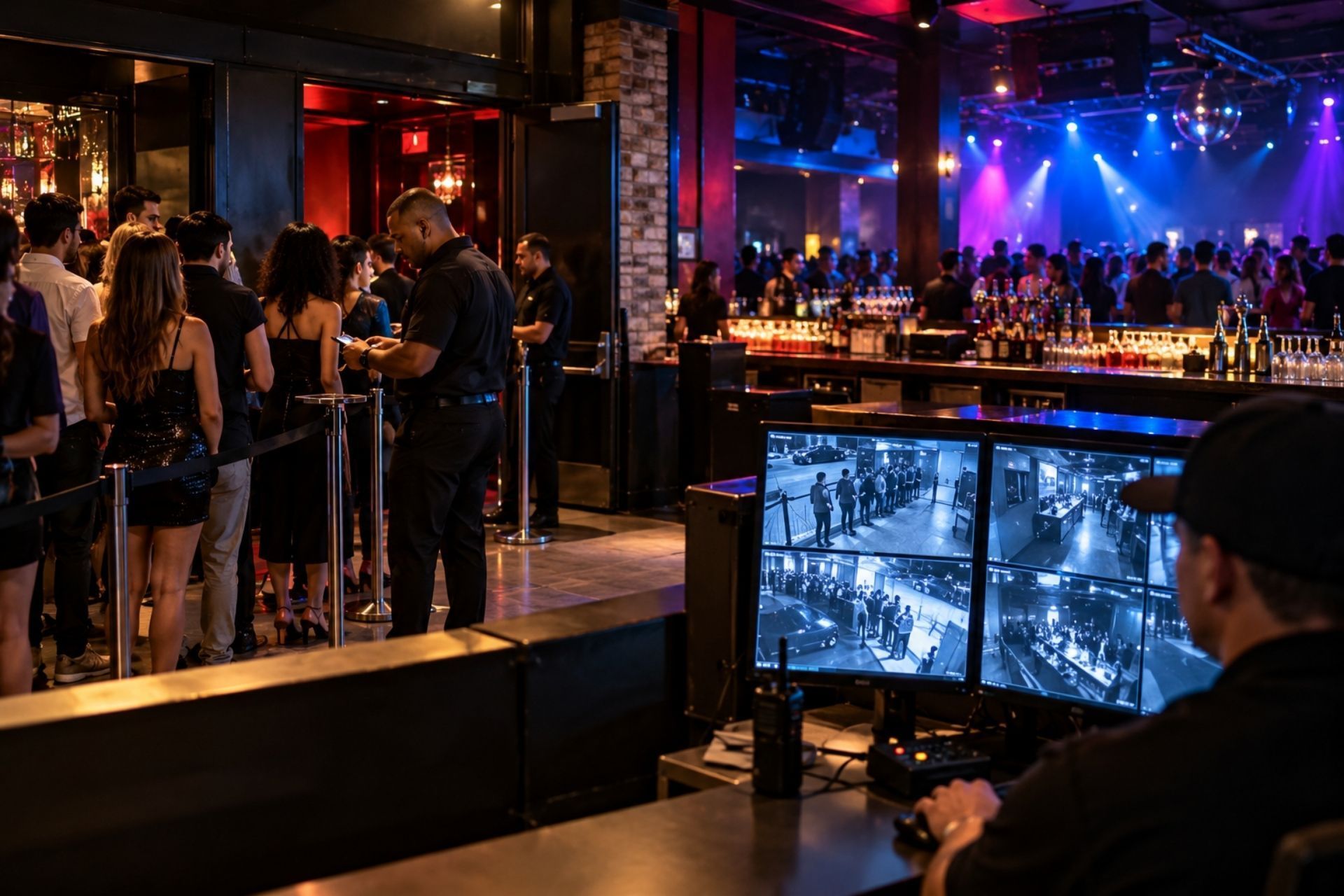
A small club (under 300 capacity) in Georgia typically pays between $8,000 and $15,000 annually for a package including general liability, liquor liability, and property coverage. Workers' comp adds another $2,000-$6,000 depending on payroll size. Per-event coverage for one-off shows runs $188-$280 per day.
How much does insurance usually cost for a small club?
Common Questions for Colorado Hemp Businesses
Do I need separate insurance if I grow hemp and sell finished CBD products? Yes. Growing and manufacturing are distinct risk classes. You'll likely need separate crop insurance, product liability, and potentially different property coverage for each operation.
Will my insurance cover me if my crop tests hot (above 0.3% THC)? Some crop insurance policies cover this scenario, but many don't. Ask specifically about "regulatory destruction" coverage before buying a policy.
Can I get insurance if I sell hemp-derived Delta-8 or Delta-9 products? Coverage availability depends on your state compliance status. Colorado has continued enforcing intoxicating hemp regulations, and insurers follow state enforcement trends closely.
How long does it take to get a hemp insurance policy in Colorado? With a specialized broker, typically 5-15 business days. Standard carriers that aren't familiar with hemp can take 30-60 days or decline outright.
Does my landlord's insurance cover my hemp inventory? No. Your landlord's policy covers the building structure, not your business contents. You need your own inland marine or commercial property policy.
Every policy has boundaries. Knowing them up front is how you avoid an uncovered claim. Common exclusions include:
Every policy has boundaries. Knowing them up front is how you avoid an uncovered claim. Common exclusions include:
Every policy has boundaries. Knowing them up front is how you avoid an uncovered claim. Common exclusions include:
General Liability responds to the core exposures most operations in this category face. A typical policy answers third-party claims and the defense costs that come with them, so a single incident doesn't put the business at risk.
Your Next Steps for Securing Coverage
Getting the right insurance for your Colorado hemp or CBD business isn't something you should put off until renewal season. Start by auditing your current policies against the coverage areas outlined above. Look specifically for hemp and cannabis exclusions in your existing property and liability policies, because they're more common than you'd think.
Gather your compliance documentation from both the CDA and CDPHE, your most recent financial statements, and a clear description of your operations from seed to sale. A specialized broker can use this information to approach the right carriers. GrayStone Insurance Group maintains relationships with carriers that specifically write hemp and CBD risks, which matters in an industry where commercial insurance has historically underserved cannabis businesses.
The Colorado hemp market rewards operators who treat compliance and risk management as competitive advantages rather than afterthoughts. Get your coverage right now, and you'll spend less time worrying about what could go wrong and more time building a business that lasts.
ABOUT THE AUTHOR:
CHAD KRAMER
I started GrayStone Insurance Group in 2018 with a simple conviction: the businesses everyone else turns away deserve a broker who won't. What began as a one-person operation has grown into a specialty commercial brokerage with offices across the country — but the mission hasn't changed. We find solutions for high-risk and hard-to-place businesses when other agencies run the other way.
I built this agency on integrity, hard work, and the tenacity to do the hard things well. Through our access to Excess & Surplus and specialty markets, my team and I place coverage standard carriers can't — and I treat every client's business like my own.
If you've been declined, non-renewed, or told your business is too complicated to insure, let's talk.
Coverages & policies
Plain-language coverage, expertly placed.
We lead with commercial lines and round out personal coverage where you need it. Every policy comes with an explanation — not jargon.

Contractors
Third-party bodily injury & property damage — the foundation for any operation.

Liquor Liability
Critical for bars, restaurants and venues serving alcohol — including A&B.

Commercial Property
Buildings, contents and equipment — including distressed and vacant risk.

Workers' Compensation
Statutory coverage for your crew — including high-mod and high-hazard classes.

Commercial Umbrella
Extra liability limits over your primary policies — essential for high-exposure risk.
Products Liability
Manufacturers, CBD and consumer-product exposure — including imports.
What clients say
Brokers who actually place it.
FAQ
Answers for the risks others won't cover
Getting declined, non-renewed, or told your business is "too high-risk" is frustrating — but it doesn't mean you're out of options. Here are answers to the questions we hear most from business owners who need coverage the standard market won't provide.
What kind of insurance does GrayStone specialize in?
We're a specialty commercial brokerage built for high-risk and hard-to-place businesses — the risks standard carriers often turn away. Through our access to Excess & Surplus (E&S) and specialty markets, we place coverage that everyday agencies can't. Hospitality and construction are among our deepest areas of expertise.
My business was declined or non-renewed elsewhere. Can you still help?
That's exactly what we do. A decline, a non-renewal, or a tough claims history doesn't mean you're out of options — it means your risk needs a broker with the right market access. Tell us your situation and we'll get to work finding a fit.
What is Excess & Surplus (E&S) insurance?
E&S is specialty coverage for risks that standard "admitted" carriers won't write — often because a business is higher-risk, unusual, or has a complex history. As an independent broker, we tap into these specialty markets to place coverage where a typical agency hits a dead end.
What industries do you work with?
We cover a wide range of commercial industries — from restaurants, bars, and hospitality to contractors, trucking, manufacturing, cannabis, and more. If your industry is considered high-risk or hard-to-place, there's a good chance we've handled it.
Will you work with businesses that have prior claims or losses?
Yes. Prior claims and losses are part of many of the risks we place every day. Every business is evaluated on its own merits — and a rocky history is often exactly why a specialty broker can help where others won't.
Are you an independent broker?
Yes. We're not tied to a single carrier, so we shop your risk across multiple specialty and E&S markets to find coverage that actually fits — instead of forcing you into a one-size-fits-all policy.
Insights & resources
Know your risk before you buy.