

General Liability responds to the core exposures most operations in this category face. A typical policy answers third-party claims and the defense costs that come with them, so a single incident doesn't put the business at risk.
Georgia requires workers' compensation for any business with three or more employees. That threshold is lower than many states, and it catches a lot of small venue operators off guard. Your door staff, bartenders, sound engineers, and even regular part-time stagehands count toward that number.
The penalties for non-compliance are steep: fines up to $10,000 and potential criminal misdemeanor charges. Georgia's State Board of Workers' Compensation actively investigates complaints, and injured employees who discover you lack coverage can sue you directly - without the protections that workers' comp provides to employers. Don't gamble on this one.
Workers' Compensation Laws in Georgia
Running a trucking operation out of Illinois means dealing with one of the more complex insurance environments in the country. Between state-specific filing requirements, federal mandates, and a legal climate that's become increasingly hostile toward carriers, getting your coverage wrong isn't just expensive: it can shut your business down entirely. Illinois has seen some of the largest jury awards against trucking companies in recent years, and the fallout from nuclear verdicts has pushed premiums higher while making proper coverage more critical than ever. Annual commercial trucking insurance premiums for Illinois owner-operators typically range between $11,000 and $22,000, but that number swings dramatically based on your operation type, driving history, and cargo. This guide breaks down what Illinois operators actually need to know about requirements, costs, and staying compliant without overpaying.
Illinois State and Federal Insurance Requirements
Illinois trucking operators face a dual layer of regulation. You need to satisfy state requirements through the Illinois Commerce Commission and, if you cross state lines, federal requirements through the FMCSA. Missing either one means you're not legally allowed to operate, and enforcement has gotten stricter over the past few years.
The state doesn't just care that you have a policy: it cares that the right filings are on record. A lapse in coverage, even for a single day, can trigger an automatic suspension of your operating authority. That's not a theoretical risk; it happens to carriers every month.
Minimum Liability Limits for Intrastate Operators
Illinois intrastate carriers hauling general freight must carry a minimum of $750,000 in primary liability coverage. Carriers transporting hazardous materials face higher thresholds, typically $1 million to $5 million depending on the material classification.
These minimums haven't kept pace with actual claim values, though. A serious accident in the Chicago metro area can easily generate claims exceeding $2 million. Many experienced operators carry $1 million or more in liability coverage even for general freight, simply because the state minimum leaves too much personal exposure. If a jury award exceeds your policy limit, the difference comes out of your business assets.
FMCSA Compliance and the MCS-90 Endorsement
Interstate operators must meet FMCSA insurance filing requirements, which include filing proof of financial responsibility through Form BMC-91 (for policies) or Form BMC-82 (for surety bonds). The MCS-90 endorsement is a mandatory addition to your policy if you're a for-hire motor carrier operating across state lines.
Here's what confuses a lot of new operators: the MCS-90 isn't really "coverage" in the traditional sense. It's a guarantee to the public that your insurer will pay claims even if your policy technically wouldn't cover a particular incident. Your insurer can then come after you for reimbursement. It protects the public, not you. Understanding this distinction matters because some operators mistakenly believe the MCS-90 fills gaps in their actual coverage: it doesn't.
Illinois Commerce Commission (ICC) Filings
The Illinois Commerce Commission requires its own set of filings separate from federal requirements. Intrastate carriers must file proof of insurance directly with the ICC, and your insurance company needs to notify the ICC if your policy is canceled or lapses.
Processing times for ICC filings can take several weeks, so plan ahead if you're starting a new operation or switching carriers. A gap between your old policy ending and your new filing being accepted can leave you without operating authority. Brokers with experience in Illinois trucking insurance, like those at GrayStone Insurance Group, can coordinate filing timelines to prevent these gaps from occurring.
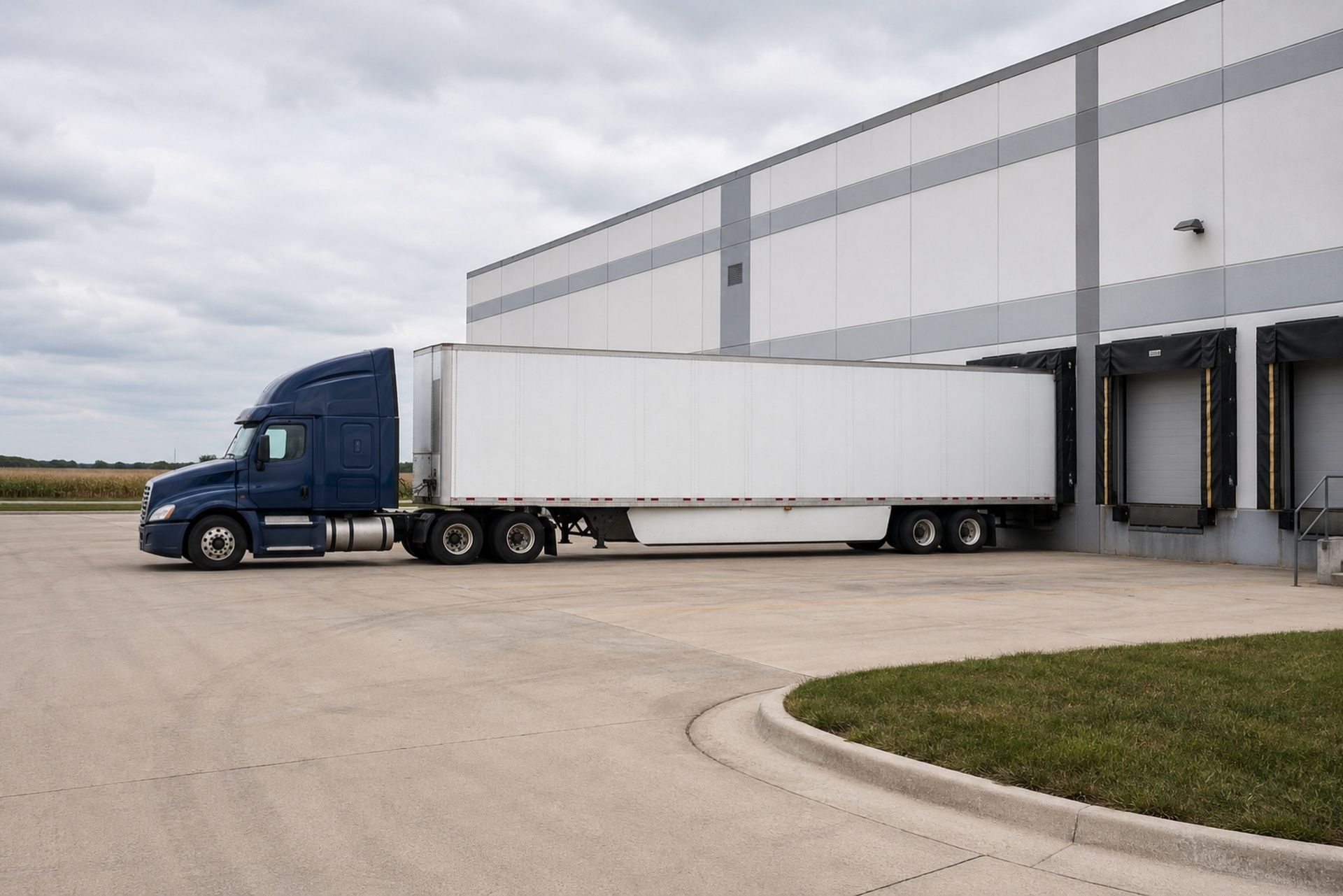
INDEX
GrayStone Insurance Group is fully licensed and permitted to provide specialty commercial insurance solutions for high-risk and hard-to-place businesses across 17 states.
We proudly serve high-risk and hard-to-place businesses from coast to coast. As an independent specialty brokerage, our team works with leading Excess & Surplus and specialty carriers to make sure restaurants, bars, contractors, trucking companies, manufacturers, and other hard-to-place operations receive coverage that fits their real risks in California, Colorado, Florida, Georgia, Illinois, Iowa, Maryland, Michigan, Missouri, Nevada, New York, North Carolina, South Carolina, Tennessee, Texas, Utah, and Washington.
Every policy has boundaries. Knowing them up front is how you avoid an uncovered claim. Common exclusions include:
Every policy has boundaries. Knowing them up front is how you avoid an uncovered claim. Common exclusions include:
Every policy has boundaries. Knowing them up front is how you avoid an uncovered claim. Common exclusions include:
General Liability responds to the core exposures most operations in this category face. A typical policy answers third-party claims and the defense costs that come with them, so a single incident doesn't put the business at risk.
If your firm provides any design, engineering, or consulting services alongside construction, you need both. A GL policy won't cover a claim alleging your design specifications caused a building envelope failure. That's a professional liability exposure, and it's one of the fastest-growing claim categories in construction.
CBobtail and Non-Trucking Liability Insurance
Bobtail insurance covers your truck when you're driving without a trailer attached, typically between loads or heading to a pickup. Non-trucking liability is similar but applies when you're using the truck for personal purposes outside of dispatch. These coverages fill gaps that your primary liability policy doesn't cover. Owner-operators leased to a carrier especially need to pay attention here, because the carrier's policy usually only covers you while you're under dispatch.
| Coverage Element | Basic Tier | Comprehensive Tier |
|---|---|---|
| General Liability | $1M per occurrence | $2M per occurrence |
| Product Liability | Often excluded or limited | Included with $1M-$2M limits |
| Crop/Inventory | Not included | Included with agreed-value endorsement |
| Product Recall | Not included | Included |
| Business Interruption | Limited | Full coverage with 12-month indemnity |
| Workers' Compensation | Add-on | Bundled |
| Approximate Annual Cost | $2,500-$5,000 | $8,000-$20,000+ |
Essential Coverage Types for IL Trucking Companies
Liability coverage alone doesn't protect a trucking business. A single stolen load or a totaled rig can wipe out months of revenue if you're not carrying the right mix of policies.
Primary Liability vs. Non-Trucking Liability
Primary liability covers you while you're operating under dispatch or actively hauling freight. Non-trucking liability, sometimes called bobtail insurance, covers you when you're using your truck for personal or non-business purposes: driving home after dropping a trailer, for example.
If you're an owner-operator leased to a motor carrier, the carrier's primary liability policy typically covers you during dispatch. But the moment you're off dispatch, you're exposed. Non-trucking liability fills that gap. The premiums are relatively modest, usually $400 to $800 per year, and skipping it is one of the most common mistakes owner-operators make.
Physical Damage and Motor Truck Cargo Options
Physical damage coverage protects your truck and trailer from collision, theft, fire, and weather events. If you're financing your rig, your lender will require it. Even if you own your truck outright, replacing a $150,000 vehicle out of pocket isn't realistic for most operators.
Motor truck cargo insurance covers the freight you're hauling. Standard policies cover $100,000 in cargo, but certain commodities like electronics, pharmaceuticals, or refrigerated goods may require higher limits. Cargo claims are more common than most operators expect: temperature control failures, shifting loads, and theft at truck stops account for thousands of claims annually in Illinois alone. Illinois-specific cargo and physical damage options vary by insurer, so compare carefully.
| Coverage Type | Basic Package | Comprehensive Package |
|---|---|---|
| General Liability | $1M per occurrence | $2M+ per occurrence |
| Property Coverage | Building contents only | Contents + equipment floaters |
| Liquor Liability | $500K limit | $1M-$2M limit |
| Workers' Comp | State minimum | State minimum + employer's liability |
| Event Cancellation | Not included | Per-event or annual policy |
| Cyber Liability | Not included | Covers ticketing data breaches |
| Umbrella/Excess | Not included | $1M-$5M excess layer |
| Hired/Non-Owned Auto | $8,000-$15,000 | $25,000-$60,000+ |
Comparing Coverage Needs: Basic vs. Comprehensive
Not every operator needs the same coverage stack. A local flatbed hauler running within a 100-mile radius has very different risk exposure than an OTR carrier moving hazmat loads through Chicago.
Coverage Comparison and Value Differences
| Coverage Type | Basic Package | Comprehensive Package |
|---|---|---|
| Primary Liability | $750,000 (state minimum) | $1M - $2M |
| Physical Damage | Collision only | Collision + comprehensive |
| Cargo Insurance | $100,000 limit | $250,000+ with reefer breakdown |
| Non-Trucking Liability | Often excluded | Included |
| Trailer Interchange | Not included | Included |
| Uninsured Motorist | State minimum | Higher limits |
| Estimated Annual Cost | $8,000 - $12,000 | $15,000 - $25,000+ |
The basic package works for operators with older equipment running short, low-risk routes. But if you're hauling high-value cargo or operating in congested corridors like I-80 or I-294, the comprehensive package pays for itself the first time you file a claim.
Every policy has boundaries. Knowing them up front is how you avoid an uncovered claim. Common exclusions include:
Every policy has boundaries. Knowing them up front is how you avoid an uncovered claim. Common exclusions include:
Every policy has boundaries. Knowing them up front is how you avoid an uncovered claim. Common exclusions include:
General Liability responds to the core exposures most operations in this category face. A typical policy answers third-party claims and the defense costs that come with them, so a single incident doesn't put the business at risk.
Factors Influencing Insurance Premiums in Illinois
Your premium isn't arbitrary. Insurers use specific data points to price your policy, and understanding them gives you real control over what you pay.
Impact of Safety Scores and Violation History
Your CSA (Compliance, Safety, Accountability) scores are the single biggest factor most operators overlook. High scores in categories like unsafe driving or hours-of-service compliance directly increase your premiums. Some insurers won't even quote you if your BASIC percentiles exceed certain thresholds.
A clean inspection history over 24 months can reduce premiums by 10-15%. On the flip side, a single DOT recordable accident can spike your rates for three years. Growing crash litigation costs have made insurers increasingly aggressive about penalizing poor safety records.
Radius of Operation and Cargo Risk Levels
Carriers operating within a 200-mile radius of their home base generally pay less than long-haul operators. The logic is straightforward: more miles mean more exposure. An operator running Chicago to St. Louis pays less than one running Chicago to Los Angeles.
Cargo type matters just as much. Hauling dry goods is low-risk; hauling alcohol, electronics, or hazardous materials pushes premiums significantly higher. If you're an operator who hauls mixed commodities, your insurer will typically rate you based on the highest-risk cargo you transport regularly.
A small club (under 300 capacity) in Georgia typically pays between $8,000 and $15,000 annually for a package including general liability, liquor liability, and property coverage. Workers' comp adds another $2,000-$6,000 depending on payroll size. Per-event coverage for one-off shows runs $188-$280 per day.
How much does insurance usually cost for a small club?
Most startups can expect to pay between $2,500 and $6,000 annually for a basic general liability policy. Adding product liability typically pushes the total to $5,000 to $10,000, depending on your product type and projected revenue.
FAQ: How much does a basic policy cost for a startup?
FAQ: Can I get coverage if my hemp tests over 0.3% THC?
A hot test creates serious problems. The crop must be destroyed under federal and state law, and your insurer may not cover the loss unless you have a specific endorsement for THC compliance failure. Some specialty carriers offer this coverage, but it's not standard.
FAQ: Will my homeowners insurance cover my small hemp farm?
Almost certainly not. Homeowners policies exclude commercial agricultural operations, and hemp's association with cannabis makes this even less likely. You need a standalone commercial policy, even for a small grow operation.
Common Questions About IL Truck Insurance
FAQ: Rates, Certificates, and Filing Timelines
How quickly can I get proof of insurance for a new authority? Most policies can be bound within 24-48 hours, but ICC and FMCSA filings take longer. Expect 2-4 weeks for federal filings to process. Start the insurance process before you apply for authority.
Do I need separate insurance for each truck in my fleet? Each power unit needs to be listed on your policy, but you don't need separate policies. Fleet policies cover multiple trucks under one agreement, often at a lower per-unit cost.
Can I reduce my premium mid-policy? Yes, if you improve your safety record, reduce your operating radius, or add safety technology like dashcams and ELDs. Some insurers offer mid-term premium adjustments, though most changes take effect at renewal.
What happens if my insurance lapses for even one day? The ICC and FMCSA are both notified. Your operating authority can be suspended, and reinstating it requires new filings, new fees, and often higher premiums because a lapse signals risk to underwriters.
Why is Illinois more expensive than neighboring states? Illinois has a plaintiff-friendly legal environment, and nuclear verdicts in trucking cases have driven up insurer payouts significantly. Cook County in particular is considered one of the most expensive jurisdictions for trucking litigation in the country.
Are owner-operators rated differently than fleet owners? Yes. Owner-operators typically pay higher per-truck premiums because they lack the loss-spreading advantage of larger fleets. That said, a clean individual record can offset this.
Every policy has boundaries. Knowing them up front is how you avoid an uncovered claim. Common exclusions include:
Every policy has boundaries. Knowing them up front is how you avoid an uncovered claim. Common exclusions include:
Every policy has boundaries. Knowing them up front is how you avoid an uncovered claim. Common exclusions include:
General Liability responds to the core exposures most operations in this category face. A typical policy answers third-party claims and the defense costs that come with them, so a single incident doesn't put the business at risk.
Managing Compliance and Reducing Long-Term Costs
Compliance isn't a one-time task: it's ongoing. Your filings need to stay current, your coverage needs to match your actual operations, and your safety programs need to produce measurable results.
The operators who pay the least over time are the ones who invest in prevention. Dashcams with inward and outward-facing cameras have become nearly standard, and insurers reward them. Driver training programs that go beyond the CDL minimum also help. GrayStone Insurance Group works with IL operators to identify specific risk factors dragging up their premiums and builds coverage strategies around fixing those issues rather than just absorbing higher costs.
One practical step: review your policy annually against your actual operations. If you've dropped a high-risk cargo type or reduced your radius, your premium should reflect that. Too many operators auto-renew without checking, and they overpay for years. A detailed breakdown of Illinois commercial truck insurance costs shows just how much variation exists between similar operations.
Every policy has boundaries. Knowing them up front is how you avoid an uncovered claim. Common exclusions include:
Every policy has boundaries. Knowing them up front is how you avoid an uncovered claim. Common exclusions include:
Every policy has boundaries. Knowing them up front is how you avoid an uncovered claim. Common exclusions include:
General Liability responds to the core exposures most operations in this category face. A typical policy answers third-party claims and the defense costs that come with them, so a single incident doesn't put the business at risk.
Your Next Steps for Securing Coverage
Getting commercial trucking insurance right in Illinois requires more than picking the cheapest quote. The cheapest policy often has exclusions, low sub-limits on cargo, or deductibles that make it useless when you actually need it. Focus on matching your coverage to your real risk profile: the routes you run, the cargo you carry, and the drivers behind the wheel.
Start by pulling your CSA scores and fixing any outstanding violations. Get quotes from at least three insurers who specialize in trucking, not general commercial carriers who treat trucks as an afterthought. If your operation has been declined or rated as high-risk, agencies like GrayStone Insurance Group specialize in placing exactly those types of accounts, with brokers averaging 20 years of market experience who know which underwriters will write your specific risk.
The cost of being underinsured in Illinois is higher than almost anywhere else. Get this right from the start.
ABOUT THE AUTHOR:
CHAD KRAMER
I started GrayStone Insurance Group in 2018 with a simple conviction: the businesses everyone else turns away deserve a broker who won't. What began as a one-person operation has grown into a specialty commercial brokerage with offices across the country — but the mission hasn't changed. We find solutions for high-risk and hard-to-place businesses when other agencies run the other way.
I built this agency on integrity, hard work, and the tenacity to do the hard things well. Through our access to Excess & Surplus and specialty markets, my team and I place coverage standard carriers can't — and I treat every client's business like my own.
If you've been declined, non-renewed, or told your business is too complicated to insure, let's talk.
Coverages & policies
Plain-language coverage, expertly placed.
We lead with commercial lines and round out personal coverage where you need it. Every policy comes with an explanation — not jargon.

Contractors
Third-party bodily injury & property damage — the foundation for any operation.

Liquor Liability
Critical for bars, restaurants and venues serving alcohol — including A&B.

Commercial Property
Buildings, contents and equipment — including distressed and vacant risk.

Workers' Compensation
Statutory coverage for your crew — including high-mod and high-hazard classes.

Commercial Umbrella
Extra liability limits over your primary policies — essential for high-exposure risk.
Products Liability
Manufacturers, CBD and consumer-product exposure — including imports.
What clients say
Brokers who actually place it.
FAQ
Answers for the risks others won't cover
Getting declined, non-renewed, or told your business is "too high-risk" is frustrating — but it doesn't mean you're out of options. Here are answers to the questions we hear most from business owners who need coverage the standard market won't provide.
What kind of insurance does GrayStone specialize in?
We're a specialty commercial brokerage built for high-risk and hard-to-place businesses — the risks standard carriers often turn away. Through our access to Excess & Surplus (E&S) and specialty markets, we place coverage that everyday agencies can't. Hospitality and construction are among our deepest areas of expertise.
My business was declined or non-renewed elsewhere. Can you still help?
That's exactly what we do. A decline, a non-renewal, or a tough claims history doesn't mean you're out of options — it means your risk needs a broker with the right market access. Tell us your situation and we'll get to work finding a fit.
What is Excess & Surplus (E&S) insurance?
E&S is specialty coverage for risks that standard "admitted" carriers won't write — often because a business is higher-risk, unusual, or has a complex history. As an independent broker, we tap into these specialty markets to place coverage where a typical agency hits a dead end.
What industries do you work with?
We cover a wide range of commercial industries — from restaurants, bars, and hospitality to contractors, trucking, manufacturing, cannabis, and more. If your industry is considered high-risk or hard-to-place, there's a good chance we've handled it.
Will you work with businesses that have prior claims or losses?
Yes. Prior claims and losses are part of many of the risks we place every day. Every business is evaluated on its own merits — and a rocky history is often exactly why a specialty broker can help where others won't.
Are you an independent broker?
Yes. We're not tied to a single carrier, so we shop your risk across multiple specialty and E&S markets to find coverage that actually fits — instead of forcing you into a one-size-fits-all policy.
Insights & resources
Know your risk before you buy.