
General Liability responds to the core exposures most operations in this category face. A typical policy answers third-party claims and the defense costs that come with them, so a single incident doesn't put the business at risk.
Fort Worth's restaurant scene is booming, and with that growth comes a unique set of risks that operators in Dallas or Houston simply don't deal with in the same way. Between the Stockyards' constant tourist foot traffic, the late-night energy of West 7th, and the unpredictable North Texas storm season, running a restaurant here means juggling liabilities that most generic insurance policies weren't built for. If you're opening a new spot on Magnolia Avenue or expanding a barbecue concept near the Cultural District, understanding what coverage you actually need - and what Texas law demands - is the difference between surviving a bad month and closing your doors. This guide breaks down what Fort Worth restaurant operators face in terms of local coverage requirements, state regulations, and the specific threats that keep owners up at night.
Understanding the Fort Worth Restaurant Landscape
Fort Worth isn't one market; it's several. A Tex-Mex spot in Camp Bowie operates in a completely different risk environment than a craft cocktail bar on West 7th or a family-owned barbecue joint near the Stockyards. The city's restaurant industry has expanded rapidly since 2023, with new openings concentrated in mixed-use developments like Clearfork and the Near Southside corridor.
That growth brings competition, but it also brings exposure. More seats, more staff, more delivery orders, and more chances for something to go wrong. Fort Worth's population growth has pushed Tarrant County past 2.2 million residents, and the dining industry is trying to keep up. For operators, this means higher foot traffic, more complex staffing needs, and insurance policies that need to reflect the actual scale of their operations.
Local Risks: From Stockyards Tourism to West 7th Nightlife
The Stockyards draw millions of visitors annually, and restaurants in that area deal with a transient customer base that increases slip-and-fall claims. Tourists are less familiar with the layout, more likely to be distracted, and statistically more likely to file liability claims than local regulars.
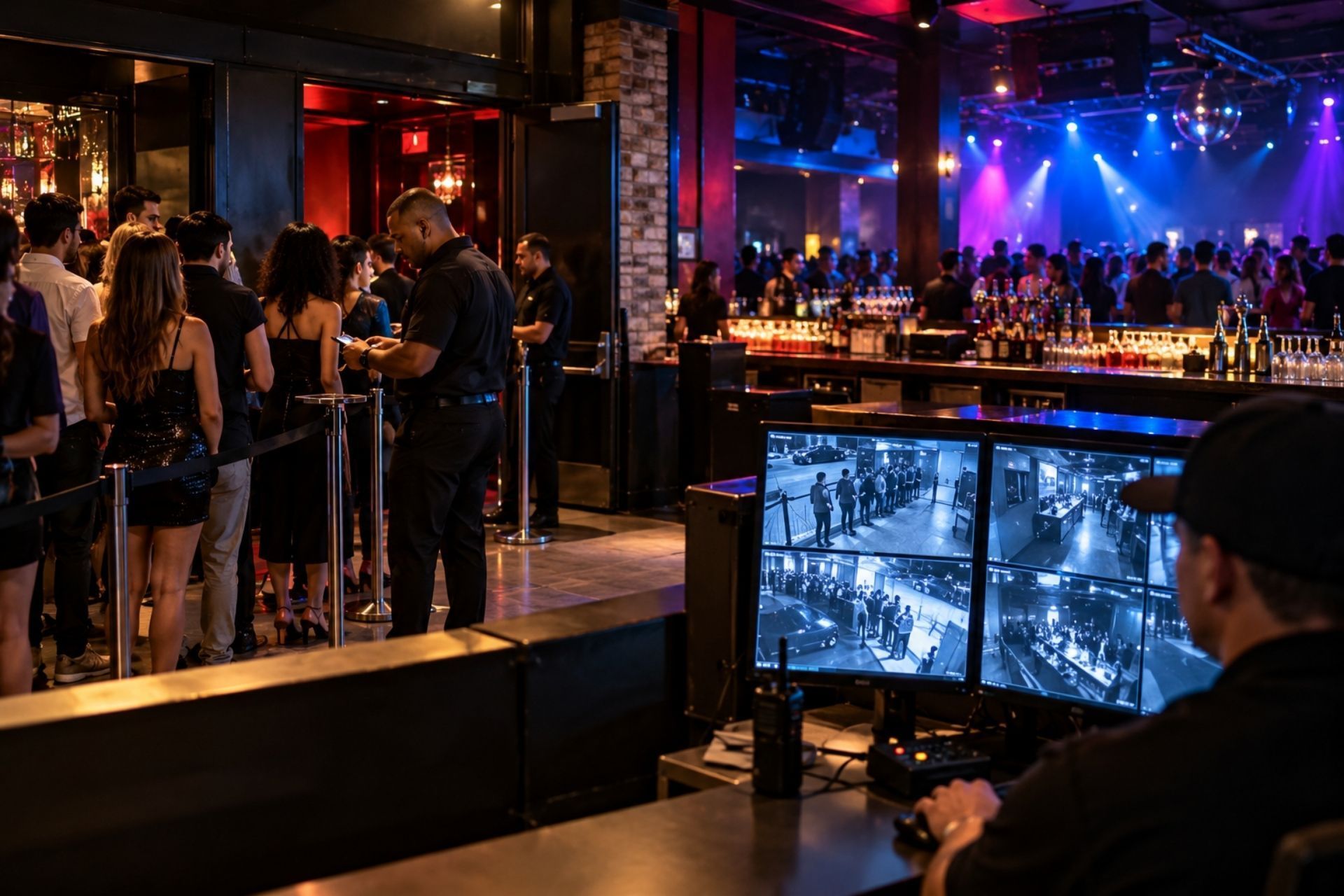
West 7th presents a different problem entirely. Late-night service, alcohol-heavy menus, and a younger crowd create a cocktail of liquor liability exposure that standard policies often undercover. Bars and restaurants in this district see higher rates of assault-related claims and alcohol-related incidents, which means operators need policies specifically designed for nightlife risk. Agencies like GrayStone Insurance Group, which specialize in hard-to-place hospitality coverage, regularly work with West 7th operators who've been declined by traditional carriers.
The Impact of North Texas Weather on Property Insurance
If you've operated in Fort Worth for more than a year, you've dealt with hail. The spring storm season regularly produces golf-ball-sized hail that destroys patio furniture, signage, roofing, and HVAC units. Insurance claims for roof and property damage from hail events have spiked in Tarrant County over the past three years.
Wind damage is the other constant. A sudden microburst can shatter windows, rip awnings, and send debris into outdoor dining areas. Your commercial property policy needs to explicitly cover wind and hail - don't assume it does. Many standard policies in North Texas carry separate wind/hail deductibles, often calculated as a percentage of the insured value rather than a flat dollar amount. That distinction can mean a $15,000 out-of-pocket surprise after a storm.
INDEX
GrayStone Insurance Group is fully licensed and permitted to provide specialty commercial insurance solutions for high-risk and hard-to-place businesses across 17 states.
We proudly serve high-risk and hard-to-place businesses from coast to coast. As an independent specialty brokerage, our team works with leading Excess & Surplus and specialty carriers to make sure restaurants, bars, contractors, trucking companies, manufacturers, and other hard-to-place operations receive coverage that fits their real risks in California, Colorado, Florida, Georgia, Illinois, Iowa, Maryland, Michigan, Missouri, Nevada, New York, North Carolina, South Carolina, Tennessee, Texas, Utah, and Washington.
Every policy has boundaries. Knowing them up front is how you avoid an uncovered claim. Common exclusions include:
Every policy has boundaries. Knowing them up front is how you avoid an uncovered claim. Common exclusions include:
Every policy has boundaries. Knowing them up front is how you avoid an uncovered claim. Common exclusions include:
General Liability responds to the core exposures most operations in this category face. A typical policy answers third-party claims and the defense costs that come with them, so a single incident doesn't put the business at risk.
If your firm provides any design, engineering, or consulting services alongside construction, you need both. A GL policy won't cover a claim alleging your design specifications caused a building envelope failure. That's a professional liability exposure, and it's one of the fastest-growing claim categories in construction.
Texas State Requirements for Food Service Businesses
Texas doesn't mandate a single "restaurant insurance" policy, but it does require specific types of coverage depending on your operation. Every restaurant needs general liability coverage if they want to sign a commercial lease - landlords in Fort Worth universally require it. Beyond that, Texas law requires commercial auto insurance if you own vehicles, and food service businesses must carry specific permits tied to health and safety compliance.
The state's restaurant insurance requirements also include compliance with the Texas Department of Insurance regulations around policy minimums and disclosure. If you serve alcohol, the requirements multiply significantly.
Texas Workers' Compensation: Optional vs. Essential
Texas is one of the few states where workers' compensation insurance is not legally required. That sounds like a cost-saving opportunity until you realize what it actually means. Without workers' comp, you lose the legal protection that prevents employees from suing you directly for workplace injuries. A line cook who burns their hand or a server who slips on a wet floor can file a personal injury lawsuit against your business with no cap on damages.
Most Fort Worth restaurant operators with more than five employees carry workers' comp because the math makes sense. A single lawsuit from a kitchen injury can easily exceed $100,000. Monthly premiums for a small restaurant typically run between $200 and $500, depending on payroll size and claims history.
Liquor Liability Laws for TABC License Holders
If you hold a TABC license, you need liquor liability coverage - full stop. Texas follows a modified dram shop law, meaning you can be held liable if you serve an obviously intoxicated person who then causes injury or death. The rising costs of liquor liability coverage have hit Fort Worth hard, particularly for venues with late-night hours.
Claims in this category are expensive. A single dram shop lawsuit can result in settlements exceeding $500,000. Your liquor liability policy should carry at least $1 million per occurrence, and many landlords and event venues now require $2 million aggregate limits.
Essential vs. Optional Coverage Comparison
Not every policy is mandatory, but some "optional" coverages become essential based on your specific operation. Here's how the two most fundamental policies compare.
Table: General Liability vs. Commercial Property Coverage
| Feature | General Liability | Commercial Property |
|---|---|---|
| What it covers | Third-party injuries, property damage, advertising claims | Your building, equipment, inventory, signage |
| Required by law? | Not by Texas law, but required by most leases | Not by law, but required by most lenders |
| Typical monthly cost | $40 - $150 for small operators | $100 - $400 depending on location and value |
| Common claims | Slip-and-fall, foodborne illness, customer injury | Hail damage, fire, theft, vandalism |
| Deductible structure | Flat dollar amount | Often percentage-based for wind/hail |
| Recommended minimum | $1M per occurrence / $2M aggregate | Replacement cost of all insured property |
Small restaurant operators in Fort Worth typically pay between $40 and $150 per month for general liability insurance, while full-service operations with higher revenue and alcohol service pay considerably more.
Every policy has boundaries. Knowing them up front is how you avoid an uncovered claim. Common exclusions include:
Every policy has boundaries. Knowing them up front is how you avoid an uncovered claim. Common exclusions include:
Every policy has boundaries. Knowing them up front is how you avoid an uncovered claim. Common exclusions include:
General Liability responds to the core exposures most operations in this category face. A typical policy answers third-party claims and the defense costs that come with them, so a single incident doesn't put the business at risk.
Protecting Your Fort Worth Operations from Specific Threats
General liability and property coverage form the foundation, but Fort Worth restaurants face risks that require specialized endorsements or standalone policies. Ignoring these gaps is where most operators get burned - sometimes literally.
Food Spoilage and Equipment Breakdown Coverage
A commercial walk-in cooler failure during a July heat wave in Fort Worth can destroy $5,000 to $20,000 in inventory within hours. Standard property policies often exclude mechanical breakdown, meaning your compressor fails and you're eating the cost of all that lost product.
Equipment breakdown coverage fills this gap, and food spoilage endorsements reimburse you for perishable inventory lost due to power outages or mechanical failure. Given that Fort Worth experiences regular summer brownouts and storm-related power interruptions, this isn't optional for any restaurant storing significant perishable inventory. GrayStone Insurance Group's brokers, who average 20 years of experience in commercial placements, frequently flag this as the most common coverage gap they see in Fort Worth restaurant policies.
Cyber Liability for Modern Point-of-Sale Systems
Every restaurant running a cloud-based POS system, online ordering platform, or loyalty program is storing customer payment data. A data breach at a single-location restaurant might sound unlikely, but small businesses remain the primary target for cybercriminals precisely because their defenses are weaker.
Cyber liability insurance covers breach notification costs, credit monitoring for affected customers, legal defense, and regulatory fines. For a Fort Worth restaurant processing a few hundred transactions daily, a breach could easily cost $50,000 to $100,000 in response costs alone. Monthly premiums for cyber coverage typically run $50 to $150 for small restaurants - a fraction of what a single incident would cost.
What is bobtail insurance and do I need it?
Bobtail coverage protects you when driving your truck without a trailer attached, typically after dropping a load. It's often required by motor carriers for independent contractors operating under their authority. If you're an owner-operator leased to a carrier, check your lease agreement: most require it.
Common Questions About Fort Worth Restaurant Insurance
FAQ: How much does a basic policy cost in Fort Worth?
A basic general liability policy for a small Fort Worth restaurant runs $40 to $150 per month. A Business Owner's Policy bundling general liability with commercial property typically costs $200 to $500 monthly. Alcohol service, late-night hours, and claims history all push premiums higher.
FAQ: Do I need insurance for my food truck at Clearfork?
Yes. Fort Worth requires food trucks to carry general liability insurance, and most event venues like Clearfork mandate $1 million per occurrence minimum. You'll also need commercial auto coverage for the truck itself, which is separate from your general liability policy.
FAQ: Does my policy cover hail damage to my outdoor patio?
It depends on your commercial property policy's terms. Most policies cover hail damage to the structure, but outdoor furniture, umbrellas, and temporary fixtures may be excluded or subject to a separate wind/hail deductible. Read your declarations page carefully and ask about coverage specifics for outdoor property before storm season hits.
FAQ: What if a customer gets sick from my food?
Your general liability policy covers foodborne illness claims, including medical costs and legal defense. That said, if an outbreak affects multiple customers, your per-occurrence and aggregate limits come into play fast. Restaurants serving raw or undercooked items should consider higher limits.
FAQ: Is delivery driver insurance required in Texas?
If your employees deliver food using company vehicles, you need commercial auto insurance. If they use personal vehicles, you need hired and non-owned auto coverage to protect your business when they're driving on your behalf. Relying on a driver's personal auto policy leaves your restaurant exposed - their insurer will deny the claim if the driver was working at the time of an accident.
Every policy has boundaries. Knowing them up front is how you avoid an uncovered claim. Common exclusions include:
Every policy has boundaries. Knowing them up front is how you avoid an uncovered claim. Common exclusions include:
Every policy has boundaries. Knowing them up front is how you avoid an uncovered claim. Common exclusions include:
General Liability responds to the core exposures most operations in this category face. A typical policy answers third-party claims and the defense costs that come with them, so a single incident doesn't put the business at risk.
Making the Right Choice for Your Venue
Fort Worth's restaurant market rewards operators who plan for the worst while building for the best. The right insurance program isn't about buying every policy available - it's about matching your coverage to your actual risk profile. A quiet breakfast cafe in Fairmount has fundamentally different needs than a high-volume sports bar near Dickies Arena.
Start with the basics: general liability, commercial property, and workers' comp. Then layer in liquor liability if you serve alcohol, equipment breakdown if you rely on commercial refrigeration, and cyber coverage if you process digital payments. Review your policies annually, especially after renovations, menu changes, or staffing increases that alter your risk.
If you're struggling to find coverage because your operation falls into a higher-risk category - late-night hours, hookah service, live entertainment - GrayStone Insurance Group works specifically with businesses that traditional carriers decline. Their 94% client retention rate reflects a track record of finding real solutions for Fort Worth operators who need more than a cookie-cutter policy. Get your coverage right now, before the next hailstorm or lawsuit forces the decision for you.
ABOUT THE AUTHOR:
CHAD KRAMER
I started GrayStone Insurance Group in 2018 with a simple conviction: the businesses everyone else turns away deserve a broker who won't. What began as a one-person operation has grown into a specialty commercial brokerage with offices across the country — but the mission hasn't changed. We find solutions for high-risk and hard-to-place businesses when other agencies run the other way.
I built this agency on integrity, hard work, and the tenacity to do the hard things well. Through our access to Excess & Surplus and specialty markets, my team and I place coverage standard carriers can't — and I treat every client's business like my own.
If you've been declined, non-renewed, or told your business is too complicated to insure, let's talk.
Coverages & policies
Plain-language coverage, expertly placed.
We lead with commercial lines and round out personal coverage where you need it. Every policy comes with an explanation — not jargon.

Contractors
Third-party bodily injury & property damage — the foundation for any operation.

Liquor Liability
Critical for bars, restaurants and venues serving alcohol — including A&B.

Commercial Property
Buildings, contents and equipment — including distressed and vacant risk.

Workers' Compensation
Statutory coverage for your crew — including high-mod and high-hazard classes.

Commercial Umbrella
Extra liability limits over your primary policies — essential for high-exposure risk.
Products Liability
Manufacturers, CBD and consumer-product exposure — including imports.
What clients say
Brokers who actually place it.
FAQ
Answers for the risks others won't cover
Getting declined, non-renewed, or told your business is "too high-risk" is frustrating — but it doesn't mean you're out of options. Here are answers to the questions we hear most from business owners who need coverage the standard market won't provide.
What kind of insurance does GrayStone specialize in?
We're a specialty commercial brokerage built for high-risk and hard-to-place businesses — the risks standard carriers often turn away. Through our access to Excess & Surplus (E&S) and specialty markets, we place coverage that everyday agencies can't. Hospitality and construction are among our deepest areas of expertise.
My business was declined or non-renewed elsewhere. Can you still help?
That's exactly what we do. A decline, a non-renewal, or a tough claims history doesn't mean you're out of options — it means your risk needs a broker with the right market access. Tell us your situation and we'll get to work finding a fit.
What is Excess & Surplus (E&S) insurance?
E&S is specialty coverage for risks that standard "admitted" carriers won't write — often because a business is higher-risk, unusual, or has a complex history. As an independent broker, we tap into these specialty markets to place coverage where a typical agency hits a dead end.
What industries do you work with?
We cover a wide range of commercial industries — from restaurants, bars, and hospitality to contractors, trucking, manufacturing, cannabis, and more. If your industry is considered high-risk or hard-to-place, there's a good chance we've handled it.
Will you work with businesses that have prior claims or losses?
Yes. Prior claims and losses are part of many of the risks we place every day. Every business is evaluated on its own merits — and a rocky history is often exactly why a specialty broker can help where others won't.
Are you an independent broker?
Yes. We're not tied to a single carrier, so we shop your risk across multiple specialty and E&S markets to find coverage that actually fits — instead of forcing you into a one-size-fits-all policy.
Insights & resources
Know your risk before you buy.