
General Liability responds to the core exposures most operations in this category face. A typical policy answers third-party claims and the defense costs that come with them, so a single incident doesn't put the business at risk.
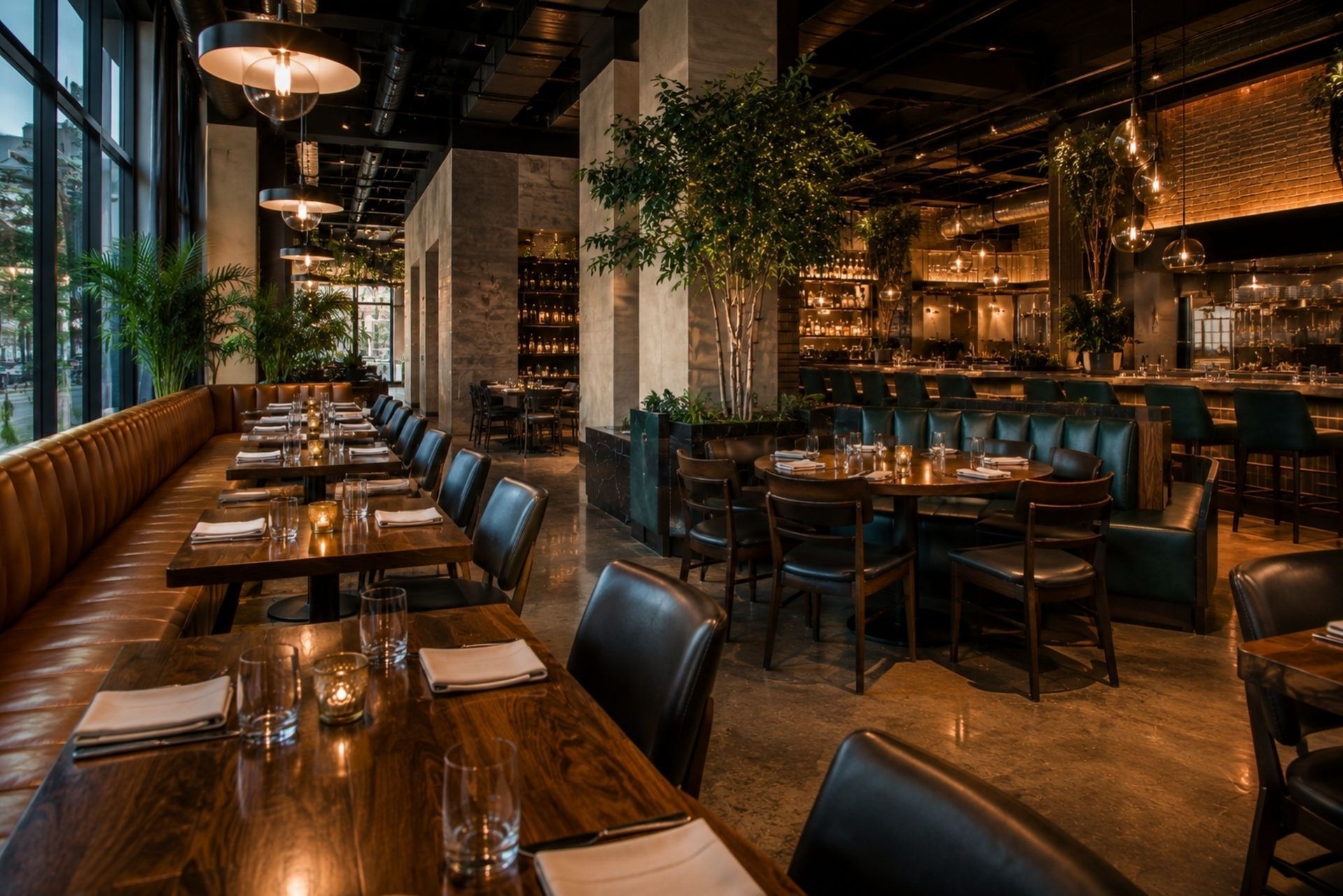
Houston's restaurant scene is one of the most dynamic in the country, but running a food business here comes with a unique set of financial pressures. Roughly half of Texas restaurant operators failed to earn a profit in 2025, and 2026 isn't looking much kinder. Between razor-thin margins, hurricane season, and a regulatory environment that doesn't forgive shortcuts, the insurance decisions you make can determine whether your restaurant survives its next crisis or closes for good. Restaurant insurance in Houston isn't just a line item on your budget: it's the structural support holding everything together when a storm, a lawsuit, or a kitchen fire tries to knock you down. This guide breaks down Texas requirements, Houston-specific risks, and the coverage decisions that actually matter for operators in the Bayou City.
Navigating the Houston Restaurant Insurance Landscape
Houston sits at the intersection of several risk factors that most American cities don't share. You've got Gulf Coast weather patterns, a sprawling metro with heavy delivery traffic, and one of the most competitive dining markets in the South. The Texas restaurant market in 2026 reflects a sector under strain: labor costs keep climbing, food prices remain volatile, and insurance carriers are adjusting their appetites for coastal risk.
What this means for you as a restaurant owner is that finding adequate coverage isn't as simple as calling the first agent in your Google results. Many standard carriers are pulling back from Houston zip codes or pricing policies in ways that squeeze operators who are already running tight. That's where working with a brokerage experienced in hard-to-place risks, like GrayStone Insurance Group, can make a real difference: their brokers average 20 years in the market and specialize in finding coverage when traditional carriers say no.
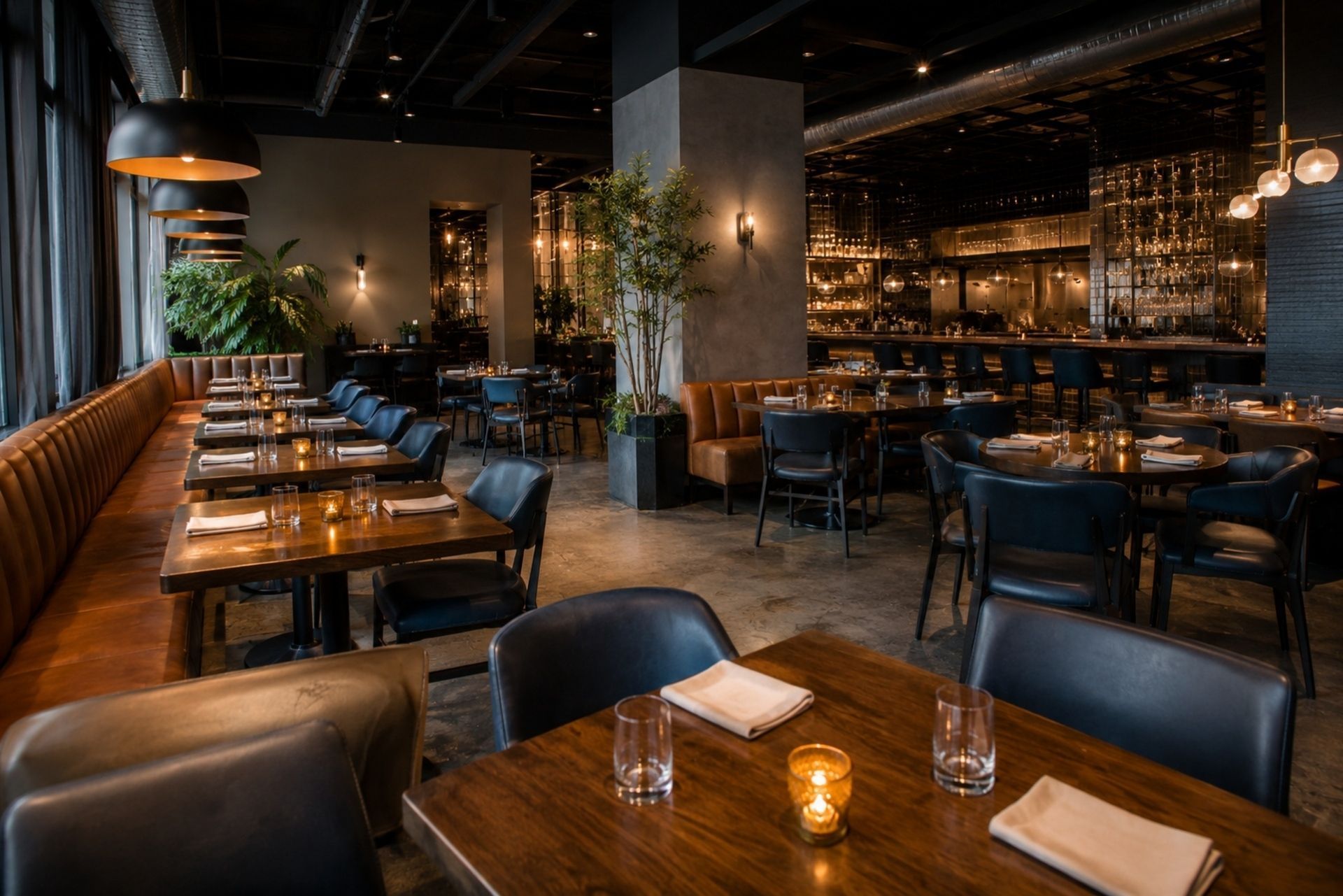
The coverage you need depends on your format: a fast-casual taco spot has different exposure than a fine-dining establishment with a full bar and valet parking. But every Houston restaurant shares a baseline of mandatory and strongly recommended protections.
INDEX
GrayStone Insurance Group is fully licensed and permitted to provide specialty commercial insurance solutions for high-risk and hard-to-place businesses across 17 states.
We proudly serve high-risk and hard-to-place businesses from coast to coast. As an independent specialty brokerage, our team works with leading Excess & Surplus and specialty carriers to make sure restaurants, bars, contractors, trucking companies, manufacturers, and other hard-to-place operations receive coverage that fits their real risks in California, Colorado, Florida, Georgia, Illinois, Iowa, Maryland, Michigan, Missouri, Nevada, New York, North Carolina, South Carolina, Tennessee, Texas, Utah, and Washington.
Every policy has boundaries. Knowing them up front is how you avoid an uncovered claim. Common exclusions include:
Every policy has boundaries. Knowing them up front is how you avoid an uncovered claim. Common exclusions include:
Every policy has boundaries. Knowing them up front is how you avoid an uncovered claim. Common exclusions include:
General Liability responds to the core exposures most operations in this category face. A typical policy answers third-party claims and the defense costs that come with them, so a single incident doesn't put the business at risk.
If your firm provides any design, engineering, or consulting services alongside construction, you need both. A GL policy won't cover a claim alleging your design specifications caused a building envelope failure. That's a professional liability exposure, and it's one of the fastest-growing claim categories in construction.
Mandatory Texas Coverage vs. Recommended Protection
Texas has specific insurance requirements for businesses, and restaurants carry additional obligations depending on their size, services, and licensing. Skipping any of these can result in fines, lawsuits you can't defend, or losing your ability to operate entirely.
Texas Workers' Compensation Rules
Texas is one of the few states where workers' compensation insurance is not legally required for most private employers. That said, opting out is a gamble most restaurant owners shouldn't take. If you don't carry workers' comp and an employee gets hurt on the job, you lose significant legal protections and can be sued directly for damages.
The Texas restaurant insurance requirements make it clear: while the state won't force you to buy a policy, going without one exposes you to liability that can easily reach six figures from a single kitchen burn or slip-and-fall. For restaurants with even a handful of employees, the math almost always favors carrying coverage.
Liquor Liability and TABC Compliance
If you serve alcohol, liquor liability insurance isn't optional in practice, even if Texas law doesn't mandate it by name. The Texas Alcoholic Beverage Commission (TABC) holds permit holders accountable for incidents involving intoxicated patrons. If someone leaves your bar and causes a car accident, your restaurant can be named in the lawsuit.
Liquor liability policies cover claims arising from alcohol-related incidents, including bodily injury and property damage caused by patrons you served. Most commercial landlords and many franchise agreements require this coverage as a condition of your lease or license.
Commercial Auto Insurance for Catering and Delivery
Houston's size means delivery and catering operations involve real road time. If your restaurant uses owned or leased vehicles for any business purpose, Texas requires commercial auto insurance. Even if you rely on employees using personal cars for deliveries, you should carry hired and non-owned auto coverage: your personal auto policy won't cover an accident that happens during a work errand.
This is a gap that catches a lot of smaller operators off guard. A delivery driver gets into a wreck, and suddenly the restaurant owner discovers their insurance doesn't apply because the vehicle wasn't listed on a commercial policy.
Houston-Specific Risks: Flood, Wind, and Humidity
Houston floods. This isn't news to anyone who lived through Harvey or the repeated flooding events since then, but it's still the single most underinsured risk for local restaurants. Standard commercial property policies exclude flood damage. You need a separate flood policy, and if you're in a FEMA-designated floodplain, your lender probably already requires one.
But here's the thing: plenty of Houston restaurants that flooded weren't in designated high-risk zones. Bayou overflow, overwhelmed drainage systems, and flat terrain mean water finds its way into buildings across the metro. Wind damage from tropical storms and hurricanes is another concern. The 2026 Texas insurance market has seen carriers tighten wind and hail coverage terms, especially for properties near the coast.
Humidity creates a slower, less dramatic problem: mold. A small roof leak left unchecked during Houston's swampy summers can turn into a mold remediation nightmare. Most standard policies limit or exclude mold coverage, so you may need an endorsement or a separate environmental policy depending on your building's age and condition.
Every policy has boundaries. Knowing them up front is how you avoid an uncovered claim. Common exclusions include:
Every policy has boundaries. Knowing them up front is how you avoid an uncovered claim. Common exclusions include:
Every policy has boundaries. Knowing them up front is how you avoid an uncovered claim. Common exclusions include:
General Liability responds to the core exposures most operations in this category face. A typical policy answers third-party claims and the defense costs that come with them, so a single incident doesn't put the business at risk.
Comparing Policy Types: Essential vs. Comprehensive
Choosing between a standalone general liability policy and a Business Owner's Policy (BOP) is one of the first decisions you'll face. Here's how they compare:
| Feature | Basic General Liability | Business Owner's Policy (BOP) |
|---|---|---|
| Bodily injury/property damage | Covered | Covered |
| Commercial property | Not included | Included |
| Business interruption | Not included | Included |
| Product liability (food) | Typically included | Included |
| Equipment breakdown | Not included | Often included |
| Typical annual cost range | $1,200 - $3,500 | $2,500 - $7,000+ |
| Best for | Food trucks, pop-ups, very small operations | Brick-and-mortar restaurants |
A BOP bundles property and liability coverage at a lower combined cost than buying each separately. For most Houston restaurants operating out of a physical location, a BOP makes more financial sense. You can then add endorsements for liquor liability, flood, spoilage, and other Houston-specific exposures.
What is bobtail insurance and do I need it?
Bobtail coverage protects you when driving your truck without a trailer attached, typically after dropping a load. It's often required by motor carriers for independent contractors operating under their authority. If you're an owner-operator leased to a carrier, check your lease agreement: most require it.
Unique Challenges for Bayou City Operators
Houston restaurant operators deal with problems that their counterparts in Denver or Chicago rarely think about. Two of the most common: power outages during storms and the liability exposure that comes with outdoor dining in a city where sidewalks, patios, and parking lots are part of the customer experience.
Managing Spoilage During Gulf Coast Power Outages
A single extended power outage can destroy thousands of dollars in perishable inventory. After a hurricane or severe storm, it's not unusual for Houston restaurants to lose power for days. Standard property policies may include some spoilage coverage, but the limits are often laughably low: $500 to $1,000 won't cover the walk-in cooler of a mid-size restaurant.
Ask your broker about increasing spoilage limits or adding a food contamination endorsement. The hospitality insurance market in Q1 2026 has shown more carriers willing to offer meaningful spoilage limits, partly because underwriters recognize the revenue impact of these losses on retention.
Outdoor Dining and Sidewalk Liability
Patio dining is a year-round draw in Houston, but it also extends your liability footprint. A customer trips on an uneven patio stone, a server spills hot coffee on a sidewalk table, or a patio umbrella blows into a parked car during a sudden storm: all of these are claims your general liability policy needs to handle.
If you lease sidewalk space from the city or share a patio area with neighboring businesses, check whether your policy covers incidents on those surfaces. Some policies limit coverage to premises you own or lease directly, which can create gaps if your patio arrangement is informal.
Every policy has boundaries. Knowing them up front is how you avoid an uncovered claim. Common exclusions include:
Every policy has boundaries. Knowing them up front is how you avoid an uncovered claim. Common exclusions include:
Every policy has boundaries. Knowing them up front is how you avoid an uncovered claim. Common exclusions include:
General Liability responds to the core exposures most operations in this category face. A typical policy answers third-party claims and the defense costs that come with them, so a single incident doesn't put the business at risk.
Common Questions from Houston Restaurateurs
Do I need flood insurance if I'm not in a high-risk zone?
Yes, and this is the single most common mistake Houston restaurant owners make. Over 30% of flood claims in the Houston metro come from properties outside high-risk zones. A separate flood policy typically costs $700 to $2,500 annually for a commercial property: far less than a single uninsured flood event.
Is workers' comp required for small cafes in Texas?
Technically no. Texas doesn't mandate workers' comp for most private employers regardless of size. But without it, you lose your protection against employee injury lawsuits. Even a three-person cafe should seriously consider carrying a policy, because one kitchen injury can generate a claim that exceeds your entire annual revenue.
What does liquor liability actually cover?
It covers claims where your establishment is alleged to have contributed to an alcohol-related injury or property damage: typically by serving an already-intoxicated patron or a minor. This includes legal defense costs, settlements, and judgments. Policies usually carry limits of $300,000 to $1 million per occurrence.
How much does a typical Houston restaurant policy cost?
A comprehensive package including general liability, property, liquor liability, and workers' comp typically runs between $5,000 and $15,000 annually for a mid-size restaurant. Costs vary significantly based on your revenue, square footage, claims history, menu type, and proximity to flood zones. Restaurants with bars or late-night hours pay more.
Does my general liability cover food poisoning claims?
Generally yes: food poisoning falls under products liability, which is included in most general liability and BOP policies. The key is making sure your policy limits are sufficient. A multi-person foodborne illness outbreak can generate dozens of claims simultaneously, and legal defense costs alone can run into five figures.
Every policy has boundaries. Knowing them up front is how you avoid an uncovered claim. Common exclusions include:
Every policy has boundaries. Knowing them up front is how you avoid an uncovered claim. Common exclusions include:
Every policy has boundaries. Knowing them up front is how you avoid an uncovered claim. Common exclusions include:
General Liability responds to the core exposures most operations in this category face. A typical policy answers third-party claims and the defense costs that come with them, so a single incident doesn't put the business at risk.
Making the Right Choice for Your Venue
Houston restaurant insurance coverage isn't something you set once and forget. Your risk profile changes as you add services, expand hours, build out a patio, or start offering delivery. Review your policies annually, and do a full reassessment after any major change to your operations.
The operators who fare best are the ones who treat insurance as a strategic decision rather than a grudging expense. That means working with brokers who understand the financial strain Texas restaurants face in 2026 and can match coverage to real-world risk. GrayStone Insurance Group's 94% client retention rate reflects exactly this approach: data-driven risk modeling paired with brokers who know the hospitality sector inside and out.
Get your policies reviewed before hurricane season, not after. Confirm your flood and spoilage limits are realistic. And if your current agent can't explain exactly what your policy covers in plain English, that's your sign to find one who can. Your restaurant is too important, and too hard-won, to leave underinsured.
ABOUT THE AUTHOR:
CHAD KRAMER
I started GrayStone Insurance Group in 2018 with a simple conviction: the businesses everyone else turns away deserve a broker who won't. What began as a one-person operation has grown into a specialty commercial brokerage with offices across the country — but the mission hasn't changed. We find solutions for high-risk and hard-to-place businesses when other agencies run the other way.
I built this agency on integrity, hard work, and the tenacity to do the hard things well. Through our access to Excess & Surplus and specialty markets, my team and I place coverage standard carriers can't — and I treat every client's business like my own.
If you've been declined, non-renewed, or told your business is too complicated to insure, let's talk.
Coverages & policies
Plain-language coverage, expertly placed.
We lead with commercial lines and round out personal coverage where you need it. Every policy comes with an explanation — not jargon.

Contractors
Third-party bodily injury & property damage — the foundation for any operation.

Liquor Liability
Critical for bars, restaurants and venues serving alcohol — including A&B.

Commercial Property
Buildings, contents and equipment — including distressed and vacant risk.

Workers' Compensation
Statutory coverage for your crew — including high-mod and high-hazard classes.

Commercial Umbrella
Extra liability limits over your primary policies — essential for high-exposure risk.
Products Liability
Manufacturers, CBD and consumer-product exposure — including imports.
What clients say
Brokers who actually place it.
FAQ
Answers for the risks others won't cover
Getting declined, non-renewed, or told your business is "too high-risk" is frustrating — but it doesn't mean you're out of options. Here are answers to the questions we hear most from business owners who need coverage the standard market won't provide.
What kind of insurance does GrayStone specialize in?
We're a specialty commercial brokerage built for high-risk and hard-to-place businesses — the risks standard carriers often turn away. Through our access to Excess & Surplus (E&S) and specialty markets, we place coverage that everyday agencies can't. Hospitality and construction are among our deepest areas of expertise.
My business was declined or non-renewed elsewhere. Can you still help?
That's exactly what we do. A decline, a non-renewal, or a tough claims history doesn't mean you're out of options — it means your risk needs a broker with the right market access. Tell us your situation and we'll get to work finding a fit.
What is Excess & Surplus (E&S) insurance?
E&S is specialty coverage for risks that standard "admitted" carriers won't write — often because a business is higher-risk, unusual, or has a complex history. As an independent broker, we tap into these specialty markets to place coverage where a typical agency hits a dead end.
What industries do you work with?
We cover a wide range of commercial industries — from restaurants, bars, and hospitality to contractors, trucking, manufacturing, cannabis, and more. If your industry is considered high-risk or hard-to-place, there's a good chance we've handled it.
Will you work with businesses that have prior claims or losses?
Yes. Prior claims and losses are part of many of the risks we place every day. Every business is evaluated on its own merits — and a rocky history is often exactly why a specialty broker can help where others won't.
Are you an independent broker?
Yes. We're not tied to a single carrier, so we shop your risk across multiple specialty and E&S markets to find coverage that actually fits — instead of forcing you into a one-size-fits-all policy.
Insights & resources
Know your risk before you buy.