
General Liability responds to the core exposures most operations in this category face. A typical policy answers third-party claims and the defense costs that come with them, so a single incident doesn't put the business at risk.
Running a live music venue in Utah means juggling a dozen things at once: booking acts, managing sound, keeping the crowd happy, and pouring drinks within one of the most tightly regulated alcohol markets in the country. But there's one piece of the puzzle that can make or break your business before the first note hits: insurance. Most venue operators underestimate how much specialized coverage they actually need, and that gap between assumption and reality is where lawsuits, property losses, and regulatory fines live. Whether you're operating a 200-capacity club in Provo or a 2,000-seat concert hall in Salt Lake City, understanding insurance requirements, costs, and compliance obligations specific to Utah isn't optional. It's survival. Getting this right means fewer surprises, better protection, and a business that can weather the inevitable rough nights.
Essential Insurance Coverage for Utah Music Venues
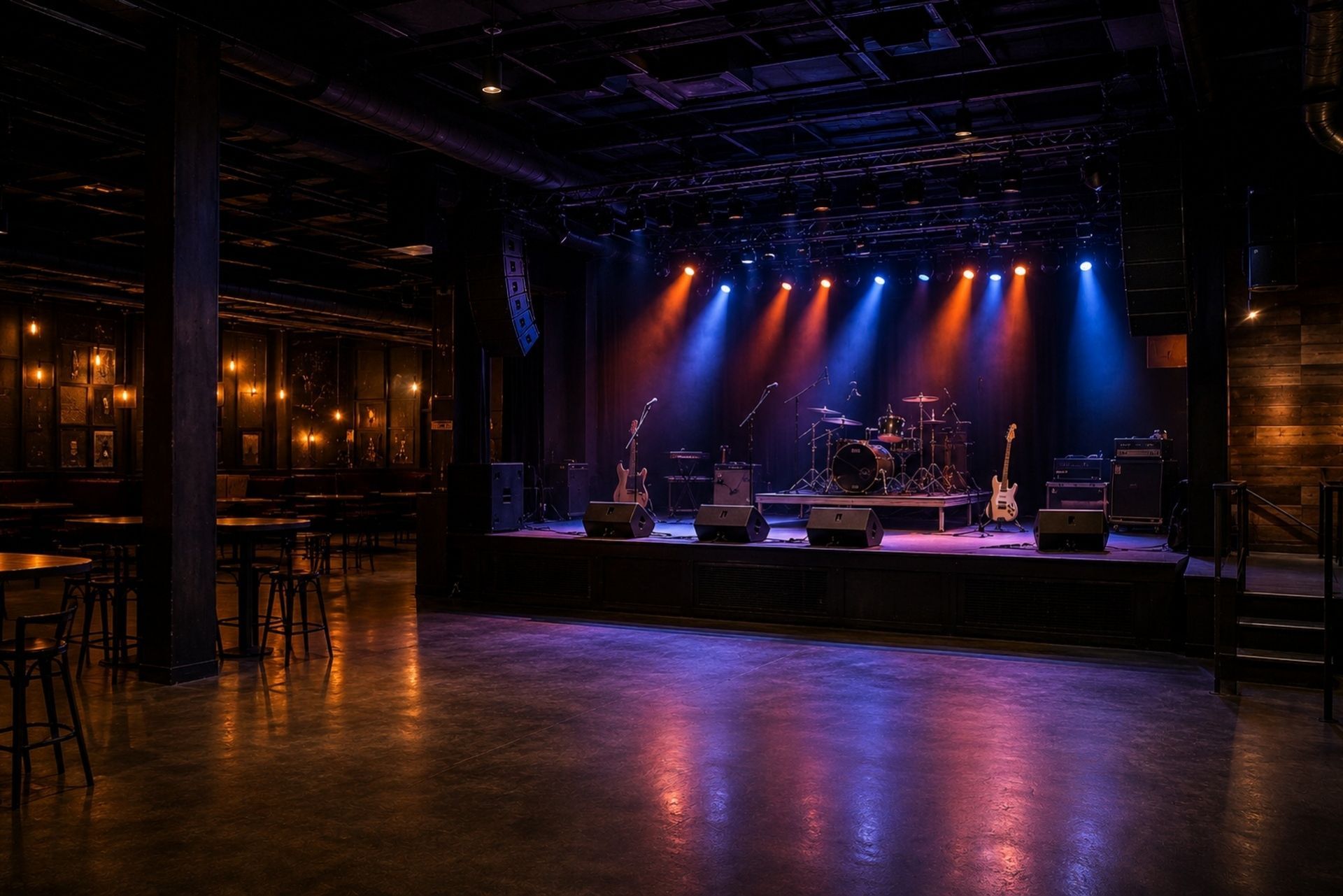
Every live music venue in Utah needs a layered insurance strategy. A single general liability policy won't cut it when you're dealing with alcohol service, expensive audio equipment, crowd control, and visiting performers who may or may not have their own coverage. The right combination of policies depends on your venue's size, location, and the types of events you host, but there are a few non-negotiable categories every operator should understand.
General Liability and Liquor Liability Basics
General liability insurance is the foundation. It covers bodily injury, property damage, and personal injury claims that arise from your venue's operations. If a patron slips on a wet floor or gets hit by a falling speaker, this is the policy that responds. Most landlords and municipalities require proof of general liability before you can even sign a lease or pull a permit.
Liquor liability is a separate beast entirely. If your venue holds an alcohol license, you need a dedicated liquor liability policy. Utah's alcohol laws are stricter than most states, and the financial exposure from an alcohol-related incident can be staggering. A standard general liability policy explicitly excludes claims arising from alcohol service. Don't assume you're covered just because you have "liability insurance." You need both.
Property Insurance for Sound and Lighting Gear
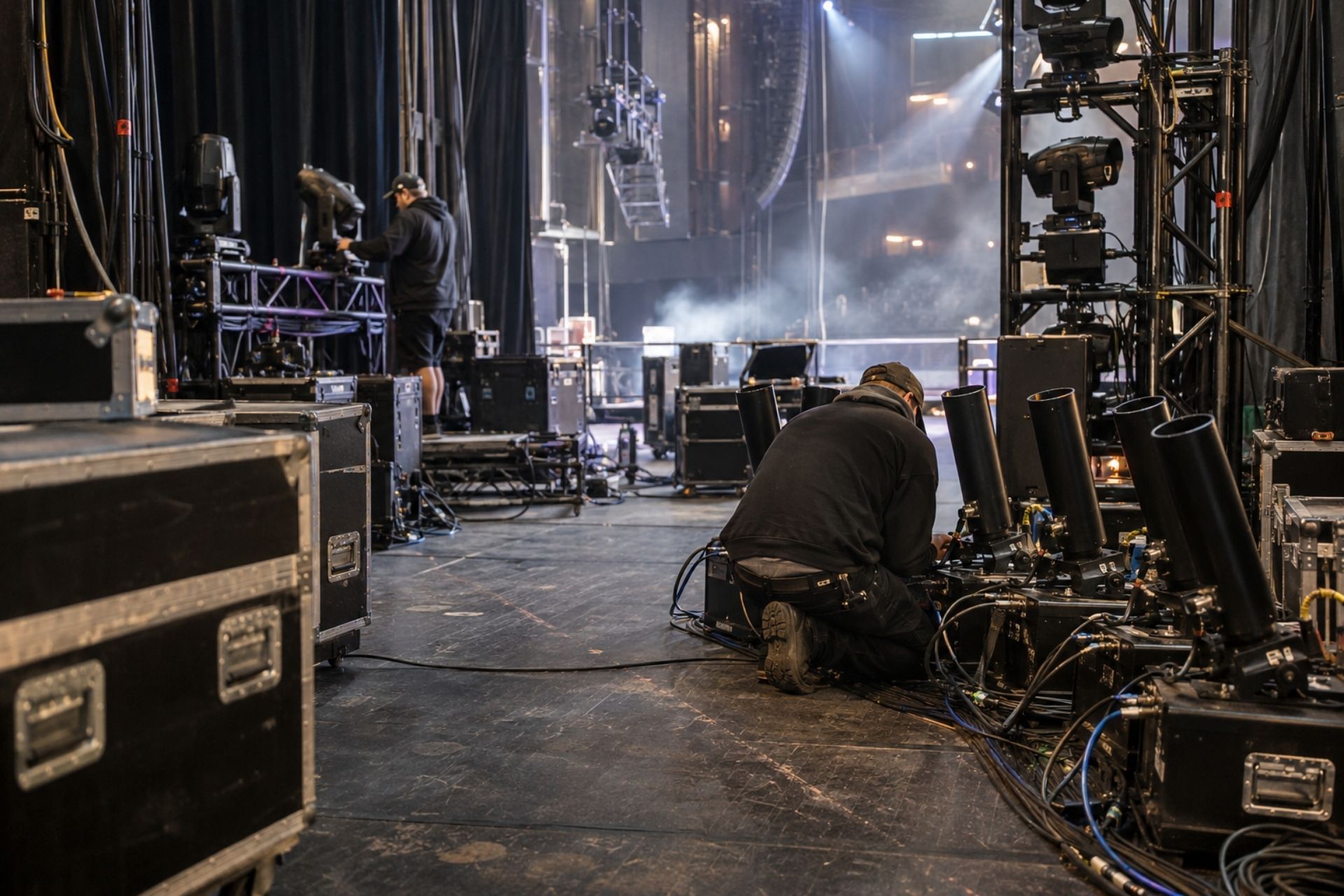
A mid-tier live sound system runs $50,000 to $150,000. Add lighting rigs, stage equipment, and back-of-house electronics, and you're looking at a quarter million dollars or more in gear that could be destroyed by a fire, flood, or electrical surge overnight. Property insurance covers the building itself (if you own it) and the contents inside, including your equipment.
One common mistake: operators insure their gear at purchase price rather than replacement cost. A mixing console you bought three years ago for $12,000 might cost $18,000 to replace today. Make sure your policy reflects current replacement values, not depreciated amounts. Agencies like GrayStone Insurance Group, which specialize in hard-to-place hospitality risks, can help you get accurate valuations and avoid coverage gaps that surface only after a loss.
Workers' Compensation Standards in Utah
Utah requires workers' compensation insurance for all employers, with very few exceptions. If you have even one employee, whether full-time sound engineers, part-time bartenders, or seasonal door staff, you need a workers' comp policy. The penalties for non-compliance include fines and personal liability for any workplace injuries.
Live music venues carry higher workers' comp rates than a typical office because the work environment involves heavy lifting, electrical equipment, crowd interactions, and late-night hours. Your experience modification rate (or "mod rate") directly affects your premium. A clean claims history keeps that number below 1.0, which means lower costs. A string of injuries pushes it higher, and those elevated premiums can stick with you for three years.
INDEX
GrayStone Insurance Group is fully licensed and permitted to provide specialty commercial insurance solutions for high-risk and hard-to-place businesses across 17 states.
We proudly serve high-risk and hard-to-place businesses from coast to coast. As an independent specialty brokerage, our team works with leading Excess & Surplus and specialty carriers to make sure restaurants, bars, contractors, trucking companies, manufacturers, and other hard-to-place operations receive coverage that fits their real risks in California, Colorado, Florida, Georgia, Illinois, Iowa, Maryland, Michigan, Missouri, Nevada, New York, North Carolina, South Carolina, Tennessee, Texas, Utah, and Washington.
Every policy has boundaries. Knowing them up front is how you avoid an uncovered claim. Common exclusions include:
Every policy has boundaries. Knowing them up front is how you avoid an uncovered claim. Common exclusions include:
Every policy has boundaries. Knowing them up front is how you avoid an uncovered claim. Common exclusions include:
General Liability responds to the core exposures most operations in this category face. A typical policy answers third-party claims and the defense costs that come with them, so a single incident doesn't put the business at risk.
If your firm provides any design, engineering, or consulting services alongside construction, you need both. A GL policy won't cover a claim alleging your design specifications caused a building envelope failure. That's a professional liability exposure, and it's one of the fastest-growing claim categories in construction.
Understanding Utah Dram Shop Laws and Compliance
Utah's dram shop laws hold alcohol-serving establishments financially responsible when an intoxicated patron causes injury or damage to a third party. Under Utah's dram shop statute, if your bartender serves someone who is visibly intoxicated and that person later causes a car accident, your venue can be sued for the resulting damages. This isn't theoretical: dram shop claims are among the most expensive liabilities a venue can face, often exceeding $500,000 in settlements.
Training staff to recognize signs of intoxication and cut off service appropriately isn't just good practice. It's a direct line of defense against these claims.
State Minimum Liability Limits for Alcohol Sales
Utah doesn't mandate a specific minimum insurance amount for liquor liability by statute, but the Department of Alcoholic Beverage Services (DABS) can impose insurance requirements as a condition of your license. Most insurers and industry best practices suggest carrying at least $1 million per occurrence in liquor liability coverage, with many venues opting for $2 million aggregate limits.
Effective January 1, 2026, Utah law requires all alcohol-licensed establishments to check the identification of every customer regardless of age or appearance. This universal ID check policy changes your compliance obligations and your risk profile. Venues that can demonstrate consistent ID verification and staff training often qualify for lower liquor liability premiums because insurers see them as better-managed risks.
Comparison of Standard vs. Enhanced Venue Coverage
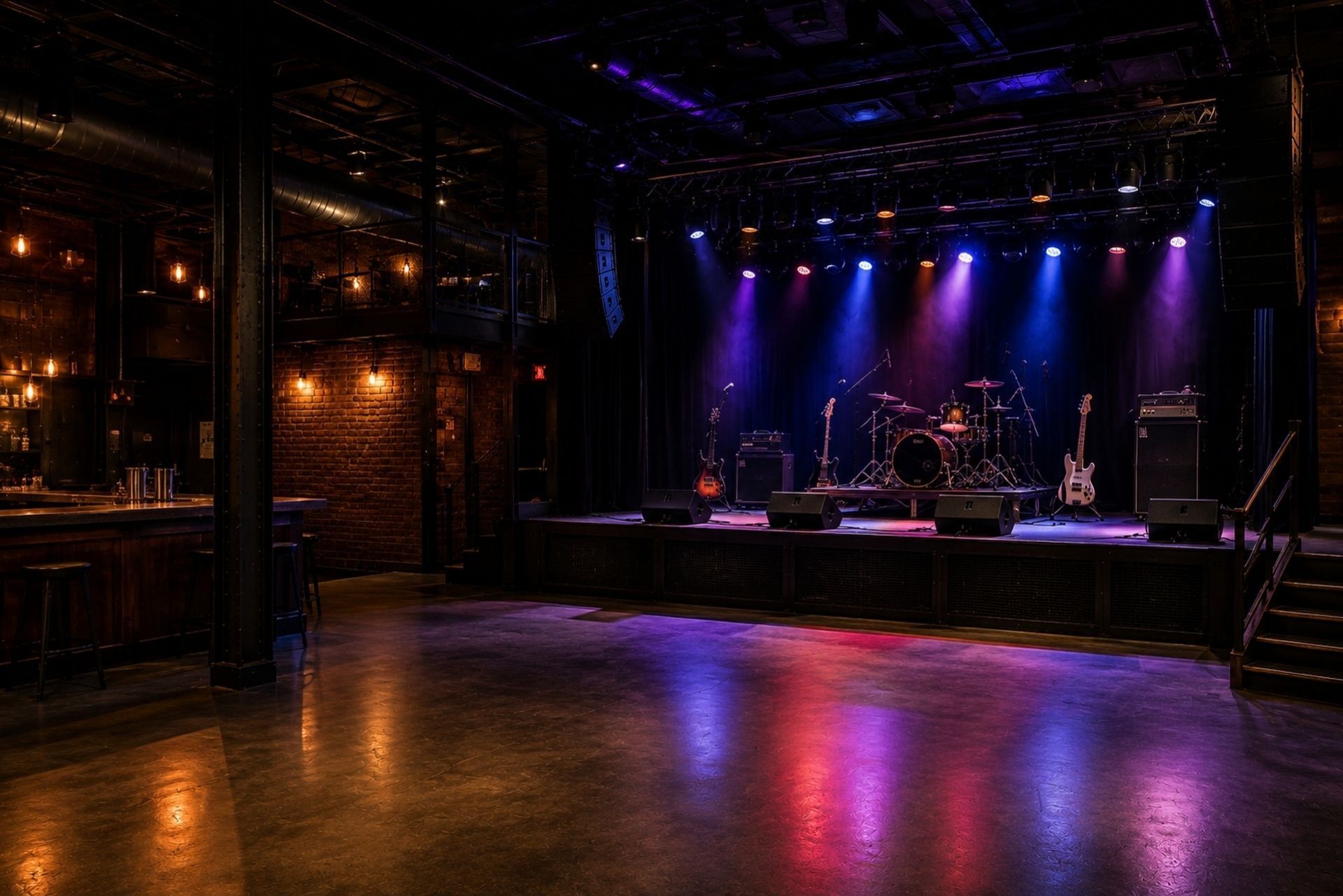
Not all venue insurance policies are created equal. A basic package might check the boxes for your lease agreement, but it could leave you exposed in scenarios that are common in the live music world.
Coverage Comparison Table
| Coverage Feature | Standard Policy | Enhanced Policy |
|---|---|---|
| General Liability | $1M per occurrence | $2M per occurrence |
| Liquor Liability | $500K per occurrence | $1M-$2M per occurrence |
| Property (Contents) | Actual cash value | Full replacement cost |
| Equipment Breakdown | Not included | Included |
| Event Cancellation | Not included | Included (weather, artist no-show) |
| Assault & Battery | Excluded or sublimited | Full coverage available |
| Hired/Non-Owned Auto | Not included | Included |
| Performer Medical | Not included | Optional add-on |
The assault and battery line is one that catches a lot of venue owners off guard. Standard policies often exclude or severely sublimit coverage for fights and altercations, which are, let's be honest, not uncommon at late-night music events. If a patron gets injured in a fight and sues your venue, a standard policy might cap your coverage at $25,000 or deny the claim entirely. Enhanced policies from specialists who understand nightlife risks, like GrayStone Insurance Group, can provide full assault and battery coverage without those restrictive sublimits.
Every policy has boundaries. Knowing them up front is how you avoid an uncovered claim. Common exclusions include:
Every policy has boundaries. Knowing them up front is how you avoid an uncovered claim. Common exclusions include:
Every policy has boundaries. Knowing them up front is how you avoid an uncovered claim. Common exclusions include:
General Liability responds to the core exposures most operations in this category face. A typical policy answers third-party claims and the defense costs that come with them, so a single incident doesn't put the business at risk.
Factors Influencing Insurance Premiums in Utah
Your premium isn't a random number. Insurers calculate it based on specific risk factors tied to your operation, and understanding those factors gives you some control over what you pay.
Venue Capacity and Crowd Management Strategies
Venuae capacity is one of the biggest premium drivers. A 500-person venue pays significantly more than a 150-person room because the exposure to crowd-related injuries scales with attendance. Salt Lake County requires venues hosting large gatherings to meet specific mass gathering regulations, including medical staffing and emergency planning requirements.
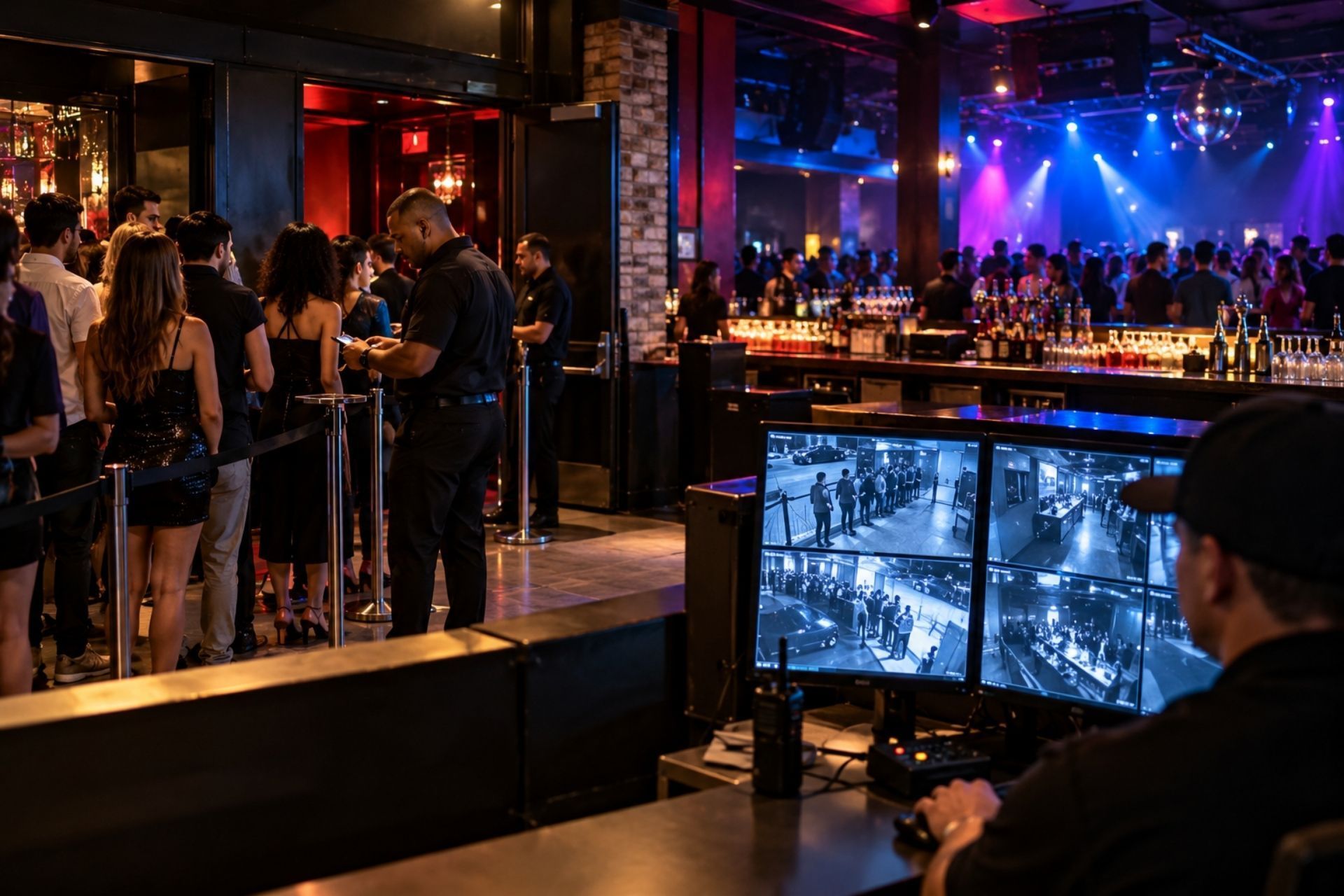
Insurers want to see that you have a real crowd management plan, not just a maximum occupancy sign on the wall. Documented security protocols, trained staff, clearly marked exits, and a relationship with local EMS providers all signal lower risk. Some carriers will reduce premiums by 10-15% for venues that can demonstrate formalized crowd management training and incident response procedures.
Claims History and Risk Mitigation Efforts
Your claims history over the past three to five years has an outsized effect on your premium. Even one significant claim, say a $200,000 slip-and-fall settlement, can increase your rates by 20-40% at renewal. Two or more claims in a short window, and some carriers will decline to renew you altogether, pushing you into the surplus lines market where premiums are even higher.
Risk mitigation efforts that actually move the needle include installing security cameras (and retaining footage for at least 90 days), conducting regular safety inspections, maintaining incident logs, and investing in staff training. Insurers review these measures during underwriting, and the venues that take them seriously pay less over time. Utah event operators should also ensure they meet all local permitting and safety requirements, as permit violations can void coverage or trigger policy exclusions.
Common Questions About Music Venue Insurance
Does my personal liability cover my live music business?
No. Personal liability policies, whether from homeowners or renters insurance, exclude commercial activities. Operating a live music venue requires commercial general liability insurance. Using a personal policy for business claims will result in a denial, and you'll be personally responsible for the full amount of any judgment.
Why is liquor liability so expensive in Utah?
Utah's strict dram shop laws create significant financial exposure for venues that serve alcohol. Insurers price liquor liability based on the state's legal environment, your venue's claims history, and your alcohol sales volume. The combination of Utah's liability standards and the inherent risks of serving alcohol at live events means premiums typically run $3,000 to $12,000 annually, depending on revenue and capacity.
Do I need insurance for visiting bands and performers?
You should require visiting performers to carry their own general liability insurance and name your venue as an additional insured on their policy. If they don't have coverage, any injury they cause or sustain could fall back on your policy. Many venues now include insurance requirements in their performance contracts. Concert venues should also be aware that medical emergencies at live shows are more common than most operators realize, making performer and attendee medical coverage worth serious consideration.
What happens if a show gets canceled last minute?
Standard policies don't cover event cancellation. If a headliner cancels, severe weather shuts you down, or a power outage kills the show, you're absorbing the full financial loss unless you have a dedicated event cancellation policy. These policies typically cover lost ticket revenue, non-refundable deposits, and marketing expenses. For venues that rely on ticket sales as a primary revenue stream, this coverage pays for itself the first time you need it.
Every policy has boundaries. Knowing them up front is how you avoid an uncovered claim. Common exclusions include:
Every policy has boundaries. Knowing them up front is how you avoid an uncovered claim. Common exclusions include:
Every policy has boundaries. Knowing them up front is how you avoid an uncovered claim. Common exclusions include:
General Liability responds to the core exposures most operations in this category face. A typical policy answers third-party claims and the defense costs that come with them, so a single incident doesn't put the business at risk.
Protecting Your Business Long-Term
Insurance for live music venues in Utah isn't a one-and-done decision. Your coverage needs will shift as you grow, add events, change your alcohol service model, or expand your physical space. An annual policy review, ideally with a broker who understands entertainment and hospitality risks, keeps your coverage aligned with your actual exposure.
The venues that survive long-term are the ones that treat insurance as a core business function, not an afterthought. They budget for it, they understand their policies, and they work with specialists who know the difference between a 200-cap listening room and a 2,000-seat amphitheater. GrayStone Insurance Group's team, with brokers averaging 20 years in the market, works specifically with high-risk and hard-to-place businesses that need more than a cookie-cutter policy.
Get your coverage reviewed before your next show season. The cost of being underinsured is always higher than the cost of doing it right.
ABOUT THE AUTHOR:
CHAD KRAMER
I started GrayStone Insurance Group in 2018 with a simple conviction: the businesses everyone else turns away deserve a broker who won't. What began as a one-person operation has grown into a specialty commercial brokerage with offices across the country — but the mission hasn't changed. We find solutions for high-risk and hard-to-place businesses when other agencies run the other way.
I built this agency on integrity, hard work, and the tenacity to do the hard things well. Through our access to Excess & Surplus and specialty markets, my team and I place coverage standard carriers can't — and I treat every client's business like my own.
If you've been declined, non-renewed, or told your business is too complicated to insure, let's talk.
Coverages & policies
Plain-language coverage, expertly placed.
We lead with commercial lines and round out personal coverage where you need it. Every policy comes with an explanation — not jargon.

Contractors
Third-party bodily injury & property damage — the foundation for any operation.

Liquor Liability
Critical for bars, restaurants and venues serving alcohol — including A&B.

Commercial Property
Buildings, contents and equipment — including distressed and vacant risk.

Workers' Compensation
Statutory coverage for your crew — including high-mod and high-hazard classes.

Commercial Umbrella
Extra liability limits over your primary policies — essential for high-exposure risk.
Products Liability
Manufacturers, CBD and consumer-product exposure — including imports.
What clients say
Brokers who actually place it.
FAQ
Answers for the risks others won't cover
Getting declined, non-renewed, or told your business is "too high-risk" is frustrating — but it doesn't mean you're out of options. Here are answers to the questions we hear most from business owners who need coverage the standard market won't provide.
What kind of insurance does GrayStone specialize in?
We're a specialty commercial brokerage built for high-risk and hard-to-place businesses — the risks standard carriers often turn away. Through our access to Excess & Surplus (E&S) and specialty markets, we place coverage that everyday agencies can't. Hospitality and construction are among our deepest areas of expertise.
My business was declined or non-renewed elsewhere. Can you still help?
That's exactly what we do. A decline, a non-renewal, or a tough claims history doesn't mean you're out of options — it means your risk needs a broker with the right market access. Tell us your situation and we'll get to work finding a fit.
What is Excess & Surplus (E&S) insurance?
E&S is specialty coverage for risks that standard "admitted" carriers won't write — often because a business is higher-risk, unusual, or has a complex history. As an independent broker, we tap into these specialty markets to place coverage where a typical agency hits a dead end.
What industries do you work with?
We cover a wide range of commercial industries — from restaurants, bars, and hospitality to contractors, trucking, manufacturing, cannabis, and more. If your industry is considered high-risk or hard-to-place, there's a good chance we've handled it.
Will you work with businesses that have prior claims or losses?
Yes. Prior claims and losses are part of many of the risks we place every day. Every business is evaluated on its own merits — and a rocky history is often exactly why a specialty broker can help where others won't.
Are you an independent broker?
Yes. We're not tied to a single carrier, so we shop your risk across multiple specialty and E&S markets to find coverage that actually fits — instead of forcing you into a one-size-fits-all policy.
Insights & resources
Know your risk before you buy.