

PA single uninsured assault claim can easily reach $250,000 to $500,000 when you factor in medical expenses, legal defense, lost wages, and pain-and-suffering damages. Jury awards in nightclub assault cases have exceeded seven figures with increasing frequency. Without A&B coverage, those costs come directly out of your business assets, and for most bar owners, that means closing the doors permanently.
The Role of the Customer's Personal Auto Policy
A single bottle of premium vodka hits a VIP table at midnight. Four hours later, one of the guests stumbles into the parking lot, gets behind the wheel, and kills a pedestrian. The lawsuit that follows doesn't just name the driver: it names your venue, your servers, and potentially you personally.
Bottle service creates a unique legal problem that most bar owners underestimate. Unlike standard drink-by-drink service, where a bartender controls each pour, bottle service hands an entire bottle to a group and expects them to pace themselves. That expectation, frankly, is a fantasy. And when something goes wrong, the liability questions get ugly fast. Understanding how overservice policies, claim evidence, and proper insurance coverage intersect is the difference between surviving a lawsuit and losing everything you've built. Texas venues face especially steep risks, where jury awards in hospitality cases can be devastating. Here's what you actually need to know.
Understanding Liquor Liability in Bottle Service
Liquor liability for bottle service operates differently than for standard bar operations, and most venue owners don't realize this until a claim lands on their desk. The core issue is control: or rather, the lack of it. When a bartender pours individual drinks, there's a clear chain of responsibility. Each drink is a decision point where a trained server can assess a guest's condition. Bottle service eliminates most of those checkpoints.
Insurers in 2026 are categorizing any venue offering bottle service as a "nightclub" - the highest risk tier - even if the establishment primarily functions as a restaurant. That classification alone can double your premiums before a single incident occurs.
The Legal Risks of Self-Service Environments
The fundamental problem with bottle service is that it creates a de facto self-service environment. Guests pour their own drinks, top off friends' glasses, and consume at whatever pace they choose. From a legal standpoint, that doesn't absolve your venue of responsibility. Courts have consistently held that the establishment retains a duty of care regardless of who physically pours the drink.
This means your staff must actively monitor consumption even when they're not the ones pouring. If a guest at a VIP table shows visible signs of intoxication and your team doesn't intervene, you're exposed. The "they poured it themselves" defense has failed repeatedly in courtrooms across the country.
Dram Shop Laws and Third-Party Injuries
Dram shop laws are the statutes that allow injured third parties to sue the establishment that served alcohol to the person who caused their injury. In Texas, these laws are particularly aggressive. If a visibly intoxicated patron leaves your venue and causes a car accident, the victim (or their family) can sue your business directly.
Texas remains a
high-risk environment for bottle service liability due to "nuclear" jurisdictions and significant jury risk in major metro areas. Harris County, which includes Houston, is a particular hotspot where jury awards in hospitality cases run 20% to 40% above the statewide average. A single verdict in one of these jurisdictions can exceed your policy limits and threaten the business itself.
Mitigating Overservice Through Training and Policy
Policies on paper mean nothing if your staff can't execute them at 1 a.m. on a Saturday. The gap between written policy and floor-level reality is where most venues fail, and where plaintiffs' attorneys find their strongest arguments. Effective overservice prevention requires specific, repeatable protocols that work in loud, dark, chaotic environments.
Standardized Pours vs. Open Bottle Access
The industry standard approach is to assign a dedicated server or "bottle host" to each VIP table. This person controls the bottle, pours each drink, and tracks consumption. Yes, it's more labor-intensive. Yes, guests sometimes push back because they want to pour freely. But this single practice is your strongest defense in a liability claim.
Some venues compromise by using measured pourers on bottles at VIP tables. Others require servers to pour the first round and then check back at defined intervals (every 15-20 minutes is a reasonable target). Whatever system you choose, document it in your training materials and enforce it consistently. Inconsistent enforcement is worse than no policy at all because it shows you knew the risk and chose not to act.
Monitoring Consumption at VIP Tables
Tracking how much alcohol a group consumes is harder with bottles than with individual drink tabs, but it's not impossible. Train your VIP servers to note the bottle level each time they visit the table. A simple system: mark the time and approximate level on a small card or tablet. This creates a consumption timeline that becomes invaluable if a claim arises later.
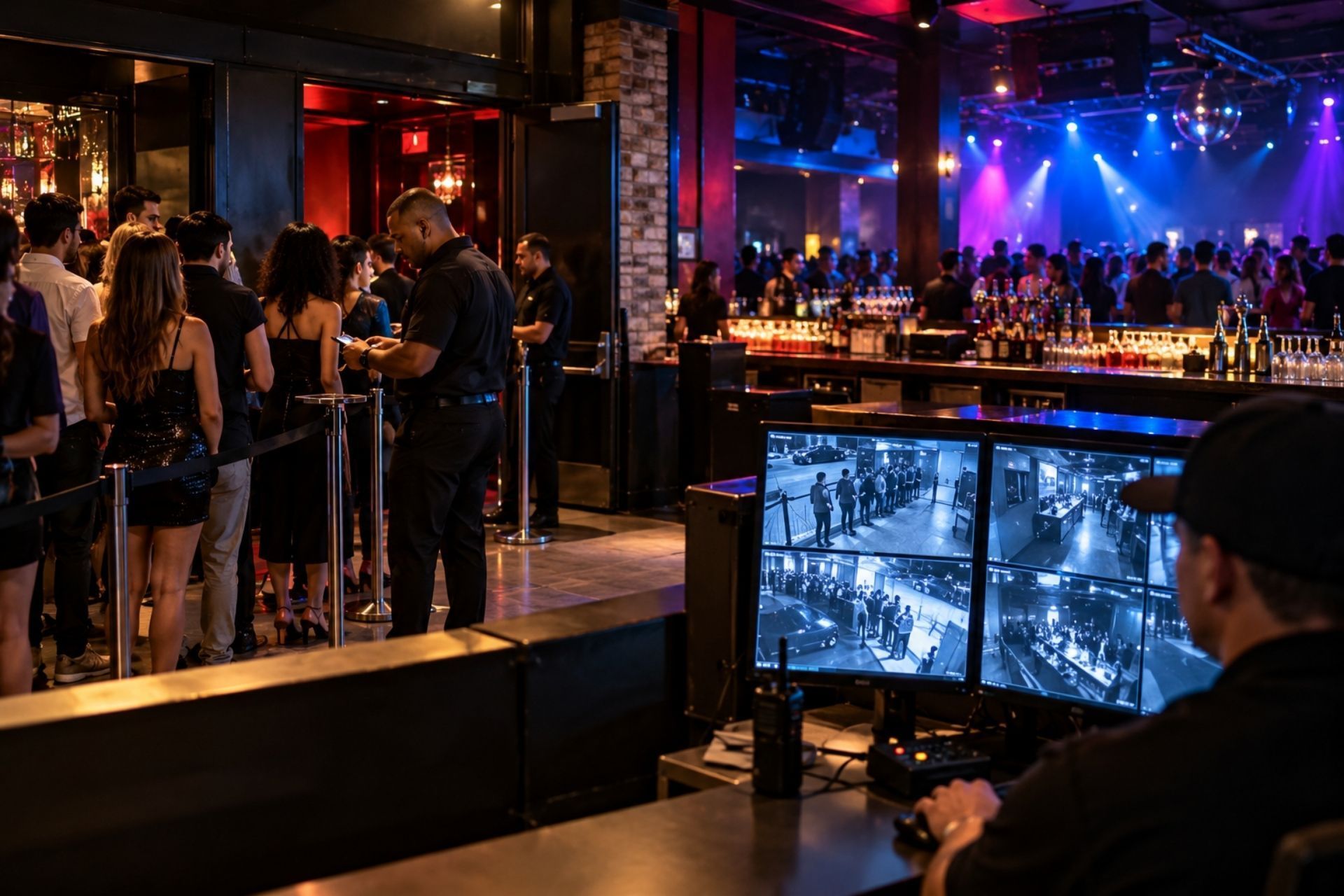
Cameras covering VIP areas are equally critical. Video footage showing your server checking on a table, cutting off service, or offering water and food is powerful evidence in court. The footage doesn't need to be cinematic quality: it just needs to show your team followed protocol.
Consumer behavior data backs up why this monitoring matters. Guests at bottle service tables are 570% more likely to associate their experience with "Late Night" activity compared to standard bar visits, which correlates directly with higher consumption levels and longer stays.
Intervention Strategies for Intoxicated Guests
Cutting off a VIP table that just dropped $2,000 on bottles is uncomfortable. It's also non-negotiable. Your intervention protocol should include clear escalation steps:
- The server notes signs of intoxication and slows service (removes mixers, delays pours)
- A manager visits the table to assess the situation directly
- If intoxication is confirmed, the manager communicates the cutoff clearly and offers alternatives (water, food, rideshare)
- The interaction is documented with a timestamp
Train your team to focus on behavior, not confrontation. Phrases like "I want to make sure everyone gets home safe tonight" work better than "You're cut off." And always, always arrange transportation. Calling a rideshare for a cut-off guest costs you $30. Not calling one can cost you millions.
Comparing Insurance Coverage for High-Volume Venues
Standard commercial general liability policies were not designed for alcohol-related risk. This is the coverage gap that catches most venue owners off guard. Your CGL policy covers slip-and-fall accidents and similar premises liability, but the moment alcohol enters the picture, you're typically looking at an exclusion.
Liquor Liability vs. General Liability Comparison
Liquor liability insurance specifically covers claims arising from the sale, service, or furnishing of alcohol. This includes bodily injury and property damage caused by intoxicated patrons after they leave your venue. General liability won't touch these claims.
For venues with bottle service, some Austin-area establishments have seen
40% premium jumps following a single liability claim. That kind of increase makes it clear why getting the right coverage from the start matters more than shopping for the cheapest policy. GrayStone Insurance Group works specifically with high-risk hospitality businesses, using AI-powered risk modeling to price policies accurately rather than simply slapping on the maximum premium because you offer bottle service.
Comparison of Coverage Types
| Coverage Feature | General Liability | Liquor Liability |
|---|---|---|
| Slip-and-fall injuries | Covered | Not typically covered |
| Overservice lawsuits | Excluded | Covered |
| Third-party DUI injuries | Excluded | Covered |
| Property damage by intoxicated guest | May be excluded | Covered |
| Assault by intoxicated patron | Limited coverage | Covered (varies by policy) |
| Typical annual premium range | $1,200 - $4,000 | $3,000 - $15,000+ |
| Required for bottle service venues | Yes (baseline) | Yes (essential) |
The premium range for liquor liability varies widely based on your venue's revenue, location, claims history, and the specific services you offer. Bottle service pushes you toward the higher end of that range. Venues in nuclear verdict jurisdictions like Harris County should expect premiums at the top of the scale or above it.
Common Questions About Nightlife Insurance
Does my regular business insurance cover bottle service accidents? No. Most general liability policies exclude liquor-related claims entirely. You need a dedicated liquor liability policy to cover alcohol-related lawsuits, and this is true even if you only offer bottle service on weekends or for special events.
Can I be sued if a customer drives home drunk after bottle service? Yes. Under dram shop laws, your business can be held responsible if you served a person who was clearly intoxicated and they later caused an accident. Texas law specifically allows injured third parties to pursue claims against the serving establishment.
What is the best way to prove we didn't overserve? Detailed documentation is your strongest defense. Keep logs of bottle sales with timestamps, maintain current server training certificates (TABC certification in Texas), and preserve video footage from VIP areas. This evidence of responsible service practices is what separates venues that survive lawsuits from those that don't.
Do I need extra coverage for VIP or private events? Your standard liquor liability policy usually covers all areas of the venue, but you should verify that your policy limits account for the higher risk profile of bottle service. Some venues purchase event-specific riders for large private bookings. Talk to a broker who understands nightlife risk: GrayStone's team, with brokers averaging 20 years of experience, can review whether your current limits match your actual exposure.
Protecting Your Business Assets
Bottle service liability isn't a theoretical risk: it's a predictable one. Every weekend, venues across Texas serve thousands of bottles to groups who will inevitably include someone who drinks too much. The venues that survive the inevitable claims are the ones that built their defenses before the incident, not after.
Your protection strategy comes down to three things: documented training and intervention protocols that your staff actually follows, proper liquor liability insurance with limits that reflect your real exposure, and evidence collection systems (logs, cameras, timestamps) that prove you did your job. Skip any one of these, and you're gambling with your business.
If you're running a venue with bottle service and haven't had your coverage reviewed recently, that's the single most important step you can take this week. The cost of proper coverage is a rounding error compared to a seven-figure verdict in a Harris County courtroom.
Search
INDEX
ABOUT THE AUTHOR:
CHAD KRAMER
I started GrayStone Insurance Group in 2018 with a simple conviction: the businesses everyone else turns away deserve a broker who won't. What began as a one-person operation has grown into a specialty commercial brokerage with offices across the country — but the mission hasn't changed. We find solutions for high-risk and hard-to-place businesses when other agencies run the other way.
I built this agency on integrity, hard work, and the tenacity to do the hard things well. Through our access to Excess & Surplus and specialty markets, my team and I place coverage standard carriers can't — and I treat every client's business like my own.
If you've been declined, non-renewed, or told your business is too complicated to insure, let's talk.