
General Liability responds to the core exposures most operations in this category face. A typical policy answers third-party claims and the defense costs that come with them, so a single incident doesn't put the business at risk.
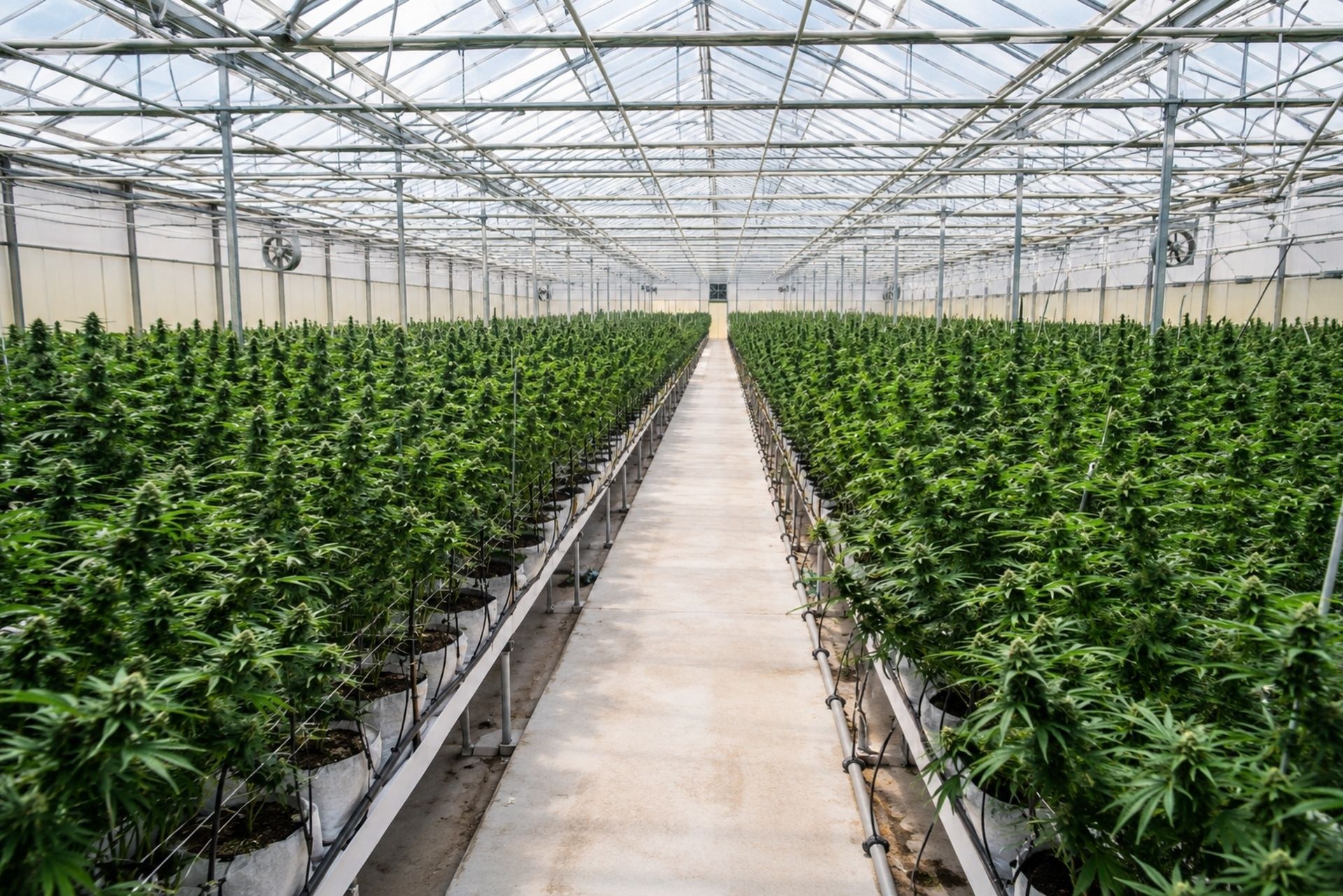
New York's hemp and CBD market has been growing fast, with the state's legal cannabis sector projected to reach significant scale over the next several years. But here's what most operators learn the hard way: getting licensed is only half the battle. Without the right insurance in place, a single product liability claim or employee injury can shut down your operation overnight. Whether you're running a CBD retail shop in Brooklyn, a hemp processing facility upstate, or an online storefront shipping tinctures across the state, understanding your insurance requirements and compliance obligations in New York isn't optional. It's the difference between building a real business and gambling with your livelihood. The tricky part? Most traditional insurance carriers still treat hemp and CBD businesses like they're radioactive. That leaves NY operators scrambling for coverage, often overpaying or, worse, carrying policies full of gaps they don't discover until a claim hits. This guide breaks down exactly what you need: the coverages, the costs, and the compliance rules that actually matter for CBD and hemp businesses operating in New York in 2026.
Navigating New York's CBD and Hemp Insurance Landscape
New York has carved out a distinct regulatory framework for hemp-derived CBD products that sits apart from the broader cannabis market. The state's Office of Cannabis Management (OCM) oversees licensing and compliance for all cannabinoid hemp businesses, and their application requirements explicitly reference insurance obligations that operators must satisfy before receiving approval.
What catches most people off guard is how specific New York gets. The state doesn't just say "get insurance." It dictates minimum coverage amounts, requires certain policy types based on your license category, and expects you to maintain active coverage throughout your license period. Lapsing on your policy can trigger enforcement action, fines, or even license revocation.
State-Specific Regulatory Oversight
New York's OCM requires all licensed hemp operators to carry general liability insurance at a minimum. Processors and manufacturers face additional requirements, including product liability coverage and, in many cases, environmental liability policies. The state also mandates workers' compensation and disability benefits insurance for any business with employees, which is a separate requirement enforced by the New York Workers' Compensation Board.
One thing to keep in mind: New York updates its insurance requirements periodically, and the OCM has been tightening standards as the market matures. Checking your license renewal packet each year for updated insurance minimums is a smart habit.
The Difference Between CBD and THC Coverage Requirements
CBD and THC businesses in New York fall under different regulatory buckets, but their insurance needs overlap more than you'd expect. The key distinction is that THC-containing cannabis businesses typically face higher premiums and stricter underwriting because of the federal legal ambiguity that still lingers around marijuana. Hemp-derived CBD products (containing less than 0.3% THC) sit on firmer legal ground thanks to the 2018 Farm Bill, which generally makes them easier and cheaper to insure.
That said, many carriers still lump CBD operators into "cannabis" underwriting categories. This means you might get quoted alongside dispensaries and grow operations even if you're just selling topical creams. Working with a brokerage that understands the distinction, like GrayStone Insurance Group, which has spent years placing hard-to-insure cannabis and hemp businesses, can save you thousands annually.
INDEX
GrayStone Insurance Group is fully licensed and permitted to provide specialty commercial insurance solutions for high-risk and hard-to-place businesses across 17 states.
We proudly serve high-risk and hard-to-place businesses from coast to coast. As an independent specialty brokerage, our team works with leading Excess & Surplus and specialty carriers to make sure restaurants, bars, contractors, trucking companies, manufacturers, and other hard-to-place operations receive coverage that fits their real risks in California, Colorado, Florida, Georgia, Illinois, Iowa, Maryland, Michigan, Missouri, Nevada, New York, North Carolina, South Carolina, Tennessee, Texas, Utah, and Washington.
Every policy has boundaries. Knowing them up front is how you avoid an uncovered claim. Common exclusions include:
Every policy has boundaries. Knowing them up front is how you avoid an uncovered claim. Common exclusions include:
Every policy has boundaries. Knowing them up front is how you avoid an uncovered claim. Common exclusions include:
General Liability responds to the core exposures most operations in this category face. A typical policy answers third-party claims and the defense costs that come with them, so a single incident doesn't put the business at risk.
If your firm provides any design, engineering, or consulting services alongside construction, you need both. A GL policy won't cover a claim alleging your design specifications caused a building envelope failure. That's a professional liability exposure, and it's one of the fastest-growing claim categories in construction.
Essential Insurance Coverages for NY Operators
Getting the right mix of coverages matters more than simply checking a box. A bare-minimum policy might satisfy your licensing requirement but leave you exposed to the claims that actually happen in this industry.
General Liability vs. Product Liability
General liability covers the basics: someone slips in your store, your signage damages a neighbor's property, or a visitor gets hurt at your facility. Product liability is a completely different animal. It covers claims arising from the products you sell or manufacture, like a customer alleging that your CBD oil caused an allergic reaction or that your labeling was misleading.
New York hemp operators pay an average of $313 per month for general liability insurance, a rate that runs about 38% higher than standard retail businesses. Product liability adds to that cost, but skipping it is a mistake. Product-related claims are the most common and most expensive lawsuits in the CBD space.
Comparison of Coverage Types
Not all policies are built the same. Here's a quick breakdown of the core coverage types NY hemp operators should evaluate:
- General Liability: Covers bodily injury and property damage on your premises or from your operations
- Product Liability: Covers claims from products you manufacture, distribute, or sell
- Professional Liability (E&O): Covers claims related to advice or services you provide
- Commercial Property: Covers your physical assets, equipment, and inventory
- Crop Insurance: Relevant for hemp growers protecting against weather or pest damage
- Cyber Liability: Covers data breaches, especially important for e-commerce operators
Comparison Table: Basic vs. Comprehensive Coverage
| Coverage Feature | Basic Package | Comprehensive Package |
|---|---|---|
| General Liability | $1M per occurrence / $2M aggregate | $2M per occurrence / $4M aggregate |
| Product Liability | Not included | $1M-$2M per occurrence |
| Workers' Comp | State minimum | State minimum + employer's liability |
| Commercial Property | Basic contents only | Full replacement cost |
| Product Recall | Not included | Included up to $500K |
| Cyber Liability | Not included | $1M coverage |
| Estimated Monthly Cost | $250-$400 | $600-$1,200 |
The gap between these two tiers is significant. Most operators who've been through a claim will tell you the comprehensive package pays for itself the first time you need it.
Every policy has boundaries. Knowing them up front is how you avoid an uncovered claim. Common exclusions include:
Every policy has boundaries. Knowing them up front is how you avoid an uncovered claim. Common exclusions include:
Every policy has boundaries. Knowing them up front is how you avoid an uncovered claim. Common exclusions include:
General Liability responds to the core exposures most operations in this category face. A typical policy answers third-party claims and the defense costs that come with them, so a single incident doesn't put the business at risk.
Factors Influencing Your Monthly Premiums
Your premium isn't a random number. Carriers use specific data points to price your policy, and understanding them gives you some control over what you pay.
Revenue Projections and Business Size
Insurance carriers price policies partly based on your projected annual revenue. A CBD shop doing $200,000 a year in sales will pay less than one doing $2 million, simply because higher revenue typically means more customer interactions and more exposure to claims. Cannabis insurance pricing trends in 2026 show that premiums have stabilized somewhat compared to earlier years, but revenue remains one of the top rating factors.
Employee count also matters. More employees means higher workers' comp premiums and greater operational risk in the eyes of underwriters.
Product Type and Manufacturing Processes
Selling pre-packaged CBD gummies from a third-party manufacturer carries far less risk than formulating your own tinctures in-house. Carriers want to know exactly what you're making, how you're making it, and what quality controls you have in place. Businesses that can show third-party lab testing, GMP compliance, and documented SOPs often qualify for better rates.
If you're manufacturing edibles or inhalable products, expect to pay more. These product categories generate the most liability claims in the industry, and underwriters price accordingly.
What happens if a show gets canceled last minute?
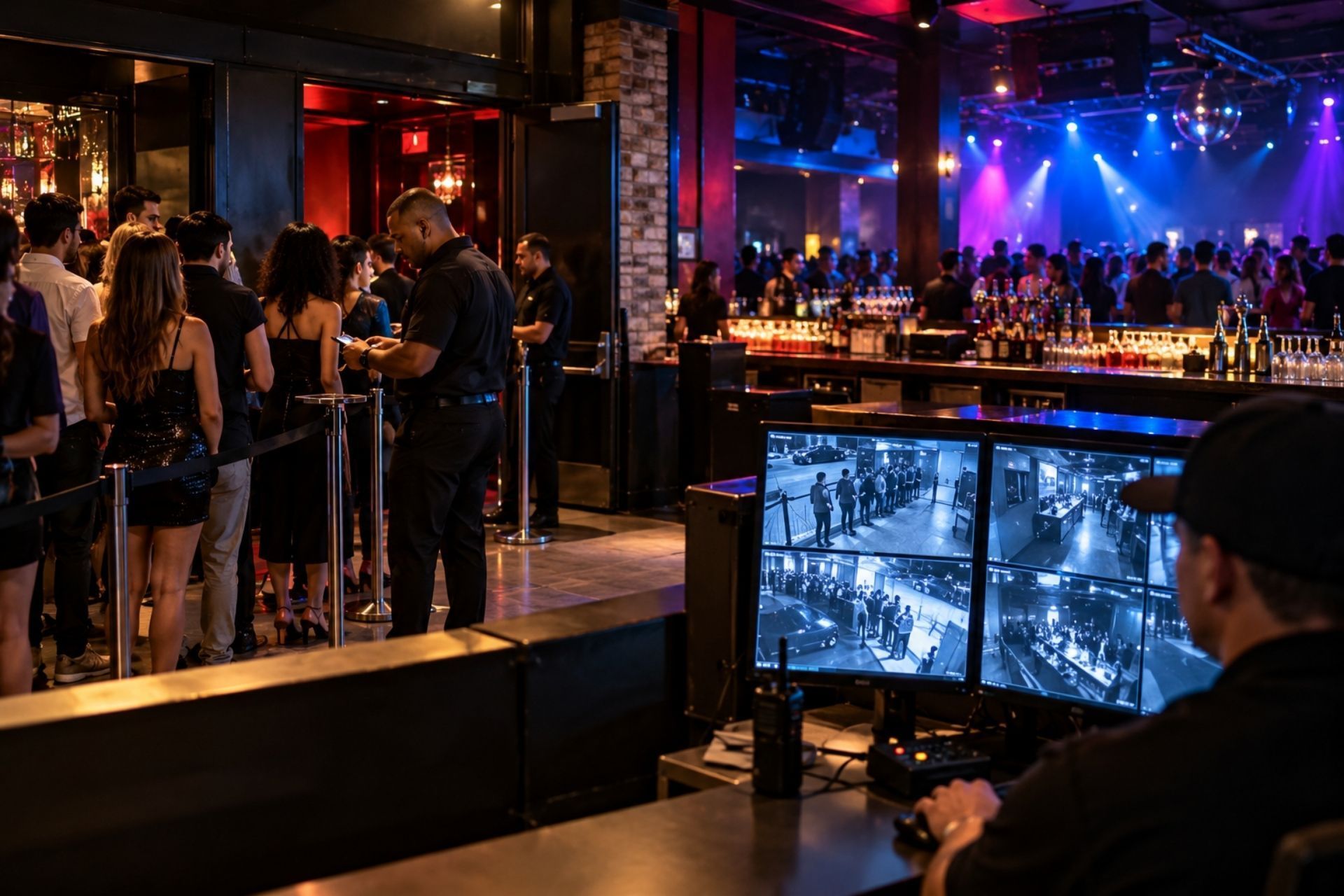
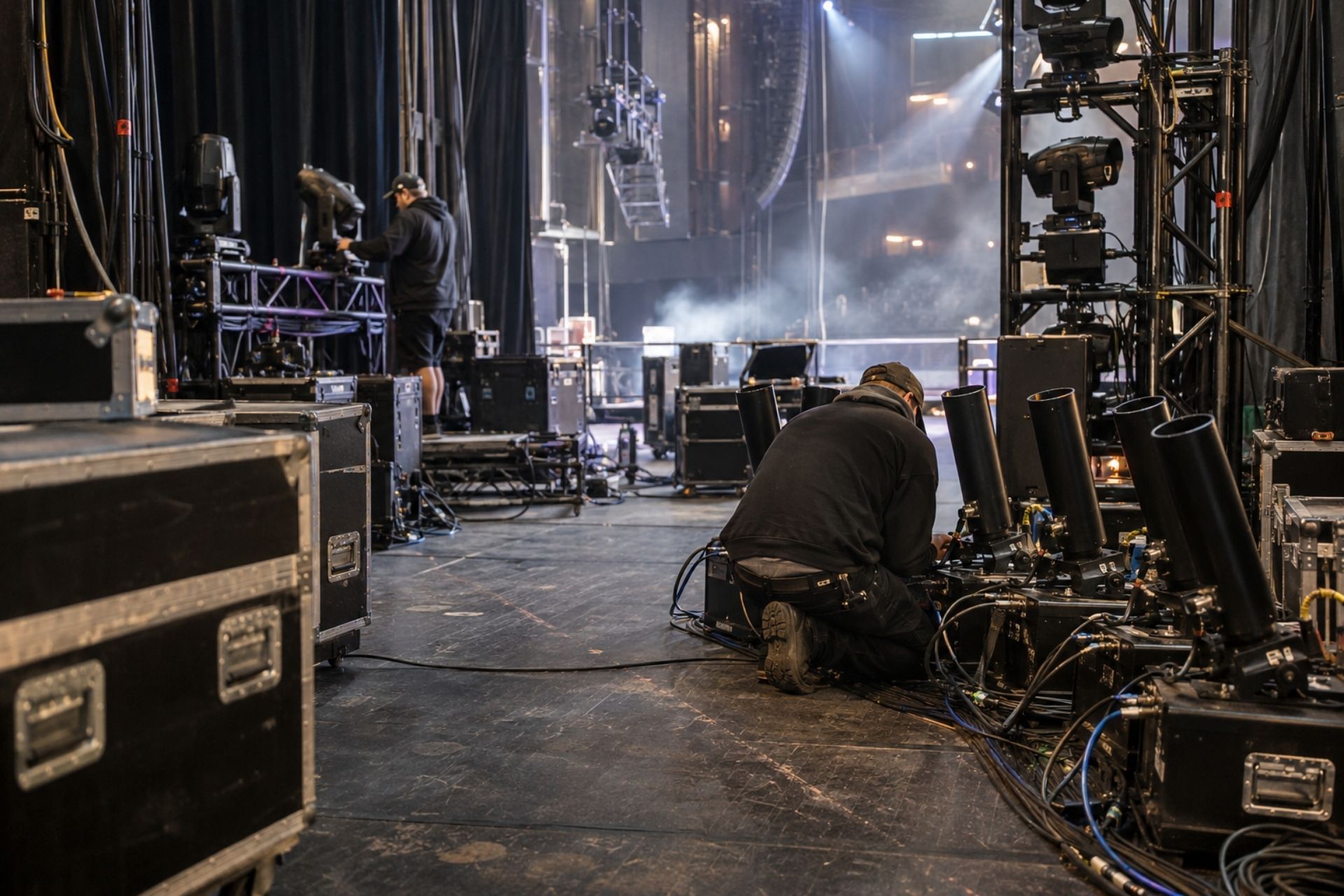
Standard policies don't cover event cancellation. If a headliner cancels, severe weather shuts you down, or a power outage kills the show, you're absorbing the full financial loss unless you have a dedicated event cancellation policy. These policies typically cover lost ticket revenue, non-refundable deposits, and marketing expenses. For venues that rely on ticket sales as a primary revenue stream, this coverage pays for itself the first time you need it.
Maintaining Compliance with NY State Law
Staying insured isn't a one-time task. New York expects ongoing compliance, and the state has mechanisms to verify that your coverage stays active.
Workers' Compensation and Disability Requirements
Every New York employer, regardless of industry, must carry workers' compensation and disability benefits insurance. There are no exceptions for small hemp businesses. Even a single part-time employee triggers this requirement. The penalties for non-compliance in New York are harsh: fines can reach $2,000 per 10-day period without coverage, and criminal charges are possible for willful violations.
New York also requires Paid Family Leave (PFL) coverage, which is typically bundled with your disability benefits policy. Make sure your carrier includes PFL, or you'll face a separate compliance gap.
Certificate of Insurance (COI) Best Practices
Your COI is proof that you carry active coverage, and you'll need to produce it regularly. Landlords, licensing agencies, wholesale partners, and event organizers will all request one. Keep a digital copy accessible at all times and set calendar reminders for your policy renewal dates.
GrayStone Insurance Group's team, with brokers averaging 20 years of experience, typically recommends that hemp operators request COIs that list the OCM as an additional interested party. This way, the state gets notified automatically if your policy lapses, which prevents accidental compliance violations.
Every policy has boundaries. Knowing them up front is how you avoid an uncovered claim. Common exclusions include:
Every policy has boundaries. Knowing them up front is how you avoid an uncovered claim. Common exclusions include:
Every policy has boundaries. Knowing them up front is how you avoid an uncovered claim. Common exclusions include:
General Liability responds to the core exposures most operations in this category face. A typical policy answers third-party claims and the defense costs that come with them, so a single incident doesn't put the business at risk.
Common Questions About NY CBD Insurance
Do I need insurance if I only sell CBD online?
Yes. Online-only CBD businesses in New York still need general liability and product liability coverage. E-commerce doesn't eliminate your exposure to product claims, and payment processors increasingly require proof of insurance before they'll work with CBD merchants.
Is hemp insurance more expensive than regular retail insurance?
It is. Hemp and CBD businesses typically pay 30-40% more than comparable retail operations for similar coverage limits. The premium gap has narrowed since 2023, but the industry's perceived risk still drives higher rates.
Does my policy cover product recalls?
Standard general liability policies do not cover product recalls. You'll need a separate product recall endorsement or a comprehensive package that includes recall expense coverage. Given the FDA's increasing scrutiny of CBD products, this coverage is worth serious consideration.
What happens if a customer has an adverse reaction?
Your product liability coverage responds to these claims. The carrier investigates, provides legal defense, and pays settlements or judgments up to your policy limits. Without product liability coverage, you're personally responsible for all legal costs and damages.
Can I get a policy before I have my NY state license?
Most carriers will bind coverage before your license is officially issued, since you often need proof of insurance to complete your application. The policy effective date can be aligned with your expected license approval date.
What happens if a show gets canceled last minute?
Standard policies don't cover event cancellation. If a headliner cancels, severe weather shuts you down, or a power outage kills the show, you're absorbing the full financial loss unless you have a dedicated event cancellation policy. These policies typically cover lost ticket revenue, non-refundable deposits, and marketing expenses. For venues that rely on ticket sales as a primary revenue stream, this coverage pays for itself the first time you need it.
The Bottom Line for NY Hemp Businesses
Running a CBD or hemp business in New York without proper insurance isn't just risky: it's a compliance violation that can cost you your license. The state has made its expectations clear, and the enforcement mechanisms are real. Between general liability, product liability, workers' comp, and the various endorsements specific to cannabinoid products, your insurance program needs to be built with intention, not grabbed off the shelf.
The cost of insuring a cannabis-related business has become more predictable in 2026, but finding carriers willing to write these policies still requires working with specialists. GrayStone Insurance Group maintains a 94% client retention rate precisely because they understand how to place coverage for businesses that other agencies turn away. If you're an NY hemp or CBD operator looking for coverage that actually fits your operation, reach out to a broker who knows this space inside and out. Your business depends on it.
ABOUT THE AUTHOR:
CHAD KRAMER
I started GrayStone Insurance Group in 2018 with a simple conviction: the businesses everyone else turns away deserve a broker who won't. What began as a one-person operation has grown into a specialty commercial brokerage with offices across the country — but the mission hasn't changed. We find solutions for high-risk and hard-to-place businesses when other agencies run the other way.
I built this agency on integrity, hard work, and the tenacity to do the hard things well. Through our access to Excess & Surplus and specialty markets, my team and I place coverage standard carriers can't — and I treat every client's business like my own.
If you've been declined, non-renewed, or told your business is too complicated to insure, let's talk.
Coverages & policies
Plain-language coverage, expertly placed.
We lead with commercial lines and round out personal coverage where you need it. Every policy comes with an explanation — not jargon.

Contractors
Third-party bodily injury & property damage — the foundation for any operation.

Liquor Liability
Critical for bars, restaurants and venues serving alcohol — including A&B.

Commercial Property
Buildings, contents and equipment — including distressed and vacant risk.

Workers' Compensation
Statutory coverage for your crew — including high-mod and high-hazard classes.

Commercial Umbrella
Extra liability limits over your primary policies — essential for high-exposure risk.
Products Liability
Manufacturers, CBD and consumer-product exposure — including imports.
What clients say
Brokers who actually place it.
FAQ
Answers for the risks others won't cover
Getting declined, non-renewed, or told your business is "too high-risk" is frustrating — but it doesn't mean you're out of options. Here are answers to the questions we hear most from business owners who need coverage the standard market won't provide.
What kind of insurance does GrayStone specialize in?
We're a specialty commercial brokerage built for high-risk and hard-to-place businesses — the risks standard carriers often turn away. Through our access to Excess & Surplus (E&S) and specialty markets, we place coverage that everyday agencies can't. Hospitality and construction are among our deepest areas of expertise.
My business was declined or non-renewed elsewhere. Can you still help?
That's exactly what we do. A decline, a non-renewal, or a tough claims history doesn't mean you're out of options — it means your risk needs a broker with the right market access. Tell us your situation and we'll get to work finding a fit.
What is Excess & Surplus (E&S) insurance?
E&S is specialty coverage for risks that standard "admitted" carriers won't write — often because a business is higher-risk, unusual, or has a complex history. As an independent broker, we tap into these specialty markets to place coverage where a typical agency hits a dead end.
What industries do you work with?
We cover a wide range of commercial industries — from restaurants, bars, and hospitality to contractors, trucking, manufacturing, cannabis, and more. If your industry is considered high-risk or hard-to-place, there's a good chance we've handled it.
Will you work with businesses that have prior claims or losses?
Yes. Prior claims and losses are part of many of the risks we place every day. Every business is evaluated on its own merits — and a rocky history is often exactly why a specialty broker can help where others won't.
Are you an independent broker?
Yes. We're not tied to a single carrier, so we shop your risk across multiple specialty and E&S markets to find coverage that actually fits — instead of forcing you into a one-size-fits-all policy.
Insights & resources
Know your risk before you buy.