
General Liability responds to the core exposures most operations in this category face. A typical policy answers third-party claims and the defense costs that come with them, so a single incident doesn't put the business at risk.
A bar owner in Austin recently told me his insurance premium jumped 40% after a single assault claim, even though his security team handled the situation by the book. His story isn't unusual. Running a nightlife venue means operating in one of the most insurance-hostile segments of the hospitality industry. Premiums for high-energy venues like nightclubs and bars with dance floors have increased by an average of 18% to 25% over the past two years, and many standard carriers won't even quote these risks anymore.
If you own or operate a bar, nightclub, lounge, or any venue where alcohol is the primary revenue driver, your insurance needs are fundamentally different from those of a restaurant or retail shop. The claims profile is more volatile, the liability exposure runs deeper, and finding the right coverage often means working with specialists who understand how the surplus lines market actually functions. This guide breaks down the coverage types that matter most, the claims that hit hardest, and what hard-to-place operators should know before their next renewal.
Essential Insurance Coverages for Hospitality Venues
Every bar and nightclub needs a layered insurance program, not just a single policy. The mistake most operators make is buying the cheapest general liability policy they can find and assuming they're covered. They're not. A proper program includes general liability, liquor liability, property coverage, assault and battery protection, and often workers' compensation and commercial auto. Each piece addresses a different category of risk, and gaps between them are where lawsuits live.
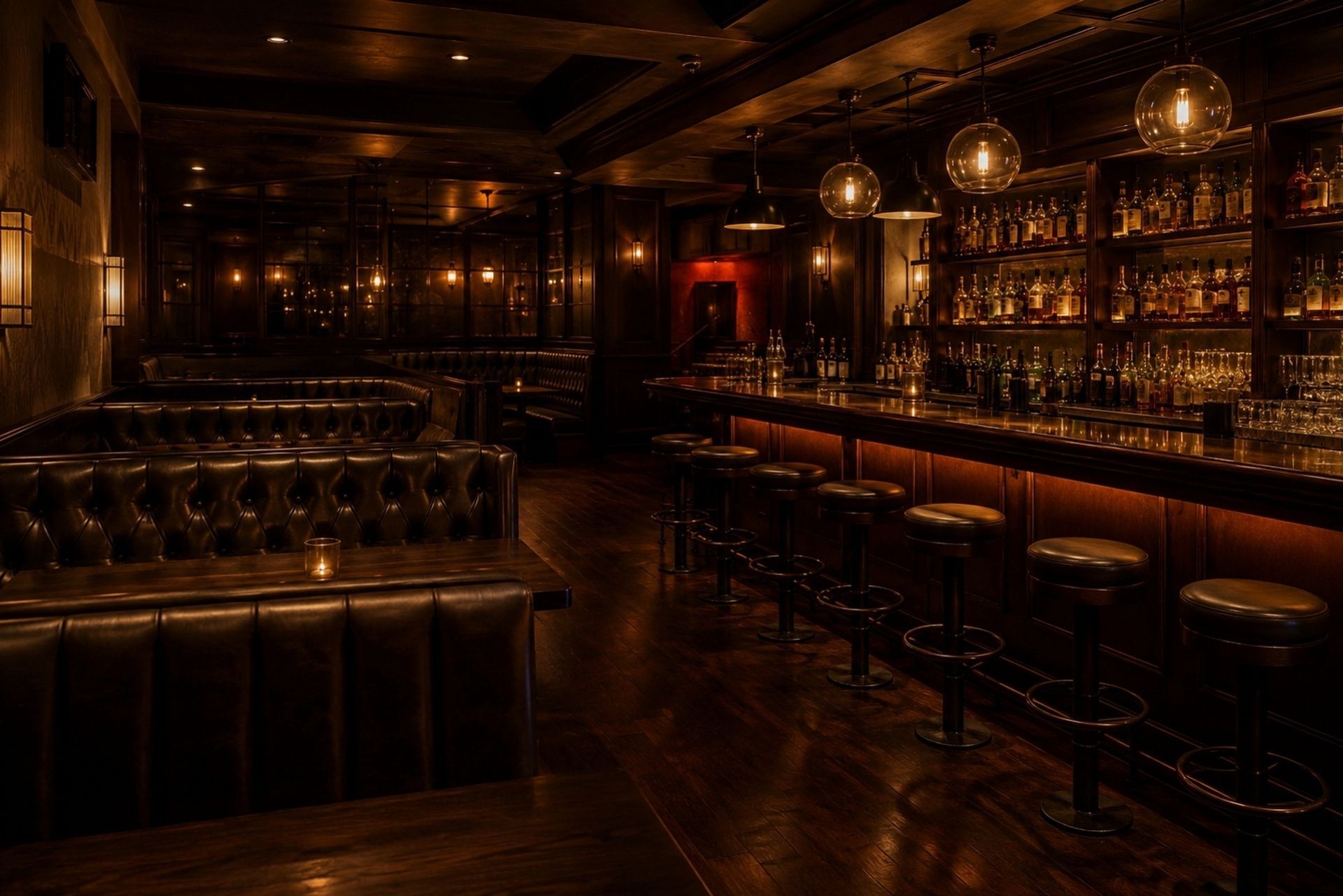
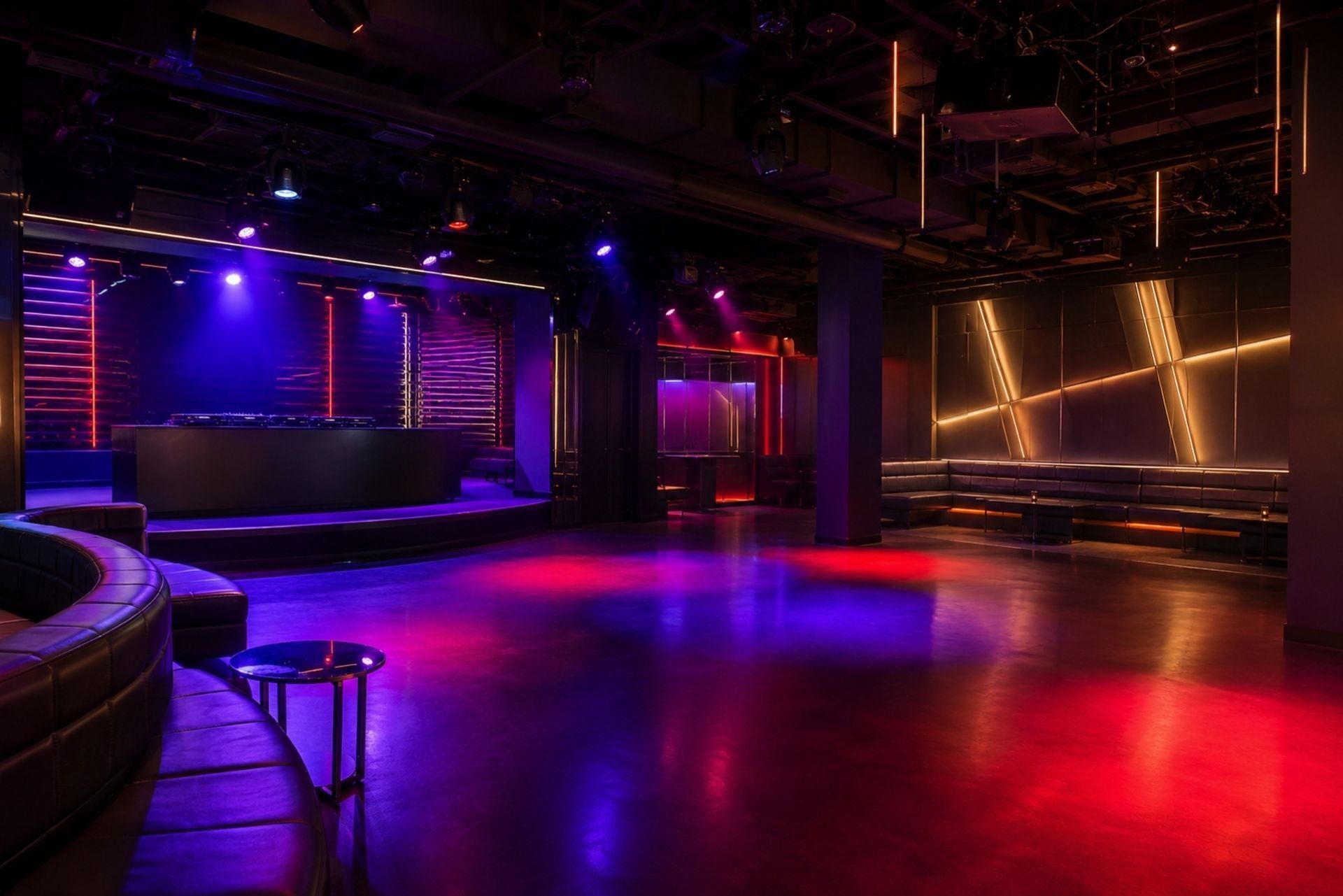
The right combination depends on your venue type, hours of operation, entertainment offerings, and claims history. A craft cocktail lounge with 50 seats faces very different exposures than a 500-capacity nightclub with a DJ booth and bottle service. Your insurance program should reflect those differences.
General Liability and Liquor Liability Basics
General liability (GL) covers the standard premises risks: someone trips on a loose floor tile, a piece of signage falls and injures a patron, or a vendor slips in the kitchen. Most GL policies carry limits of $1 million per occurrence and $2 million aggregate, though high-traffic venues often need more.
Liquor liability is where things get specific to your industry. This coverage protects you when an intoxicated patron causes harm to themselves or others after being served at your establishment. In most states, dram shop laws hold the establishment at least partially liable for damages caused by visibly intoxicated customers. A standard GL policy almost always excludes liquor-related claims for businesses whose primary operation involves selling alcohol. You need a separate liquor liability policy, and skipping it is one of the fastest ways to lose everything you've built.
Assault and Battery Endorsements
Here's something that catches a lot of bar owners off guard: most general liability and liquor liability policies exclude assault and battery claims entirely. That means if a fight breaks out on your premises, whether between patrons, involving a bouncer, or even if your staff is the victim, your standard policies won't respond.
An assault and battery endorsement (or a standalone policy) fills this gap. These endorsements typically come with sub-limits, often $100,000 to $500,000, which may not be enough for a serious incident involving hospitalization or wrongful death. Work with your broker to make sure the limit matches your actual risk. If your venue has late-night hours, a dance floor, or a history of incidents, this endorsement isn't optional: it's essential.
Property Coverage for High-End Equipment and Inventory
Sound systems, lighting rigs, POS equipment, custom bar builds, and liquor inventory add up fast. A mid-size nightclub can easily have $200,000 to $500,000 in equipment and build-out costs that would need to be replaced after a fire, flood, or theft.
Standard property policies work here, but pay attention to valuation methods. Replacement cost coverage pays to replace damaged items at current prices, while actual cash value deducts depreciation. For a five-year-old sound system worth $80,000 new, the difference between those two valuation methods could be $40,000 or more. Also confirm that your policy covers business interruption, because if a fire shuts you down for three months, lost revenue can be more devastating than the property damage itself.
INDEX
GrayStone Insurance Group is fully licensed and permitted to provide specialty commercial insurance solutions for high-risk and hard-to-place businesses across 17 states.
We proudly serve high-risk and hard-to-place businesses from coast to coast. As an independent specialty brokerage, our team works with leading Excess & Surplus and specialty carriers to make sure restaurants, bars, contractors, trucking companies, manufacturers, and other hard-to-place operations receive coverage that fits their real risks in California, Colorado, Florida, Georgia, Illinois, Iowa, Maryland, Michigan, Missouri, Nevada, New York, North Carolina, South Carolina, Tennessee, Texas, Utah, and Washington.
Every policy has boundaries. Knowing them up front is how you avoid an uncovered claim. Common exclusions include:
Every policy has boundaries. Knowing them up front is how you avoid an uncovered claim. Common exclusions include:
Every policy has boundaries. Knowing them up front is how you avoid an uncovered claim. Common exclusions include:
General Liability responds to the core exposures most operations in this category face. A typical policy answers third-party claims and the defense costs that come with them, so a single incident doesn't put the business at risk.
If your firm provides any design, engineering, or consulting services alongside construction, you need both. A GL policy won't cover a claim alleging your design specifications caused a building envelope failure. That's a professional liability exposure, and it's one of the fastest-growing claim categories in construction.
Comparison: General Liability vs. Liquor Liability
Understanding the distinction between these two coverages is critical because they protect against fundamentally different risks, and one cannot substitute for the other.
Coverage Comparison Table
| Feature | General Liability | Liquor Liability |
|---|---|---|
| What It Covers | Bodily injury, property damage, personal injury on premises | Claims arising from serving/selling alcohol |
| Typical Limits | $1M per occurrence / $2M aggregate | $500K to $1M per occurrence |
| Assault & Battery | Usually excluded | Usually excluded |
| Dram Shop Claims | Not covered | Covered |
| Slip and Fall | Covered | Not covered (unless alcohol-related) |
| Required By | Most landlords and lenders | Most states for liquor license holders |
| Average Annual Cost | $2,000 - $8,000 | $3,000 - $15,000+ |
The cost of liquor liability varies significantly based on revenue, location, hours of operation, and claims history. A wine bar closing at 11 PM pays a fraction of what a 2 AM nightclub with bottle service pays. That said, both need the coverage.
Common Claims in the Nightlife Industry
Nightlife venues face a concentrated set of recurring claim types. Knowing what to expect helps you build better risk management practices and choose the right coverage limits.
Slip and Fall Incidents
Slip and fall claims are the single most common liability claim across all hospitality venues. Wet floors near bars, poorly lit stairways, uneven thresholds, and spilled drinks on dance floors create constant exposure. These claims often settle in the $10,000 to $50,000 range, but serious injuries involving broken bones or head trauma can push settlements well into six figures.
Prevention matters here. Document your cleaning schedules, install proper drainage mats behind bars, keep lighting adequate in transition areas, and train staff to address spills immediately. Insurance adjusters look at your risk management practices when evaluating claims, and a well-documented safety program can make a real difference in outcomes.
Alcohol-Related Altercations and Over-Service
Over-service claims are the ones that can genuinely threaten your business. When a patron leaves your venue intoxicated and causes a car accident that kills or seriously injures someone, the resulting lawsuit can easily exceed $1 million. Dram shop liability is strict in many states, and juries tend to be sympathetic to victims.
Training programs like TIPS or ServSafe Alcohol certification for all bartenders and servers aren't just good practice: many insurers require them. Some carriers will reduce your liquor liability premium by 5% to 10% if all front-of-house staff maintain current certifications. GrayStone Insurance Group's brokers, who average over 20 years in the market, often help clients identify these kinds of premium-reducing strategies during the placement process.
Employee Theft and Internal Fraud
Cash-heavy businesses attract internal theft. Bartenders pouring free drinks, managers skimming cash drawers, and inventory walking out the back door are realities of the industry. A fidelity bond or crime insurance policy covers these losses, typically starting at $25,000 in coverage.
POS systems with pour tracking and inventory management software have made detection easier, but the insurance backstop matters. One client discovered a bar manager had been skimming roughly $3,000 per month for over a year before anyone noticed. Without crime coverage, that $36,000 loss would have come straight out of operating capital.
Every policy has boundaries. Knowing them up front is how you avoid an uncovered claim. Common exclusions include:
Every policy has boundaries. Knowing them up front is how you avoid an uncovered claim. Common exclusions include:
Every policy has boundaries. Knowing them up front is how you avoid an uncovered claim. Common exclusions include:
General Liability responds to the core exposures most operations in this category face. A typical policy answers third-party claims and the defense costs that come with them, so a single incident doesn't put the business at risk.
Navigating the Market as a Hard-to-Place Operator
If you've been declined by two or more carriers, you're officially in hard-to-place territory. This isn't necessarily a reflection of how you run your business: it's often just the reality of your industry classification.
Why High-Risk Venues Get Denied
Standard carriers use underwriting guidelines that automatically flag certain risk characteristics. Late-night hours (past midnight), live entertainment, dance floors, hookah service, BYOB models, prior assault claims, and locations in high-crime zip codes can all trigger a decline. Some carriers won't write any nightclub risk, period, regardless of your loss history.
A single liquor liability claim in the past three years can make you untouchable in the standard market. Two claims, and even some surplus lines carriers will hesitate. The key is finding a broker who knows which markets are actively writing nightlife risks and what loss mitigation steps can make your submission more attractive.
The Role of Excess and Surplus (E&S) Lines
The E&S market exists specifically for risks that standard admitted carriers won't touch. These carriers have more flexibility in pricing and policy terms, which means they can write coverage that standard markets can't. The trade-off is that E&S policies aren't backed by state guaranty funds, so carrier financial strength matters.
GrayStone Insurance Group specializes in placing hard-to-place hospitality risks through the E&S market, using data-driven underwriting intelligence to match venues with carriers that are actively seeking their specific risk profile. This approach tends to produce better pricing and broader terms than a generalist broker shopping the same tired list of markets. The difference between a broker who knows the E&S nightlife space and one who doesn't can be tens of thousands of dollars in annual premium.
Yes. The E&S market exists specifically for situations like this. You'll likely pay more, and your policy may include higher deductibles or specific exclusions related to past claim types. Demonstrating corrective action since those claims occurred helps significantly at renewal.
FProtecting Your Business for the Long Term
FAQ: How long does it take to get a hard-to-place policy?
Anywhere from a few days to several weeks. Simple E&S placements for well-documented risks can move quickly. Complex accounts requiring multiple carrier submissions, manuscript endorsements, or layered programs take longer. Starting the process 60-90 days before your renewal date is a smart move.
Common Questions About Bar Insurance
Frequently Asked Questions
Do I need liquor liability if I only serve beer and wine? Yes. Dram shop laws apply regardless of the type of alcohol served. A patron can become dangerously intoxicated on beer just as easily as on spirits, and your liability exposure is the same.
How much does nightclub insurance typically cost? A full program for a mid-size nightclub usually runs between $15,000 and $50,000 annually, depending on revenue, location, claims history, and coverage limits. High-volume venues in major metros can pay significantly more.
Will my insurance cover a fight that happens outside my venue? It depends on your policy language and the circumstances. If the altercation started inside or involved your security staff, coverage may apply under an assault and battery endorsement. Incidents on adjacent sidewalks can be a gray area.
Can I get coverage with prior assault claims on my record? You can, but your options narrow considerably. E&S carriers are more willing to write these risks, especially if you've implemented security upgrades, camera systems, and staff training since the incidents.
Does my policy cover DJ equipment and sound systems? Only if they're listed on your property coverage. Rented or leased equipment may need a separate inland marine policy. Always confirm with your broker what's scheduled and what's excluded.
Every policy has boundaries. Knowing them up front is how you avoid an uncovered claim. Common exclusions include:
Every policy has boundaries. Knowing them up front is how you avoid an uncovered claim. Common exclusions include:
Every policy has boundaries. Knowing them up front is how you avoid an uncovered claim. Common exclusions include:
General Liability responds to the core exposures most operations in this category face. A typical policy answers third-party claims and the defense costs that come with them, so a single incident doesn't put the business at risk.
Protecting Your Business for the Long Term
Running a bar or nightclub means accepting a higher baseline of risk than most businesses face. The operators who survive long-term are the ones who treat insurance not as an annoying expense but as a core part of their business infrastructure.
Build relationships with a broker who genuinely understands nightlife risk. Invest in staff training, security protocols, and documentation. Review your coverage annually, not just at renewal, because your risk profile changes as your business evolves. If you're currently in the hard-to-place market, don't settle for the first quote you receive. The right specialist broker can often find better coverage at better pricing by knowing exactly which carriers want your type of risk.
GrayStone Insurance Group's team works with bar and nightclub operators across the country who've been turned away elsewhere. If your current coverage feels inadequate or your premiums have spiked, a conversation with a specialist could save you real money and close dangerous coverage gaps. Reach out for a coverage review before your next renewal date, not after a claim forces the issue.
ABOUT THE AUTHOR:
CHAD KRAMER
I started GrayStone Insurance Group in 2018 with a simple conviction: the businesses everyone else turns away deserve a broker who won't. What began as a one-person operation has grown into a specialty commercial brokerage with offices across the country — but the mission hasn't changed. We find solutions for high-risk and hard-to-place businesses when other agencies run the other way.
I built this agency on integrity, hard work, and the tenacity to do the hard things well. Through our access to Excess & Surplus and specialty markets, my team and I place coverage standard carriers can't — and I treat every client's business like my own.
If you've been declined, non-renewed, or told your business is too complicated to insure, let's talk.
Coverages & policies
Plain-language coverage, expertly placed.
We lead with commercial lines and round out personal coverage where you need it. Every policy comes with an explanation — not jargon.

Contractors
Third-party bodily injury & property damage — the foundation for any operation.

Liquor Liability
Critical for bars, restaurants and venues serving alcohol — including A&B.

Commercial Property
Buildings, contents and equipment — including distressed and vacant risk.

Workers' Compensation
Statutory coverage for your crew — including high-mod and high-hazard classes.

Commercial Umbrella
Extra liability limits over your primary policies — essential for high-exposure risk.
Products Liability
Manufacturers, CBD and consumer-product exposure — including imports.
What clients say
Brokers who actually place it.
FAQ
Answers for the risks others won't cover
Getting declined, non-renewed, or told your business is "too high-risk" is frustrating — but it doesn't mean you're out of options. Here are answers to the questions we hear most from business owners who need coverage the standard market won't provide.
What kind of insurance does GrayStone specialize in?
We're a specialty commercial brokerage built for high-risk and hard-to-place businesses — the risks standard carriers often turn away. Through our access to Excess & Surplus (E&S) and specialty markets, we place coverage that everyday agencies can't. Hospitality and construction are among our deepest areas of expertise.
My business was declined or non-renewed elsewhere. Can you still help?
That's exactly what we do. A decline, a non-renewal, or a tough claims history doesn't mean you're out of options — it means your risk needs a broker with the right market access. Tell us your situation and we'll get to work finding a fit.
What is Excess & Surplus (E&S) insurance?
E&S is specialty coverage for risks that standard "admitted" carriers won't write — often because a business is higher-risk, unusual, or has a complex history. As an independent broker, we tap into these specialty markets to place coverage where a typical agency hits a dead end.
What industries do you work with?
We cover a wide range of commercial industries — from restaurants, bars, and hospitality to contractors, trucking, manufacturing, cannabis, and more. If your industry is considered high-risk or hard-to-place, there's a good chance we've handled it.
Will you work with businesses that have prior claims or losses?
Yes. Prior claims and losses are part of many of the risks we place every day. Every business is evaluated on its own merits — and a rocky history is often exactly why a specialty broker can help where others won't.
Are you an independent broker?
Yes. We're not tied to a single carrier, so we shop your risk across multiple specialty and E&S markets to find coverage that actually fits — instead of forcing you into a one-size-fits-all policy.
Insights & resources
Know your risk before you buy.