

PA single uninsured assault claim can easily reach $250,000 to $500,000 when you factor in medical expenses, legal defense, lost wages, and pain-and-suffering damages. Jury awards in nightclub assault cases have exceeded seven figures with increasing frequency. Without A&B coverage, those costs come directly out of your business assets, and for most bar owners, that means closing the doors permanently.
The Role of the Customer's Personal Auto Policy
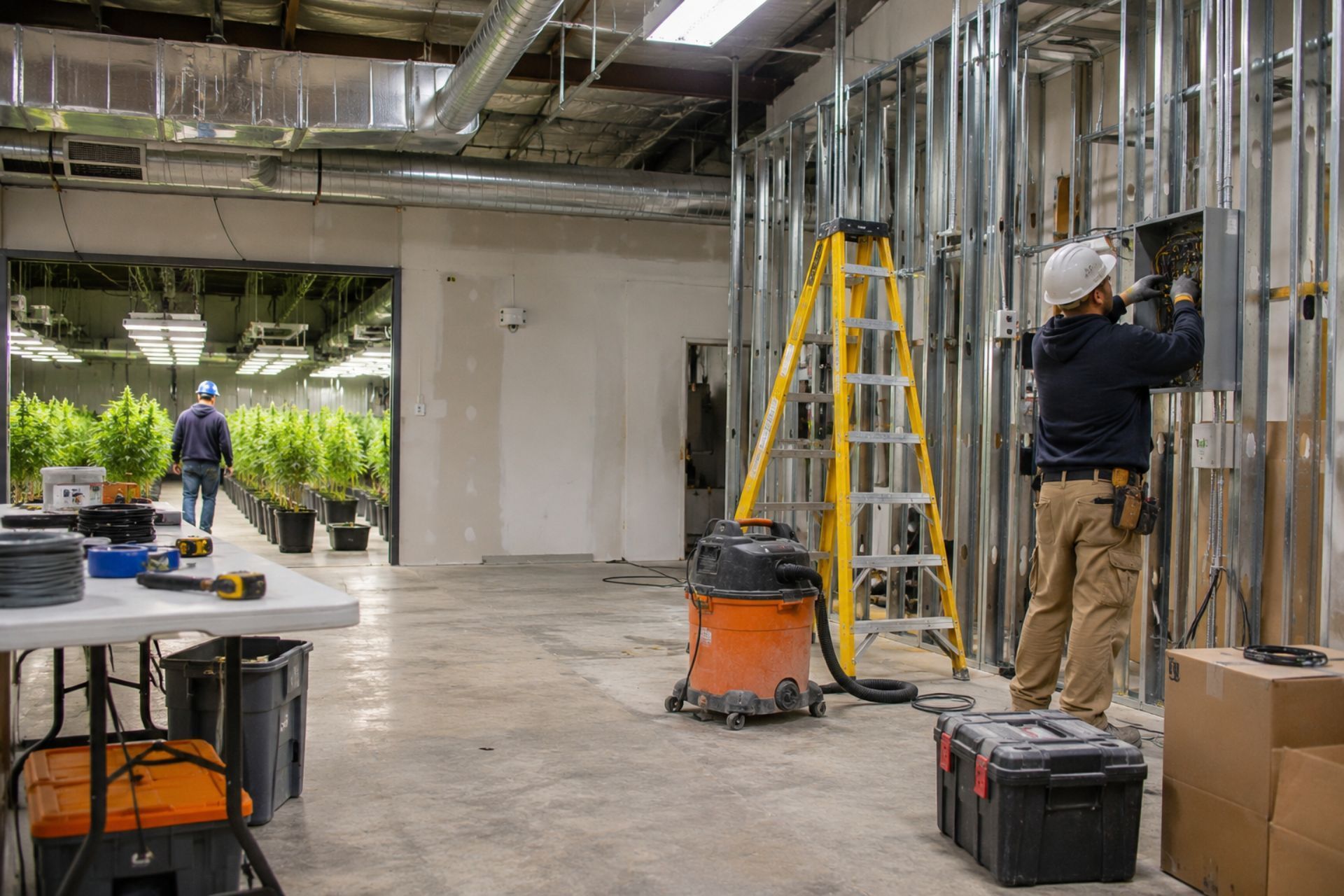
Picture a fire that guts a 12,000-square-foot grow in late summer. The owner files a claim and then learns the policy was written on figures from three years ago, before the new HVAC, the extra flower rooms, and the camera overhaul. The check covers maybe half of what it takes to reopen. Accurate cannabis property valuation, especially for stock, equipment, and security upgrades, is what separates a recoverable loss from a closed business.
This problem is common, and it is getting more expensive to ignore. Carriers are revisiting how they price cannabis risks, and operators who never updated their schedules are feeling it at renewal. Here is how to put a defensible number on everything inside your four walls.
The Fundamentals of Cannabis Property Valuation
Insurers start with a basic question: what would it cost to put you back where you were the day before the loss? For cannabis operators, that answer has three parts. The building and tenant improvements come first, then business personal property such as equipment and fixtures, and finally stock. Each one gets valued differently, and each one is usually underreported.
Industry observers say cannabis businesses have been undervalued for years across stock, equipment, tenant improvements and buildouts, and premiums are climbing as those valuations correct. That correction hurts at renewal. Still, paying a higher premium on accurate values costs far less than eating a coinsurance penalty after a claim.
Construction costs explain much of the gap. As of mid-2026, the all-in cost to build an indoor cannabis facility runs from $250 to $650 per square foot of gross building area. If your policy still reflects a commercial warehouse rate, your building limit is almost certainly too low.
Calculating the Value of Cannabis Stock and Inventory
Stock is the hardest line item to get right. It changes weekly, it can lose value fast, and many standard property forms exclude it or cap it at a low sublimit. You need a valuation method you can document and repeat.
Valuing Raw Materials vs. Finished Goods
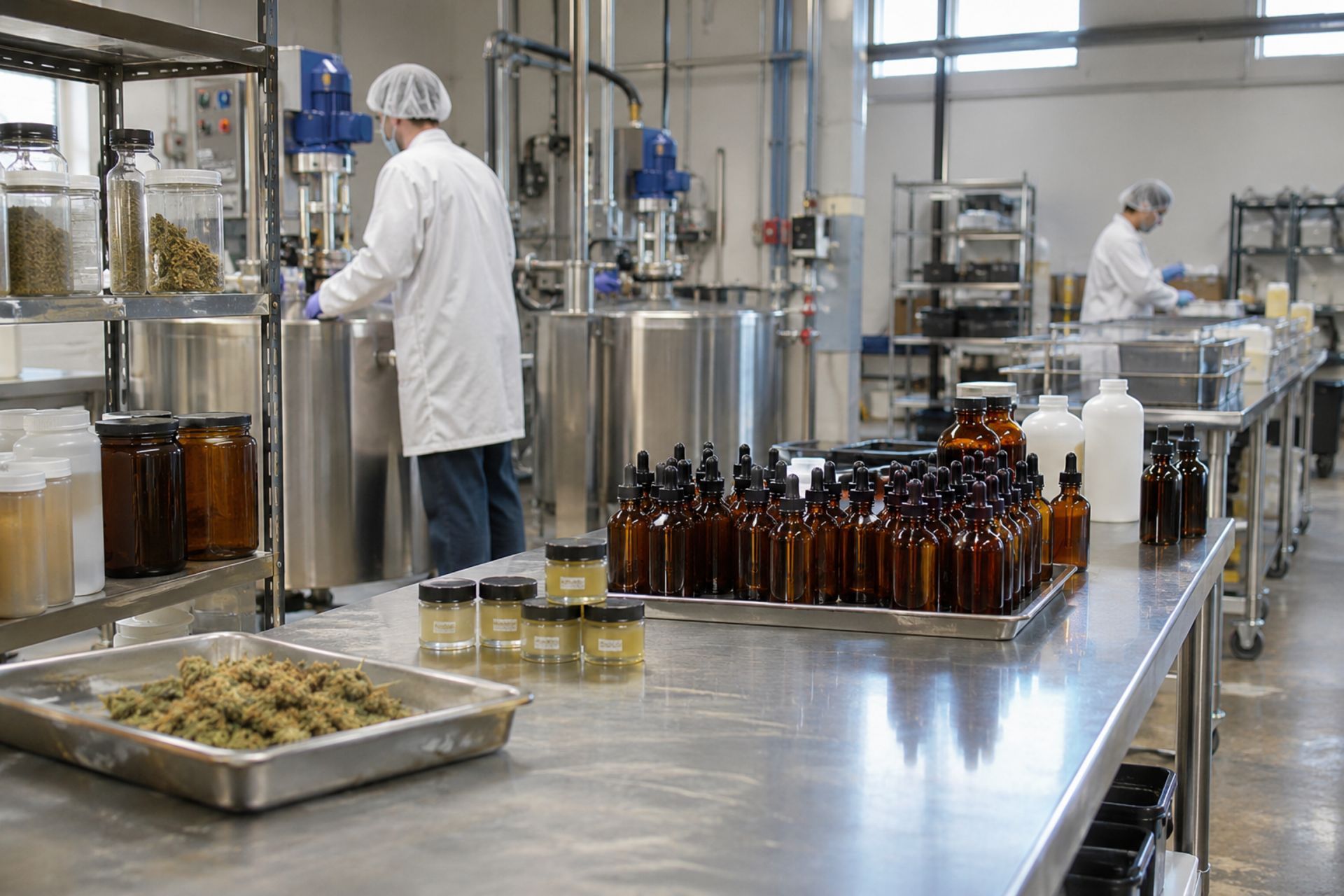
Raw materials and finished products should never share a single number on your schedule. Plants in veg, harvested flower that is still curing, and bulk trim each carry different costs and different risks. Finished goods such as packaged flower, vapes, and edibles have already absorbed testing, packaging, and labor costs.
A practical approach:
- Live plants: Value at cost of production (nutrients, labor, utilities, clones) to date, since many carriers won't insure them at projected sale price
- Harvested, uncured flower: Cost to produce plus drying and curing labor
- Bulk biomass and trim: Current wholesale value, since this drops quickly
- Finished, tested goods: Cost plus testing, packaging, and compliance fees, or selling price if your policy includes a selling price endorsement
Pay close attention to that endorsement. Without it, a dispensary that loses $400,000 in retail-value product may only recover what it paid wholesale.
Accounting for Market Fluctuations and Spoilage
Wholesale flower prices have fallen so far that major operators are selling off cultivation facilities to pivot toward an asset-light model centered on brands and distribution. For valuation, this means last year's inventory number may be inflated. Reconcile your stock values against seed-to-sale tracking data at least quarterly and report peak season values to your broker.
Spoilage is a separate concern. A failed dehumidifier or a power outage can ruin a full room of drying flower without any fire or theft taking place. Standard property forms often exclude this loss, so ask specifically about equipment breakdown and spoilage coverage that includes mechanical failure and utility interruption.
Assessing Specialized Equipment and Security Upgrades
Cannabis equipment is expensive, specialized, and sometimes hard to source after a regional loss. Security systems carry their own valuation quirks because state regulators mandate them. Getting both right matters for limits and for pricing.
Impact of Security Systems on Replacement Cost
Most state programs require extensive camera coverage, recorded footage retention, alarm monitoring, and access control. When those systems get destroyed, you can't legally reopen until they're restored, which means security gear directly controls how long your business income loss runs. Value it at full replacement cost, including installation, licensing for the software, and integration labor.
Security upgrades cut both ways on your premium. Commercial-grade safes, vault rooms, monitored alarms, and bollards can reduce theft and burglary pricing because underwriters see lower loss frequency. They also raise your insured property values, so document every installation with invoices and photos.
Valuing Processing and Cultivation Machinery
Lighting arrays, HVAC and dehumidification systems, extraction units, and automated fertigation equipment all lose book value quickly. Insurance doesn't care about book value, though. Insist on replacement cost coverage rather than actual cash value, because a five-year-old extraction system depreciated to $40,000 could cost $150,000 to replace with comparable equipment.
Cost segregation studies are useful here, too. They allow operators to reclassify 45% to 60% of a facility's depreciable basis into 5-, 7-, or 15-year recovery periods. That reclassification gives you a detailed, itemized equipment list, which is exactly what an underwriter wants to see. For mobile equipment such as trimmers moved between sites, an inland marine policy fills gaps that a fixed-location property form misses.
Comparing Valuation Methods for Insurance Coverage
Many The valuation basis written into your policy decides how much your claim pays. Here is how the common options stack up:
| Method | How It Pays | Best For | Main Risk |
|---|---|---|---|
| Actual Cash Value | Replacement cost minus depreciation | Older, low-value items | Large shortfall on equipment |
| Replacement Cost | Cost to replace with like kind and quality | Equipment, buildouts, security | Higher premium |
| Agreed Value | Preset amount, coinsurance waived | Facilities with appraisals | Requires current documentation |
| Selling Price | Retail value of finished stock | Dispensaries, brands | Endorsement often needed |
| Market Value | Current sale value of the business or asset | Transactions, not claims | Rarely used for property losses |
Market value deserves a caution. Single-store dispensary revenue multiples have settled between 0.5x and 1.5x of trailing twelve-month gross revenue, which can make a business look worth less than it costs to rebuild. Your property limits should track rebuild costs, not sale multiples.
Common Questions About Cannabis Property Appraisals
How often should I update my property values? At least once a year, and any time you add rooms, equipment, or security systems. Quarterly inventory reconciliation is smart for growers.
Will my premium go up if I report higher values? Usually, yes. Underreporting risks a coinsurance penalty that cuts your claim by the same percentage you were underinsured.
Does my policy cover theft by an employee? Standard property forms often exclude employee dishonesty. You typically need a separate crime policy or endorsement for that exposure.
Are live plants covered? Some carriers cover them at production cost, while many exclude them entirely. Confirm this in writing before you sign.
Do I need a professional appraisal? For large facilities or agreed value coverage, a formal appraisal helps a lot. It also speeds claim adjustment because the numbers are already documented.
What if my landlord owns the building?
You still need to insure your tenant improvements and buildouts, which often represent a large share of your investment.
Protecting Your Assets for the Long Term
Valuing a cannabis property well comes down to treating it as an ongoing task, not a one-time form. Split your stock into categories, insure equipment and security at replacement cost, and keep invoices, photos, and seed-to-sale records ready for an adjuster. Revisit those numbers whenever the wholesale market moves or your footprint changes.
Specialized help pays off here because many mainstream carriers still won't touch cannabis risks. GrayStone Insurance Group works with high-risk and hard-to-place businesses every day, and its brokers know which markets will write replacement cost, spoilage, and selling price coverage for growers and dispensaries. Those relationships help explain the firm's 94% client retention rate.
Before your next renewal, ask GrayStone to review your schedule of values line by line. A correctly sized limit costs a little more today and saves your business when the worst happens.
Search
INDEX

ABOUT THE AUTHOR:
CHAD KRAMER
I started GrayStone Insurance Group in 2018 with a simple conviction: the businesses everyone else turns away deserve a broker who won't. What began as a one-person operation has grown into a specialty commercial brokerage with offices across the country — but the mission hasn't changed. We find solutions for high-risk and hard-to-place businesses when other agencies run the other way.
I built this agency on integrity, hard work, and the tenacity to do the hard things well. Through our access to Excess & Surplus and specialty markets, my team and I place coverage standard carriers can't — and I treat every client's business like my own.
If you've been declined, non-renewed, or told your business is too complicated to insure, let's talk.