
General Liability responds to the core exposures most operations in this category face. A typical policy answers third-party claims and the defense costs that come with them, so a single incident doesn't put the business at risk.
Running a CBD or hemp business in Iowa means dealing with a patchwork of state regulations, shifting federal guidance, and an insurance market that still treats the industry like a question mark. Most standard commercial carriers won't touch hemp operators, and the ones that do often price policies based on outdated risk models or blanket cannabis assumptions. That leaves Iowa operators stuck between expensive coverage they don't fully understand and going underinsured, which is worse. This guide breaks down what Iowa hemp businesses actually need for insurance: the specific coverages, the real cost drivers, and the compliance details that keep your operation legal and protected. Whether you're growing, processing, or selling CBD products in Des Moines, Cedar Rapids, or anywhere in between, getting this right matters more than most operators realize until a claim hits.
Understanding the Iowa Hemp Act and Insurance Compliance
Iowa's hemp framework has gone through significant changes since the 2020 Iowa Hemp Act, and 2026 brings its own set of compliance wrinkles. The state defines legal hemp as cannabis containing no more than 0.3% THC on a dry-weight basis, aligning with federal standards. But Iowa has been more restrictive than many neighboring states on consumable hemp products, and those restrictions directly affect what kind of insurance coverage you need and what carriers are willing to offer.
Insurance compliance isn't just about having a policy in hand. Carriers want to see that your business follows state rules on testing, labeling, and product formulation before they'll underwrite you. A single compliance gap can void your coverage or trigger a denial when you file a claim.
State Licensing Requirements for Retailers and Processors
Every hemp grower in Iowa must hold a license through the Iowa Department of Agriculture and Land Stewardship, which handles cultivation permits and field inspections. Processors and manufacturers face a separate layer of oversight, particularly if they produce ingestible or topical CBD products. Retailers selling consumable hemp need to comply with registration and labeling requirements that have tightened considerably since 2024.
From an insurance perspective, your license type determines your risk profile. A grower with 50 acres faces different exposure than a retailer selling CBD tinctures in a storefront. Carriers will ask for your license documentation during the application process, and missing or expired licenses are one of the fastest ways to get declined.
Navigating the Iowa Department of Inspections and Appeals (DIA) Rules
The Iowa DIA, now operating under Iowa Health and Human Services, oversees consumable hemp products. Their rules on consumable hemp set specific limits on serving sizes, THC content per package, and labeling requirements. Products exceeding these thresholds are treated as controlled substances, not legal hemp.
For insurance purposes, DIA compliance is a gatekeeper. If your product formulations don't meet DIA standards, most specialized carriers will decline coverage outright. Keep your Certificates of Analysis current and your labels aligned with the latest regulatory notices, because underwriters will check.
INDEX
Understanding the Iowa Hemp Act and Insurance Compliance
Essential Insurance Coverages for Iowa Hemp Operators
Comparison of Standard vs. Specialized CBD Policies
How Iowa's Regulatory Shifts Affect Your Insurance Options
Factors Influencing CBD Insurance Costs in Iowa
Common Questions About Insuring an Iowa Hemp Business
Key Compliance Mistakes That Raise Your Premiums
Working with an Insurance Broker Who Knows Hemp
What Iowa CBD Retailers Need Beyond Standard Coverage
GrayStone Insurance Group is fully licensed and permitted to provide specialty commercial insurance solutions for high-risk and hard-to-place businesses across 17 states.
We proudly serve high-risk and hard-to-place businesses from coast to coast. As an independent specialty brokerage, our team works with leading Excess & Surplus and specialty carriers to make sure restaurants, bars, contractors, trucking companies, manufacturers, and other hard-to-place operations receive coverage that fits their real risks in California, Colorado, Florida, Georgia, Illinois, Iowa, Maryland, Michigan, Missouri, Nevada, New York, North Carolina, South Carolina, Tennessee, Texas, Utah, and Washington.
Every policy has boundaries. Knowing them up front is how you avoid an uncovered claim. Common exclusions include:
Every policy has boundaries. Knowing them up front is how you avoid an uncovered claim. Common exclusions include:
Every policy has boundaries. Knowing them up front is how you avoid an uncovered claim. Common exclusions include:
General Liability responds to the core exposures most operations in this category face. A typical policy answers third-party claims and the defense costs that come with them, so a single incident doesn't put the business at risk.
If your firm provides any design, engineering, or consulting services alongside construction, you need both. A GL policy won't cover a claim alleging your design specifications caused a building envelope failure. That's a professional liability exposure, and it's one of the fastest-growing claim categories in construction.
Essential Insurance Coverages for Iowa Hemp Operators
No single policy covers everything a hemp business faces. You need a combination of coverages tailored to your specific operation type, whether that's cultivation, manufacturing, distribution, or retail.
General Liability vs. Product Liability: Protecting Against Claims
General liability covers third-party bodily injury and property damage at your business location. Someone slips in your retail shop or a delivery driver damages property: that's GL territory. Product liability is different and, for CBD businesses, far more critical. It covers claims arising from your products causing harm, allergic reactions, mislabeled dosages, or contamination.
Here's the reality: product liability claims in the hemp space have been climbing. A customer who has an adverse reaction to a CBD edible can file a claim that costs tens of thousands in legal defense alone, even if the claim has no merit. Iowa operators selling any consumable product should carry at least $1 million in product liability coverage, with $2 million aggregate being the safer bet.
Crop and Inventory Insurance for Cultivators
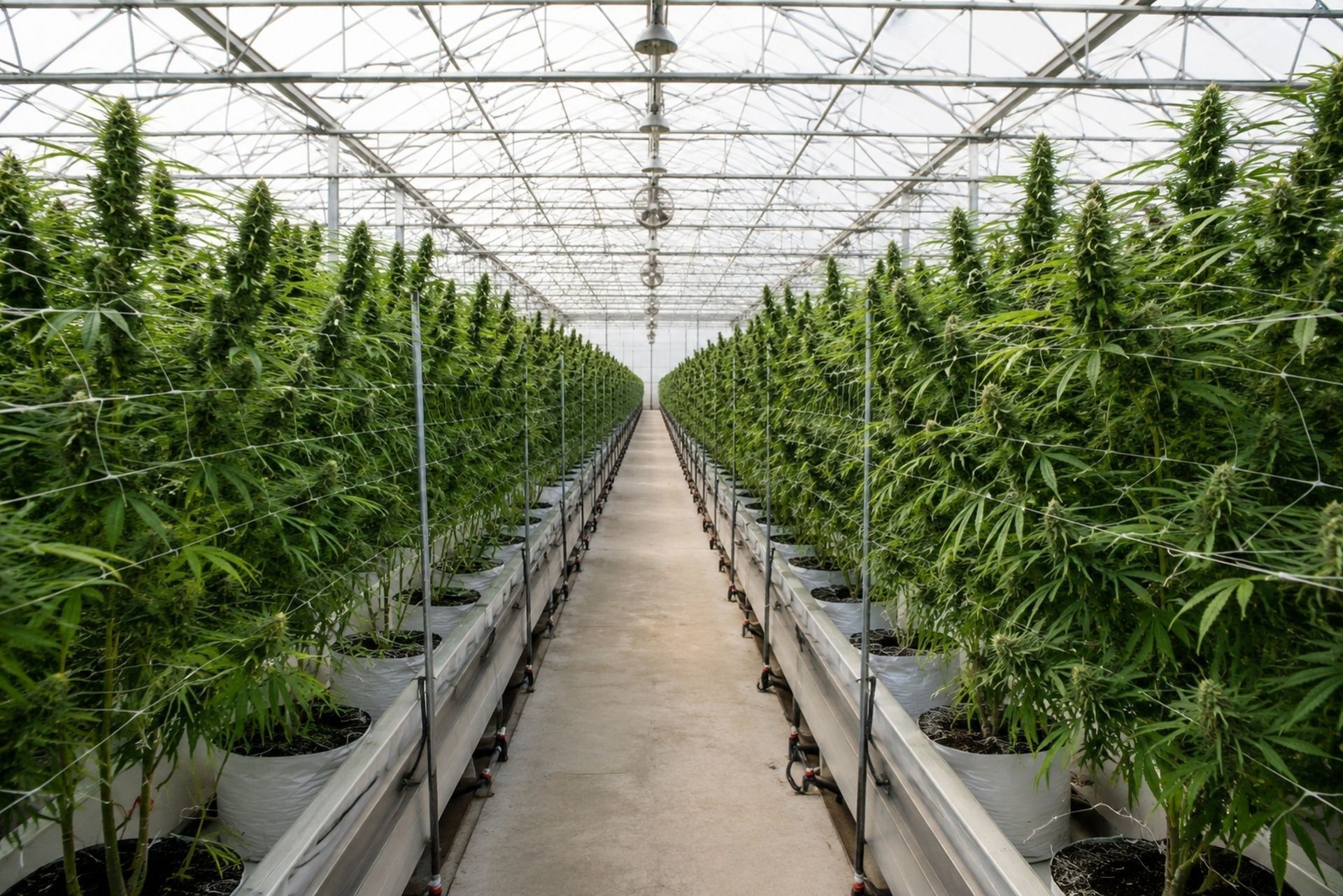
Hemp crops face the same threats as any agricultural product: hail, drought, pest damage, and disease. But standard crop insurance through the USDA has historically been limited for hemp. Some private carriers now offer specialty crop coverage for hemp cultivators, though premiums tend to run 25-40% higher than comparable coverage for corn or soybeans.
Inventory insurance matters just as much for processors and retailers. If a fire destroys $200,000 worth of CBD oil sitting in your warehouse, you need a policy that covers finished goods, raw materials, and work-in-progress inventory. Not every commercial property policy includes these categories automatically.
Workers' Compensation Mandates in the State of Iowa
Iowa requires workers' compensation for nearly all employers. If you have even one employee, you need a policy. Hemp operations, especially cultivation and extraction, involve physical labor and chemical exposure that push workers' comp premiums higher than typical office or retail environments.
Extraction facilities using CO2 or ethanol methods carry elevated risk profiles that many standard workers' comp carriers won't accept. This is where working with a specialized agency like GrayStone Insurance Group makes a measurable difference: their brokers understand how to classify hemp operations accurately, which prevents you from being lumped into a higher-risk category than necessary.
Comparison of Standard vs. Specialized CBD Policies
| Coverage Feature | Standard Commercial Policy | Typical Annual Cost (Mid-Size Venue) |
|---|---|---|
| Product Liability | Often excluded or sublimited | Full coverage for CBD products |
| Crop Coverage | Not available | Available for licensed growers |
| Regulatory Defense | Not included | Covers legal costs from state audits |
| THC Contamination | Excluded | Covered with COA documentation |
| Business Interruption | Limited to standard perils | Includes regulatory shutdown events |
| Premiums | Lower (if you can get approved) | Higher but matched to actual risk |
Standard commercial policies frequently contain cannabis exclusions buried in the fine print. Even if you're selling legal, compliant CBD products, a general carrier may deny a claim by classifying your product under a cannabis exclusion. Specialized policies eliminate that ambiguity.
Every policy has boundaries. Knowing them up front is how you avoid an uncovered claim. Common exclusions include:
Every policy has boundaries. Knowing them up front is how you avoid an uncovered claim. Common exclusions include:
Every policy has boundaries. Knowing them up front is how you avoid an uncovered claim. Common exclusions include:
General Liability responds to the core exposures most operations in this category face. A typical policy answers third-party claims and the defense costs that come with them, so a single incident doesn't put the business at risk.
How Iowa's Regulatory Shifts Affect Your Insurance Options
Iowa's consumable hemp regulations have been a moving target. The state enacted new rules in 2024 that tightened THC limits and age restrictions for purchasing hemp products. These changes ripple directly into the insurance market because carriers reassess risk every time a state modifies its regulatory framework.
Operators who stay ahead of regulatory changes tend to get better rates. If you can demonstrate proactive compliance, documented testing protocols, and clean inspection histories, underwriters view your business as lower risk. That translates directly into lower premiums.
What happens if a show gets canceled last minute?
Standard policies don't cover event cancellation. If a headliner cancels, severe weather shuts you down, or a power outage kills the show, you're absorbing the full financial loss unless you have a dedicated event cancellation policy. These policies typically cover lost ticket revenue, non-refundable deposits, and marketing expenses. For venues that rely on ticket sales as a primary revenue stream, this coverage pays for itself the first time you need it.
Factors Influencing CBD Insurance Costs in Iowa
Premium pricing for Iowa hemp businesses isn't arbitrary, but it can feel that way if you don't understand the variables. Annual premiums for a small CBD retail operation typically start around $2,000 to $4,000 for a basic general liability and product liability package. Larger cultivation or extraction operations can see premiums ranging from $8,000 to $25,000 or more, depending on revenue and risk factors.
Revenue Volume and Product Risk Profiles
Carriers price policies partly based on your annual revenue because higher revenue generally means more products in circulation and more potential claims. A CBD retailer doing $500,000 in annual sales will pay significantly more than one doing $100,000. Product type matters too: ingestible products carry higher risk ratings than topicals or pet products.
The type of products you sell also affects which carriers will even consider your application. Cannabis business insurance premiums have been increasing across the board in 2026, driven by rising claim frequency and regulatory complexity.
Testing Protocols and Certificate of Analysis (COA) Impacts
Consistent third-party lab testing is one of the most powerful tools you have for controlling insurance costs. Carriers want to see COAs for every product batch, showing THC levels, pesticide screening, heavy metal testing, and microbial analysis. Operators who can produce a clean testing history typically qualify for better rates.
Missing or inconsistent COAs are red flags that can push your premiums up by 15-25%. Some carriers won't bind coverage at all without seeing recent lab results. GrayStone Insurance Group's data-driven underwriting approach helps match your testing documentation with carriers that reward compliance, often resulting in faster placements and more competitive pricing.
Every policy has boundaries. Knowing them up front is how you avoid an uncovered claim. Common exclusions include:
Every policy has boundaries. Knowing them up front is how you avoid an uncovered claim. Common exclusions include:
Every policy has boundaries. Knowing them up front is how you avoid an uncovered claim. Common exclusions include:
General Liability responds to the core exposures most operations in this category face. A typical policy answers third-party claims and the defense costs that come with them, so a single incident doesn't put the business at risk.
Common Questions About Insuring an Iowa Hemp Business
Do I need insurance just to sell CBD products at a farmers market in Iowa? Yes. Even occasional retail sales create product liability exposure. A basic policy for small-scale vendors can start around $500-$1,000 annually.
Will my homeowner's insurance cover a home-based CBD business? Almost certainly not. Home policies exclude commercial activities, and CBD products specifically trigger cannabis-related exclusions in most standard homeowner's policies.
Can I get coverage if my products contain delta-8 or THCA? Iowa's legal status of THCA and similar cannabinoids remains complex. Some specialized carriers will cover these products, but expect higher premiums and stricter underwriting requirements.
What happens if my hemp tests above 0.3% THC? Your crop becomes illegal under both state and federal law. Most crop insurance policies exclude "hot" hemp, meaning you'd absorb the total loss. This is why pre-harvest testing is critical.
How long does it take to get a CBD business insurance policy in Iowa? With the right documentation, specialized agencies can bind coverage in 5-10 business days. Missing paperwork or compliance gaps can stretch this to several weeks.
What happens if a show gets canceled last minute?
Standard policies don't cover event cancellation. If a headliner cancels, severe weather shuts you down, or a power outage kills the show, you're absorbing the full financial loss unless you have a dedicated event cancellation policy. These policies typically cover lost ticket revenue, non-refundable deposits, and marketing expenses. For venues that rely on ticket sales as a primary revenue stream, this coverage pays for itself the first time you need it.
Key Compliance Mistakes That Raise Your Premiums
The most expensive mistake Iowa hemp operators make is treating insurance as a one-time purchase. Your policy needs to evolve as your business grows, your product line changes, or state regulations shift. Operators who don't update their coverage after adding new product categories often discover gaps only when a claim gets denied.
Other costly errors include failing to maintain current COAs, operating with an expired state license, and not disclosing all business activities to your carrier. Misrepresentation on an insurance application can void your entire policy retroactively.
Every policy has boundaries. Knowing them up front is how you avoid an uncovered claim. Common exclusions include:
Every policy has boundaries. Knowing them up front is how you avoid an uncovered claim. Common exclusions include:
Every policy has boundaries. Knowing them up front is how you avoid an uncovered claim. Common exclusions include:
General Liability responds to the core exposures most operations in this category face. A typical policy answers third-party claims and the defense costs that come with them, so a single incident doesn't put the business at risk.
Working with an Insurance Broker Who Knows Hemp
Most general insurance agents don't understand the hemp industry well enough to place coverage correctly. They may slot your business into a standard retail or agricultural classification that either overcharges you or leaves critical gaps. An agency with deep experience in hard-to-place industries, like GrayStone Insurance Group with their 20-plus years of market experience and 94% client retention rate, knows which carriers are actively writing hemp business in Iowa and what documentation speeds up the process.
The difference between a generic broker and a specialist often shows up at claim time. A broker who understands hemp-specific risks will have structured your policy to respond when it matters, not just look good on paper.
What happens if a show gets canceled last minute?
Standard policies don't cover event cancellation. If a headliner cancels, severe weather shuts you down, or a power outage kills the show, you're absorbing the full financial loss unless you have a dedicated event cancellation policy. These policies typically cover lost ticket revenue, non-refundable deposits, and marketing expenses. For venues that rely on ticket sales as a primary revenue stream, this coverage pays for itself the first time you need it.
What Iowa CBD Retailers Need Beyond Standard Coverage
Retail-specific risks go beyond product liability. If you operate a physical storefront, you need commercial property coverage, business interruption insurance, and potentially cyber liability if you process online orders. Insurance planning for cannabis-related businesses should also account for theft, which remains disproportionately high in CBD retail compared to other consumer goods categories.
Consider employment practices liability if you have staff. Wrongful termination claims, discrimination allegations, and wage disputes don't care what industry you're in, and they're expensive to defend regardless of outcome.
Every policy has boundaries. Knowing them up front is how you avoid an uncovered claim. Common exclusions include:
Every policy has boundaries. Knowing them up front is how you avoid an uncovered claim. Common exclusions include:
Every policy has boundaries. Knowing them up front is how you avoid an uncovered claim. Common exclusions include:
General Liability responds to the core exposures most operations in this category face. A typical policy answers third-party claims and the defense costs that come with them, so a single incident doesn't put the business at risk.
Iowa's Hemp Insurance Market Outlook for 2026
The Iowa hemp insurance market is slowly maturing, but it's still far from competitive compared to states like Colorado or Oregon. Fewer carriers write policies in Iowa, which limits your options and keeps premiums elevated. That said, the number of specialty insurers entering the hemp space has grown steadily, and operators with clean compliance records are seeing more competitive quotes than even two years ago.
The evolving nature of Iowa's consumable hemp laws means the insurance landscape will continue shifting. Staying informed and working with a knowledgeable broker is the most reliable way to keep your coverage aligned with your actual risk.
What happens if a show gets canceled last minute?
Standard policies don't cover event cancellation. If a headliner cancels, severe weather shuts you down, or a power outage kills the show, you're absorbing the full financial loss unless you have a dedicated event cancellation policy. These policies typically cover lost ticket revenue, non-refundable deposits, and marketing expenses. For venues that rely on ticket sales as a primary revenue stream, this coverage pays for itself the first time you need it.
Making the Right Choice for Your Operation
Getting hemp business insurance right in Iowa comes down to three things: understanding your specific risk exposure, maintaining airtight compliance documentation, and working with a broker who genuinely knows this industry. Don't settle for a generic commercial policy that might exclude your products when a claim arises. Don't skip product liability because it feels expensive: one lawsuit will cost far more than years of premiums.
Start by gathering your state licenses, current COAs, and a clear summary of your operations and revenue. Bring that package to a specialized agency that can match you with carriers actively writing Iowa hemp business. If you're unsure where to begin, reach out to GrayStone Insurance Group for a consultation tailored to your operation. The right coverage isn't just a regulatory checkbox: it's what keeps your business standing when something goes wrong.
ABOUT THE AUTHOR:
CHAD KRAMER
I started GrayStone Insurance Group in 2018 with a simple conviction: the businesses everyone else turns away deserve a broker who won't. What began as a one-person operation has grown into a specialty commercial brokerage with offices across the country — but the mission hasn't changed. We find solutions for high-risk and hard-to-place businesses when other agencies run the other way.
I built this agency on integrity, hard work, and the tenacity to do the hard things well. Through our access to Excess & Surplus and specialty markets, my team and I place coverage standard carriers can't — and I treat every client's business like my own.
If you've been declined, non-renewed, or told your business is too complicated to insure, let's talk.
Coverages & policies
Plain-language coverage, expertly placed.
We lead with commercial lines and round out personal coverage where you need it. Every policy comes with an explanation — not jargon.

Contractors
Third-party bodily injury & property damage — the foundation for any operation.

Liquor Liability
Critical for bars, restaurants and venues serving alcohol — including A&B.

Commercial Property
Buildings, contents and equipment — including distressed and vacant risk.

Workers' Compensation
Statutory coverage for your crew — including high-mod and high-hazard classes.

Commercial Umbrella
Extra liability limits over your primary policies — essential for high-exposure risk.
Products Liability
Manufacturers, CBD and consumer-product exposure — including imports.
What clients say
Brokers who actually place it.
FAQ
Answers for the risks others won't cover
Getting declined, non-renewed, or told your business is "too high-risk" is frustrating — but it doesn't mean you're out of options. Here are answers to the questions we hear most from business owners who need coverage the standard market won't provide.
What kind of insurance does GrayStone specialize in?
We're a specialty commercial brokerage built for high-risk and hard-to-place businesses — the risks standard carriers often turn away. Through our access to Excess & Surplus (E&S) and specialty markets, we place coverage that everyday agencies can't. Hospitality and construction are among our deepest areas of expertise.
My business was declined or non-renewed elsewhere. Can you still help?
That's exactly what we do. A decline, a non-renewal, or a tough claims history doesn't mean you're out of options — it means your risk needs a broker with the right market access. Tell us your situation and we'll get to work finding a fit.
What is Excess & Surplus (E&S) insurance?
E&S is specialty coverage for risks that standard "admitted" carriers won't write — often because a business is higher-risk, unusual, or has a complex history. As an independent broker, we tap into these specialty markets to place coverage where a typical agency hits a dead end.
What industries do you work with?
We cover a wide range of commercial industries — from restaurants, bars, and hospitality to contractors, trucking, manufacturing, cannabis, and more. If your industry is considered high-risk or hard-to-place, there's a good chance we've handled it.
Will you work with businesses that have prior claims or losses?
Yes. Prior claims and losses are part of many of the risks we place every day. Every business is evaluated on its own merits — and a rocky history is often exactly why a specialty broker can help where others won't.
Are you an independent broker?
Yes. We're not tied to a single carrier, so we shop your risk across multiple specialty and E&S markets to find coverage that actually fits — instead of forcing you into a one-size-fits-all policy.
Insights & resources
Know your risk before you buy.