
General Liability responds to the core exposures most operations in this category face. A typical policy answers third-party claims and the defense costs that come with them, so a single incident doesn't put the business at risk.
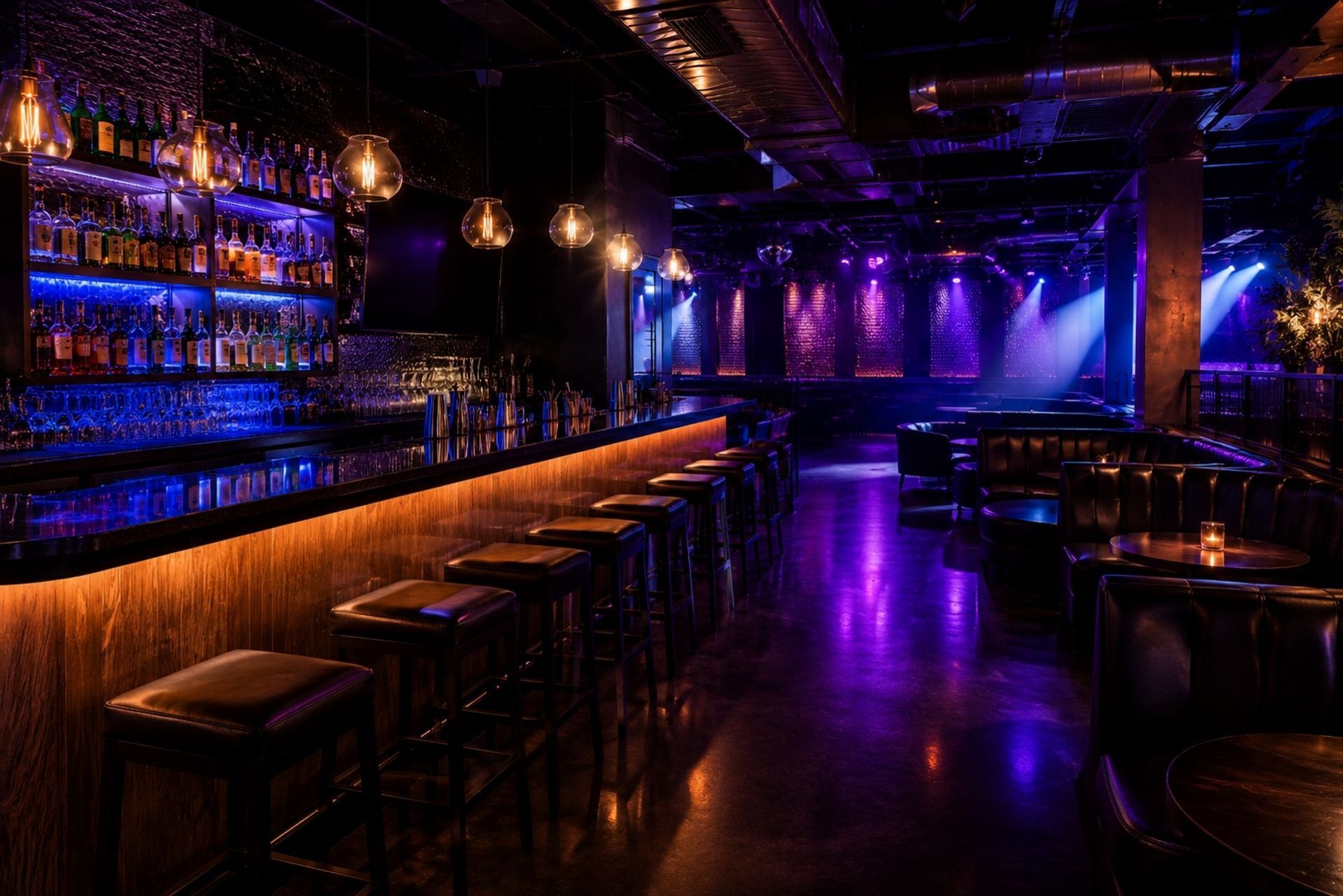
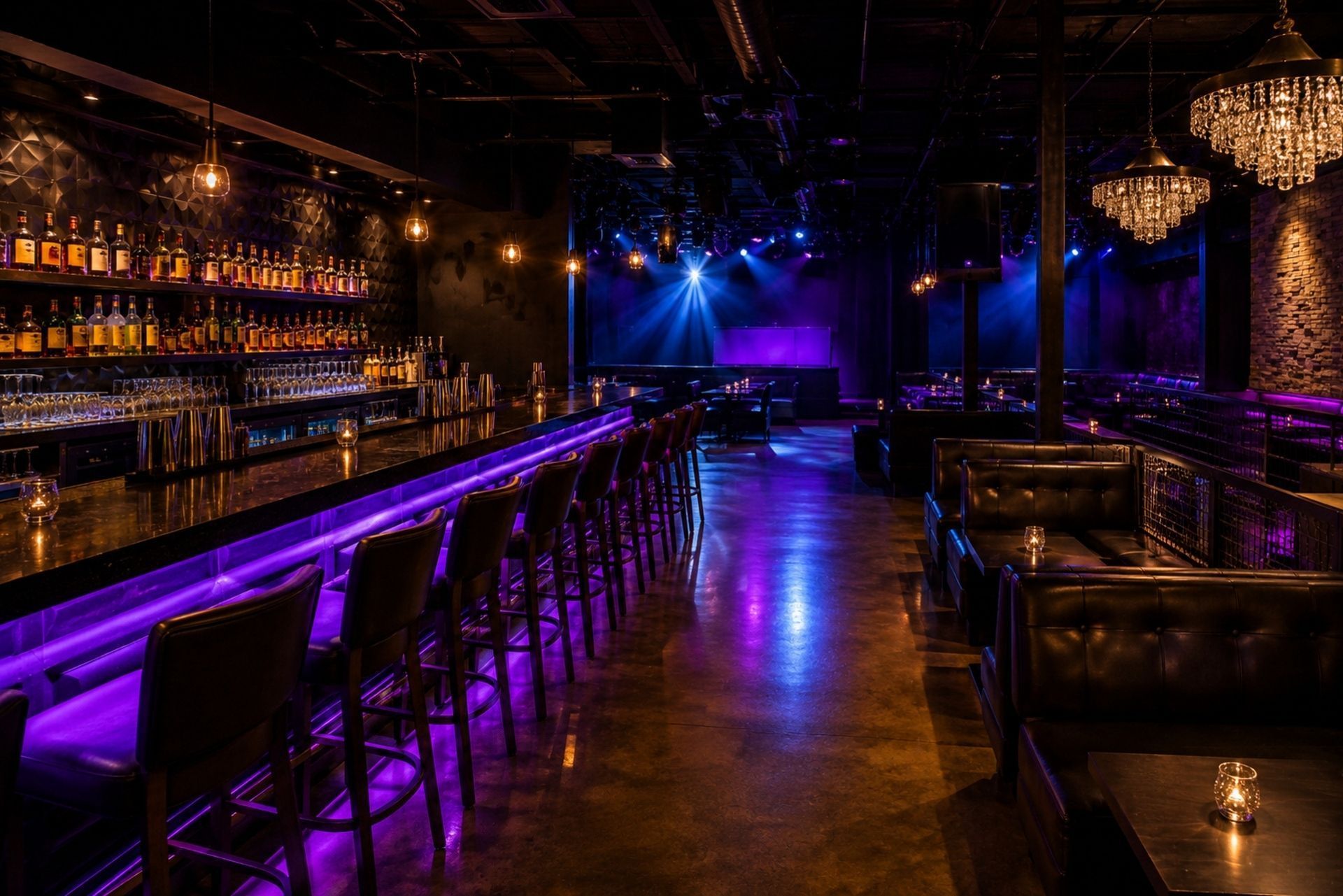
Running a bar or nightclub on the Texas coast comes with a set of risks that most inland operators never think about. Between hurricane season, a thriving downtown entertainment scene, and the unique liability exposure that comes with serving alcohol until 2 a.m., Corpus Christi venue owners face a risk profile that demands more than a standard commercial policy. The city's crime risk score sits at 46 out of 100, with property crime accounting for 44 percent of incidents, which tells you something about the environment your business operates in every night. If you own or manage a bar, lounge, or nightclub here, your insurance needs are specific to this city, this coastline, and this regulatory environment. Getting coverage right isn't just about checking a compliance box: it's about keeping your doors open after the worst night you can imagine.
The Risk Profile for Corpus Christi Bar and Nightclub Owners
Corpus Christi is a coastal city with a strong nightlife culture, and those two facts alone shape everything about how insurers evaluate your business. Underwriters look at geography, crime data, hours of operation, alcohol sales volume, and crowd density when pricing your policy. A bar on Chaparral Street faces different exposure than a craft cocktail lounge in Flour Bluff, and your premiums will reflect that.
The downtown entertainment district has seen significant investment in recent years, with TIRZ-driven development reshaping the area even as some businesses report strain from ongoing construction. That construction activity itself creates liability considerations: uneven sidewalks, detours that push foot traffic in unpredictable patterns, and temporary barriers near your entrance all increase the chance of a slip-and-fall claim.
Coastal Weather and Windstorm Considerations
Hurricane season runs from June through November, and Corpus Christi sits squarely in the danger zone. If you weren't in business when Hurricane Harvey hit in 2017, talk to someone who was. Standard commercial property policies in Texas typically exclude windstorm and hail damage for coastal counties, which means you'll need a separate policy through the Texas Windstorm Insurance Association (TWIA) or a private windstorm carrier.
TWIA coverage isn't automatic. Your building must pass a WPI-8 inspection to qualify, and the inspection requirements have gotten stricter over the past few years. Older buildings in the downtown corridor sometimes fail these inspections, leaving owners scrambling for alternatives. Budget for this policy separately: windstorm premiums for a Corpus Christi commercial property can run several thousand dollars annually depending on your building's construction type and proximity to the water.
Managing Late-Night Crowds in the Downtown and Marina Districts
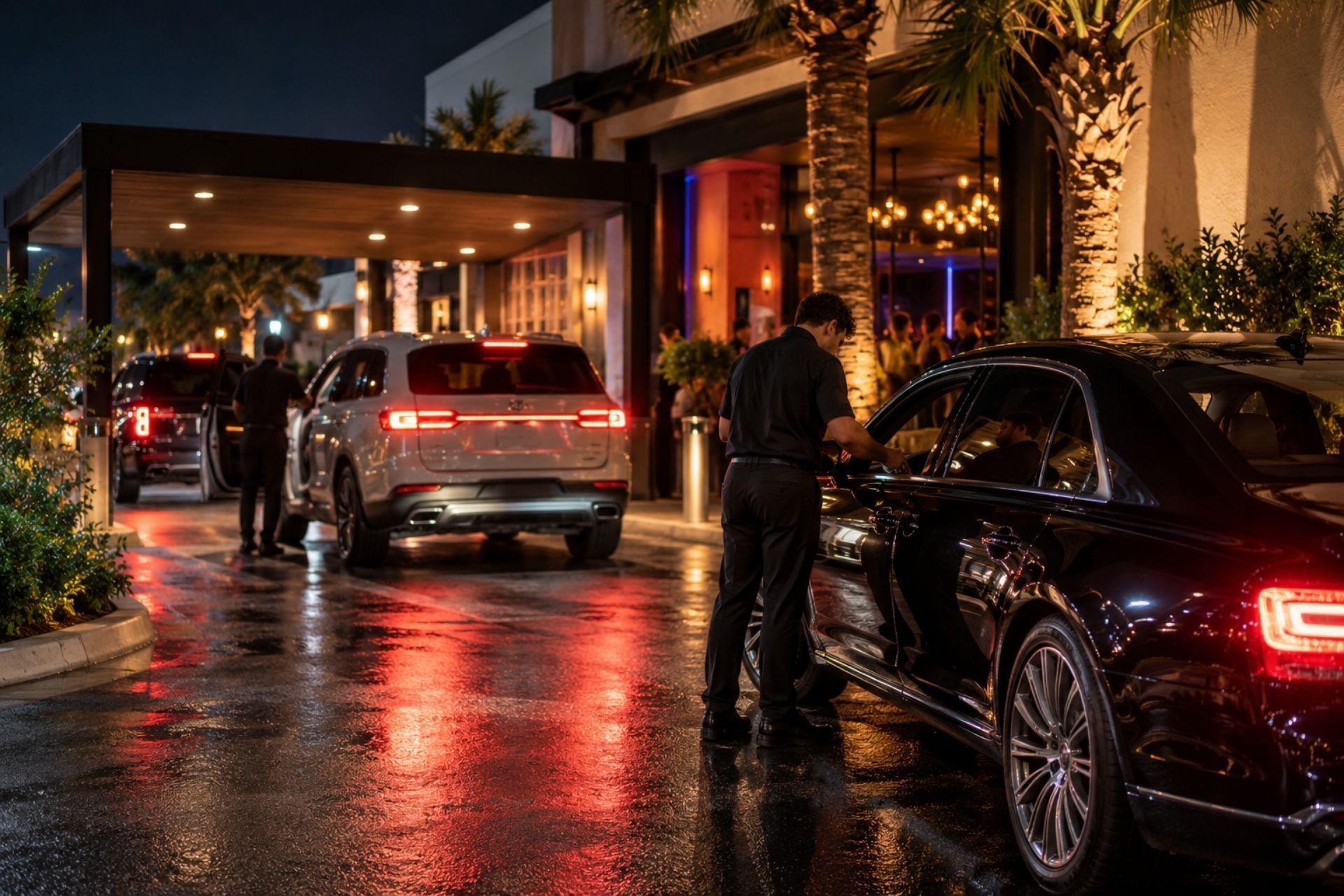
The Marina District and downtown Corpus Christi draw a mix of locals, military personnel from NAS Corpus Christi, and tourists, especially during spring break and summer weekends. That crowd diversity is great for revenue but creates real liability exposure. Fights, overcrowding, and alcohol-related incidents spike during peak seasons, and insurers know it.
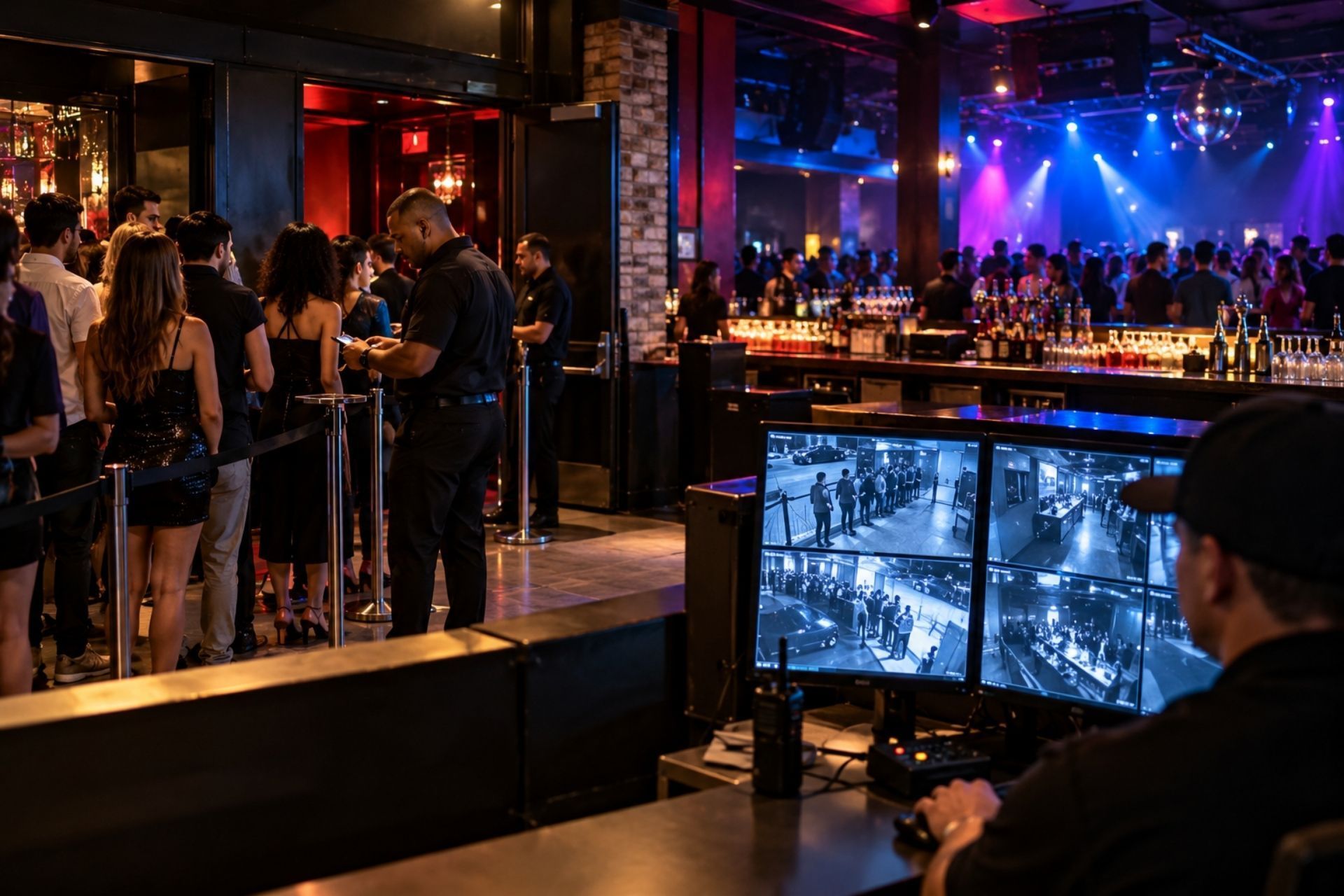
Your crowd management practices directly affect your premiums. Venues with documented security protocols, trained door staff, and camera systems typically get better rates. If you're running a high-volume nightclub without a written incident response plan, expect to pay more, and expect some carriers to decline your application entirely. This is where working with a broker who specializes in high-risk hospitality pays off. GrayStone Insurance Group, for example, has brokers averaging 20 years of experience placing coverage for exactly these kinds of hard-to-insure venues.
INDEX
GrayStone Insurance Group is fully licensed and permitted to provide specialty commercial insurance solutions for high-risk and hard-to-place businesses across 17 states.
We proudly serve high-risk and hard-to-place businesses from coast to coast. As an independent specialty brokerage, our team works with leading Excess & Surplus and specialty carriers to make sure restaurants, bars, contractors, trucking companies, manufacturers, and other hard-to-place operations receive coverage that fits their real risks in California, Colorado, Florida, Georgia, Illinois, Iowa, Maryland, Michigan, Missouri, Nevada, New York, North Carolina, South Carolina, Tennessee, Texas, Utah, and Washington.
Every policy has boundaries. Knowing them up front is how you avoid an uncovered claim. Common exclusions include:
Every policy has boundaries. Knowing them up front is how you avoid an uncovered claim. Common exclusions include:
Every policy has boundaries. Knowing them up front is how you avoid an uncovered claim. Common exclusions include:
General Liability responds to the core exposures most operations in this category face. A typical policy answers third-party claims and the defense costs that come with them, so a single incident doesn't put the business at risk.
If your firm provides any design, engineering, or consulting services alongside construction, you need both. A GL policy won't cover a claim alleging your design specifications caused a building envelope failure. That's a professional liability exposure, and it's one of the fastest-growing claim categories in construction.
Essential Insurance Coverages for Texas Venues
Every bar and nightclub in Texas needs a core set of coverages, but the specifics matter more than the categories. A $1 million general liability policy sounds adequate until you realize it doesn't cover the lawsuit from a patron who got into a car accident after drinking at your establishment all night.
General Liability vs. Liquor Liability: Key Differences
General liability covers the basics: someone slips on a wet floor, a shelf falls on a customer, or a patron trips on a loose step. It's your foundation policy, and most landlords and lenders require it.
Liquor liability is a separate and essential policy for any establishment that serves alcohol. Texas is a "dram shop" state, meaning you can be held financially responsible if you serve a visibly intoxicated person who then injures someone else. Dram shop claims in Texas regularly produce six-figure settlements, and the more serious cases push into seven figures. Here's the critical distinction:
| General Liability | Liquor Liability | |
|---|---|---|
| Covers | Slip-and-fall, property damage, bodily injury on premises | Injuries caused by intoxicated patrons you served |
| Required by | Landlords, lenders, most contracts | TABC compliance expectations, lease agreements |
| Typical limits | $1M per occurrence / $2M aggregate | $500K to $1M per occurrence |
| Common claims | Broken steps, wet floors, falling objects | DUI accidents, fights involving intoxicated patrons |
| Cost range | $2,500 - $7,000/year for bars | $4,000 - $15,000+/year depending on sales volume |
Don't assume your general liability policy includes liquor liability. It almost never does for businesses whose primary revenue comes from alcohol sales..
Assault and Battery Coverage for Security Teams
Here's a coverage gap that catches a lot of nightclub owners off guard: most general liability policies exclude assault and battery claims. If your bouncer uses excessive force removing a patron, or if a fight breaks out and someone gets seriously hurt, you could be looking at a lawsuit with no coverage to back you up.
Assault and battery endorsements or standalone policies fill this gap. They cover defense costs and settlements when violence occurs on your premises, whether your staff was involved or not. Given Corpus Christi's property crime statistics and the reality of late-night alcohol service, this coverage isn't optional for serious operators. Premiums vary widely based on your venue's history, capacity, and security staffing levels.
Commercial Property and Business Interruption
Your building, equipment, sound systems, lighting rigs, furniture, and inventory all need protection. Commercial property insurance covers damage from fire, theft, vandalism, and certain weather events (excluding wind and hail in coastal counties, as noted above).
Business interruption coverage is the piece most owners undervalue. If a hurricane forces you to close for three months, your lease payments, loan obligations, and employee costs don't stop. Business interruption insurance replaces lost income during the repair period. The commercial property insurance market in spring 2026 shows some stabilization in pricing after years of increases, but coastal properties still face higher rates than inland locations.
Texas Regulatory Requirements and Compliance
Texas has specific insurance requirements tied to your liquor license, your employees, and your business structure. Missing any of these can result in fines, license suspension, or worse.
TABC Requirements for Liquor Licenses
The Texas Alcoholic Beverage Commission (TABC) regulates every aspect of alcohol sales in the state. You'll need the appropriate permit type for your operation: a Mixed Beverage Permit (MB) for bars and nightclubs that serve liquor, or a Wine and Malt Beverage Retailer's Permit (BG) if you're beer-and-wine only. The TABC's licensing portal outlines current requirements, fees, and renewal timelines.
While TABC doesn't mandate specific insurance policies by name, maintaining liquor liability coverage is effectively required to operate responsibly and defend against dram shop claims. Many lease agreements in Corpus Christi's commercial districts now explicitly require proof of liquor liability coverage with the landlord named as an additional insured. Failing to carry it puts your license, your lease, and your personal assets at risk.
Texas Workers' Compensation Standards
Texas is one of the few states where workers' compensation insurance isn't mandatory for private employers. That said, going without it is a gamble most bar owners shouldn't take. If an employee gets hurt on the job and you don't carry workers' comp, you lose important legal protections and can be sued directly for damages.
Bartenders, bouncers, barbacks, and cleaning staff all face workplace injury risks: broken glass cuts, back injuries from lifting kegs, and altercation-related injuries for security personnel. A single serious injury claim without workers' comp coverage can cost more than a decade of premiums.
Every policy has boundaries. Knowing them up front is how you avoid an uncovered claim. Common exclusions include:
Every policy has boundaries. Knowing them up front is how you avoid an uncovered claim. Common exclusions include:
Every policy has boundaries. Knowing them up front is how you avoid an uncovered claim. Common exclusions include:
General Liability responds to the core exposures most operations in this category face. A typical policy answers third-party claims and the defense costs that come with them, so a single incident doesn't put the business at risk.
Comparing Basic and Extended Coverage Options
A basic insurance package for a Corpus Christi bar typically includes general liability, liquor liability, and commercial property coverage. That combination meets minimum expectations for landlords and lenders but leaves significant gaps.
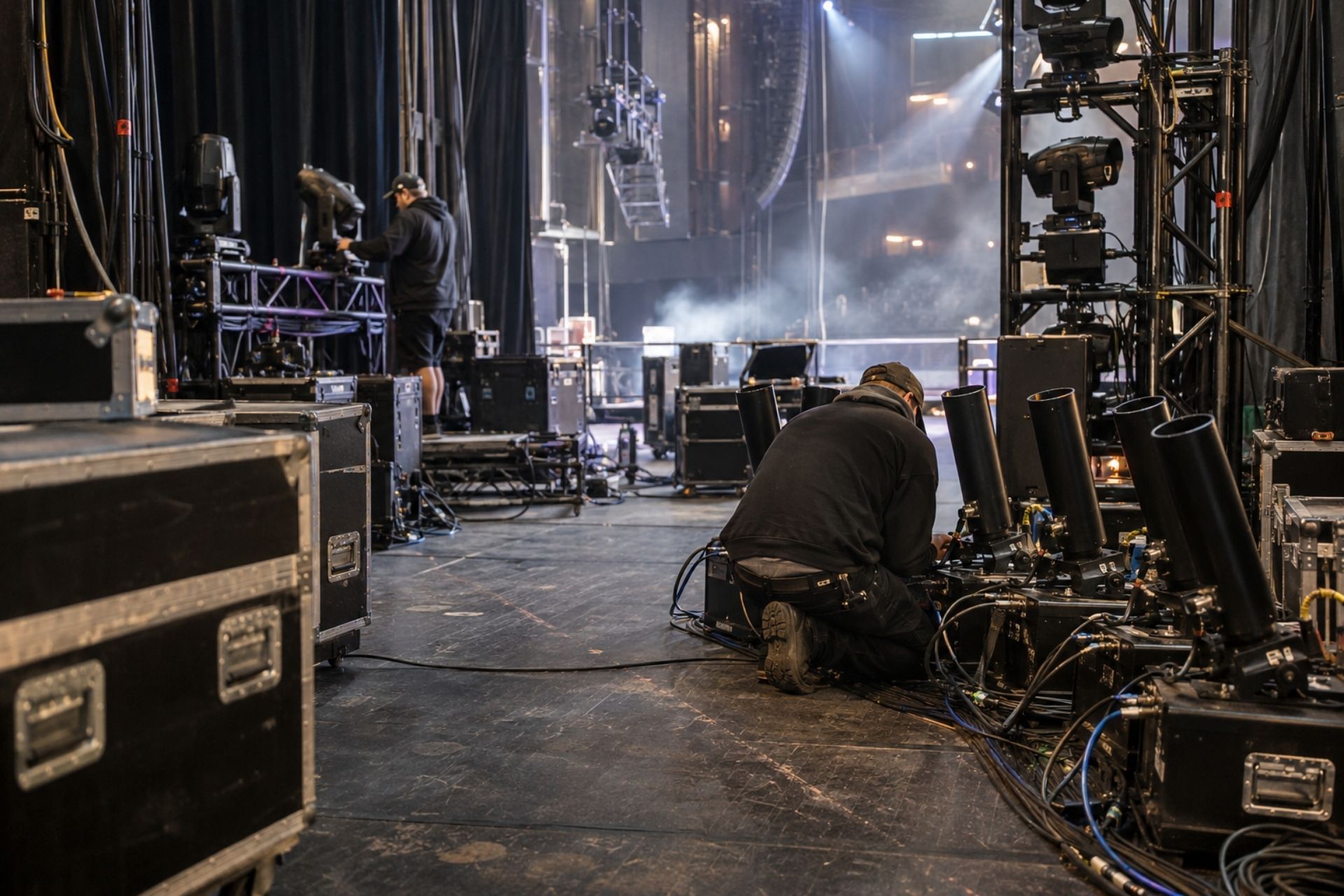
Extended coverage adds assault and battery protection, employment practices liability (covering wrongful termination or harassment claims from staff), cyber liability (relevant if you process credit cards or maintain customer data), and umbrella policies that extend your limits across all underlying coverages. For nightclubs with live entertainment, you may also need event cancellation coverage and equipment breakdown protection for sound and lighting systems.
The price difference between basic and extended packages often surprises owners: adding assault and battery, employment practices, and an umbrella policy might increase your total premium by 30 to 40 percent, but the protection it provides is disproportionately valuable. GrayStone Insurance Group uses data-driven risk modeling to match venues with the right combination of coverages, which helps avoid both overpaying and dangerous gaps.
What is bobtail insurance and do I need it?
Bobtail coverage protects you when driving your truck without a trailer attached, typically after dropping a load. It's often required by motor carriers for independent contractors operating under their authority. If you're an owner-operator leased to a carrier, check your lease agreement: most require it.
Common Questions About Bar Insurance in Corpus Christi
How much does bar insurance cost in Corpus Christi? Expect to pay between $8,000 and $25,000 annually for a comprehensive package, depending on your venue size, alcohol sales volume, claims history, and location relative to the coast.
Do I need separate windstorm insurance? Yes. Nueces County is in the designated catastrophe area, so standard property policies exclude wind and hail. You'll need TWIA or a private windstorm policy.
Can I get coverage if I've had past claims or a liquor violation? Yes, but you'll likely need a specialist broker who works with surplus lines carriers. Standard insurers often decline venues with claims history or TABC violations.
Does my policy cover a fight that happens outside my front door? It depends on your policy language and whether the incident involves your patrons or staff. Assault and battery endorsements typically cover incidents on or near your premises.
What happens to my coverage if TABC suspends my license? Your liquor liability policy may be voided during a suspension. Check your policy terms carefully and notify your broker immediately if you face any TABC action.
Is cyber liability really necessary for a bar? If you accept credit cards, store customer data, or use a POS system connected to the internet, yes. A data breach can trigger notification requirements and lawsuits even for small businesses.
Every policy has boundaries. Knowing them up front is how you avoid an uncovered claim. Common exclusions include:
Every policy has boundaries. Knowing them up front is how you avoid an uncovered claim. Common exclusions include:
Every policy has boundaries. Knowing them up front is how you avoid an uncovered claim. Common exclusions include:
General Liability responds to the core exposures most operations in this category face. A typical policy answers third-party claims and the defense costs that come with them, so a single incident doesn't put the business at risk.
The Bottom Line for Your Coastal Establishment
Operating a bar or nightclub in Corpus Christi means accepting a unique combination of coastal weather risk, high-volume alcohol liability, and the realities of managing late-night crowds in an active entertainment district. The right insurance program isn't just a collection of policies: it's a strategy built around your specific venue, your location, and your risk tolerance.
Don't settle for a generic commercial policy from a carrier that doesn't understand hospitality risk. Work with a broker who knows the Texas coast, understands TABC compliance, and has relationships with carriers willing to write nightlife businesses. GrayStone Insurance Group's 94 percent client retention rate exists because they build coverage programs that actually hold up when claims happen. Get a quote, review your current policies against the coverages outlined here, and close the gaps before the next hurricane season or busy weekend forces the issue.
ABOUT THE AUTHOR:
CHAD KRAMER
I started GrayStone Insurance Group in 2018 with a simple conviction: the businesses everyone else turns away deserve a broker who won't. What began as a one-person operation has grown into a specialty commercial brokerage with offices across the country — but the mission hasn't changed. We find solutions for high-risk and hard-to-place businesses when other agencies run the other way.
I built this agency on integrity, hard work, and the tenacity to do the hard things well. Through our access to Excess & Surplus and specialty markets, my team and I place coverage standard carriers can't — and I treat every client's business like my own.
If you've been declined, non-renewed, or told your business is too complicated to insure, let's talk.
Coverages & policies
Plain-language coverage, expertly placed.
We lead with commercial lines and round out personal coverage where you need it. Every policy comes with an explanation — not jargon.

Contractors
Third-party bodily injury & property damage — the foundation for any operation.

Liquor Liability
Critical for bars, restaurants and venues serving alcohol — including A&B.

Commercial Property
Buildings, contents and equipment — including distressed and vacant risk.

Workers' Compensation
Statutory coverage for your crew — including high-mod and high-hazard classes.

Commercial Umbrella
Extra liability limits over your primary policies — essential for high-exposure risk.
Products Liability
Manufacturers, CBD and consumer-product exposure — including imports.
What clients say
Brokers who actually place it.
FAQ
Answers for the risks others won't cover
Getting declined, non-renewed, or told your business is "too high-risk" is frustrating — but it doesn't mean you're out of options. Here are answers to the questions we hear most from business owners who need coverage the standard market won't provide.
What kind of insurance does GrayStone specialize in?
We're a specialty commercial brokerage built for high-risk and hard-to-place businesses — the risks standard carriers often turn away. Through our access to Excess & Surplus (E&S) and specialty markets, we place coverage that everyday agencies can't. Hospitality and construction are among our deepest areas of expertise.
My business was declined or non-renewed elsewhere. Can you still help?
That's exactly what we do. A decline, a non-renewal, or a tough claims history doesn't mean you're out of options — it means your risk needs a broker with the right market access. Tell us your situation and we'll get to work finding a fit.
What is Excess & Surplus (E&S) insurance?
E&S is specialty coverage for risks that standard "admitted" carriers won't write — often because a business is higher-risk, unusual, or has a complex history. As an independent broker, we tap into these specialty markets to place coverage where a typical agency hits a dead end.
What industries do you work with?
We cover a wide range of commercial industries — from restaurants, bars, and hospitality to contractors, trucking, manufacturing, cannabis, and more. If your industry is considered high-risk or hard-to-place, there's a good chance we've handled it.
Will you work with businesses that have prior claims or losses?
Yes. Prior claims and losses are part of many of the risks we place every day. Every business is evaluated on its own merits — and a rocky history is often exactly why a specialty broker can help where others won't.
Are you an independent broker?
Yes. We're not tied to a single carrier, so we shop your risk across multiple specialty and E&S markets to find coverage that actually fits — instead of forcing you into a one-size-fits-all policy.
Insights & resources
Know your risk before you buy.