
A single drunk driving accident tied to your bar, restaurant, or event can generate a lawsuit that threatens everything you've built. One recent case involving a Texas establishment resulted in a $301 billion nuclear verdict - a number so staggering it reshaped how the entire hospitality industry thinks about alcohol-related risk. Even if your business does everything right most nights, it only takes one over-served patron walking out your door and into a car to change your financial future permanently. Understanding liquor liability and which businesses actually need this coverage isn't just a compliance checkbox. It's the difference between surviving a catastrophic claim and closing your doors for good. If you sell, serve, or even hand out free drinks at a company event, this applies to you - and the specifics matter more than most business owners realize.
Understanding Liquor Liability Insurance
Liquor liability insurance exists because alcohol changes the risk equation for any business that touches it. A standard business insurance policy won't cover claims arising from alcohol-related incidents, which means bars, restaurants, breweries, event venues, and even caterers face a massive coverage gap without a dedicated liquor liability policy.
This type of insurance specifically protects businesses against third-party claims resulting from the actions of intoxicated individuals. If a patron gets drunk at your establishment, leaves, and causes a car accident that injures someone, the injured party can sue your business for damages. Liquor liability coverage pays for legal defense costs, settlements, and court judgments that arise from these claims.
The financial exposure here is real. Alcohol-related lawsuits regularly produce six- and seven-figure judgments, and in states with aggressive dram shop laws, the business that served the alcohol often bears significant legal responsibility - sometimes even more than the intoxicated individual.
What It Covers: The Basics
A liquor liability policy typically covers three core areas: bodily injury, property damage, and legal defense costs that result from serving or selling alcohol. If someone you served gets into a fight outside your venue and injures another person, your policy responds. If an intoxicated customer damages someone else's vehicle, your policy responds. If you're sued and need attorneys, expert witnesses, and court representation, your policy covers those costs too.
Most policies also cover assault and battery claims connected to alcohol consumption on your premises. Some carriers offer coverage extensions for things like off-premises events where your staff is pouring drinks, though these endorsements vary widely by insurer.
The Difference Between General Liability and Liquor Liability
This is where business owners get tripped up constantly. General liability insurance covers slip-and-fall injuries, advertising claims, and basic property damage. It does not cover claims arising from the sale, service, or distribution of alcohol. Full stop.
Think of it this way: if a customer trips on a wet floor in your restaurant, that's a general liability claim. If that same customer gets over-served, drives home, and hits a pedestrian, the resulting lawsuit falls squarely under liquor liability. Your general liability policy will deny that claim.
| Feature | General Liability | Typical Annual Cost |
|---|---|---|
| Slip-and-fall injuries | Covered | Not covered |
| Alcohol-related bodily injury | Not covered | Covered |
| Property damage from intoxicated patrons | Not covered | Covered |
| Legal defense for dram shop claims | Not covered | Covered |
| Advertising injury | Covered | Not covered |
| Required for liquor license | Sometimes | Usually |
Some business owners assume their general liability policy has some kind of alcohol provision built in. It doesn't - unless your alcohol sales represent an incidental portion of revenue (think a restaurant where drinks are maybe 10% of total sales). Even then, the coverage is limited and full of exclusions.
Who Needs Liquor Liability Coverage?
The short answer: any business that sells, serves, distributes, or furnishes alcohol. But the details vary based on how alcohol fits into your operations.
Establishments That Sell Alcohol
Bars, nightclubs, taverns, breweries with taprooms, wine bars, and liquor stores all fall into this category. If alcohol sales represent a primary revenue stream, you almost certainly need a standalone liquor liability policy. Most states require proof of liquor liability coverage before they'll issue or renew a liquor license.
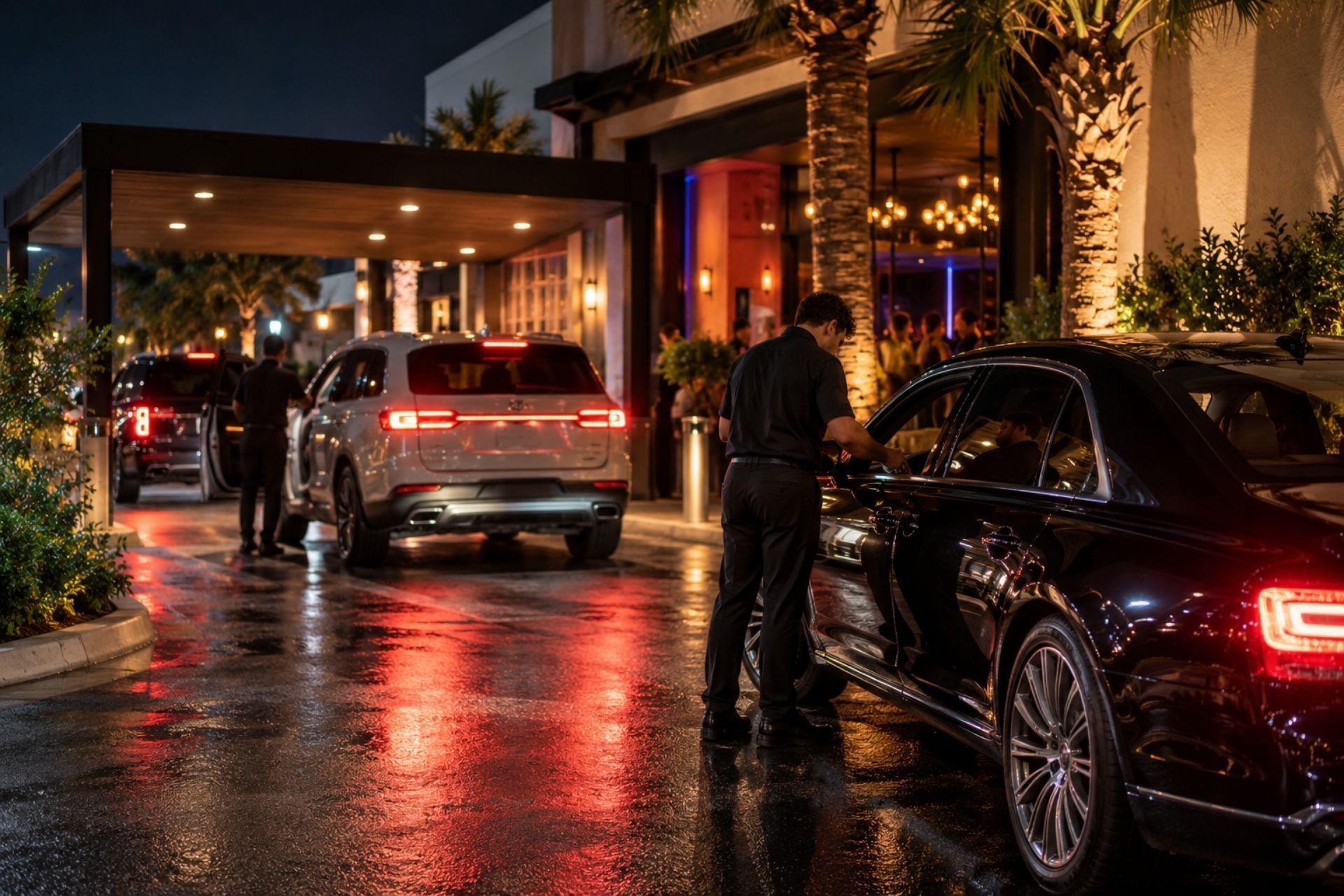
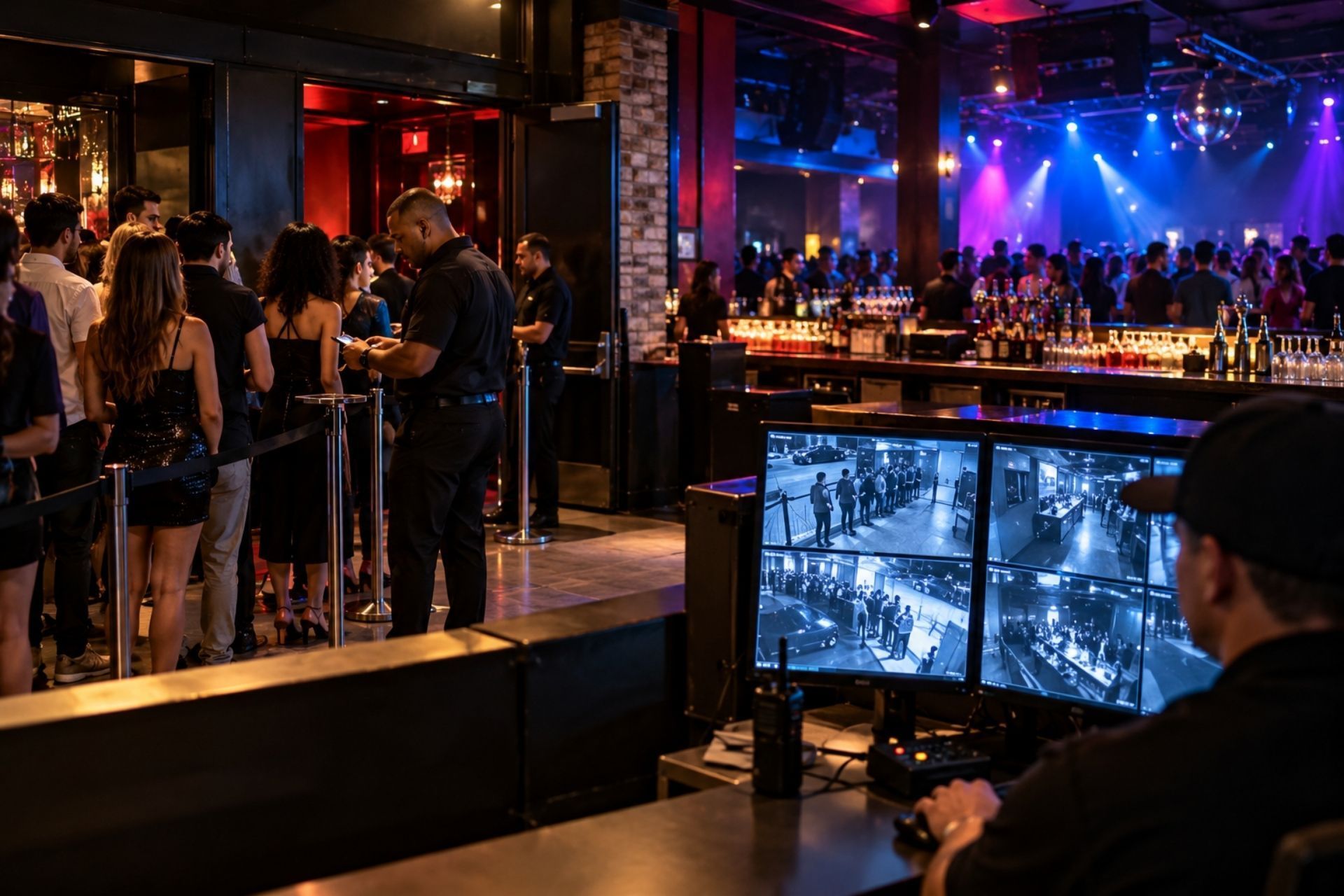
The risk profile for these businesses is higher than most. A busy nightclub serving hundreds of drinks per night faces far more exposure than a quiet wine shop selling sealed bottles. Carriers know this, and they price accordingly. Nightclubs and high-volume bars often face the steepest premiums in the industry, which is one reason many traditional insurance agencies won't touch them. Firms like GrayStone Insurance Group specialize in placing these hard-to-insure hospitality accounts, working with carriers that actually understand nightlife risk rather than running from it.
Businesses That Serve or Provide Alcohol
Restaurants, hotels, catering companies, food trucks with beer and wine permits, golf courses, and bowling alleys all serve alcohol as part of a broader business model. The risk is lower than a dedicated bar, but it's far from zero.
Caterers face a unique wrinkle: they're often serving alcohol at venues they don't control, which complicates liability questions. Beverage distributors also carry specific insurance requirements that differ from retail establishments, particularly around product liability and transportation risks.
Restaurants sometimes qualify for liquor liability coverage as an endorsement on their general liability policy rather than a standalone policy, but only if alcohol represents a small fraction of total revenue. If your bar tab receipts are climbing past 25-30% of gross sales, most carriers will require a separate liquor liability policy.
Host Liquor Liability for Special Events
This one catches people off guard. If your company hosts a holiday party, a client appreciation event, or a grand opening where alcohol is served for free, you can still be held liable if a guest gets drunk and causes harm. Host liquor liability covers businesses and organizations that furnish alcohol without selling it.
Massachusetts recently signed legislation allowing bars to stay open until 3 AM for World Cup and summer events, and temporary loosening of alcohol laws for these special occasions creates exactly the kind of scenario where host liquor liability becomes critical. Extended hours plus large crowds plus alcohol equals amplified risk.
Many general liability policies include a small host liquor liability provision, but it's typically capped at low limits. If you're hosting a large event with an open bar, talk to your broker about whether your existing coverage is adequate or if you need an event-specific policy.
Comparing Coverage Types and Requirements
Not all liquor liability policies are built the same. Coverage requirements vary dramatically by state, business type, and the volume of alcohol you move.
Some states mandate minimum coverage limits for any business holding a liquor license. South Carolina's Act 42, for example, requires businesses to carry at least $1 million in liability coverage, though businesses can reduce that mandatory coverage to as low as $300,000 by meeting certain qualifying criteria. The South Carolina Restaurant and Lodging Association provides detailed guidance on how these thresholds work in practice.
Texas takes a different approach with its dram shop statute, which holds commercial providers strictly liable for serving alcohol to obviously intoxicated individuals or minors. The legal standards and defenses available to businesses differ from state to state, which makes working with a broker who understands your specific jurisdiction essential.
Coverage limits typically range from $300,000 to $1 million per occurrence for small operations, with aggregate limits of $1 million to $2 million. High-volume bars and nightclubs often carry $2 million or more in coverage, and some add an umbrella policy on top for catastrophic claims.
Factors That Impact Your Policy Cost
Total Alcohol Sales Volume
This is the single biggest factor in your premium. A neighborhood café selling a few glasses of wine per evening will pay a fraction of what a high-volume nightclub pays. Carriers calculate premiums based on gross alcohol receipts, so if your bar revenue doubles, expect your premium to follow.
Most carriers use a rate per $1,000 of alcohol sales. That rate varies based on your risk class, but as a rough benchmark, expect to pay somewhere between $5 and $15 per $1,000 of annual alcohol revenue for a standard restaurant, and significantly more for bars and nightclubs.
Business Location and State Dram Shop Laws
Your state's legal framework directly affects your risk profile and your premium. States with aggressive dram shop laws - where courts regularly hold businesses liable for the actions of intoxicated patrons - tend to have higher premiums. States with more limited liability frameworks or caps on damages generally see lower rates.
Your physical location within a state matters too. A bar in a downtown entertainment district with high foot traffic and late-night hours carries more risk than a rural restaurant that closes at 9 PM. Carriers consider crime statistics, accident data, and claims history for your specific area.
Staff Training and Safety Protocols
Here's something within your control: carriers reward businesses that invest in responsible alcohol service training. Programs like TIPS (Training for Intervention Procedures) and ServSafe Alcohol certification demonstrate to underwriters that your staff knows how to identify intoxication, refuse service appropriately, and manage difficult situations.
Documented policies around ID checking, cut-off procedures, and incident reporting can earn meaningful premium discounts. Some carriers require these programs as a condition of coverage. GrayStone Insurance Group's brokers, who average 20 years of experience in the insurance market, often help clients implement these protocols before approaching carriers - because a well-documented safety program can be the difference between getting a competitive quote and getting declined.
Common Questions About Liquor Liability
Do I need liquor liability insurance if I only serve beer and wine? Yes. The type of alcohol doesn't change your legal exposure. A patron can become dangerously intoxicated on beer or wine just as easily as on spirits, and the resulting liability is identical.
Can I be sued even if the intoxicated person only hurts themselves? In many states, yes. Some jurisdictions allow the intoxicated individual (or their estate) to sue the establishment that served them, though the legal standards vary significantly by state.
Does my landlord's insurance cover alcohol-related claims at my venue? No. Your landlord's policy covers the building structure. Your liquor liability exposure is entirely your responsibility as the business operator.
How quickly can I get a liquor liability policy? Standard-risk businesses can often get bound within a few days. High-risk operations like nightclubs or businesses with prior claims may take two to four weeks as underwriters review the account more carefully.
What happens if I operate without liquor liability coverage? Beyond the obvious financial exposure from lawsuits, most states will revoke your liquor license if you can't show proof of coverage. That means you're out of business, not just uninsured.
Is liquor liability coverage tax deductible?
Generally, yes. Liquor liability premiums are a standard business expense and are typically deductible, though you should confirm with your accountant.
The Bottom Line for Your Business
If alcohol touches your business in any way - whether you're pouring shots behind a bar, catering a wedding, or hosting a company picnic with a keg - you carry liability that your standard business insurance won't cover. The question isn't whether you can afford liquor liability insurance. It's whether you can afford the lawsuit that comes without it.
Get clear on your state's requirements, understand how your alcohol revenue affects your premiums, and invest in staff training that both reduces your risk and lowers your costs. If your business falls into a higher-risk category or you've been turned down by traditional carriers, GrayStone Insurance Group works specifically with hard-to-place accounts and can help you find coverage that fits your operation. Reach out for a consultation and get the protection your business needs before the next drink is poured.
Search
INDEX
ABOUT THE AUTHOR:
CHAD KRAMER
I started GrayStone Insurance Group in 2018 with a simple conviction: the businesses everyone else turns away deserve a broker who won't. What began as a one-person operation has grown into a specialty commercial brokerage with offices across the country — but the mission hasn't changed. We find solutions for high-risk and hard-to-place businesses when other agencies run the other way.
I built this agency on integrity, hard work, and the tenacity to do the hard things well. Through our access to Excess & Surplus and specialty markets, my team and I place coverage standard carriers can't — and I treat every client's business like my own.
If you've been declined, non-renewed, or told your business is too complicated to insure, let's talk.