
If you've ever been turned down for a commercial insurance policy or quoted a premium that made your eyes water, you're not alone. Thousands of business owners each year find themselves wondering why their business is considered high-risk or hard-to-place by insurance carriers. The answer is rarely simple, and it's almost never personal. Insurers evaluate risk through a specific lens: claims history, industry classification, revenue volatility, regulatory exposure, and dozens of other variables. Some of these factors you can control; many you can't. The frustrating part is that a perfectly well-run business can still land in the "hard-to-place" category based on what other companies in the same industry have done. A single bad year of claims across your sector can shift how every underwriter views your application. Understanding what drives these classifications is the first step toward finding the right coverage at a price that doesn't sink your margins. This guide breaks down the real reasons behind the label, what it means for your coverage options, and how to move forward with a clear strategy.
The Core Factors That Define High-Risk Operations
Risk classification isn't arbitrary. Insurers use actuarial data, loss projections, and industry benchmarks to sort businesses into risk tiers. Three primary categories tend to push a company into high-risk territory: physical danger, financial exposure, and regulatory uncertainty. Any one of these can trigger a decline from a standard carrier. When two or three overlap, you're almost certainly looking at a surplus lines or specialty market placement.
Hazardous Physical Environments and Safety Concerns
Businesses where employees face daily physical danger, such as roofing contractors, demolition crews, or industrial manufacturers, carry inherently higher workers' compensation and general liability exposure. Slip-and-fall incidents at a nightclub or burn injuries in a commercial kitchen create the same dynamic. The more bodily injury claims an industry generates, the less appetite standard carriers have for writing those policies.
OSHA violation history compounds the problem. If your business has been cited for safety infractions in the past three years, underwriters will factor that into their assessment. Even a single serious incident can move you from standard to non-standard markets overnight.
High-Value Transactions and Financial Volatility
Revenue swings make underwriters nervous. A business that does $2 million one year and $800,000 the next presents a forecasting challenge that carriers dislike. This is especially common in seasonal hospitality, event production, and speculative real estate development. Businesses handling high-value transactions also face elevated fraud and liability exposure. Friendly fraud now accounts for up to 75% of all chargebacks, and businesses exceeding a 1% chargeback ratio are typically flagged by payment processors and, by extension, insurers evaluating commercial crime or professional liability policies.
New or Unregulated Industry Sectors
If your industry doesn't have 20 years of loss data behind it, underwriters have nothing to model. Cannabis dispensaries, CBD product manufacturers, drone service providers, and cryptocurrency exchanges all fall into this bucket. The lack of historical claims data means carriers can't price policies with confidence, so most simply decline to write them.
Regulatory flux adds another layer. A business that's legal in one state and illegal in another creates compliance headaches that most standard insurers won't touch.
Why Underwriters Label Certain Businesses as Hard-to-Place
The distinction between "high-risk" and "hard-to-place" matters more than most people realize. High-risk means the business itself carries elevated exposure. Hard-to-place means the business might be perfectly safe but still difficult to insure due to market conditions, location, or thin claims history. Both labels result in the same outcome: standard carriers say no.
Historical Claims Data and Industry Loss Ratios
Underwriters don't just look at your claims history; they look at your entire industry's track record. If restaurants in your classification code have a combined loss ratio above 70%, you're starting from a disadvantage regardless of your own spotless record. Industry loss ratios from organizations like the National Council on Compensation Insurance directly influence how carriers price and appetite commercial policies.
One thing to keep in mind: even if you've never filed a claim, operating in an industry with frequent litigation or large settlements can make your business hard to place. Medical spas, for instance, face professional liability exposure that many generalist carriers simply won't underwrite.
The Impact of Geographical Location on Risk
Where your business operates matters as much as what it does. A construction firm in a hurricane-prone coastal county faces property and business interruption risks that the same firm in landlocked Nebraska doesn't. States with higher litigation rates and plaintiff-friendly court systems also drive up liability costs, making businesses in those jurisdictions harder to place.
Flood zones, wildfire corridors, and earthquake-prone regions all affect property coverage availability. If your business sits in a FEMA-designated special flood hazard area, expect your placement options to narrow considerably.
Standard vs. Non-Standard Insurance Markets
| Coverage Type | What It Covers | Typical Annual Cost | Required? |
|---|---|---|---|
| General Liability | Third-party injuries, property damage | $500 - $2,500 | Usually yes (landlord requirement) |
| Commercial Property | Building, equipment, inventory | $1,000 - $5,000 | Yes, if you own assets |
| Workers' Compensation | Employee injuries on the job | $2,000 - $8,000+ | Required in most states |
| Liquor Liability | Alcohol-related incidents | $1,200 - $5,000 | Yes, if you serve alcohol |
| Business Interruption | Lost income after covered event | $750 - $2,500 | Strongly recommended |
| Umbrella/Excess | Extends limits above primary policies | $1,000 - $3,000 | Recommended for higher-risk ops |
The surplus lines market exists specifically for businesses that standard carriers won't insure. That's not a negative reflection on your company; it's simply how insurance markets function. About 15% of all commercial premiums in the U.S. flow through surplus lines channels, and that percentage has been climbing steadily since 2020.
How Risk Classification Directly Affects Your Premiums
Being classified as high-risk doesn't just limit your carrier options; it reshapes your entire cost structure. Premiums for non-standard placements typically run 20% to 50% higher than comparable standard market policies. Deductibles are often larger, and coverage terms may include more exclusions or sublimits.
The real cost, though, goes beyond the premium line item. Hard-to-place businesses frequently face coverage gaps that standard policies would have filled automatically. Pollution liability, employment practices liability, and cyber coverage are often excluded or offered only as expensive endorsements in surplus lines policies. Working with brokers who specialize in complex placements, like the team at GrayStone Insurance Group with their average of 20 years in the market, can help identify those gaps before they become claims.
Common Industries That Face Placement Challenges
Construction and Heavy Contracting
General contractors, subcontractors working at heights, and heavy civil firms consistently rank among the hardest commercial risks to place. The combination of bodily injury exposure, completed operations liability, and equipment values creates a risk profile that most standard carriers avoid. Wrap-up programs and owner-controlled insurance programs (OCIPs) can sometimes provide a path forward for larger projects.
Cannabis, CBD, and Emerging Markets
Despite legalization trends across dozens of states, cannabis businesses remain federally unclassified in ways that create insurance complications. Product liability, crop coverage, and commercial property policies all require specialty market placement. CBD manufacturers face similar challenges, particularly around product liability for ingestible goods.
Hospitality and Late-Night Entertainment
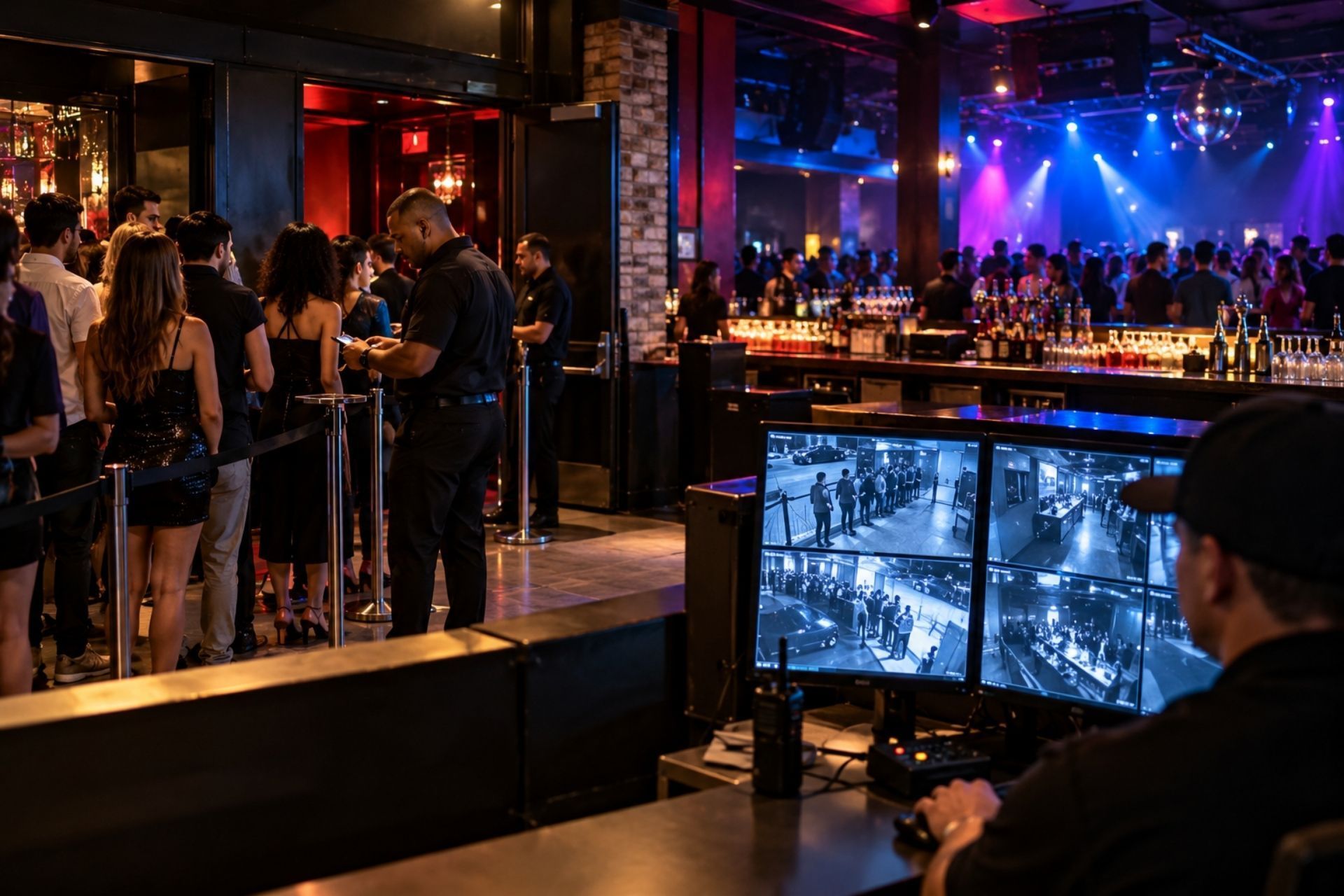
Bars, nightclubs, hookah lounges, and late-night restaurants deal with liquor liability, assault-and-battery exposure, and property damage risks that standard carriers consistently decline. A single assault claim at a nightclub can generate a six-figure settlement. These businesses need carriers comfortable with that exposure profile, and those carriers live exclusively in the surplus lines space.
Common Questions About High-Risk Business Coverage
Restaurant insurance pricing in 2026 isn't one-size-fits-all, and that's actually good news. It means you can tailor your coverage to match your actual risk profile rather than paying for a generic package. The restaurants that overpay are usually the ones that haven't reviewed their policies in years or are working with agents who don't understand the hospitality industry's specific exposures.
Get quotes from at least two to three brokers, and make sure at least one specializes in restaurant or hospitality placements. Ask about every endorsement listed above and whether it applies to your operation. Review your coverage annually as your revenue, headcount, and menu evolve.
The right insurance program won't just protect you from catastrophic loss: it'll give you the confidence to focus on running your restaurant instead of worrying about what might go wrong. If your operation has been declined or if you're paying rates that feel too high, reach out to a specialist like GrayStone Insurance Group who can assess your risk honestly and find the right fit.
What You Can Do Right Now to Improve Your Risk Profile
Start with documentation. Underwriters want to see written safety programs, employee training logs, maintenance records, and incident response plans. If you don't have these formalized, create them before your next renewal. A well-documented risk management program can shift an underwriter's perception more than almost anything else.
Invest in loss control. Install security cameras, upgrade fire suppression systems, implement drug testing programs, and conduct regular safety audits. These aren't just good business practices; they're tangible evidence that you take risk seriously.
How GrayStone Approaches Hard-to-Place Risks Differently
GrayStone Insurance Group uses AI-powered risk modeling to match hard-to-place businesses with carriers that actually have appetite for their specific exposure profile. Instead of submitting your application to 30 carriers and hoping for a response, their data-driven approach identifies the three to five carriers most likely to write your policy at competitive terms. That precision matters when you're operating in a market where most brokers simply don't have the relationships or technical knowledge to place complex risks efficiently.
Their 94% client retention rate reflects something important: businesses that find the right specialty broker tend to stay. The relationship deepens over time as your broker learns your operations, anticipates renewal challenges, and advocates during claims.
The Real Cost of Going Without Coverage
Operating uninsured or underinsured isn't a strategy; it's a countdown. A single general liability claim averaging $50,000 to $75,000 can wipe out a small business's annual profit. Workers' compensation claims in high-risk industries regularly exceed $100,000 for serious injuries. And contract requirements from landlords, general contractors, or licensing agencies almost always mandate specific coverage minimums.
Going without also closes doors. You can't bid on government contracts, sign commercial leases, or partner with larger firms if you can't produce certificates of insurance meeting their requirements.
Your Next Steps to Secure Coverage
Understanding why your business is considered high-risk or hard-to-place puts you in a stronger position than most business owners who simply accept the first quote they receive. The classification isn't permanent, and the right broker can make a significant difference in both coverage quality and cost.
Start by pulling together your loss runs (claims history from the past five years), current safety documentation, and financial statements. These are the three documents every surplus lines underwriter will request. Having them ready speeds up the quoting process and signals professionalism.
Then reach out to a broker who specializes in your industry. GrayStone Insurance Group works with businesses across construction, hospitality, cannabis, and other hard-to-place sectors daily. Their team can evaluate your risk profile, identify coverage gaps, and place policies with carriers that understand your operations. Contact GrayStone today to start the conversation: the sooner you act, the more options you'll have at renewal.
Search
INDEX

ABOUT THE AUTHOR:
CHAD KRAMER
I started GrayStone Insurance Group in 2018 with a simple conviction: the businesses everyone else turns away deserve a broker who won't. What began as a one-person operation has grown into a specialty commercial brokerage with offices across the country — but the mission hasn't changed. We find solutions for high-risk and hard-to-place businesses when other agencies run the other way.
I built this agency on integrity, hard work, and the tenacity to do the hard things well. Through our access to Excess & Surplus and specialty markets, my team and I place coverage standard carriers can't — and I treat every client's business like my own.
If you've been declined, non-renewed, or told your business is too complicated to insure, let's talk.