
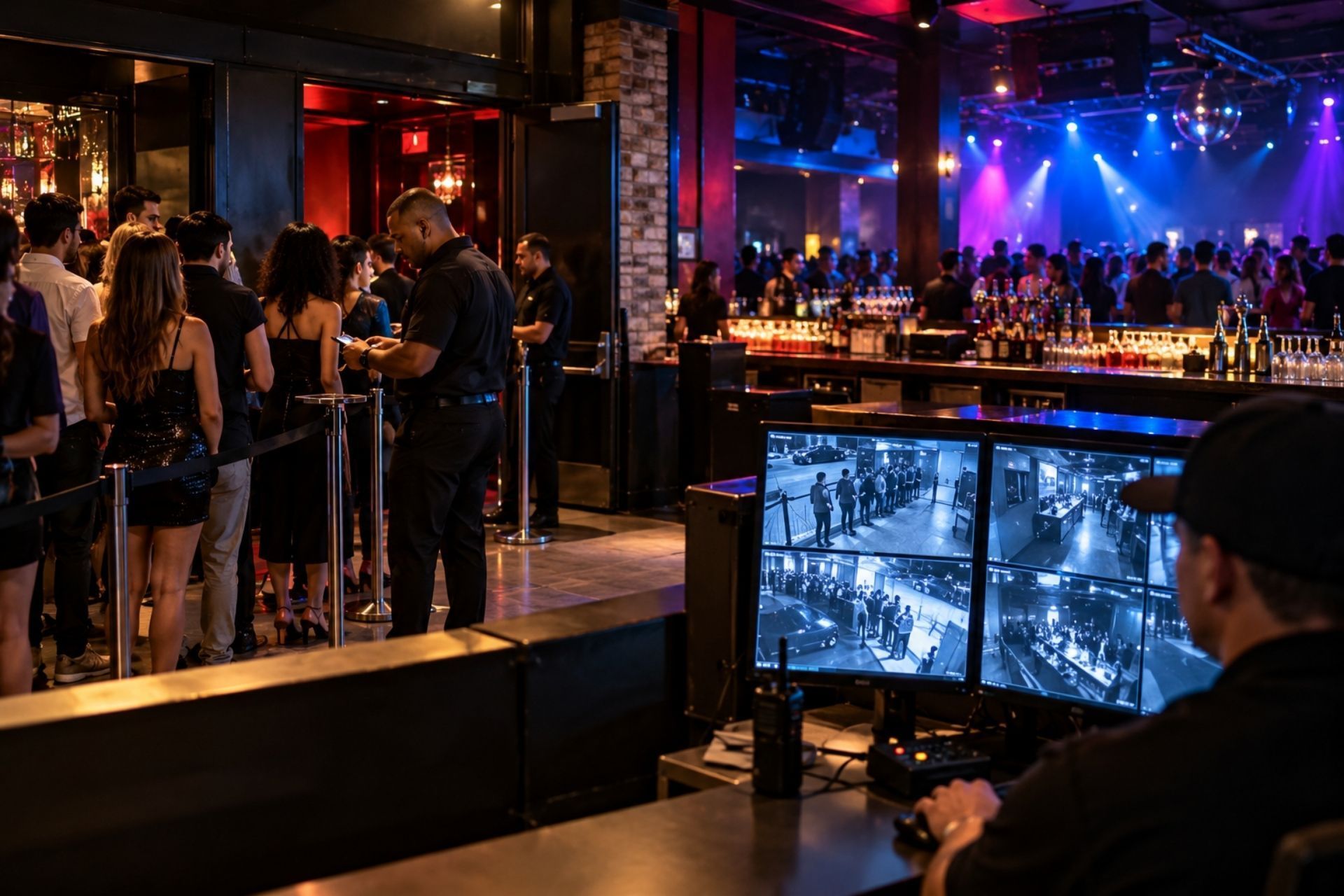
Not every establishment needs the same coverage structure. Your alcohol sales volume should directly inform your policy limits, endorsements, and risk management approach.
Comparison Table: Low vs. High Alcohol Sales Risk Profile
CStrategies to Lower Premiums with a Less-Than-Perfect Record
PA single uninsured assault claim can easily reach $250,000 to $500,000 when you factor in medical expenses, legal defense, lost wages, and pain-and-suffering damages. Jury awards in nightclub assault cases have exceeded seven figures with increasing frequency. Without A&B coverage, those costs come directly out of your business assets, and for most bar owners, that means closing the doors permanently.
Protecting your apartment buildings ahead of hurricane season is a process, not a single weekend project. Start with the physical inspection: roof, envelope, drainage, trees. Move to the financial side: review your deductibles, confirm your flood coverage, and make sure your loss of rental income limits actually match your rent roll. Then handle the human element: tenant communication plans, emergency contacts, and pre-loss documentation.
If your property has been declined by traditional carriers or you're seeing renewal increases that don't make sense, GrayStone Insurance Group specializes in placing coverage for exactly these situations. Their 94% client retention rate exists because they solve problems other agencies won't touch.
The 2026 season may be below-normal, but "below-normal" still means storms. The owners who act now are the ones who sleep through the first tropical storm warning of the year. The ones who wait are the ones filing claims.
CBD compliance isn't a one-time project. It's an ongoing discipline that touches every part of your business, from formulation to marketing to customer service. The brands that thrive in this market will be the ones that treat labeling accuracy and regulatory compliance as core business functions, not afterthoughts. Start with a label audit against current federal and state requirements. Get batch-specific COAs from accredited labs. Strip any language that even hints at medical claims. Then make sure your insurance program actually covers the products you're selling, because a policy full of exclusions is barely better than no policy at all. If you're running a CBD operation and struggling to find coverage that matches your actual risk profile, reach out to GrayStone Insurance Group. With a 94% client retention rate and deep experience insuring complex, high-risk businesses, they can help you build a coverage strategy that holds up when it matters most.
This table illustrates why
insurance costs vary so dramatically by region and risk profile. A basic policy might be cheaper upfront, but the out-of-pocket exposure after a hurricane can be catastrophic.
A single recall can financially gut a manufacturer faster than almost any other business crisis. One contaminated batch, one defective component, one mislabeled package: and suddenly you're staring down logistics nightmares, regulatory scrutiny, and a customer base that isn't sure they trust you anymore. The worst part? Most manufacturers don't realize their existing insurance won't cover the bulk of these costs until the recall is already underway.
Product recall exposure for manufacturers is growing, not shrinking. While the total number of recall events dropped by 10.5% in Q1 2026, the volume of units recalled surged to a four-year high, meaning each individual recall is becoming larger and more expensive. That trend should concern any manufacturer still relying on a general liability policy as their safety net. The gap between what you think is covered and what actually gets paid out could be the difference between surviving a recall and closing your doors. Here's what you need to know to protect your operation before something goes wrong.
The Financial Reality of a Product Recall
Most business owners underestimate what a recall actually costs. They picture pulling some items off shelves and issuing a press release. The reality is far uglier. A mid-size food manufacturer dealing with a contamination recall can easily burn through $10 million before the dust settles, and that figure climbs fast for companies with national distribution.
The financial damage hits from two directions simultaneously: the hard costs you can calculate and the soft costs that erode your business over months or years. Understanding both is critical to building the right insurance and risk management strategy.
Direct Costs: Logistics, Disposal, and Notification
The moment a recall is triggered, the clock starts on expenses that pile up fast. You need to physically retrieve products from distributors, retailers, and sometimes directly from consumers. Shipping, warehousing, and disposal fees for recalled goods can dwarf the original production cost of the items themselves.
Then there's notification. Federal regulations typically require you to alert every affected party, which means direct mail, email campaigns, call center staffing, and coordination with retail partners. The
real cost of a product recall extends well beyond the product itself, touching every link in the supply chain. Testing and investigation fees add another layer: you'll need to identify the root cause, often hiring third-party labs and consultants. For manufacturers in food, automotive, or consumer electronics, these direct costs routinely reach seven figures.
Indirect Costs: Brand Damage and Lost Market Share
Here's where the real long-term pain lives. A recall doesn't just cost you money today: it costs you customers tomorrow. Consumer confidence drops sharply after a recall, and competitors are more than happy to fill the gap while you're sorting things out.
Stock price impacts, lost contracts with major retailers, and increased scrutiny from regulators on future products all compound the damage. Some manufacturers report that rebuilding market share after a significant recall takes two to three years. For smaller operations, that timeline can be fatal. The indirect costs often exceed direct expenses by a factor of three or four, yet they're the ones most manufacturers fail to plan for.
General Liability vs. Product Recall Insurance
This is where I see manufacturers get burned most often. They assume their general liability policy handles recalls. It doesn't: at least not in the way they expect.
General liability covers third-party bodily injury and property damage claims. If someone gets hurt by your product, GL responds to the lawsuit. But it won't pay for the recall itself: the logistics, the notification, the replacement inventory, the crisis PR. Those are entirely separate cost categories that require a dedicated product recall policy.
Comparison Table: Coverage Gap Analysis
| Coverage Area | General Liability | Product Recall Insurance |
|---|---|---|
| Third-party injury claims | Covered | Not typically covered |
| Product retrieval/shipping | Not covered | Covered |
| Consumer notification costs | Not covered | Covered |
| Replacement product costs | Not covered | Often covered |
| Business interruption from recall | Not covered | Covered (with endorsement) |
| Crisis PR/reputation management | Not covered | Covered |
| Regulatory fines | Not covered | Sometimes covered |
| Third-party property damage | Covered | Not typically covered |
The gap is enormous. A manufacturer relying solely on GL is essentially self-insuring the most expensive parts of a recall. Agencies like GrayStone Insurance Group, which specialize in hard-to-place manufacturing risks, can structure recall coverage that actually fills these gaps rather than leaving you exposed.
Common Triggers for Recall Exposure
Understanding what causes recalls helps you prevent them: and helps your insurer price your coverage more accurately. Recall triggers fall into three broad categories.
Manufacturing Defects and Contamination
This is the most common trigger across industries. A machine calibration drifts, a raw material supplier changes formulations without notice, or a sanitation protocol breaks down on third shift. In food manufacturing, reducing the risk of recalls starts on the production floor with contamination controls that catch problems before products ship.
For non-food manufacturers, defects often trace back to component suppliers. A faulty capacitor in an electronics assembly or substandard steel in an automotive part can trigger recalls affecting millions of units. The manufacturer whose name is on the product bears the recall burden, even when the root cause sits two tiers deep in the supply chain.
Design Flaws and Labeling Errors
Design-related recalls tend to be the most expensive because they affect entire product lines rather than individual batches. If a children's toy has a small part that poses a choking hazard, every unit ever produced with that design needs to come back.
Labeling errors are increasingly common and increasingly costly. Missing allergen declarations on food products, incorrect dosage instructions on supplements, or inadequate safety warnings on power tools can all trigger mandatory recalls. These errors are often preventable with better quality control at the packaging stage, but they still account for a significant percentage of recall events each year.
Regulatory Demands and Government Mandates
The CPSC, FDA, NHTSA, and other agencies have the authority to mandate recalls when they determine a product poses an unreasonable risk. You don't always get a choice in the matter. Government-mandated recalls surged in scale during Q1 2026, with automotive and consumer product categories seeing particularly aggressive enforcement.
The automotive sector alone saw
a sharp increase in do-not-drive alerts during early 2026, affecting manufacturers and their component suppliers simultaneously. When a regulator initiates a recall, the manufacturer typically has limited ability to negotiate scope or timing, which makes having insurance already in place absolutely essential.
Risk Mitigation and Quality Control Strategies
Insurance is your financial backstop, but prevention is your first line of defense. The manufacturers who weather recalls best are the ones who invested in systems that either prevent problems or contain them quickly.
Implementing Robust Batch Tracking Systems
If you can't trace a defect to a specific production run, you'll recall everything. That's the difference between pulling 5,000 units and pulling 500,000. Modern batch tracking systems using serialization, lot coding, and digital record-keeping let you narrow the scope of a recall dramatically.
Manufacturers using granular traceability systems often see their recall costs drop by 50% or more compared to companies that can only identify problems at the product-line level. The investment in tracking technology pays for itself the first time you need it. GrayStone's brokers, who average 20 years of experience in commercial insurance, consistently note that insurers offer better recall policy terms to manufacturers with documented traceability systems in place.
Supplier Vetting and Contractual Indemnity
Your supply chain is only as strong as its weakest link. A contaminated ingredient from a secondary supplier can trigger a recall that costs you millions, and recovering those costs from the supplier is often difficult without the right contractual protections.
Every supplier agreement should include indemnification clauses that clearly assign recall costs to the party responsible for the defect. Regular audits of supplier facilities, certifications, and quality management systems reduce the likelihood of a supply-chain-triggered recall. Some manufacturers now require their suppliers to carry their own product recall insurance as a condition of doing business: a smart move that's becoming standard practice in food and automotive manufacturing.
Frequently Asked Questions About Recalls
Does my standard business insurance cover a recall?
No. Standard general liability and commercial property policies exclude recall-related costs. They'll respond if someone sues you for injury caused by a defective product, but the actual recall expenses: retrieval, notification, disposal, replacement: require a separate product recall policy.
What is the difference between a voluntary and involuntary recall?
A voluntary recall is initiated by the manufacturer, usually after discovering a defect internally. An involuntary recall is mandated by a government agency like the CPSC or FDA. Both types generate significant costs, but involuntary recalls often carry additional regulatory penalties and tend to attract more negative media coverage.
How much does recall insurance usually cost?
Premiums vary widely based on your industry, revenue, product type, and risk controls. A small consumer goods manufacturer might pay $5,000 to $25,000 annually, while a mid-size food or automotive manufacturer could see premiums of $50,000 to $200,000 or more. The cost is a fraction of what an uninsured recall would run you.
Does insurance pay for the cost of replacing the faulty items?
Many product recall policies include coverage for replacement costs, though limits and sub-limits apply. Some policies cover only the cost of the defective component rather than the entire finished product. Read the policy language carefully and work with a broker who understands manufacturing risks.
Will my policy help with the PR costs to fix my reputation?
Yes, most modern recall policies include crisis management and public relations coverage. This typically covers hiring PR firms, managing media communications, and running consumer outreach campaigns. Given that brand damage often exceeds direct recall costs, this coverage component is critical.
Protecting Your Business Long-Term
Recall exposure isn't going away. The 27% increase in recalled product units during Q1 2026 signals that while companies may be getting better at preventing small incidents, the big ones are getting bigger. Regulatory agencies are more aggressive, supply chains are more complex, and consumers expect faster, more transparent responses than ever before.
The manufacturers who survive recalls are the ones who prepared before the crisis hit. That means investing in traceability, vetting suppliers rigorously, and carrying recall insurance that actually covers what general liability leaves out. If your current policy has gaps you're not sure about, a conversation with a specialist broker can clarify your exposure in about 30 minutes: and that's time well spent compared to scrambling after a recall notice lands on your desk. GrayStone Insurance Group works with manufacturers across risk categories to build coverage that reflects real-world recall scenarios, not theoretical ones. Reach out to get your exposure assessed before the next batch ships.
Search
INDEX


ABOUT THE AUTHOR:
CHAD KRAMER
I started GrayStone Insurance Group in 2018 with a simple conviction: the businesses everyone else turns away deserve a broker who won't. What began as a one-person operation has grown into a specialty commercial brokerage with offices across the country — but the mission hasn't changed. We find solutions for high-risk and hard-to-place businesses when other agencies run the other way.
I built this agency on integrity, hard work, and the tenacity to do the hard things well. Through our access to Excess & Surplus and specialty markets, my team and I place coverage standard carriers can't — and I treat every client's business like my own.
If you've been declined, non-renewed, or told your business is too complicated to insure, let's talk.