
Not every establishment needs the same coverage structure. Your alcohol sales volume should directly inform your policy limits, endorsements, and risk management approach.
Comparison Table: Low vs. High Alcohol Sales Risk Profile
CStrategies to Lower Premiums with a Less-Than-Perfect Record
PA single uninsured assault claim can easily reach $250,000 to $500,000 when you factor in medical expenses, legal defense, lost wages, and pain-and-suffering damages. Jury awards in nightclub assault cases have exceeded seven figures with increasing frequency. Without A&B coverage, those costs come directly out of your business assets, and for most bar owners, that means closing the doors permanently.
Protecting your apartment buildings ahead of hurricane season is a process, not a single weekend project. Start with the physical inspection: roof, envelope, drainage, trees. Move to the financial side: review your deductibles, confirm your flood coverage, and make sure your loss of rental income limits actually match your rent roll. Then handle the human element: tenant communication plans, emergency contacts, and pre-loss documentation.
If your property has been declined by traditional carriers or you're seeing renewal increases that don't make sense, GrayStone Insurance Group specializes in placing coverage for exactly these situations. Their 94% client retention rate exists because they solve problems other agencies won't touch.
The 2026 season may be below-normal, but "below-normal" still means storms. The owners who act now are the ones who sleep through the first tropical storm warning of the year. The ones who wait are the ones filing claims.
CBD compliance isn't a one-time project. It's an ongoing discipline that touches every part of your business, from formulation to marketing to customer service. The brands that thrive in this market will be the ones that treat labeling accuracy and regulatory compliance as core business functions, not afterthoughts. Start with a label audit against current federal and state requirements. Get batch-specific COAs from accredited labs. Strip any language that even hints at medical claims. Then make sure your insurance program actually covers the products you're selling, because a policy full of exclusions is barely better than no policy at all. If you're running a CBD operation and struggling to find coverage that matches your actual risk profile, reach out to GrayStone Insurance Group. With a 94% client retention rate and deep experience insuring complex, high-risk businesses, they can help you build a coverage strategy that holds up when it matters most.
This table illustrates why
insurance costs vary so dramatically by region and risk profile. A basic policy might be cheaper upfront, but the out-of-pocket exposure after a hurricane can be catastrophic.
A wedding reception at a boutique hotel ends with a guest wrapping their car around a guardrail. A corporate gala at a rented event space results in an altercation between two intoxicated attendees, one of whom ends up in the hospital. These scenarios aren't hypothetical: they're the kinds of claims that land on adjusters' desks every week, and the financial fallout can be staggering. Hotels and event venues that serve or permit alcohol face a unique intersection of hospitality and risk that most standard insurance policies simply don't address. Liquor liability coverage for hotels and event spaces has become one of the most critical - and most misunderstood - pieces of a venue's insurance portfolio. Premiums in this space have risen by as much as 20% since late 2025, with high-risk regions seeing jumps of 25%. That's not a trend you can afford to ignore. Whether you run a 200-room hotel with a rooftop bar or manage a historic estate that hosts 50 weddings a year, understanding how alcohol-related liability works - and what your policy actually covers - can be the difference between surviving a claim and shutting your doors. Here's what you need to know.
Understanding Liquor Liability for Hospitality Venues
Alcohol service creates a category of risk that sits apart from almost everything else a venue does. A slip-and-fall in a lobby is a general liability issue. A guest who gets overserved at your bar and injures someone on the drive home? That's a liquor liability claim, and it follows a completely different legal and insurance framework. The distinction matters because general liability policies almost universally exclude alcohol-related incidents when the insured is in the business of selling, serving, or distributing alcohol. If your venue does any of those things - even occasionally - you need a standalone liquor liability policy or a specific endorsement.
The Difference Between Host Liquor and Liquor Liability
These two terms get confused constantly, and the confusion can cost you. Host liquor liability applies when alcohol is served incidentally and not for profit: think a company throwing a holiday party at its own office. Liquor liability insurance, on the other hand, is designed for businesses that sell, serve, or furnish alcohol as part of their operations. If your hotel has a bar, if your venue includes drink packages in event pricing, or if you charge a corkage fee, you're in the "business of alcohol" in the eyes of most insurers and courts. Host liquor coverage won't protect you. A full liquor liability policy will. The distinction between social host liability and commercial liability is one of the most common gaps venue owners overlook.
Who Is Legally Responsible for Alcohol-Related Incidents
Responsibility doesn't always land where you'd expect. In most states with dram shop laws, the establishment that served the alcohol bears liability if a visibly intoxicated person causes harm. That means your hotel, your event space, or your catering operation could be named in a lawsuit even if a third-party bartender poured the drinks. Some states extend liability to the individual server. Others hold the venue owner responsible regardless of who was behind the bar. The legal exposure is broad enough that event planners and venue managers should both carry coverage, and contracts between them need to spell out exactly who is responsible for what.
Common Risks for Hotels and Event Spaces
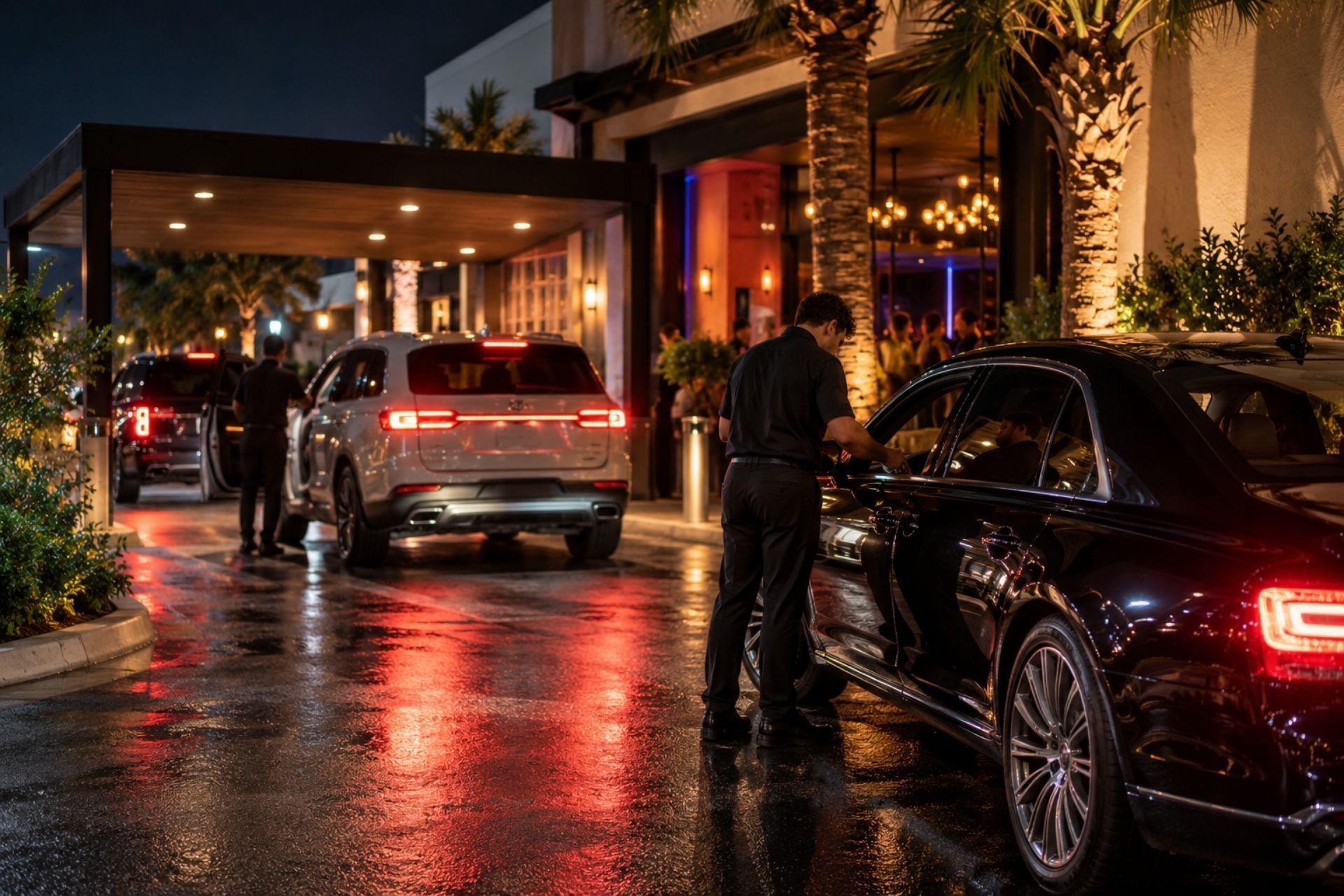
The risk profile for a venue that serves alcohol goes well beyond drunk driving accidents. Assault, property damage, alcohol poisoning, and slip-and-fall incidents tied to intoxication all fall under this umbrella. Hotels face additional complexity because guests often consume alcohol in multiple locations on the property: the restaurant, the pool bar, in-room minibars, and private event spaces. Each of these touchpoints creates a potential liability trigger. Event spaces deal with a different set of headaches: large crowds, open bars with high consumption rates, and events where the venue may not directly control alcohol service.
Off-Premises Catering and Mobile Bars
Mobile bars and off-premises catering have exploded in popularity, and they introduce a layer of risk that many venue operators don't fully appreciate. When your catering team serves drinks at a location you don't own or control, your exposure changes. You may not have oversight of the physical space, the guest list, or security. If an incident occurs, your liquor liability policy needs to explicitly cover off-premises service. Many standard policies don't. This is a coverage gap that GrayStone Insurance Group sees regularly with hospitality clients, and it's one that can be closed with the right endorsement or a policy specifically written for mobile operations.
Third-Party Vendors and Venue Contracts
Hiring a third-party bar service doesn't eliminate your liability: it just adds another party to the equation. Your contract with any outside vendor should require them to carry their own liquor liability insurance and name your venue as an additional insured. Without that language, you could end up footing the bill for a claim that originated entirely from the vendor's negligence. Strategies for
reducing liability when hosting events include requiring certificates of insurance, setting drink limits, and ensuring trained staff are present at every service point.
Comparing Coverage Options: General Liability vs. Liquor Liability
Understanding what each policy does - and doesn't - cover is essential before you sign anything.
| Feature | General Liability | Liquor Liability |
|---|---|---|
| Bodily injury from slip-and-fall | Covered | Not typically covered |
| Property damage by intoxicated guest | Usually excluded | Covered |
| DUI accident caused by overserved patron | Excluded | Covered |
| Assault by intoxicated guest | May be excluded | Covered |
| Legal defense costs | Included for covered claims | Included for covered claims |
| Alcohol-related food poisoning | Depends on policy | May be covered |
The key takeaway from this table: general liability and liquor liability are complementary, not interchangeable. You need both if your venue serves alcohol in any capacity.
How Policy Limits and Deductibles Shape Your Protection
Choosing the right limits isn't just about meeting a minimum requirement: it's about surviving a worst-case scenario. Most liquor liability claims settle in the $50,000 to $250,000 range, but catastrophic cases involving serious injury or death can exceed $1 million. A policy with a $500,000 per-occurrence limit might feel adequate until a single incident blows past it. Deductibles matter too. A higher deductible lowers your premium but increases your out-of-pocket exposure on every claim. For venues with high event volume, a lower deductible often makes more financial sense even if the annual premium is steeper.
Factors That Influence Your Insurance Premiums
Several variables determine what you'll pay for coverage. Annual alcohol revenue is the biggest driver: a hotel bar generating $2 million in drink sales will pay significantly more than a small event space that serves wine at a handful of receptions each year. Your claims history matters enormously. Even one or two alcohol-related claims in the past five years can push you into high-risk territory, where premiums jump and carrier options shrink. Location, hours of operation, and the types of events you host all factor in as well.
State Dram Shop Laws and Legal Environments
Not every state treats alcohol liability the same way. Some states have strict dram shop statutes that make it relatively easy for an injured party to sue a venue. Others cap damages or require proof of gross negligence. South Carolina, for example, enacted updated liquor liability laws taking effect in 2026 that changed how venues in the state handle alcohol-related claims. These new South Carolina laws affect alcohol service, insurance requirements, and liability thresholds in ways that venue operators need to understand. Your state's legal environment directly impacts your premium and the type of coverage you need.
Staff Training and Safety Certifications
Insurers reward venues that invest in responsible alcohol service training. Programs like TIPS (Training for Intervention ProcedureS) and ServSafe Alcohol teach staff how to identify intoxicated guests, refuse service appropriately, and de-escalate confrontations. Many carriers offer premium discounts of 5-15% for venues where all bartenders and servers hold current certifications. Beyond the insurance savings, trained staff are your first line of defense against the kind of incident that generates a claim in the first place. Associations focused on event management recommend
specific protocols to reduce the risk of liability for intoxicated attendees, including drink ticket systems and mandatory food service alongside alcohol.
Frequently Asked Questions About Liquor Insurance
Do I need liquor liability insurance if I only host events where clients bring their own alcohol? Possibly. If you're providing the space and the event involves alcohol, some states still hold the venue partially responsible. Check your state's specific statutes and talk to your broker.
Can I add liquor liability to my existing general liability policy? Some carriers offer it as an endorsement, but standalone policies typically provide broader coverage and higher limits. For venues with regular alcohol service, a standalone policy is usually the better choice.
What happens if a guest is injured by another intoxicated guest on my property? Your liquor liability policy would likely respond to this claim, covering both legal defense and any settlement or judgment. The specifics depend on the policy language and the circumstances.
Does liquor liability cover events held outdoors on my property? Yes, as long as the event location is within the premises described in your policy. If you're hosting events at locations not listed on your policy, you'll need to update your coverage or add a location endorsement.
How quickly can I get a liquor liability policy in place?
With the right broker, coverage can often be bound within 24-48 hours. GrayStone Insurance Group, for instance, uses data-driven underwriting tools to accelerate placements for hospitality clients, often getting quotes turned around the same day.
Managing Costs Without Cutting Corners
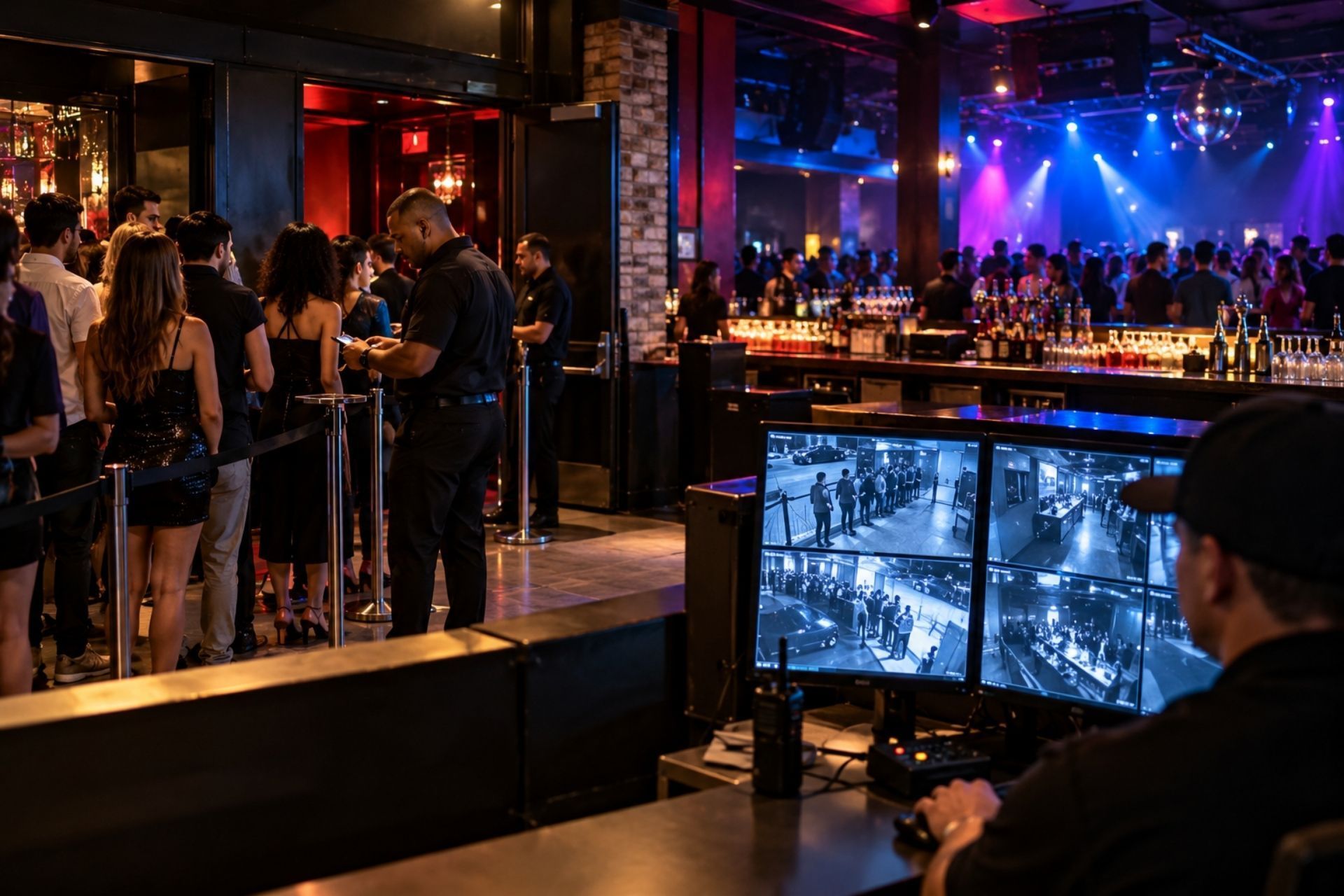
Rising premiums don't mean you're stuck paying whatever the first carrier quotes you. Shop your coverage with a broker who specializes in hospitality and high-risk placements: generalist agents often don't have access to the surplus lines markets where the best rates for venues live. Bundle your liquor liability with your general liability and property coverage when possible. Implement documented risk management procedures, because carriers want to see that you're actively reducing exposure, not just transferring it. Strategies for
managing rising insurance costs include increasing security presence during high-volume events and installing surveillance systems in bar areas.
Real Claims That Changed How Venues Operate
A midsize hotel in Texas faced a $1.3 million judgment after a bartender continued serving a guest who was visibly intoxicated. The guest later caused a multi-vehicle accident. The hotel's general liability policy denied the claim because it involved alcohol service. They had no liquor liability policy. That single incident forced the property into bankruptcy. Stories like this aren't rare. They're the reason underwriters price liquor liability the way they do, and they're the reason every venue serving alcohol needs to treat this coverage as non-negotiable.
Industry Trends Shaping Liquor Liability in 2026
The insurance market for alcohol-related risk is tightening. Carriers are pulling back from venues they consider high-risk, and
new trends shaping the beverage industry in 2026 are creating coverage questions that didn't exist five years ago. THC-infused beverages, for example, blur the line between alcohol liability and product liability. Non-alcoholic cocktail programs reduce risk on paper but may not change your premium if your venue still serves traditional spirits. The carriers willing to write these policies are becoming more selective, which makes working with a broker who has deep market relationships increasingly important.
Who Should Carry Coverage: Owners, Operators, or Both
If you own the building but lease it to an event operator, both parties should carry their own liquor liability policies. The owner faces premises liability exposure, while the operator faces direct service liability. A lease agreement that requires the tenant to carry coverage and name the landlord as an additional insured is standard practice, but it's not enough on its own. The landlord should maintain their own policy as a backstop. GrayStone's brokers, who average 20 years of experience in the market, frequently structure layered coverage programs for exactly this type of arrangement.
Protecting Your Venue Long-Term
Liquor liability for hotels and event spaces isn't a box you check once and forget about. Your risk profile changes as your business evolves: new event types, expanded bar programs, additional locations, and shifts in state law all require policy reviews. Schedule an annual coverage audit with your broker. Update your policy whenever you add a new revenue stream involving alcohol. Train every new hire before they touch a bottle. The venues that avoid catastrophic claims aren't just lucky: they're disciplined about risk management and intentional about the coverage they carry. If your current policy hasn't been reviewed in the past 12 months, that's your first action item. Reach out to a specialist broker who understands the hospitality space and can match your actual risk to the right coverage structure.
Search
INDEX
ABOUT THE AUTHOR:
CHAD KRAMER
I started GrayStone Insurance Group in 2018 with a simple conviction: the businesses everyone else turns away deserve a broker who won't. What began as a one-person operation has grown into a specialty commercial brokerage with offices across the country — but the mission hasn't changed. We find solutions for high-risk and hard-to-place businesses when other agencies run the other way.
I built this agency on integrity, hard work, and the tenacity to do the hard things well. Through our access to Excess & Surplus and specialty markets, my team and I place coverage standard carriers can't — and I treat every client's business like my own.
If you've been declined, non-renewed, or told your business is too complicated to insure, let's talk.