

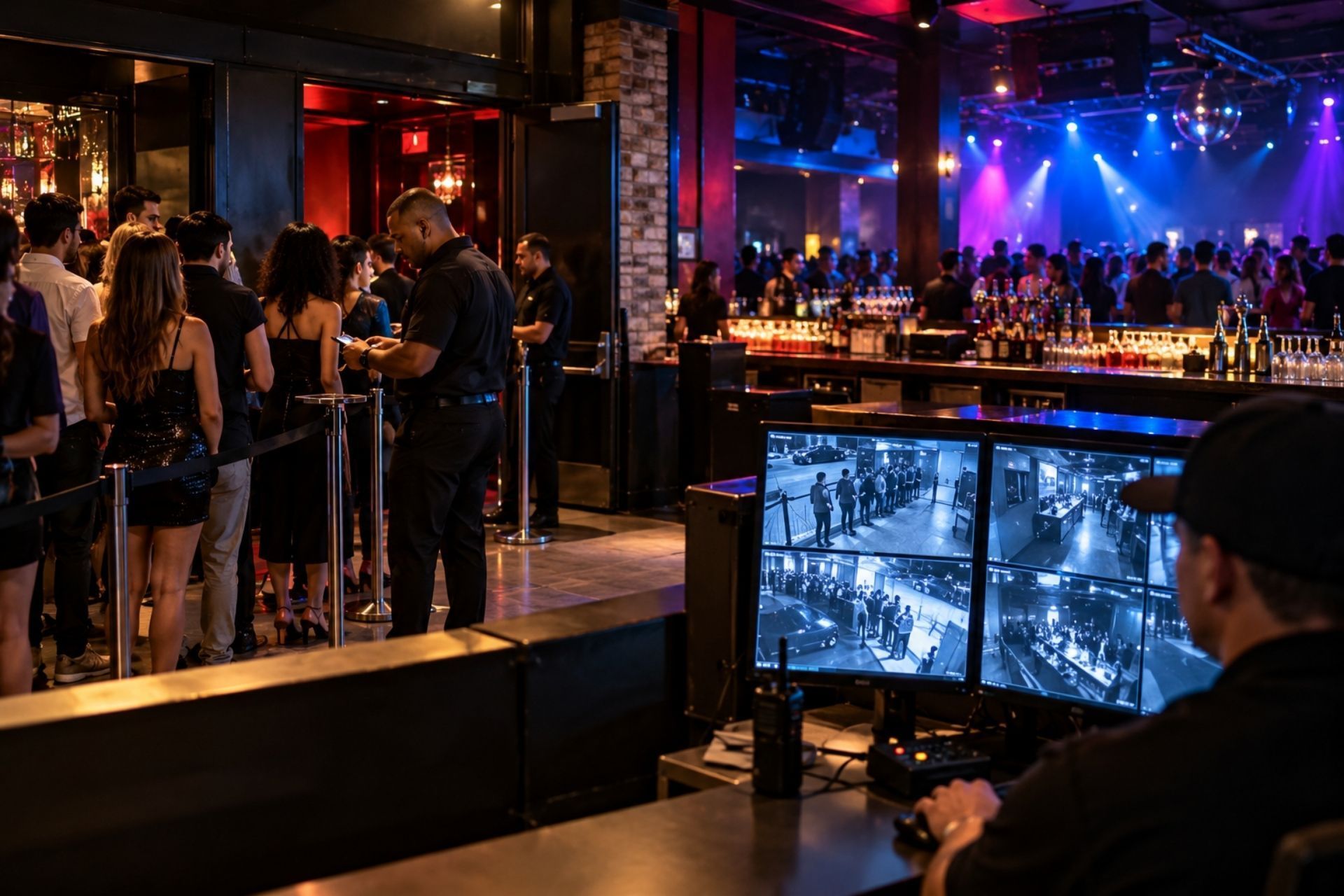
PA single uninsured assault claim can easily reach $250,000 to $500,000 when you factor in medical expenses, legal defense, lost wages, and pain-and-suffering damages. Jury awards in nightclub assault cases have exceeded seven figures with increasing frequency. Without A&B coverage, those costs come directly out of your business assets, and for most bar owners, that means closing the doors permanently.
The Role of the Customer's Personal Auto Policy
A $30 million apartment complex rising from bare dirt faces a staggering number of risks before the first tenant ever signs a lease. Storms, theft, fire, vandalism, and even a subcontractor's mistake can destroy months of progress overnight. Water damage alone accounts for nearly 30% of all property insurance claims, and construction sites are especially vulnerable before roofs and exterior walls are sealed. That's why builders risk insurance exists: it's the financial backbone protecting your investment from the moment you break ground until you hand over keys.
For developers building apartments from the ground up, getting this coverage right isn't optional. It's the difference between absorbing a catastrophic loss and staying on schedule. And because habitational projects carry unique risks that standard commercial forms don't always address, the policy structure matters more than most people realize. Here's what you actually need to know before your next project starts.
Understanding Ground-Up Builders Risk for Apartments
Builders risk insurance for ground-up apartment construction covers the physical structure, materials, and installed equipment during the build. Unlike a standard property policy that protects a finished building, this coverage is designed specifically for projects in progress. It typically begins when materials arrive on-site and ends when the building receives its certificate of occupancy or when tenants move in, whichever comes first.
The policy responds to covered perils like fire, wind, hail, lightning, vandalism, and theft. Most forms are written on a completed value basis, meaning the full projected value of the finished project is insured from day one, so you're not constantly adjusting coverage as the building goes up. For a 200-unit apartment complex valued at $25 million, your policy should reflect that total from the start.
Core Coverage for New Habitational Construction
Habitational builders risk coverage for new apartment projects typically includes the building structure itself, permanently installed fixtures, and materials stored on-site or in transit. Some policies also cover temporary structures like construction trailers and scaffolding.
What makes habitational coverage distinct is the recognition that residential buildings carry occupancy-related risks. Sprinkler systems, fire separations, egress requirements, and multi-unit density all factor into underwriting. Insurers pay close attention to the number of stories, the construction class, and whether the project includes mixed-use components like ground-floor retail. A 5-over-1 wood-frame apartment building, for example, presents a very different risk profile than a 3-story masonry walk-up.
Key Differences Between Residential and Commercial Forms
Commercial builders risk forms and habitational forms look similar on the surface, but the details diverge in meaningful ways. Habitational policies often include coverage for common areas, hallways, and shared amenities like pools or fitness centers that wouldn't appear in a standard commercial build.
Underwriters also evaluate habitational projects differently. They're more concerned about fire spread between units, plumbing failures across multiple floors, and the sheer density of potential water damage claims. A burst pipe in a commercial warehouse ruins inventory. A burst pipe in a half-finished apartment building can cascade through dozens of units. That risk concentration changes how the policy is priced and what exclusions apply.
Essential Coverage Components and Extensions
The base builders risk policy is a starting point, not a complete solution. Most ground-up apartment projects need several endorsements and extensions to close the gaps that a standard form leaves open.
Protecting Physical Assets: Materials, Labor, and Equipment
Your policy should cover building materials whether they're on-site, in transit, or stored at a temporary location. This matters because lumber, HVAC systems, and appliances often sit in warehouses or staging areas before installation. If a fire destroys $200,000 worth of materials at an off-site storage facility, you want that covered.
Labor costs for rework after a covered loss are typically included, but verify the limits. If a windstorm tears off a partially completed roof and damages three floors of interior framing, the labor to rebuild can exceed the material costs. Equipment coverage varies by policy: some forms cover owned equipment, while others require a separate inland marine policy for cranes, generators, and heavy machinery.
Soft Costs: Covering Delays and Lost Rental Income
This is where many developers get caught off guard. A fire that delays your project by four months doesn't just cost you in materials and labor. You're still paying loan interest, architect fees, permit renewals, and property taxes on a building that isn't generating revenue. Soft cost coverage picks up these ongoing expenses during the delay period.
For apartment projects, lost rental income coverage is critical. If your building was scheduled to begin leasing in September and a covered loss pushes that to January, you've lost four months of rent across every unit. On a 150-unit building averaging $1,800 per month, that's over $1 million in lost revenue. The 2026 construction and real estate property casualty outlook highlights how soft cost gaps remain one of the most common coverage mistakes in habitational projects.
Flood, Quake, and Windstorm Site Considerations
Standard builders risk policies typically exclude flood and earthquake. If your apartment site sits in a flood zone or seismic area, you need separate endorsements or standalone policies. Windstorm coverage can also be tricky: in coastal states like Florida, Texas, and the Carolinas, wind is often excluded from the base form and must be purchased separately through state wind pools or specialty carriers.
GrayStone Insurance Group works with developers on exactly these kinds of hard-to-place risks. Their brokers, averaging 20 years of market experience, understand which carriers will write windstorm coverage for a wood-frame apartment project in a Tier 1 coastal zone when most agencies can't even get a quote returned.
Standard vs. Comprehensive Coverage Comparison
Not all builders risk policies are equal. The difference between a basic form and a comprehensive one can mean hundreds of thousands of dollars in uncovered losses.
Comparison Chart: Basic vs. Extended Builders Risk
| Coverage Feature | Basic Policy | Extended/Comprehensive Policy |
|---|---|---|
| Fire, Lightning, Wind | Included | Included |
| Theft of Materials | Limited or excluded | Included with sub-limits |
| Flood | Excluded | Available via endorsement |
| Earthquake | Excluded | Available via endorsement |
| Soft Costs / Delay | Not included | Included up to policy sub-limit |
| Off-Site Materials | Not included | Covered (typically up to $500K) |
| Lost Rental Income | Not included | Included with stated limit |
| Debris Removal | Basic sub-limit | Higher sub-limit (often $250K+) |
| Ordinance or Law | Not included | Covers code upgrade costs |
| Transit Coverage | Not included | Materials covered in transit |
The extended form costs more, but the gap between the two becomes painfully obvious after a major loss. A developer who skips soft cost coverage to save $8,000 on premium can easily face a $500,000 delay-related loss with no policy response.
Factors That Influence Your Premium Costs
Premiums for ground-up apartment builders risk vary widely, but there are clear factors that move the needle.
Construction Class: Frame vs. Joisted Masonry
Construction type is the single biggest premium driver. Wood-frame buildings (ISO Construction Class 1) cost significantly more to insure than joisted masonry or non-combustible structures. A 4-story wood-frame apartment building might see rates 40% to 60% higher than a comparable concrete-and-steel project.
This is especially relevant for the popular 5-over-1 design (five wood-frame residential stories over a concrete podium), which has drawn intense scrutiny from insurers after several high-profile fires during construction. Property insurance rates for ground-up construction have decreased by 5% to 15% at renewal in 2026, but wood-frame habitational projects haven't always benefited equally from those reductions.
Project Duration and Extension Clauses
Most builders risk policies are written for a specific term, usually 12 to 24 months. If your project runs long, you'll need an extension. These extensions aren't automatic, and they aren't cheap. Some carriers charge a pro-rata additional premium; others require full re-underwriting.
Build your timeline conservatively. A project scheduled for 18 months with a realistic chance of running to 22 months should carry a 24-month policy from the start. The real estate and hospitality market conditions in early 2026 show that extension pricing has tightened, so planning ahead saves both money and headaches.
Site Security and Loss Mitigation Strategies
Insurers reward proactive risk management with lower premiums. Fenced sites with 24-hour security cameras, controlled access points, and fire watch protocols during hot work can reduce your rate by 10% to 20%.
Other loss mitigation steps that underwriters look for:
- Storing combustible materials away from the structure
- Installing temporary fire suppression on upper floors
- Using GPS tracking on high-value equipment
- Maintaining a clean, organized job site (debris is a fire accelerant)
- Conducting regular third-party inspections
GrayStone's data-driven underwriting approach uses AI-powered risk modeling to quantify exactly how these measures affect your premium, giving you a clear cost-benefit picture before you invest in security infrastructure.
Common Questions About Apartment Construction Insurance
FAQ: When should I buy the policy? Does it cover theft of tools? What happens if the project is delayed?
When should I purchase builders risk insurance? Buy the policy before any materials arrive on-site or any work begins. Most lenders require proof of coverage before releasing construction draws, so this typically happens at loan closing.
Does the policy cover theft of tools and equipment? It depends on the form. Many policies cover theft of building materials but exclude contractor-owned tools. Contractors usually carry their own inland marine or equipment floater policies for their tools. Verify this with your broker to avoid gaps.
What happens if my project gets delayed beyond the policy term? You'll need to request an extension from your carrier. Don't wait until the last minute: most insurers want 30 to 60 days' notice. If you let the policy lapse, you'll have an uninsured building mid-construction, which violates virtually every construction loan agreement.
Does builders risk cover subcontractor damage? Yes, most policies cover damage to the project regardless of who caused it, including subcontractor errors. However, the insurer may subrogate against the responsible sub's liability policy after paying the claim.
Is builders risk the same as a contractor's general liability policy?
No. Builders risk covers the building and materials. General liability covers bodily injury and property damage claims from third parties. You need both, and
premium trends in 2026 show that bundling these with the same agency often produces better terms.
Making the Right Choice for Your Development
Getting builders risk coverage right for a ground-up apartment project requires more than filling out an application and accepting the first quote. The difference between a policy that actually protects your investment and one that leaves you exposed comes down to understanding your specific risks: construction type, location, timeline, and the financial exposure from delays.
Work with a broker who knows habitational construction, not someone who writes the occasional builders risk policy between homeowners renewals. GrayStone Insurance Group maintains a 94% client retention rate precisely because their team understands the nuances of hard-to-place construction risks and fights for terms that match the actual exposure.
Start the conversation early, build your timeline conservatively, invest in site security, and read your policy before the first shovel hits dirt. The premium you pay today is a fraction of the loss you'll avoid tomorrow.
Search
INDEX


ABOUT THE AUTHOR:
CHAD KRAMER
I started GrayStone Insurance Group in 2018 with a simple conviction: the businesses everyone else turns away deserve a broker who won't. What began as a one-person operation has grown into a specialty commercial brokerage with offices across the country — but the mission hasn't changed. We find solutions for high-risk and hard-to-place businesses when other agencies run the other way.
I built this agency on integrity, hard work, and the tenacity to do the hard things well. Through our access to Excess & Surplus and specialty markets, my team and I place coverage standard carriers can't — and I treat every client's business like my own.
If you've been declined, non-renewed, or told your business is too complicated to insure, let's talk.