
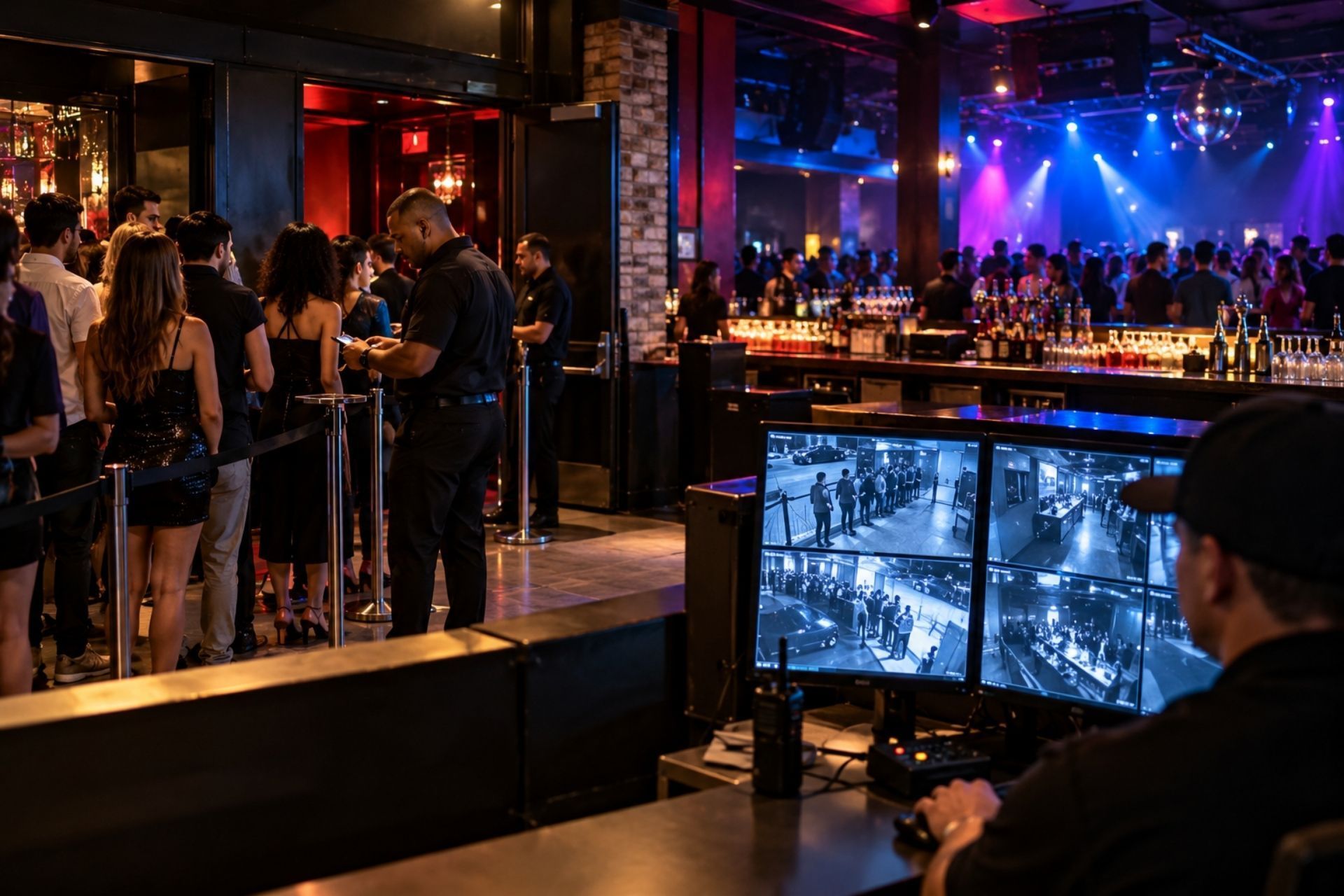
PA single uninsured assault claim can easily reach $250,000 to $500,000 when you factor in medical expenses, legal defense, lost wages, and pain-and-suffering damages. Jury awards in nightclub assault cases have exceeded seven figures with increasing frequency. Without A&B coverage, those costs come directly out of your business assets, and for most bar owners, that means closing the doors permanently.
The CBD and hemp industry has grown from a legal gray area into a multi-billion-dollar market, but insurance remains one of the biggest headaches for business owners in this space. Most traditional carriers still treat hemp like it's identical to high-THC cannabis, which means getting proper coverage requires patience, specialized knowledge, and a clear understanding of the regulatory patchwork across states. If you're growing, manufacturing, distributing, or retailing CBD products, the insurance you carry (or fail to carry) can determine whether a single lawsuit or crop failure puts you out of business. The cannabis insurance market is projected to reach $6.7 billion by 2032, growing at a 14% CAGR as specialized coverage becomes more widely available. That growth signals opportunity, but it also reflects just how much risk exists in this industry. Whether you're a small-batch CBD oil producer or running a chain of retail shops, understanding how insurance and regulations intersect is the difference between building something sustainable and gambling with your livelihood. Here's what you actually need to know, without the fluff.
Understanding the Unique Risks of the Hemp and CBD Industry
Hemp and CBD businesses face a risk profile unlike almost any other industry. You're dealing with a consumable product that people put in or on their bodies, which automatically raises liability concerns. Add in the fact that regulations shift frequently at both federal and state levels, and you've got an environment where a policy that covers you in Colorado might leave you completely exposed in Idaho.
Crop risk is another major factor for growers. Weather, pests, and cross-pollination from nearby cannabis grows can push THC levels above the legal 0.3% threshold, turning a legal hemp crop into an illegal one overnight. Retailers face different but equally real threats: product contamination claims, mislabeling lawsuits, and the constant risk of regulatory enforcement actions.
The 2026 State of the Cannabis Industry Report highlights how banking and insurance access remain the top two barriers for hemp businesses trying to scale. This isn't a problem that's going away on its own.
The Difference Between Hemp and Cannabis Insurance
Legally, hemp (containing 0.3% THC or less) and cannabis are distinct products. In practice, many insurance carriers still lump them together. This matters because cannabis insurance is far more expensive and harder to obtain, often requiring surplus lines carriers and significantly higher premiums.
Hemp businesses that can clearly demonstrate compliance with the 2018 Farm Bill and subsequent USDA regulations have more options. Some admitted carriers now write hemp policies, particularly for retailers and manufacturers with strong compliance documentation. But if your business touches extraction, you're often pushed back into the same high-risk pool as cannabis operators.
The key distinction: hemp businesses with clean testing records and proper licensing can often access policies 30-50% cheaper than their cannabis counterparts. That gap is worth pursuing.
Federal vs. State Regulatory Hurdles
The federal picture has improved since the DEA's rescheduling discussions, and the implications for insurance coverage and compliance are significant. But federal progress doesn't eliminate state-level complexity.
Some states have embraced hemp with clear licensing frameworks and consumer protection standards. Others maintain restrictive rules around CBD product sales, labeling, or even possession of certain concentrations. Your insurance needs to account for the specific regulations in every state where you operate, not just your home state.
A CBD company selling online across 30 states faces a compliance burden that most insurers aren't equipped to evaluate. This is exactly why agencies like GrayStone Insurance Group, with brokers who average 20 years of experience handling complex risk placements, become essential partners rather than optional ones.
Essential Insurance Coverages for CBD Businesses
Not all CBD insurance policies are created equal, and the coverage gaps in a standard commercial policy can be devastating. Here's what you actually need.
General Liability vs. Product Liability
General liability covers the basics: someone slips in your store, your employee damages a client's property, or you face a claim of advertising injury. Product liability is where CBD businesses need to pay close attention. If someone has an adverse reaction to your tincture, or if a batch is contaminated during manufacturing, product liability is what stands between you and a six-figure lawsuit.
Many business owners assume their general liability policy includes product coverage. It often doesn't, or it includes a sublimit so low it's practically useless. A standalone product liability policy for a CBD manufacturer typically runs $5,000-$15,000 annually, depending on revenue, product types, and distribution channels.
Crop and Inventory Insurance for Growers
Hemp growers face risks that most crop insurance programs weren't designed for. The USDA's hemp crop insurance programs have expanded since 2020, but coverage remains limited in scope. The USDA's latest hemp acreage report shows continued growth in licensed acreage, but insurance adoption among growers still lags behind other agricultural sectors.
Private crop insurance for hemp typically covers weather damage, fire, and theft. What it usually doesn't cover: regulatory destruction of crops that test above 0.3% THC. That's a gap you need to address separately, either through a specialized endorsement or a standalone policy.
Inventory insurance is equally critical for processors and retailers holding finished CBD products. A warehouse fire or theft can wipe out hundreds of thousands of dollars in product.
Comparison of Standard vs. Specialized CBD Policies
| Coverage Area | Standard Commercial Policy | Specialized CBD Policy |
|---|---|---|
| General Liability | Included | Included |
| Product Liability | Often excluded or sublimited | Full coverage with CBD-specific terms |
| Crop/Inventory | Not available | Available for hemp-specific risks |
| Regulatory Defense | Not covered | Often included as endorsement |
| Product Recall | Rarely included | Available as add-on |
| Third-Party Testing Claims | Not addressed | Covered under E&O or product liability |
| THC Compliance Failure | Excluded | May be covered with conditions |
The difference is stark. A standard policy leaves you exposed on nearly every front that's unique to hemp and CBD operations.
Navigating Product Liability and Labeling Requirements
Product liability claims in the CBD space often stem from two sources: adverse health reactions and labeling disputes. Both are preventable with proper protocols, but both can be catastrophic without insurance.
Protecting Against False Health Claims
The FDA's enforcement posture on CBD health claims has tightened considerably. The FDA's CBD enforcement policy review signals a more structured regulatory framework is coming, which means businesses making unsupported health claims are increasingly likely to face action.
If your marketing materials, website, or product labels suggest that CBD treats, cures, or prevents any disease, you're exposed to both regulatory penalties and consumer lawsuits. Your insurance policy should include coverage for advertising injury and regulatory defense costs. Some specialized policies now include coverage for FDA warning letter response, which can easily cost $25,000-$50,000 in legal fees alone.
The practical advice: have an attorney review every label and marketing claim before it goes live. Then make sure your insurance covers the claims you're actually making.
The Importance of Third-Party Lab Testing Documentation
Every CBD product should come with a Certificate of Analysis (COA) from an accredited third-party lab. This isn't just good practice: it's your first line of defense in any product liability claim.
Insurers increasingly require COAs as a condition of coverage. If you can't produce testing documentation showing your products meet label claims for CBD content, THC levels, and contaminant screening, many carriers will deny a claim outright. Keep records for at least five years. Organize them by batch number and tie them to specific product runs.
This documentation also matters for premium pricing. Businesses with consistent testing programs and clean results often qualify for lower rates, sometimes 15-20% below companies without formal testing protocols.
Common Questions About Insuring a CBD Business
Why is it so hard to find insurance for my CBD shop?
Most standard carriers still classify CBD alongside cannabis, which falls under their exclusion lists. The market is opening up, but you typically need a broker who specializes in hard-to-place risks. Agencies with deep industry knowledge, like GrayStone Insurance Group, can access surplus lines and specialty markets that general agents can't.
Does my general business policy cover hemp products?
Almost certainly not for product-specific risks. Standard business owner's policies (BOPs) typically exclude cannabis and hemp products entirely, or they carry sublimits too low to be meaningful. You need a separate product liability policy written specifically for CBD.
What happens if my THC levels test too high?
If a crop tests above 0.3% THC, it must be destroyed under federal law. Most standard crop insurance won't cover this loss. Some specialized hemp policies offer "hot crop" coverage, but it's expensive and comes with strict compliance requirements. Premiums for this coverage have been increasing across the cannabis market as carriers reassess risk.
How much does a typical CBD insurance policy cost?
Costs vary dramatically based on your operation type. A small CBD retail shop might pay $3,000-$7,000 annually for general and product liability. A manufacturer or extractor could pay $15,000-$40,000 or more. Revenue, product types, claims history, and compliance documentation all affect pricing.
Do I need insurance if I only sell CBD online?
Yes. Online sales actually increase your exposure because you're potentially selling across multiple state jurisdictions, each with different regulations. Product liability claims can come from any state where your products are delivered, and
understanding cannabis business insurance requirements is critical regardless of your sales channel.
Securing Your Future in the Hemp Market
The hemp and CBD insurance market is maturing, but it's still far from straightforward. Regulations will continue shifting as the FDA finalizes its CBD framework and states update their own rules. The businesses that thrive will be the ones that treat insurance not as an afterthought but as a core part of their compliance and risk management strategy.
Get your testing documentation in order. Work with a broker who actually understands hemp regulations rather than one who treats your policy like any other commercial account. GrayStone Insurance Group's data-driven approach to underwriting complex risks, combined with a 94% client retention rate, reflects the kind of specialized partnership CBD businesses need to stay protected as this industry evolves.
Your product might be great. Your brand might be growing. But without the right coverage, one bad batch, one frivolous lawsuit, or one regulatory change could undo everything you've built. Don't let that happen.
Search
INDEX

ABOUT THE AUTHOR:
CHAD KRAMER
I started GrayStone Insurance Group in 2018 with a simple conviction: the businesses everyone else turns away deserve a broker who won't. What began as a one-person operation has grown into a specialty commercial brokerage with offices across the country — but the mission hasn't changed. We find solutions for high-risk and hard-to-place businesses when other agencies run the other way.
I built this agency on integrity, hard work, and the tenacity to do the hard things well. Through our access to Excess & Surplus and specialty markets, my team and I place coverage standard carriers can't — and I treat every client's business like my own.
If you've been declined, non-renewed, or told your business is too complicated to insure, let's talk.