
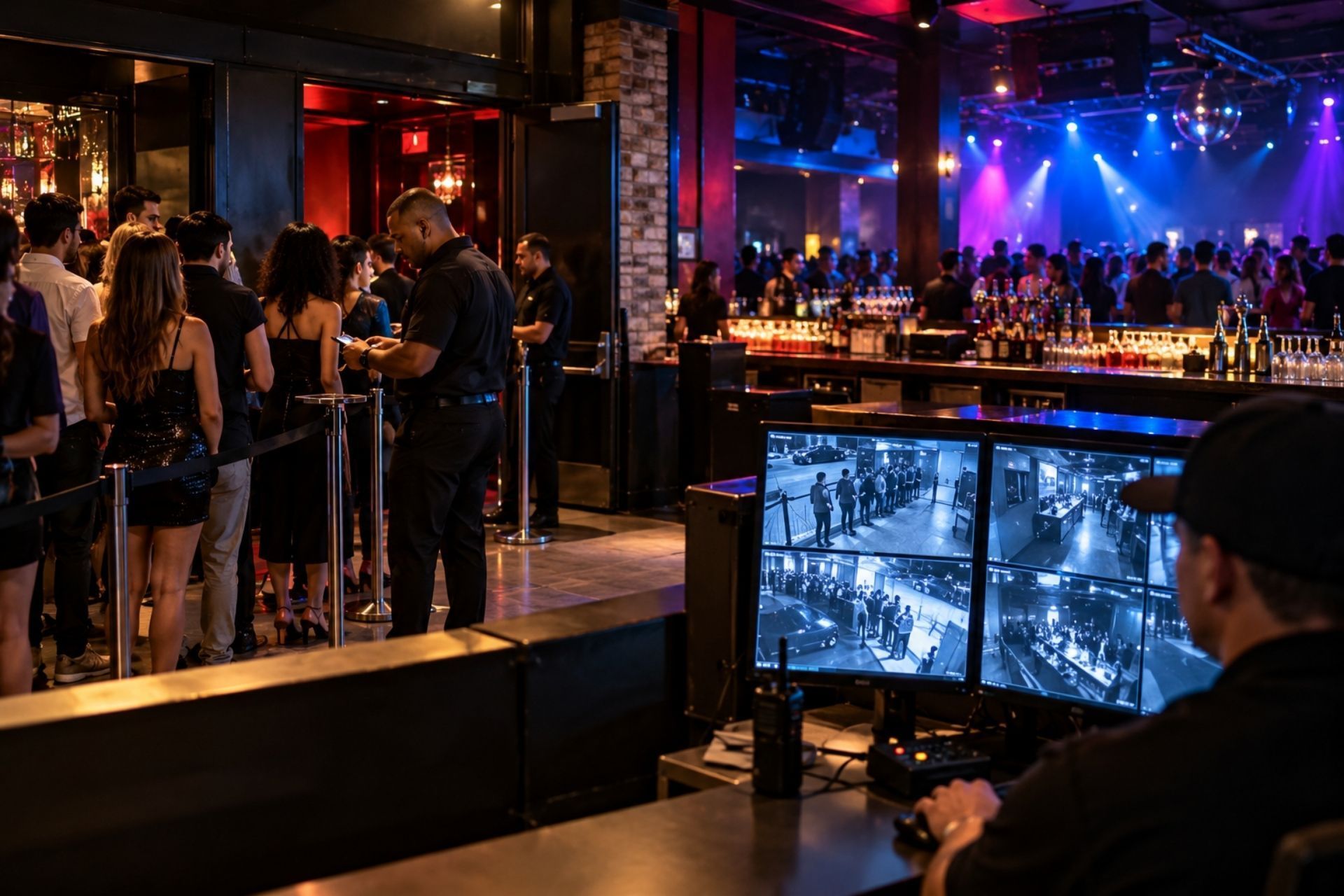
PA single uninsured assault claim can easily reach $250,000 to $500,000 when you factor in medical expenses, legal defense, lost wages, and pain-and-suffering damages. Jury awards in nightclub assault cases have exceeded seven figures with increasing frequency. Without A&B coverage, those costs come directly out of your business assets, and for most bar owners, that means closing the doors permanently.
Roofing contractors face some of the steepest insurance costs of any trade in the construction industry, and it's not because insurers are being unfair. The reality is straightforward: roofers work at heights, handle flammable materials, and operate in conditions where a single mistake can result in catastrophic injury or property damage. That combination makes underwriting a roofing business genuinely difficult. If you're a roofing contractor wondering why your premiums keep climbing, or why some carriers won't even return your call, the answer lies in a stack of risk factors that most other trades simply don't share. Average residential roof replacement costs surged 33% in 2025 to $17,631, and that rising cost of claims is pushing premiums higher across the board. Understanding why roofers are considered high-risk to insure is the first step toward managing those costs effectively and keeping your business protected.
The Primary Factors Driving High Insurance Premiums
Insurance pricing comes down to one question: how likely is a claim, and how expensive will it be? For roofing contractors, the answer to both is "very." The combination of workplace injury frequency, property damage exposure, and fire risk creates a triple threat that few other trades match.
Most general contractors operate at ground level or on scaffolded structures with fall protection systems built into the job site. Roofers, by contrast, spend their entire workday on sloped, elevated surfaces where a fall can happen in seconds. That fundamental difference in daily exposure is what separates roofing from trades like plumbing or electrical work in the eyes of underwriters. The claims data backs it up year after year.
The Severity of Fall Hazards and Physical Injury
Falls remain the leading cause of death in the construction industry, and roofers account for a disproportionate share of those fatalities. The national safety stand-down on fall hazards highlights just how persistent this problem remains in 2026. OSHA's fall prevention campaign continues to target roofing specifically because the numbers haven't improved enough.
A fall from even a single-story roof - roughly 10 to 15 feet - can result in spinal injuries, traumatic brain injuries, or death. The medical costs from these incidents are enormous. A serious spinal cord injury can generate lifetime care costs exceeding $2 million. Workers' compensation insurers know this, and they price accordingly.
Heat-related illness is another factor that doesn't get enough attention. Roofers work on surfaces that can reach 150°F or more in summer. Heat stroke hospitalizations add to the claims burden, especially in southern states where roofing season stretches nearly year-round.
Property Damage Risks from Open Roofs and Water Intrusion
Here's a scenario every experienced roofer has seen: a tear-off is halfway done when an unexpected storm rolls in. Suddenly, a customer's home has no roof protection, and water is pouring into the living space. The resulting damage to drywall, flooring, furniture, and electronics can easily exceed $50,000 on a single residential job.
This type of property damage claim is nearly unique to roofing. A plumber might cause a localized leak, but a roofer's work exposes the entire structure to weather events. Insurers factor in the catastrophic potential of open-roof exposure when calculating general liability premiums. Even with tarps and emergency protocols, the risk window during a tear-off is real, and claims from water intrusion during roofing projects are among the most common in the trade.
Fire Hazards Associated with Hot Work and Torching
Torch-applied roofing systems, commonly used on flat commercial roofs, introduce fire risk that most residential trades never encounter. A single misplaced torch flame near insulation, wood decking, or stored materials can ignite a structure fire. The CDC's 2026 bulletin on construction hazards notes that fire and burn injuries remain a persistent concern for roofing crews.
Commercial roofing fires have resulted in multi-million-dollar property losses. Even smaller incidents generate significant claims, and insurers track hot work violations closely. If your company does any torch-down work, expect your premiums to reflect that added exposure.
The Impact of Specialized Equipment and Materials
TRoofing isn't a hammer-and-nails trade anymore. Modern roofing crews operate with equipment that carries its own set of risks: pneumatic nail guns, hydraulic lifts, material hoists, and heated kettles for asphalt application. Each piece of equipment introduces potential injury and liability claims.
Material costs also play a role. When a roofer damages a bundle of architectural shingles, the replacement cost is manageable. But when a crew mishandles a pallet of standing seam metal panels or a shipment of synthetic slate tiles, the material loss alone can run into thousands. Insurers see equipment-related injuries and material damage claims from roofing companies at rates far exceeding those from general contractors.
The transportation of materials adds another layer. Roofing companies frequently haul heavy loads on trailers, and commercial auto claims from roofing businesses tend to be more severe due to the weight and bulk of materials being transported. A trailer loaded with 40 squares of shingles weighs over 10,000 pounds, and accidents involving that kind of load cause serious damage.
General Liability vs. Liquor Liability Insurance
Roofing isn't a hammer-and-nails trade anymore. Modern roofing crews operate with equipment that carries its own set of risks: pneumatic nail guns, hydraulic lifts, material hoists, and heated kettles for asphalt application. Each piece of equipment introduces potential injury and liability claims.
Material costs also play a role. When a roofer damages a bundle of architectural shingles, the replacement cost is manageable. But when a crew mishandles a pallet of standing seam metal panels or a shipment of synthetic slate tiles, the material loss alone can run into thousands. Insurers see equipment-related injuries and material damage claims from roofing companies at rates far exceeding those from general contractors.
The transportation of materials adds another layer. Roofing companies frequently haul heavy loads on trailers, and commercial auto claims from roofing businesses tend to be more severe due to the weight and bulk of materials being transported. A trailer loaded with 40 squares of shingles weighs over 10,000 pounds, and accidents involving that kind of load cause serious damage.
Comparing General Liability vs. Workers' Compensation Needs
Roofing contractors need both general liability and workers' compensation coverage, but the way these policies function and price out is very different. Many new roofing business owners underestimate how much they'll spend on workers' comp specifically, and that's where the real sticker shock hits.
General liability covers third-party claims: damage to a customer's property, injuries to bystanders, and completed operations issues like a roof that leaks six months after installation. Workers' comp covers your own employees when they're injured on the job. For roofers, the workers' comp rates are among the highest of any trade classification.
Coverage Comparison Table
| Feature | General Liability | Workers' Compensation |
|---|---|---|
| What it covers | Third-party property damage, bodily injury to non-employees | Employee injuries and illnesses on the job |
| Typical rate basis | Per $1,000 of revenue | Per $100 of payroll |
| Roofing class code rate | $15-$40 per $1,000 revenue | $25-$75 per $100 payroll |
| Common claims | Water intrusion, falling debris, completed ops failures | Falls, burns, heat illness, tool injuries |
| Required by law? | Often required by contract, not always by law | Mandatory in most states for employers |
| Who benefits? | Clients, property owners, general public | Your employees and their families |
The workers' comp numbers are what really set roofing apart. A roofing company with $500,000 in annual payroll could easily pay $125,000 to $375,000 in workers' comp premiums alone. That's a massive operating cost that companies in lower-risk trades simply don't face.
How Claims History and Experience Modification Rates Work
Your experience modification rate, or EMR, is the single most powerful factor you can control when it comes to insurance pricing. The EMR compares your company's claims history against the average for your trade classification. An EMR of 1.0 means you're average. Below 1.0 means you're better than average and will pay less. Above 1.0 means you're worse, and you'll pay more.
Here's where it gets real: a roofing company with an EMR of 1.3 is paying 30% more than the industry baseline for workers' comp. One serious fall claim can push your EMR above 1.0 for three years. Two claims in quick succession can make you nearly uninsurable through standard carriers.
GrayStone Insurance Group works with roofing contractors whose EMRs have spiked after bad years, using data-driven risk modeling to find carriers willing to write coverage at competitive rates. The key is understanding that your EMR isn't permanent: it recalculates annually based on a rolling three-year window. A strong safety record over 36 months can bring it back down significantly.
The
relationship between compliance culture and insurance costs is well documented. Companies that invest in safety programs, proper training, and OSHA compliance consistently maintain lower EMRs and pay less for coverage over time.
Common Questions About Roofing Insurance
Why is my roofing insurance more expensive than a general contractor?
Roofers face higher injury rates, more severe claims, and greater property damage exposure than general contractors. Your trade classification code carries one of the highest base rates in construction, and that's reflected directly in your premiums.
Can I lower my rates by having a safety program?
Yes, and the impact can be substantial. A documented safety program with regular training, fall protection protocols, and incident tracking can reduce your EMR over time. Some carriers offer premium credits of 5-15% for companies with formal safety programs in place.
Does it matter if I do residential or commercial roofing?
It does. Commercial roofing often involves higher elevations, hot work, and larger crew sizes, which typically means higher premiums. Residential-only roofers may qualify for slightly lower rates, though the difference varies by carrier.
What happens if I hire subcontractors without their own insurance?
You inherit their risk. If an uninsured subcontractor gets hurt on your job site, your workers' comp policy may be responsible for the claim. Most carriers will audit your payroll and add uninsured sub costs to your premium retroactively. Always require certificates of insurance from every sub.
Is workers' comp mandatory for roofing business owners?
Requirements vary by state. Texas, for example, doesn't mandate workers' comp for any employer, while most other states require it once you have even one employee. Some states require coverage even for sole proprietors in high-risk trades like roofing. Check your state's specific requirements, and keep in mind that many general contractors won't hire roofing subs without proof of workers' comp regardless of legal requirements.
What This Means for Your Business
The reasons roofers face high insurance costs aren't going away. Falls, fire hazards, property damage exposure, and expensive equipment will always be part of the trade. But understanding these risk factors gives you real power to manage your costs rather than just absorbing them.
Start with your safety program. Document everything, train your crews consistently, and track near-misses along with actual incidents. A clean three-year claims history is your best tool for bringing premiums down. Make sure every subcontractor carries their own coverage, and get certificates before they set foot on a job site.
If you're struggling to find coverage or your current rates feel unreasonable, working with a broker who specializes in high-risk construction makes a real difference. GrayStone Insurance Group has brokers with decades of experience placing coverage for roofing contractors that standard agencies can't help. Their team understands the specific class codes, EMR calculations, and carrier appetites that determine what you'll actually pay. Reach out to get a quote tailored to your operation: the right coverage at the right price is out there, even for the riskiest trade on the job site.
Search
INDEX

ABOUT THE AUTHOR:
CHAD KRAMER
I started GrayStone Insurance Group in 2018 with a simple conviction: the businesses everyone else turns away deserve a broker who won't. What began as a one-person operation has grown into a specialty commercial brokerage with offices across the country — but the mission hasn't changed. We find solutions for high-risk and hard-to-place businesses when other agencies run the other way.
I built this agency on integrity, hard work, and the tenacity to do the hard things well. Through our access to Excess & Surplus and specialty markets, my team and I place coverage standard carriers can't — and I treat every client's business like my own.
If you've been declined, non-renewed, or told your business is too complicated to insure, let's talk.