
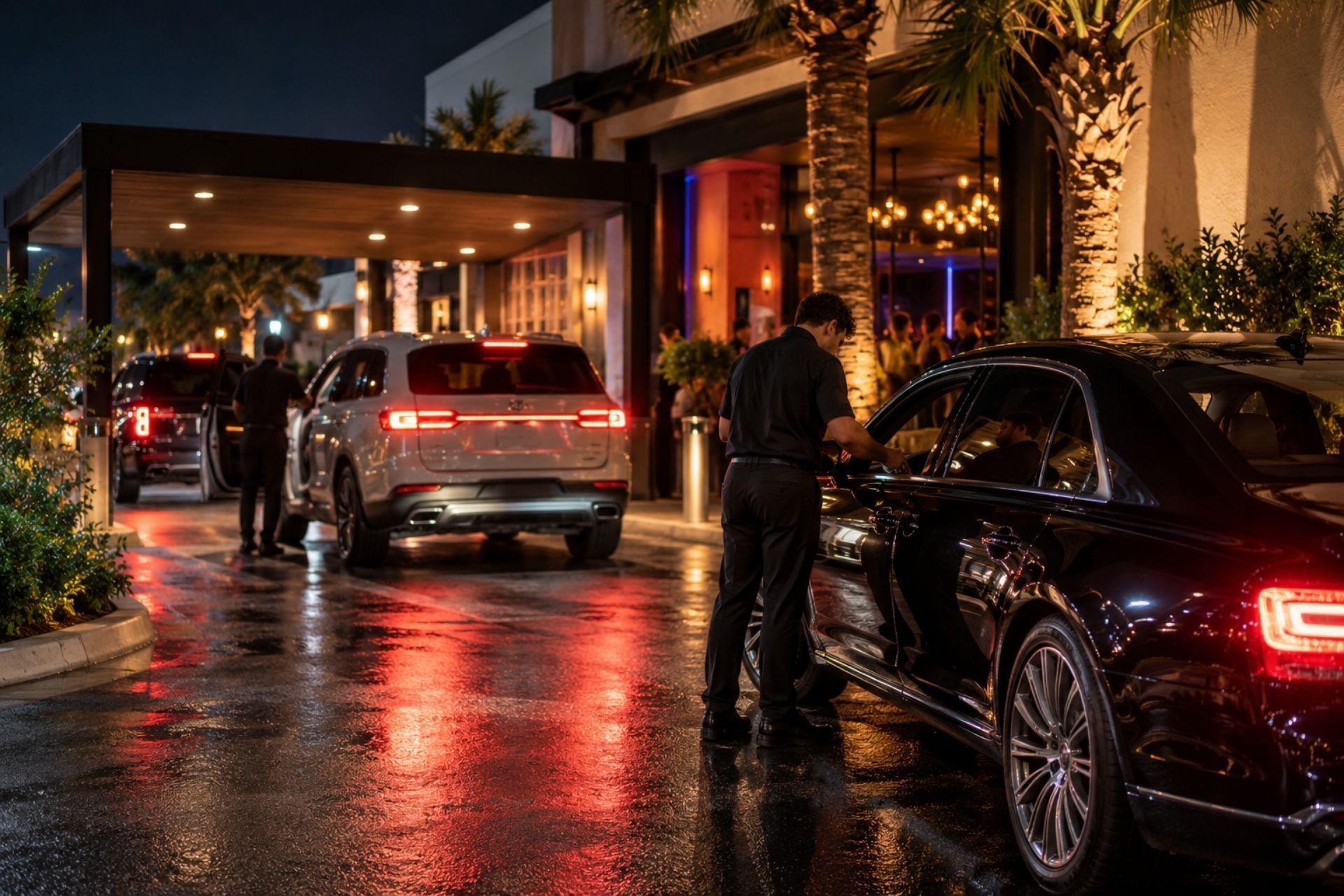
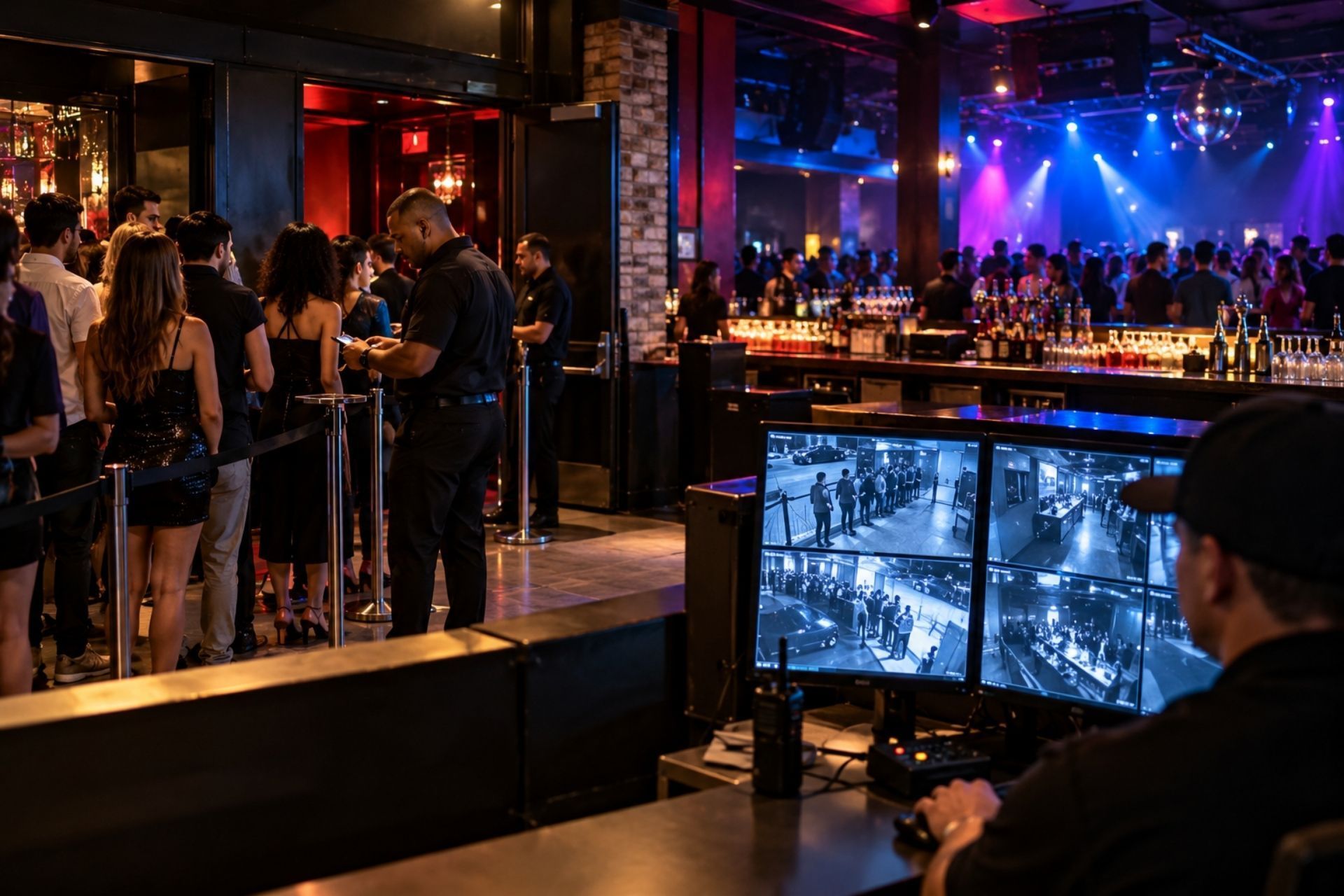
PA single uninsured assault claim can easily reach $250,000 to $500,000 when you factor in medical expenses, legal defense, lost wages, and pain-and-suffering damages. Jury awards in nightclub assault cases have exceeded seven figures with increasing frequency. Without A&B coverage, those costs come directly out of your business assets, and for most bar owners, that means closing the doors permanently.
Owning an apartment building means dealing with risks that a single-family rental property never throws at you. A burst pipe doesn't just flood one unit: it can cascade through three floors and displace a dozen tenants overnight. An icy stairwell can lead to a slip-and-fall lawsuit that threatens your entire investment. These are the scenarios that keep apartment owners up at night, and they're exactly why habitational insurance exists. But what does this type of coverage actually protect, and where are the gaps that catch owners off guard? The answers aren't as straightforward as most people assume. Multifamily property insurance costs per unit have surged 77% over a five-year period, rising from an average of $465, which means owners are paying significantly more but don't always understand what they're getting. This guide breaks down the specific protections, common add-ons, and real-world coverage decisions apartment owners face in 2026. Whether you own a 12-unit walk-up or a 200-unit complex, knowing the details of your policy isn't optional anymore: it's the difference between surviving a major loss and losing everything you've built.
Understanding Habitational Insurance for Multi-Family Properties
Habitational insurance is a category of commercial property insurance designed specifically for residential rental buildings. Think apartment complexes, condominiums, townhome communities, and mixed-use properties where people live. It's distinct from a standard homeowner's policy or even a basic landlord policy because it accounts for the scale and complexity of managing multiple dwelling units under one roof.
The policy structure typically bundles property damage coverage, liability protection, and loss of income coverage into a single package. Some carriers also include crime coverage or equipment breakdown as part of their base offering, though these are more commonly sold as endorsements.
One critical distinction: habitational insurance covers the building owner's interests, not the tenants' belongings. Renters need their own policies for personal property. The owner's policy protects the physical structure, common areas, building systems, and the owner's business-related personal property like maintenance equipment or office furniture. Recent
multifamily underwriting trends show carriers tightening their appetite for older buildings with deferred maintenance, making it harder for some apartment owners to find affordable coverage through standard markets.
Core Property Damage Protections
Property damage is the backbone of any habitational policy. This is where most of your premium dollars go, and it's where the details matter most. A fire, storm, or water event can easily generate six- or seven-figure repair costs on a multifamily building, so understanding exactly what's covered is essential.
Building and Structure Coverage
Building coverage protects the physical structure itself: walls, roof, foundation, plumbing, electrical systems, HVAC, and permanently installed fixtures like built-in appliances and cabinetry. If a windstorm tears off a section of roofing or a kitchen fire guts three units, this is the coverage that pays for repairs or reconstruction.
Most policies cover the building at replacement cost, meaning the insurer pays what it actually costs to rebuild with similar materials at current prices, not what the building was worth on the real estate market. This distinction matters enormously. A 1970s apartment complex might have a market value of $2 million but a replacement cost of $4 million because of modern building codes and material costs. Underinsuring here is one of the most common and most expensive mistakes apartment owners make.
Common area features are included: lobbies, hallways, laundry rooms, parking structures, swimming pools, and fitness centers all fall under building coverage. Fencing, signage, and detached structures like maintenance sheds are typically covered too, though sometimes with separate sub-limits.
Business Personal Property
This covers property the owner uses to operate the building but that isn't permanently attached to it. Think landscaping equipment, snow blowers, office computers, furniture in a leasing office, or tools stored in a maintenance closet.
The limits on business personal property are usually much lower than building coverage, often in the $25,000 to $100,000 range unless you specifically request more. Owners of larger complexes with on-site gyms, furnished common areas, or model units should review these limits carefully. I've seen claims where an owner had $150,000 worth of fitness equipment in a flooded basement gym but only $50,000 in business personal property coverage.
Loss of Rental Income
This is the coverage that keeps your mortgage payments going when a covered event makes units uninhabitable. If a fire displaces tenants from eight units for four months, loss of rental income coverage reimburses you for the rent you would have collected during that period.
Most policies cover the "period of restoration," meaning the time it reasonably takes to repair the damage and get tenants back in. Some policies also cover a brief period after repairs are complete to account for the time needed to re-lease vacated units. The cap on this coverage is typically expressed as a percentage of total insured value or as a fixed dollar amount, and it's worth negotiating this number upward if your property is in an area prone to extended contractor delays.
Liability Coverage for Apartment Owners
Property damage is only half the equation. Liability claims from tenants, visitors, and even trespassers can be just as financially devastating, and they're becoming more frequent.
General Liability and Premises Medical
General liability coverage protects you when someone is injured on your property or when your property causes damage to someone else's. A tenant slips on an icy walkway, a child is injured at the pool, a visitor trips on a broken stair: these all trigger general liability.
Premises medical payments coverage is a smaller, no-fault benefit that pays for minor medical expenses regardless of who was at fault. It typically ranges from $5,000 to $10,000 per person and exists to resolve small injury claims quickly before they become lawsuits. Assault and battery claims are an increasing concern for real estate owners, particularly those with properties in higher-crime areas or buildings with nightlife tenants on the ground floor.
Legal Defense and Settlement Costs
Here's something many apartment owners don't fully appreciate: your liability policy pays for your legal defense even if the lawsuit is frivolous. Defense costs for a premises liability case can easily run $50,000 to $150,000 before you ever get to a verdict or settlement. Most habitational policies cover these costs in addition to the policy limit, meaning a $1 million liability policy actually provides $1 million for settlements plus whatever your defense costs. Check whether your policy treats defense costs as "inside" or "outside" the limit, because that single detail can mean the difference between adequate protection and a shortfall.
Comparison: Basic vs. Broad vs. Special Form Coverage
Not all habitational policies are built the same. The "form" of your policy determines how claims get evaluated, and the differences are significant.
Coverage Comparison Table
| Coverage Area | Basic Form (DP-1) | Broad Form (DP-2) | Special Form (DP-3) |
|---|---|---|---|
| Coverage approach | Named perils only | Named perils (expanded list) | Open peril (all risks unless excluded) |
| Fire and lightning | Covered | Covered | Covered |
| Windstorm and hail | Covered | Covered | Covered |
| Water damage (burst pipes) | Not covered | Covered | Covered |
| Falling objects | Not covered | Covered | Covered |
| Theft | Not covered | Not covered | Covered |
| Weight of ice/snow | Not covered | Covered | Covered |
| Accidental discharge of water | Not covered | Covered | Covered |
| Loss settlement | Actual cash value | Replacement cost | Replacement cost |
| Best for | Budget-conscious, low-risk | Mid-range protection | Full protection for most owners |
The special form policy is what most commercial apartment owners should carry. It flips the burden of proof: instead of you proving a covered event caused the damage, the insurer has to prove an exclusion applies. That distinction matters enormously during claims. Agencies like GrayStone Insurance Group that specialize in hard-to-place properties can often secure special form coverage even for buildings that standard carriers decline, using data-driven risk modeling to present a stronger case to underwriters.
Common Policy Add-ons and Endorsements
A base habitational policy handles the major risks, but several endorsements fill gaps that can otherwise leave you exposed.
Equipment Breakdown Coverage
Standard property policies exclude mechanical and electrical breakdown. That means if your building's boiler fails, the elevator motor burns out, or the HVAC compressor dies from an electrical surge, your base policy won't pay for it. Equipment breakdown coverage fills this gap and typically includes the cost of the replacement equipment, installation labor, and any spoilage or business interruption caused by the failure.
For buildings with central heating systems, commercial laundry equipment, or elevators, this endorsement is practically mandatory. A single boiler replacement in a mid-rise building can run $40,000 to $80,000.
Ordinance or Law Coverage
When you repair or rebuild after a covered loss, local building codes may require upgrades that go beyond simply restoring what was there before. A 1980s building that suffers a major fire might need to be rebuilt with modern sprinkler systems, ADA-compliant doorways, and updated electrical panels. Ordinance or law coverage pays for these code-driven upgrades.
Without this endorsement, you're responsible for the cost difference between restoring the old structure and meeting current codes. The growing wave of new exclusions and loan restrictions in the insurance market makes it even more important to confirm this coverage is included, especially if your lender requires it.
Crime and Employee Dishonesty
If you employ on-site maintenance staff, leasing agents, or property managers, crime coverage protects against employee theft of money, securities, or property. It can also cover forgery and computer fraud. This endorsement is especially relevant for owners who handle rent collections on-site or maintain petty cash funds for maintenance expenses.
Answers to Common Habitational Insurance Questions
Does habitational insurance cover bed bug infestations? Generally no. Most policies exclude pest-related damage. Bed bug remediation, which can cost thousands per unit, typically falls on the owner's operating budget unless you have a specific pest endorsement.
Is flood damage included? No. Flood is always a separate policy, either through FEMA's National Flood Insurance Program or a private flood carrier. This applies even to special form policies.
Do I need separate coverage for each building? Not necessarily. If you own multiple buildings, a blanket policy can cover all of them under a single limit, which often provides better protection than scheduling each building individually.
What about tenant lawsuits over mold? Mold claims are a gray area. Many policies now include mold exclusions or cap mold-related payouts at $25,000 to $50,000. If your buildings are in humid climates or have older plumbing, ask about higher mold sub-limits.
How does an umbrella policy work with habitational insurance? An umbrella policy sits on top of your general liability coverage and kicks in when the underlying limit is exhausted. For apartment owners, a $2 million to $5 million umbrella is common, especially for properties with amenities like pools or playgrounds.
Can I get coverage for a building with open code violations? It's difficult but not impossible. Carriers that specialize in higher-risk placements, including GrayStone Insurance Group's team of brokers with decades of experience, can sometimes find solutions that standard markets won't offer.
Making the Right Choice for Your Property
Habitational insurance isn't a one-size-fits-all product. A 20-unit garden-style complex in the suburbs faces different risks than a 150-unit high-rise downtown, and your policy should reflect those differences. The habitational market outlook for 2026 shows continued pressure on pricing, particularly for coastal properties and older buildings, so shopping strategically matters more than ever.
Start by getting your replacement cost valuation right: this single number drives everything else. Then make sure your liability limits reflect realistic exposure, not just the minimum your lender requires. Add endorsements for equipment breakdown and ordinance or law coverage if your building has any age on it. And review your policy annually, because both your property and the insurance market change faster than most owners realize.
The owners who fare best after a major loss aren't the ones who paid the least for insurance. They're the ones who understood what their policy actually covered before they needed it.
Search
INDEX
ABOUT THE AUTHOR:
CHAD KRAMER
I started GrayStone Insurance Group in 2018 with a simple conviction: the businesses everyone else turns away deserve a broker who won't. What began as a one-person operation has grown into a specialty commercial brokerage with offices across the country — but the mission hasn't changed. We find solutions for high-risk and hard-to-place businesses when other agencies run the other way.
I built this agency on integrity, hard work, and the tenacity to do the hard things well. Through our access to Excess & Surplus and specialty markets, my team and I place coverage standard carriers can't — and I treat every client's business like my own.
If you've been declined, non-renewed, or told your business is too complicated to insure, let's talk.