
PA single uninsured assault claim can easily reach $250,000 to $500,000 when you factor in medical expenses, legal defense, lost wages, and pain-and-suffering damages. Jury awards in nightclub assault cases have exceeded seven figures with increasing frequency. Without A&B coverage, those costs come directly out of your business assets, and for most bar owners, that means closing the doors permanently.
A packed Friday night, a sold-out headliner, 800 people shoulder to shoulder, and a bartender pouring drinks as fast as humanly possible. That's the dream for any live music venue owner. It's also a liability nightmare if you're not properly covered. The combination of large crowds, alcohol service, expensive equipment, and unpredictable performers creates a risk profile that most standard commercial policies simply won't touch. Insuring a live music venue means accounting for crowds, liquor liability, and cancellations all at once, and getting any one of those wrong can sink your business after a single bad night. Most venue owners I've talked to underestimate how specialized their coverage needs to be. They assume a general commercial policy handles everything, then discover the hard way that their claim gets denied because their insurer didn't know they served alcohol past midnight or hosted acts with pyrotechnics. This guide breaks down what you actually need, what it costs, and where the most common coverage gaps hide.
The Unique Risk Landscape of Live Music Venues
Live music venues sit in an insurance category that makes underwriters nervous. You're combining elements of a bar, a concert hall, a restaurant, and sometimes a nightclub into one business. Each of those carries its own set of risks, and stacking them together multiplies the exposure.
The risk factors aren't theoretical. Slip-and-fall claims, assault allegations, property damage from unruly patrons, noise complaints that escalate into lawsuits: these are Tuesday for a busy venue. Traditional carriers often decline to write policies for these businesses because the loss history in the entertainment sector is consistently high. That's why working with a brokerage experienced in hard-to-place risks, like GrayStone Insurance Group, can save you months of frustrating declinations.
Managing High-Density Crowds and General Liability
General liability is your foundation, but the limits matter more here than in almost any other business type. A 200-capacity club needs different coverage than a 2,000-seat outdoor amphitheater, and your per-occurrence limits should reflect your maximum occupancy, not your average Wednesday night attendance.
Crowd-related claims are the most frequent and often the most expensive. Trampling incidents, fights near the stage, people falling off elevated areas: these generate medical bills fast. Your GL policy should carry at least $1 million per occurrence and $2 million aggregate, though venues with capacities above 500 should seriously consider $5 million umbrella coverage.
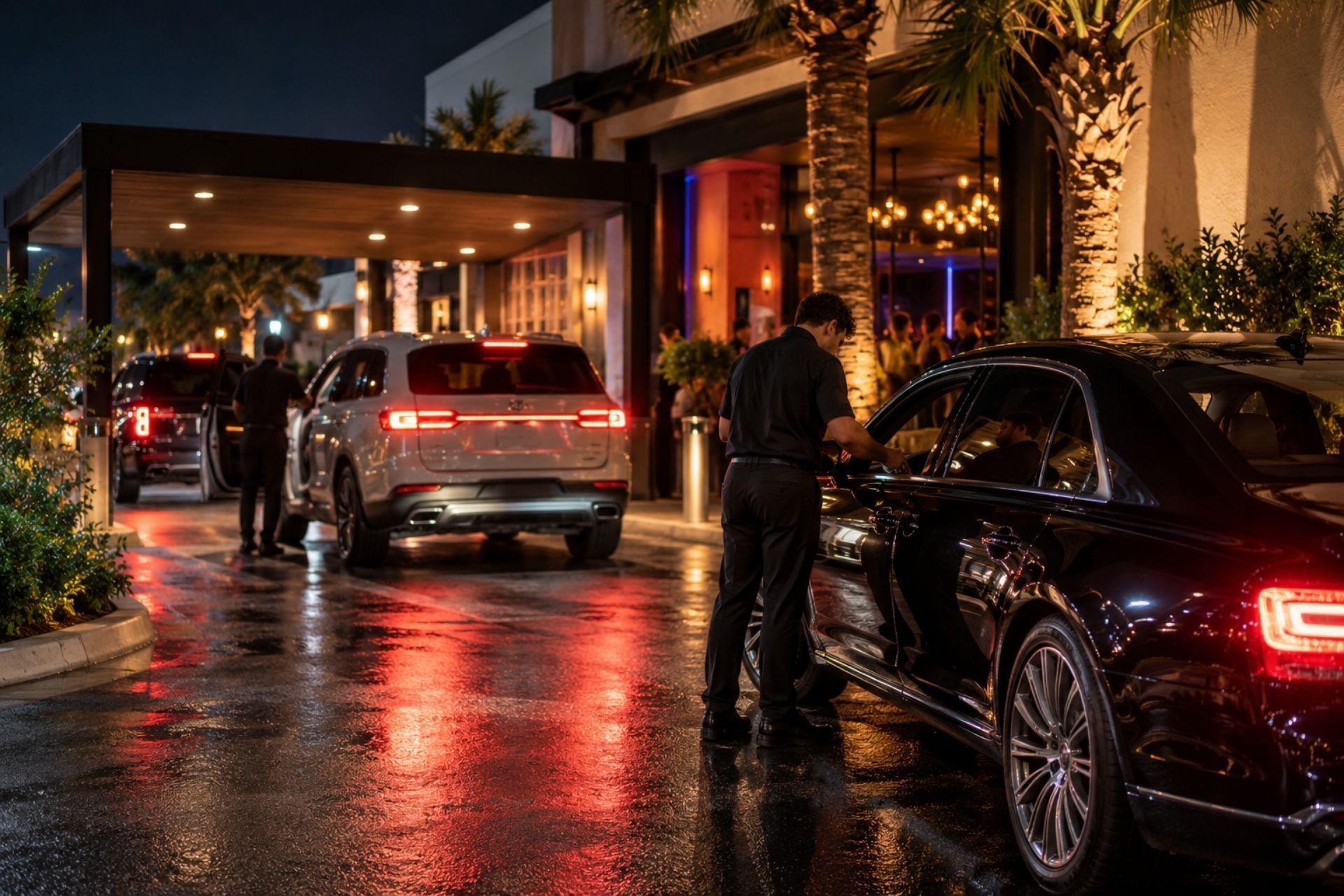
One thing venue owners overlook is assault and battery coverage. Many standard GL policies exclude it entirely, or sub-limit it to $25,000 or $50,000. For a venue where alcohol flows and emotions run high, that's dangerously insufficient. Make sure your policy includes a dedicated A&B endorsement with meaningful limits.
Protecting Expensive Sound and Lighting Equipment
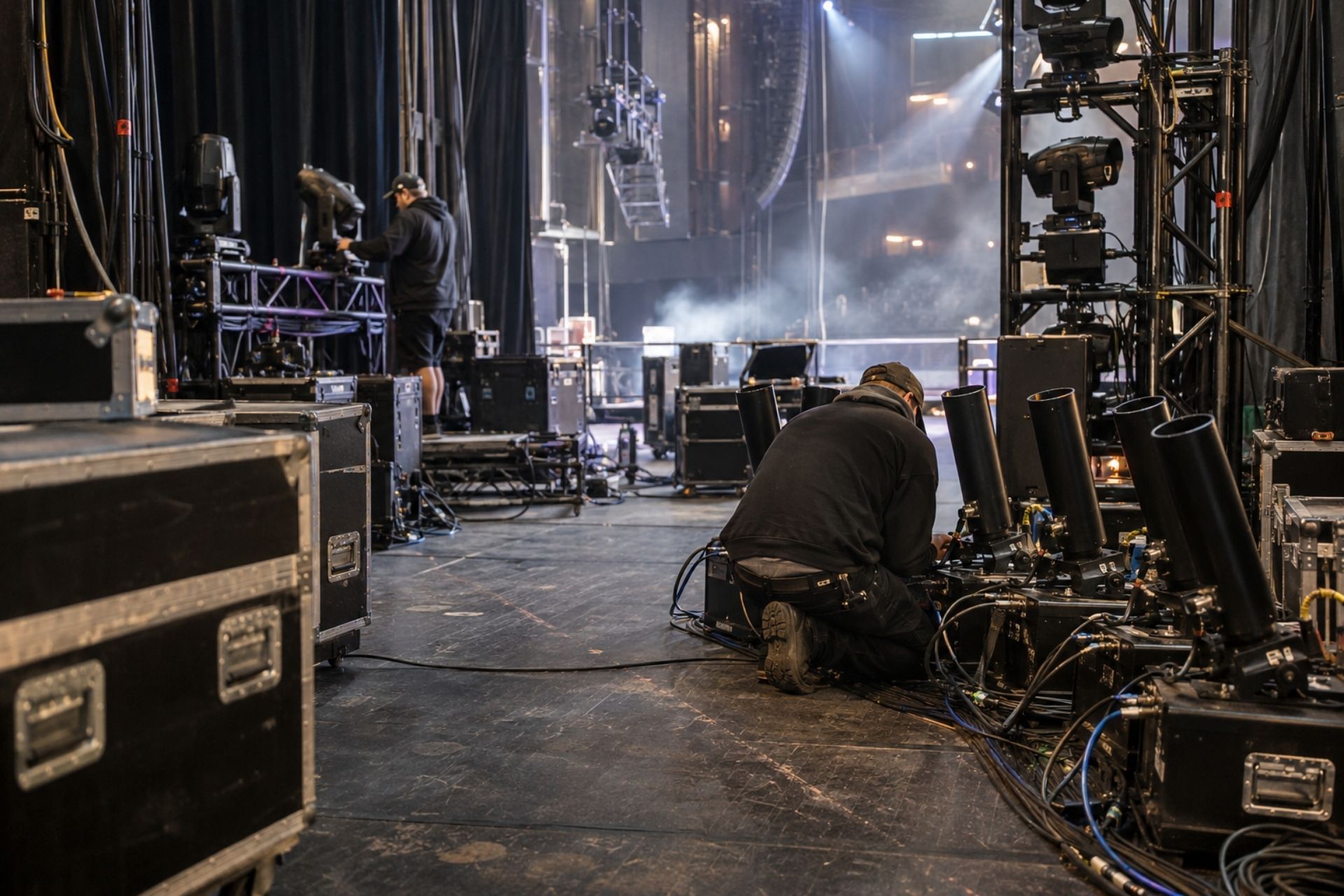
A professional sound system, lighting rig, and mixing board can easily represent $150,000 to $500,000 in assets. Standard property coverage often caps equipment at replacement cost minus depreciation, which means you'd get pennies on the dollar for a five-year-old console that still performs perfectly.
Inland marine coverage, sometimes called equipment floater policies, is the right tool here. These policies cover your gear at agreed-upon value regardless of depreciation, and they typically extend to equipment in transit or temporarily stored off-site. If touring acts bring their own gear and it gets damaged at your venue, that's a separate liability question, but your property coverage needs to protect what you own.
Liquor Liability: More Than Just a Standard Policy
Alcohol service is where venue insurance gets genuinely complicated. Liquor liability premiums for live music venues have surged by 18% to 25% in the first half of 2026 due to increased claim frequency and larger jury awards in dram shop cases. If you're not budgeting for this increase, your renewal is going to sting.
Every state has different dram shop laws governing when a venue can be held liable for the actions of an intoxicated patron. In states like Texas and Illinois, the liability exposure is enormous: a single over-service incident that leads to a DUI fatality can generate a multi-million-dollar judgment against your venue.
Host Liquor vs. Retail Liquor Coverage
This distinction trips up a lot of first-time venue owners. Host liquor liability covers businesses that serve alcohol incidentally, like a company holiday party. If you're selling drinks as a revenue stream, and you almost certainly are, you need retail liquor liability coverage. It's a completely different product with different underwriting criteria.
Retail liquor liability policies examine your revenue split between alcohol and other income, your hours of operation, your staff training programs, and your history of alcohol-related incidents. Venues where alcohol accounts for more than 50% of revenue will pay significantly higher premiums and face stricter underwriting requirements.
Assessing Risk for Late-Night Establishments
Venues that operate past midnight face a premium surcharge that can range from 15% to 40% depending on your closing time and location. The data backs this up: alcohol-related incidents spike dramatically after midnight, and insurers price accordingly.
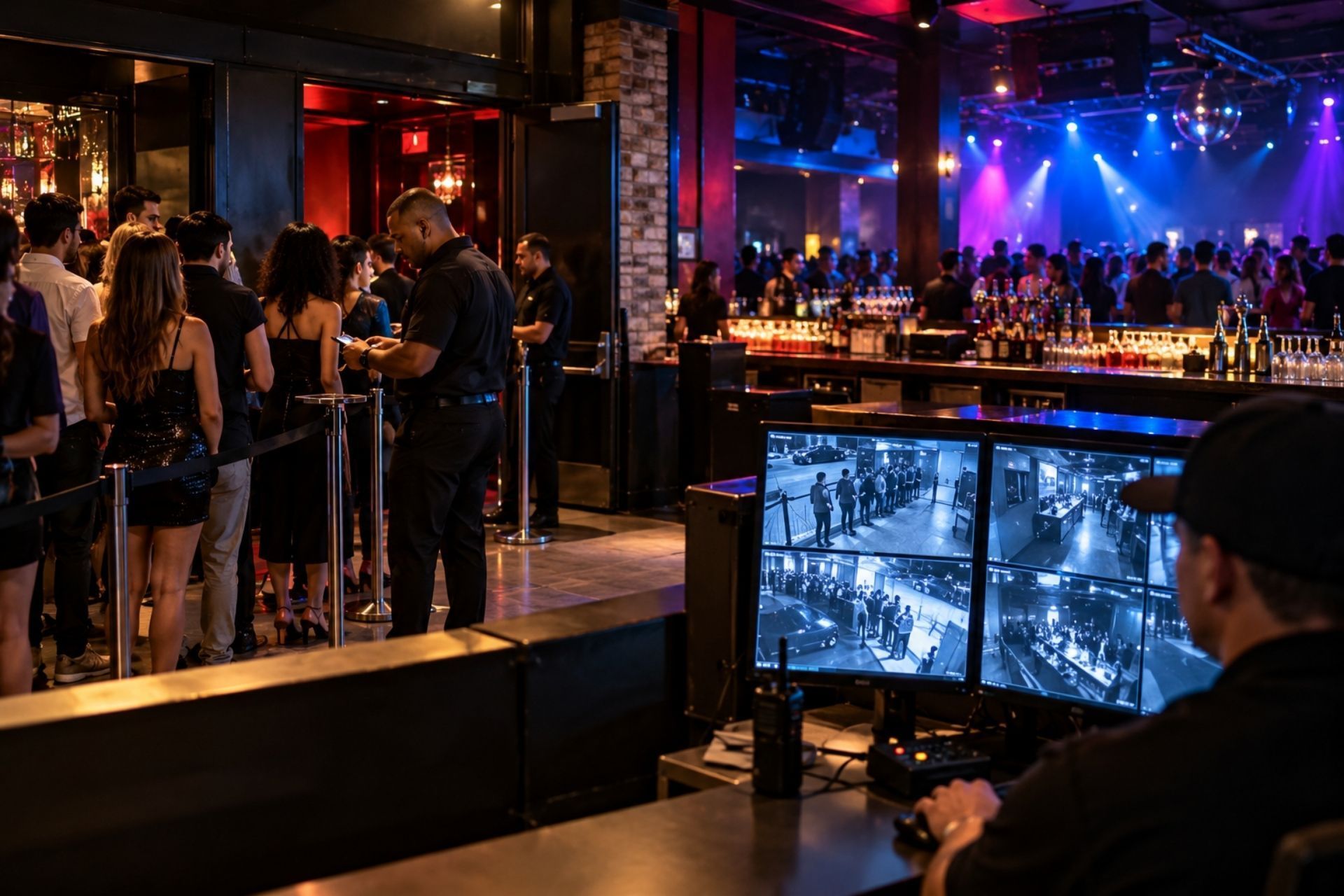
There are practical steps you can take to offset these costs. Mandatory TIPS or ServSafe certification for all bar staff, documented cut-off policies, visible security presence, and surveillance cameras all signal to underwriters that you're managing the risk actively. Some carriers will discount premiums by 5% to 10% for venues with documented responsible service programs.
Event Cancellation and Business Interruption
A sold-out show that doesn't happen still costs money. You've already paid for promotion, staffing, and preparation. Event cancellation insurance exists specifically for this scenario, and it's separate from your standard business interruption coverage.
Business interruption covers lost income when your venue can't operate due to a covered peril, like fire or storm damage. Event cancellation covers the financial loss from a specific show or event that gets called off. You may need both, depending on your booking volume and ticket revenue.
When the Headliner Pulls Out: Artist Non-Appearance
Artist non-appearance coverage is a niche product, but it's essential for venues booking mid-tier and major acts. If a headliner cancels due to illness, injury, or personal reasons, this coverage reimburses your lost ticket revenue, promotional costs, and non-refundable expenses.
The catch is that most policies exclude cancellations due to the artist's pre-existing conditions or contractual disputes. Read the exclusions carefully. A policy that only covers sudden illness but not "failure to appear" leaves a massive gap. GrayStone Insurance Group's brokers, who average 20 years of experience in these markets, can help identify which policy language actually protects you versus what looks good on paper but falls apart at claim time.
Weather, Power Outages, and Force Majeure
Outdoor venues and semi-open spaces face weather risk that indoor clubs don't. A severe thunderstorm warning can force you to cancel a show two hours before doors open. Event cancellation policies typically cover weather-related cancellations, but they often require that a government authority or the National Weather Service issue a formal advisory.
Power outages are trickier. Some policies cover them; many don't unless the outage results from a named peril like a storm. Force majeure clauses have gotten more scrutiny since pandemic-era disputes reshaped how insurers define "unforeseeable events." Make sure your policy's force majeure language is specific enough to cover realistic scenarios, not just acts of war and earthquakes.
Comparing Essential Coverage Tiers
Not every venue needs the same level of protection. A 100-capacity listening room booking solo acoustic acts has a fundamentally different risk profile than a 1,500-capacity rock club with a bar, a balcony, and shows five nights a week.
Comparison Table: Basic vs. Comprehensive Venue Insurance
| Coverage Type | Basic Tier | Comprehensive Tier |
|---|---|---|
| General Liability | $1M per occurrence / $2M aggregate | $2M per occurrence / $5M aggregate |
| Liquor Liability | $500K per occurrence | $1M+ per occurrence |
| Property / Equipment | Actual cash value | Agreed value / replacement cost |
| Assault & Battery | Excluded or sub-limited | Full coverage with dedicated limits |
| Event Cancellation | Not included | Included per-event or annual |
| Business Interruption | 30-day waiting period | 24-72 hour waiting period |
| Umbrella / Excess | None | $5M-$10M umbrella |
| Estimated Annual Cost | $8,000-$15,000 | $25,000-$60,000+ |
The right tier depends on your capacity, booking frequency, alcohol revenue percentage, and claims history. Most venues generating over $500,000 in annual revenue should be looking at the comprehensive tier or something close to it.
Common Questions About Venue Insurance
FAQ: Do I need separate insurance for every show?
No. Most venues carry an annual policy that covers all events throughout the year. That said, if you host a one-off festival or an unusually large event that exceeds your normal capacity, you may need a supplemental event policy to cover the additional exposure.
FAQ: Does my policy cover mosh pits or stage diving?
Usually not under a standard GL policy. These activities are considered voluntary assumption of risk, and many insurers exclude them outright. If your venue regularly hosts shows where moshing occurs, you need an endorsement that specifically addresses participant liability, and you should post visible warnings.
FAQ: How much liquor liability do I actually need?
At minimum, $1 million per occurrence. Venues in states with aggressive dram shop laws, like Texas, New Jersey, or Illinois, should carry $2 million or more. Your landlord's lease may also specify minimum liquor liability limits, so check that document before you bind a policy.
FAQ: What happens if a tour bus damages my property?
The touring act's insurance should cover damage caused by their vehicles and crew. But "should" and "does" are different things. Make sure your property policy doesn't exclude damage caused by third-party vehicles on your premises, and always require visiting acts to provide a certificate of insurance naming your venue as an additional insured.
FAQ: Is hearing damage covered for employees or guests?
Employee hearing damage falls under workers' compensation, not your GL policy. For guests, noise-induced hearing loss claims are rare but increasing. Some GL policies exclude gradual injury claims, so if your venue regularly exceeds 85
decibels, which is the OSHA threshold for hearing protection, you should confirm your policy doesn't have a gradual injury exclusion.
Your Next Steps for Securing Your Space
Getting the right insurance for a live music venue isn't a one-and-done decision. Your risk profile changes as you book bigger acts, extend hours, add outdoor stages, or increase your alcohol service. Review your coverage annually, and always notify your broker before making significant operational changes.
Start by getting a clear picture of your exposure: maximum occupancy, alcohol revenue percentage, annual number of events, and the value of your equipment. Bring that information to a broker who specializes in entertainment and hospitality risks. GrayStone Insurance Group's 94% client retention rate exists because they build policies around how venues actually operate, not how a generic checklist says they should.
The cost of proper coverage is real, but it's a fraction of what a single uninsured claim can do to your business. One bad night without the right policy can cost you everything you've built. Get covered correctly the first time.
Search
INDEX
ABOUT THE AUTHOR:
CHAD KRAMER
I started GrayStone Insurance Group in 2018 with a simple conviction: the businesses everyone else turns away deserve a broker who won't. What began as a one-person operation has grown into a specialty commercial brokerage with offices across the country — but the mission hasn't changed. We find solutions for high-risk and hard-to-place businesses when other agencies run the other way.
I built this agency on integrity, hard work, and the tenacity to do the hard things well. Through our access to Excess & Surplus and specialty markets, my team and I place coverage standard carriers can't — and I treat every client's business like my own.
If you've been declined, non-renewed, or told your business is too complicated to insure, let's talk.