
PA single uninsured assault claim can easily reach $250,000 to $500,000 when you factor in medical expenses, legal defense, lost wages, and pain-and-suffering damages. Jury awards in nightclub assault cases have exceeded seven figures with increasing frequency. Without A&B coverage, those costs come directly out of your business assets, and for most bar owners, that means closing the doors permanently.
A single number on your insurance application can shift your annual premium by thousands of dollars: the percentage of your revenue that comes from alcohol. Most restaurant and bar owners don't realize how heavily underwriters weigh this figure, or how a small change in your sales mix can push you into an entirely different risk category. If you've ever been surprised by a quote or wondered why your renewal jumped, your liquor sales ratio is likely the culprit. Understanding how your liquor sales percentage drives your premium gives you real power to manage costs, structure your operations strategically, and have smarter conversations with your broker. This isn't abstract theory. It's the math that determines whether you're paying $4,000 or $14,000 a year for the same type of coverage.
Why Underwriters Care About Your Alcohol Sales Ratio
Insurance carriers aren't being arbitrary when they scrutinize your alcohol revenue. They're doing math rooted in decades of claims data, and that data tells a consistent story: higher alcohol sales correlate directly with higher claim frequency and severity.
The logic is straightforward. An establishment generating most of its revenue from food serves alcohol as a complement to dining. Patrons eat, have a drink or two, and leave. Compare that to a venue where alcohol is the primary draw: patrons stay longer, drink more, and the probability of incidents rises sharply. Underwriters price this difference because they've paid out on it repeatedly.
The Relationship Between Alcohol and Risk Exposure
Alcohol-related claims are among the most expensive in commercial liability. We're talking about assault and battery incidents, slip-and-fall injuries in dimly lit spaces, over-service lawsuits, and dram shop liability cases where your establishment gets sued because a patron caused a car accident after leaving. A single dram shop claim can exceed $1 million in states with aggressive plaintiff attorneys.
The risk isn't just about what happens inside your four walls. Liability extends to what happens after a customer walks out your door. Carriers that cover liquor liability face exposure from incidents that occur miles away from the insured premises, which is why they care so much about how much alcohol you're actually selling.
That exposure scales with volume. A restaurant doing 15% of revenue in alcohol presents a fundamentally different risk profile than a sports bar doing 65%. The claims history across the industry backs this up consistently.
Defining the Threshold: Restaurant vs. Bar Classification
Here's where many owners get caught off guard. Establishments where liquor sales exceed 30% of total revenue are reclassified from "restaurants" to "bars" in most underwriting models, and that reclassification triggers a significant premium increase. Some carriers set this threshold at 40%, but 30% is the most common benchmark.
This isn't just a label change. It shifts your entire risk classification code. A casual dining restaurant with a full bar might generate 28% of revenue from alcohol and pay a reasonable premium. Push that to 35% after a successful happy hour promotion, and suddenly your next renewal reflects bar-class pricing.
The classification also affects which carriers will even write your policy. Many standard-market insurers won't touch establishments classified as bars, pushing you into surplus lines or specialty markets where pricing is higher. GrayStone Insurance Group works extensively with these hard-to-place hospitality accounts, and the classification issue is one of the most common reasons businesses land on our desk.
How Liquor Sales Percentages Impact Your Premiums
The financial impact isn't subtle. Moving from one tier to another can mean a 40-100% premium increase, depending on your state, claims history, and hours of operation.
The 50/50 Rule and Pricing Tiers
Most carriers use tiered pricing based on alcohol-to-food revenue ratios. While the exact breakpoints vary by insurer, the general structure looks like this:
- Under 25% alcohol revenue: Standard restaurant rates, broadest carrier availability
- 25-40% alcohol revenue: Elevated restaurant rates, some carriers decline
- 40-60% alcohol revenue: Bar classification, significant premium increase, limited carrier options
- Over 60% alcohol revenue: High-risk bar/nightclub territory, specialty markets required
The "50/50 rule" is an informal industry term describing the point where alcohol sales equal food sales. Cross that line, and you're firmly in bar territory regardless of how your establishment looks or operates. A family-friendly brewpub that happens to sell more beer than burgers gets treated the same as a late-night cocktail lounge in the underwriting model.
One thing to keep in mind: carriers verify these numbers. They'll request your POS reports, tax filings, or sales breakdowns. Misrepresenting your ratio on an application can lead to policy rescission, meaning your coverage gets voided retroactively if a claim comes in and the insurer discovers the discrepancy.
Surcharges for Late-Night Alcohol Service
Your hours of operation compound the alcohol percentage issue. Establishments serving alcohol past midnight typically face surcharges of 15-30% on top of their base premium. Extend those hours to 2 AM or later, and the surcharge can reach 50% or more.
The reason is simple: claims data consistently shows that incidents spike during late-night hours. Patrons are more intoxicated, staffing is often thinner, and the types of incidents shift from minor slip-and-falls to assaults, property damage, and serious over-service situations.
A restaurant doing 20% alcohol sales that closes at 10 PM sits in a completely different universe than a venue doing 20% alcohol sales but staying open until 2 AM. The late-night factor multiplies whatever risk your alcohol percentage already creates.
Comparing Coverage Needs by Sales Volume
Not every establishment needs the same coverage structure. Your alcohol sales volume should directly inform your policy limits, endorsements, and risk management approach.
Comparison Table: Low vs. High Alcohol Sales Risk Profile
| Factor | Low Alcohol Sales (Under 30%) | High Alcohol Sales (Over 50%) |
|---|---|---|
| Typical Classification | Restaurant | Bar/Tavern |
| GL Premium Range | $2,500 - $6,000/year | $8,000 - $20,000+/year |
| Liquor Liability | Often included in GL | Separate policy required |
| Assault & Battery | Usually covered | Often excluded, needs endorsement |
| Carrier Availability | Standard market | Specialty/surplus lines |
| Recommended GL Limits | $1M/$2M | $2M/$4M or higher |
| Typical Deductible | $500 - $1,000 | $2,500 - $5,000 |
| Security Requirements | Minimal | Cameras, bouncers, ID scanners |
The gap between these two profiles is dramatic. High-alcohol-sales venues often need separate assault and battery coverage because their general liability policy excludes it. That's an additional $3,000-$8,000 annually, and skipping it is one of the most dangerous coverage gaps in the hospitality industry.
Ways to Lower Costs Regardless of Your Sales Mix
Even if your business model depends on strong alcohol sales, you're not stuck paying the highest possible premium. Carriers reward risk mitigation, and the right strategies can meaningfully reduce your costs.
Implementing Formal Server Training Programs
Certified alcohol server training programs like TIPS, ServSafe Alcohol, or state-specific equivalents are one of the most effective premium reducers available. Many carriers offer 5-15% discounts for establishments that require all staff to complete certified training and maintain current credentials.
This isn't just about the discount, though. Trained servers are your first line of defense against over-service claims. A server who recognizes intoxication signs and follows a documented cut-off procedure creates a defensible record if a claim arises. GrayStone's brokers, with an average of 20 years in the industry, consistently see that establishments with formal training programs file fewer claims and retain coverage more easily at renewal.
The training needs to be documented and ongoing. A one-time certification from three years ago won't impress an underwriter. Quarterly refreshers, new-hire requirements, and management oversight of service practices demonstrate a genuine commitment to risk reduction.
The Impact of Incident Logs and Security Protocols
Keeping detailed incident logs does two things: it gives your defense attorney ammunition if a claim goes to litigation, and it shows underwriters that you take risk management seriously. Every refused service, every ejection, every minor incident should be logged with dates, times, staff involved, and actions taken.
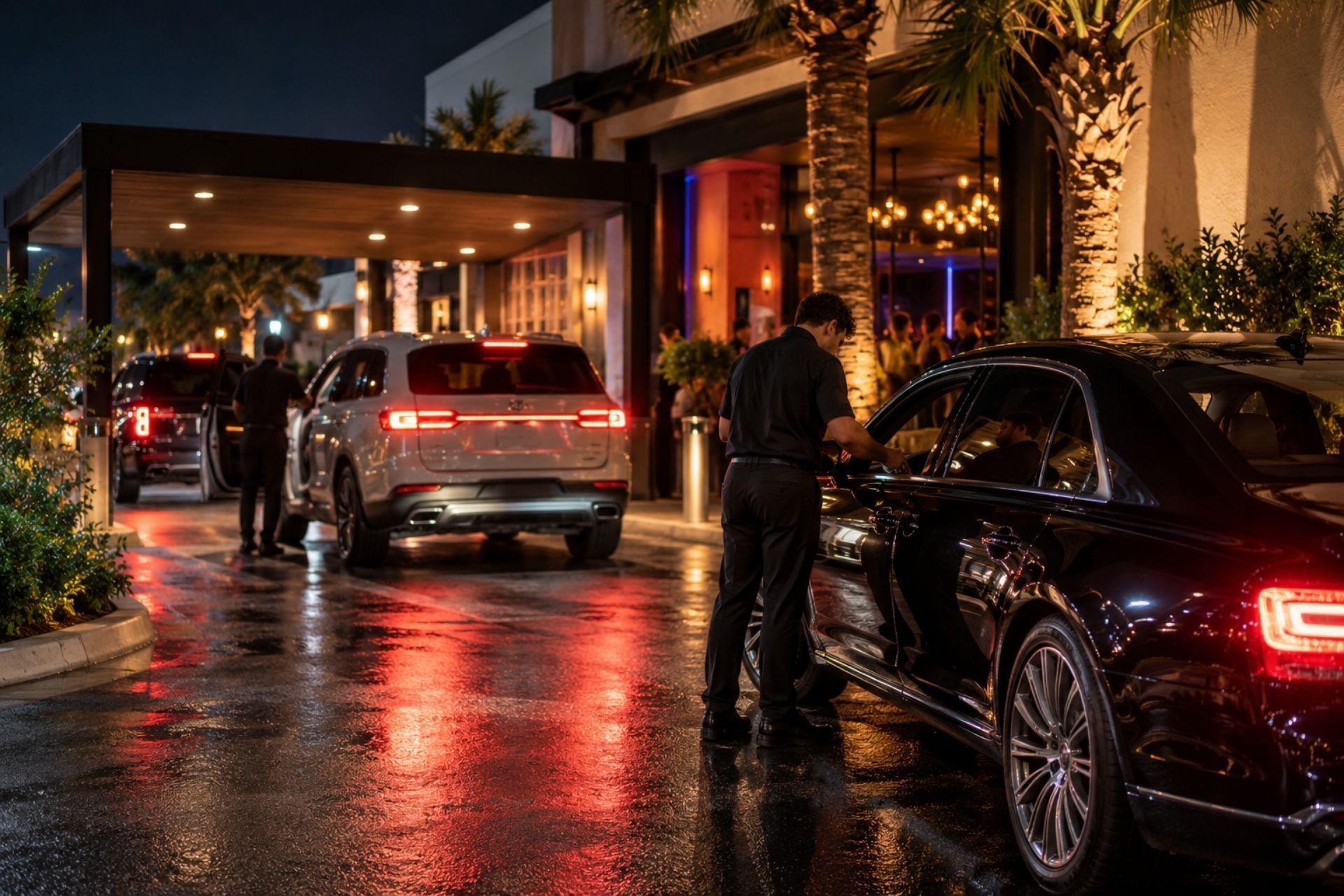
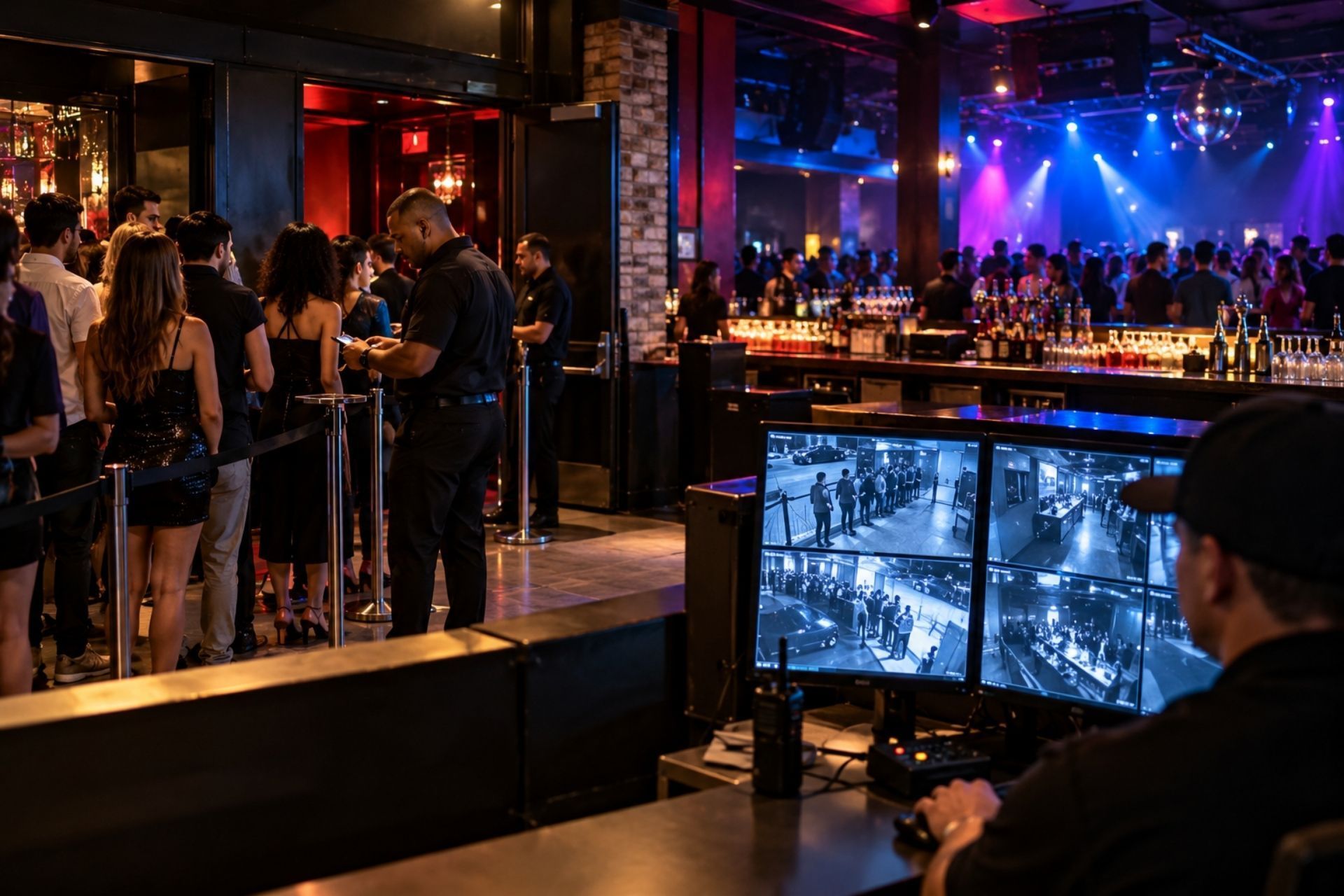
Security protocols matter even more for higher-alcohol-percentage venues. ID scanners that create digital records, camera systems covering all service areas and exits, and trained security staff during peak hours all factor into underwriting decisions. Some carriers require these measures as conditions of coverage. Others offer premium credits when you implement them voluntarily.
A documented security protocol that includes staff-to-patron ratios, last-call procedures, and incident response plans can reduce your premium by 10-20%. That's real money on a $15,000 policy.
Common Questions About Liquor Liability Costs
Does my liquor sales percentage affect my general liability premium, my liquor liability premium, or both? Both. Your alcohol ratio influences your GL classification code and your liquor liability pricing. Higher percentages increase costs across multiple coverage lines simultaneously.
Can I reclassify my business if I reduce alcohol sales? Yes, but you'll need to demonstrate the change over a sustained period, typically 12 months of POS data showing your new sales mix. One slow quarter won't trigger reclassification.
What happens if my alcohol percentage fluctuates seasonally? Carriers typically use your annual average. If you run a patio bar that does 60% alcohol in summer but 25% in winter, your annual average determines your classification. Keep detailed monthly records to support your case.
Do beer and wine carry the same weight as spirits in underwriting? Most carriers don't distinguish between types of alcohol for classification purposes. Revenue is revenue. That said, some specialty underwriters view beer-and-wine-only establishments as lower risk than full-bar operations.
Will adding a food program lower my premium if I'm currently classified as a bar? Absolutely, and it's one of the most effective strategies available. Expanding your food menu to shift the revenue ratio below the bar threshold can save thousands annually. The food program needs to be genuine, though, not just a microwave and some frozen appetizers.
How does my state affect my liquor liability costs? State laws vary enormously. States with strong
dram shop liability statutes create higher exposure for establishments, which translates directly to higher premiums. States like Texas, New Jersey, and Illinois tend to have more expensive liquor liability coverage than states with limited dram shop laws.
The Bottom Line for Your Business
Your alcohol sales percentage isn't just a line item on your P&L statement. It's the single biggest factor determining what you pay for liability coverage and which carriers will even consider writing your policy. Small shifts in your sales mix, even 5-10 percentage points, can move you between classification tiers and change your premium by thousands of dollars.
The smartest operators treat this as a business strategy, not just an insurance issue. They track their ratios monthly, invest in server training, maintain detailed incident documentation, and work with brokers who understand the hospitality space deeply enough to present their risk accurately to carriers.
If your current premium feels too high or you've been declined by multiple carriers, your alcohol sales ratio is the first place to look. GrayStone Insurance Group specializes in finding coverage for exactly these situations, using data-driven risk analysis to match high-alcohol-sales venues with carriers that understand the business. Reach out for a consultation, and bring your POS reports: that's where the real conversation starts.
Search
INDEX
ABOUT THE AUTHOR:
CHAD KRAMER
I started GrayStone Insurance Group in 2018 with a simple conviction: the businesses everyone else turns away deserve a broker who won't. What began as a one-person operation has grown into a specialty commercial brokerage with offices across the country — but the mission hasn't changed. We find solutions for high-risk and hard-to-place businesses when other agencies run the other way.
I built this agency on integrity, hard work, and the tenacity to do the hard things well. Through our access to Excess & Surplus and specialty markets, my team and I place coverage standard carriers can't — and I treat every client's business like my own.
If you've been declined, non-renewed, or told your business is too complicated to insure, let's talk.