
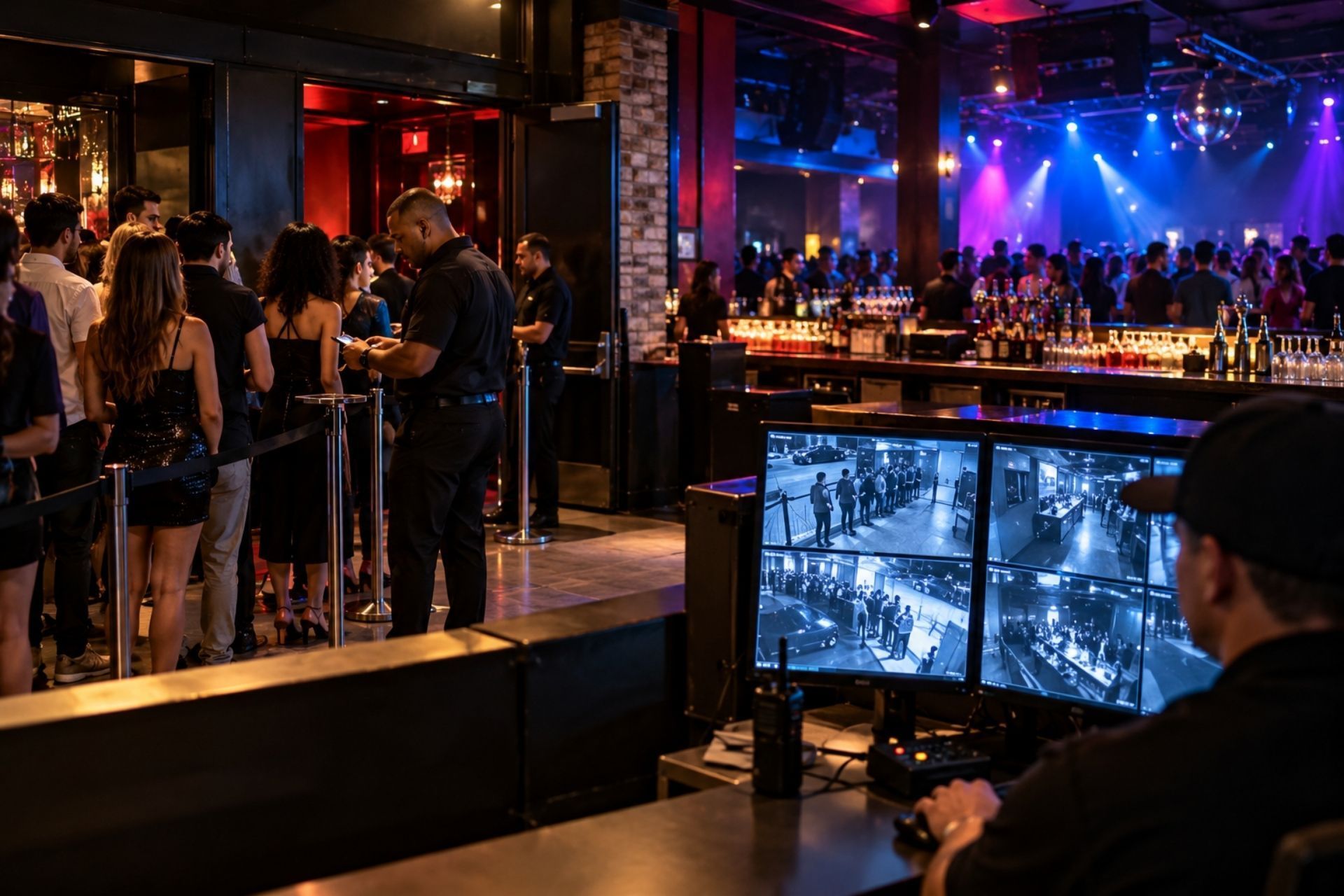
PA single uninsured assault claim can easily reach $250,000 to $500,000 when you factor in medical expenses, legal defense, lost wages, and pain-and-suffering damages. Jury awards in nightclub assault cases have exceeded seven figures with increasing frequency. Without A&B coverage, those costs come directly out of your business assets, and for most bar owners, that means closing the doors permanently.
A slip-and-fall lawsuit from a customer and a malpractice claim from a client who followed your bad advice are two very different problems, but both can bankrupt a small business. The frustrating part? Most business owners carry one type of liability insurance and assume they're fully covered, only to discover the gap when a claim hits.
If you run a high-risk operation, whether that's a nightclub, a construction firm, or a cannabis dispensary, understanding the difference between general liability and professional liability isn't optional. It's the difference between a policy that actually pays out and one that leaves you holding the bag. General liability covers physical incidents: someone trips over a cable at your job site, or your product damages a client's property. Professional liability covers mistakes in your work product or advice: a missed deadline, a design flaw, or an error in your financial projections that costs a client real money.
The distinction sounds simple on paper, but the overlap and the gaps between these two policies trip up even experienced business owners. Here's what you actually need to know to protect yourself properly.
Understanding the Core Differences
The simplest way to think about general liability versus professional liability is this: one protects against physical harm, the other against financial harm caused by your expertise (or lack thereof). Both are third-party coverages, meaning they protect you when someone else makes a claim against your business. But they respond to completely different types of risk.
A general liability policy won't cover you if a client sues because your consulting advice led to a six-figure loss. And a professional liability policy won't help if a visitor breaks an ankle in your lobby. These aren't interchangeable products, and treating them as such is one of the most common mistakes I see business owners make.
General Liability: Protecting Against Physical Risks
General liability insurance, sometimes called commercial general liability (CGL), is the foundational policy for most businesses. It responds to claims involving bodily injury, property damage, and certain types of reputational harm. If a delivery driver backs into a client's fence, or a patron at your bar cuts their hand on a broken glass, this is the policy that kicks in.
The median cost for general liability insurance runs about $45 per month, making it one of the more affordable commercial coverages. For construction companies, restaurants, and hospitality venues, it's typically the first policy written. Most commercial leases and contracts require it as a baseline.
Professional Liability: Protecting Against Financial and Advice-Based Errors
Professional liability insurance, also called errors and omissions (E&O) coverage, protects businesses that provide services, advice, or specialized expertise. If a client claims your work was negligent, incomplete, or caused them financial damage, this policy covers the legal defense and any resulting settlement.
This isn't just for doctors and lawyers anymore. IT consultants, architects, marketing agencies, insurance brokers, and even cannabis compliance consultants all face professional liability exposure. The average professional liability policy costs around $61 per month, though premiums vary significantly based on your industry and claims history.
Side-by-Side Comparison: Coverage at a Glance
| Feature | General Liability | Professional Liability |
|---|---|---|
| What it covers | Bodily injury, property damage, advertising injury | Errors, omissions, negligence in professional services |
| Typical monthly cost | ~$45/month (median) | ~$61/month (median) |
| Who needs it | Nearly every business with a physical presence or customer interaction | Service-based businesses, consultants, licensed professionals |
| Claims trigger | Physical incident or reputational harm | Client alleges financial loss from your work or advice |
| Common policy limits | $1M per occurrence / $2M aggregate | $1M per claim / $1M aggregate |
| Also known as | CGL, commercial general liability | E&O, errors and omissions, malpractice insurance |
One thing to keep in mind: these policies use different claims structures. General liability is typically written on an "occurrence" basis, meaning it covers incidents that happen during the policy period regardless of when the claim is filed. Professional liability is almost always "claims-made," meaning the policy must be active both when the incident occurred and when the claim is reported. That distinction matters more than most people realize, especially if you switch carriers or let a policy lapse.
What Does General Liability Insurance Cover?
General liability is broad by design. It's meant to catch the most common physical and reputational risks that any business faces, regardless of industry. Here's what falls under its umbrella.
Third-Party Bodily Injury and Property Damage
This is the core of any CGL policy. If someone who isn't your employee gets hurt on your premises or because of your operations, general liability responds. A customer slips on a wet floor in your restaurant. A subcontractor's equipment damages a neighboring property. A product you sold causes an allergic reaction.
For high-risk industries like construction and hospitality, this coverage is non-negotiable. GrayStone Insurance Group works with dozens of nightlife and hospitality venues where bodily injury claims are a regular occurrence, not a hypothetical. The difference between a well-structured policy and a bare-minimum one often comes down to whether your broker understands the specific risks in your operation.
Personal and Advertising Injury
This is the part of general liability that most people forget about. Personal and advertising injury coverage protects against claims like defamation, slander, libel, copyright infringement in your advertising, and wrongful eviction. If a competitor sues you because your marketing campaign used language too similar to their trademarked slogan, this is the coverage that responds.
It's not the flashiest part of a CGL policy, but for businesses that run aggressive marketing or operate in competitive local markets, it's surprisingly relevant.
What Does Professional Liability Insurance Cover?
Professional liability fills a gap that general liability simply doesn't address. Any time your business provides a service, gives advice, or produces work product that a client relies on, you're exposed to E&O risk.
Negligence and Misrepresentation
If a client claims you failed to perform your services with the standard of care expected in your profession, that's a negligence claim. Misrepresentation covers situations where a client alleges you provided inaccurate information that led to their financial loss. These claims don't require intent: even honest mistakes count.
A real-world example: a cannabis compliance consultant tells a dispensary owner that their packaging meets state requirements. It doesn't. The dispensary gets fined $50,000. That consultant is facing a professional liability claim, and their general liability policy won't cover a penny of it.
Inaccurate Advice and Missed Deadlines
Professional liability also covers claims arising from missed deadlines, failure to deliver promised results, and errors in documentation. An architect who miscalculates load-bearing specifications. An IT firm that misses a deployment deadline, causing a client to lose a contract. A trucking broker who provides incorrect weight certifications.
These scenarios happen constantly. The average professional error claim can
easily exceed $100,000 in legal defense costs alone, even before any settlement. Carrying E&O coverage isn't about being pessimistic: it's about being realistic.
Determining Which Policy Your Business Needs
The short answer: most service-based businesses need both. But the specifics depend on your industry, your contracts, and your state's requirements.
Industries That Require Both Policies
Some businesses clearly need both coverages. Construction firms need general liability for job site injuries and professional liability for design errors or project management failures. Hospitality businesses need CGL for patron injuries and may need E&O if they offer event planning or consulting services. Cannabis operations face both physical risks (product liability, premises injuries) and professional risks (compliance consulting, testing errors).
GrayStone Insurance Group's brokers, with an average of 20 years in the market, frequently build combined programs for high-risk clients who need both policy types structured to work together without coverage gaps. The 94% client retention rate speaks to how well that approach works in practice.
Here are industries where carrying both policies is standard:
- Construction and general contracting
- Architecture and engineering firms
- IT services and cybersecurity consulting
- Healthcare and wellness practices
- Cannabis cultivation, processing, and retail
- Financial services and accounting
- Real estate and property management
Contractual and State Requirements
Many clients and landlords require proof of both general and professional liability before signing a contract. Government contracts almost universally require both. Some states mandate professional liability for certain licensed professions: medical practitioners, attorneys, and architects often face statutory E&O requirements.
Even where it's not legally required, carrying both policies is often a practical necessity. A single uncovered claim can cost more than a decade of premiums. Check your contracts carefully: the required coverage limits and policy types are usually spelled out in the indemnification clauses.
Common Questions About Business Liability
Do I need professional liability if I don't give "advice"? Yes, if you provide any service where a client could claim your work caused them financial harm. Even trades like plumbing or electrical work can trigger E&O claims if a design or recommendation fails.
Can I bundle general and professional liability into one policy? Some carriers offer a Business Owner's Policy (BOP) that includes general liability, and you can sometimes add professional liability as an endorsement. But standalone policies typically offer broader coverage and higher limits.
What happens if I have a gap between policies? With claims-made professional liability policies, a gap means you could lose coverage for incidents that occurred during the prior policy period. Always arrange "tail coverage" or an extended reporting period if you're switching carriers.
Does general liability cover employee injuries? No. Employee injuries fall under workers' compensation insurance, which is a separate and usually mandatory policy.
How much coverage do I actually need? Most small businesses start with $1 million per occurrence for general liability and $1 million per claim for professional liability. High-risk industries or businesses with large contracts often need $2 million or more.
Will my premium go up after a claim? Usually, yes. Claims history is one of the biggest factors in premium calculations. That said, having insurance and using it is always better than being uninsured and paying out of pocket.
Making the Right Choice for Your Business
The difference between general liability and professional liability isn't academic: it's the difference between having a claim paid and having it denied. General liability handles the physical world: injuries, property damage, advertising disputes. Professional liability handles the intellectual world: errors in your work, bad advice, missed obligations.
If your business involves any customer-facing activity or physical presence, you need general liability. If you provide services, consulting, or expertise of any kind, you need professional liability. Most businesses operating in high-risk sectors need both, structured to complement each other without leaving gaps.
Don't wait until a claim forces you to read your policy's exclusions page. Talk to a broker who understands your industry's specific risks and can build a program that actually protects you. GrayStone Insurance Group specializes in exactly these kinds of hard-to-place, complex risk profiles: the businesses that need coverage most and have the hardest time finding it. Get your policies reviewed now, before the next claim lands on your desk.
Search
INDEX

ABOUT THE AUTHOR:
CHAD KRAMER
I started GrayStone Insurance Group in 2018 with a simple conviction: the businesses everyone else turns away deserve a broker who won't. What began as a one-person operation has grown into a specialty commercial brokerage with offices across the country — but the mission hasn't changed. We find solutions for high-risk and hard-to-place businesses when other agencies run the other way.
I built this agency on integrity, hard work, and the tenacity to do the hard things well. Through our access to Excess & Surplus and specialty markets, my team and I place coverage standard carriers can't — and I treat every client's business like my own.
If you've been declined, non-renewed, or told your business is too complicated to insure, let's talk.