
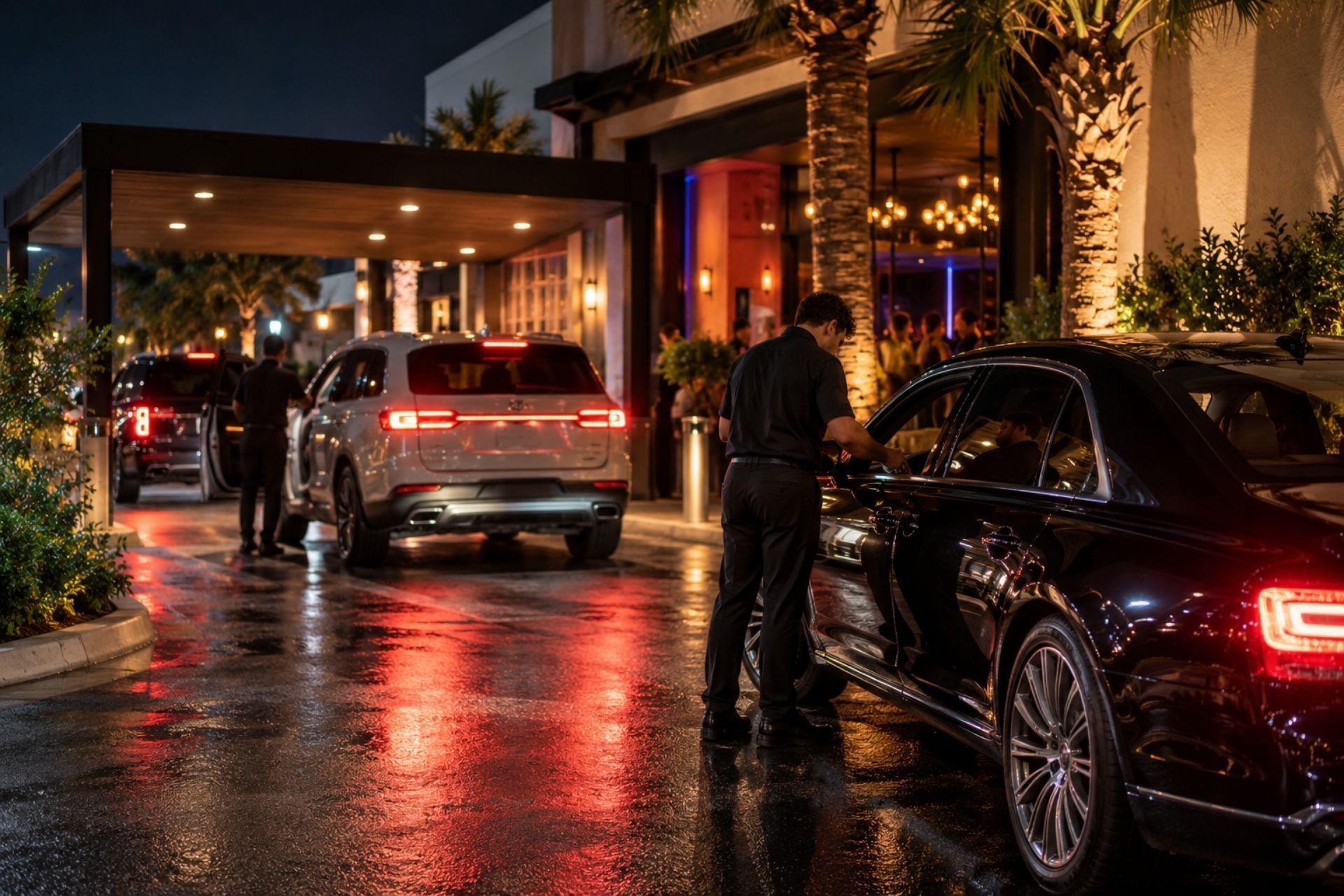
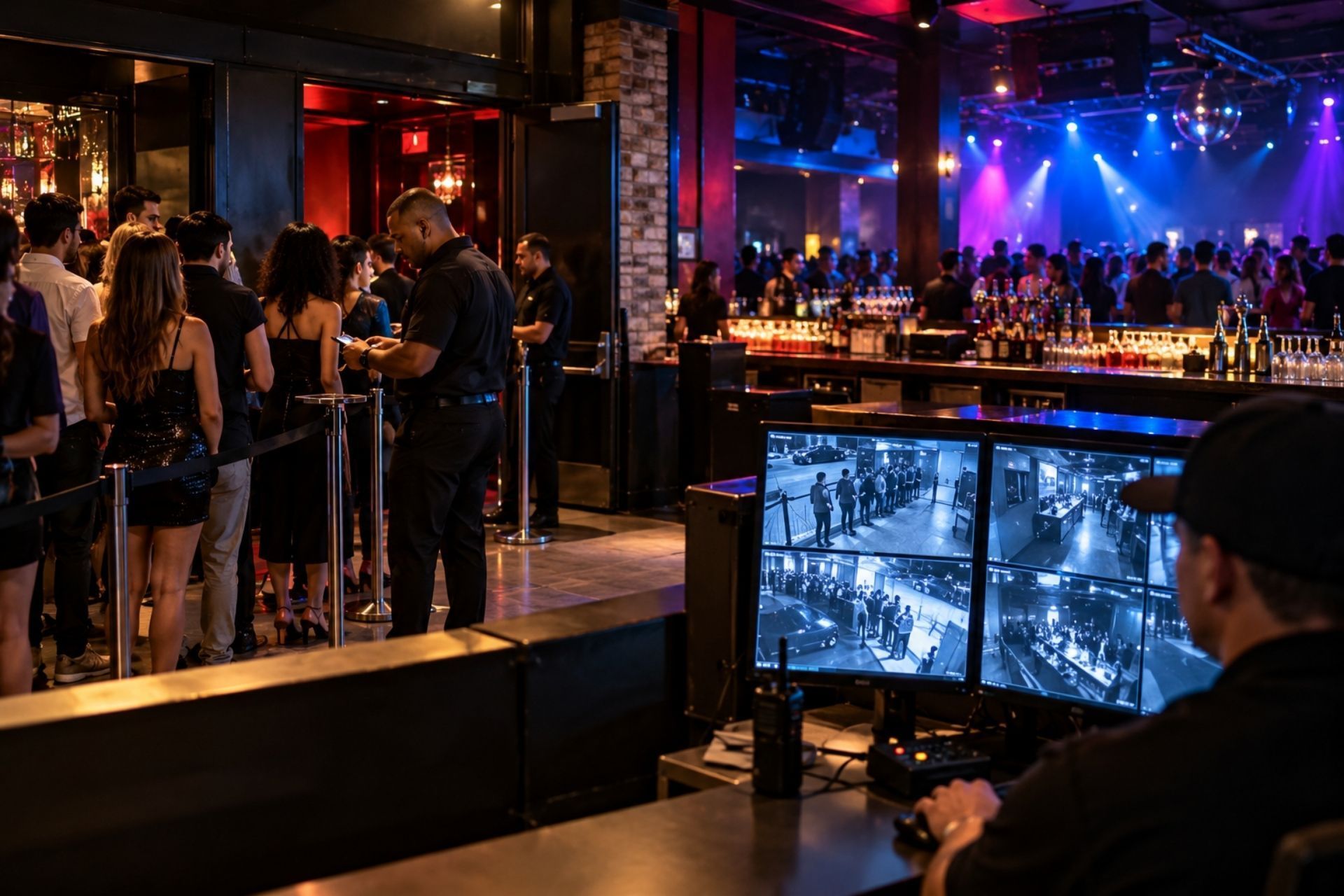
PA single uninsured assault claim can easily reach $250,000 to $500,000 when you factor in medical expenses, legal defense, lost wages, and pain-and-suffering damages. Jury awards in nightclub assault cases have exceeded seven figures with increasing frequency. Without A&B coverage, those costs come directly out of your business assets, and for most bar owners, that means closing the doors permanently.
A customer drops off a $90,000 supercharged Mustang for a full engine build. That night, a pipe bursts and floods your shop floor. The motor's ruined, the customer's furious, and your general liability policy won't cover a dime of the damage to their vehicle. This is exactly the kind of scenario that wrecks shops financially, and it happens more often than most owners think. If you run an auto repair or performance shop and you're holding customer vehicles overnight (or for weeks at a time during a build), garagekeepers coverage isn't optional. It's the policy standing between you and a lawsuit that could shut your doors. Here's what you actually need to know to get this right.
Understanding Garagekeepers Coverage for Specialized Shops
Garagekeepers insurance is a specific type of property coverage that protects customer vehicles while they're in your care, custody, or control. That phrase matters: "care, custody, or control." Your standard business insurance policies are designed to protect your property, your employees, and third parties who might get hurt on your premises. They're not built to cover someone else's car sitting in your bay.
For performance and tuning shops, this distinction is critical. You're routinely storing vehicles worth $50,000 to $200,000 or more. A single uninsured loss on a customer's car could wipe out a year's profit. The coverage kicks in for damage caused by fire, theft, vandalism, collision, and other specified perils while the vehicle is on your property or being moved by your team.
How it Protects Customer Vehicles in Your Care
The mechanics are straightforward. A customer leaves their car with you for service, and your garagekeepers policy covers damage to that vehicle from covered perils while it's under your roof or on your lot. This includes damage from natural disasters, break-ins, or even an employee accidentally backing one car into another.
Performance shops face unique exposure here. You might have a customer's car torn apart for weeks during an engine swap or turbo install. During that window, the vehicle is essentially immobile and completely vulnerable. If a fire tears through your shop, the customer's homeowner or auto policy won't cover a vehicle that was voluntarily left at a commercial business. That's your responsibility, and garagekeepers insurance is designed specifically for this gap.
The Difference Between General Liability and Garagekeepers
General liability covers bodily injury and property damage to third parties, but it specifically excludes property in your care, custody, or control. Read that again: your GL policy has a built-in exclusion for the exact thing you're most likely to be sued over.
Think of it this way: if a customer slips on an oil spot in your parking lot, that's a GL claim. If their car catches fire in your paint booth, that's a garagekeepers claim. Two completely different policies covering two completely different risks. Many shop owners assume their garage liability policy handles everything, but that's a dangerous misunderstanding. You need both, and they serve entirely separate functions.
Choosing Between Legal Liability and Direct Primary Options
This is where most shop owners get confused, and where the wrong choice can cost you dearly. Garagekeepers coverage comes in two main forms: legal liability and direct primary. The difference affects when and how you get paid after a loss.
Legal liability coverage only pays out when the damage is your fault. If a technician drops a transmission on a customer's hood, you're covered. But if someone breaks into your lot overnight and steals a customer's wheels, the policy won't respond because the theft wasn't caused by your negligence. You'd have to prove the shop was at fault for every single claim.
Direct primary coverage, on the other hand, pays regardless of fault. It functions more like a traditional property policy: if a covered peril damages a customer's vehicle, the claim gets paid whether or not your shop caused the problem. For performance shops handling high-value vehicles, direct primary is almost always the smarter choice. Yes, it costs more. But the protection gap with legal liability is too wide for most specialty shops to accept.
Comparison Table: Legal Liability vs. Direct Primary
| Feature | Legal Liability | Direct Primary |
|---|---|---|
| Pays when shop is at fault | Yes | Yes |
| Pays when shop is NOT at fault | No | Yes |
| Theft from lot | Only if negligence proven | Covered |
| Weather/natural disaster damage | Typically not covered | Covered |
| Premium cost | Lower | Higher |
| Best for | Low-value, short-term holds | High-value, long-term builds |
| Customer satisfaction | Claim disputes likely | Faster resolution |
Common Risks and Covered Perils for Performance Shops
Performance and tuning shops face a risk profile that generic auto repair facilities simply don't. You're dealing with modified vehicles, aftermarket parts worth thousands, and builds that keep cars on-site for extended periods. The longer a vehicle sits in your shop, the greater the exposure window for something to go wrong.
Standard garagekeepers policies typically cover fire, theft, vandalism, explosion, and weather events like hail or windstorms. Some policies also cover collision damage, which matters when vehicles are being moved around your lot or inside the shop. What's often excluded: mechanical breakdown, pre-existing damage, and damage caused by faulty workmanship. That last one trips up a lot of shops because poor installation or a botched tune isn't a garagekeepers claim. It's an errors and omissions issue.
Theft, Fire, and Vandalism Protection
These three perils account for the vast majority of garagekeepers claims in the performance shop world. Theft is especially concerning for shops that stock high-value aftermarket parts or store customer vehicles with expensive modifications. A single overnight break-in targeting wheels, ECUs, or turbo kits can easily generate $30,000 or more in losses across multiple vehicles.
Fire risk is elevated in performance shops due to welding, dyno testing, and the presence of fuel system components. One shop owner I've seen had a fuel rail fail during a dyno pull, spraying gasoline across a hot exhaust manifold. The resulting fire damaged three customer vehicles. Without direct primary garagekeepers coverage, he would have been personally liable for over $150,000 in customer vehicle damage.
Vandalism claims are less common but still real, particularly for shops in urban areas or those without adequate security systems. Cameras, fencing, and alarm systems don't just reduce risk: they also lower your premiums.
Accidental Damage During Test Drives
Here's a scenario that makes every shop owner nervous: your tech takes a customer's freshly built car out for a test drive and rear-ends someone at a stoplight. Or worse, loses control testing a 700-horsepower build on a back road.
Test drive accidents fall into a gray area between garagekeepers coverage and your garage liability policy. The damage to the customer's vehicle is typically a garagekeepers claim, while injury or damage to third parties falls under your garage liability. Some policies exclude test drives beyond a certain radius from the shop, and racing or track use is almost universally excluded from standard automobile insurance. If your shop offers dyno tuning followed by street pulls, make sure your policy doesn't have a test drive exclusion that could leave you exposed.
Performance shops that
participate in track days or competition events need to be especially careful about where standard coverage ends and specialty motorsport policies begin.
Factors That Influence Your Premium Costs
Your garagekeepers premium isn't pulled from thin air. Insurers evaluate several concrete factors to determine what you'll pay. Standard garagekeepers insurance for a typical auto repair shop generally costs between $1,000 and $1,300 annually, but performance shops almost always pay more due to the higher value of vehicles they handle.
The type of coverage you select (legal liability vs. direct primary) is the biggest cost driver. After that, insurers look at your claims history, the number of vehicles you store at any given time, and your per-vehicle coverage limit. A shop that holds five economy cars overnight will pay far less than one storing fifteen modified imports for multi-week builds.
Shop Location and Security Features
Where your shop sits geographically has a direct impact on your premium. Shops in high-crime zip codes pay more, period. Urban locations with higher theft and vandalism rates will see premiums 20% to 40% above comparable rural shops.
The good news: you can offset location-based pricing with security investments. Insurers want to see monitored alarm systems, HD surveillance cameras with cloud storage, perimeter fencing, and controlled access points. Interior fire suppression systems and proper chemical storage also help. Agencies like GrayStone Insurance Group, which specialize in hard-to-place commercial risks, can often help performance shops identify which security upgrades will yield the biggest premium reductions. Their brokers average 20 years of experience and understand what underwriters actually want to see.
Average Value of Vehicles Under Your Roof
This is the factor that separates performance shop premiums from standard repair shop pricing. If your average customer vehicle is worth $80,000 instead of $25,000, your per-vehicle coverage limit needs to be higher, and your premium reflects that.
Insurers will ask about the maximum number of customer vehicles on-site at any time and the average value of those vehicles. A
California performance and tuning shop working on exotic imports needs significantly more coverage than a brake-and-oil-change operation. Be honest about these numbers during your application. Underreporting vehicle values to save on premiums is a fast track to having a claim denied when you need it most.
Answers to Common Garagekeepers Questions
Does this cover my tools and shop equipment?
No. Garagekeepers coverage is exclusively for customer vehicles in your care. Your tools, lifts, diagnostic equipment, and other shop assets need to be covered under a separate commercial property or inland marine policy. These are distinct coverages with different limits and deductibles.
What happens if a customer's car is stolen from my lot?
It depends on your coverage type. With direct primary coverage, the claim gets paid regardless of fault. With legal liability coverage, you'd need to prove the theft wasn't due to your negligence, which is a tough position if your lot lacked adequate security. Direct primary is the safer bet for this exact reason.
Do I need this if I only work on high-end performance cars?
You need it more, not less. The higher the value of the vehicles you handle, the greater your financial exposure from a single incident. One totaled customer vehicle without coverage could mean six figures out of your pocket. GrayStone Insurance Group works with specialty shops in exactly this situation, using data-driven risk modeling to find carriers willing to write policies for high-value vehicle exposure.
Is there a limit on how many cars I can have at once?
Yes. Your policy will specify a maximum number of customer vehicles covered at any one time, along with a per-vehicle limit and an aggregate limit. If you regularly exceed your stated vehicle count, you're operating outside your coverage terms. Review these limits annually and adjust as your business grows. A busy shop during peak season might need higher limits than what made sense two years ago.
Making the Right Choice for Your Shop
Getting garagekeepers coverage right isn't about checking a box on your insurance application. It's about understanding the specific risks your shop faces and matching your policy to those realities. Performance shops operate in a higher-risk tier than standard repair facilities, and your insurance needs to reflect that.
Start by inventorying the vehicles you typically hold: how many, for how long, and at what value. Choose direct primary coverage if you're storing high-value builds for extended periods. Invest in security features that both protect your customers' property and reduce your premiums. And work with a broker who actually understands the performance and specialty shop space rather than one who treats you like every other garage on the block.
If you're unsure whether your current policy has gaps, request a coverage review from a specialist. The worst time to discover you're underinsured is the morning after a loss. Get it sorted now, while everything's still parked safely in the bay.
Search
INDEX
ABOUT THE AUTHOR:
CHAD KRAMER
I started GrayStone Insurance Group in 2018 with a simple conviction: the businesses everyone else turns away deserve a broker who won't. What began as a one-person operation has grown into a specialty commercial brokerage with offices across the country — but the mission hasn't changed. We find solutions for high-risk and hard-to-place businesses when other agencies run the other way.
I built this agency on integrity, hard work, and the tenacity to do the hard things well. Through our access to Excess & Surplus and specialty markets, my team and I place coverage standard carriers can't — and I treat every client's business like my own.
If you've been declined, non-renewed, or told your business is too complicated to insure, let's talk.