
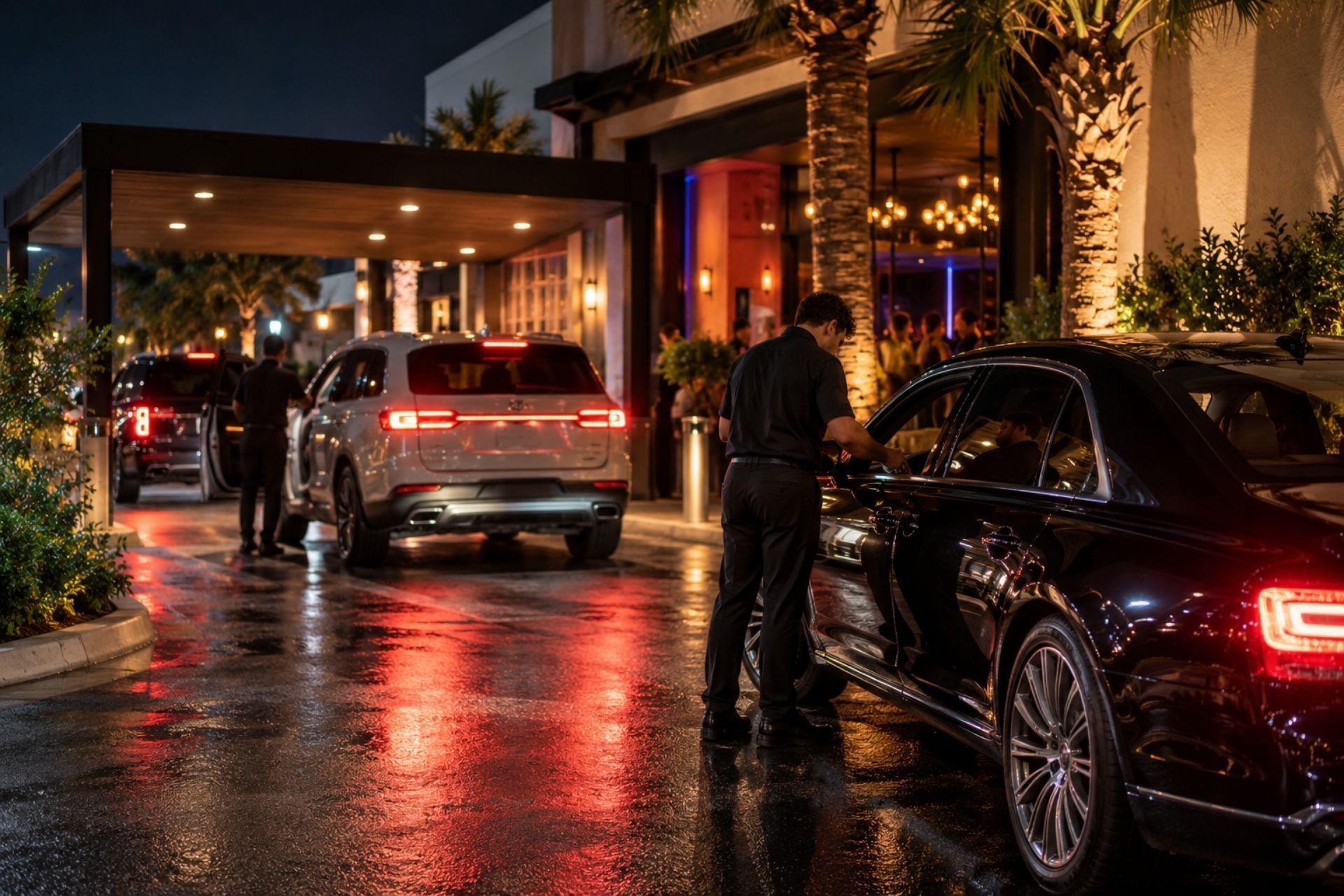
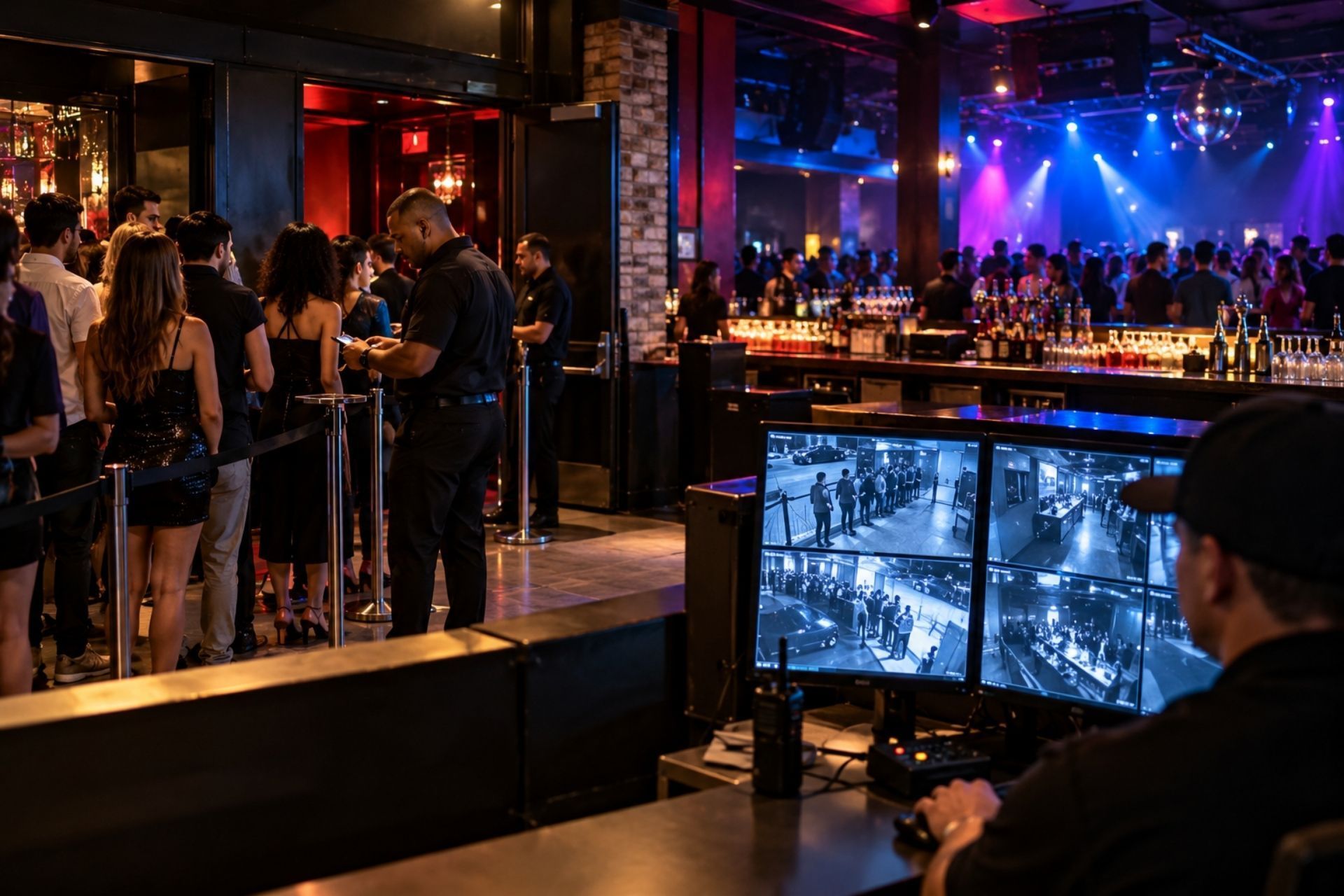
PA single uninsured assault claim can easily reach $250,000 to $500,000 when you factor in medical expenses, legal defense, lost wages, and pain-and-suffering damages. Jury awards in nightclub assault cases have exceeded seven figures with increasing frequency. Without A&B coverage, those costs come directly out of your business assets, and for most bar owners, that means closing the doors permanently.
A single overserved patron can cost a bar or restaurant hundreds of thousands of dollars, sometimes millions, before the case even reaches trial. Most owners know this on some level, but few fully grasp how dram shop laws distribute that risk across the business, its managers, and the individual bartender who poured the last drink. The financial exposure isn't theoretical: liquor liability insurance premiums have surged 25% to 40% in high-risk regions, and some venues are watching annual costs climb from a few thousand dollars into five figures. That's the market telling you something about the frequency and severity of these claims.
If you own or manage a bar, nightclub, restaurant, or any establishment that serves alcohol, understanding dram shop liability and the risks facing both servers and owners isn't optional. It's the difference between surviving a lawsuit and closing your doors. This guide breaks down how these laws work, what they mean for your staff and your balance sheet, and what you can actually do to protect yourself.
Understanding Dram Shop Liability and Your Business
Dram shop laws exist in most U.S. states, though they vary wildly in scope and severity. The core idea is straightforward: an establishment that serves alcohol to a visibly intoxicated person, or to a minor, can be held legally responsible for injuries or damages that person causes after leaving. The term "dram shop" dates back to 18th-century England, where gin was sold by the dram, but the modern legal framework is anything but quaint.
Some states impose strict liability, meaning the injured party only needs to prove the establishment served the intoxicated person. Others require proof of negligence, meaning the plaintiff must show the server knew or should have known the patron was intoxicated. Alabama, for example, recently overhauled its dram shop statute,
creating a new framework for liquor liability claims that shifted how courts handle these cases. The patchwork nature of state laws means a practice that's perfectly legal in Texas could trigger a six-figure lawsuit in Illinois.
The Legal Concept of Vicarious Liability
Vicarious liability is the mechanism that makes dram shop laws so dangerous for business owners. Even if you weren't behind the bar that night, even if you were on vacation in another state, you can be held financially responsible for your employee's decision to serve that last round. The legal theory is simple: the server was acting within the scope of their employment, so the employer bears the consequences.
This extends beyond direct employment in some jurisdictions. If you hire a catering company for a private event at your venue, you might still be on the hook. Courts have increasingly looked at who controlled the alcohol service, not just who signed the paychecks. For owners of nightclubs or entertainment venues, where alcohol revenue is the primary income stream, this creates a constant background risk that demands active management.
First-Party vs. Third-Party Claims
Two distinct types of claims arise under dram shop laws, and the distinction matters for your insurance coverage. Third-party claims are the most common: a drunk driver leaves your bar, causes an accident, and the injured victim sues your establishment. The injured person is the "third party" who had no relationship with your business.
First-party claims are trickier. Here, the intoxicated person themselves sues your establishment for injuries they sustained while drunk. Not every state allows first-party claims, and the
regulatory environment around alcohol liability continues to evolve, with several states debating new restrictions or expansions. In states that do permit first-party claims, the argument essentially boils down to: "You kept serving me when you shouldn't have, and I got hurt as a result." This can feel unfair to bar owners, but it's the law in roughly a dozen states.
Direct Risks for Business Owners and Staff
The consequences of a dram shop claim hit on multiple levels simultaneously. It's not just about writing a check to settle a lawsuit. The damage radiates outward, affecting your ability to operate, your staff's livelihoods, and your long-term viability as a business.
Financial Penalties and Legal Fees
A single dram shop claim can generate legal defense costs of $50,000 to $150,000 before any settlement or verdict. Verdicts themselves routinely reach six and seven figures. In wrongful death cases involving a drunk driver who was overserved, jury awards of $2 million to $10 million are not unusual.
Even if you win the case, the legal fees don't come back. And during the months or years the case drags on, your insurance premiums are climbing, your reputation is taking hits, and your management team is distracted by depositions and discovery requests.
Civil litigation trends show that social inflation continues to drive up verdict sizes, meaning juries are awarding larger amounts than they did even five years ago. The financial exposure is real and growing.
Liquor License Suspension and Revocation
Your liquor license is arguably your most valuable asset if you run a bar or nightclub. A dram shop incident can trigger a review by your state's alcohol beverage control board, and the consequences range from a temporary suspension to permanent revocation. Some states mandate automatic suspension after certain violations, particularly those involving service to minors.
Losing your license, even temporarily, can be fatal to a business. A 30-day suspension during peak season might cost you $50,000 to $100,000 in lost revenue, and your staff still needs to be paid or they'll find other jobs.
Alabama's liquor liability reform highlighted how states are rethinking the relationship between insurance requirements and licensing, making adequate coverage a prerequisite for keeping your doors open.
Personal Liability for Individual Servers
Here's something that surprises many bartenders and servers: in several states, the individual who poured the drink can be named personally in a lawsuit. This isn't just a theoretical risk. Servers have had personal judgments entered against them, and while most don't have significant assets, a judgment can follow them for years, affecting their credit and future employment.
Some states allow criminal charges against servers who serve minors, with penalties including fines and even jail time. This is why server training isn't just a nice-to-have for your business. It's a genuine protection for your employees' personal financial futures.
General Liability vs. Liquor Liability Insurance
Most business owners assume their general liability policy covers alcohol-related incidents. It doesn't. Standard commercial general liability policies contain an explicit liquor liability exclusion for businesses that manufacture, distribute, sell, or serve alcohol. If alcohol service is incidental to your business, like a software company hosting a holiday party, your GL policy might cover it. But if you're a bar, restaurant, or nightclub, you need a separate liquor liability policy.
This gap catches people off guard every year. A restaurant owner gets sued after a patron causes an accident, files a claim with their GL carrier, and gets a denial letter citing the liquor exclusion. By then, they're paying for legal defense out of pocket while scrambling to find coverage. GrayStone Insurance Group works with establishments in exactly this situation, helping high-risk venues find liquor liability coverage that traditional carriers often decline to write. Their brokers, averaging 20 years of industry experience, understand the nuances of placing coverage for nightclubs, late-night venues, and other operations that standard markets avoid.
Comparison of Coverage Types for Alcohol Service
| Feature | General Liability | Liquor Liability |
|---|---|---|
| Covers slip-and-fall injuries | Yes | No |
| Covers alcohol-related claims | No (excluded for alcohol businesses) | Yes |
| Third-party bodily injury from intoxicated patron | No | Yes |
| First-party claims (where state law allows) | No | Varies by policy |
| Assault/battery by intoxicated patron | Sometimes | Sometimes (endorsement needed) |
| Defense costs included | Yes | Yes |
| Typical annual premium range | $500 - $3,000 | $2,500 - $15,000+ |
| Required for liquor license | Varies by state | Increasingly required |
The premium range for liquor liability varies enormously based on your venue type, hours of operation, claims history, and state. A family restaurant that serves wine with dinner pays far less than a nightclub open until 4 a.m. with bottle service.
Strategies to Mitigate Dram Shop Exposure
Reducing your dram shop risk isn't about eliminating alcohol service. It's about building systems that protect you when something goes wrong, because eventually, something will.
Implementing Mandatory Server Training Programs
Certified responsible beverage service programs, like TIPS and ServSafe Alcohol, do two critical things. First, they teach your staff to recognize signs of intoxication and refuse service appropriately. Second, and this is the part most owners miss, completing certified training programs can serve as an affirmative defense in many states. If your server completed an approved training program and followed its protocols, some courts will view that favorably, even if the outcome was bad.
Make training mandatory for every employee who touches alcohol, not just bartenders. Servers, barbacks, door staff, and managers all play a role. Require recertification annually, not just at hire. Keep records of every training session, every certificate, and every refresher course. These records become evidence if you ever need them.
Standardizing Incident Reporting and Documentation
When a server cuts someone off, that interaction needs to be documented immediately. Create a standardized incident report form that captures the date, time, patron description, observable signs of intoxication, what was said, and what actions were taken. Have the server sign it. Have a manager countersign it.
This documentation serves as your contemporaneous record of responsible service. If that patron gets in an accident after leaving your establishment, you'll have timestamped evidence showing your staff acted responsibly. Without documentation, it's your server's memory against a plaintiff's attorney, and that's a fight you'll lose. GrayStone Insurance Group often advises clients that strong documentation practices can influence both claim outcomes and premium negotiations, since underwriters reward businesses that demonstrate proactive risk management.
Common Questions About Dram Shop Laws
Do all states have dram shop laws? Most do, but a handful, including Nevada and South Dakota, either don't have them or severely limit liability. Always check your specific state's statutes, because the rules change frequently.
Can I be sued if someone drinks at my bar and then gets hurt at home? Yes, in states that allow first-party claims. If the person was visibly intoxicated when served and later falls down their stairs, your establishment could face a lawsuit.
Does my homeowner's insurance cover me if I host a party where someone gets drunk? Generally no, especially if you charge for drinks or run any kind of organized event. Social host liability is a separate issue from commercial dram shop liability.
How long does someone have to file a dram shop claim? Statutes of limitations vary by state, typically ranging from one to three years from the date of the incident.
Will server training guarantee I won't be sued? No. Training reduces your risk and can strengthen your legal defense, but it doesn't make you immune to lawsuits. Think of it as one layer in a broader risk management strategy.
Can a server refuse to serve someone without the manager's approval? Yes, and they should be empowered to do so. Any policy requiring manager approval to cut someone off creates dangerous delays and potential liability.
The Bottom Line for Your Establishment
Dram shop liability creates real, measurable financial risk for every business that serves alcohol. The risks land on owners through vicarious liability and on individual servers through personal exposure in certain states. General liability insurance won't save you here: you need dedicated liquor liability coverage, and you need it before the first claim arrives.
The most effective protection combines proper insurance coverage with certified server training, consistent documentation, and a culture where cutting someone off is supported rather than second-guessed. If your current carrier is declining to renew your liquor liability policy or pricing you out of the market, agencies like GrayStone Insurance Group specialize in placing coverage for exactly these situations, particularly for nightlife and hospitality businesses that other insurers avoid.
Don't wait for a lawsuit to find out you're underinsured. Review your coverage, train your staff, and build the documentation habits that will protect your business, your employees, and your livelihood.
Search
INDEX
ABOUT THE AUTHOR:
CHAD KRAMER
I started GrayStone Insurance Group in 2018 with a simple conviction: the businesses everyone else turns away deserve a broker who won't. What began as a one-person operation has grown into a specialty commercial brokerage with offices across the country — but the mission hasn't changed. We find solutions for high-risk and hard-to-place businesses when other agencies run the other way.
I built this agency on integrity, hard work, and the tenacity to do the hard things well. Through our access to Excess & Surplus and specialty markets, my team and I place coverage standard carriers can't — and I treat every client's business like my own.
If you've been declined, non-renewed, or told your business is too complicated to insure, let's talk.