
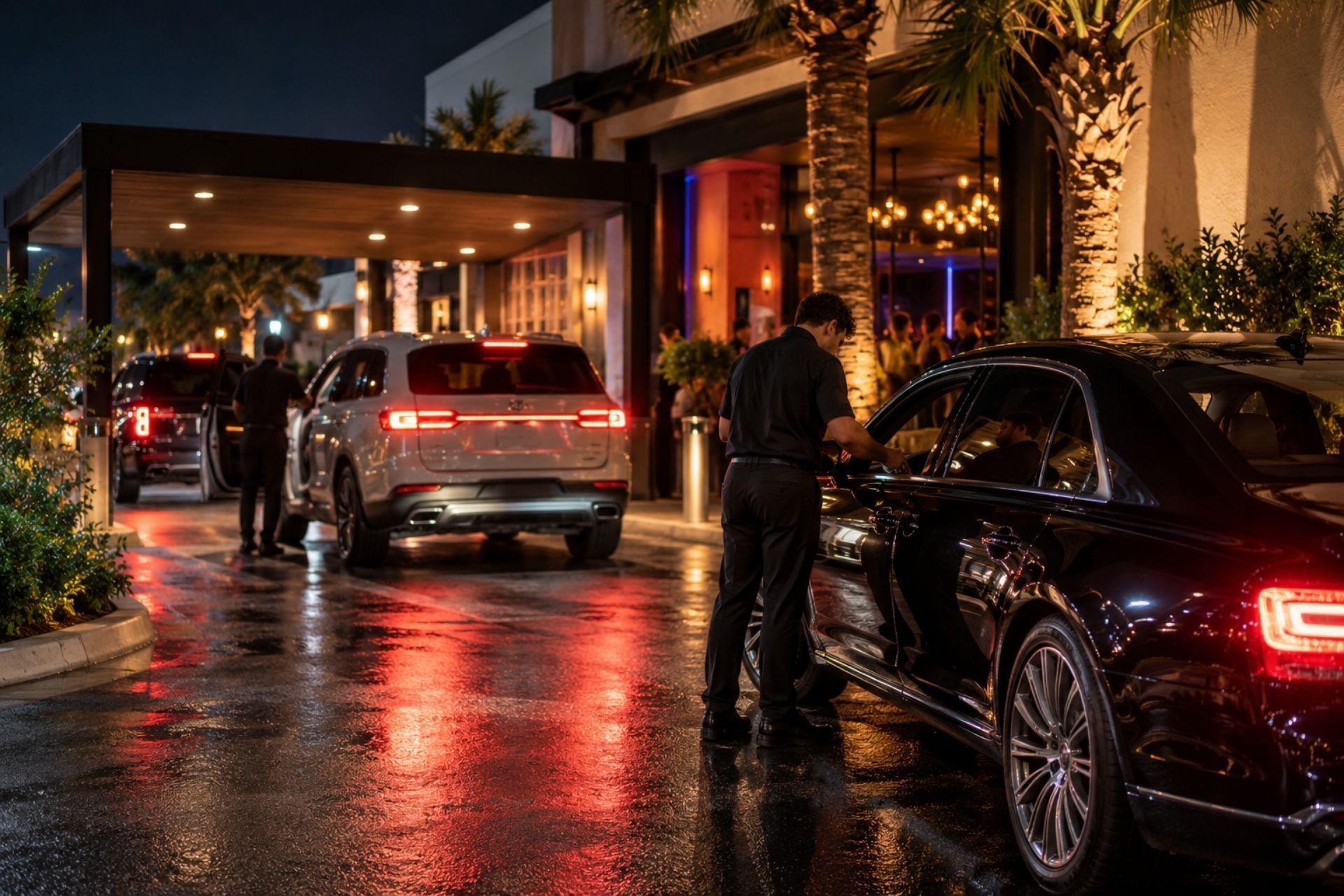
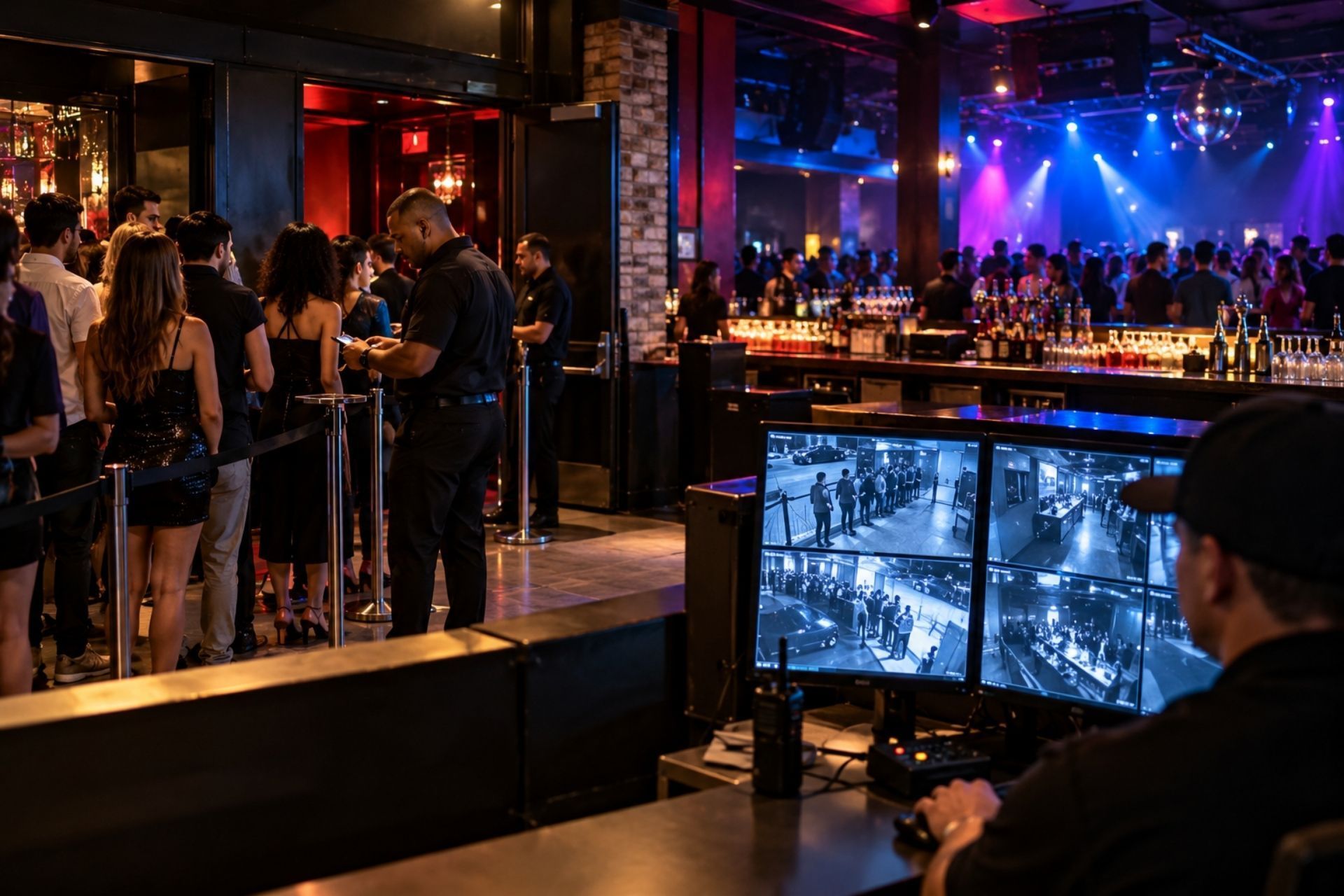
PA single uninsured assault claim can easily reach $250,000 to $500,000 when you factor in medical expenses, legal defense, lost wages, and pain-and-suffering damages. Jury awards in nightclub assault cases have exceeded seven figures with increasing frequency. Without A&B coverage, those costs come directly out of your business assets, and for most bar owners, that means closing the doors permanently.
A customer walks into your dealership, asks to test drive a new SUV, and five minutes later rear-ends someone at a stoplight. Who pays? The answer is more complicated than most dealers expect, and getting it wrong can cost six figures or more. Liability during test drives sits at a messy intersection of state law, insurance policy language, and dealership procedures. Most dealers assume the customer's personal auto insurance kicks in first, but that assumption falls apart in dozens of real-world scenarios: uninsured drivers, international buyers, customers with lapsed policies, or rideshare drivers whose personal coverage excludes commercial activity. The stakes have climbed in recent years as vehicle values rise and medical costs escalate. A 2026 industry outlook report found that average new vehicle transaction prices remain above $48,000, meaning even a minor fender-bender during a test drive can trigger a significant claim. Understanding dealer plate liability during test drives isn't just a legal formality: it's a financial survival skill. This guide breaks down how coverage works, where gaps hide, and what smart dealerships do to protect themselves.
Understanding Dealer Plate Liability During Test Drives
Dealer plates do more than just make a car street-legal for a spin around the block. They carry specific insurance implications that define who's responsible when things go wrong. The liability picture changes depending on whether the dealer or the customer is behind the wheel, what state you're operating in, and how your garage policy is structured.
Most states treat the dealership as the vehicle's owner during a test drive, which means the dealer's insurance is the primary backstop. That's a critical distinction, because it shifts the financial risk squarely onto the business rather than the customer.
How Dealer Plates Function as Mobile Insurance
Dealer plates are tied to the dealership's garage liability policy, not to any individual vehicle. When a car carries a dealer plate, the policy covering that plate extends to the vehicle for permitted uses, including test drives, lot transfers, and dealer-to-dealer transport.
Think of the plate as a portable insurance card. Wherever it goes, the dealership's coverage follows. But there's a catch: the coverage only applies to authorized uses. If a salesperson lends a dealer-plated car to a friend for a weekend trip, that use likely falls outside the policy's permitted scope, leaving a dangerous gap.
The Legal Responsibility of the Dealership
In most jurisdictions, the dealership bears primary liability for accidents during test drives. This principle stems from vicarious liability doctrines and vehicle owner responsibility laws. Even when the customer is driving, the dealer owns the car and authorized its use on public roads.
A notable exception emerged from federal law. The Graves Amendment (49 U.S.C. § 30106) was designed to shield rental and leasing companies from vicarious liability, and a
New York Court of Appeals ruling confirmed that it preempts certain state-level primary insurance requirements for vehicle lessors. Some dealers have tried to argue this applies to test drives, but courts have generally been skeptical of extending that protection to dealership scenarios where the dealer maintains control over the vehicle.
Types of Coverage for Test Drive Scenarios
Not all dealer insurance policies are created equal, and the wrong coverage mix can leave you exposed in exactly the situations that matter most.
Garage Liability vs. Garagekeepers Insurance
These two policies sound similar but cover completely different things. Garage liability protects the dealership against claims arising from its operations, including test drive accidents. If a customer crashes during a test drive and injures a pedestrian, garage liability responds.
Garagekeepers insurance, on the other hand, covers damage to customers' vehicles while they're in your care. If you're holding a trade-in and it gets damaged in a hailstorm or a lot accident, that's garagekeepers territory. Confusing the two is one of the most common mistakes we see dealers make, and it can leave a massive hole in your protection.
Uninsured and Underinsured Motorist Protection
Here's a scenario that plays out more often than you'd think: a test drive customer gets hit by an uninsured driver. Your garage liability policy covers injuries your driver causes to others, but what about injuries to the people inside your vehicle?
Uninsured/underinsured motorist (UM/UIM) coverage fills this gap. Some states mandate it on dealer policies, while others leave it optional. Skipping it to save on premiums is a gamble that looks smart right up until the moment it doesn't.
Comparison: Coverage Limits and Scope
| Coverage Type | What It Covers | Typical Limits | Test Drive Relevance |
|---|---|---|---|
| Garage Liability | Bodily injury and property damage from dealership operations | $1M-$2M per occurrence | Primary coverage for test drive accidents |
| Garagekeepers | Damage to customers' vehicles in dealer's care | $100K-$500K | Covers trade-ins on lot, not test drive vehicles |
| UM/UIM | Injuries when at-fault driver is uninsured | $250K-$1M | Protects occupants of test drive vehicle |
| Dealer Open Lot | Physical damage to dealer inventory | Varies by lot value | Covers the test drive vehicle itself |
| Umbrella/Excess | Claims exceeding primary policy limits | $1M-$10M | Critical for high-value claims |
The gap most dealers miss is between garage liability and dealer open lot coverage. Garage liability pays for damage you cause to others. Dealer open lot pays for damage to your own inventory. You need both.
What Happens When State Regulations Change
State-level regulatory shifts can upend how dealer plates and liability work overnight. Texas provides a perfect recent example: the state completed its transition to metal license plates issued at the point of sale in 2025-2026, effectively ending the old paper tag system that had been plagued by fraud. This change impacts how dealers manage temporary plates, track inventory, and document test drives.
For dealerships operating across multiple states, keeping up with these regulatory changes is a full-time job. Each state has its own rules about dealer plate usage, insurance minimums, and liability allocation. A policy that works perfectly in Ohio might leave you dangerously underinsured in California.
Risk Management Strategies for Dealerships
Smart dealers don't just buy insurance and hope for the best. They build systems that reduce the likelihood of claims in the first place.
Vetting Drivers and Verifying Personal Insurance
Before handing over the keys, every dealership should verify the customer's valid driver's license and check for active personal auto insurance. A quick look at an insurance card takes thirty seconds and can save you thousands.
Some dealerships have started running MVR (motor vehicle record) checks before test drives. This adds a few minutes to the process, but it flags customers with DUI convictions, suspended licenses, or patterns of at-fault accidents. The cost of an MVR check is roughly $3-$10 per pull: cheap insurance against a catastrophic claim.
The Importance of Test Drive Agreements
A signed test drive agreement isn't just paperwork. It's a legal document that establishes the terms under which the customer is operating your vehicle. A well-drafted agreement should specify the approved route, prohibit reckless driving, confirm the customer's insurance status, and include an indemnification clause.
That said, no waiver can fully eliminate liability. Courts have thrown out overly broad liability waivers, especially when the dealership was negligent in its own screening process. The agreement works best as one layer in a multi-layer risk management approach.
Common Questions About Test Drive Accidents
Who pays if I crash a car during a test drive? The dealership's garage liability policy typically responds first. Your personal auto insurance may also apply as secondary coverage, depending on your state and policy terms.
Can a dealership refuse to let me test drive? Yes. Dealerships can set their own requirements, including minimum age, valid license, proof of insurance, and even credit checks before allowing test drives.
What if the salesperson is in the car and gets injured? The salesperson would likely file a workers' compensation claim through the dealership. If a third party caused the accident, the dealership might also pursue a subrogation claim against that driver's insurance.
Am I liable if someone else hits me during a test drive? Generally no. The at-fault driver's insurance would cover your injuries. If they're uninsured, the dealership's UM/UIM coverage or your personal policy would apply.
Do dealer plates cover me if I drive the car home overnight?
Only if the dealership explicitly authorized the extended test drive. Unauthorized use can void coverage, leaving you personally liable.
How Dealerships Can Structure Better Insurance Programs
Most dealerships buy their insurance package once and forget about it until renewal. That's a mistake. Your risk profile changes as your inventory mix shifts, your sales volume fluctuates, and your state's regulatory environment evolves.
Working with a brokerage that specializes in complex commercial risks makes a real difference here. GrayStone Insurance Group, for instance, works with dealerships that have been turned down by standard carriers due to claim history or high-value inventory. Their brokers average 20 years of experience and understand the specific coverage gaps that trip up auto dealers.
The Role of the Customer's Personal Auto Policy
A common misconception is that the customer's personal insurance always covers test drive accidents. Reality is messier. Many personal auto policies include exclusions for vehicles "furnished or available for regular use" by the insured, which can complicate claims involving dealer inventory.
Some policies explicitly exclude coverage while operating a vehicle owned by a business. Others provide secondary coverage that only kicks in after the dealer's policy pays out. The variation is enormous, which is exactly why dealerships can't rely on the customer's policy as a safety net.
Emerging Risks: EVs, Autonomous Features, and High-Performance Models
Electric vehicles and cars with advanced driver-assistance systems introduce new liability questions during test drives. If a customer activates adaptive cruise control during a test drive and the system fails to brake, is that a product liability issue, a driver negligence issue, or both?
High-performance EVs with instant torque present another challenge. A customer unfamiliar with a 600-horsepower electric sedan can lose control in ways that wouldn't happen in a conventional vehicle. Some dealerships have started requiring brief orientation sessions before test drives of high-performance models, and a few have restricted test drive routes to lower-speed areas.
Why Umbrella Policies Matter More Than You Think
A single serious test drive accident can generate claims well beyond your primary garage liability limits. Medical costs for spinal injuries or traumatic brain injuries routinely exceed $1 million, and jury verdicts in auto accident cases have trended sharply upward.
An umbrella or excess liability policy provides an additional layer of protection above your primary coverage. For a dealership doing 50 or more test drives per week, a $5 million umbrella policy is not excessive: it's baseline prudent. GrayStone Insurance Group uses data-driven risk modeling to help dealers right-size their umbrella limits based on actual exposure rather than guesswork.
Protecting Your Assets and Reputation
Test drive liability isn't something you can afford to figure out after an accident happens. The dealerships that handle this well share a few traits: they verify every driver, they use signed test drive agreements, they carry adequate garage liability with appropriate UM/UIM limits, and they review their coverage annually.
One accident with insufficient coverage can do more than drain your bank account. It can destroy customer trust and generate the kind of negative press that follows a business for years. The cost of proper coverage is a fraction of the cost of being underinsured when a claim hits.
If your current insurance program hasn't been reviewed in the past 12 months, or if you've been declined by carriers due to your claims history, reach out to a brokerage with deep experience in high-risk commercial accounts. The right coverage structure turns a potential business-ending event into a manageable insurance claim, and that's exactly the kind of protection every dealer deserves.
Search
INDEX

ABOUT THE AUTHOR:
CHAD KRAMER
I started GrayStone Insurance Group in 2018 with a simple conviction: the businesses everyone else turns away deserve a broker who won't. What began as a one-person operation has grown into a specialty commercial brokerage with offices across the country — but the mission hasn't changed. We find solutions for high-risk and hard-to-place businesses when other agencies run the other way.
I built this agency on integrity, hard work, and the tenacity to do the hard things well. Through our access to Excess & Surplus and specialty markets, my team and I place coverage standard carriers can't — and I treat every client's business like my own.
If you've been declined, non-renewed, or told your business is too complicated to insure, let's talk.