
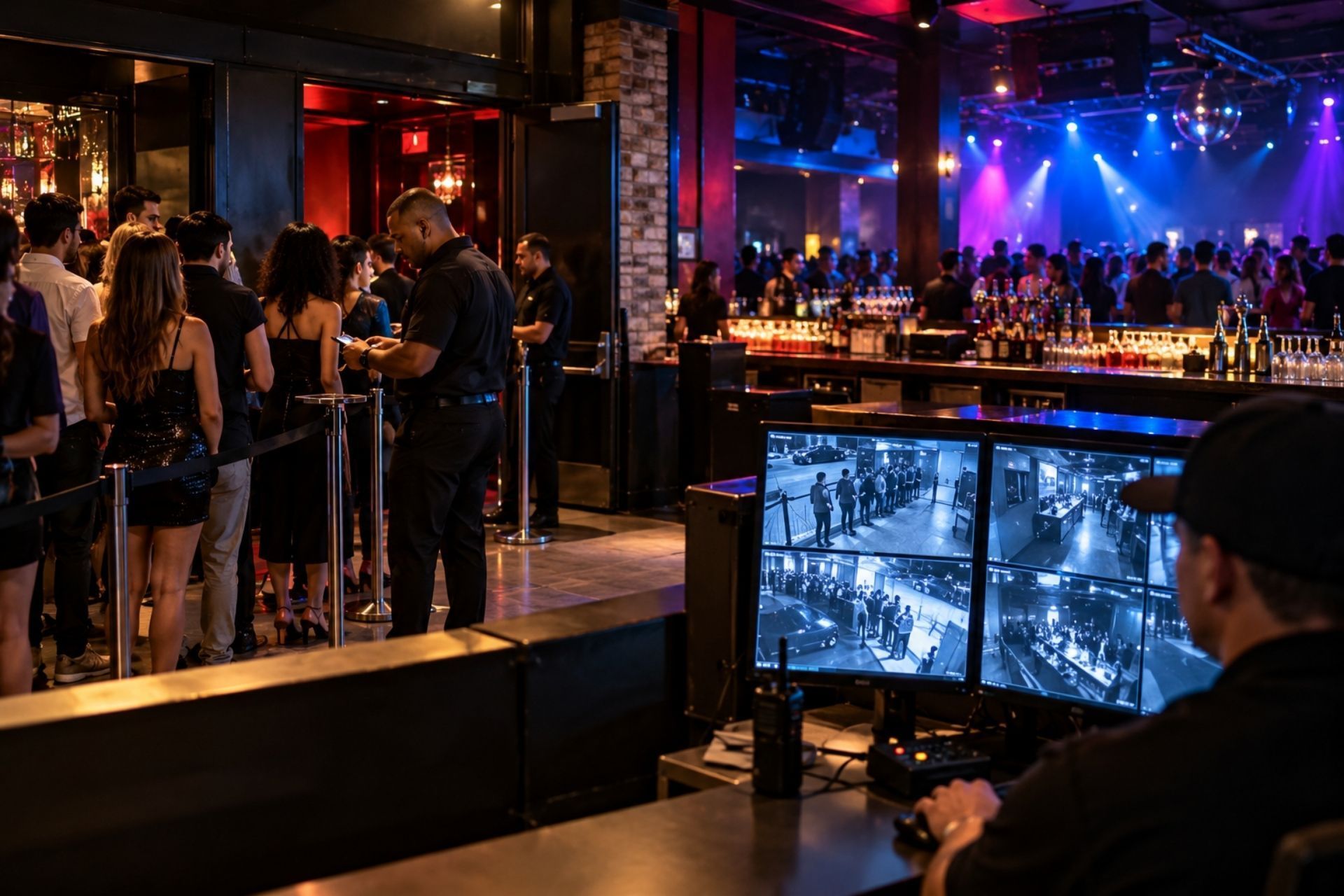
Not every establishment needs the same coverage structure. Your alcohol sales volume should directly inform your policy limits, endorsements, and risk management approach.
Comparison Table: Low vs. High Alcohol Sales Risk Profile
CStrategies to Lower Premiums with a Less-Than-Perfect Record
PA single uninsured assault claim can easily reach $250,000 to $500,000 when you factor in medical expenses, legal defense, lost wages, and pain-and-suffering damages. Jury awards in nightclub assault cases have exceeded seven figures with increasing frequency. Without A&B coverage, those costs come directly out of your business assets, and for most bar owners, that means closing the doors permanently.
A CBD brand that spent three years building a loyal customer base can lose everything in a single lawsuit. One contaminated batch, one exaggerated health claim on a label, one customer who ends up in the emergency room after an adverse reaction: that's all it takes. The legal exposure facing hemp and CBD companies in 2026 is unlike anything most other consumer product industries deal with. Federal regulation remains incomplete, state rules vary wildly, and the insurance market still treats these businesses as high-risk. Most founders in this space understand they're operating in a gray area, but few grasp just how quickly a product liability claim can escalate from a customer complaint to a six-figure legal battle. The reality is that product liability risks for CBD and hemp brands have only intensified as the market has matured and regulators have sharpened their focus. If you're manufacturing, distributing, or even just white-labeling hemp-derived products, the legal and financial exposure you carry is significant, and it's growing. This piece breaks down where the real dangers are, what kind of coverage actually protects you, and how to build a risk management strategy that keeps your business alive when something goes wrong. Because something eventually will.
The Evolving Landscape of CBD and Hemp Product Liability
The 2018 Farm Bill opened the floodgates for hemp-derived products, but it didn't create a clear regulatory framework for consumer safety. That gap has created a patchwork of state laws, FDA enforcement actions, and private lawsuits that make this industry one of the most legally complex in the consumer goods space. In 2025 and into 2026, we've seen a notable uptick in class action lawsuits targeting CBD brands for misleading labels, undisclosed ingredients, and products that caused adverse health effects.
What makes CBD and hemp liability unique is the intersection of food, drug, and supplement law. The FDA still hasn't established a formal regulatory pathway for CBD in food and dietary supplements, which means brands are essentially operating without a safety net of approved standards. Courts have increasingly held manufacturers to strict liability standards, meaning a plaintiff doesn't even need to prove negligence: they just need to show the product was defective and caused harm.
Common Causes of CBD Product Claims
Most product liability claims against CBD companies fall into a few predictable categories. The first and most common is adverse health reactions, where a consumer experiences nausea, liver issues, drug interactions, or allergic responses. The second is mislabeling: a product that claims to contain a certain amount of CBD but actually contains far more THC than advertised, or far less CBD than promised.
Failure-to-warn claims are another major category. If a product doesn't include adequate warnings about potential drug interactions or side effects, the manufacturer can be held liable even if the product itself isn't technically defective. There are also breach of warranty claims, where marketing materials or packaging make implied or express promises about therapeutic benefits that the product doesn't deliver.
The Role of the FDA and State Regulations
The FDA's position on CBD has been frustratingly ambiguous for years, but enforcement hasn't been. The agency has issued dozens of warning letters to companies making unapproved health claims, and those letters often serve as Exhibit A in subsequent lawsuits. State attorneys general have also become more aggressive, with states like California, New York, and Oregon pursuing enforcement actions against brands selling mislabeled or contaminated products.
Some states have created their own testing and labeling requirements that go beyond anything the FDA mandates. If you're selling across state lines, you need to comply with the strictest applicable standard, not just your home state's rules. Ignorance of a particular state's regulations is not a defense that holds up in court.
Critical Risk Factors for Hemp-Derived Products
The risk profile for hemp brands is shaped by factors that don't apply to most consumer products. Supply chain opacity, inconsistent agricultural practices, and the chemical complexity of hemp extraction all create vulnerabilities that traditional product liability frameworks weren't designed to address. A single crop grown in contaminated soil can introduce heavy metals into an entire product line, and the brand whose name is on the label bears the legal responsibility.
Mislabeling and Health Claim Violations
Roughly 60% of hemp-derived THC products tested in 2024 contained significantly more or less THC than stated on the label. That number should alarm every brand owner reading this. Mislabeling isn't just a regulatory headache: it's a direct pathway to strict liability claims. A consumer who unknowingly ingests a product with elevated THC levels and then fails a drug test, gets into a car accident, or has a psychotic episode has a strong legal claim against the manufacturer.
Health claim violations are equally dangerous. Brands that market their products as treatments for anxiety, pain, insomnia, or inflammation without FDA approval are making drug claims. Those claims expose companies to both regulatory action and private lawsuits from consumers who relied on those promises and didn't get the results they expected, or worse, experienced harm.
Product Contamination and THC Thresholds
Contamination issues in hemp products go beyond THC levels. Pesticide residues, heavy metals like lead and arsenic, residual solvents from extraction processes, and microbial contaminants like mold and E. coli have all been found in commercially available CBD products. Each of these represents a potential product liability claim waiting to happen.
The 0.3% THC threshold established by the Farm Bill creates its own problems. Hemp plants can produce THC levels that fluctuate based on growing conditions, harvest timing, and extraction methods. A batch that tested compliant at the farm level can concentrate above the legal limit during processing. Brands that don't test finished products are essentially gambling with their customers' safety and their own legal exposure.
Comparing Coverage: General Liability vs. Product Liability
Many CBD business owners assume their general liability policy covers product-related claims. It doesn't, or at least not adequately. Here's how the two types of coverage differ:
| Feature | General Liability | Product Liability |
|---|---|---|
| Covers | Bodily injury/property damage on premises | Harm caused by your product after sale |
| Typical Claims | Slip-and-fall, property damage | Adverse reactions, contamination, mislabeling |
| Scope | Limited to business operations | Extends to product use by consumers |
| Cost for CBD Brands | $500-$2,000/year | $3,000-$15,000+/year |
| Required by | Most landlords and vendors | Retailers, distributors, and some states |
| Exclusions | Often excludes ingestibles | Varies: many standard carriers exclude cannabis |
A general liability policy might cover someone who slips on your retail floor, but it won't cover a customer who has a severe allergic reaction to your CBD tincture. Product liability coverage is specifically designed for claims arising from the use of your products, and for CBD brands, it's not optional: it's essential.
Why Standard Carriers Often Decline CBD Businesses
Most major insurance carriers still classify CBD and hemp as high-risk or outright excluded categories. The reasons are straightforward: regulatory uncertainty, limited claims history data, and the potential for large class action suits. Many standard carriers that do write policies for CBD companies include exclusions that gut the coverage, leaving brands exposed exactly when they need protection most.
This is where working with a specialized broker matters enormously. GrayStone Insurance Group, for example, has brokers with decades of experience placing coverage for hard-to-insure industries, including CBD and hemp. They understand which carriers actually provide meaningful coverage versus those that offer policies full of exclusions that won't hold up when a claim hits.
Mitigating Risk Through Quality Control and Documentation
The best insurance policy in the world won't save a brand that has no quality control infrastructure. Insurers evaluate your risk profile based on your manufacturing processes, testing protocols, and documentation practices. Brands with strong quality control programs pay lower premiums and have an easier time finding coverage in the first place.
The Importance of Certificates of Analysis (COAs)
A Certificate of Analysis from an accredited third-party lab is the single most important document in your risk management arsenal. COAs verify cannabinoid content, confirm THC levels are within legal limits, and screen for contaminants. Every batch of every product should have a current COA, and those COAs should be readily accessible to consumers, retailers, and insurers.
Brands that skip batch-level testing or rely on outdated COAs are creating enormous legal exposure. In a product liability lawsuit, the first thing a plaintiff's attorney will request is testing documentation. If you can't produce a COA for the specific batch that allegedly caused harm, you've essentially handed the plaintiff their case.
Managing Third-Party Supplier Risks
Most CBD brands don't grow their own hemp or operate their own extraction facilities. They rely on third-party suppliers, and that creates a chain of liability that can be difficult to manage. If your supplier provides contaminated raw material and you turn it into a finished product, you're both potentially liable: but the consumer is coming after the name on the label first.
Require certificates of insurance from every supplier. Include indemnification clauses in your supply agreements. Conduct periodic audits of your suppliers' facilities and testing protocols. These steps won't eliminate third-party risk entirely, but they create a defensible paper trail and shift some of the financial exposure back to the responsible party.
Common Questions About CBD Insurance
- Do I need product liability insurance if I only sell CBD topicals? Yes. Topicals can still cause allergic reactions, skin irritation, or other adverse effects. Any product applied to the body carries liability risk.
- Can I get product liability coverage if my state hasn't legalized CBD sales? Coverage availability depends on the legality of your specific products. Hemp-derived CBD with less than 0.3% THC is federally legal, but some states impose additional restrictions.
- How much product liability coverage do CBD brands typically carry? Most carry $1 million per occurrence with a $2 million aggregate. Larger brands or those selling to major retailers often need $5 million or more.
- Will my product liability policy cover a recall? Not automatically. Product recall coverage is usually a separate endorsement that needs to be added to your policy.
- Does product liability insurance cover legal defense costs?
Yes, most policies cover defense costs in addition to the policy limits, meaning your legal fees don't eat into your coverage amount.
How GrayStone Helps High-Risk CBD Brands Find Coverage
Finding an insurer willing to write a meaningful policy for a CBD brand requires industry-specific knowledge and carrier relationships that most general insurance agents simply don't have. GrayStone Insurance Group uses data-driven risk modeling to match CBD brands with carriers that understand the industry, resulting in faster placements and more accurate pricing. Their 94% client retention rate reflects the kind of ongoing support that high-risk businesses need: not just a policy placement, but a long-term risk management partnership.
State-by-State Compliance Adds Complexity
A CBD brand selling online ships to dozens of states, each with its own rules about labeling, THC limits, and permitted product types. California requires specific Proposition 65 warnings. Oregon mandates third-party testing. Some states ban certain product formats entirely. Compliance failures in any single state can trigger both regulatory penalties and product liability claims from consumers in that jurisdiction.
The Cost of Going Uninsured or Underinsured
A single product liability lawsuit can easily cost $100,000 to $500,000 in legal defense alone, even if you win. A class action or a claim involving serious injury can reach into the millions. Brands operating without adequate coverage are one bad batch away from bankruptcy. The premium for a solid product liability policy is a fraction of what a single claim would cost.
Building a Long-Term Risk Management Strategy
Risk management for CBD brands isn't a one-time exercise. It requires ongoing attention to testing protocols, supplier relationships, labeling compliance, and insurance coverage. Review your COAs quarterly. Audit your suppliers annually. Update your insurance as your product line or distribution channels change. The brands that survive long-term in this industry are the ones that treat risk management as a core business function, not an afterthought.
Protecting Your Business Longevity
The product liability risks facing CBD and hemp companies aren't going away. If anything, increased regulatory scrutiny and a more informed consumer base will make claims more frequent and more expensive in the years ahead. The brands that thrive will be those that invest in rigorous testing, maintain transparent documentation, and carry insurance coverage that actually responds when a claim hits.
If your current broker can't explain exactly what your policy covers and what it excludes for your CBD products, it's time to find one who can. GrayStone Insurance Group works with businesses in hard-to-place industries every day, and their team can help you identify gaps in your current coverage before a claim exposes them for you. Protecting your business starts with understanding your risk: and then doing something about it.
Search
INDEX

ABOUT THE AUTHOR:
CHAD KRAMER
I started GrayStone Insurance Group in 2018 with a simple conviction: the businesses everyone else turns away deserve a broker who won't. What began as a one-person operation has grown into a specialty commercial brokerage with offices across the country — but the mission hasn't changed. We find solutions for high-risk and hard-to-place businesses when other agencies run the other way.
I built this agency on integrity, hard work, and the tenacity to do the hard things well. Through our access to Excess & Surplus and specialty markets, my team and I place coverage standard carriers can't — and I treat every client's business like my own.
If you've been declined, non-renewed, or told your business is too complicated to insure, let's talk.