
PA single uninsured assault claim can easily reach $250,000 to $500,000 when you factor in medical expenses, legal defense, lost wages, and pain-and-suffering damages. Jury awards in nightclub assault cases have exceeded seven figures with increasing frequency. Without A&B coverage, those costs come directly out of your business assets, and for most bar owners, that means closing the doors permanently.
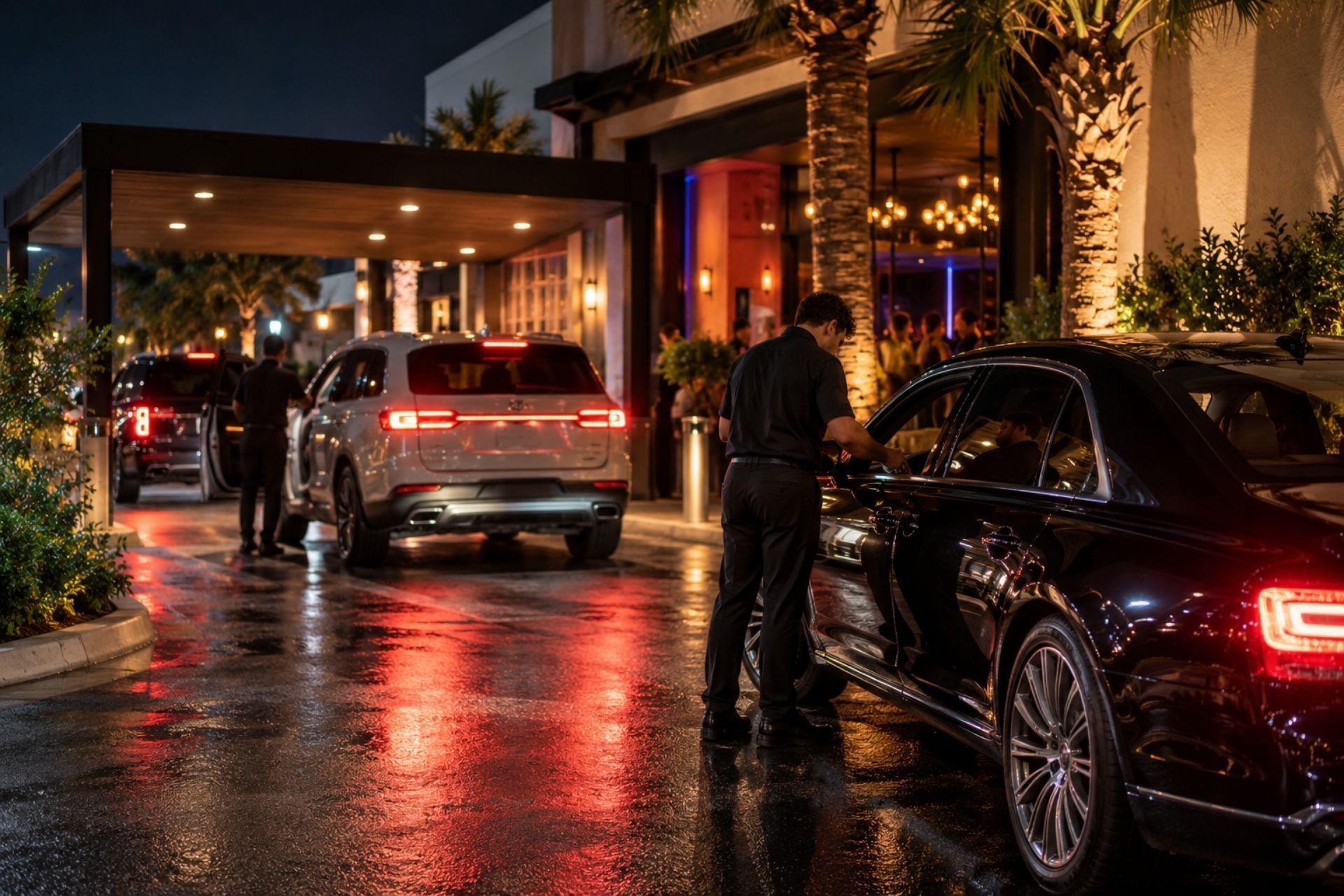
A nightclub owner in Miami recently learned a $1.2 million lesson when a bouncer broke a patron's jaw during a removal gone wrong. The club's general liability policy? It had an assault and battery exclusion buried on page 47. The insurer denied the claim entirely, and the owner was left covering the settlement out of pocket. This scenario plays out more often than most nightclub operators realize, and the financial consequences can be devastating.
If you run a nightclub, bar, or any late-night venue, your insurance policy likely contains language that could leave you exposed the moment a physical altercation occurs on your property. The assault and battery exclusions nightclubs should watch for aren't always obvious, and they vary dramatically between carriers. Some policies exclude all assault-related claims. Others carve out narrow exceptions that sound protective but collapse under scrutiny. Understanding exactly what your policy says, and what it doesn't say, is the difference between surviving a lawsuit and closing your doors. The median award in personal injury cases has risen by over 30% in the last year alone, fueling a surge in nuclear verdicts that can obliterate a small business overnight.
Understanding Assault and Battery Exclusions in Nightclub Insurance
Most nightclub owners assume their general liability policy covers everything that happens on the premises. That assumption is wrong, and it's expensive. Assault and battery exclusions are specific policy provisions that remove coverage for claims arising from physical altercations, whether those altercations involve patrons, staff, or security personnel. These exclusions exist because insurers view nightclubs as inherently high-risk environments where alcohol, crowds, and late hours create a volatile mix.
The tricky part is that these exclusions don't always announce themselves clearly. Some are written as broad blanket exclusions. Others appear as sublimits that cap coverage at amounts far too low to cover a real lawsuit. A policy might technically "cover" assault claims but limit payouts to $25,000, which won't even cover legal defense costs in most jurisdictions.
The Difference Between Assault and Battery in a Policy
Insurance policies often treat assault and battery as a single combined exclusion, but the legal definitions matter. Assault is the threat of harm: making someone reasonably fear imminent physical contact. Battery is the actual unwanted physical contact. A bouncer who raises a fist and shouts a threat commits assault. If the fist connects, that's battery.
Why does this distinction matter for your policy? Some exclusions only apply to battery, meaning they exclude actual physical harm but might still cover claims based solely on threats or intimidation. Other policies lump both together and exclude everything. Reading the exact language is critical because a single word can determine whether a six-figure claim gets paid or denied.
Why Standard General Liability Often Falls Short
Standard commercial general liability policies are designed for slip-and-fall incidents, property damage, and advertising injuries. They're built for retail stores and office buildings, not venues where 500 people are drinking until 2 a.m. Most standard CGL forms include some version of an "expected or intended" injury exclusion, which insurers routinely use to deny assault-related claims.
The argument goes like this: if your security staff intentionally used force, the resulting injury was "expected or intended," and therefore excluded. Even if the bouncer was acting in self-defense or protecting other patrons, the insurer can argue the physical contact was deliberate. This is where nightclub owners get blindsided. They hired security specifically to maintain order, and the policy punishes them for it. GrayStone Insurance Group sees this gap regularly with new clients who come in after a denied claim, shocked that their existing policy left them uncovered.
Common Exclusion Clauses That Increase Risk
Not all exclusion clauses look the same. Some are straightforward, while others require a trained eye to spot. Knowing which exclusions to flag during your policy review can save you from catastrophic out-of-pocket costs.
The 'Expected or Intended Injury' Loophole
This is the exclusion that catches the most nightclub owners off guard. Nearly every general liability policy contains language excluding bodily injury that is "expected or intended from the standpoint of the insured." Insurers interpret this broadly. If a bouncer physically removes a patron and that patron gets hurt, the insurer will argue the bouncer intended the physical contact, making the injury expected.
Courts have split on how broadly this exclusion applies. Some states hold that the insured must have intended the specific harm, not just the act. Others side with insurers and apply the exclusion whenever force was deliberate. Your state's case law matters enormously here, and it's something most policy shoppers never think to check.
Negligent Hiring and Training Exclusions
Some policies go beyond excluding the assault itself and also exclude claims based on negligent hiring, negligent training, or negligent supervision of employees. This is a critical distinction. Even if a plaintiff sues your nightclub not for the assault directly but for failing to properly train your security team, this exclusion can still block coverage.
These exclusions are particularly dangerous because negligent hiring claims are among the most common theories plaintiffs use against nightclubs. A plaintiff's attorney will argue that you hired an unqualified bouncer, failed to train them on de-escalation, or didn't supervise them properly. If your policy excludes these derivative claims, you're exposed on multiple fronts.
Specific Exclusions for Security Personnel and Bouncers
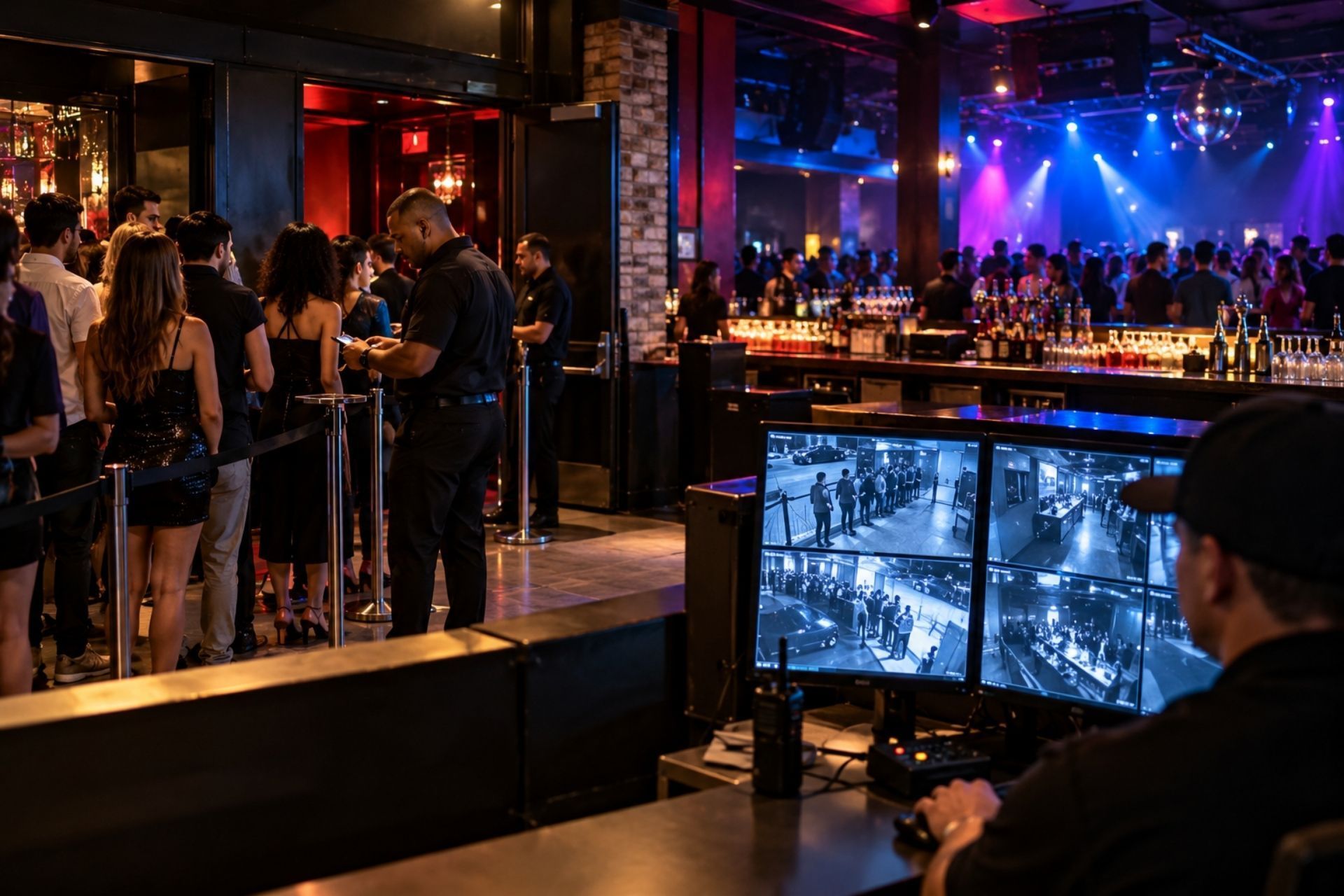
Some policies contain exclusions that specifically name security guards, bouncers, or door staff. These provisions exclude any claim arising from the actions of security personnel, regardless of whether those actions were reasonable or justified. A bouncer breaking up a fight between two patrons, getting a patron safely to the exit, or defending themselves from an attack: all excluded.
This type of exclusion essentially makes your security team an uninsured liability. Every interaction they have with a patron becomes a potential uncovered claim. If your policy contains this language, you need a different policy.
Comparing Coverage Levels for Physical Altercations
Understanding what you're buying requires comparing the actual coverage structures available.
Comparison: Full Exclusion vs. Buy-Back Endorsement
| Feature | Full Exclusion Policy | Buy-Back Endorsement Policy |
|---|---|---|
| Assault/battery claims | Not covered | Covered up to sublimit |
| Typical sublimit | $0 | $100,000 - $1,000,000 |
| Defense costs | Not covered | Usually included within limit |
| Negligent hiring claims | Not covered | Often covered |
| Bouncer actions | Limited or excluded | Covered (with conditions) |
| Annual premium impact | Lower base premium | 15-40% higher premium |
| Patron-on-patron fights | Not covered | Usually covered |
The buy-back endorsement adds assault and battery coverage back into a policy that would otherwise exclude it. The premium increase is real, but compare it to the cost of defending a single lawsuit without coverage. Defense costs alone can run $50,000 to $150,000 before a case even reaches trial.
How Alcohol Service Impacts Your Liability Exposure
Alcohol and violence are linked in ways that directly affect your insurance. Venues that serve alcohol face a compounding risk: not only can intoxicated patrons become violent, but your decision to serve them creates an additional layer of legal liability.
The Intersection of Liquor Liability and Assault Claims
Liquor liability and assault claims frequently overlap. A patron gets over-served, starts a fight, and injures another customer. The injured party sues your nightclub for both the assault and for negligently continuing to serve alcohol to someone who was visibly intoxicated. Your liquor liability policy might cover the over-service claim, but if your general liability has an assault exclusion, the physical injury claim gets denied.
This gap between liquor liability and general liability is where many nightclub claims fall through. Plaintiffs' attorneys know this and structure their lawsuits to exploit it. They'll file claims under multiple theories, knowing that at least one might fall outside your coverage. Working with a broker who understands how these policies interact, like the specialists at GrayStone Insurance Group who average 20 years in the market, can help you identify and close these gaps before they become lawsuits.
Common Questions About Nightclub Liability
Does my general liability cover bouncer-related injuries?
Usually not without a specific assault and battery endorsement. Most standard GL policies exclude injuries caused by intentional acts, and a bouncer physically removing someone is considered intentional. Check your policy for security personnel exclusions specifically.
What is an assault and battery 'buy-back'?
It's an endorsement that adds assault and battery coverage back into a policy that otherwise excludes it. Buy-backs typically come with sublimits ranging from $100,000 to $1,000,000 and may include defense costs within that limit, so the actual payout for damages could be lower than the stated limit.
Can I get coverage if my club has a history of fights?
Yes, but it will cost more and your options will be limited. Carriers that specialize in high-risk hospitality placements, including agencies like GrayStone Insurance Group, can often find coverage that standard carriers won't write. Expect higher premiums and potentially lower sublimits.
Will insurance pay if a customer starts the fight?
It depends on the policy language. Some assault and battery endorsements cover patron-on-patron violence. Others only cover claims where your staff is involved. The key question is whether the policy excludes all assault-related claims or only those involving your employees and agents.
The Bottom Line for Owners
The assault and battery exclusions that nightclubs need to watch for aren't just policy fine print: they're potential business-ending traps. A single denied claim can result in hundreds of thousands of dollars in legal fees and settlements that come directly from your revenue.
Here's what to do right now. Pull out your current policy and search for the words "assault," "battery," "expected or intended," and "security personnel." If you find exclusions in any of these areas, talk to your broker about a buy-back endorsement or a policy specifically designed for nightlife venues. Don't wait until a claim is filed to discover what your policy actually covers.
The cost of proper coverage is a fraction of what a single uninsured lawsuit will cost you. Get your policy reviewed by someone who understands nightclub risk, and make sure you're not paying premiums for a policy that won't be there when you need it most.
Search
INDEX
ABOUT THE AUTHOR:
CHAD KRAMER
I started GrayStone Insurance Group in 2018 with a simple conviction: the businesses everyone else turns away deserve a broker who won't. What began as a one-person operation has grown into a specialty commercial brokerage with offices across the country — but the mission hasn't changed. We find solutions for high-risk and hard-to-place businesses when other agencies run the other way.
I built this agency on integrity, hard work, and the tenacity to do the hard things well. Through our access to Excess & Surplus and specialty markets, my team and I place coverage standard carriers can't — and I treat every client's business like my own.
If you've been declined, non-renewed, or told your business is too complicated to insure, let's talk.