

Not every establishment needs the same coverage structure. Your alcohol sales volume should directly inform your policy limits, endorsements, and risk management approach.
Comparison Table: Low vs. High Alcohol Sales Risk Profile
CStrategies to Lower Premiums with a Less-Than-Perfect Record
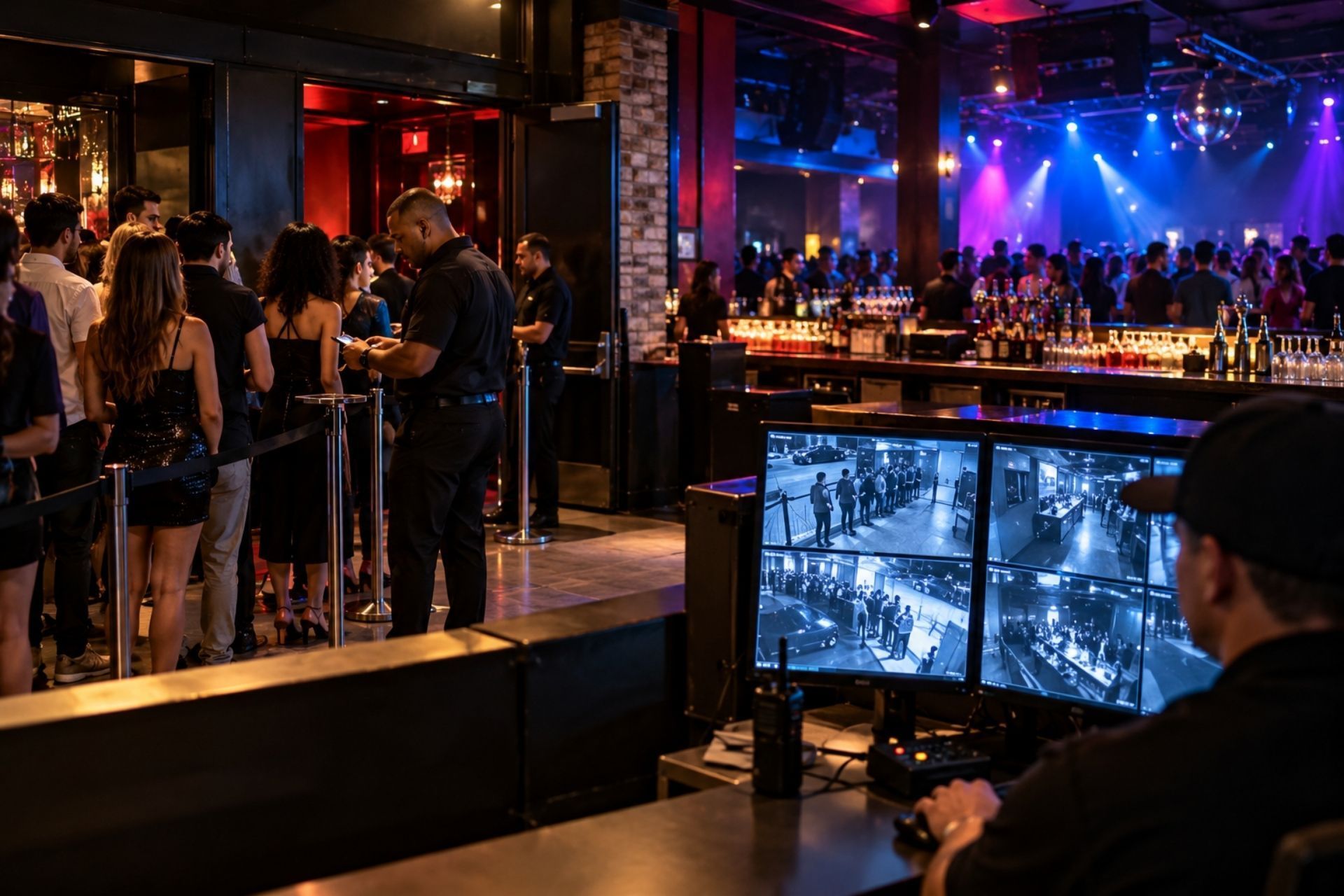
PA single uninsured assault claim can easily reach $250,000 to $500,000 when you factor in medical expenses, legal defense, lost wages, and pain-and-suffering damages. Jury awards in nightclub assault cases have exceeded seven figures with increasing frequency. Without A&B coverage, those costs come directly out of your business assets, and for most bar owners, that means closing the doors permanently.
Protecting your apartment buildings ahead of hurricane season is a process, not a single weekend project. Start with the physical inspection: roof, envelope, drainage, trees. Move to the financial side: review your deductibles, confirm your flood coverage, and make sure your loss of rental income limits actually match your rent roll. Then handle the human element: tenant communication plans, emergency contacts, and pre-loss documentation.
If your property has been declined by traditional carriers or you're seeing renewal increases that don't make sense, GrayStone Insurance Group specializes in placing coverage for exactly these situations. Their 94% client retention rate exists because they solve problems other agencies won't touch.
The 2026 season may be below-normal, but "below-normal" still means storms. The owners who act now are the ones who sleep through the first tropical storm warning of the year. The ones who wait are the ones filing claims.
CBD compliance isn't a one-time project. It's an ongoing discipline that touches every part of your business, from formulation to marketing to customer service. The brands that thrive in this market will be the ones that treat labeling accuracy and regulatory compliance as core business functions, not afterthoughts. Start with a label audit against current federal and state requirements. Get batch-specific COAs from accredited labs. Strip any language that even hints at medical claims. Then make sure your insurance program actually covers the products you're selling, because a policy full of exclusions is barely better than no policy at all. If you're running a CBD operation and struggling to find coverage that matches your actual risk profile, reach out to GrayStone Insurance Group. With a 94% client retention rate and deep experience insuring complex, high-risk businesses, they can help you build a coverage strategy that holds up when it matters most.
This table illustrates why
insurance costs vary so dramatically by region and risk profile. A basic policy might be cheaper upfront, but the out-of-pocket exposure after a hurricane can be catastrophic.
If you own or manage a portfolio of apartment buildings, you've probably noticed that getting insurance has become an exercise in frustration. Carriers that happily wrote your policies five years ago are now declining to quote, adding exclusions, or pricing you out of the market entirely. The problem isn't just you: it's structural. A combination of catastrophic weather losses, rising construction costs, and an increasingly litigious claims environment has made multi-family portfolios one of the hardest asset classes to insure. Average monthly multifamily insurance costs have climbed to roughly $68 - $70 per unit, representing a nearly 120% increase from just a few years ago. Understanding why apartment portfolios are difficult to place is the first step toward actually fixing the problem and keeping your properties covered.
The Rising Complexity of Insuring Multi-Family Portfolios
The insurance market for apartments has shifted dramatically since 2023. Carriers that once competed aggressively for multi-family business have pulled back, especially in states prone to hurricanes, wildfires, and severe convective storms. What used to be a straightforward renewal process now involves shopping across surplus lines markets, piecing together layered programs, and sometimes accepting coverage gaps that would have been unthinkable a decade ago.
The complexity multiplies with portfolio size. A single 50-unit building is manageable. A portfolio of fifteen buildings spread across three states, each with different construction types, ages, and tenant demographics, presents an underwriting puzzle that most standard carriers simply don't want to solve. The risk aggregation alone can exceed a carrier's appetite in a given geography.
This is why brokers with deep experience in hard-to-place risks, like GrayStone Insurance Group, have become essential partners for portfolio owners. Finding coverage isn't just about submitting applications anymore: it requires strategic positioning of your risk to the right markets.
Key Risk Factors Driving Market Hardening
Several forces are converging to make the apartment insurance market tighter than it's been in decades. No single factor tells the whole story, but together they explain why so many portfolios end up in the hard-to-place category.
Catastrophic Weather and Geographic Concentration
Insured catastrophe losses have exceeded $100 billion annually for several consecutive years. Hurricanes, hailstorms, and wildfires don't just damage individual buildings: they wipe out entire portfolios concentrated in a single metro area. A portfolio owner with twelve properties in coastal Texas or central Florida represents exactly the kind of aggregated risk that makes underwriters lose sleep.
Geographic concentration is the silent killer of insurability. Even if your buildings are well-maintained, having too many units in a single catastrophe-prone zone means one storm could trigger claims across your entire portfolio simultaneously. Carriers have responded by
tightening capacity in high-exposure markets and requiring higher deductibles, sometimes 5% or more of total insured value for wind and hail.
Aging Infrastructure and Deferred Maintenance
A significant portion of the U.S. apartment stock was built between 1960 and 1990. These buildings are now 35 to 65 years old, and many have plumbing, electrical, and roofing systems that are well past their expected useful life. Polybutylene piping, aluminum wiring, and flat roofs with original membranes are red flags that cause immediate declinations from most carriers.
Deferred maintenance compounds the problem. When owners skip roof replacements, delay plumbing upgrades, or defer electrical panel modernization, they're not just increasing the likelihood of a loss: they're signaling to underwriters that future claims are probable. A single water damage claim from a burst pipe can easily exceed $100,000, and portfolios with aging infrastructure tend to generate these claims repeatedly.
The Impact of Social Inflation on Liability Claims
Liability exposure has become just as problematic as property risk. Jury awards in premises liability cases have grown substantially, driven by what the industry calls social inflation: the tendency for juries to award larger verdicts, particularly against perceived "deep pocket" defendants like landlords and property management companies.
Slip-and-fall injuries, inadequate security claims, and habitability lawsuits are all trending upward in both frequency and severity. A single negligent security verdict can reach seven figures. Carriers are responding by reducing limits, adding assault-and-battery exclusions, and in some cases refusing to write liability coverage for portfolios with histories of violent incidents on-site.
Comparing Standard vs. Hard-to-Place Risk Profiles
Not every apartment portfolio ends up in the surplus lines market. Here's a quick comparison of what separates a standard-market risk from one that most carriers will decline:
| Risk Factor | Standard Market | Hard-to-Place |
|---|---|---|
| Building Age | Under 30 years | Over 40 years |
| Roof Condition | Replaced within 15 years | Original or 20+ years old |
| Loss History | 0-1 claims in 5 years | 3+ claims in 5 years |
| Geographic Spread | Multiple states/regions | Concentrated in one CAT zone |
| Occupancy Type | Market-rate, stable tenancy | Student housing, subsidized, or high turnover |
| Plumbing/Electrical | Updated systems | Polybutylene, aluminum wiring |
| TIV (Total Insured Value) | Under $50M | Over $100M in one state |
If your portfolio checks two or more boxes in the "Hard-to-Place" column, you're likely facing a difficult placement. Three or more, and you're almost certainly looking at surplus lines or a layered program.
How Valuation Gaps Create Underwriting Hurdles
One of the most overlooked reasons apartment portfolios get declined or mispriced has nothing to do with weather or claims history. It's the gap between what owners think their buildings are worth and what it would actually cost to rebuild them.
Replacement Cost vs. Market Value Discrepancies
Owners often confuse market value with replacement cost, and the difference can be enormous. A 1975-era garden-style apartment complex might have a market value of $8 million based on its income stream, but the replacement cost to rebuild it to current code could be $14 million or more. When owners insure to market value, they're effectively self-insuring the gap, and carriers know it.
Underwriters want to see accurate replacement cost estimates, not Zillow valuations or purchase prices. When the numbers don't add up, carriers either decline to quote or add coinsurance penalties that leave owners exposed after a loss.
The Role of Inflation in Construction Costs
Construction costs have risen sharply across the multifamily sector, driven by labor shortages, material price increases, and new building code requirements. What cost $150 per square foot to build in 2019 might cost $225 or more in 2026. This inflation directly affects replacement cost valuations and, by extension, premium calculations.
Many portfolio owners haven't updated their insured values in years. They're carrying coverage based on outdated appraisals, which creates a double problem: they're underinsured if a loss occurs, and underwriters who spot the discrepancy flag the account as poorly managed. Keeping valuations current isn't optional: it's a prerequisite for getting competitive quotes.
Common Questions About Apartment Insurance Challenges
Why is my apartment portfolio getting non-renewed even though I haven't filed claims? Carriers don't just look at your loss history. They assess aggregate exposure in your geographic area. If your buildings sit in a zone where the carrier has already accumulated too much risk, they'll shed accounts regardless of individual performance.
Can I insure all my buildings under one policy? Yes, a portfolio or blanket policy is common. But carriers may exclude specific properties that don't meet their underwriting standards, forcing you to find separate coverage for those buildings.
What's the difference between admitted and surplus lines coverage? Admitted carriers are regulated by state insurance departments and backed by guaranty funds. Surplus lines carriers operate with more flexibility on pricing and terms but aren't backed by those same guaranty funds. Hard-to-place portfolios often end up with surplus lines carriers.
How much does apartment portfolio insurance cost in 2026? It varies wildly, but insurance costs continue to strain housing budgets across the board. Expect to pay $60-$100+ per unit per month depending on location, building age, and loss history.
Should I raise my deductible to lower premiums? Sometimes. Moving from a $10,000 to a $25,000 deductible can meaningfully reduce premiums, but make sure you can absorb those costs across multiple properties if several claims hit in the same year.
Improving Your Portfolio's Risk Profile
The good news: you're not powerless. Carriers respond to concrete improvements, and even incremental changes can shift your portfolio from "decline" to "quote."
Implementing Proactive Loss Control Measures
Start with the basics that generate the most claims. Install water leak detection systems in every unit: water damage is the number one source of apartment claims by both frequency and severity. Replace aging plumbing in buildings over 30 years old, even if it means phasing the work over two or three years.
Security improvements matter too. Camera systems, controlled-access entry, and adequate exterior lighting reduce both incidents and liability exposure. Document everything. Underwriters want to see maintenance logs, capital improvement plans, and evidence that you're actively managing risk rather than waiting for something to break.
Leveraging Data and Detailed Property Schedules
GrayStone Insurance Group uses AI-powered risk modeling to help portfolio owners present their risk in the most favorable light possible, and this approach reflects where the market is heading. Carriers increasingly expect detailed property schedules that go beyond basic square footage and construction type.
Your submission should include roof ages and replacement dates, plumbing and electrical system details, five-year capital expenditure plans, unit-level loss history broken down by cause, and current replacement cost appraisals. The more granular your data, the easier it is for underwriters to differentiate your portfolio from the hundreds of poorly documented submissions they decline every week. Owners who
track distress indicators and financial metrics closely tend to maintain better insurability over time.
The Bottom Line for Property Owners
Placing apartment portfolio insurance has become genuinely difficult, and the forces driving that difficulty: catastrophic weather, aging buildings, rising construction costs, and social inflation: aren't going away anytime soon. The owners who fare best are the ones who treat insurance as a year-round operational concern rather than a once-a-year renewal scramble.
Invest in your buildings, keep your data current, and work with a broker who understands hard-to-place risks at a structural level. GrayStone's team, with brokers averaging 20 years of market experience and a 94% client retention rate, specializes in exactly these kinds of complex placements. If your portfolio is getting declined or priced out of the standard market,
reach out to find a path forward before your next renewal deadline arrives. The worst time to start shopping is 30 days before expiration. The best time is right now.
Search
INDEX


ABOUT THE AUTHOR:
CHAD KRAMER
I started GrayStone Insurance Group in 2018 with a simple conviction: the businesses everyone else turns away deserve a broker who won't. What began as a one-person operation has grown into a specialty commercial brokerage with offices across the country — but the mission hasn't changed. We find solutions for high-risk and hard-to-place businesses when other agencies run the other way.
I built this agency on integrity, hard work, and the tenacity to do the hard things well. Through our access to Excess & Surplus and specialty markets, my team and I place coverage standard carriers can't — and I treat every client's business like my own.
If you've been declined, non-renewed, or told your business is too complicated to insure, let's talk.