
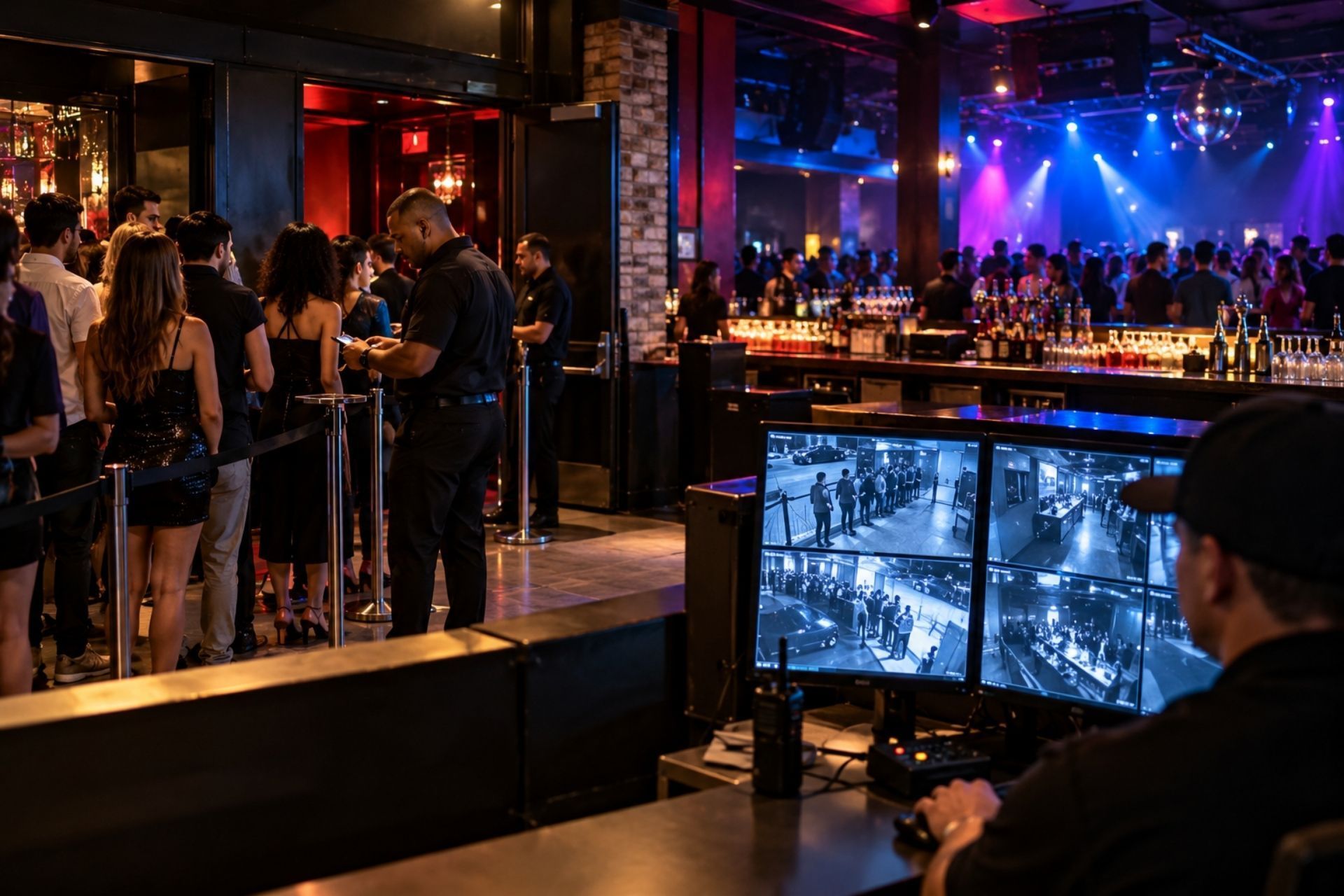
PA single uninsured assault claim can easily reach $250,000 to $500,000 when you factor in medical expenses, legal defense, lost wages, and pain-and-suffering damages. Jury awards in nightclub assault cases have exceeded seven figures with increasing frequency. Without A&B coverage, those costs come directly out of your business assets, and for most bar owners, that means closing the doors permanently.
A fire tears through your warehouse at 2 a.m. A hurricane rips the roof off your manufacturing facility. A truck crashes into the front of your restaurant. In the chaos that follows a major commercial loss, most business owners are running on adrenaline and instinct, and that's exactly when the most expensive mistakes happen. Knowing what to do after a large commercial claim can mean the difference between a full recovery and a financial spiral that takes years to escape. The first 72 hours shape everything: your settlement amount, your timeline to reopen, and whether your business survives at all. I've seen owners lose six figures simply because they didn't document damage before cleanup crews arrived. This guide covers the specific steps, roles, and decisions you'll face after a significant business loss, drawn from real-world claim scenarios in industries like construction, hospitality, nightlife, and manufacturing, where losses tend to be complex and stakes run high. If you're reading this in the middle of a crisis, skip to the section you need most. If you're reading it before disaster strikes, you're already ahead.
Immediate Steps to Take After a Major Incident
The first hours after a major loss set the tone for your entire claim. Every action you take, or fail to take, becomes part of the record. Think of this phase as building the foundation for a recovery that could stretch six to twelve months.
Your instinct will be to start cleaning up and calling contractors. Resist that urge until you've handled three things in order: safety, documentation, and notification. Getting these wrong creates gaps that insurance adjusters will notice, and those gaps cost money.
Prioritizing Safety and Site Security
Get everyone out. That sounds obvious, but in commercial settings, especially construction sites, warehouses, and nightlife venues, people sometimes re-enter damaged buildings to retrieve equipment, inventory, or records. Don't let them. If the building has structural damage, only a licensed engineer should clear it for re-entry.
Once people are safe, secure the site. This means fencing, boarding up openings, and posting signage. If you operate in a high-crime area or your business stores valuable inventory, hire a security guard for the first few days. The cost is minor compared to a theft claim layered on top of your property loss. Keep receipts for every security expense because these are typically reimbursable under your policy.
Mitigating Further Damage to Property
Your insurance policy includes a duty to mitigate, meaning you're required to take reasonable steps to prevent additional damage. A leaking roof needs tarps. Standing water needs pumps. Exposed inventory needs covering.
Here's where it gets tricky: you need to act fast, but you also need to document everything before you touch it. Take photos and video of the damage in its current state, then take more photos as you perform temporary repairs. Save every receipt. If your adjuster later questions whether a tarp rental or emergency plumber was necessary, your documentation is your defense.
Notifying Your Insurance Broker and Carrier
Call your broker first, not the carrier's 800 number. Your broker is your advocate and can guide you on how to frame the initial loss report. For high-risk businesses, this matters even more because the way a claim is reported can influence how the carrier approaches it. Firms like GrayStone Insurance Group, where brokers average 20 years of experience, can help you avoid early missteps that complicate the process later.
File your formal notice of loss within 24 hours if possible. Most commercial policies require "prompt" notice, and delays can give carriers grounds to reduce or deny coverage. Include only facts you're certain about. Don't speculate on cause or total loss amount yet.
Documenting Losses and Organizing Evidence
Creating a Comprehensive Photo and Video Record
Smartphone cameras are fine. What matters is thoroughness. Walk every affected area and capture damage from multiple angles. Photograph serial numbers on damaged equipment. Record video narration describing what you're seeing, including pre-loss conditions if you can recall them.
One step most owners skip: documenting what isn't damaged. This prevents disputes later about whether certain areas were affected. If you have pre-loss photos from marketing materials, social media, or security cameras, pull those together immediately. Claims preparation for complex recoveries depends heavily on the quality of your initial documentation.
Tracking Business Interruption and Lost Revenue
Business interruption losses often exceed property damage costs, yet owners consistently undercount them. Start tracking lost revenue from day one. This means daily sales records from prior years, canceled contracts, employee overtime for recovery efforts, and temporary relocation costs.
Business interruption coverage
has specific triggers and waiting periods that vary by policy. Some policies use a 72-hour waiting period; others tie coverage to physical damage restoration timelines. Know your policy's terms before you submit numbers. Business interruption remains
one of the top risk concerns for commercial enterprises globally, and for good reason: the financial exposure is enormous.
The Roles Involved in a Large Commercial Claim
Insurance Company Adjusters vs. Public Adjusters
This distinction confuses a lot of business owners. The insurance company adjuster works for your carrier. Their job is to evaluate the claim and determine what the policy covers. They're not your enemy, but their incentive structure doesn't perfectly align with yours.
A public adjuster works for you. They're licensed professionals who prepare, present, and negotiate your claim in exchange for a percentage of the settlement, typically 5% to 15%. For large commercial claims exceeding $500,000, a public adjuster often pays for themselves by catching line items and coverage provisions the carrier's adjuster might overlook.
Comparison: Internal Adjusters vs. Independent Advocates
| Factor | Insurance Company Adjuster | Public Adjuster |
|---|---|---|
| Works for | The insurance carrier | You, the policyholder |
| Cost to you | None (paid by carrier) | 5%-15% of settlement |
| Goal | Evaluate and settle claim per policy | Maximize your recovery |
| Documentation | Reviews what you submit | Helps prepare and organize |
| Negotiation | Presents carrier's position | Advocates for your position |
| Best for | Straightforward, smaller claims | Complex, high-value losses |
For high-risk businesses in industries like cannabis, nightlife, or trucking, where policy language tends to be more restrictive and exclusions more numerous, having an independent advocate review your claim is almost always worth the cost.
Navigating the Settlement and Repair Phase
Reviewing the Proof of Loss Statement
The proof of loss is a sworn statement you sign under oath, detailing the amount you're claiming. This is a legal document, and errors or exaggerations can result in claim denial or even fraud allegations. Take it seriously.
Review every line item against your documentation. If the carrier's estimate is lower than your actual losses, don't sign it under pressure. You have the right to dispute their figures, and in most states, you can submit your own proof of loss with supporting documentation. Commercial property claim delays frequently stem from disagreements at this stage, so expect some back-and-forth.
Managing Contractor Bids and Timelines
Get at least three bids from licensed contractors. Your carrier may recommend preferred vendors, but you're not obligated to use them. Compare bids carefully: the cheapest option often cuts corners that create problems months later, especially in construction or manufacturing facilities where code compliance matters.
Build a realistic timeline and share it with your adjuster. If repairs will take eight months, your business interruption claim needs to reflect that. Keep a written log of every delay, whether caused by permit issues, material shortages, or contractor scheduling. This log becomes evidence if you need to extend your business interruption claim period.
Common Questions After a Business Loss
How long does it take to get a check? (Usually several months for large claims, though you may get an advance for immediate needs.)
Most large commercial claims take three to nine months to fully settle. You can request an advance payment, sometimes called a partial or interim payment, for undisputed portions of the claim. Ask your broker to push for this early, especially if you need funds to cover payroll or temporary relocation.
Can I start cleaning up before the adjuster arrives? (Only do what is necessary to prevent more damage; keep all debris and take photos before moving anything.)
Do only what's necessary to prevent further damage. Don't throw anything away. Even burned or waterlogged inventory should be kept until the adjuster has inspected it. Photograph everything before moving it, and keep a log of what was moved and why.
What if the insurance offer is lower than my repair quotes? (You can dispute the findings by providing your own contractor estimates and documentation to your adjuster.)
This happens frequently. Submit your contractor estimates alongside a written explanation of why the carrier's numbers fall short. If you can't reach agreement, most policies include an appraisal clause that allows both sides to hire independent appraisers. This is faster and cheaper than litigation. The current commercial insurance market shows rates have been declining in early 2026, but that doesn't always translate to faster or more generous claim settlements.
Will my premiums go up after a large claim? (Often yes, but it depends on the cause of the loss and your claims history.)
Expect a premium increase at your next renewal, typically 10% to 30% for a single large claim. The increase depends on loss cause, your claims history, and market conditions. Businesses with strong risk mitigation plans in place before the loss tend to see smaller increases. Average cyber claim severity for large businesses nearly doubled in the last year, reaching $4.4 million per incident, which illustrates how quickly one event can reshape your insurance costs.
Do I have to use the insurance company's preferred contractors? (No, you generally have the right to choose your own licensed professionals for repairs.)
No. You have the right to hire your own licensed contractors in virtually every state. That said, using the carrier's preferred vendor can sometimes speed up the approval process. Weigh the tradeoff based on your specific situation and the quality of the recommended contractor.
Your Next Steps for Long-Term Recovery
Recovering from a major commercial loss isn't just about rebuilding walls and replacing equipment. It's about rebuilding your business's financial position and making sure you're better protected next time. Once your claim is settled, schedule a policy review with your broker. Gaps you didn't know existed before the loss are now painfully obvious, and this is the time to close them.
For businesses in high-risk industries, working with a brokerage that understands your specific exposures makes a real difference. GrayStone Insurance Group maintains a 94% client retention rate precisely because their team stays involved through the entire claim lifecycle, not just at policy renewal. If your current broker disappeared when you needed them most, that tells you something.
Start building your pre-loss documentation now: updated inventory lists, equipment schedules, revenue records, and site photos. The businesses that recover fastest from large commercial claims are the ones that were prepared before the loss ever happened. Don't wait for the next disaster to get organized.
Search
INDEX

ABOUT THE AUTHOR:
CHAD KRAMER
I started GrayStone Insurance Group in 2018 with a simple conviction: the businesses everyone else turns away deserve a broker who won't. What began as a one-person operation has grown into a specialty commercial brokerage with offices across the country — but the mission hasn't changed. We find solutions for high-risk and hard-to-place businesses when other agencies run the other way.
I built this agency on integrity, hard work, and the tenacity to do the hard things well. Through our access to Excess & Surplus and specialty markets, my team and I place coverage standard carriers can't — and I treat every client's business like my own.
If you've been declined, non-renewed, or told your business is too complicated to insure, let's talk.