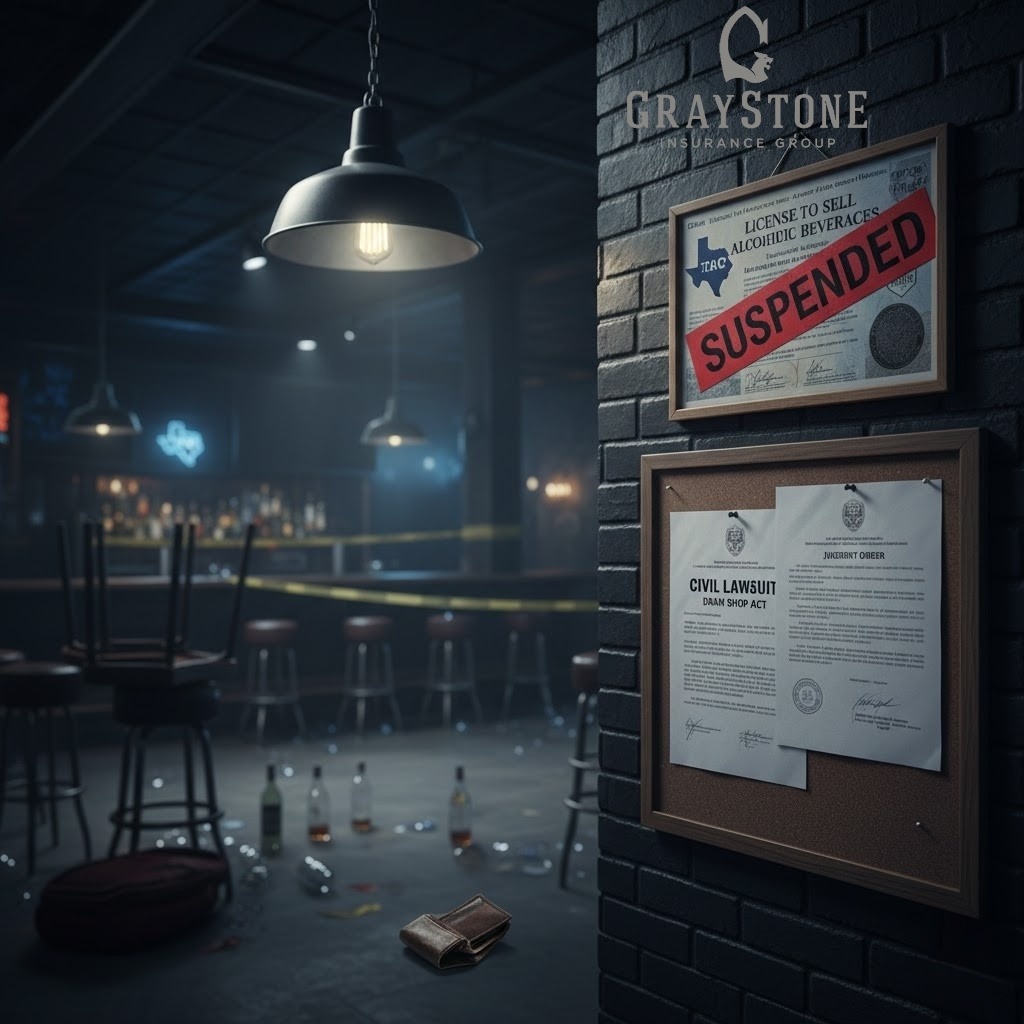
Texas liquor liability is a rule that says a business is responsible for what happens when they serve alcohol. If a bar serves a person who is clearly drunk, and that person causes a car crash, the bar has to pay. This matters because Texas has very strict laws. One accident can lead to a court case that costs more than the business is worth.
In our state, legal costs go up every year. Owners must understand the Texas Alcoholic Beverage Code to stay safe. For a restaurant owner, this is a part of staying open. Whether you have a small cafe or a big club, the risk is the same. Balancing sales and safety takes a lot of care. You have to watch every drink that goes across the bar.
The Texas Dram Shop Act is the law that says when a shop is at fault. The law says a shop is liable if the worker could see the person was “obviously intoxicated.” This means they were so drunk they were a danger to themselves or others. Also, the alcohol served must be the reason the damage happened.
Imagine a guest walks into a bar. They are stumbling and their speech is blurry. The worker gives them three more drinks. The guest then drives away and hits someone. The bar gave alcohol to a person who was clearly drunk. That alcohol caused the crash. A lawyer will sue the bar for the money to pay for the victim’s doctor bills. This is why “obvious intoxication” is the most important part of the law.
Texas has a special protection called the Safe Harbor defense. It is also called “Trained Server” protection. It says that the owner is not responsible for a worker’s mistake if the owner followed three rules.
This is a big deal for owners. It means if one worker breaks your rules, your whole business might not be sued. You just have to prove you trained them and told them to be safe. You need to keep all training papers in a folder. You also need a written book of rules for your staff. This helps create a safe place to work.
Any business that sells or serves alcohol can be sued. This includes bars and restaurants. It also includes grocery stores, hotels, and sports stadiums. The law helps victims get money from businesses that have insurance. Often, a drunk driver has no money. So, the victim’s lawyer will look at the bar’s history to find someone who can pay.
People who throw parties at home have different rules. Usually, a home host is only in trouble if they serve alcohol to a minor who is not their child. But for a business owner, the risk is much higher. Any person who sells alcohol for money is being watched by the TABC and the courts.
|
Type of Business |
Risk Level |
Why? |
|
Nightclubs |
High |
Late hours and high volume of drinks. |
|
Sports Bars |
High |
Large crowds and fast-paced service. |
|
Fine Dining |
Medium |
Fewer drinks per person but higher lawsuits. |
|
Liquor Stores |
Medium |
Risk of selling to minors or those already drunk. |
The penalties are very tough. First, there are civil costs. This is money paid to victims for their bills and pain. These can be millions of dollars. Second, the TABC can give out fines. A first mistake for serving a drunk person can cost thousands of dollars. It can also shut down the bar for several days.
If a bar keeps breaking the rules, the TABC can take away their license forever. This means the business has to close. There are also criminal penalties. A bartender who serves a minor on purpose can go to jail. This is why having a safe plan is the only way to keep your Texas business open.
Stopping these risks starts with your team. Every person who serves alcohol must have their TABC card. Owners should also use tools like ID scanners and cameras. These help prove what happened during a shift. It is also a must to have liquor liability insurance. Many basic plans do not cover alcohol accidents.
Managing these risks is more than just hanging a sign on the wall. It is about making a place where safety is more important than selling one more drink. Following the rules is not just about the law. It is about protecting your dream from being ruined by one bad night. By using the Safe Harbor defense and good insurance, you can keep your business going for a long time.
Yes. In Texas, the law covers beer and wine just like it covers vodka or whiskey. You can still be sued if a person gets drunk on beer at your shop.
Most TABC certificates last for two years. You must make sure your workers renew them before they expire to keep your Safe Harbor protection.
It means the alcohol you served was the direct reason the accident happened. If the person was already drunk from somewhere else, your lawyer might argue you weren’t the “proximate cause.”
Usually, the crash must happen while the person is still intoxicated from the alcohol you served. However, lawyers often look at a long timeline, so having good records is vital.
The Texas Dram Shop Act is a serious law that every owner must know. By using the Safe Harbor defense, you can protect your business from workers who break the rules. The best way to stay safe is to train your staff, keep great records, and have a specialized insurance policy. GrayStone Insurance Group knows how to handle these high-risk needs. We can help you find a plan that fits your business. Don’t wait until an accident happens to find out if you are covered.
