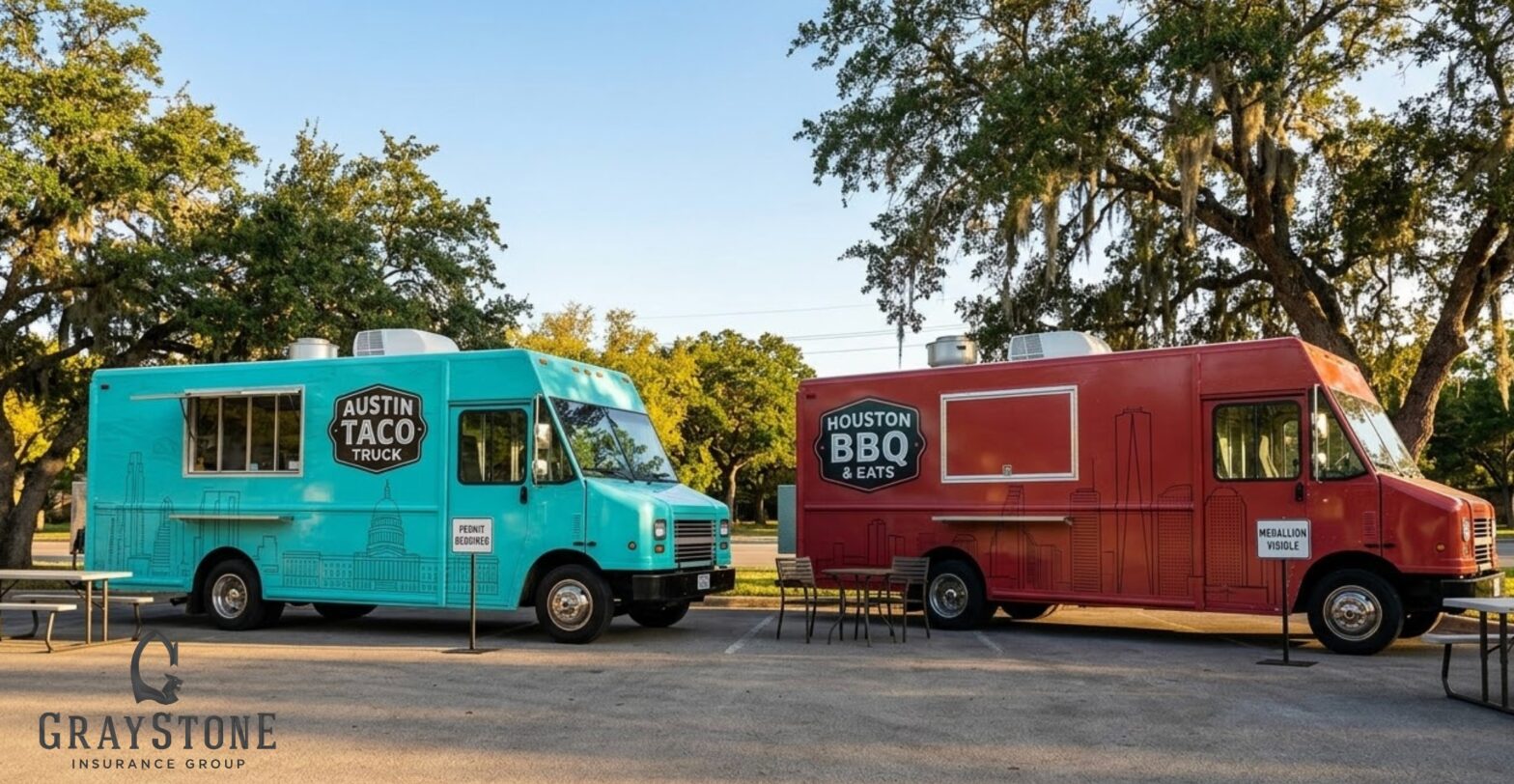
Yes, it is. If you want to run a food truck in Austin or Houston, you must have insurance. The people who give out permits in these cities will ask for a paper called a Certificate of Insurance (COI). This paper proves that your business has the money to pay if something goes wrong.
Both Austin Public Health and the Houston Health Department want to see that you have liability insurance. This protects you if a customer gets sick from your food. It also protects the city if your truck causes an accident. Without this paper, you cannot get your permit, and you cannot open for business.
The Austin Fire Department (AFD) has very clear rules. If your truck uses propane or cooks food that creates grease, you need a special fire permit. To get this, you must follow the 2021 International Fire Code. A licensed pro must check your truck every year to make sure it is safe.
If you don’t have these safety items, your insurance might not pay for a fire claim. Insurance companies expect you to follow these local laws.
Houston’s fire rules are a bit different. While Austin lets older trucks skip some rules, Houston requires all food trucks to have a fire suppression system. This became a rule in 2023. If you cook with heat, you must have this system installed to get your city medallion.
Houston also cares a lot about signs. You must have “No Smoking” signs in both English and Spanish near your gas tanks. You also need an emergency gas shutoff valve on the outside of the truck. It must be easy to find and labeled clearly. Following these Houston-specific rules is a must to keep your insurance active and your permit valid.
Buying “Texas food truck insurance” means getting a few different types of protection. One type isn’t enough to cover everything that can happen.
There is a new law called HB 2844. Starting July 1, 2026, you will only need one health permit for all of Texas. This is great because it saves you money and time. But, this law does not change your insurance needs. You still have to show proof of insurance to the state.
Even with a state health permit, you still have to follow city fire rules. If you are in Houston, you still need to follow Houston fire codes. If you are in Austin, you follow theirs. The new law makes the health paperwork easier, but the safety and insurance rules stay the same.
Most permit delays happen because of small mistakes. If the name on your insurance doesn’t match the name on your permit, the city will say no. For example, if your truck’s VIN number is wrong by even one digit on your insurance card, you will have to start over.
To move fast, ask your insurance agent to list the city as an “Additional Insured.” This is a special note that cities love to see. It shows them that you are professional and ready to work. Doing this early means you can get your permit and start selling food sooner.
Do I need a separate policy for my trailer and my truck? Usually, you can put them on the same commercial policy. However, you must make sure the trailer is listed correctly so its kitchen equipment is covered.
Does insurance cover me if my generator breaks? Standard liability doesn’t, but “Inland Marine” or “Equipment Breakdown” coverage can. It is a good idea to add this since generators are expensive to fix.
What is a COI? A COI is a “Certificate of Insurance.” It is a one-page summary that proves you have active insurance. You will need to show this to get your permits and to park at many food truck lots.
Can I use my personal car insurance for my food truck? No. Personal insurance usually excludes business use. If you have an accident while working, a personal policy will likely deny your claim.
Starting a food truck in Austin or Houston is an exciting journey, but the paperwork can feel like a maze. Between meeting the Austin Fire Department’s specific vent rules and ensuring your Houston “No Smoking” signs are in both languages, there is a lot to manage. Having the right texas food truck insurance isn’t just about checking a box for a permit—it’s about making sure one accident doesn’t park your business for good.
By staying ahead of the 2026 state law changes and keeping your safety gear up to code, you can focus on what you do best: serving great food to your local community. If you ever feel stuck on the insurance requirements or need a Certificate of Insurance that matches your city’s exact needs, GrayStone Insurance Group is here to help you navigate the process and get you on the road faster.
