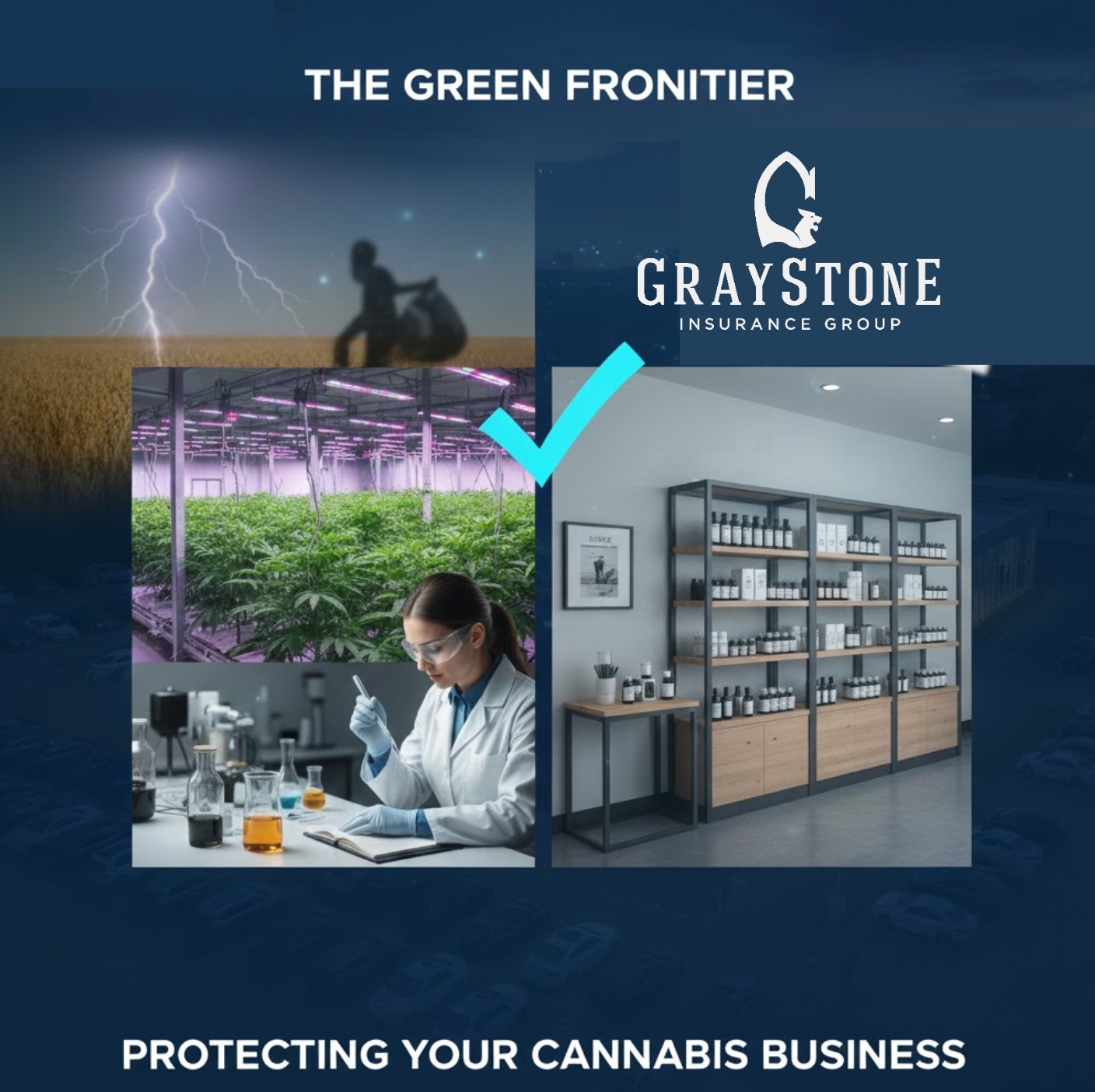
The business of growing and selling hemp and CBD is moving fast. Every day, new shops open in towns across the country, and more farmers are starting to grow hemp instead of corn or soy. It is an exciting time to be part of this industry. However, starting a business in this field is not the same as opening a bakery or a clothing store. There are many rules and risks that other business owners do not have to worry about.
One of the biggest hurdles for these owners is getting the right insurance. Insurance is a promise that a company will help pay for losses if something bad happens, like a fire, a theft, or a lawsuit. But because the laws around cannabis and hemp have changed so much lately, many insurance companies are still nervous. They might offer a policy that looks good on paper but actually leaves the business owner with no help when they need it most. To understand how to protect your business, you first need to understand the rules of the game.
To understand why CBD Shop insurance is tricky, you have to look at the history of the law. For a long time, all plants in the cannabis family were treated the same way. They were all considered illegal by the federal government. This made it impossible for insurance companies to offer any protection. In 2018, everything changed when the United States government passed a law called the Farm Bill.
This law created a clear line between two types of plants. Hemp is a type of cannabis plant that has very little THC. THC is the part of the plant that makes people feel “high.” If a plant has less than 0.3% THC, the law calls it hemp, and it is legal to grow and sell. If it has more than that, it is considered marijuana, which is still illegal under federal law.
Even though hemp is legal now, many old insurance rules still exist in the fine print of policies. Many insurance companies have what they call a “controlled substance” rule. This rule says they will not pay for any claims involving drugs. Because CBD comes from the cannabis plant, some insurance companies try to use this rule to avoid paying for CBD-related accidents. This is why a business owner cannot just buy any standard insurance policy from a local agent. They need a policy that is written specifically for the hemp and CBD market.
If you own a hemp or CBD shop or a farm, you have physical things that need protection. This is called property insurance. If a storm blows the roof off your warehouse or someone breaks into your shop and steals your computers, property insurance helps pay to fix or replace those items. This sounds simple, but for a hemp business, property insurance is much more complicated than it is for a regular retail store.
Think about the inventory you keep on your shelves. If a fire burns down a warehouse full of dried hemp flower, how much was that hemp worth? To a standard insurance company, it might just look like a pile of dried plants. But to the business owner, that was thousands of dollars in potential sales. A good insurance policy will have a clear plan for how to value the inventory so the owner gets a fair payment after a loss.
Equipment is another big part of the cost. Many CBD businesses use expensive machines to pull the oil out of the hemp plants. These machines can cost as much as a house. If a machine breaks because of an electrical problem or a small fire, a regular insurance policy might say “no” to the claim because the company does not understand the equipment. You need coverage that includes “mechanical breakdown” specifically for these high-tech tools.
While protecting your building is important, protecting your bank account from lawsuits is even more critical. Liability is a word that means being responsible for something. In business, liability insurance pays for your legal defense and any settlements if someone sues you. There are two main types that every hemp business needs to understand to stay safe.
The first is general liability. This covers basic accidents that could happen anywhere. For example, if a customer visits your CBD shop, slips on a wet floor, and breaks their arm, they might sue you to pay for their medical bills. General liability handles these kinds of “slip and fall” claims. Every business needs this, but it is only the beginning of your protection.
The second type is much more important for this industry: product liability. This covers what happens after a customer takes your product home and uses it. What if a customer takes a CBD oil you sold them and then gets a bad allergic reaction? Or what if they claim your product made them fail a drug test at their job, causing them to get fired?
Without product liability insurance, the business owner would have to pay for a lawyer out of their own pocket. Lawyers are very expensive, and these cases can last for years in court. Having the right product liability coverage means the insurance company takes over the legal battle for you and pays the costs.
For farmers, the risks are even higher because they are dealing with living things instead of bottled products. Farming is always a gamble with the weather. A huge hailstorm or a long period of heat can ruin a whole year’s worth of work in just a few days. While all farmers face weather risks, hemp farmers have a very specific problem that corn farmers never worry about.
Most farmers buy “crop insurance” to protect against bad weather. But for hemp farmers, there is an extra risk called “hot hemp.” As we mentioned, hemp must stay under 0.3% THC. Sometimes, because of the weather or the soil, a hemp plant will grow more THC than it is supposed to. When this happens, the crop is considered “hot.” By law, hot hemp must be destroyed. It cannot be sold, and it cannot even be used for animal feed.
Most insurance policies will not pay the farmer if their crop becomes hot. This is a risk the farmer usually has to take on their own. However, they can still get insurance for other things, like fire, theft of the harvested plants, or damage to their irrigation systems. Knowing exactly where your insurance stops is the only way to plan for a successful harvest.
It is just as important to know what insurance will not pay for as it is to know what it will. These are called “exclusions.” In the cannabis and hemp world, there are a few common exclusions that catch business owners off guard and can lead to bankruptcy if they are not careful.
One major exclusion is “government seizure.” If the police or a government agency takes your product—even if you think you are following every law—most insurance companies will not pay you for that lost product. This is a very common rule in almost every insurance policy because companies do not want to get involved with the police.
Another big exclusion is related to “health claims.” If a CBD shop puts a sign in the window that says, “This oil will cure cancer,” they are in big trouble with the law. The government (the FDA) does not allow businesses to say their products cure diseases. If someone sues the shop because the oil did not cure them as promised, the insurance company will likely refuse to help because the shop made an illegal claim.
Because there are so many traps in the fine print, business owners should not try to figure this out alone. They need to work with an insurance agent who knows the hemp and CBD industry inside and out. A regular agent who mostly sells car insurance or home insurance might not know about the “controlled substance” exclusions or the rules for “hot hemp.”
A professional agent will look at every part of the business. They will check the contracts with suppliers to see who is responsible for mistakes. They will look at the labels on the bottles to make sure you are not making dangerous health claims. They will also make sure the building has the right security cameras and alarms to keep the insurance company happy. This preparation makes it easier to get a good insurance policy at a fair price.
As the market for hemp and CBD continues to grow, the insurance industry will slowly catch up and become more friendly. More companies will start offering better policies, and prices may even come down as the risks become better understood. Until then, business owners must be very careful and proactive.
Protecting a business is about more than just making sales and finding customers. It is about making sure that one bad day or one accidental mistake does not wipe out everything you have worked so hard to build. With the right plan in place and the right insurance partner, entrepreneurs can focus on creating great products and helping their customers feel better.
1. Why can’t I just use a regular business insurance policy for my CBD shop?
Most standard insurance policies contain a “controlled substance” exclusion in the fine print. Because CBD is derived from the cannabis plant, many traditional insurance companies may use this clause to deny your claim, even if your products are federally legal. Specialized policies are written specifically to remove this language and ensure you are covered.
2. What is “Product Liability” and why do I need it?
Product liability protects your business if a customer claims they were harmed by using your product. For example, if a customer has an allergic reaction or claims they failed a drug test because of your CBD oil, they might sue you. This insurance pays for your lawyer and any court-ordered settlements.
3. Does insurance cover my crop if it becomes “hot”?
Generally, no. If your hemp plants test above the 0.3% THC limit, they are considered “hot” and must be destroyed by law. Most insurance policies view this as a regulatory or genetic risk rather than an accident, so they will not pay for the lost value of the crop.
4. Will insurance pay for my inventory if it is stolen or damaged in a fire?
Yes, provided you have a specialized property insurance policy. Unlike standard policies that might struggle to value “dried plants,” a hemp-specific policy will have a clear method for determining the fair market value of your inventory so you can recover your costs after a loss.
5. What happens if the government or police seize my products?
Most insurance policies have a “Government Seizure” exclusion. This means that if a government agency takes your products—even if it turns out you were following the law—the insurance company will not reimburse you for that loss.
6. Can I get insurance if I make health claims about my CBD products?
Making “health claims” (like saying a product cures a disease) is a major risk. If you are sued because a product didn’t “cure” someone as promised, your insurance company will likely deny the claim because those types of marketing statements are prohibited by the FDA.
7. How can I make sure I have the right coverage?
The best way is to work with an agent who specializes in the cannabis and hemp industry. They can review your contracts, your labels, and your security measures to ensure your policy doesn’t have hidden gaps that would leave you unprotected during a crisis.
To wrap things up, the hemp and CBD industry is full of great opportunities, but it is also full of unique dangers that require special attention. From the way your plants are grown in the field to the way your products are sold in the store, every step of the process has risks that need to be managed. Standard insurance is rarely enough to keep you safe. You need specialized coverage that recognizes hemp as a legal, legitimate product while protecting you from the specific lawsuits and accidents that happen in this field.
If you are currently running a CBD shop, a hemp farm, or a processing facility, now is the time to look at your paperwork. Do not wait until a pipe bursts, a fire starts, or a customer files a lawsuit to find out if you are covered. Small mistakes in your policy language can lead to huge losses that you have to pay for yourself, which could end your business forever.
At GrayStone Insurance Group, we are here to help you understand your options and find the best path forward. We can look at your current insurance plan and show you exactly where you might be at risk. We work with the specific insurance carriers that understand this industry, so you get the protection you deserve. Contact GrayStone Insurance Group today for a full review of your business insurance. Let us help you keep your business safe so you can focus on growing for the future.
